If you’ve ever had RFID labels fall off, get damaged, or simply not survive the environment—they weren’t the right solution.
That’s exactly where embedded RFID comes in.
What Is an Embedded RFID?
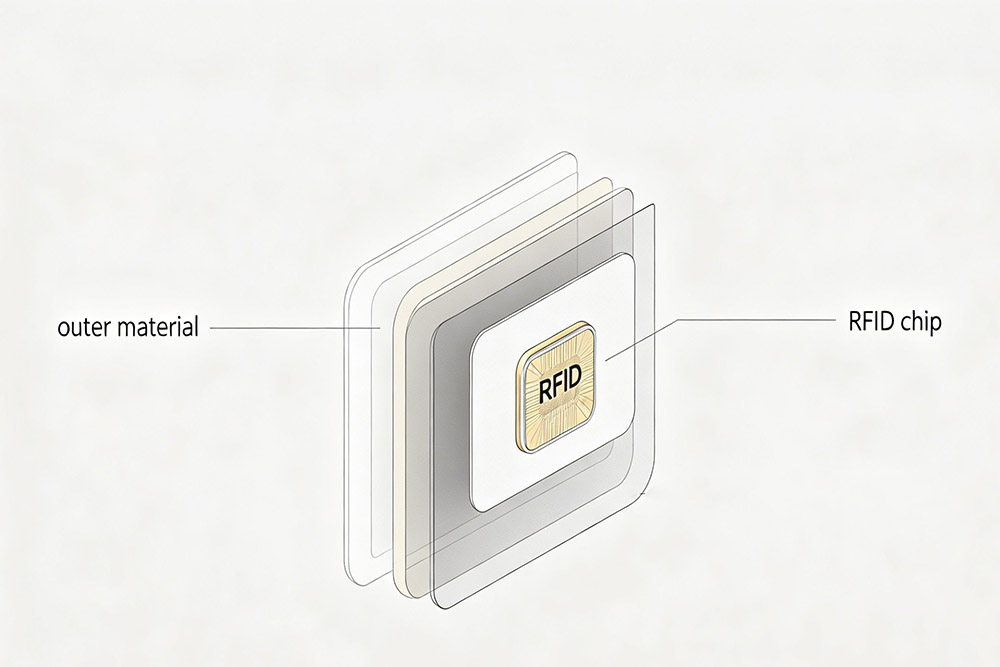
Embedded RFID refers to an RFID tag that is built directly inside an object , rather than attached to its surface.
It’s not a different frequency or technology.different way of deploying RFID .
Instead of sticking a label on a tool, garment, or container, the RFID tag is:
molded into plastic
sealed inside metal or equipment
sewn into textiles
embedded during manufacturing
Once installed, the tag becomes a permanent part of the asset .
Why Use Embedded RFID Instead of Surface Tags?
Most companies don’t start with embedded RFID. They switch to it after problems appear.
1. Tags Keep Falling Off
Adhesive RFID labels don’t last in:
high heat
vibration
rough handling
Embedding solves this by protecting the tag inside the asset.
2. Harsh Environments
In industrial settings, RFID tags face:
chemicals
pressure washing
extreme temperatures
Embedded tags are protected from direct exposure, making them far more durable.
3. Anti-Tampering Requirements
Because embedded RFID is hidden and inaccessible , it prevents:
removal
replacement
tampering
This is critical in tool tracking, asset management, and high-value equipment.
4. Clean Product Design
In retail or manufacturing, visible tags can interfere with design.“invisible tracking system.”
Types of Embedded RFID Tags
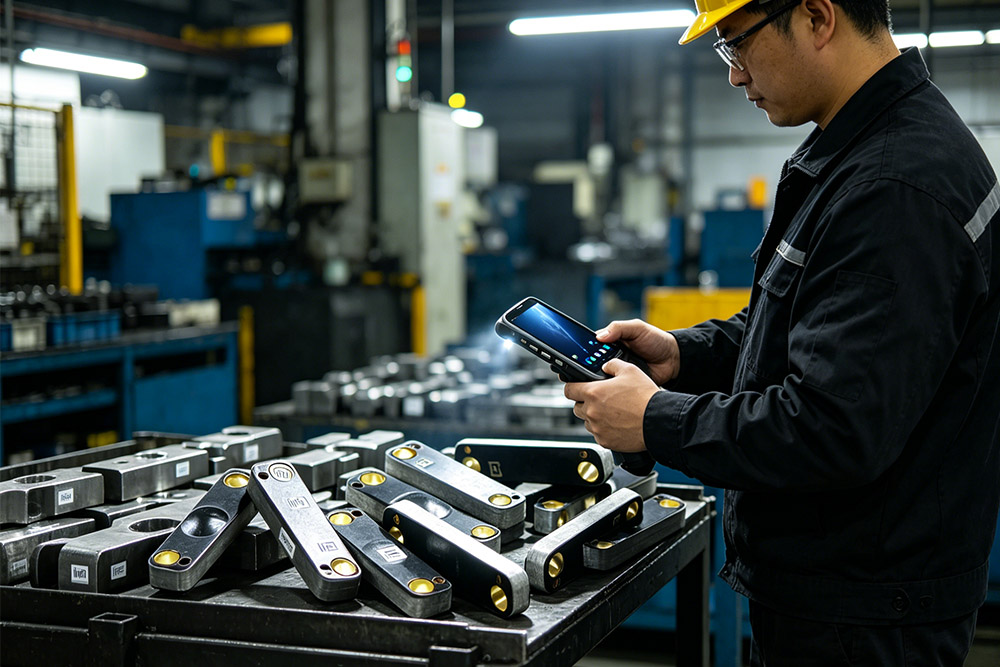
1. Metal-Embedded RFID Tags (Industrial Tools & Equipment)
For metal environments, standard RFID fails due to signal interference.
Products like:Industrial metal RFID tags
Key features:
designed for embedding into metal tools
resistant to impact and vibration
optimized for UHF performance on metal
Typical use cases:
tool tracking
manufacturing fixtures
heavy equipment identification
2. RFID Laundry Tags
Products like: CK-BQ7015 industrial RFID laundry tag
These are designed to be:
sewn into garments
resistant to washing, drying, and ironing
Applications:
hotel linen tracking
hospital uniforms
industrial workwear
Laundry tags are one of the most common forms of embedded RFID, where the tag is hidden inside fabric pockets.
3. Anti-Liquid RFID Tags (Liquid & Chemical Environments)
Products like:CK-BQY7320 anti-liquid passive RFID tags
Liquids typically absorb RF signals, reducing performance.
These tags are:
tuned for liquid environments
suitable for embedding in containers
Applications:
chemical containers
medical samples
food and beverage tracking
Where Embedded RFID Works Best
Embedded RFID is not for every project—but in the right scenario, it’s unbeatable.
It works best when:
assets have a long lifecycle
environments are harsh or industrial
tags must be permanent and tamper-proof
manual handling is frequent
Common industries:
manufacturing
construction
healthcare
logistics
textile management
Embedded RFID vs Surface RFID
Feature Embedded RFID Surface RFID Durability Very high Medium Replaceable No Yes Installation Complex Easy Tamper resistance High Low Flexibility Low High
Embedded RFID is about reliability , not flexibility.
Important Design Considerations
Embedding RFID is not just “putting a tag inside.”
1. Placement Matters
Incorrect placement can kill performance—especially near metal.
2. Material Compatibility
Tags must match the environment:
metal tags for metal
non-metal tags for plastic, wood, etc.
3. Read Range Trade-Off
Smaller embedded tags typically have shorter read ranges (often under 1 meter), while larger ones can reach several meters.
4. No Second Chances
Once embedded:
you can’t reposition
you can’t replace easily
Testing before deployment is critical.
When You Should NOT Use Embedded RFID
Avoid embedding if:
the asset cannot be modified (no drilling or pocket)
flexibility or replacement is required
you’re still testing your RFID system
In many projects, companies start with surface tags, then move to embedded once the setup is proven.
Final Thoughts
Embedded RFID isn’t a new technology—it’s a smarter deployment strategy.
It turns RFID from something temporary into something permanent, protected, and reliable.
If your current RFID setup is failing because tags don’t last, get damaged, or get removed, embedding might be the upgrade you actually need.
But remember:
Once it’s embedded, there’s no undo button.
Plan it right the first time.
 Cykeo RFID IoT Solution Products R&D Manufacturer