 Cykeo RFID IoT Solution Products R&D Manufacturer
Top Use Cases of UHF RFID Handheld Reader Writers in Real Operations
115Discover real-world use cases of UHF RFID handheld reader writers in warehouse, retail, asset tracking, and field operations.
MoreAll RFID Product
If you’ve been browsing around trying to pick a USB RFID reader, you probably noticed the market looks messier than it should. Tons of models, different protocols, big ones, tiny ones—you name it.
But honestly, these devices all follow the same simple idea:
plug it into your computer and let it read tags.
That’s it.
You can use them for asset check-ins, small warehouse tasks, file tracking, basic access control, POS setups, library check-in/out… basically anywhere you need to scan or update RFID tags.
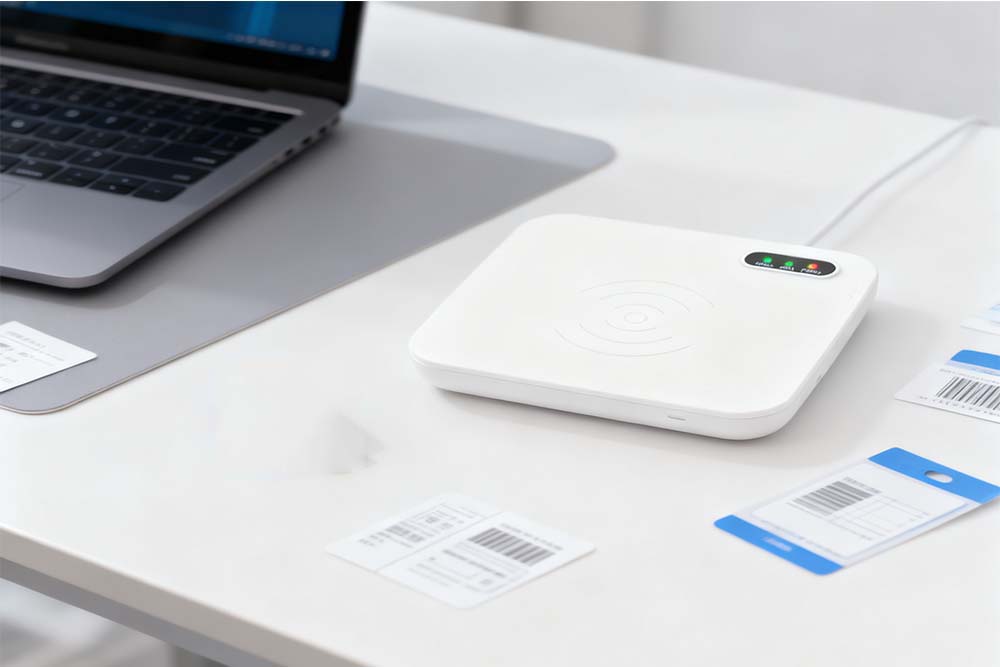
The real difference isn’t “can it work?”
It’s where you plan to use it.
This type is the most capable one.
If you handle warehouse work, logistics, asset tracking, or anything that needs stability and consistent read performance, this is your zone.
Typical traits:
It’s not flashy, but it’s reliable—kind of like having a well-organized toolbox that always works.
Then you’ve got the tiny, desk-friendly readers that barely take up space.
These are super popular because they’re just… easy.
What they’re good at:
They’re not meant for long-distance reads, but for everyday desk work, they’re incredibly smooth to use.
These are the ones you find all over online marketplaces.
Different frequencies, simple card readers, UHF/HF/NFC—pretty much everything exists there.
They’re perfect if you:
Not fancy, but definitely convenient.
Some USB RFID readers are built for one thing:
drop RFID capability into your system with as little effort as possible.
Minimal setup, straightforward behavior, and just enough features to get the job done.
They’re made for people who want RFID to “just work” without diving into technical details.
Don’t let specifications scare you.
Just think about how you use it every day, how far the tag is, and whether your environment is busy or quiet.
Those matter way more than the numbers.

Discover SSD-D4AL, a USB-HID UHF RFID reader with 4/8/16 antenna options, Impinj E710/X3M1 chipset, plug-and-play USB power, and OEM customization.
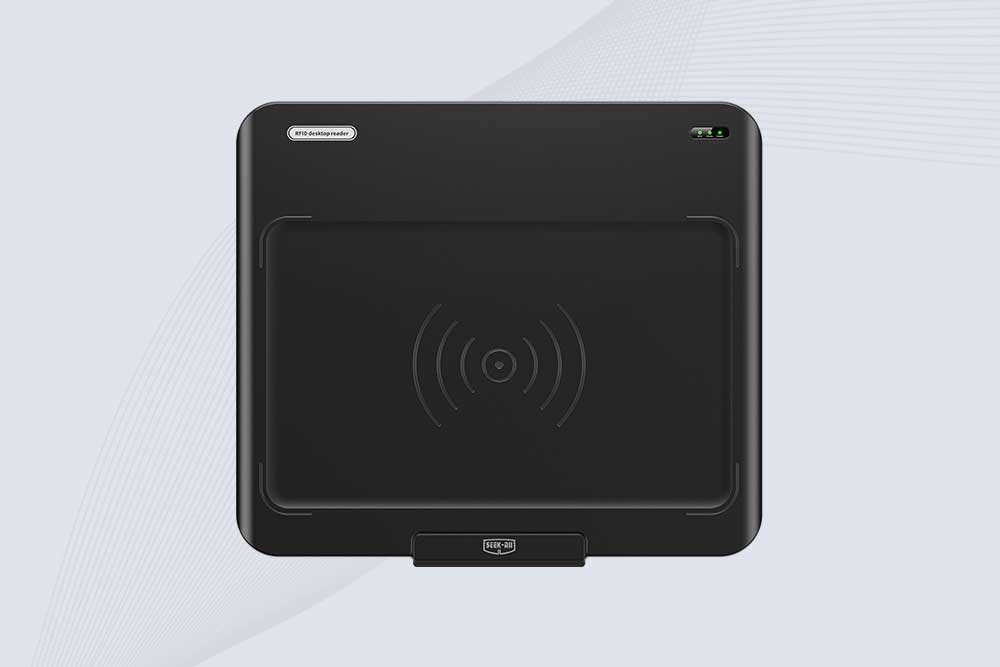
SSD-D3AL is a USB-HID UHF RFID reader with 0–30 cm reading, 0–15 cm writing, over 600 tags/s recognition, USB plug-and-play operation and OEM Logo customization.
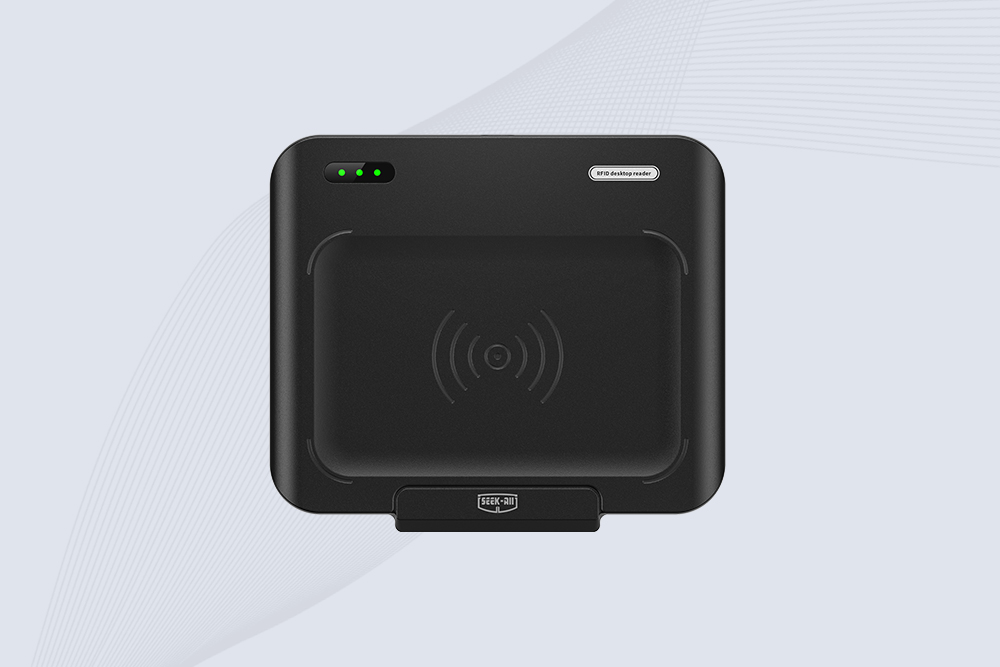
SSD-D1AL is a compact USB UHF RFID reader with Impinj E710/X3M1 chipset, USB-HID, 600+ tags/s recognition, 4/8/16 antenna support and plug-and-play USB power.

CYKEO CYKEO-D1LA USB RFID Reader is a compact desktop solution with near-field control for precise tag reading and encoding. Powered by USB, supporting ISO 18000-6C, and built for stable batch writing, this usb rfid tag reader fits retail, libraries, offices, and controlled RFID encoding tasks.

Discover real-world use cases of UHF RFID handheld reader writers in warehouse, retail, asset tracking, and field operations.
More
Wondering "how far away can you read RFID"? Discover exact read distances for LF, HF, UHF, and active RFID systems. Factors affecting range and real-world performance with CYKEO.
More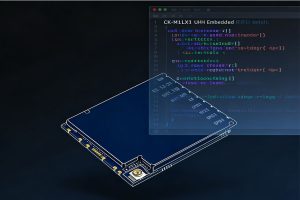
Cykeo CK-M1LX1 UHF embedded RFID module is built for real-world integration. Clean APIs, Java & C# SDK support, adjustable RF power, and global protocol compatibility — ideal for software developers and RFID hardware buyers.
More
How to use RFID card: Match the card with a compatible reader, present it within the operating field, and verify that the connected system processes the corr...
More