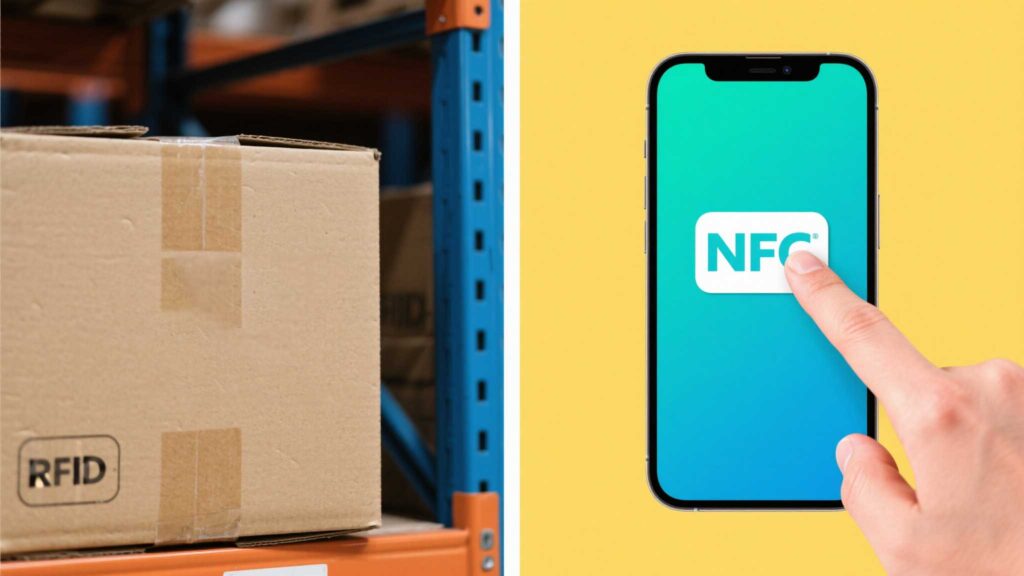
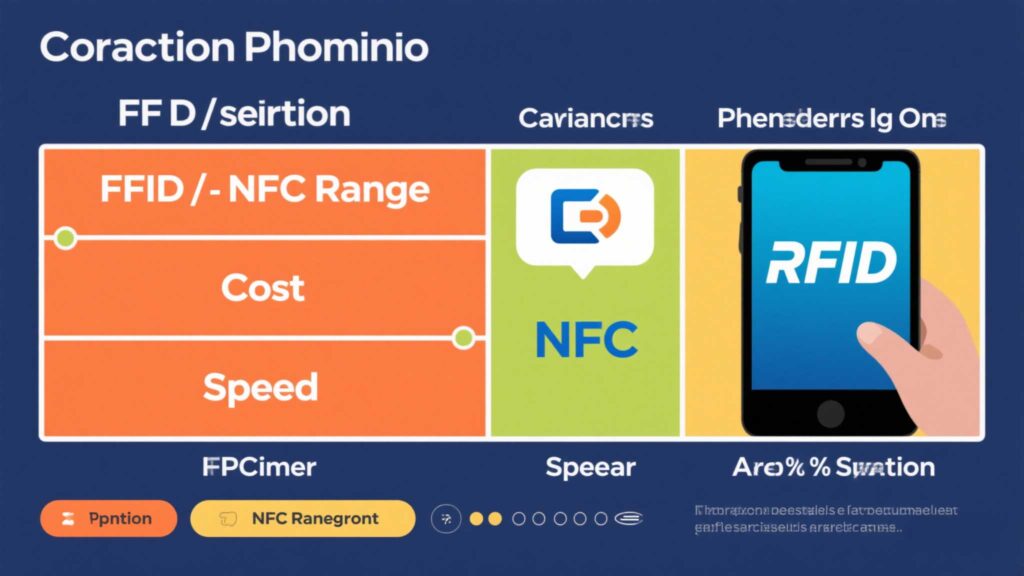
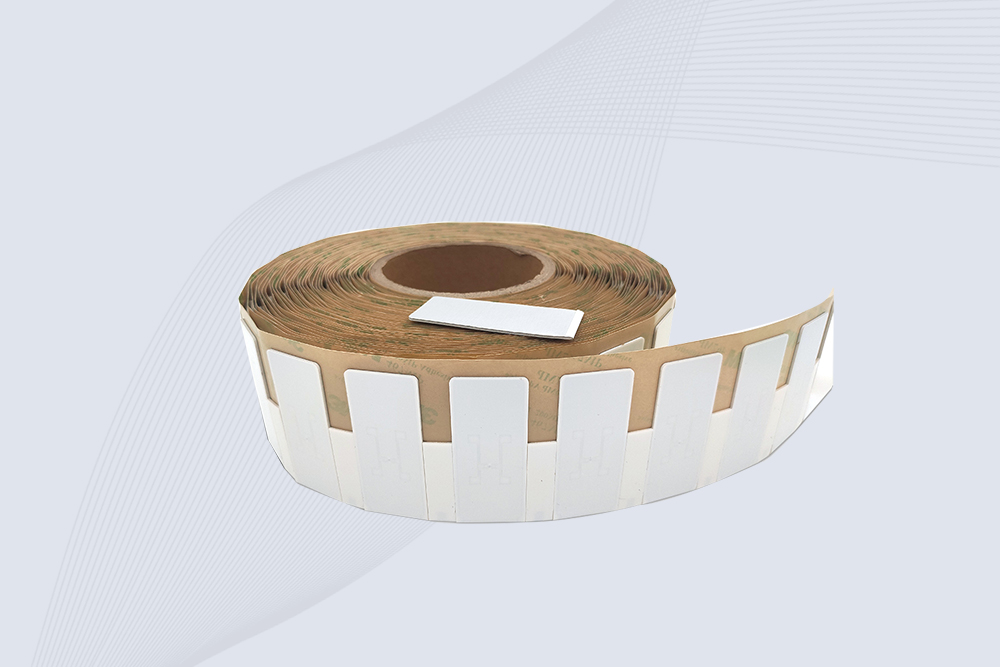
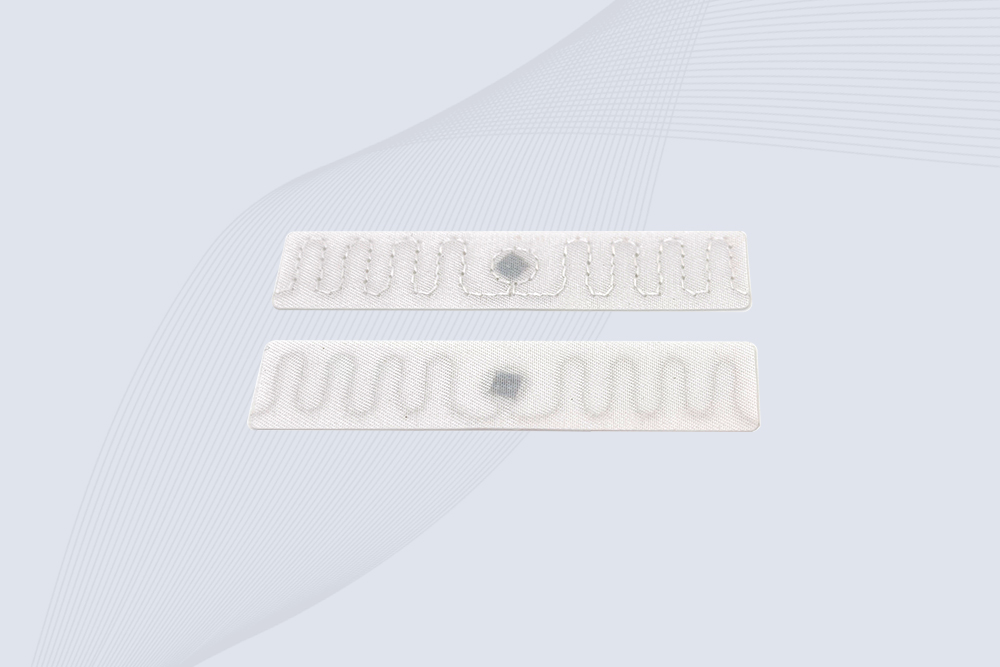
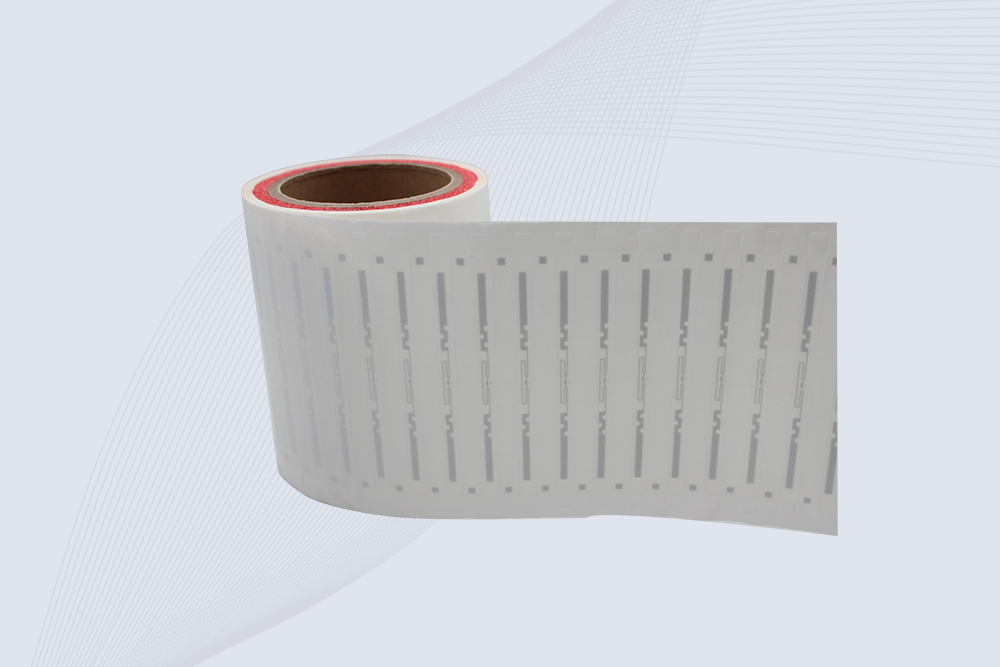
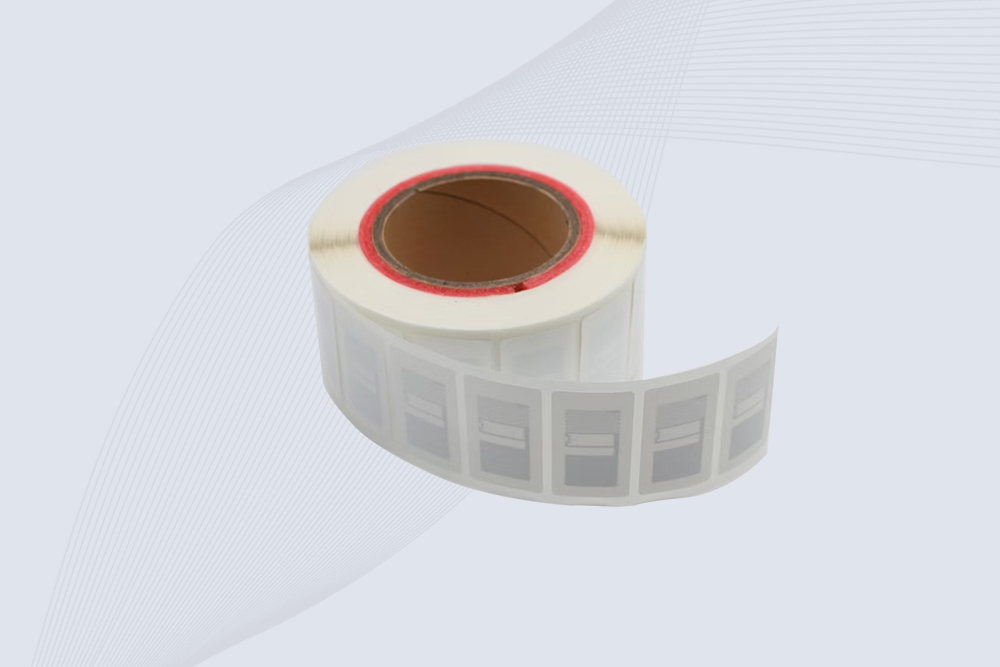
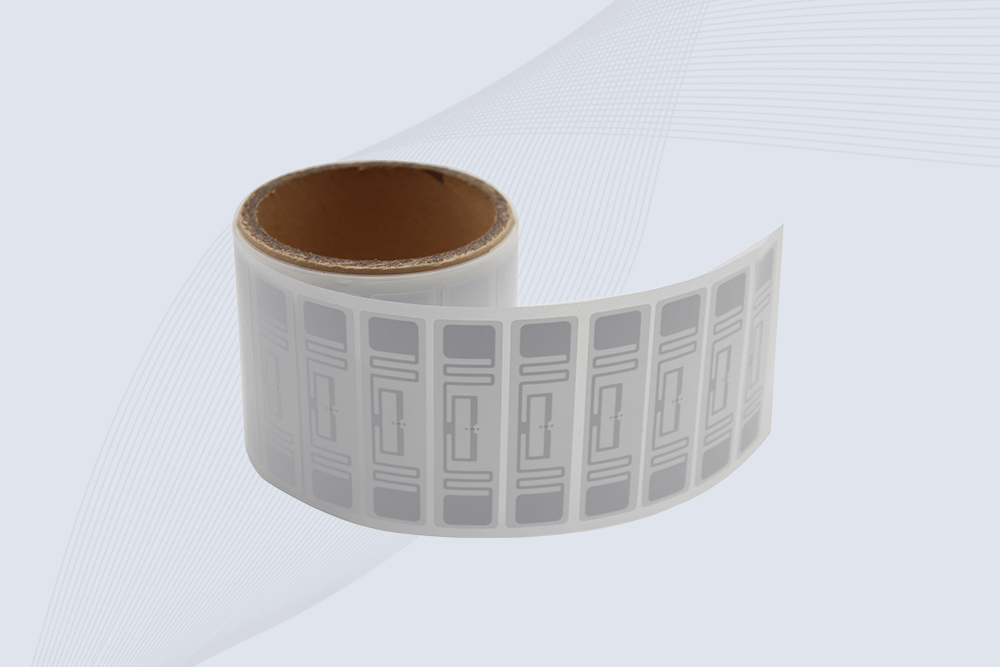
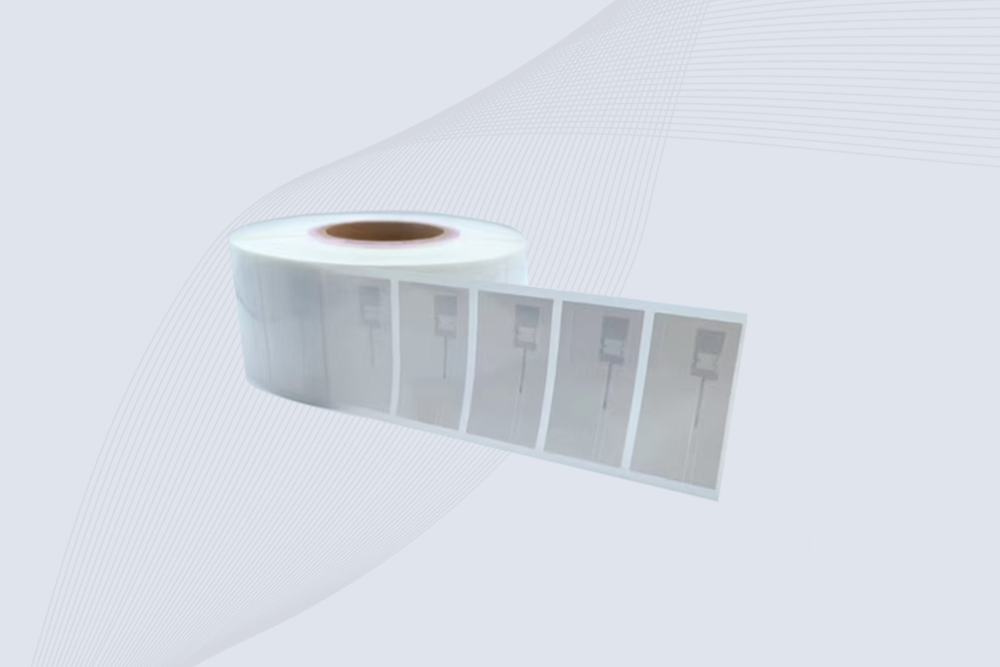
Wireless technologies like RFID and NFC often get lumped together, but their capabilities are worlds apart. Choosing the wrong one can mean wasted budgets, frustrated customers, or even safety risks. Let’s cut through the confusion and explore where each technology shines—and where it falls short—across key industries.
RFID vs NFC: Breaking Down the Basics
RFID (Radio-Frequency Identification)
Range: Up to 15 meters (UHF systems).
Power: Passive (no battery) or active (battery-powered).
Cost: 0.10–50 per tag.
Data Capacity: 2 KB–8 KB.
Speed: Scans 1,000+ tags per second.
NFC (Near Field Communication)
Range: <10 cm.
Power: Requires smartphone or reader power.
Cost: 0.50–2 per tag.
Data Capacity: Typically 4 KB.
Speed: Single-tag reads, slower than RFID.
Key Differences That Impact Your Business
Factor
RFID
NFC
Best For
Bulk scanning, long-range tracking
Secure, close-range interactions
Security
Basic encryption
Advanced (supports EMV payments)
Integration
Industrial machinery, ERP systems
Mobile apps, consumer devices
Typical Use Case
Tracking pallets in warehouses
Mobile payments at retail stores
Industry-by-Industry Guide
1. Retail: NFC for Payments, RFID for Inventory
RFID Dominates: Real-time inventory management. Example: A U.S. apparel chain reduced stockouts by 40% using RFID, while NFC handled 78% of in-store payments.
2. Healthcare: RFID for Safety, NFC for Patient Engagement
RFID: Track surgical instruments to prevent retention errors (1 in 5,500 surgeries).
NFC: Patients tap wristbands to access digital health records or call nurses.
3. Manufacturing: RFID Rules the Floor
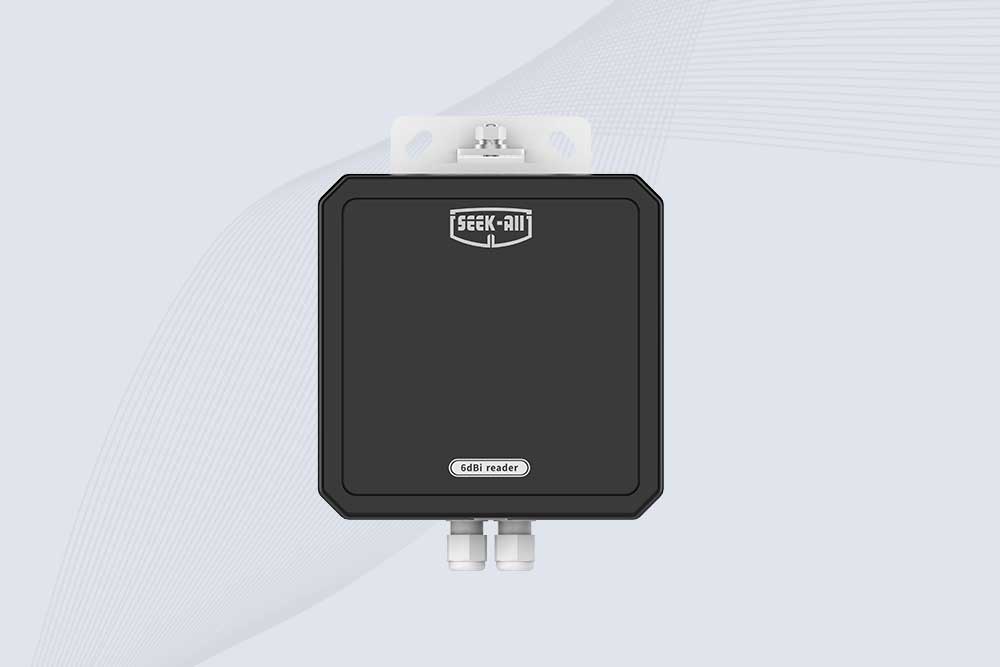
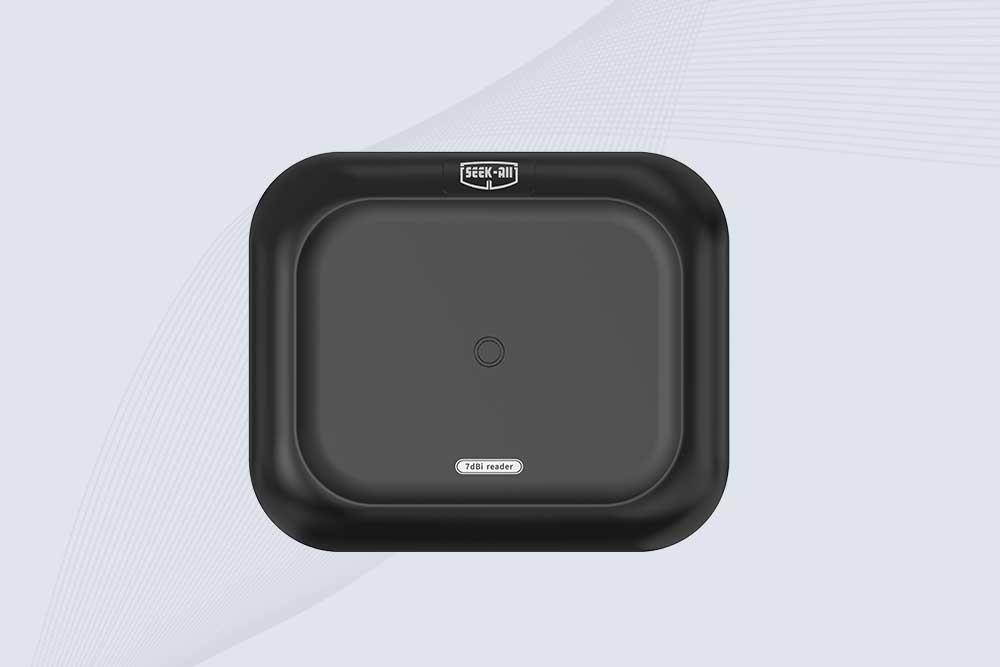
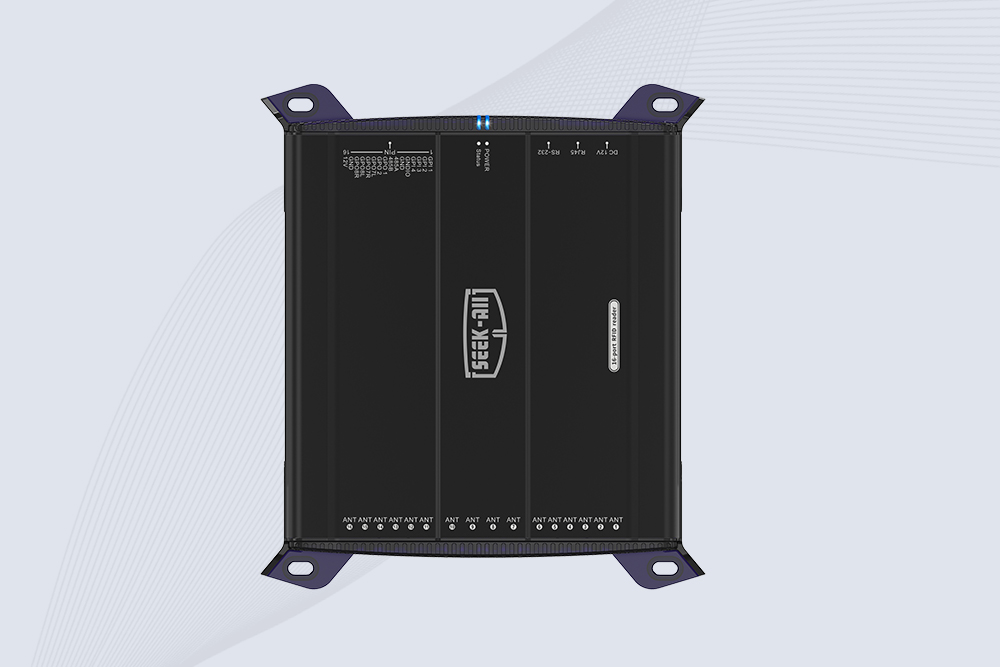
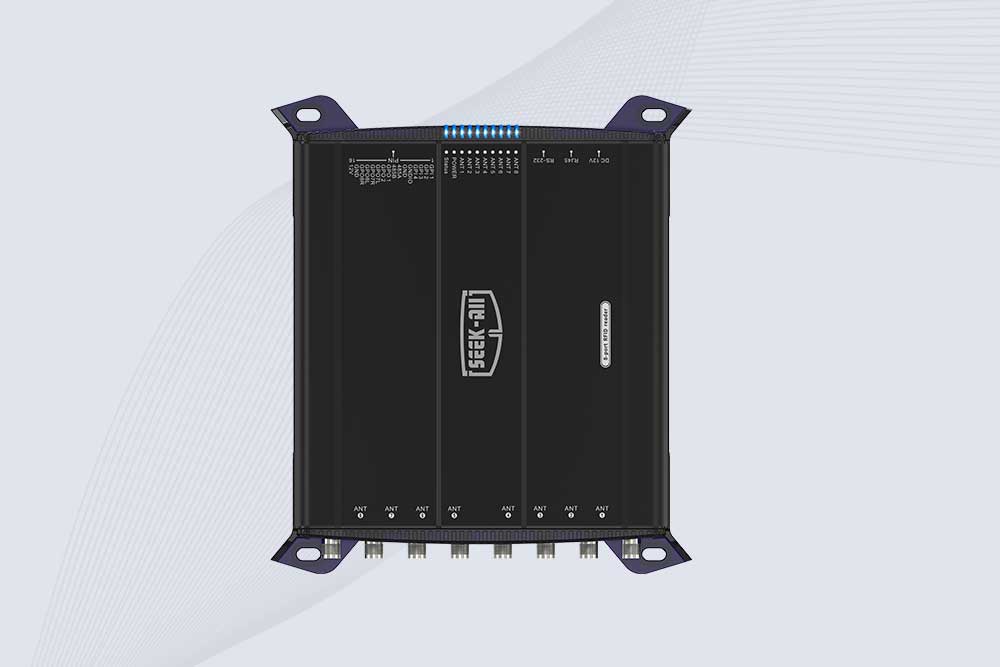
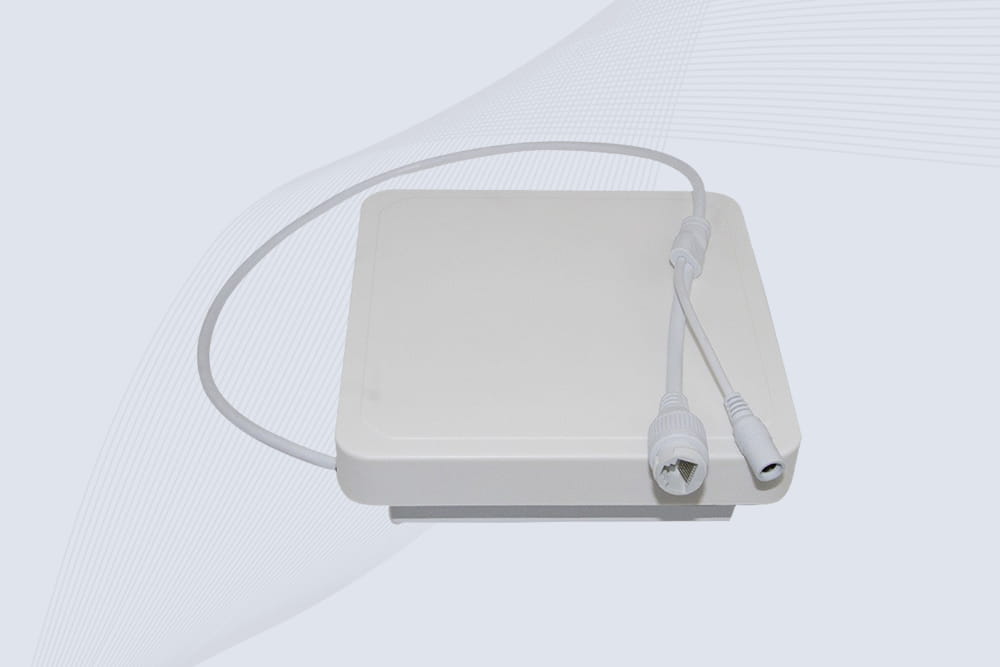
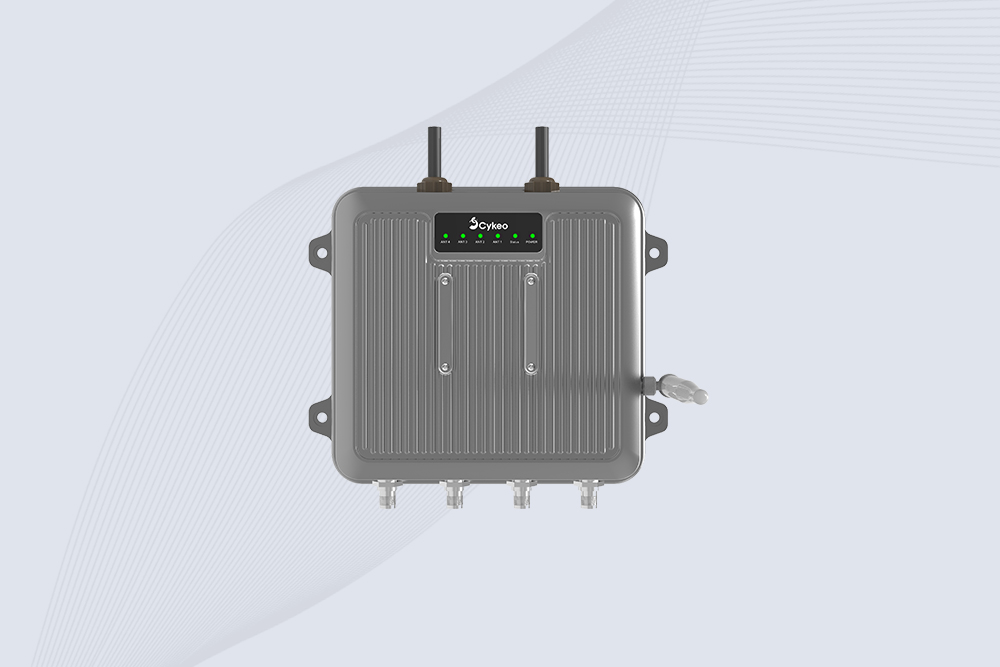
RFID: Monitor raw materials across 50,000 sq. ft. facilities. Cykeo’s RFID readers helped an auto parts supplier cut misloads by 90% on assembly lines.
NFC’s Niche: Maintenance staff tap machines with phones to pull up service logs.
4. Logistics: RFID’s Long Reach vs NFC’s Precision
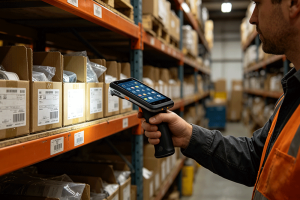
RFID: Scan entire truckloads at dock doors in seconds.
NFC: Verify high-value cargo seals (e.g., pharmaceuticals) with tamper-proof taps.
Cykeo’s Hybrid Solution: Bridging Both Worlds
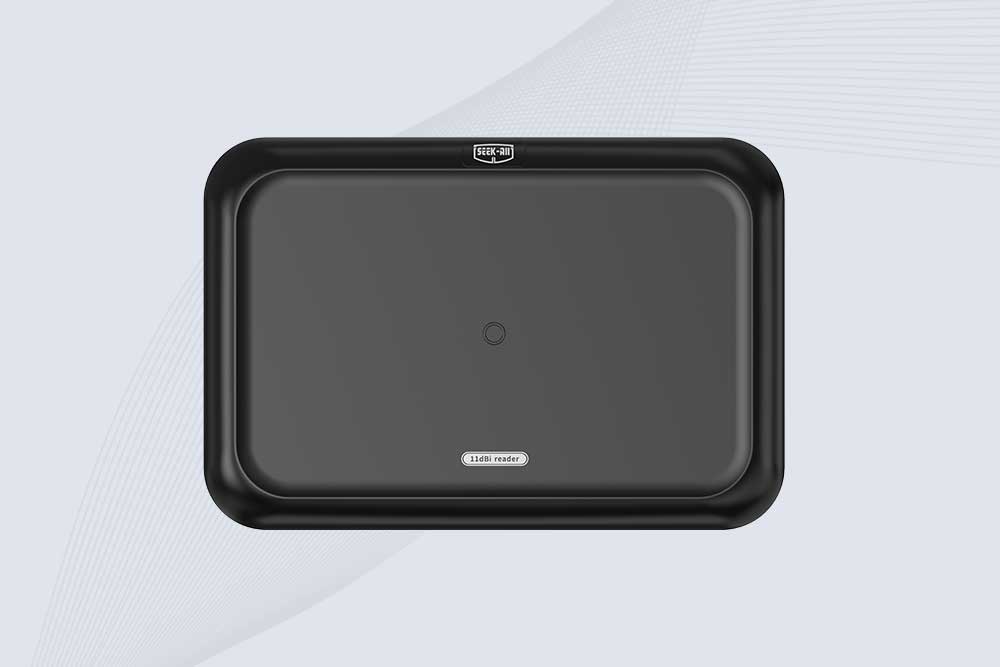
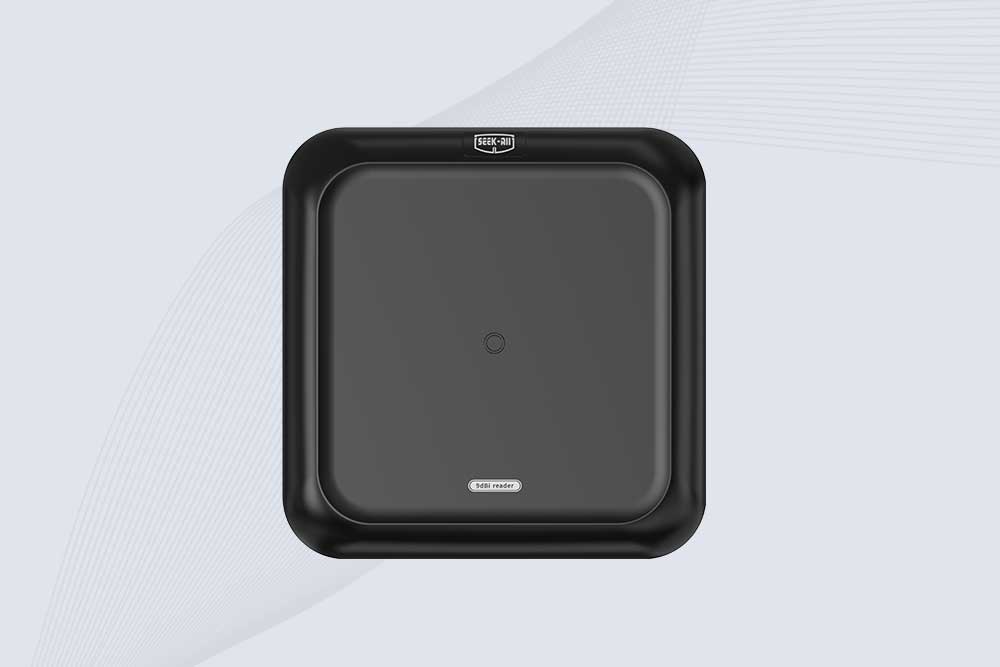
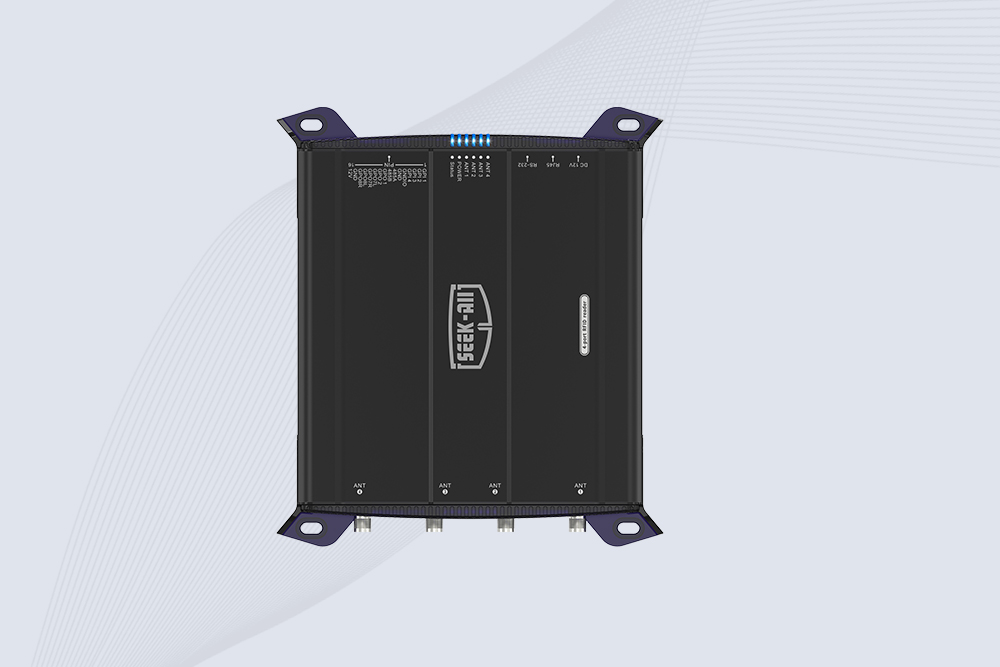
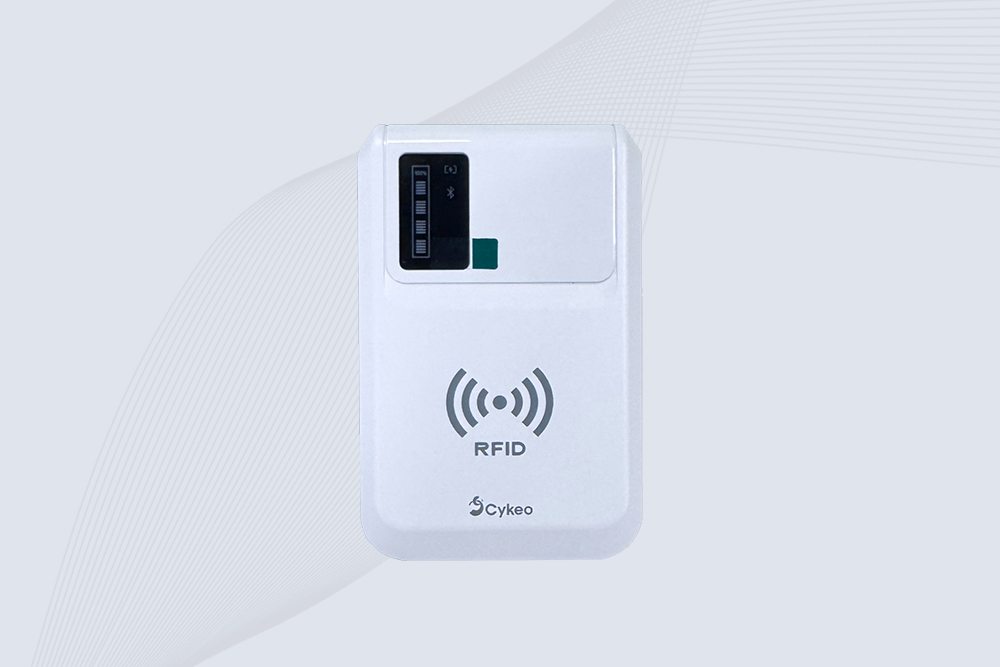
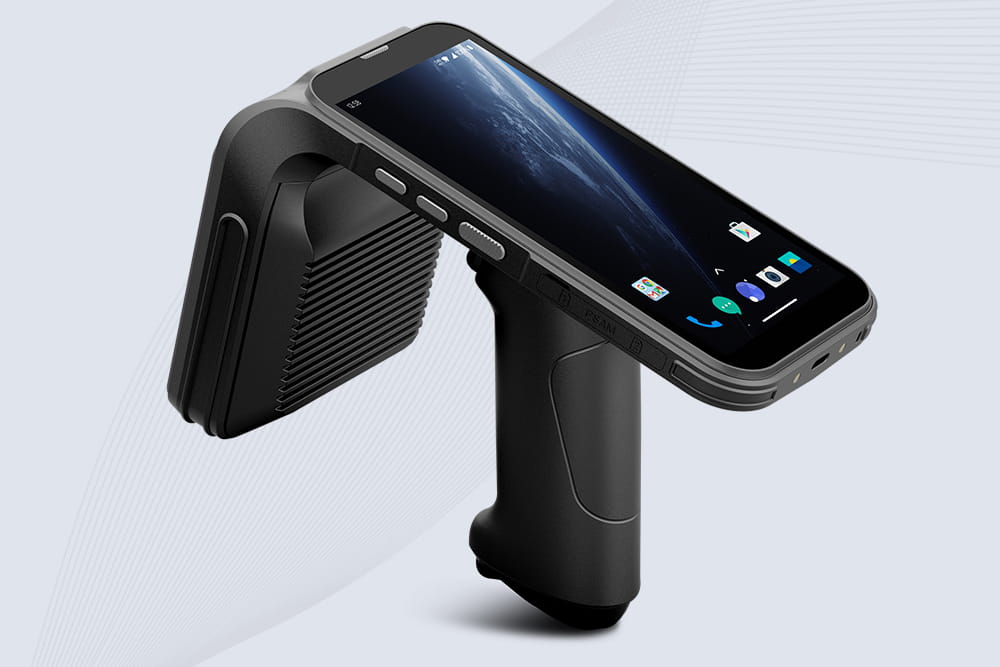
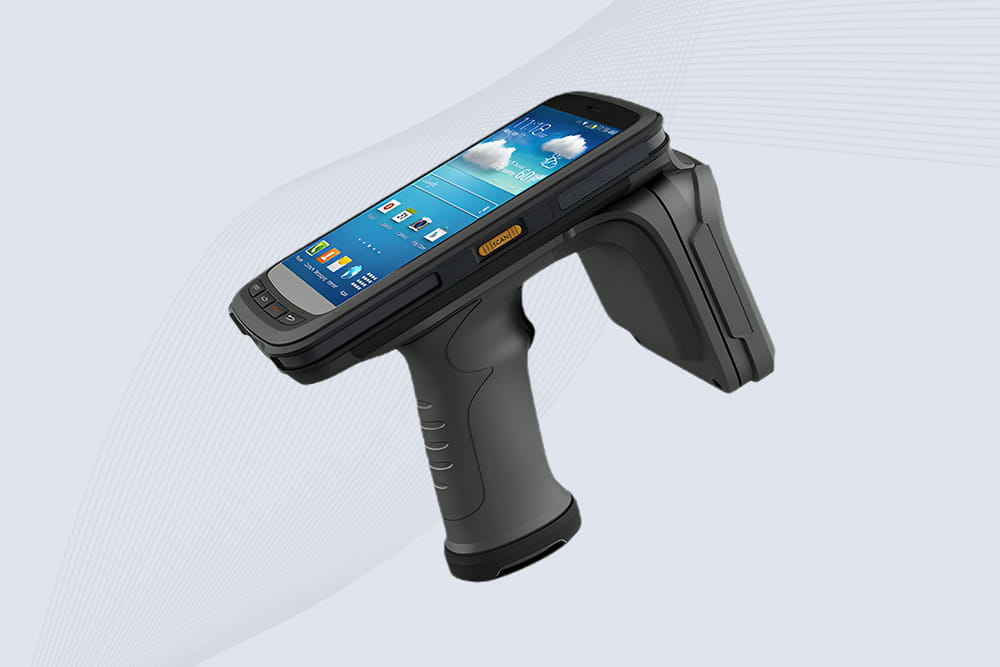
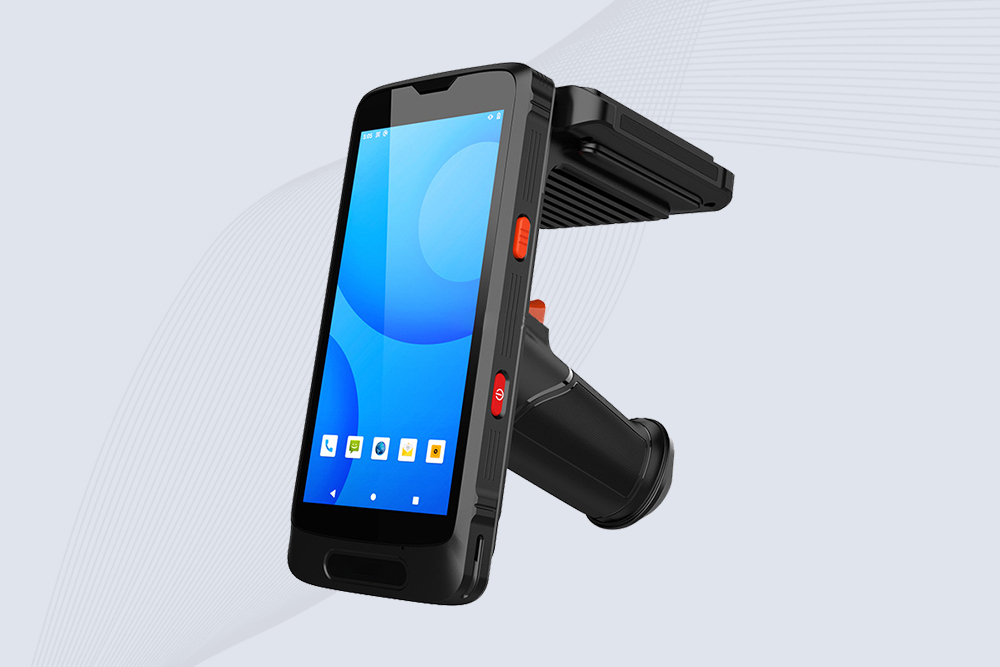
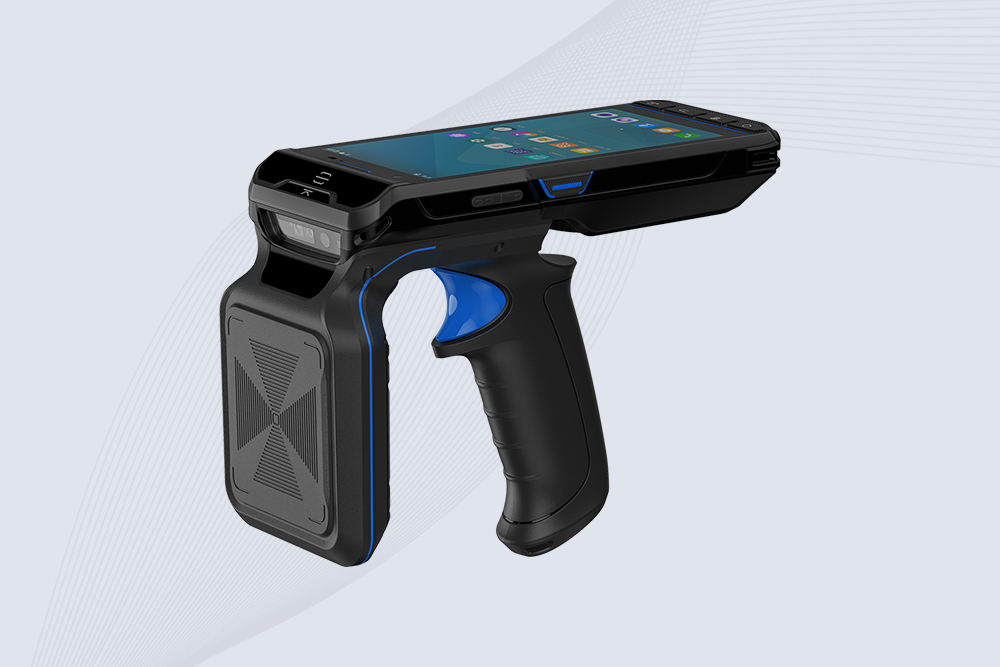
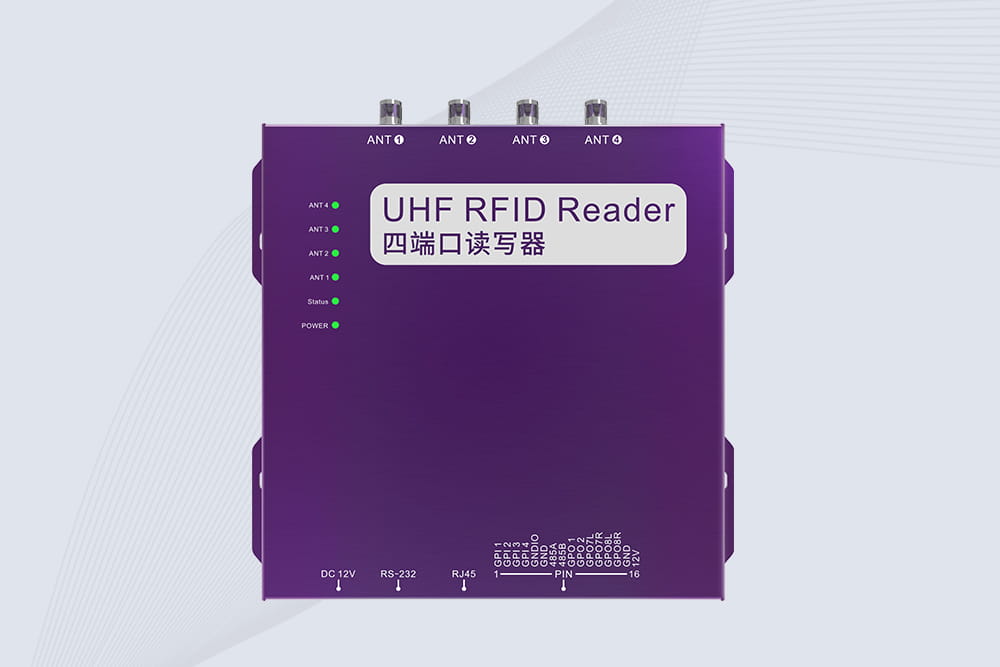
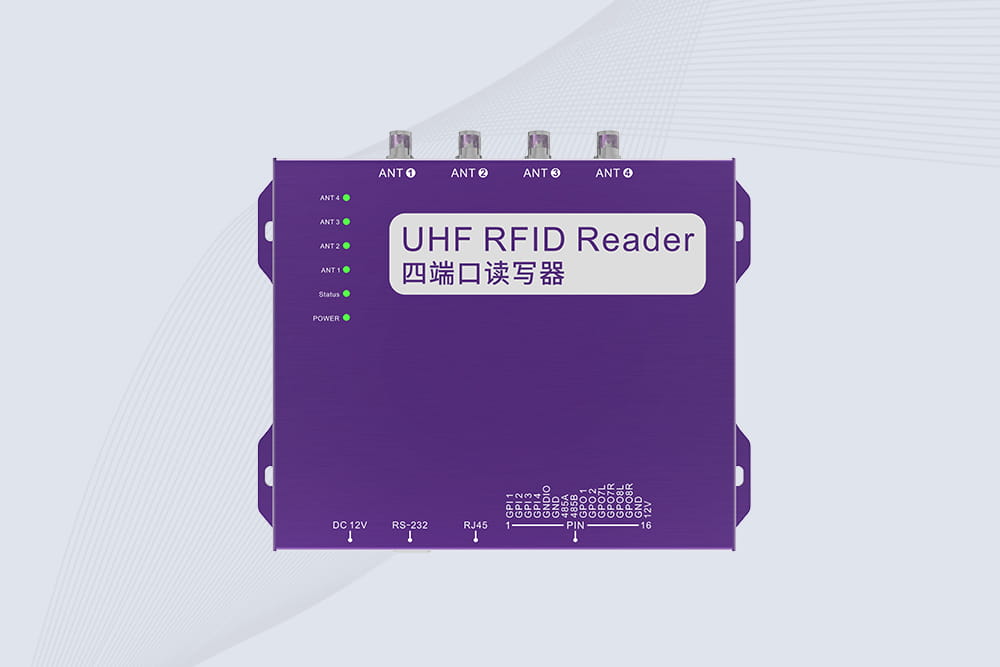
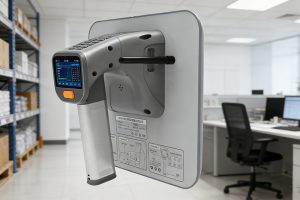
Cykeo’s dual-technology reader supports RFID for warehouse tracking and NFC for delivery confirmations. A European logistics firm uses it to:
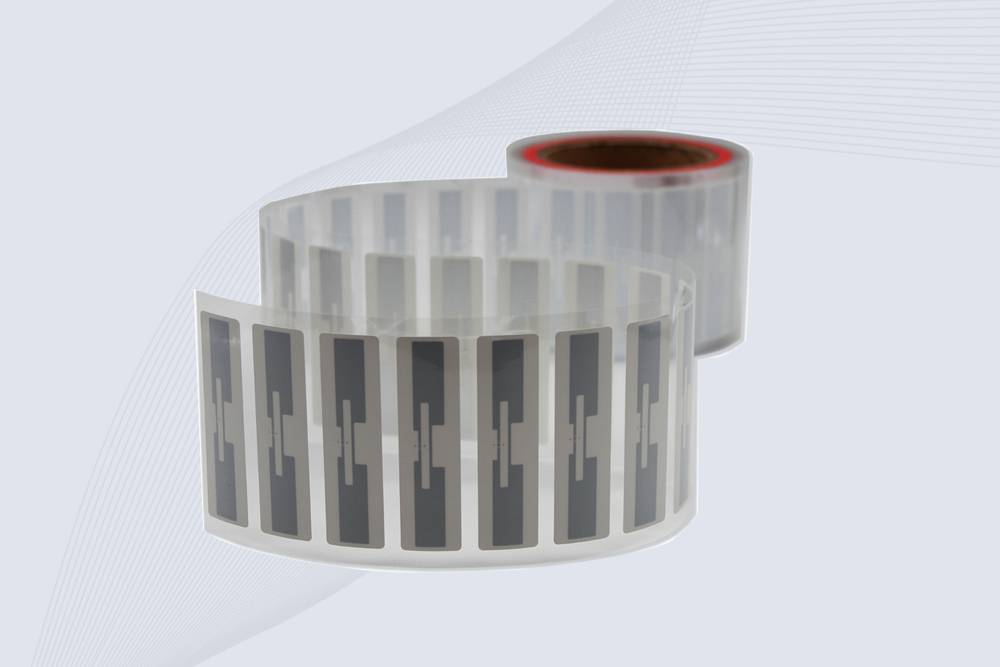
Scan RFID-tagged pallets during loading (200+ tags/minute).
Drivers tap NFC-enabled phones to confirm handoffs, auto-updating customer portals.
Cost Comparison: When Budgets Dictate Choice
RFID: Higher upfront costs (readers: 500–5,000) but lower per-tag pricing. Ideal for tracking 1,000+ assets.
NFC: Cheaper to pilot (use existing smartphones) but scales poorly for large inventories.
Discover how long do led tennis court lights last and how RFID tracking software delivers real-time visibility, automation, and accurate asset management.
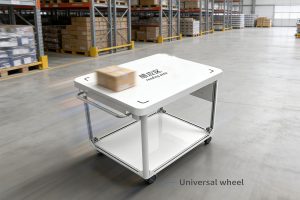
Looking for a faster, more accurate way to manage your inventory? The CK-D7 Mobile RFID Cart offers real-time tracking and simple integration. Perfect for warehouses, retail, and tool rooms.
Learn how do rfid tags work using radio waves to transmit data wirelessly for fast, accurate tracking in retail, logistics, and asset management systems.
This article provides a comprehensive overview of wireless RFID scanners, including how they work, their key features, common applications, and buying considerations, helping businesses achieve efficient asset tracking and intelligent data collect...
 Cykeo RFID IoT Solution Products R&D Manufacturer