 Cykeo RFID IoT Solution Products R&D Manufacturer
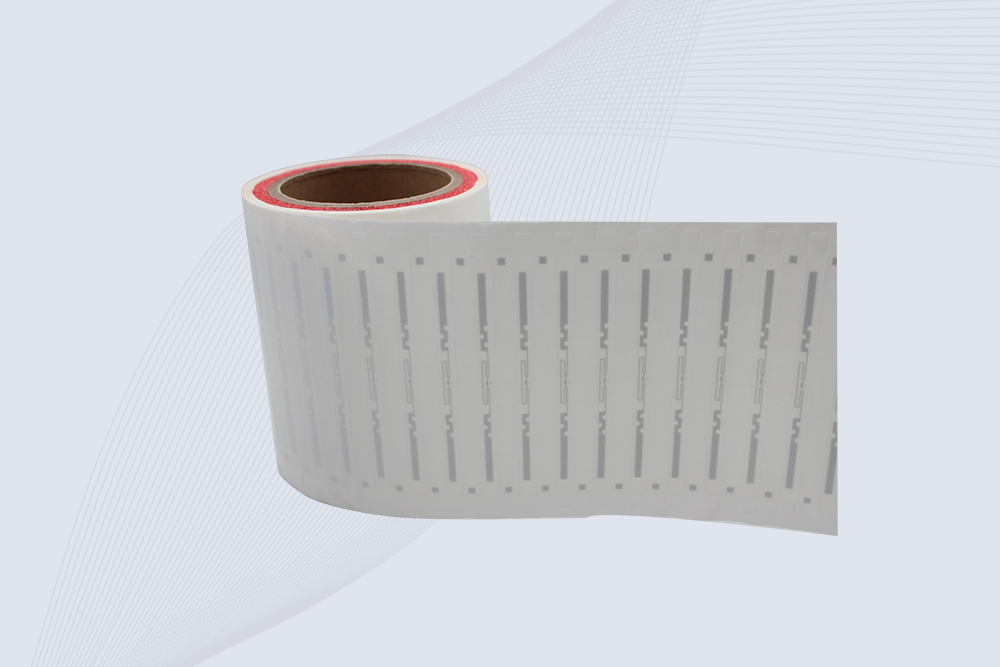
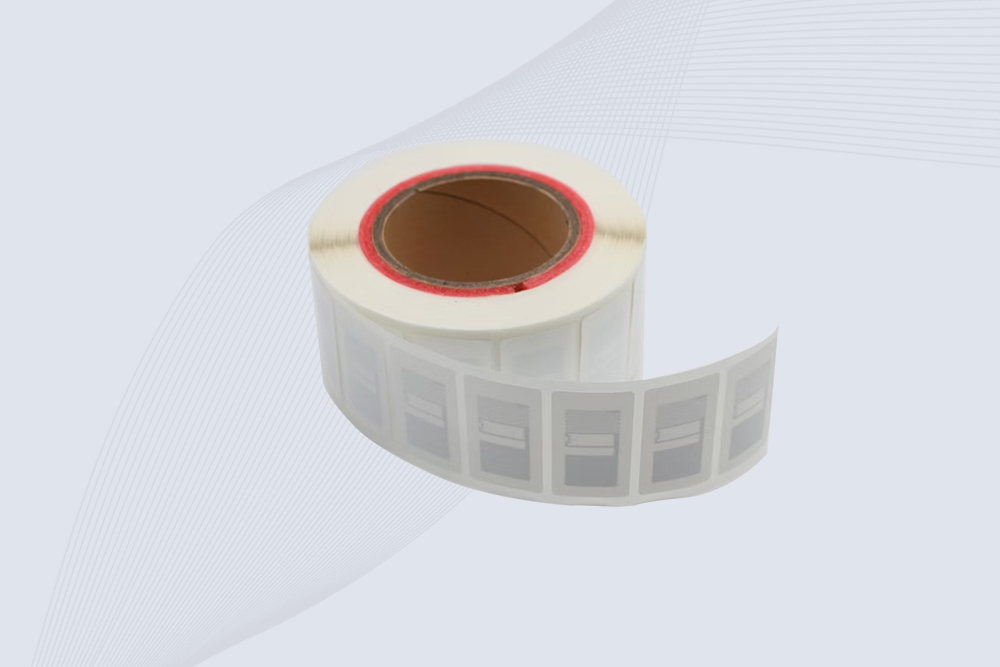




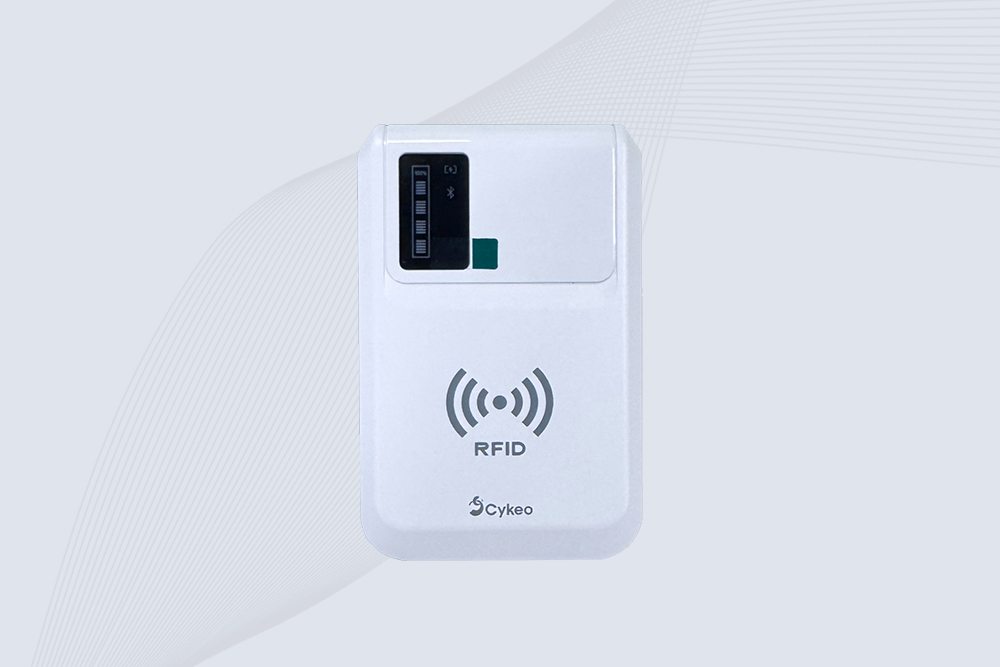

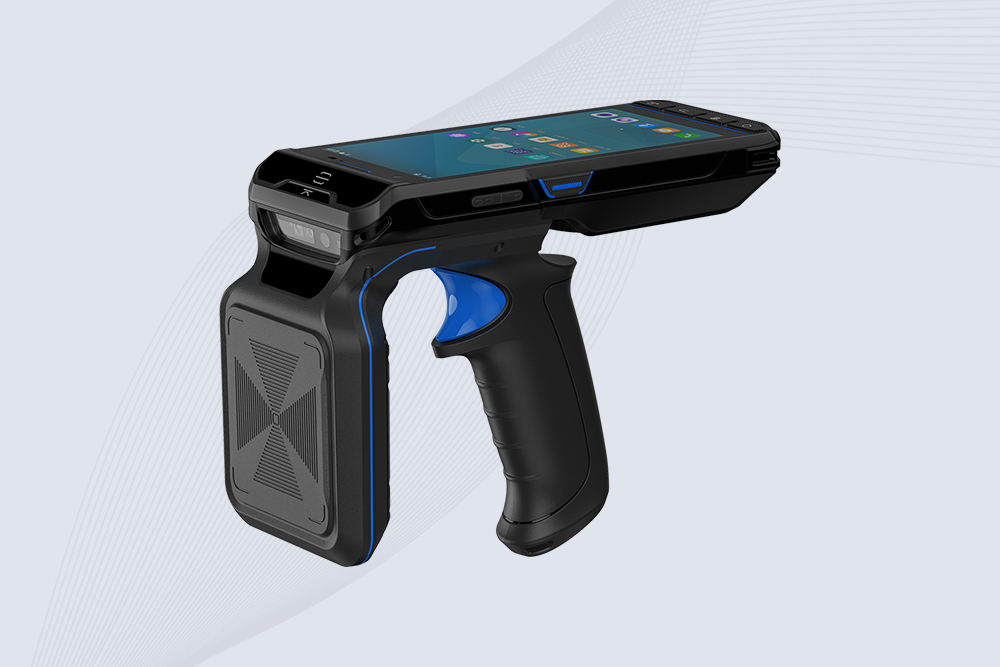
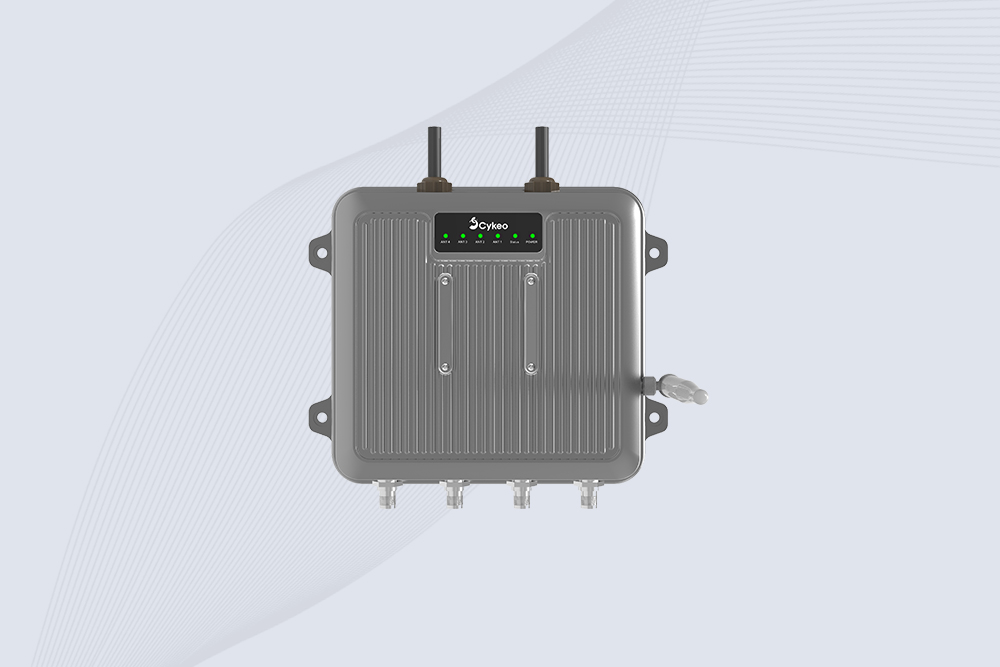
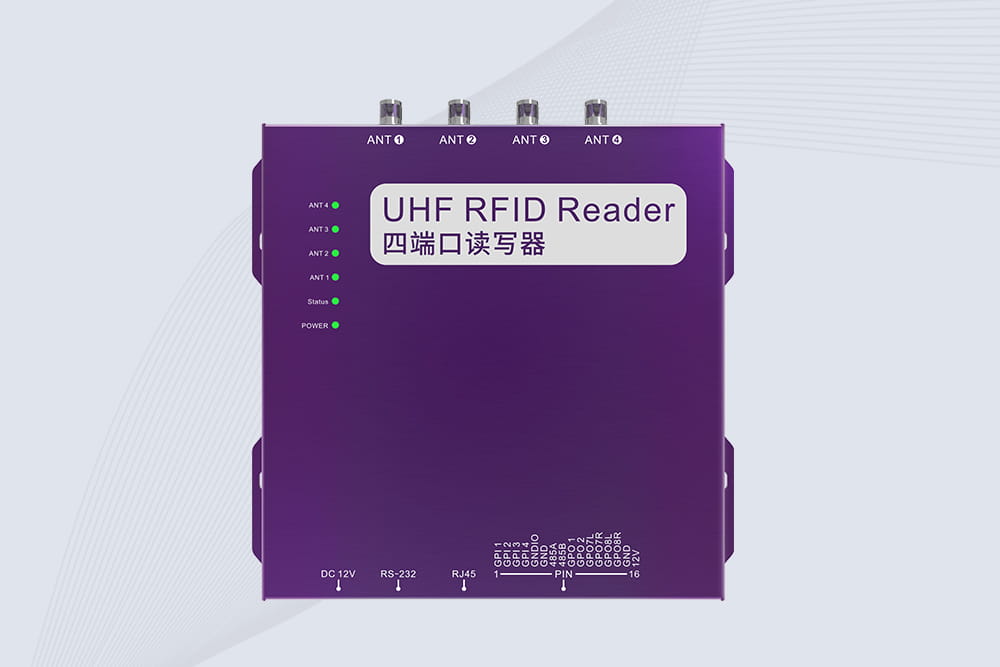
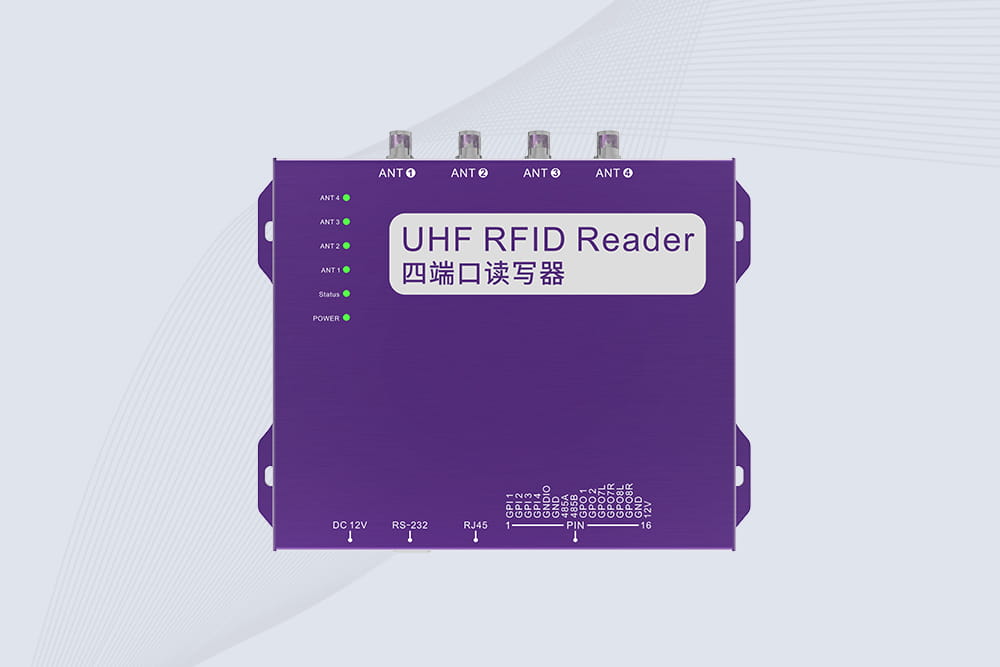
RFID System for Asset Tracking: Advanced Solutions for Accurate Asset Management
122RFID system for asset tracking improves asset visibility, inventory accuracy, and operational efficiency. Discover Cykeo RFID solutions with expert insights.
MoreAll RFID Product
Implementing an RFID attendance system in schools typically costs between 2,000and15,000+, depending on school size, hardware choices, and software features. While initial investments vary, RFID systems reduce administrative workloads, improve accuracy, and enhance campus security. Here’s a detailed cost breakdown and how schools can maximize ROI.
| Factor | Low-Cost Scenario | High-End Scenario |
|---|---|---|
| School Size | Small (100 students): $2k | Large (2,000+ students): $15k |
| Tag Type | Basic PVC cards | Reusable silicone wristbands |
| Features | Attendance tracking only | GPS tracking, emergency alerts |
A high school with 1,200 students cut daily attendance reporting time from 2 hours to 20 minutes using Cykeo’s RFID system, saving $12,000 annually in labor.

RFID system for asset tracking improves asset visibility, inventory accuracy, and operational efficiency. Discover Cykeo RFID solutions with expert insights.
More
Step-by-step guide to installing and configuring industrial RFID readers for maximum efficiency. Learn best practices and avoid common pitfalls with Cykeo’s expertise.
More
Explore what is rfid used for and discover how RFID technology improves asset tracking, inventory control, healthcare, libraries, and industrial automation with Cykeo solutions.
More
Phased Array UHF RFID Portal Gate: Fast Detection of Static and Dynamic RFID Tags AI + UHF RFID + Phased Array Technology for Next-Generation RFID Portal Gate Systems Discover the latest in RFID Portal Gate, combining AI, UHF RFID, and ...
More