When people search for “how many layers of aluminum foil block RFID”, they usually expect a simple number.
One layer? Three layers? Ten layers?
The reality is a little more complicated.
Aluminum foil can affect RFID signals, but the result depends on the RFID frequency, reader power, distance, tag type, and how the foil is used. A piece of foil wrapped around an NFC card may behave differently from a UHF RFID tag attached to a warehouse product.
From an RFID supplier’s point of view, this is an interesting question because many customers first test RFID blocking with household materials before looking for professional solutions.
Sometimes it works. Sometimes it does not.
Does Aluminum Foil Really Block RFID?
Yes, aluminum foil can reduce or block some RFID signals because metal interferes with electromagnetic waves.
RFID communication depends on the interaction between:
RFID reader antenna
RFID tag antenna
Radio frequency signal
When aluminum foil surrounds the tag, it creates a barrier that prevents the signal from reaching the tag properly.
However, RFID is not one single technology.
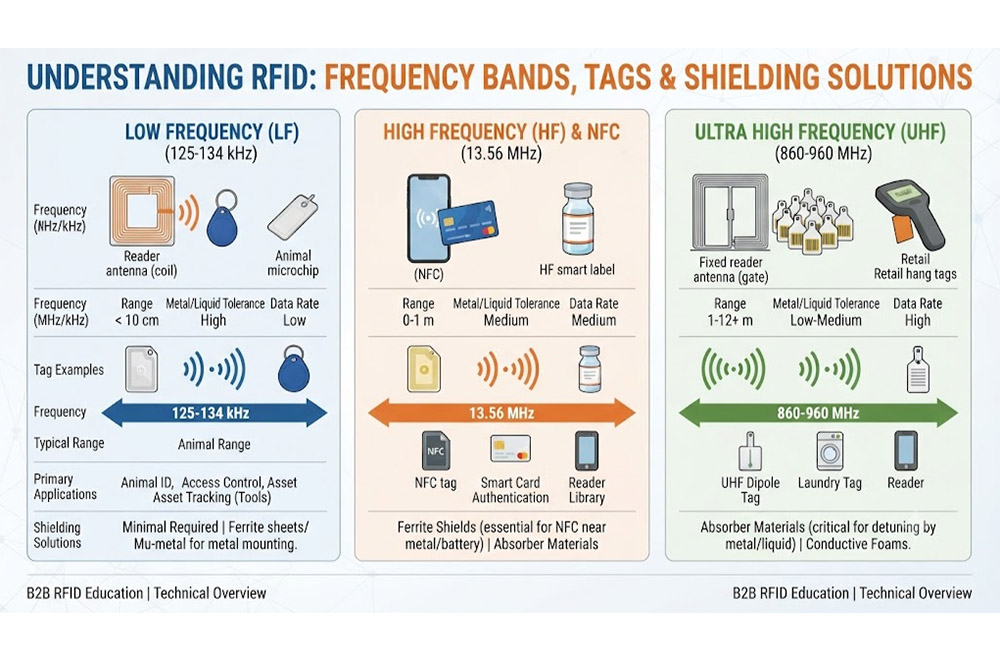
Different RFID systems use different frequencies:
LF RFID: 125 kHz
HF/NFC RFID: 13.56 MHz
UHF RFID: 860-960 MHz
The blocking effect can be different depending on the application.
A small NFC card inside a wallet is much easier to block compared with a long-range UHF RFID tag used in logistics.
So How Many Layers of Aluminum Foil Are Needed?
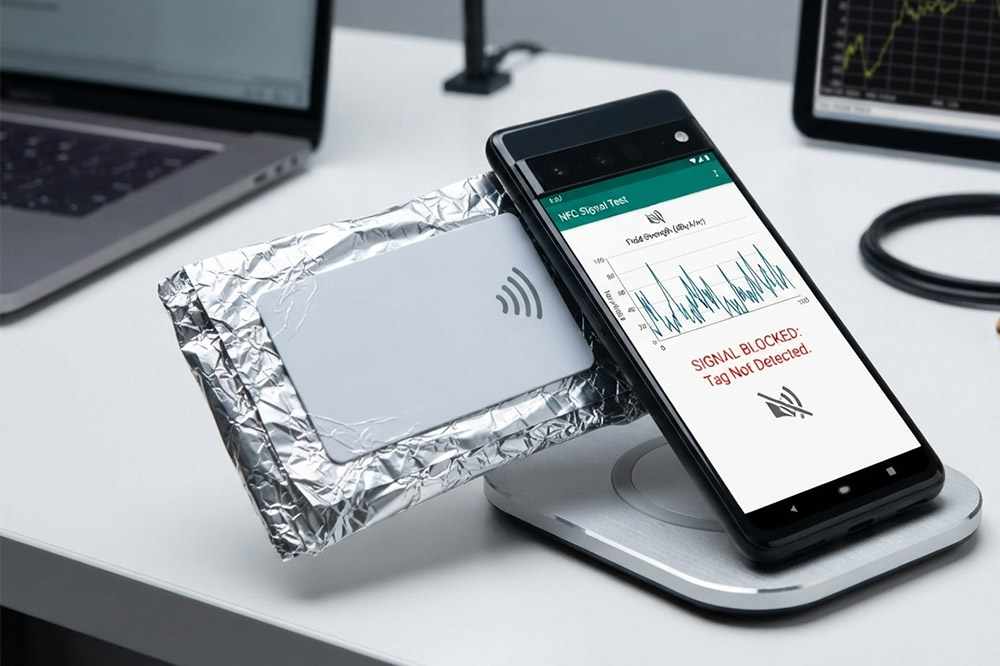
For simple NFC testing, even one or two layers of aluminum foil may significantly reduce the reading ability.
For example:
A person wraps a contactless payment card with aluminum foil and places it near a smartphone NFC reader. The phone may fail to detect the card.
But this does not mean every RFID system is completely blocked.
In industrial environments, UHF RFID readers often have stronger output power and better antennas. A few thin layers of foil may reduce the reading distance, but complete blocking can require better shielding methods.
The important point is:
There is no universal number of aluminum foil layers that guarantees RFID blocking.
The answer changes depending on what you are trying to block.
Real Testing: Why Results Are Different
We have seen customers perform simple home tests and get different conclusions.
One customer tested an RFID access card by wrapping it in kitchen foil. The card stopped working immediately.
They assumed aluminum foil completely blocks RFID.
Later, they tested a UHF RFID warehouse tag with the same method. The result was different. The reader could still detect the tag from a short distance.
Why?
Because the RFID systems were completely different.
The access card used short-range NFC communication.
The warehouse tag used a UHF RFID system designed for several meters of reading distance.
The environment changes everything.
Aluminum Foil vs Professional RFID Blocking Materials
For occasional personal use, aluminum foil can be an interesting experiment.
But for commercial applications, it is usually not the best option.
Companies producing:
RFID wallets
RFID access protection products
secure document storage
asset protection solutions
normally use dedicated shielding materials.
Professional RFID blocking products often use:
aluminum shielding layers
copper mesh
conductive fabrics
specialized electromagnetic shielding materials
These materials provide more consistent performance during mass production.
For businesses buying thousands of RFID protection products, stability matters more than simply adding more foil layers.
What About RFID Projects? Can Aluminum Foil Cause Problems?
Interestingly, aluminum is not only used for blocking RFID.
It can also create problems during RFID deployment.
For example, warehouse customers sometimes install RFID tags directly on metal equipment.
The result:
shorter reading distance
unstable scanning
missing tag data
The metal absorbs and reflects RF energy, affecting communication between the reader and tag.
In these cases, RFID-on-metal tags or special antenna designs may be required.
We previously explained this issue in detail here:
That article focuses more on how RFID signals behave around aluminum, smartphones, and different reading environments. This guide looks specifically at aluminum foil layers and practical blocking tests.
How RFID Buyers Should Evaluate Blocking Performance
For companies sourcing RFID-related products, testing should be done based on the actual application.
A simple checklist:
1. Confirm RFID frequency
Before testing blocking materials, know whether the system is:
NFC
HF RFID
UHF RFID
The same material may have different results.
2. Test with real equipment
Do not rely only on smartphone tests.
For industrial applications, use:
actual RFID readers
actual tags
actual installation environment
A warehouse RFID system should be tested inside the warehouse, not only on an office desk.
3. Check distance and angles
RFID signals are affected by:
tag direction
reader position
surrounding materials
A blocking solution that works at 1 cm may not work the same way at 1 meter.
Why This Matters for RFID Suppliers and System Integrators
Many RFID projects fail because testing happens too late.
A customer may order thousands of tags, install them, and then discover that:
metal shelves interfere with signals
tags are too close to shielding materials
readers detect unwanted areas
Early testing avoids these problems.
For RFID distributors and solution providers, understanding signal blocking is not only about security products. It is also important when designing reliable RFID systems.
Final Thoughts
So, how many layers of aluminum foil block RFID?
The honest answer is: it depends.
One or two layers may block some NFC cards. Stronger RFID systems may require more effective shielding methods. The frequency, reader power, and application environment all change the result.
For personal experiments, aluminum foil is a simple way to understand RFID behavior.
For commercial RFID projects, proper testing with the right equipment is still the better approach.
If you are sourcing RFID readers, rfid tags, rfid antennas, or customized RFID solutions, choosing the right hardware and testing method before bulk production can save time and cost.
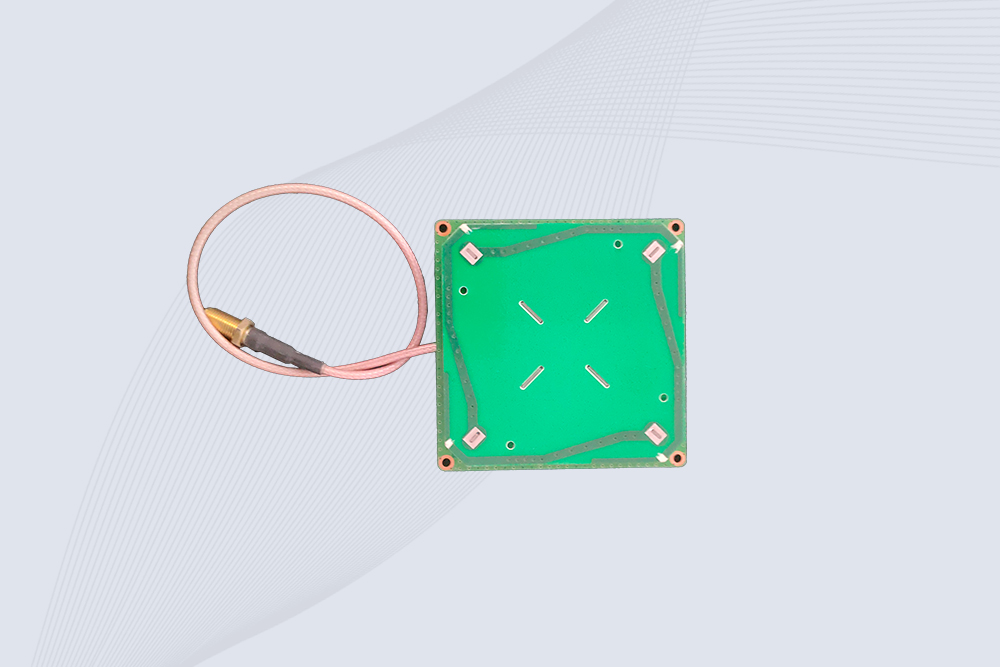
SSD-A06 UHF RFID antenna with circular polarization, adjustable 840–960 MHz frequency, ≥4.5 dBi gain, and a compact directional design for RFID systems.
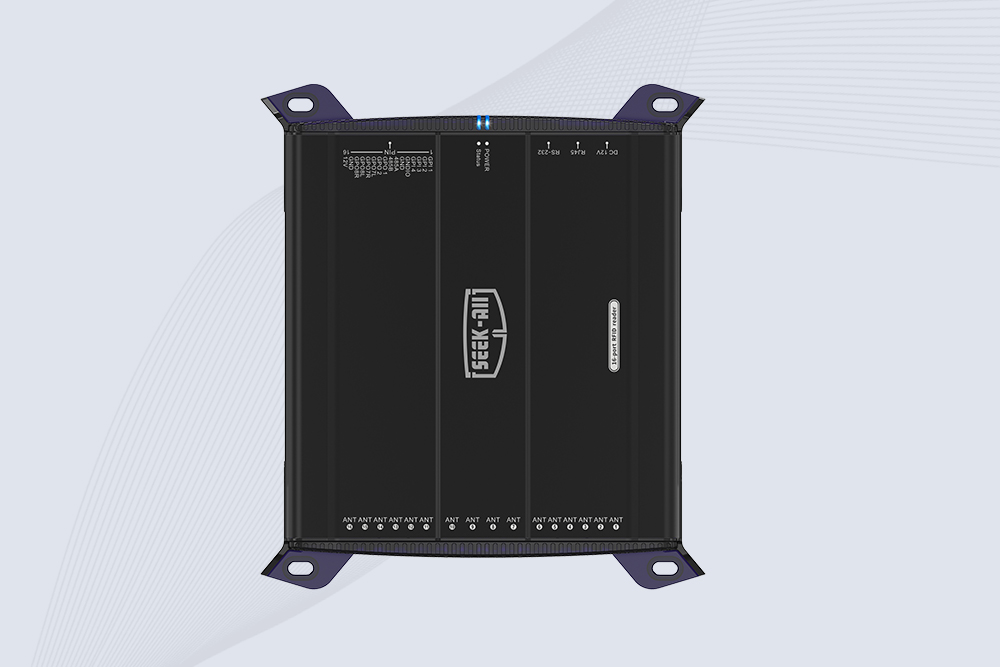
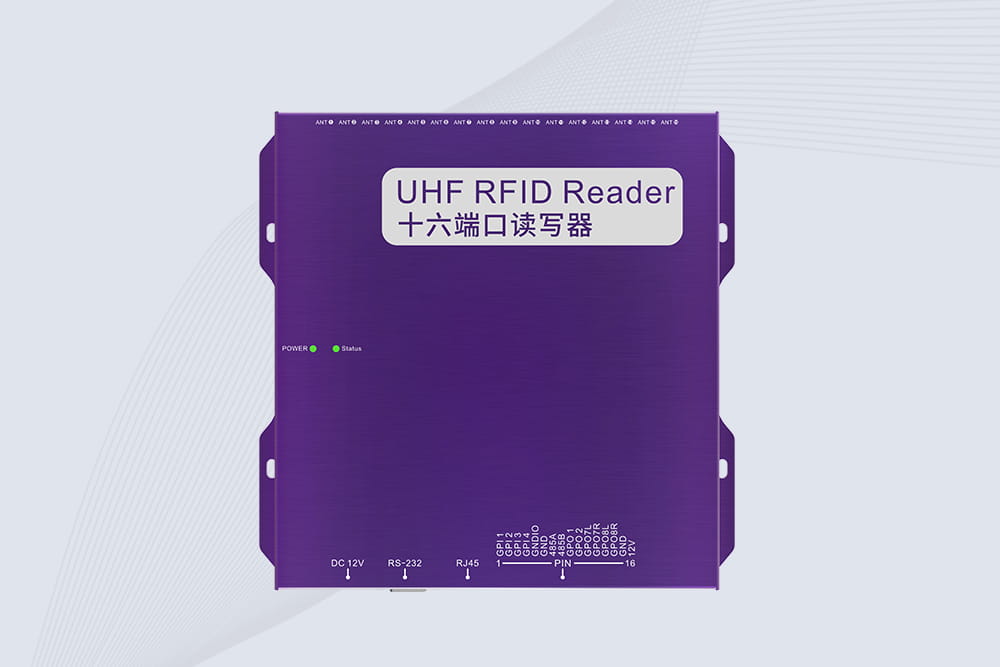
SSD-R16L Multi-Channel RFID Infrastructure for Automated Inventory Management ✔️ 16-Port High-Density RFID Reading Equipped with 16 SMA antenna ports, SSD-R16L supports multi-antenna deployment for warehouses, retail stores, logistics, production lines, and large-area RFID identification. ✔️ High-Speed & Long-Range Performance With up to 33…
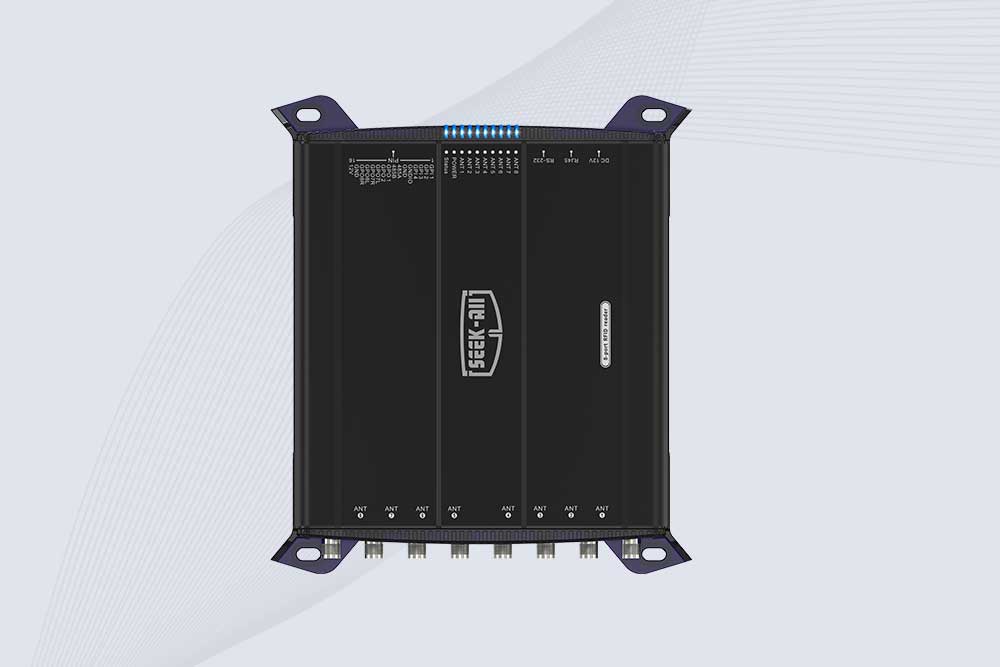
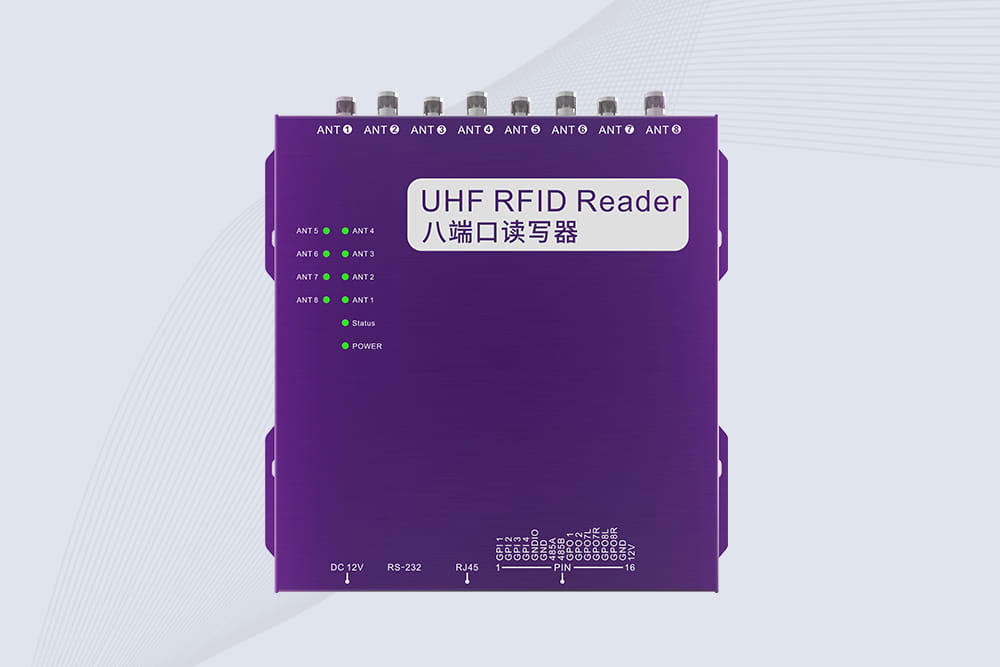
SSD-R8L 8-port UHF RFID reader with 33dBm output, up to 20m reading range and 600+ tags/s recognition. Ideal for warehouse, logistics, retail and asset tracking.
CYKEO Embedded RFID Modules are designed for compact industrial and IoT devices that require stable UHF performance. These UHF RFID Modules support global protocols, flexible power control, and reliable multi-tag reading for smart cabinets, production lines, and asset tracking systems.
CYKEO Embedded RFID Module is built for compact IoT and industrial devices that need stable UHF performance. This UHF module supports global protocols, low power operation, and reliable multi-tag reading for smart lockers, production lines, and always-on RFID systems.
CYKEO CYKEO-M1 drone rfid module is a compact UHF RFID reader module designed for drones and UAV platforms. It supports long-range aerial scanning, fast multi-tag reading, and stable performance in wind, vibration, and outdoor environments.
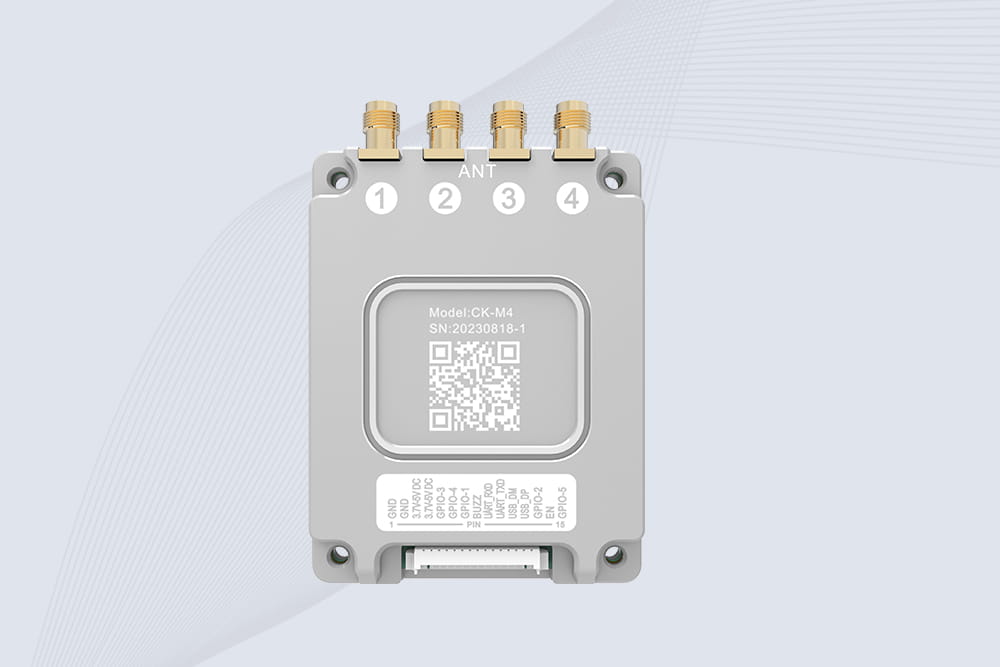
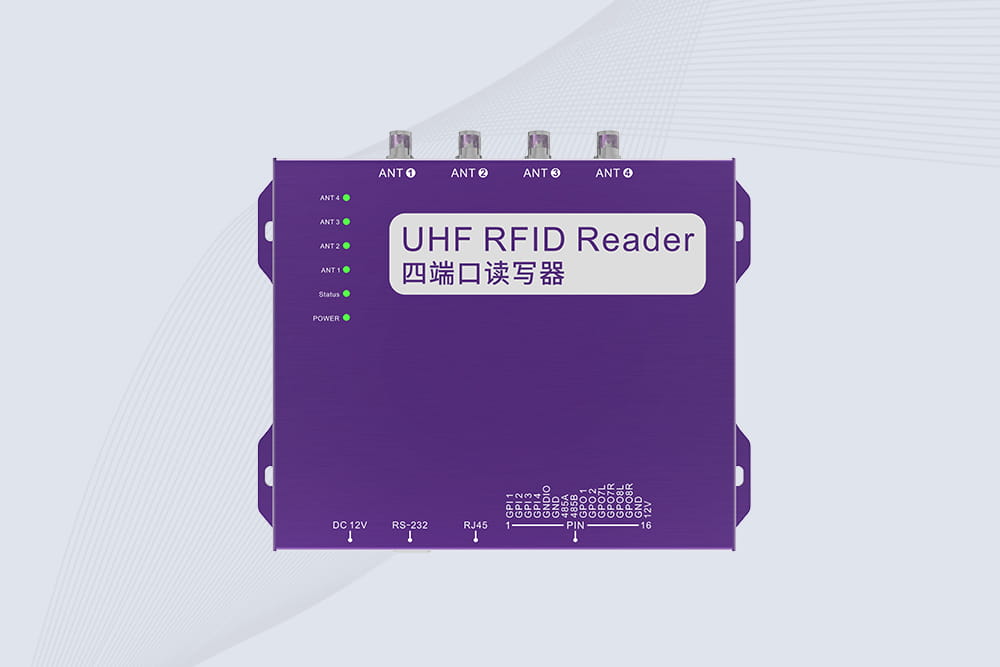
CYKEO CYKEO-M4 RC522 RFID Module is an industrial-grade UHF RFID reader with 4 ports, supporting ISO, EPC, and GB protocols. High-speed, accurate reading for IoT, automation, and warehouse applications.
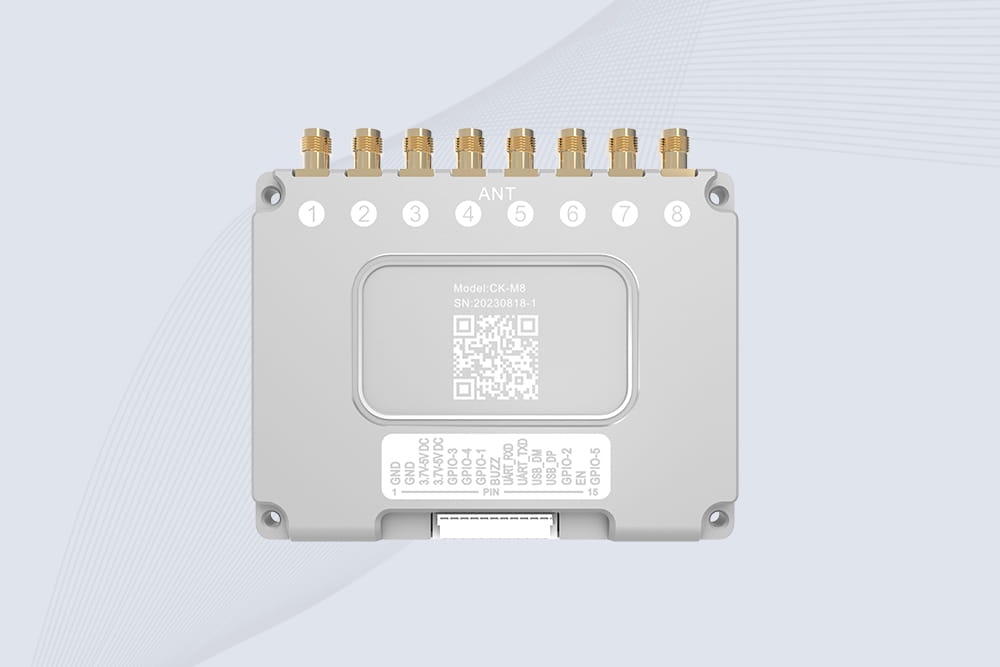
CYKEO CYKEO-M8 Module RFID is an 8-port UHF R2000 RFID Module designed for high-density, multi-tag environments. Stable 33dBm output, ISO & GB protocol support, ideal for warehouses, factories, and automated systems.
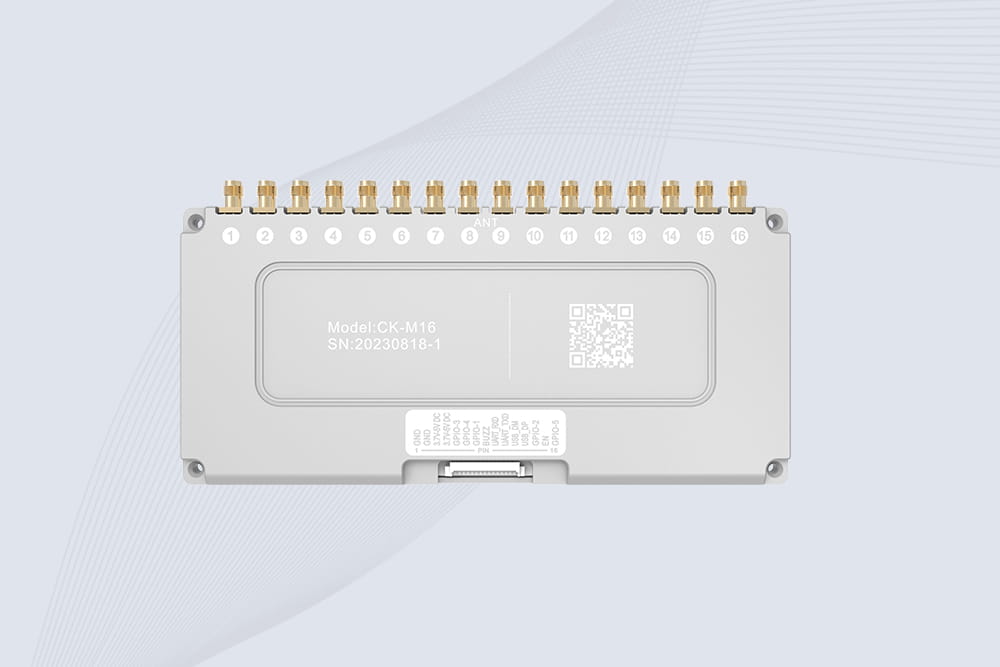
CYKEO CYKEO-M16 RFID Module is a 16-port UHF RFID reader module based on the R2000 chipset. Designed for dense tag environments, it supports ISO and GB standards and delivers stable multi-antenna control for industrial automation.
The CYKEO CYKEO-M16L RFID Reader Module is a 16-channel UHF RFID core designed for dense tag environments. With adjustable 33dBm output, multi-protocol support, and stable multi-antenna control, this RFID Tag Reader Module fits industrial automation, warehouse systems, and large-scale IoT deployments.
CYKEO CYKEO-M8L module RFID is a compact industrial UHF module built for dense tag and multi-antenna environments. With 8 RF ports, adjustable 33 dBm output, and ISO & GB protocol support, it is widely used in factories, warehouses, and automated tracking systems.
CYKEOCYKEO-M4L UHF RFID Module is a compact 4-channel RFID tag reader module designed for dense tag environments. Supporting ISO and GB protocols, it delivers stable reads up to 10 meters for industrial and IoT systems.
Cykeo CYKEO-A11 UHF RFID reader antenna delivers 11dBi gain, 840-960MHz frequency range, and IP65 ruggedness for retail, logistics, and industrial RFID systems. Features low VSWR and easy installation.
CYKEO Antenna RFID Reader delivers stable long-range UHF performance with a 10.5dBi directional design, built for warehouses, conveyor portals, and industrial RFID systems. This rfid reader antenna provides 20m+ read distance and rugged IP67 protection.
Cykeo CYKEO-A5B industrial Linear RFID Antenna delivers 5dBi gain, ≤1.5:1 VSWR, and IP65 rugged design for warehouse, production line, and logistics UHF systems.
Cykeo’s CYKEO-B12 Long Range RFID Antenna delivers 15m+ read range with 12dBi gain, IP65 rugged design, and global 840-960MHz UHF support. Ideal for warehouse/logistics asset tracking.
Cykeo CYKEO-B10 Long Distance RFID Antenna offers 10dBi gain, 840-960MHz frequency range, IP65 rating, and 20m+ coverage for logistics/warehousing/ETC systems. Low VSWR ensures stable signal transmission.
Cykeo CYKEO-A6 UHF RFID panel antenna features 6dBi gain, 840-960MHz broadband, IP65 metal-ready housing for logistics/smart retail. 18mm ultra-thin design with tool-free mounting.
Cykeo CK-A3 industrial antenna RFID UHF offers 5m+ tag detection, ≤1.3:1 VSWR, IP65 rugged design, and global UHF spectrum compatibility (840-960MHz) for warehouses, factories, and retail.
Cykeo CYKEO-B5 directional RFID antenna provides 5dBi gain with 60° narrow beamwidth for precise inventory tracking. IP65-rated, global UHF frequency support, and low VSWR.
Create your own high-performance DIY RFID antenna! 5dBi gain, 840-960MHz tunable, step-by-step guides. Compatible with Arduino, Raspberry Pi, and commercial UHF readers.
Cykeo CYKEO-A7 Flexible RFID Antenna features 840-960MHz wideband tuning, 7dBi gain, and IP68 rating for medical/retail/industrial curved surface deployments. 98% read accuracy with peel-and-stick installation.
Cykeo CYKEO-B5A industrial Passive RFID Antenna delivers 5dBi gain, 70° beamwidth, and -40°C~55°C operation for warehouses/smart cabinets. Compatible with Zebra/Impinj readers.
Cykeo’s CYKEO-A9B High Gain RFID Antenna delivers 15m+ read range with 9dBi amplification. Features IP54 rugged design, 840-960MHz bandwidth, and 80° beamwidth for warehouse/manufacturing RFID systems.
Cykeo’s enterprise-grade 8dbi Impinj RFID Antenna 10m+ read range with 840-960MHz tuning. Features IP65 housing, 1.4 VSWR, 35° beamwidth for retail/warehouse RFID systems.
Cykeo CYKEO-A9 industrial UHF RFID antenna delivers 9dBi gain, 840-960MHz frequency range, and IP65 protection for warehouse/logistics/retail RFID systems. Features N-type connector and ≤1.3:1 VSWR.
CYKEO UHF RFID Antenna built for long-distance and industrial applications. This antenna rfid uhf delivers strong gain, outdoor durability, and reliable tag performance in warehouses, yards, and vehicle ID systems.
CYKEO Antenna RFID delivers reliable long-range UHF performance in warehouses, retail shelves, and cold-chain environments. This compact uhf rfid antenna provides stable reads with circular polarization and ultra-wide 840–960 MHz support, ideal for industrial tracking, smart shelves, and asset monitoring.
Cykeo’s CYKEO-C8 UHF RFID antennas delivers 8dBi gain, 840-960MHz full-band coverage, and IP65 ruggedness for manufacturing/warehouse RFID systems. Industrial RFID Antennas Features
Cykeo’s 8dBi UHF RFID antenna and reader kit delivers 10m+ range, 840-960MHz broadband, and IP65 ruggedness for factories, warehouses, and logistics. ISO 18000-6C & EPC Gen2 certified.
Cykeo’s CYKEO-A12C UHF Large RFID Antenna delivers 12dBi gain, 840-960MHz global frequency, IP65 ruggedness for logistics/warehousing/automotive. 40° beamwidth ensures stable 15m+ tag reads.
CYKEO Near Field RFID Antenna provides precise 5–30 cm reading for shelves, cabinets, and workstations. This compact rfid shelf antenna delivers stable short-range performance around metal and clutter, ideal for pharmacies, libraries, and electronics sorting.
Cykeo CYKEO-C1 industrial Forklift RFID Reader features 20m read range, 600 tags/sec scanning, Impinj R2000 chipset, and IP67 rugged design. Ideal for warehouse logistics and manufacturing. Supports ISO 18000-6C/6B protocols.
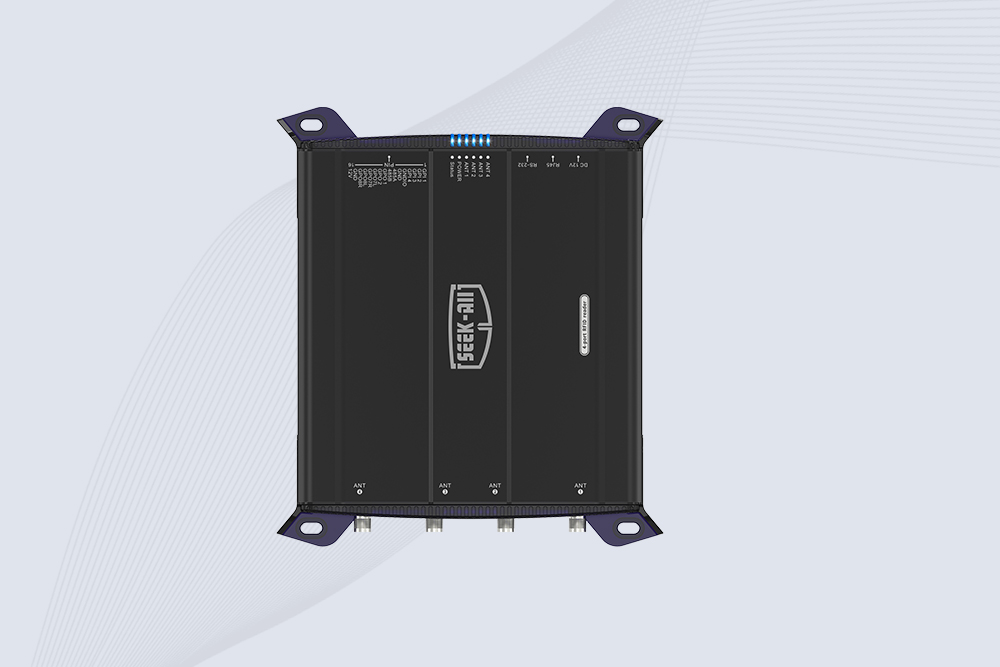
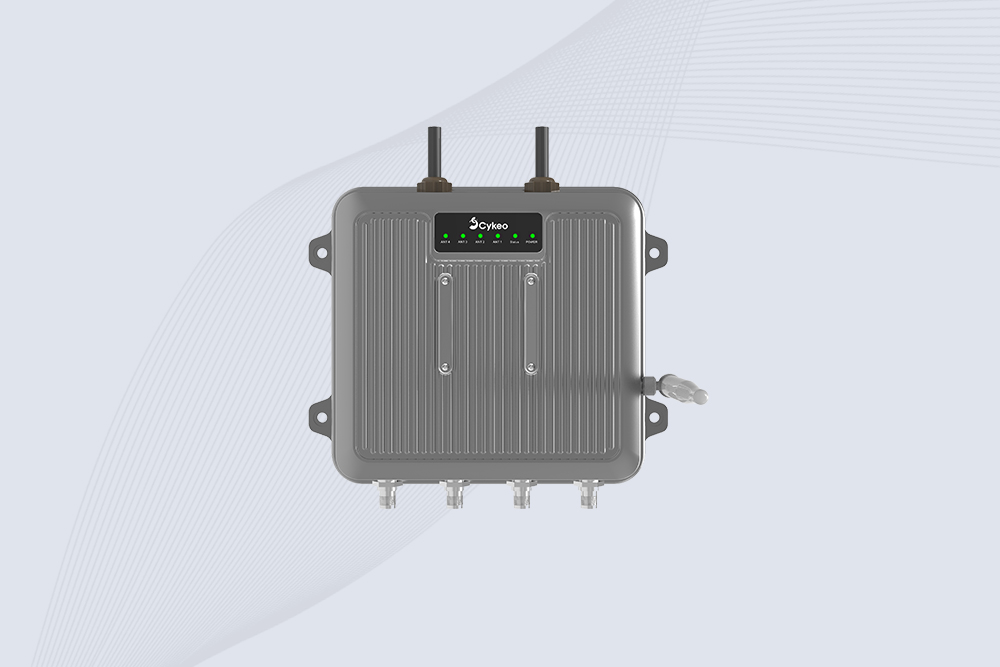
Cykeo CYKEO-R4 industrial UHF RFID Fixed Reader features 4 TNC ports, 400+ tags/sec speed, IP67 housing, and global frequency compliance for vehicle inspection, smart warehouse, and asset management systems.
CYKEO CYKEO-R8L Fixed RFID Reader with 8-port UHF design, Impinj-based RF core and up to 20m read range. An industrial Fixed RFID Reader for vehicle inspection, warehouse portals, smart manufacturing lines and secure access checkpoints.
RFID Fixed Reader from CYKEO – the CYKEO-R16L 16-port UHF fixed reader for warehouses, smart cabinets, and production lines. Long-range, multi-tag reading, stable performance for 24/7 industrial use.
RFID Industry Writer | IoT & Asset Tracking Analyst
James writes about RFID technology, asset tracking, and the practical challenges of digital transformation across warehousing, retail, manufacturing, and logistics.
His work focuses on how RFID is applied in real-world operations—improving inventory visibility, automating workflows, and helping businesses manage assets with greater accuracy and efficiency.
He regularly covers topics including UHF RFID, smart cabinets, RFID portals, tool tracking, warehouse automation, and industrial IoT trends..
Industry Overview In recent years, with the rapid development of the logistics industry and the maturation of electronic tag technology, RFID (Radio Frequency Identification) technology has been widely adopted in warehouse management. By leveragin...
Discover how RFID security gates protect assets, streamline access, and improve efficiency in libraries, retail stores, gated communities, and industrial parks. Learn about technology trends and real-world applications.
The best long range RFID scanner is not necessarily the one with the highest power or longest advertised range. A suitable reader should match the tag, produ...
 Cykeo RFID IoT Solution Products R&D Manufacturer