If you’ve ever spent time in a real warehouse, a dock door lane, or one of those busy internal logistics corridors… you already know the truth: relying on people to manually scan everything just doesn’t work. Trucks roll in nonstop, pallets pile up, staff move around like it’s rush hour. There’s no way every item, every container, every asset gets recorded properly. Missed scans. Wrong scans. Forgot-to-scan moments. It happens constantly.
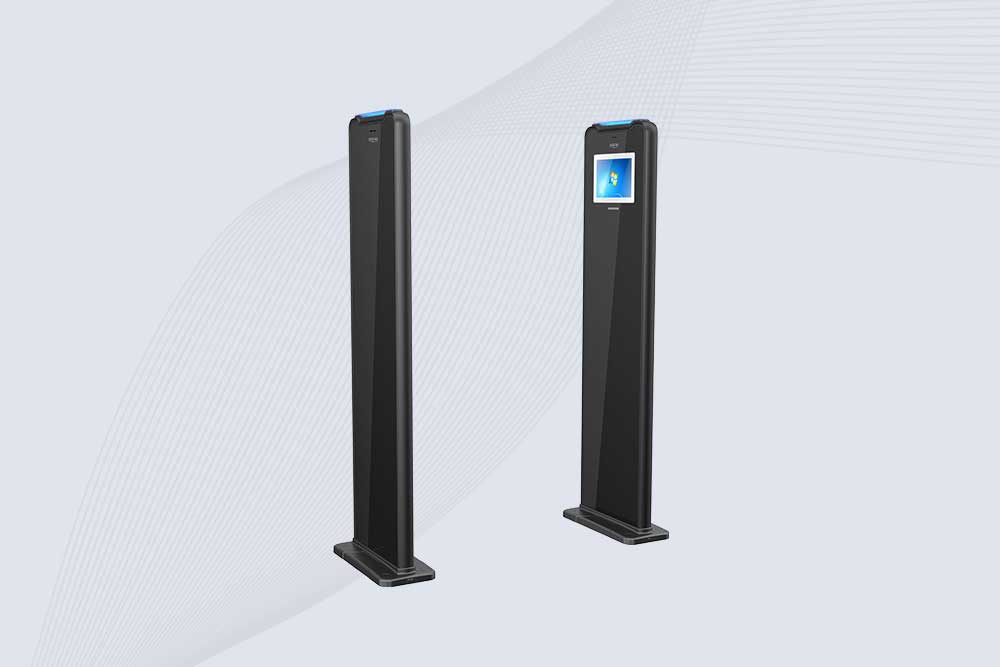
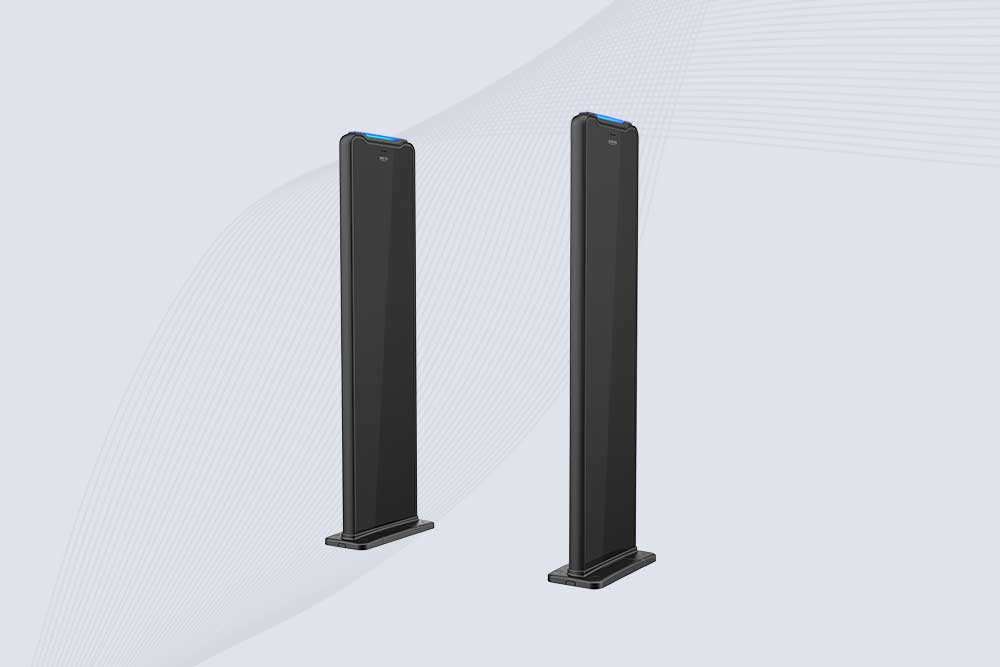
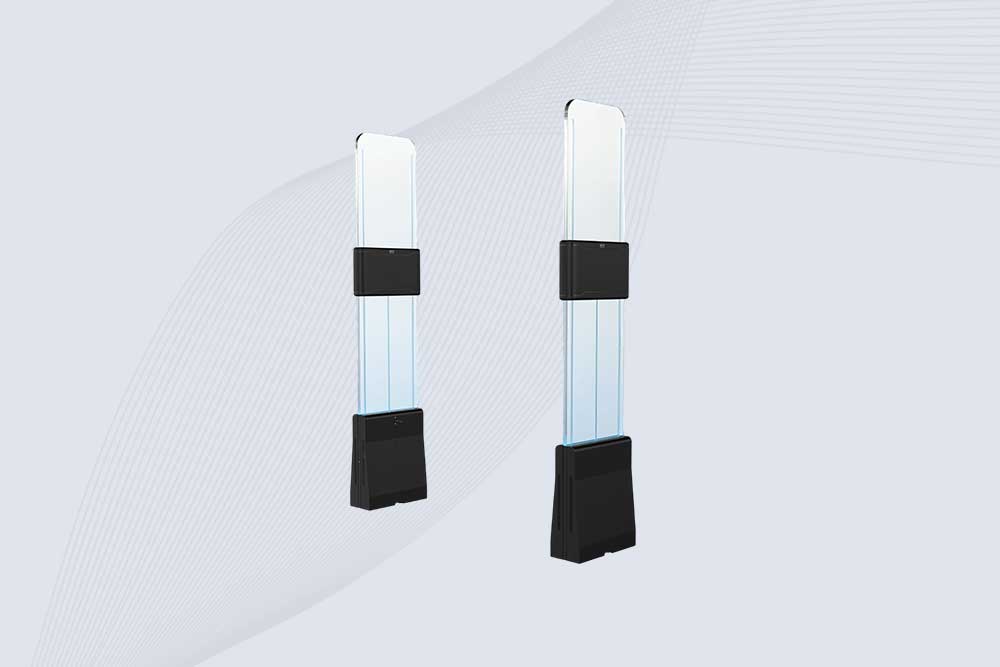
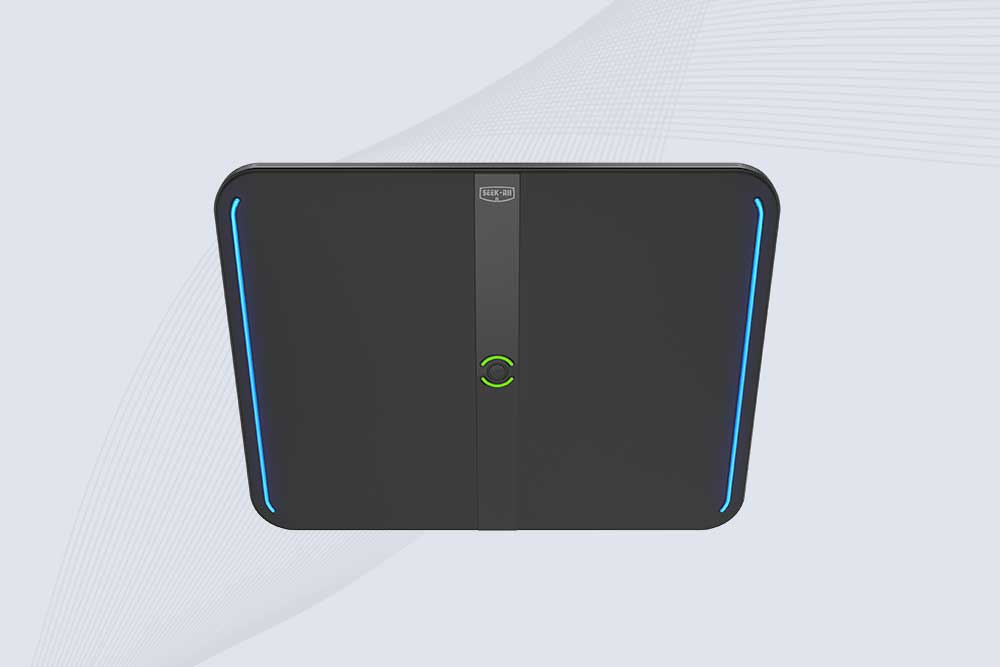
That’s exactly why RFID gates matter. And honestly, Cykeo’s CK-T8D RFID Gate Access Control System feels like one of those “not pretty for show, but damn reliable” pieces of equipment. Industrial. Practical. No drama.
Let me break it down in a way people on the ground would actually understand.
Why do I say it “gets the job done”?
Because it solves the actual pain points—not the imaginary ones.
1. Bulk items pass through without stopping
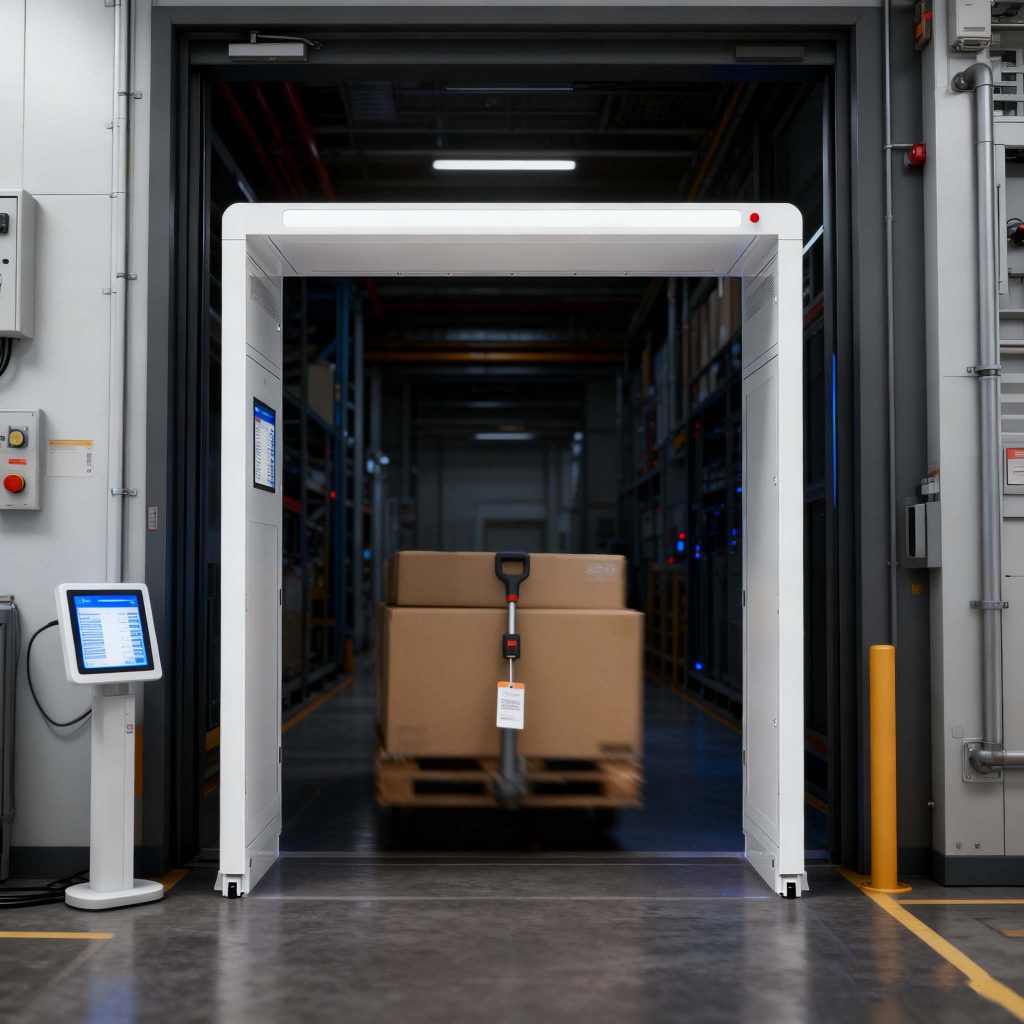
This is huge. Stopping a cart, a pallet, or a trolley for scanning is… let’s be honest… a productivity killer. The CK-T8D’s antenna coverage and read stability mean you can push an entire load through the gate in one go.
No pausing. No repeating. Just pass through. And it’s done.
Feels good.
2. It knows the difference between “in” and “out”
Sounds simple. Many gates fail here.
Some systems read tags, but can’t tell whether they were entering or leaving. That’s dangerous for inventory accuracy.
The CK-T8D uses structured gate logic—physical channel + directional logic—so it knows exactly how tags move. In from this side? Logged. Out from the other side? Also logged.
Way more reliable than those “try to guess direction using antenna field strength” methods.
3. Better-than-expected anti-interference
Warehouses are noisy. Metal racks, forklifts, machines, constant signal reflections… a nightmare for many UHF systems.
But the CK-T8D handles it surprisingly well. Low miss rate. Stable reads. It behaves like a device tuned for actual industrial chaos—not clean lab conditions.
I respect that.
4. Installation is not a headache
Another underrated point.
Some gates demand trenching, special concrete fixtures, or rewiring half the building. You know… the type of project that turns into a mini construction site.
The CK-T8D? Plug where you can plug. PoE if you want it. Standalone power if needed. No forced big renovation.
Your engineers will thank you.
5. System integration is straightforward
This one matters for IT teams.
The CK-T8D speaks the common languages—so tying it into WMS, access control systems, or an inventory platform doesn’t require translation layers or weird middleware.
It integrates like a normal, modern industrial device should.
Where does it shine? In real life? Here:
Warehouse aisles / access lanes
Push a trolley full of tagged totes through the gate. Boom. Everything logged automatically. No handheld scanners. No extra steps.
Dock door loading areas
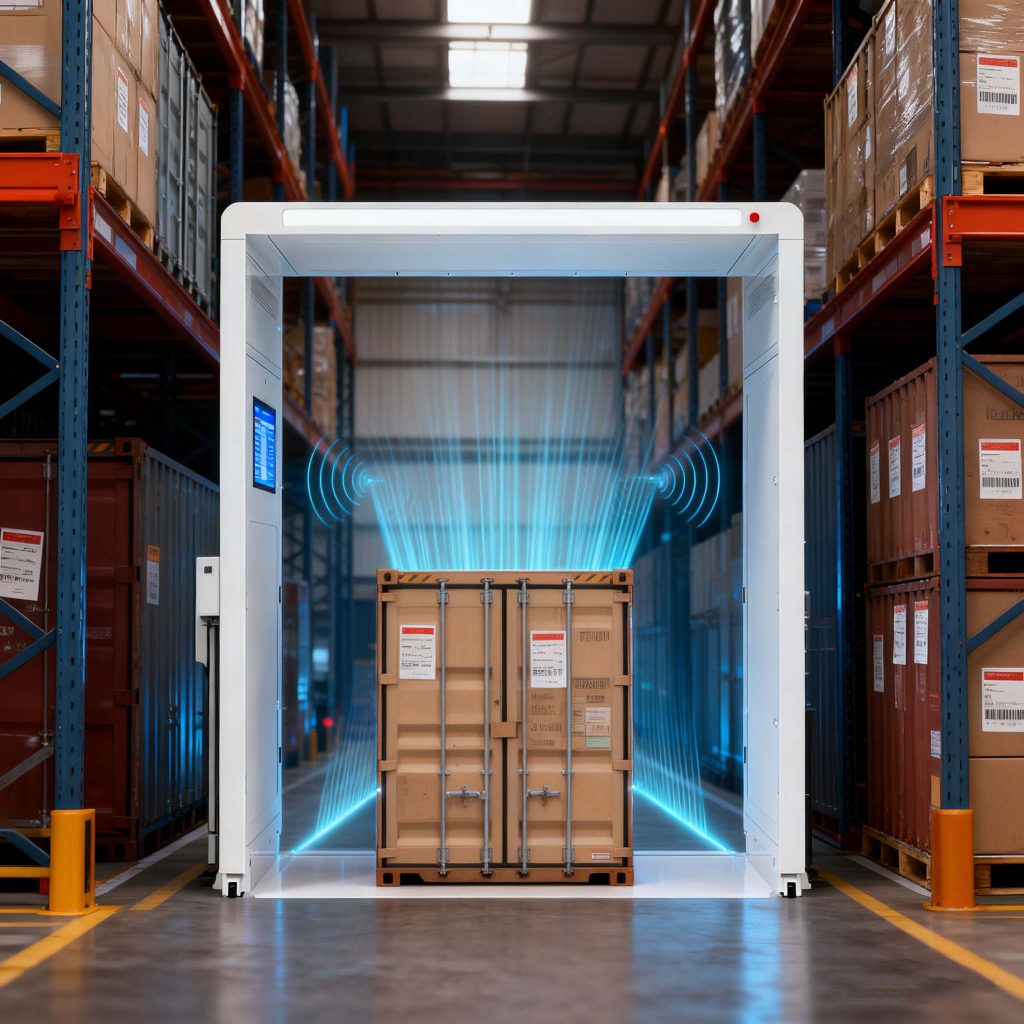
Trucks move quickly. Stopping them just to scan is unrealistic. The gate logs containers and assets in motion.
Simple. Clean.
Production line handover points
Material moves from Station A to Station B? Passing through the gate is the record. Zero manual involvement.
High-value assets in/out tracking
Some facilities need strict control. A gate provides a clear digital footprint of every movement.
Reliable. Traceable.
Why do I differentiate it from many other “RFID gates”?
Because let’s be honest— A lot of so-called “RFID gates” on the market are just: a frame + some antennas + a reader box.
They look like a gate, but they’re basically DIY assemblies.
The CK-T8D feels more like a system, not a collection of parts. Clear structural logic. Smart read algorithms. Directional judgment. Scenario-specific tuning.
It behaves like something designed by people who have actually walked real warehouse floors—not engineers stuck in an office.
That’s the difference.
In one sentence
If your problems today are:
inaccurate data
missing records
low throughput
unclear direction of movement
inventory mismatch
Then an industrial-grade RFID gate like the CK-T8D will honestly make your entire operation feel… lighter.
SSD-T4A-P Smart access control with real-time crowd tracking ✔️ AI Tag Filtering for Reduced Misreads SSD-T4A-P supports AI-based tag filtering and up to 6 EPC filtering sets, helping reduce unwanted reads and improve identification accuracy in busy entrances, exits, and retail environments. ✔️ Fast In & Out Detection with Visual & Audio…
SSD-T4A UHF RFID Gate Reader with 11 dBi antenna, up to 10 m reading distance, AI tag filtering, in/out detection, 300,000 data storage, and TCP/HTTP/MQTT support.
SSD-T2D UHF RFID Gate Reader with 11dBi circular antenna, Impinj E710/X3M1 chipset, up to 10m reading distance, AI tag filtering, in/out detection, and audio-visual alarms.
SSD-T1 ✔️ AI-Powered Tag Filtering SSD-T1 supports AI-based tag filtering with up to 6 EPC filtering sets, helping reduce unwanted tag reads and improve identification accuracy in busy retail and access-control environments. ✔️ Reliable In & Out Detection With a 7dBi antenna and a reading range of up to 2.5 meters, SSD-T1 can detect tagged i…
Learn how GPIO (General Purpose Input/Output) devices work in RFID systems. Discover how RFID readers connect with doors, sensors, alarms, and automation equipment using GPIO.
Learn how RFID tool tracking systems work, from smart tool cabinets to full industrial setups. Understand how antennas and RFID modules integrate into real-world solutions.
Learn how do you program rfid tags using EPC encoding, RFID readers, memory banks, write verification, and tag security. See how professional RFID encoding works in real applications.
Learn how does rfid scanner work, from RF energy and tag backscatter to multi-tag identification, antenna design, and real-world UHF RFID scanning in warehouses and industry.
 Cykeo RFID IoT Solution Products R&D Manufacturer