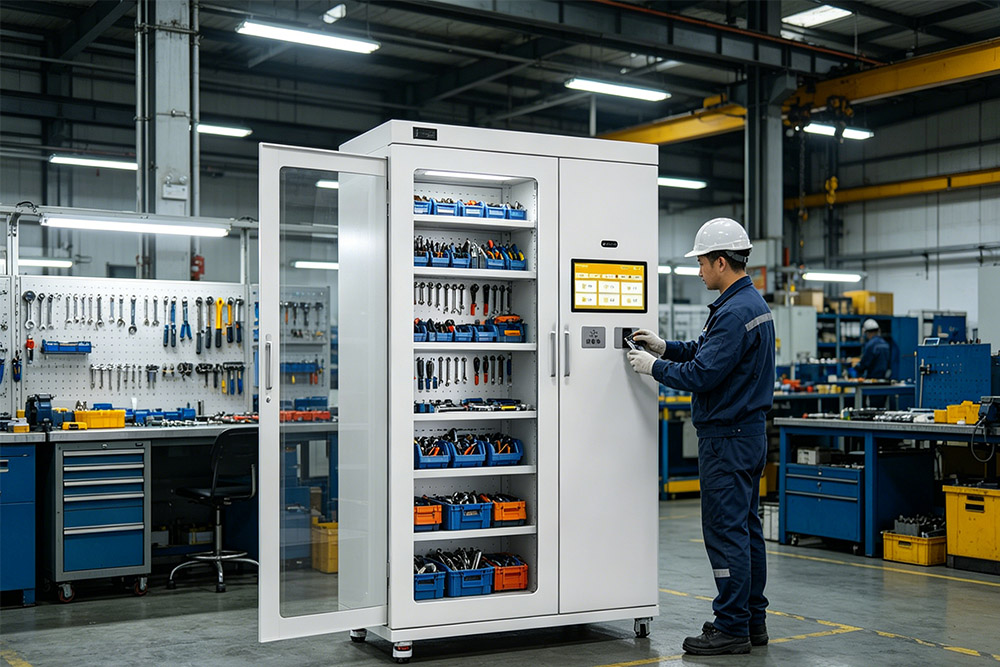
If you’ve ever managed tools across a workshop, factory, or job site, you already know the problem.
Tools go missing. Inventory takes forever. And no one really knows who took what.
That’s exactly where an RFID tool tracking system starts to make sense.
What is RFID tool tracking system?
At its simplest, an RFID tool tracking system is designed to identify, track, and manage tools automatically within a defined area.
Instead of manual checklists or barcode scanning, each tool is tagged. Once tagged, it can be detected, logged, and tracked without direct line of sight.
This applies to everything from small surgical tools to large industrial equipment.
Where RFID tool tracking is actually used
This isn’t a niche solution anymore. It’s already widely used in:
Manufacturing plants
Construction companies
Tool rental businesses
Hospitals and maintenance teams
Anywhere tools are shared, moved, or frequently lost, RFID tends to pay for itself pretty quickly.
Two common ways to build a tool tracking system
Most systems fall into two setups:
1. Fixed systems (most common)
Fixed RFID systems are installed in:
Rooms
Shelves
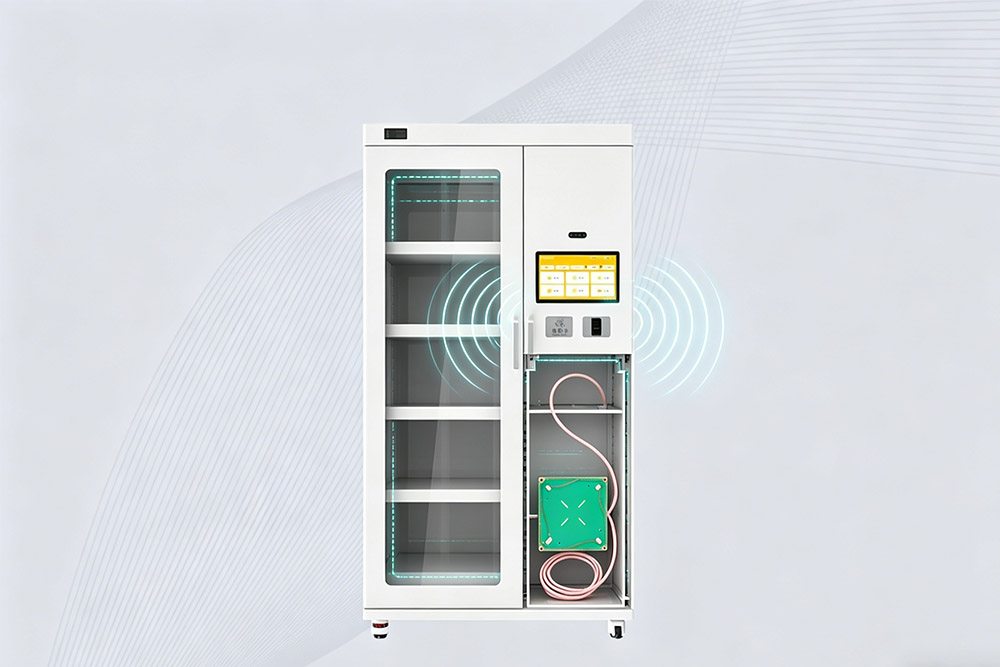
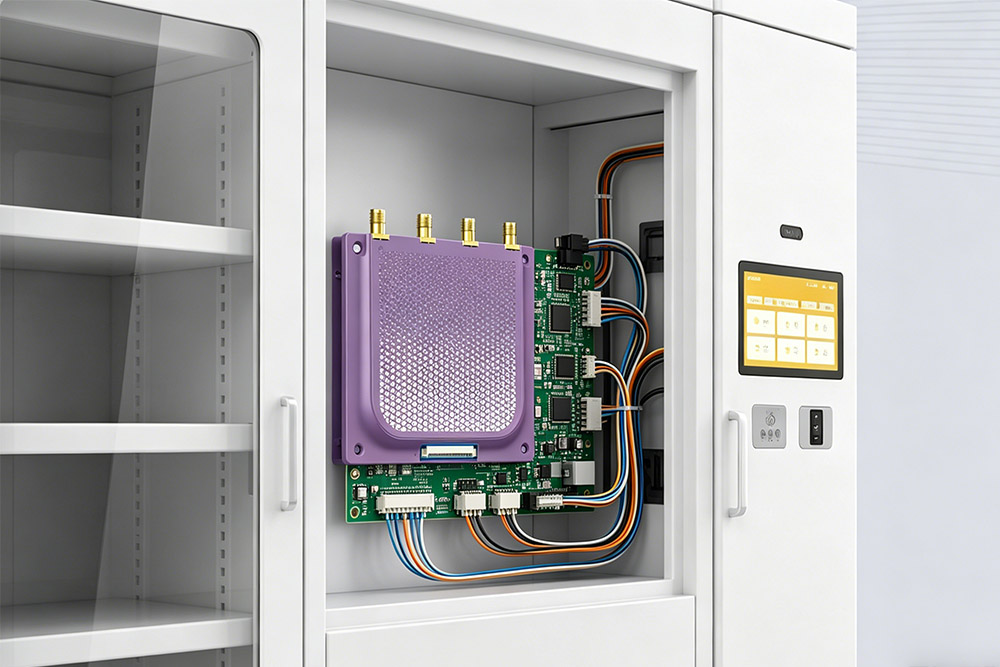
Tool cabinets
Entry/exit points
They can automatically track tools continuously or when triggered (like when a cabinet door opens).
Discover how an external RFID reader improves RFID performance for industrial asset tracking, inventory, and logistics with reliable long-range identification from Cykeo.
Compare handheld and fixed RFID readers for retail. Learn pros, cons, and ideal use cases with Cykeo’s solutions to boost inventory accuracy and theft prevention.
Wondering what is used to read a RFID chip? We explain the devices that read RFID chips—from handhelds to fixed readers—and how they work. Clear guidance from CYKEO engineers.
Learn what is rfid card technology, how RFID cards work, and how Cykeo RFID solutions support secure identification, smart access, and card management applications.
 Cykeo RFID IoT Solution Products R&D Manufacturer