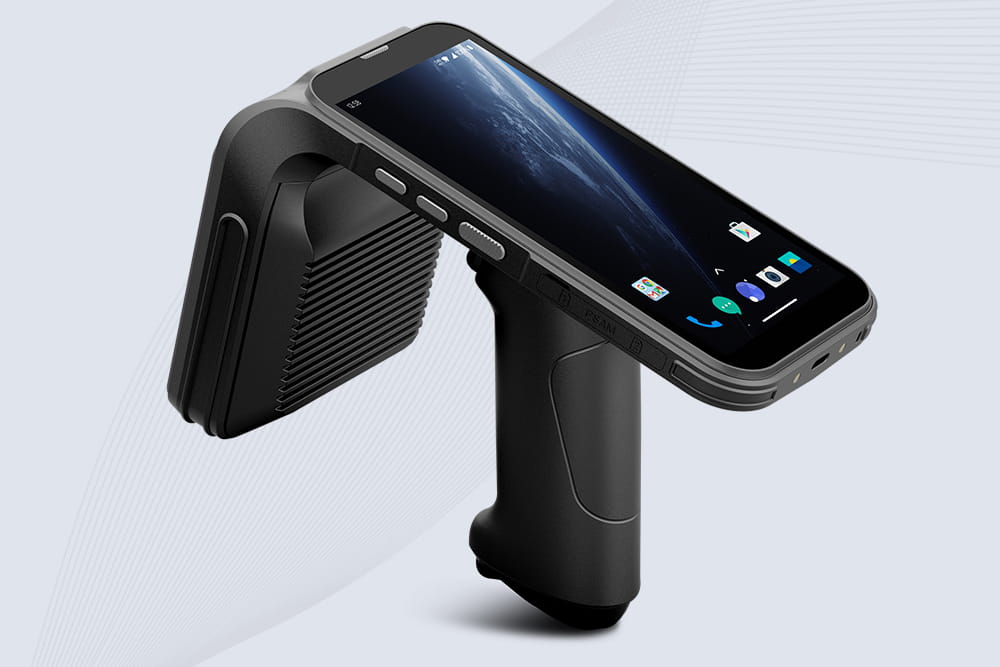
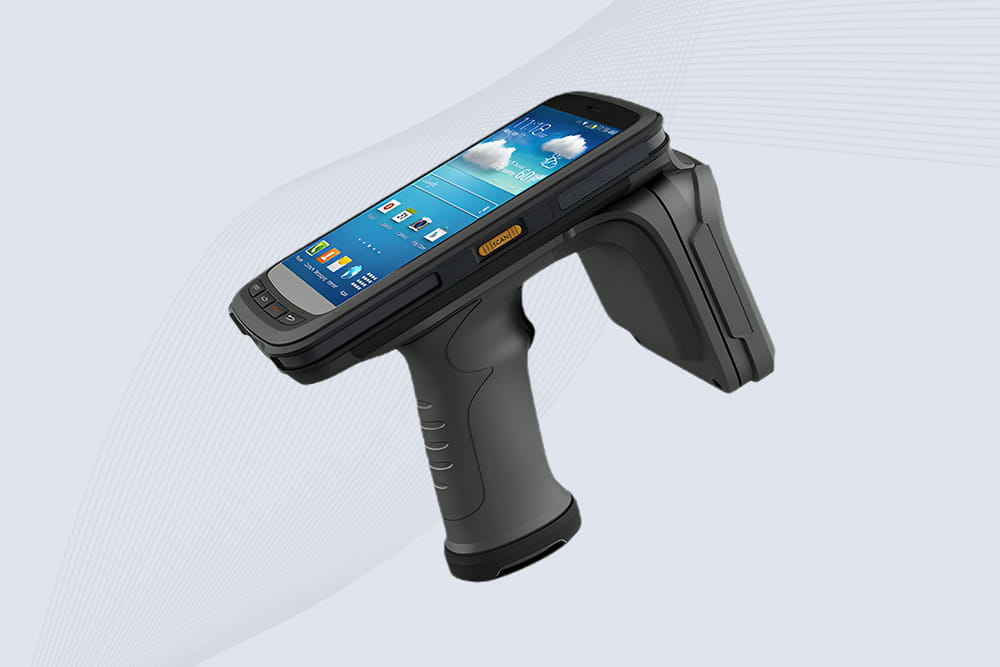
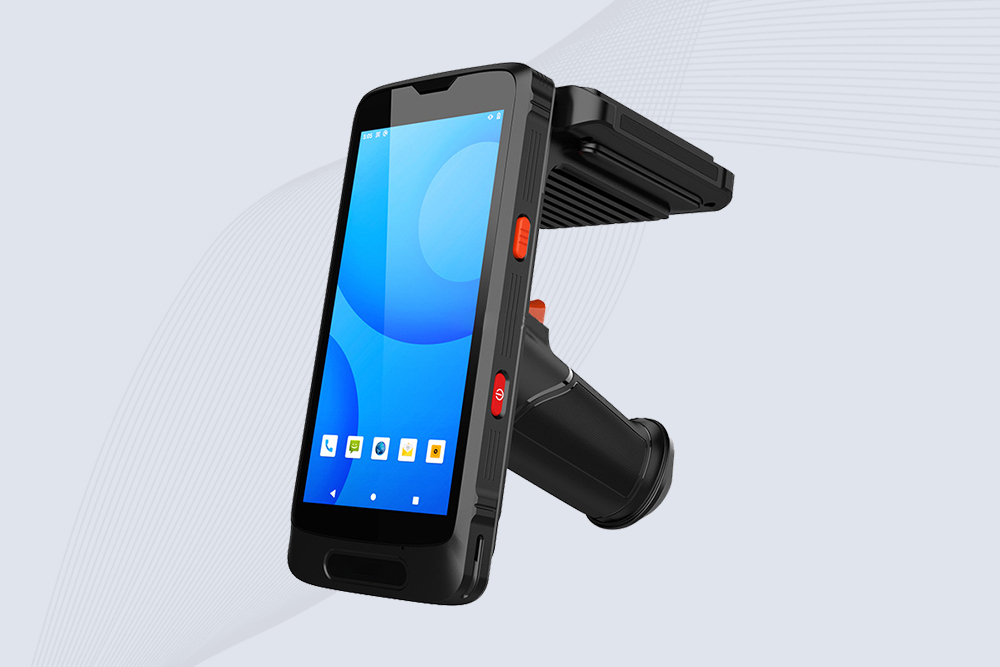
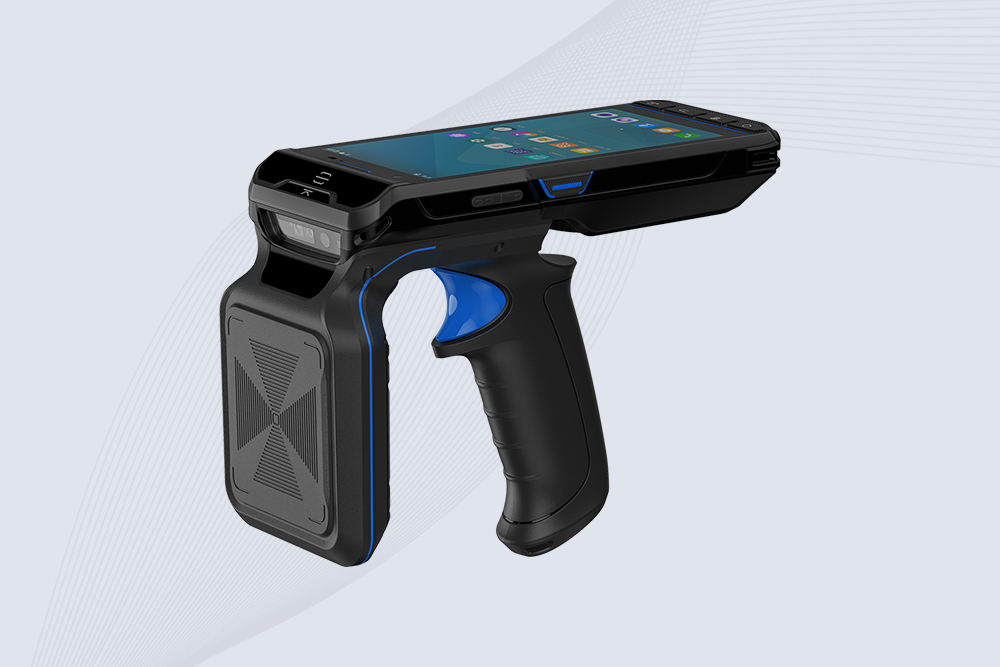
UHF (Ultra-High Frequency) and HF (High Frequency) handheld RFID readers serve distinct purposes based on their operating frequencies, read ranges, and use cases. Here’s a detailed breakdown to help you choose the right technology:
1. Frequency & Read Range
Factor
UHF RFID (860–960 MHz)
HF RFID (13.56 MHz)
Read Range
3–15 meters (long-range)
10 cm–1 meter (short-range)
Example Use
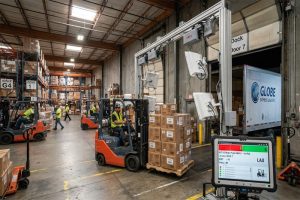
Scanning pallets in warehouses
Tracking medical tools in labs
UHF Pros: Ideal for bulk scanning (e.g., 500+ tags per second) without line-of-sight.
HF Pros: Better near-metal/liquid performance and secure data transfer.
Someone asked me can rfid reader read different tags after buying the wrong gear. Here's what I learned about protocols, frequencies, and which CYKEO readers actually handle mixed tags.
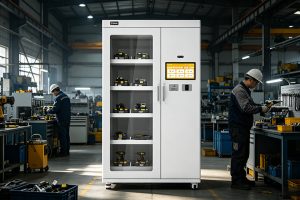
How much does an RFID tool cabinet cost? Discover key pricing factors, cost ranges, and how to choose the right RFID tool tracking system for your budget.
RFID devices improve tool tracking, automate inventory checks, and enable real-time UHF identification for industrial assets with fast and accurate management.
Discover how long range RFID scanners are used in logistics for pallet tracking, shipment verification, warehouse automation, and vehicle management. Practic...
 Cykeo RFID IoT Solution Products R&D Manufacturer