 Cykeo RFID IoT Solution Products R&D Manufacturer

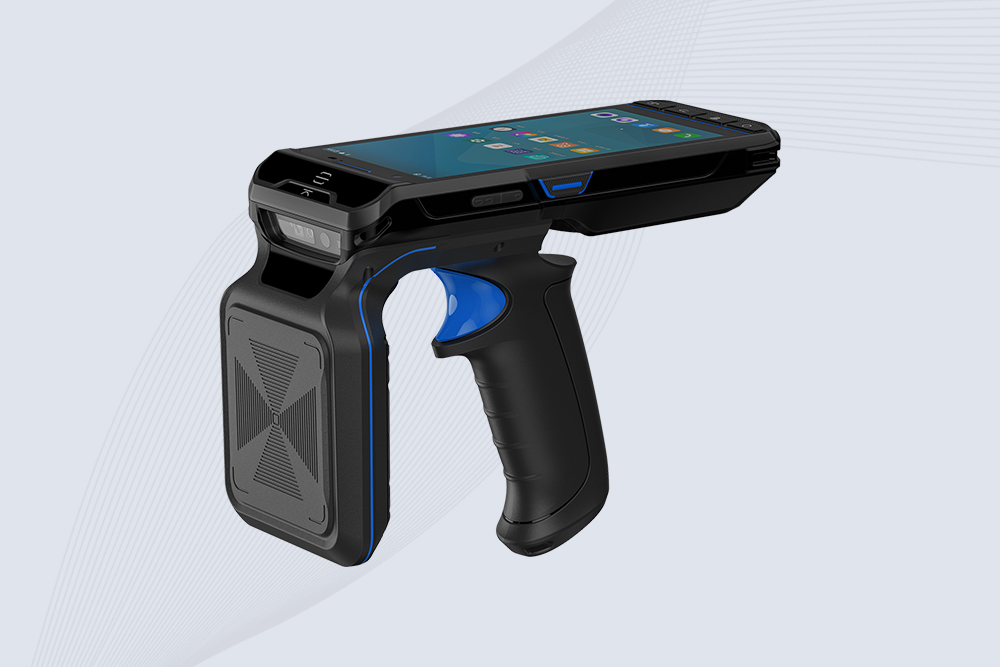
rfid employee tracking: How Does It Improve Workforce Visibility?
172Explore rfid employee tracking for real-time workforce visibility, safety monitoring, and operational efficiency across industrial and secure environments.
MoreAll RFID Product
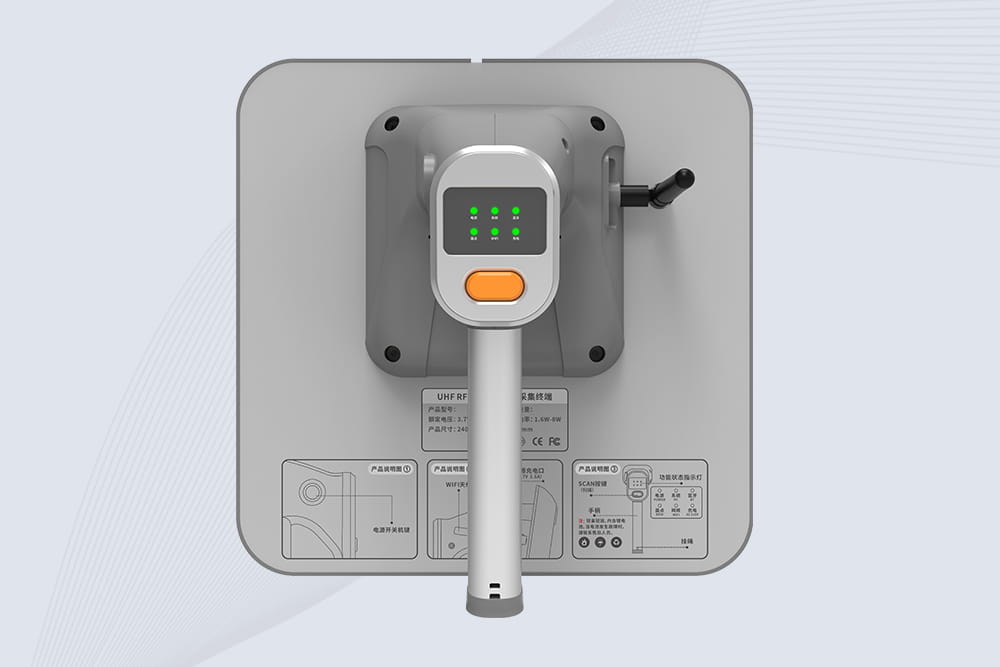
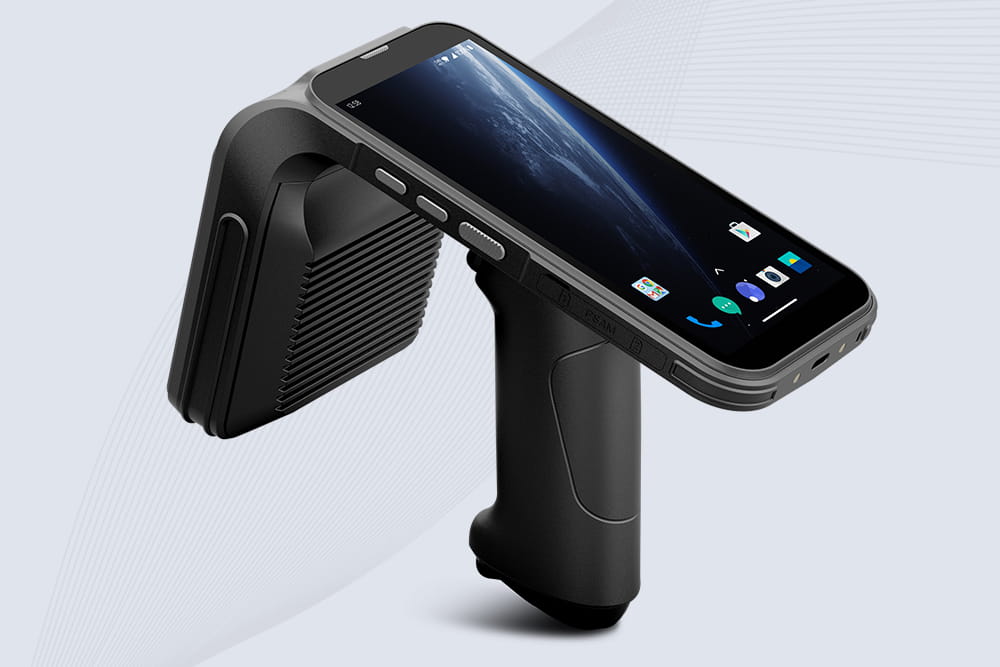
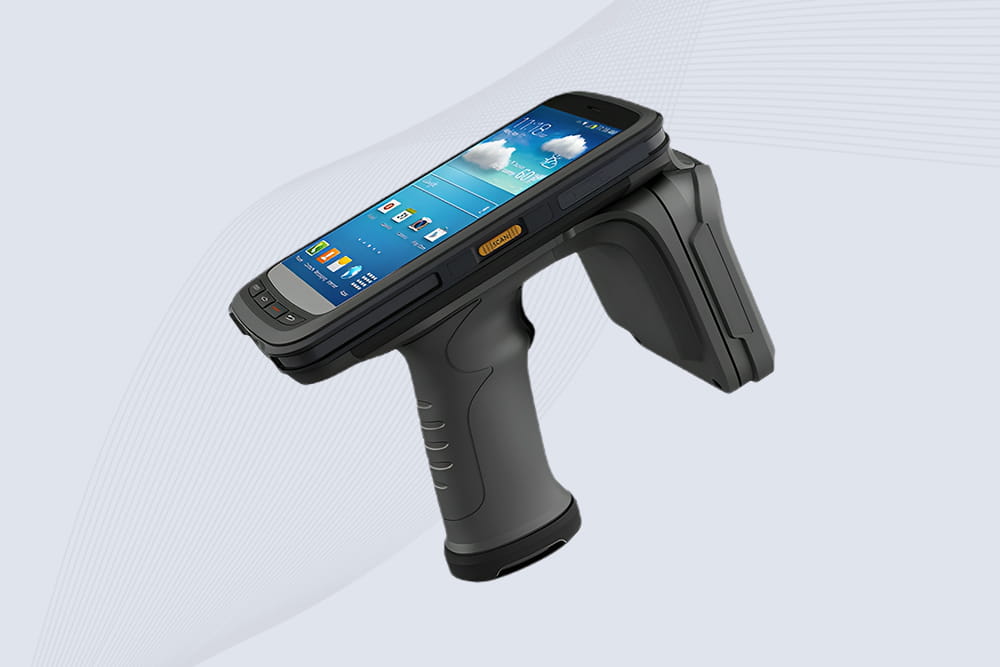
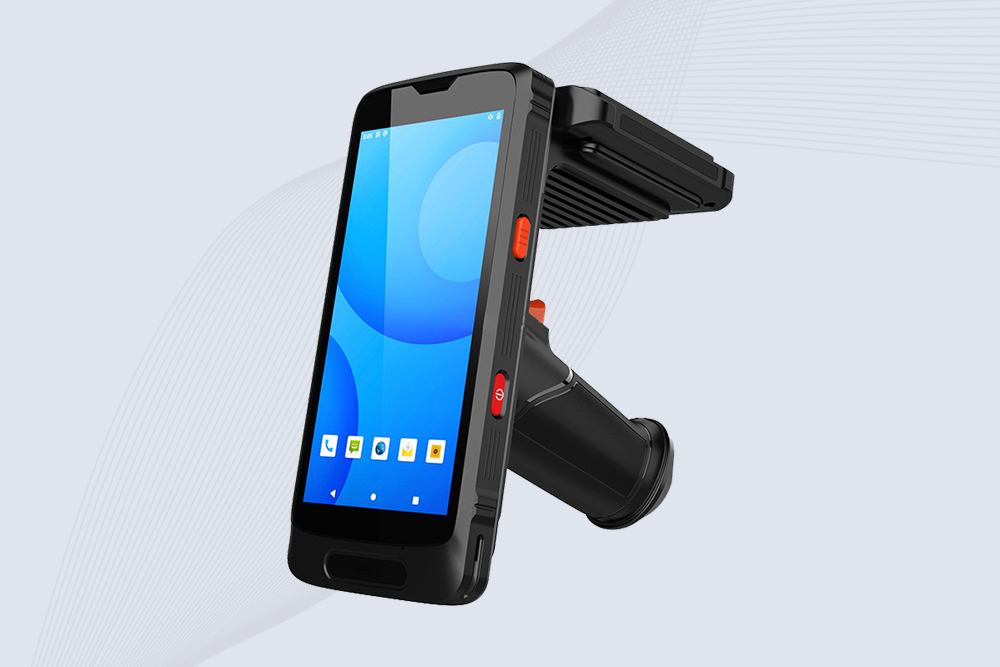
Managing livestock is no small feat—lost animals, health issues, and inefficient feeding routines can drain time and profits. Handheld RFID scanners are transforming this age-old challenge, offering farmers a way to track herds, monitor health, and streamline operations with a few simple scans. Here’s how this technology works and why it’s becoming indispensable on modern farms.

Old-school methods like ear tags or written logs are error-prone and slow. RFID offers:
Example: A rancher using Cykeo’s handheld RFID scanner reduced time spent on herd checks by 60%, even in sprawling pastures.
a. Individual Animal Tracking
Each animal gets a unique RFID ear tag or injectable tag. Scanners quickly:
b. Disease Control
c. Feed Efficiency
Not all scanners are built for barns or fields. Prioritize these features:
Pro Tip: Test scanners in your environment—tags on wet or muddy animals can affect readability.

Avoid This Mistake: Skipping software updates—new firmware often improves tag readability.
Case Study: A dairy farm using Cykeo’s RFID system cut medication errors by 45% by tagging cows and linking data to vet records.
Takeaway: Handheld RFID scanners turn chaotic livestock management into a precise, data-driven process. Whether you’re tracking a herd of 50 or 5,000, tools like Cykeo’s durable models empower farmers to save time, cut costs, and prioritize animal welfare. Start small—tag a pilot group, train your team, and scale as you see results.

Explore rfid employee tracking for real-time workforce visibility, safety monitoring, and operational efficiency across industrial and secure environments.
More
Improve hospital linen control with the Cykeo CK-G2224 RFID smart cabinet — real-time tracking, automated inventory, reduced loss, and full workflow digitization.
More
Discover if handheld RFID scanners are a smart investment for small businesses. We break down costs, efficiency gains, and real-world ROI.
More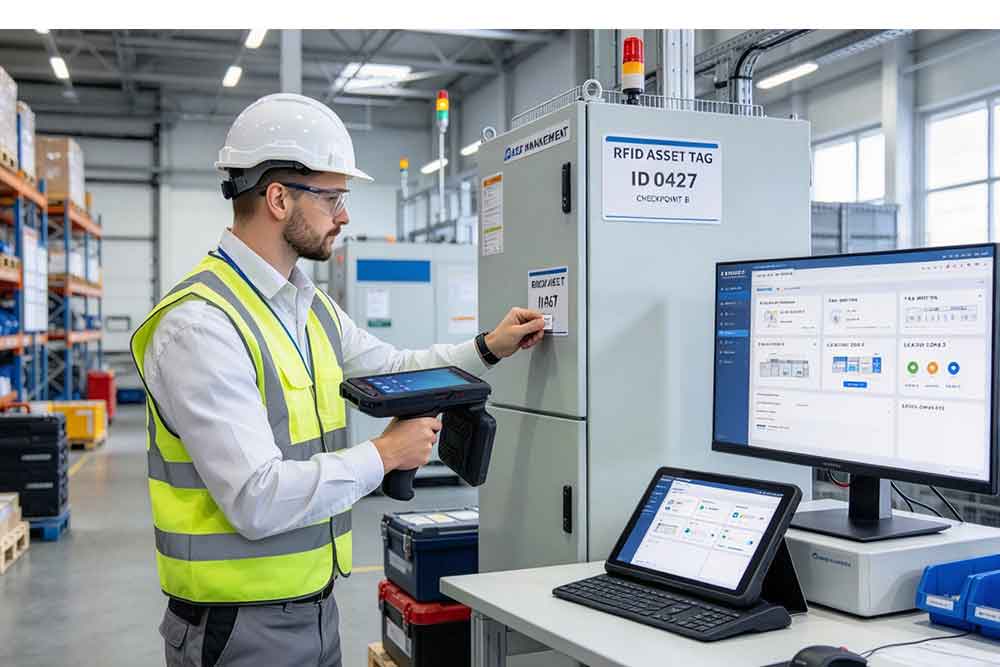
A handheld RFID writer is a portable device that reads, writes, and manages RFID tag data for mobile asset tracking and field operations.
More