 Cykeo RFID IoT Solution Products R&D Manufacturer
What Are RFID Systems? UHF RFID Explained for Industry
102RFID systems are integrated identification solutions combining tags, readers, antennas, software, and networks to automatically identify physical objects thr...
MoreAll RFID Product
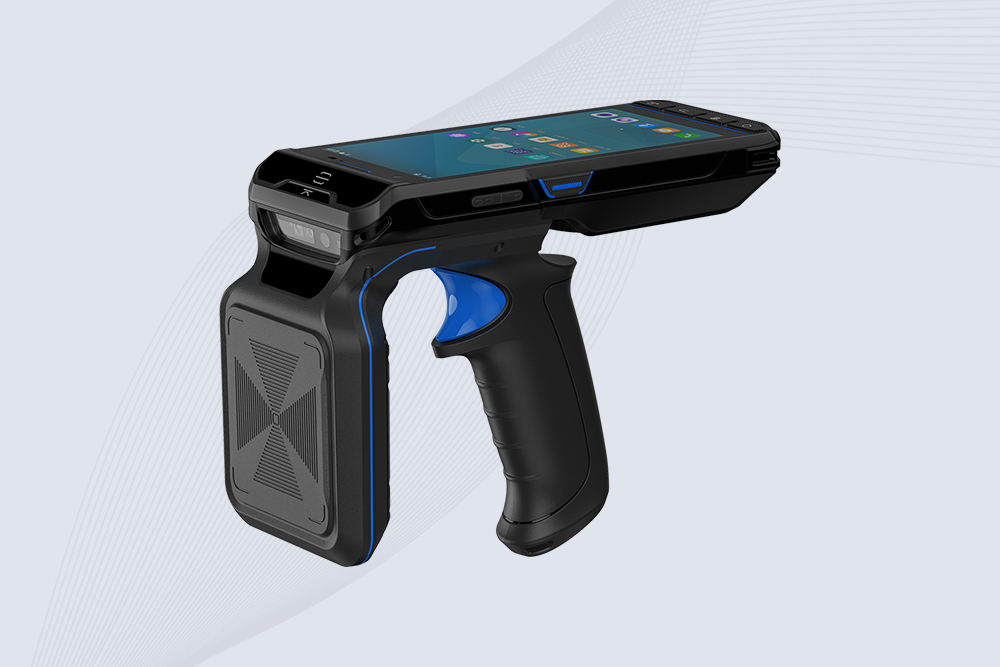
Running a small business means squeezing value from every dollar. Handheld RFID scanners promise faster inventory checks and fewer errors—but are they worth the investment for a mom-and-pop shop or boutique retailer? Let’s cut through the hype and weigh the costs, benefits, and real-world practicality.
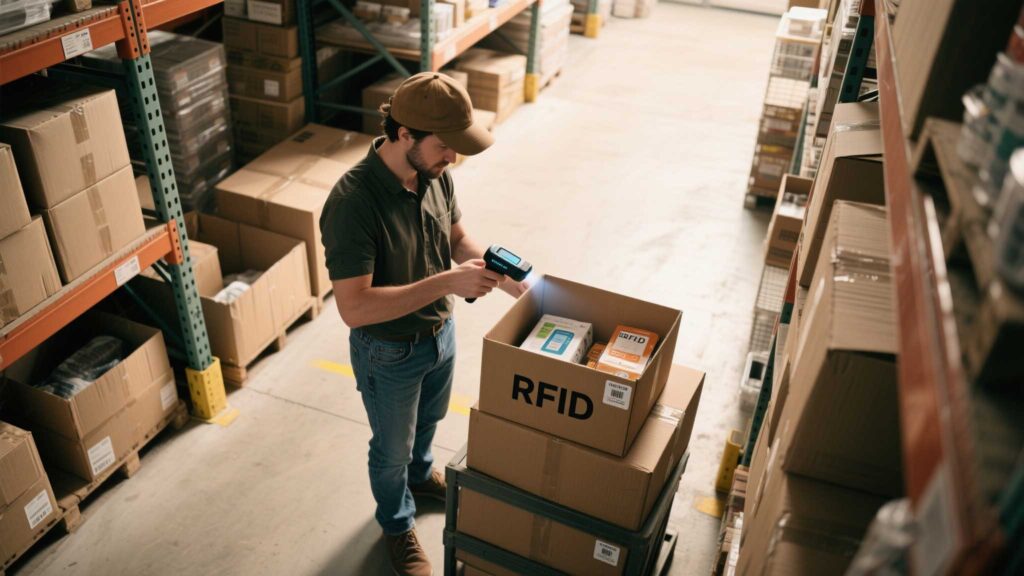
RFID isn’t just about buying a scanner. Here’s the full financial picture:
Upfront Costs
Hidden Costs
Total First-Year Investment: ~1,500–3,000 for a small retail store or warehouse.
a. Time Savings Add Up Fast
b. Error Reduction
c. Scalability
Start with tagging high-value items (e.g., electronics, designer apparel), then expand as ROI proves itself.
Real-World Example: A Cykeo user in a family-owned hardware store cut stock discrepancies by 75% within six months.

For micro-businesses (<500 items), RFID might be overkill. Consider these alternatives:
RFID’s Sweet Spot: Businesses with 500–5,000 SKUs, frequent inventory turnover, or high-value goods.
a. “Too Complicated to Set Up”
b. “My Team Will Resist New Tech”
c. “Tags Look Ugly on Products”
Formula:
(Annual Time Savings × Hourly Wage) + Error Reduction Savings – Annual RFID Costs
Example:
Most businesses break even in 6–12 months.
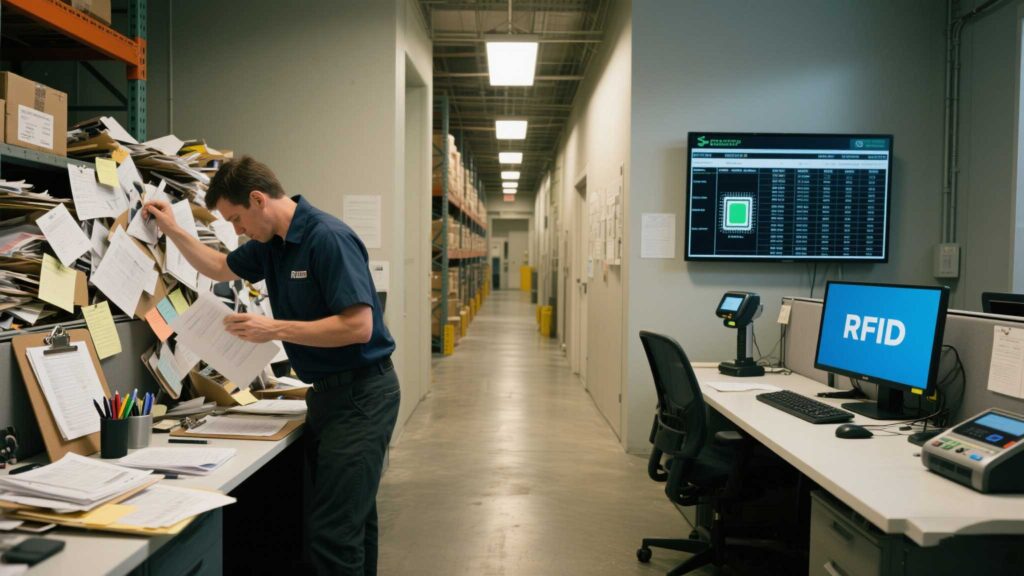
Worth It If:
Not Yet If:
Takeaway: Handheld RFID scanners aren’t just for big corporations. For small businesses drowning in spreadsheets or stock errors, they’re a lifeline to efficiency and growth. Brands like Cykeo make entry-level models that balance cost and durability, but the real value comes from how you use them. Start small, track your savings, and let the results—not the hype—guide your decision.
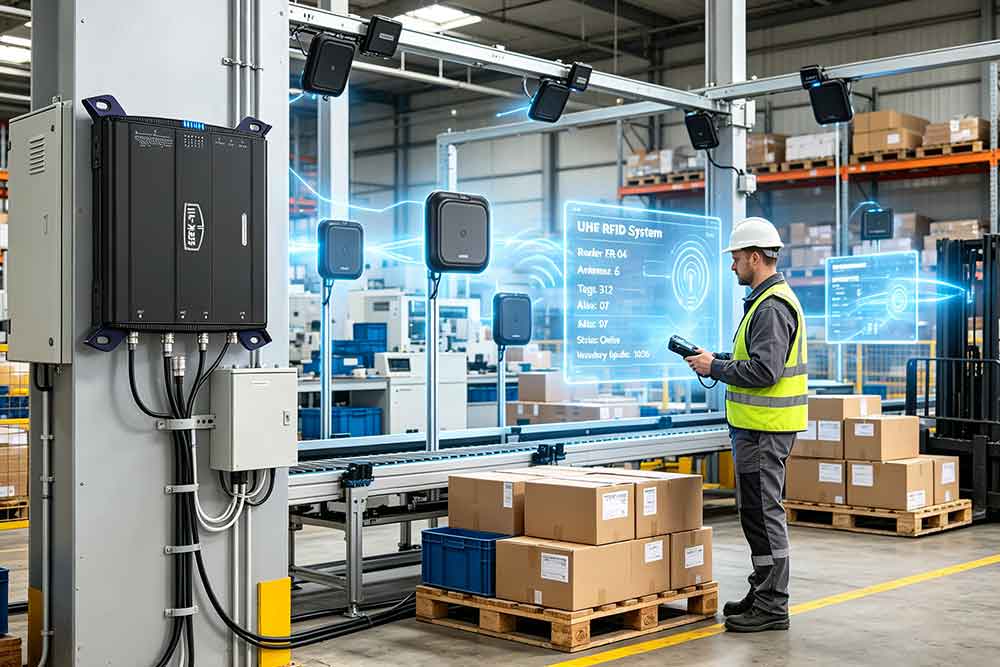
RFID systems are integrated identification solutions combining tags, readers, antennas, software, and networks to automatically identify physical objects thr...
More
The CYKEO CK-A12 12dBi RFID Antenna delivers long-range UHF performance with stable circular polarization, low VSWR, and rugged IP65 housing. Designed for intelligent parking, access control, logistics, and warehouse automation.
More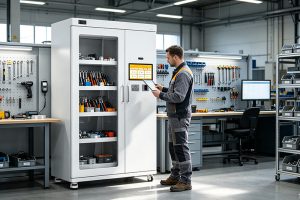
Improve tool control with Cykeo tool tagging system. Track, identify, and manage tools in real time with RFID technology for safer and smarter operations.
More
RFID tag asset tracking explained from real deployments: how tags behave on assets, what breaks systems, and how to get reliable visibility fast.
More