How does RFID scanner work? An RFID scanner sends radio-frequency energy toward RFID tags, receives their responses, converts those signals into digital identification data, and passes the results to software for inventory, asset, or process management. Unlike a barcode scanner, it does not need to optically see each label.
That distinction becomes obvious on a warehouse floor.
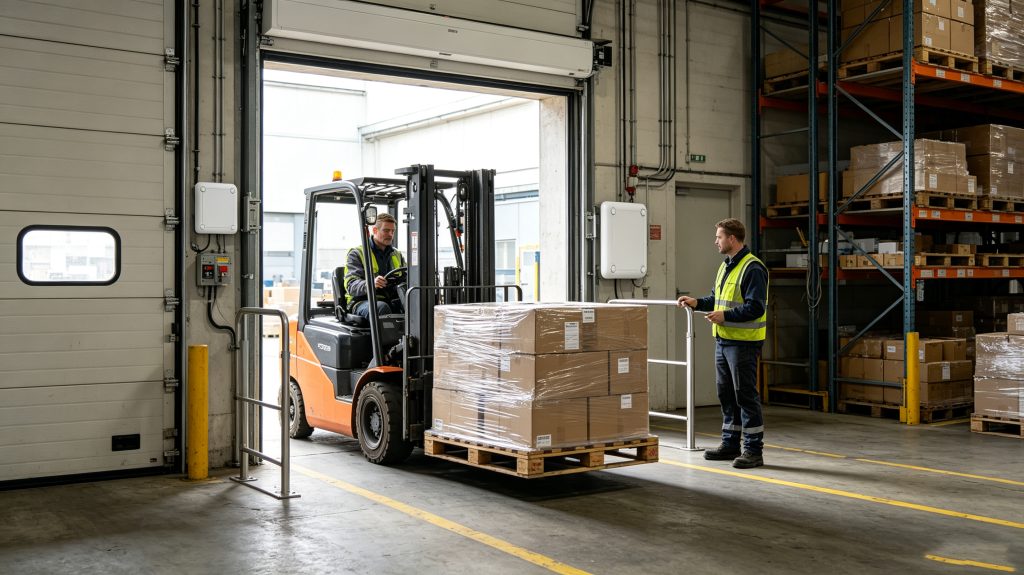
A barcode operator stops, aims, scans, moves on. An RFID operator can walk past a rack while a handheld reader interrogates multiple tagged items. With a fixed reader, the operator may not be involved at all—the reader can capture tags as pallets, cartons, or tools cross a controlled reading zone.
GS1 defines an RFID system around a reader and tag. In passive RFID, the reader supplies RF energy to the tag; the tag then communicates by modulating the reflected signal, known as backscatter.
What Happens Inside an RFID Scanner?
An RFID scanner is more accurately described as an RFID reader/interrogator. It is not simply a wireless barcode scanner.
Sends the resulting data to an application or host system.
In a passive UHF RFID installation, the tag normally has no battery or conventional radio transmitter. It draws energy from the reader’s RF field and reflects a modulated response back to the reader.
The exchange happens extremely quickly.
That is why a reader can identify multiple products while a pallet is moving through a portal instead of requiring an employee to stop and scan every carton.
The RFID Scanning Sequence
Stage
What happens
1. RF transmission
Reader creates an electromagnetic field
2. Tag activation
Passive tag harvests energy
3. Reader command
Reader requests identification
4. Tag response
Tag backscatters encoded information
5. Reader processing
Reader decodes the response
6. Data filtering
Duplicate or unwanted reads can be filtered
7. Application update
Inventory or asset software receives the event
GS1’s EPC/RFID architecture describes readers transmitting standardized commands and continuous-wave energy, while passive tags respond through antenna backscatter.
RFID Scanner vs. Barcode Scanner
The physical scanning process is fundamentally different.
A barcode scanner depends on reflected optical information from a printed symbol. RFID uses radio communication between the reader and tag.
Characteristic
Barcode Scanner
RFID Scanner
Communication
Optical
Radio frequency
Line of sight
Normally required
Not normally required
One-at-a-time scanning
Common
Multiple-tag reading possible
Hidden label
Difficult
Often possible
Bulk identification
Limited
Strong UHF use case
Tag power
Not applicable
Passive or active
Typical automation
Operator-driven
Operator or infrastructure-driven
NIST identifies RFID’s ability to identify objects without optical line of sight as a significant advantage over optical barcode scanning.
That does not mean RFID reads everything everywhere.
It means the physical constraints are different.
Why RFID Scanner Range Is Not Just “Distance”
One of the most common questions during an RFID deployment is:
“How many meters can it scan?”
The more useful question is:
“What is the shape of the reliable reading zone?”
GS1 states that passive UHF/RAIN RFID read range is typically several meters and can reach up to 15 meters in special cases, while high-sensitivity phased-array systems can reach up to 20 meters under suitable conditions. GS1 also emphasizes that antenna directivity, gain, polarization, and tag orientation strongly affect the readable volume.
NIST similarly notes that RFID antennas have different coverage patterns and that antenna selection should be matched to the intended coverage area.
That is a field-engineering issue.
A reader capable of reading 10 meters is not automatically suitable for a 3-meter-wide warehouse doorway. If its RF field reaches the adjacent lane, it may capture the wrong inventory.
What Controls RFID Scanner Performance?
Several factors interact:
Reader output power
Antenna gain
Antenna polarization
Tag antenna design
Tag orientation
Operating frequency
Distance
Product material
Metal structures
Liquid content
RF interference
Reader sensitivity
Anti-collision algorithms
GS1 specifically notes that water and liquids can absorb RF energy and detune RFID tags, while dedicated on-metal tag designs can compensate for some of the difficulties caused by metallic surfaces.
This is why a reader specification sheet should never be treated as a guarantee of field performance.
How an RFID Scanner Reads Multiple Tags
Multiple-tag identification is one of the defining strengths of UHF RFID.
Imagine a receiving pallet carrying 60 tagged cartons.
A barcode workflow generally requires the operator to present labels to a scanner one by one.
A UHF RFID reader can interrogate tags within its RF field and use an anti-collision protocol to identify multiple tags without treating their simultaneous presence as a single unreadable response.
GS1’s EPC Gen2 UHF standard defines the air-interface behavior for passive-backscatter RFID in the 860–960 MHz range.
The reader does not simply shout “identify yourself” and receive all 60 answers at once. The protocol manages tag participation so individual identifiers can be captured and processed.
That distinction matters when evaluating claims about “multi-tag reading.”
What the RFID Scanner Actually Sends to Software
The reader does not normally send a sentence such as:
“Pallet 18 has arrived.”
It produces identification and event data.
The application layer determines what that data means.
For example:
EPC detected → Reader 02 → Dock Door 3 → 09:42:16 → Receiving event
That event can then be processed by WMS, ERP, MES, inventory software, or an asset-management platform.
GS1’s architecture describes readers providing captured EPC information to application-level software, where additional filtering and conversion can take place.
This separation between RF capture and business interpretation is important.
The reader identifies.
The software understands.
How Cykeo RFID Scanners Are Used
Cykeo RFID reader solutions are designed for practical UHF identification tasks where RF performance and system integration need to work together.
Depending on the model and configuration, Cykeo readers can support:
ISO 18000-6C / EPC C1G2
Adjustable RF output power
Multi-tag recognition
Anti-collision processing
Tag data filtering
Fixed and desktop configurations
Ethernet or serial communication
USB communication on applicable devices
SDK/API integration
In a warehouse, a fixed reader can be paired with directional antennas at a dock or conveyor. A handheld reader is more useful when an operator needs to search for a missing asset or perform a cycle count.
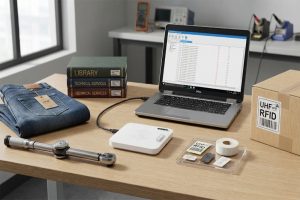
A desktop reader serves another purpose: controlled tag registration, encoding, or item processing.
The hardware changes because the scanning problem c
A Practical RFID Scanner Observation
After working around RFID deployments, one pattern becomes difficult to ignore: the reader itself is rarely the weakest part of the system.
A technically capable reader can still produce poor results when an antenna is positioned incorrectly, the tag is unsuitable for the product surface, or the read zone is allowed to overlap another operational area.
During commissioning, I would rather see a reader consistently capture the correct 40 tags in its intended zone than demonstrate 100 tags at an uncontrolled distance.
That is the difference between a specification and a working RFID system.
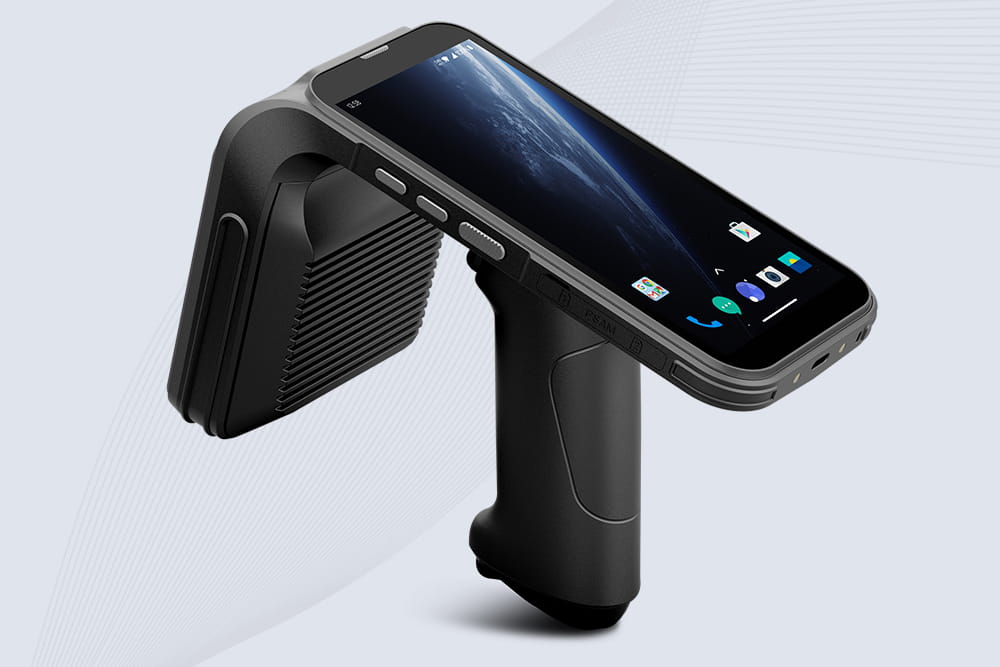
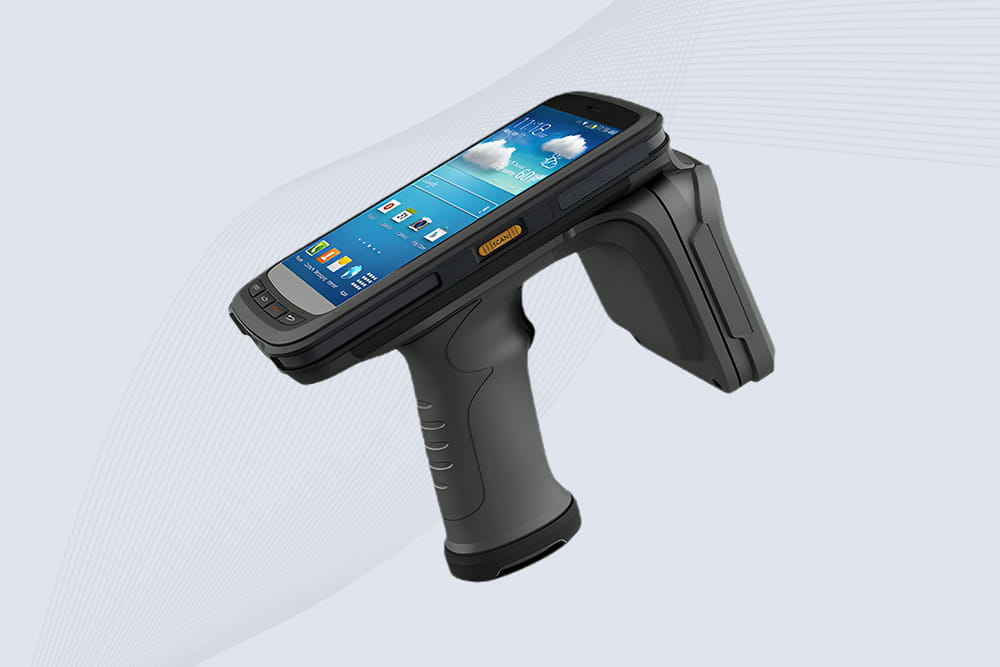
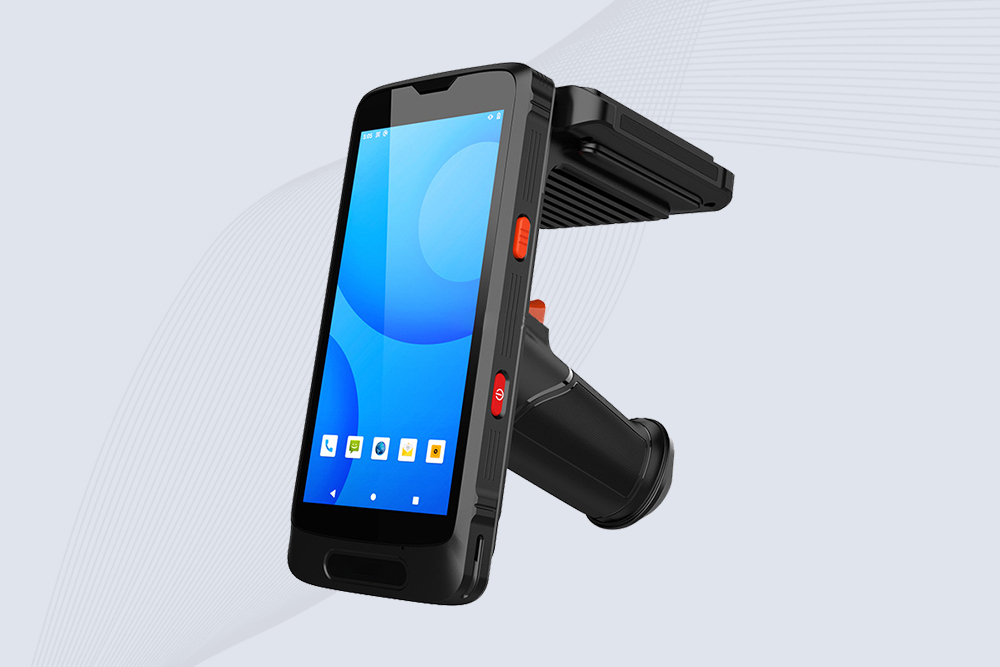
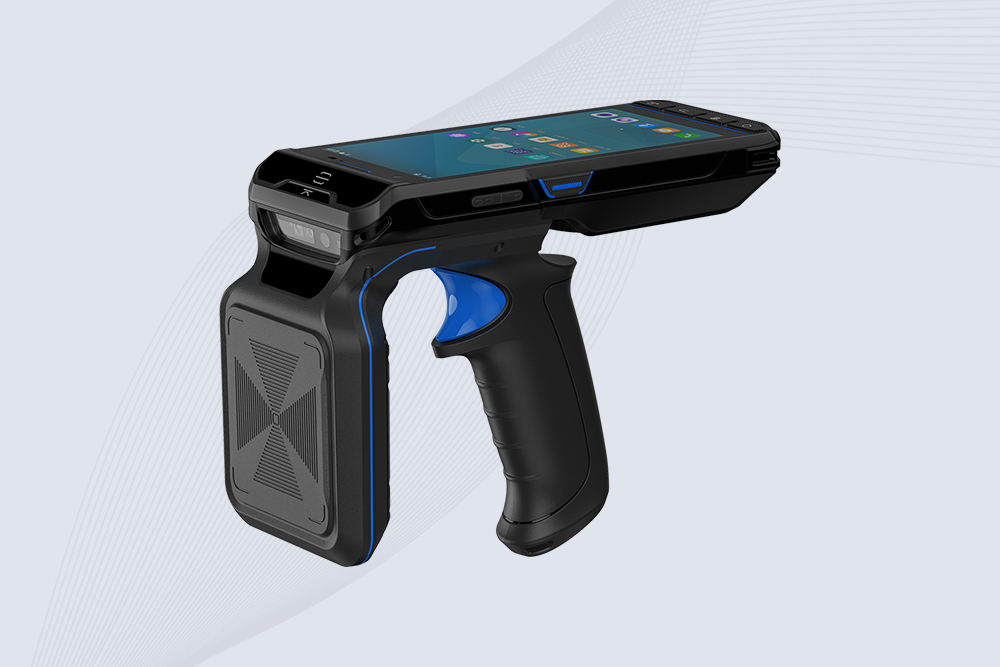
A handheld UHF RFID scanner can identify multiple tagged items during warehouse inventory and cycle-count operations.
RFID Scanner Hardware Architecture
An RFID scanner is not simply a handheld device that “looks for tags.” A complete RFID scanning system normally combines RFID tags, antennas, a reader, and host software. GS1 describes these as the core components of an RFID system, with the reader providing RF energy and processing the tag response.
In a practical installation, the architecture may look like this:
RFID Tag → Antenna → RFID Reader → Communication Interface → Software Platform
The reader is responsible for the RF transaction. The software determines what the captured identifier means operationally.
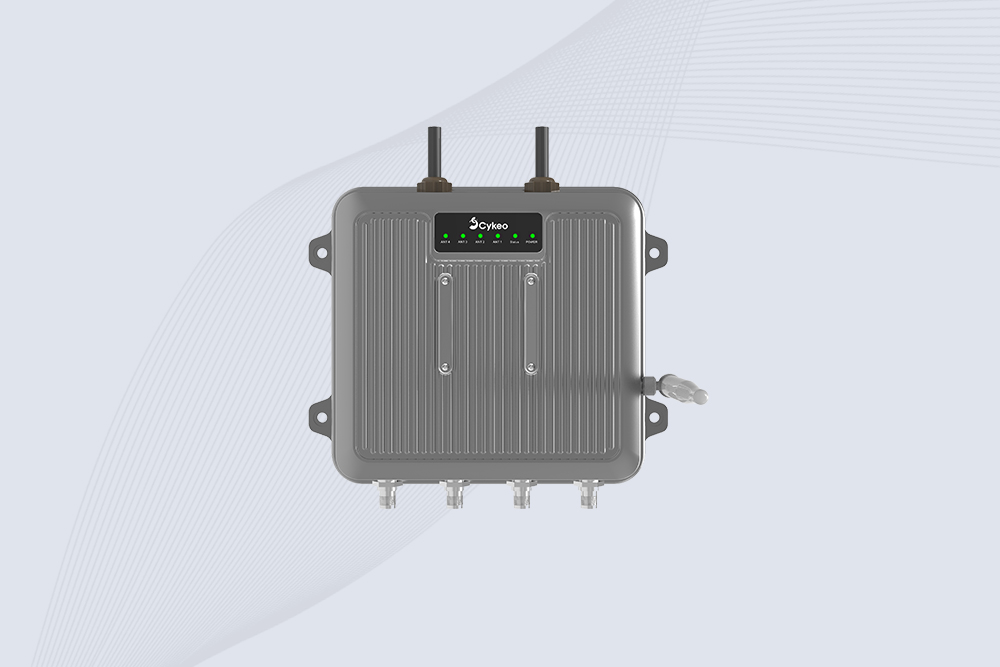
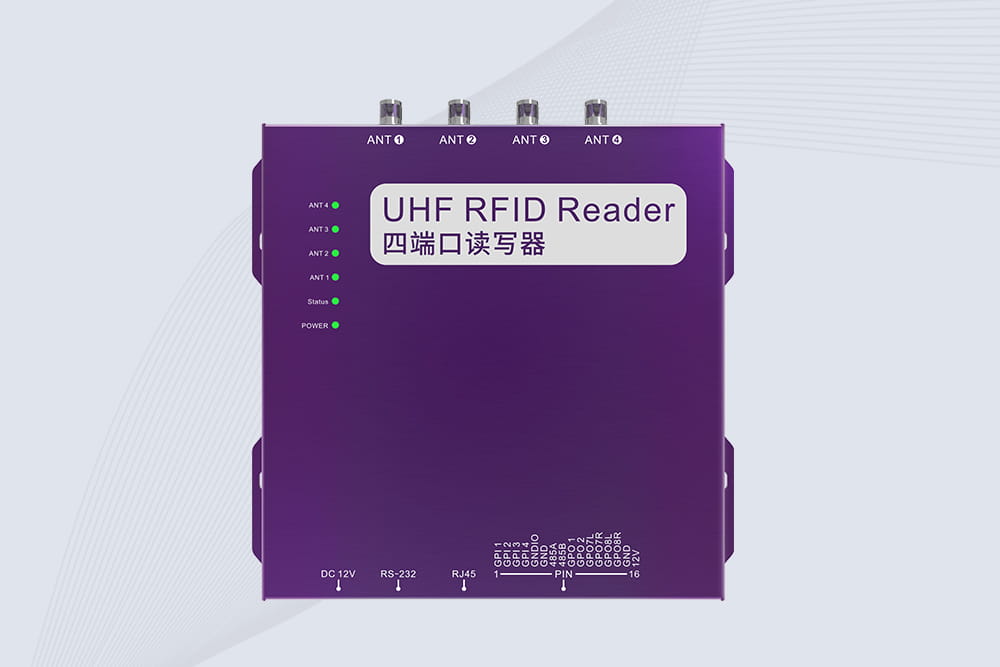
A fixed scanner is normally installed at a specific location:
Warehouse dock door
Conveyor
Production station
Storage entrance
Vehicle gate
Cabinet
Asset checkpoint
NIST specifically notes that RFID antennas can be mounted around conveyors or on forklifts to identify items as they move between locations. It also emphasizes that different antenna types have different coverage patterns.
That matters more than the appearance of the reader itself.
A reader with a powerful RF output can create problems if its antenna illuminates the wrong area.
A handheld RFID scanner combines mobility with RF identification.
An operator can walk along warehouse racks, point the device toward a storage area, and identify multiple tagged objects without individually presenting every label to a barcode scanner.
Typical handheld applications include:
Cycle counting
Asset searching
Tool verification
Stock checking
Missing-item searches
Receiving inspection
Warehouse audits
The operator’s movement becomes part of the scanning process.
That is particularly useful when the business question is not simply “What is this item?” but “Where is the item I am looking for?”
How RFID Scanners Read Multiple Tags
Multi-tag reading is based on an RFID air-interface protocol rather than several tags transmitting randomly at exactly the same moment.
For passive UHF RFID, the reader initiates communication, tags receive operating energy from the RF field, and selected tags respond using backscatter. GS1’s current EPC Gen2 UHF specification defines a passive-backscatter, interrogator-talks-first system operating in the 840–960 MHz range.
This protocol structure allows the reader to inventory many tags within its field.
The practical result is significant.
A pallet containing dozens of tagged cartons does not necessarily need to be unpacked so each carton can be individually scanned.
GS1 notes that RAIN RFID can capture identifiers at high rates and without line-of-sight contact, making it particularly useful for item-level tracking and inventory applications.
What Affects RFID Scanner Accuracy?
A reader’s advertised read distance is only one number.
Actual scanning performance depends on the entire RF environment.
Factor
Effect on RFID scanning
Reader output power
Changes available RF energy
Antenna gain
Influences coverage and field concentration
Polarization
Affects tag response depending on orientation
Tag antenna
Determines how effectively the tag couples with RF energy
Tag orientation
Can significantly change read performance
Metal
Can detune unsuitable tags
Liquid
Can absorb RF energy
RF interference
Can reduce reading reliability
Reader sensitivity
Affects ability to detect weak backscatter
Antenna placement
Defines the practical read zone
GS1 states that passive UHF read range is generally several meters and can reach up to 15 meters in special cases, while specialized phased-array systems may reach up to 20 meters. It also stresses that antenna directivity, gain, polarization, and tag orientation influence the actual readable volume.
So a claim such as “10-meter RFID scanner” should never be interpreted as “every tag will always read at 10 meters.”
NIST research on RFID backscatter likewise identifies reader transmit power, tag antenna tuning, and chip power sensitivity as important variables in reliable reader performance.
RFID Scanner Performance in Metal and Dense Environments
This is where laboratory demonstrations and actual installations begin to diverge.
A cardboard carton with a correctly positioned UHF tag can be relatively straightforward.
A steel tool cabinet is different.
A liquid-filled container is different again.
Metal can alter the electromagnetic environment around the tag, while liquids can absorb RF energy. GS1 therefore recommends selecting tag designs appropriate for difficult materials rather than assuming one generic RFID label will work everywhere.
For an industrial deployment, tag testing should happen on the actual asset, not merely on a sample tag sitting on a workbench.
That small distinction saves considerable commissioning time.
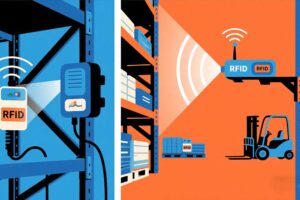
Fixed RFID scanners create controlled reading zones where tagged pallets and cartons can be captured automatically.
Cykeo RFID Scanner Advantages
Cykeo develops RFID reader hardware for applications where the scanner must operate as part of a larger identification system rather than as an isolated device.
Depending on model and configuration, Cykeo UHF RFID solutions can provide:
ISO 18000-6C / EPC C1G2 compatibility
Adjustable RF output power
Multi-tag recognition
Anti-collision processing
Tag data filtering
Fixed-reader configurations
Desktop RFID scanning
Ethernet or RS-232 communication
USB communication on applicable products
SDK/API integration for application development
Some Cykeo UHF reader modules are designed for OEM integration, allowing manufacturers to incorporate RFID functionality into their own equipment rather than purchasing a complete reader enclosure.
For a system developer, that changes the design conversation.
The question becomes less about buying a scanner and more about where RFID intelligence should sit inside the machine, workstation, gate, cabinet, or production system.
RFID Scanner Applications
Warehouse Inventory
RFID scanners can identify tagged cartons, pallets, and containers during receiving, storage, picking, and shipping.
GS1 US describes a warehouse example in which RFID-tagged cartons and cases can be automatically captured when unloaded at a dock read point.
Manufacturing
RFID scanners can record the movement of:
Work-in-progress containers
Tools
Components
Production fixtures
Returnable containers
A reader at a process station can create an event without requiring the operator to scan a barcode manually.
Retail
UHF RFID scanners support item-level inventory checks, particularly where large numbers of products need to be identified quickly.
The advantage is not simply speed. The operator can capture identifiers without visually locating each printed barcode.
Tool Management
A handheld RFID scanner can help maintenance teams locate tagged tools, verify tool inventories, and identify missing equipment.
For difficult metal environments, the tag—not simply the reader—often becomes the critical engineering decision.
A Practical Deployment Checklist
Before choosing an RFID scanner, I would evaluate the application in this order:
What objects need to be identified?
What material are those objects made from?
Where will tags be mounted?
How many tags may appear simultaneously?
What reading zone is actually required?
Will the scanner be fixed, handheld, or embedded?
What software must receive the RFID data?
What happens when an unexpected tag enters the field?
The last question is frequently overlooked.
A good RFID installation is not designed merely to maximize tag reads. It is designed to maximize correct reads in the correct place.
That is the operational definition of scanner performance I use when evaluating a deployment.
Frequently Asked Questions
1. How does RFID scanner work?
An RFID scanner transmits radio-frequency energy, communicates with RFID tags, receives their backscattered responses, decodes the tag identifiers, and sends the resulting data to software for processing.
2. Does an RFID scanner need to see the tag?
No. Passive UHF RFID can identify tags without optical line of sight. This allows tags to be read inside cartons or when their labels are not directly visible, although materials and tag orientation still affect performance.
3. How far can an RFID scanner read?
There is no universal distance. GS1 states that passive UHF RFID typically works over several meters and can reach up to 15 meters in special cases. Antenna design, tag orientation, reader power, interference, and the environment determine actual performance.
4. Can RFID scanners read multiple tags at once?
Yes. Passive UHF RFID systems use standardized inventory and anti-collision mechanisms that allow readers to identify multiple tags within their RF field. EPC Gen2 is designed specifically for passive-backscatter UHF RFID operation.
5. What is the difference between an RFID scanner and an RFID reader?
In most commercial RFID applications, the terms are used interchangeably. “RFID reader” is the more technically common term, while “RFID scanner” often describes a handheld or user-facing RFID reading device.
6. Does metal affect RFID scanning?
Yes. Metal can change the RF environment and may severely reduce the performance of an unsuitable tag. On-metal RFID tags use specialized constructions designed for mounting on conductive surfaces.
7. Can RFID scanners replace barcode scanners?
RFID can replace or complement barcode scanning in suitable applications, especially where automatic, non-line-of-sight, or multi-tag identification is valuable. It is not automatically the better choice for every identification task.
SEO Conclusion
How does RFID scanner work? It works by creating an RF communication link between the reader and RFID tag, processing the tag’s response, and converting that response into usable digital identification data.
The important engineering detail is not simply how far a scanner can read. It is whether the system can consistently identify the right tags, in the right zone, at the right time.
That requires suitable tags, correctly selected antennas, controlled RF power, appropriate reader sensitivity, anti-collision processing, and software capable of turning raw tag events into operational information.
Cykeo RFID scanners and reader modules are designed for this broader system requirement, supporting UHF RFID identification across warehouse, manufacturing, asset-management, OEM, and industrial automation applications.
How does rfid scanner work is therefore best answered at two levels: the RF mechanism is based on reader-tag communication and backscatter; the practical result depends on how that technology is engineered into the real operating environment.
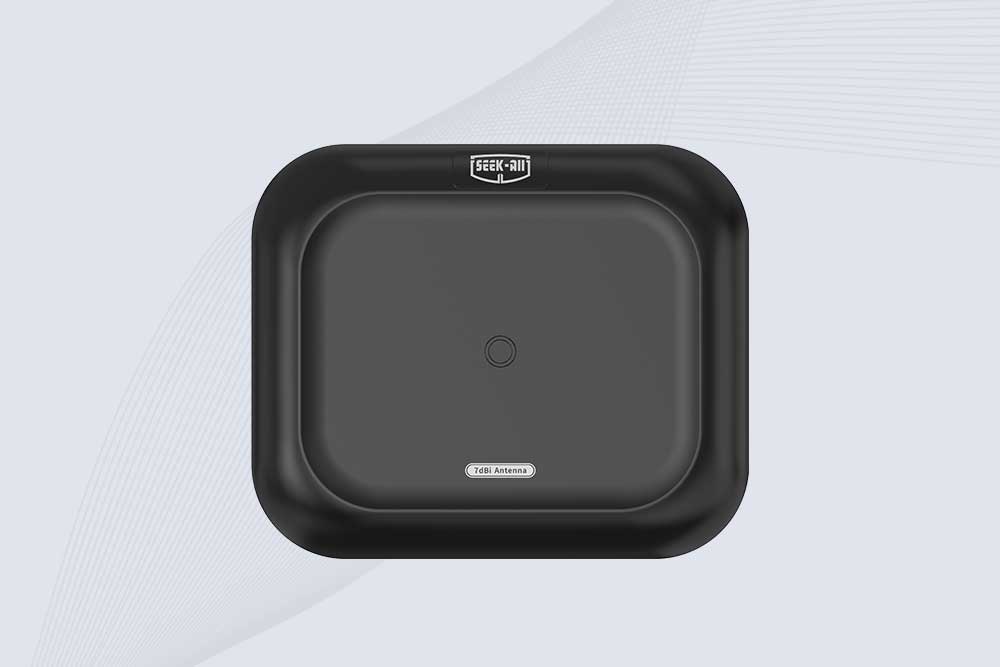
Explore the SSD-A07 UHF RFID antenna with 7 dBi gain, circular polarization, adjustable 840–960 MHz frequency, and 60°/75° beamwidth for stable RFID read/write performance.
SSD-A06 UHF RFID antenna with circular polarization, adjustable 840–960 MHz frequency, ≥4.5 dBi gain, and a compact directional design for RFID systems.
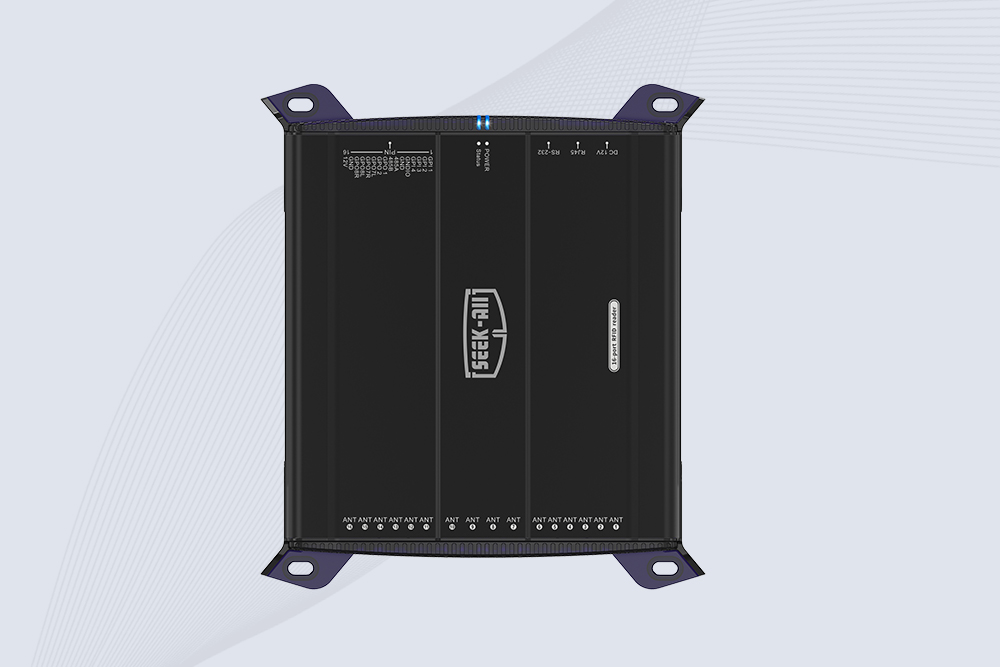
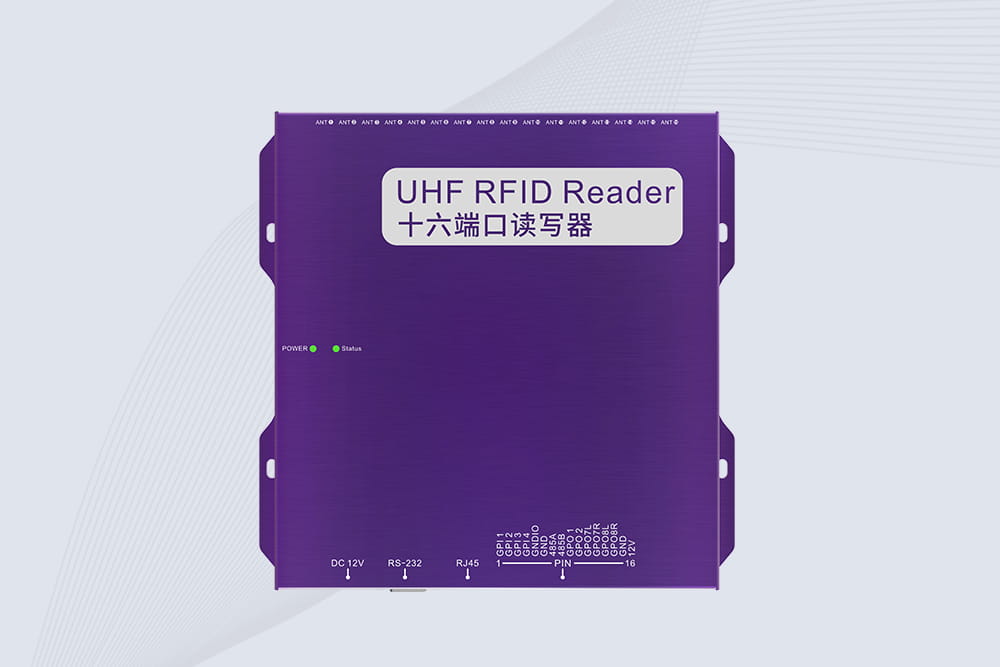
SSD-R16L Multi-Channel RFID Infrastructure for Automated Inventory Management ✔️ 16-Port High-Density RFID Reading Equipped with 16 SMA antenna ports, SSD-R16L supports multi-antenna deployment for warehouses, retail stores, logistics, production lines, and large-area RFID identification. ✔️ High-Speed & Long-Range Performance With up to 33…
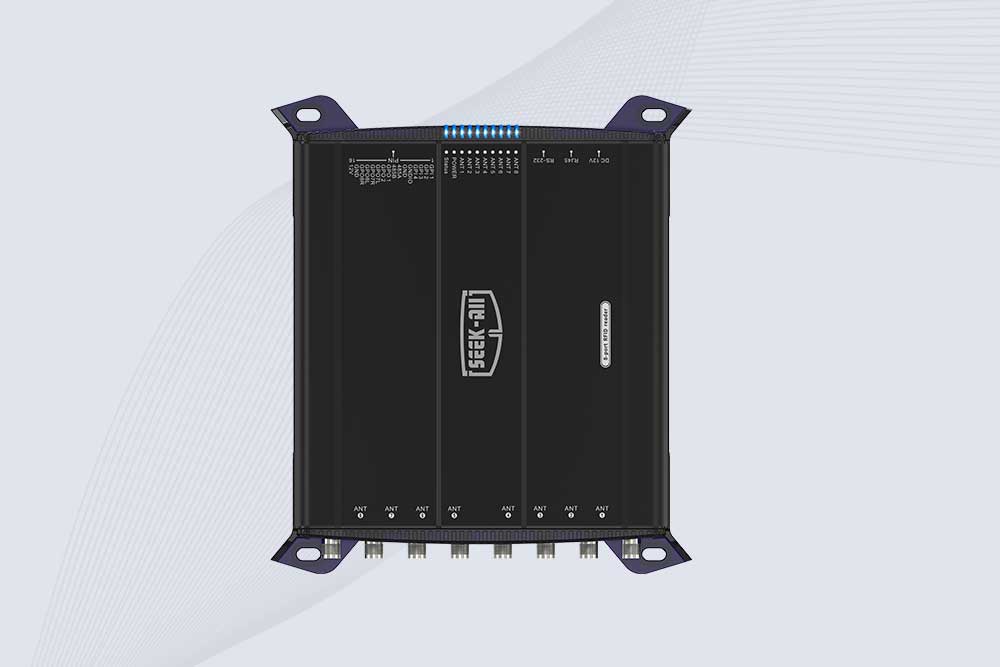
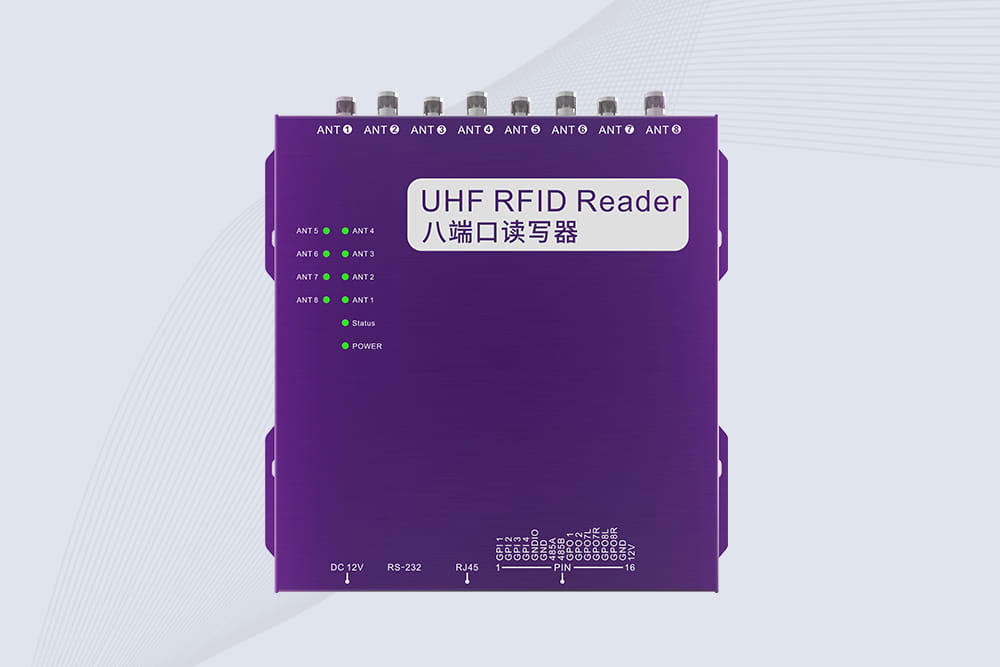
SSD-R8L 8-port UHF RFID reader with 33dBm output, up to 20m reading range and 600+ tags/s recognition. Ideal for warehouse, logistics, retail and asset tracking.
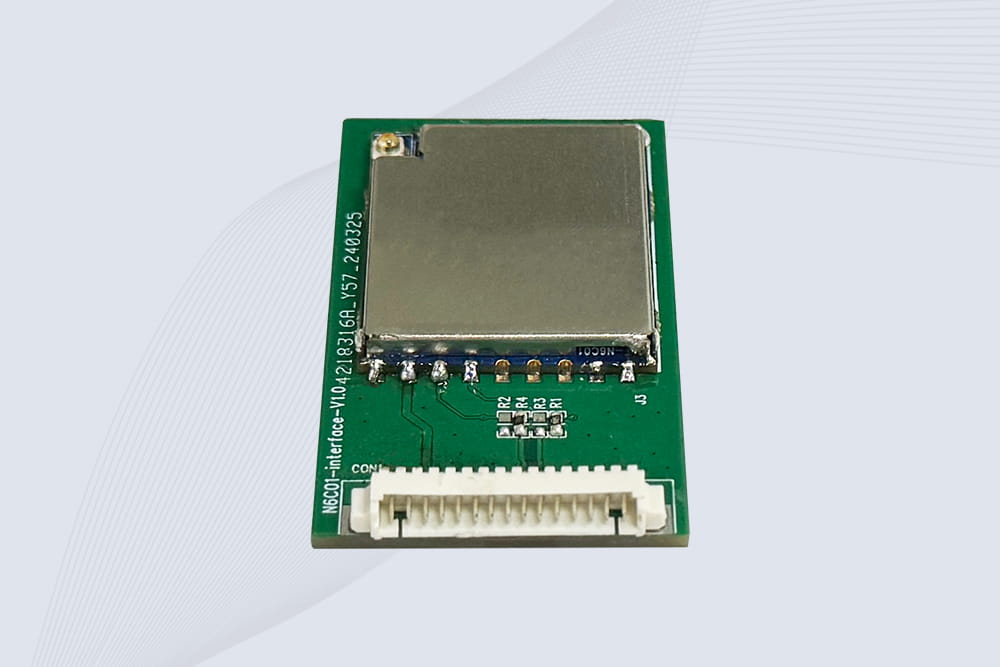
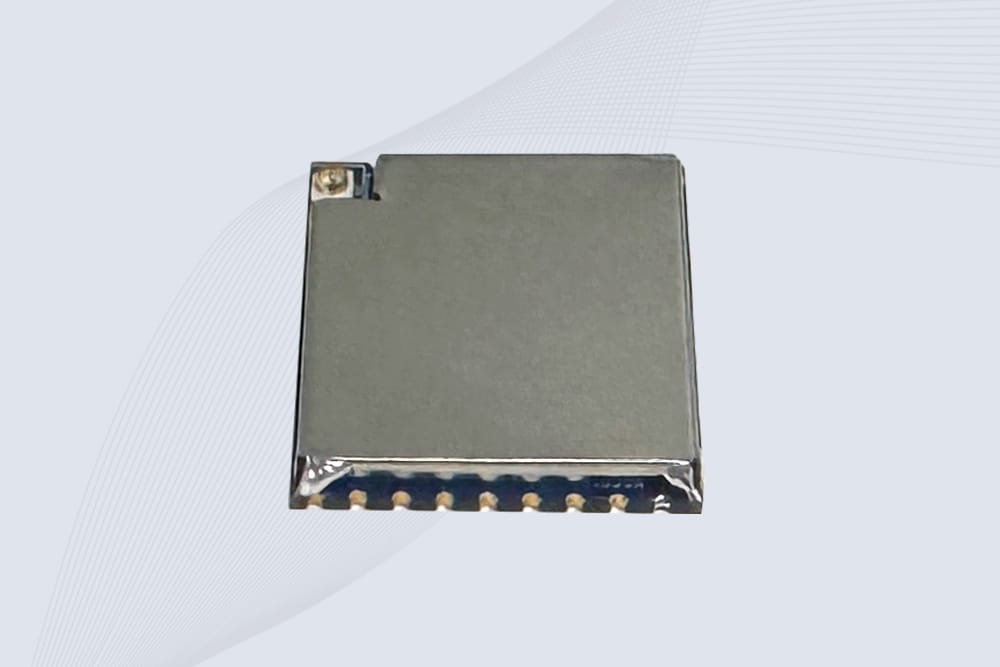
CYKEO Embedded RFID Modules are designed for compact industrial and IoT devices that require stable UHF performance. These UHF RFID Modules support global protocols, flexible power control, and reliable multi-tag reading for smart cabinets, production lines, and asset tracking systems.
CYKEO Embedded RFID Module is built for compact IoT and industrial devices that need stable UHF performance. This UHF module supports global protocols, low power operation, and reliable multi-tag reading for smart lockers, production lines, and always-on RFID systems.
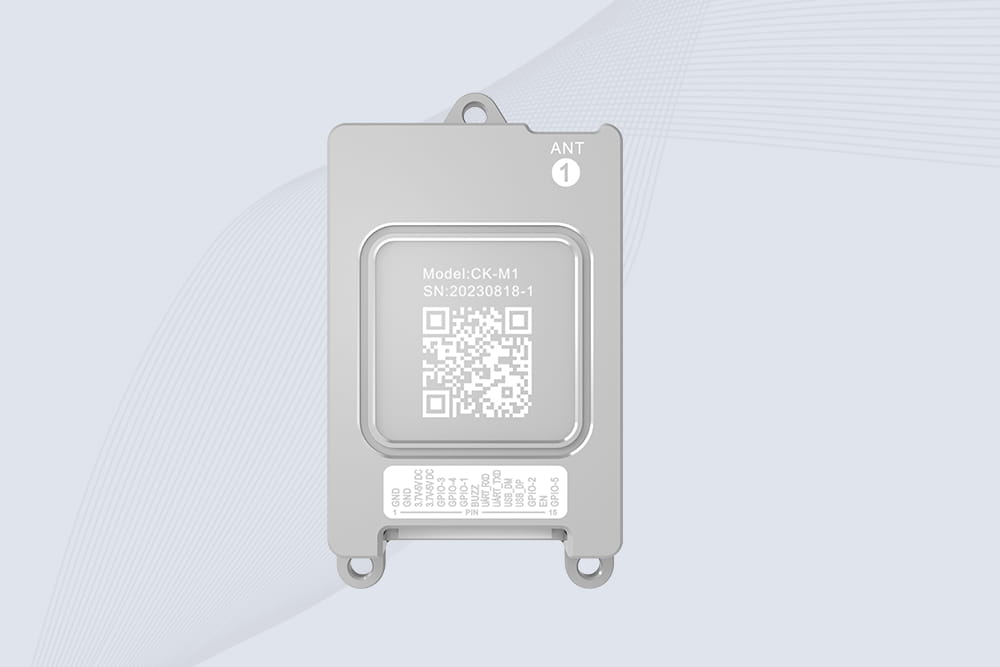
CYKEO CYKEO-M1 drone rfid module is a compact UHF RFID reader module designed for drones and UAV platforms. It supports long-range aerial scanning, fast multi-tag reading, and stable performance in wind, vibration, and outdoor environments.
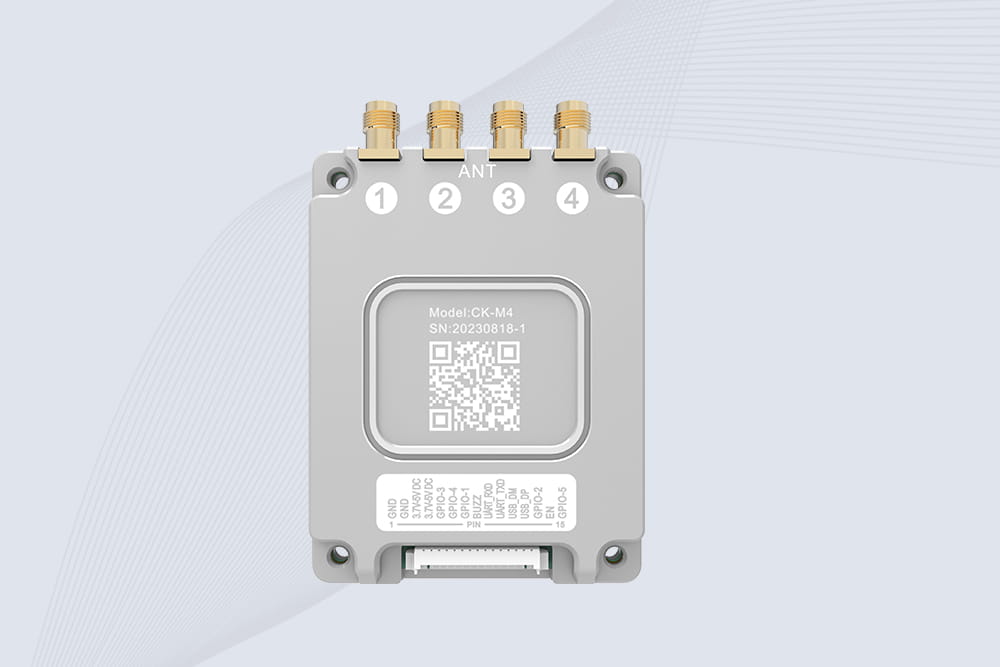
CYKEO CYKEO-M4 RC522 RFID Module is an industrial-grade UHF RFID reader with 4 ports, supporting ISO, EPC, and GB protocols. High-speed, accurate reading for IoT, automation, and warehouse applications.
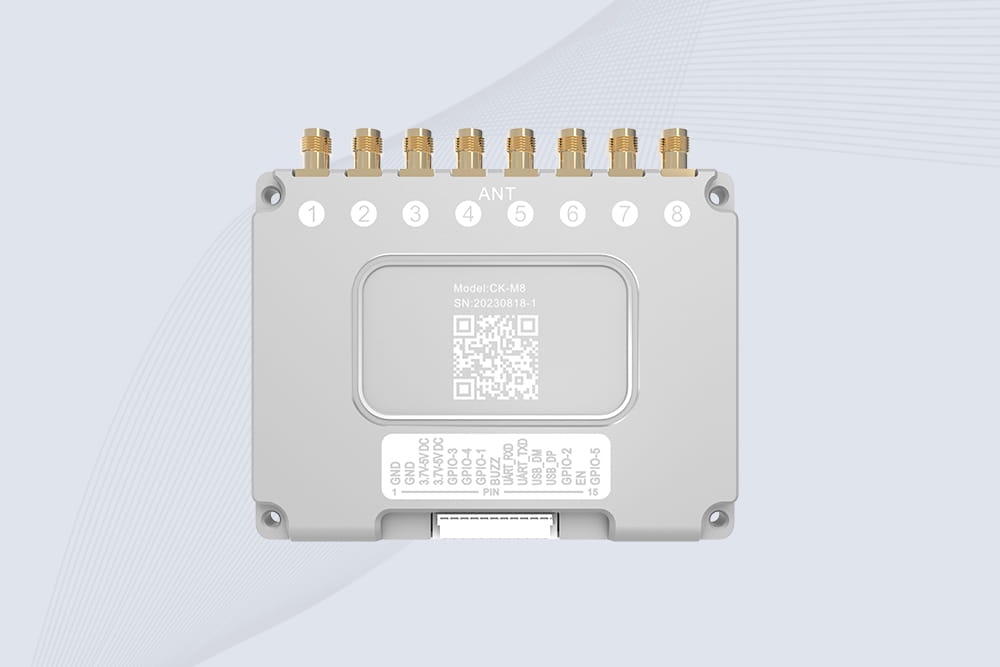
CYKEO CYKEO-M8 Module RFID is an 8-port UHF R2000 RFID Module designed for high-density, multi-tag environments. Stable 33dBm output, ISO & GB protocol support, ideal for warehouses, factories, and automated systems.
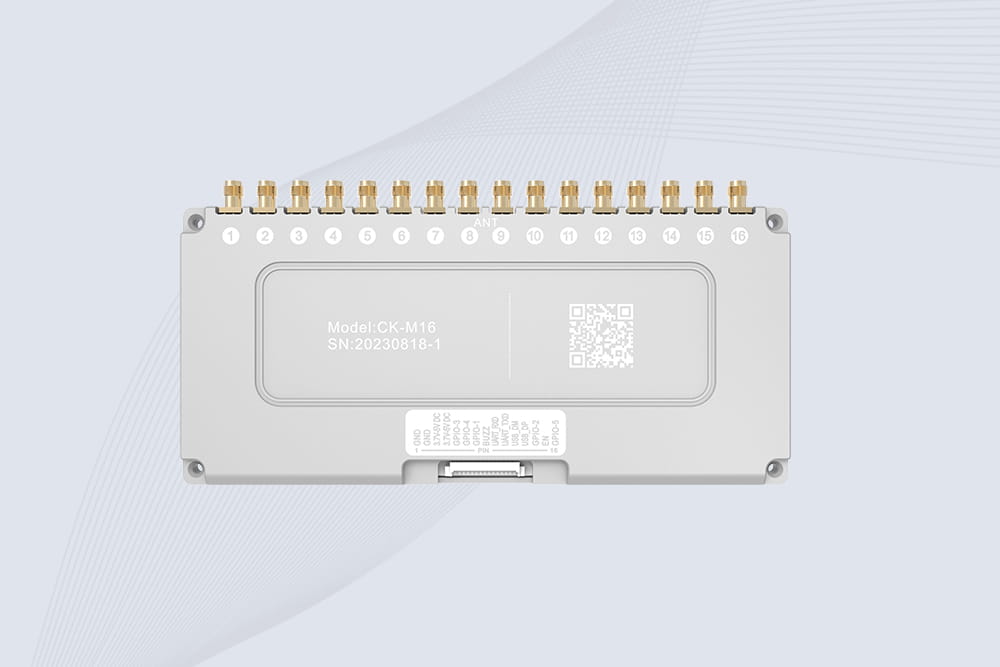
CYKEO CYKEO-M16 RFID Module is a 16-port UHF RFID reader module based on the R2000 chipset. Designed for dense tag environments, it supports ISO and GB standards and delivers stable multi-antenna control for industrial automation.
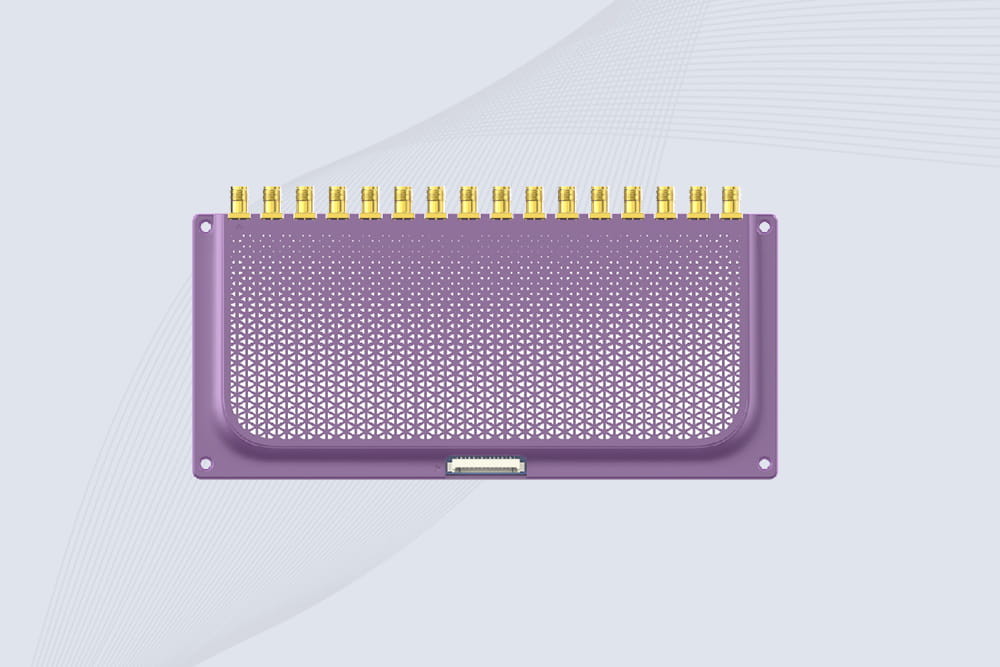
The CYKEO CYKEO-M16L RFID Reader Module is a 16-channel UHF RFID core designed for dense tag environments. With adjustable 33dBm output, multi-protocol support, and stable multi-antenna control, this RFID Tag Reader Module fits industrial automation, warehouse systems, and large-scale IoT deployments.
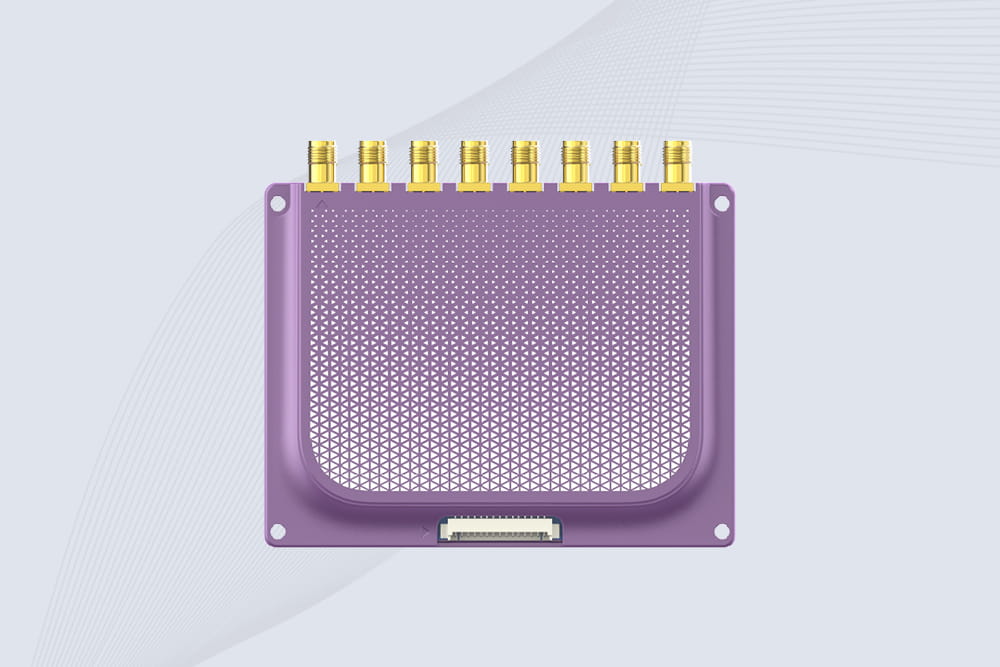
CYKEO CYKEO-M8L module RFID is a compact industrial UHF module built for dense tag and multi-antenna environments. With 8 RF ports, adjustable 33 dBm output, and ISO & GB protocol support, it is widely used in factories, warehouses, and automated tracking systems.
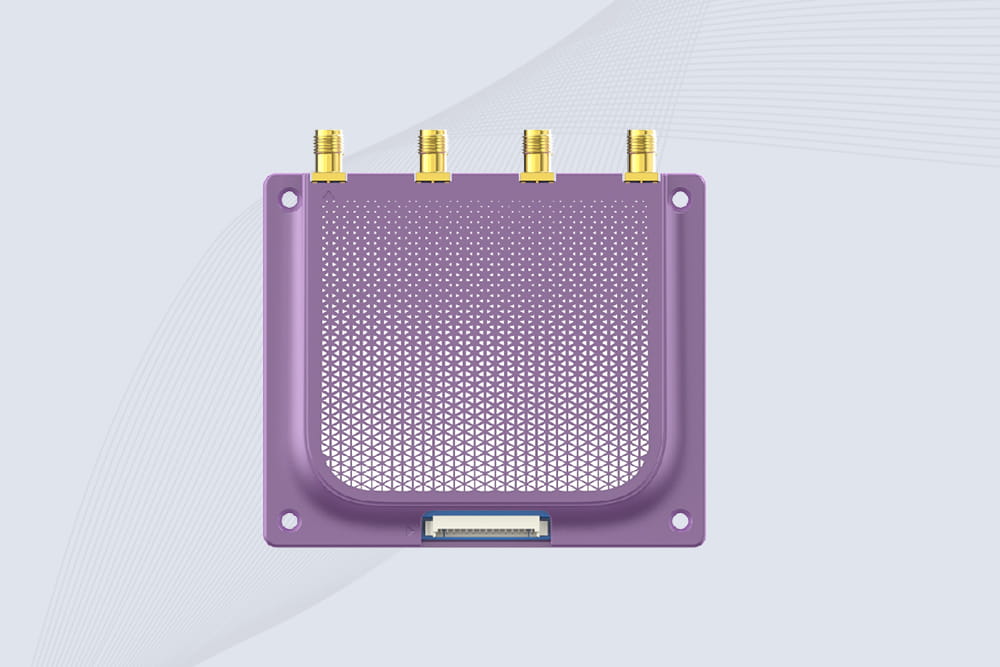
CYKEOCYKEO-M4L UHF RFID Module is a compact 4-channel RFID tag reader module designed for dense tag environments. Supporting ISO and GB protocols, it delivers stable reads up to 10 meters for industrial and IoT systems.
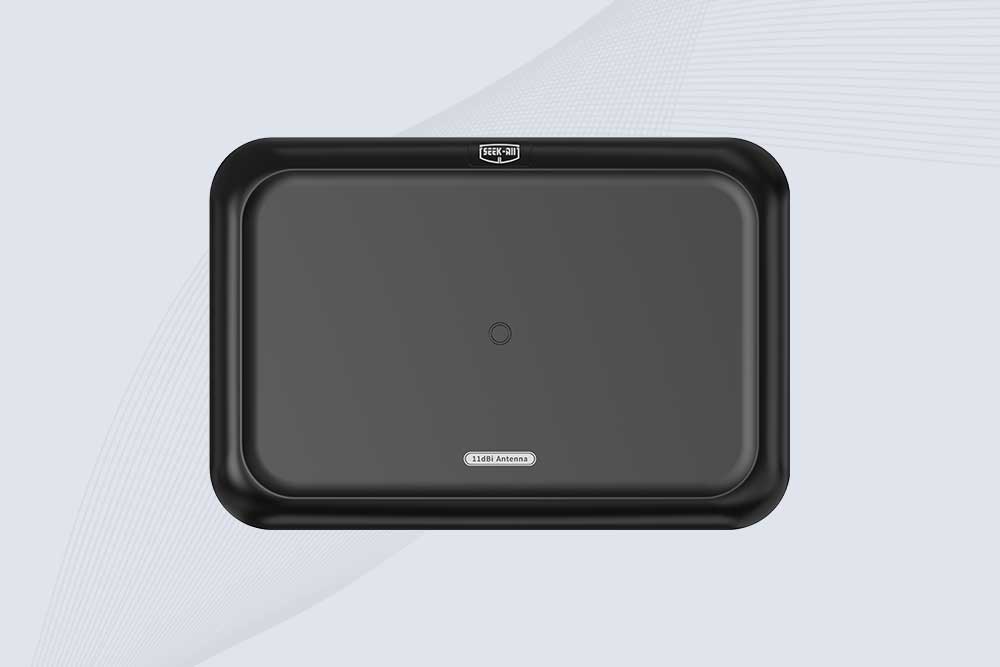
Cykeo CYKEO-A11 UHF RFID reader antenna delivers 11dBi gain, 840-960MHz frequency range, and IP65 ruggedness for retail, logistics, and industrial RFID systems. Features low VSWR and easy installation.
CYKEO Antenna RFID Reader delivers stable long-range UHF performance with a 10.5dBi directional design, built for warehouses, conveyor portals, and industrial RFID systems. This rfid reader antenna provides 20m+ read distance and rugged IP67 protection.
Cykeo CYKEO-A5B industrial Linear RFID Antenna delivers 5dBi gain, ≤1.5:1 VSWR, and IP65 rugged design for warehouse, production line, and logistics UHF systems.
Cykeo’s CYKEO-B12 Long Range RFID Antenna delivers 15m+ read range with 12dBi gain, IP65 rugged design, and global 840-960MHz UHF support. Ideal for warehouse/logistics asset tracking.
Cykeo CYKEO-B10 Long Distance RFID Antenna offers 10dBi gain, 840-960MHz frequency range, IP65 rating, and 20m+ coverage for logistics/warehousing/ETC systems. Low VSWR ensures stable signal transmission.
Cykeo CYKEO-A6 UHF RFID panel antenna features 6dBi gain, 840-960MHz broadband, IP65 metal-ready housing for logistics/smart retail. 18mm ultra-thin design with tool-free mounting.
Cykeo CK-A3 industrial antenna RFID UHF offers 5m+ tag detection, ≤1.3:1 VSWR, IP65 rugged design, and global UHF spectrum compatibility (840-960MHz) for warehouses, factories, and retail.
Cykeo CYKEO-B5 directional RFID antenna provides 5dBi gain with 60° narrow beamwidth for precise inventory tracking. IP65-rated, global UHF frequency support, and low VSWR.
Create your own high-performance DIY RFID antenna! 5dBi gain, 840-960MHz tunable, step-by-step guides. Compatible with Arduino, Raspberry Pi, and commercial UHF readers.
Cykeo CYKEO-A7 Flexible RFID Antenna features 840-960MHz wideband tuning, 7dBi gain, and IP68 rating for medical/retail/industrial curved surface deployments. 98% read accuracy with peel-and-stick installation.
Cykeo CYKEO-B5A industrial Passive RFID Antenna delivers 5dBi gain, 70° beamwidth, and -40°C~55°C operation for warehouses/smart cabinets. Compatible with Zebra/Impinj readers.
Cykeo’s CYKEO-A9B High Gain RFID Antenna delivers 15m+ read range with 9dBi amplification. Features IP54 rugged design, 840-960MHz bandwidth, and 80° beamwidth for warehouse/manufacturing RFID systems.
Cykeo’s enterprise-grade 8dbi Impinj RFID Antenna 10m+ read range with 840-960MHz tuning. Features IP65 housing, 1.4 VSWR, 35° beamwidth for retail/warehouse RFID systems.
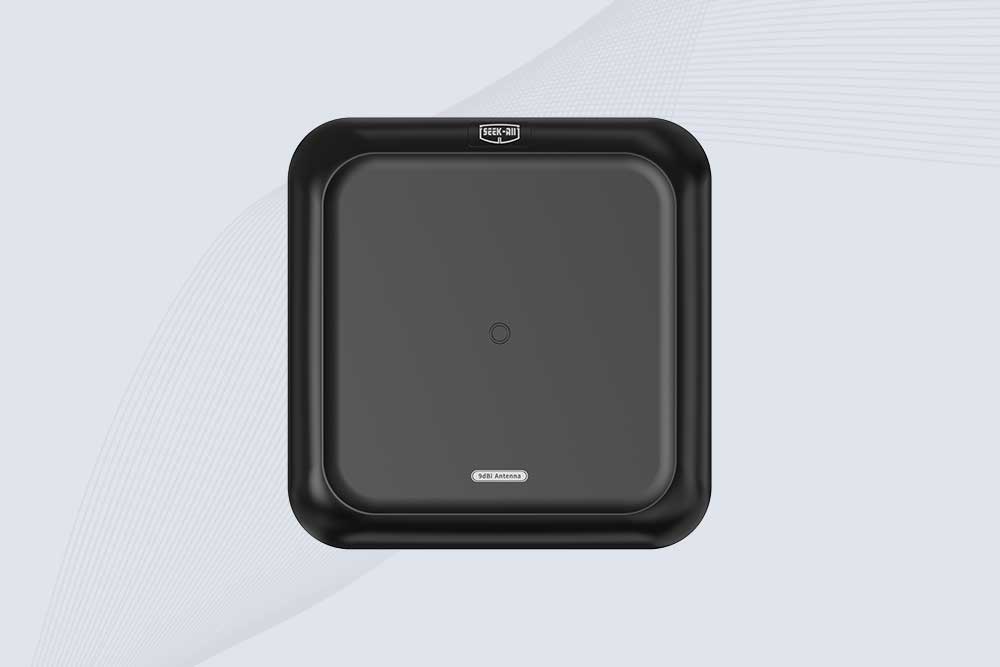
Cykeo CYKEO-A9 industrial UHF RFID antenna delivers 9dBi gain, 840-960MHz frequency range, and IP65 protection for warehouse/logistics/retail RFID systems. Features N-type connector and ≤1.3:1 VSWR.
CYKEO UHF RFID Antenna built for long-distance and industrial applications. This antenna rfid uhf delivers strong gain, outdoor durability, and reliable tag performance in warehouses, yards, and vehicle ID systems.
CYKEO Antenna RFID delivers reliable long-range UHF performance in warehouses, retail shelves, and cold-chain environments. This compact uhf rfid antenna provides stable reads with circular polarization and ultra-wide 840–960 MHz support, ideal for industrial tracking, smart shelves, and asset monitoring.
Cykeo’s CYKEO-C8 UHF RFID antennas delivers 8dBi gain, 840-960MHz full-band coverage, and IP65 ruggedness for manufacturing/warehouse RFID systems. Industrial RFID Antennas Features
Cykeo’s 8dBi UHF RFID antenna and reader kit delivers 10m+ range, 840-960MHz broadband, and IP65 ruggedness for factories, warehouses, and logistics. ISO 18000-6C & EPC Gen2 certified.
Cykeo’s CYKEO-A12C UHF Large RFID Antenna delivers 12dBi gain, 840-960MHz global frequency, IP65 ruggedness for logistics/warehousing/automotive. 40° beamwidth ensures stable 15m+ tag reads.
CYKEO Near Field RFID Antenna provides precise 5–30 cm reading for shelves, cabinets, and workstations. This compact rfid shelf antenna delivers stable short-range performance around metal and clutter, ideal for pharmacies, libraries, and electronics sorting.
Cykeo CYKEO-C1 industrial Forklift RFID Reader features 20m read range, 600 tags/sec scanning, Impinj R2000 chipset, and IP67 rugged design. Ideal for warehouse logistics and manufacturing. Supports ISO 18000-6C/6B protocols.
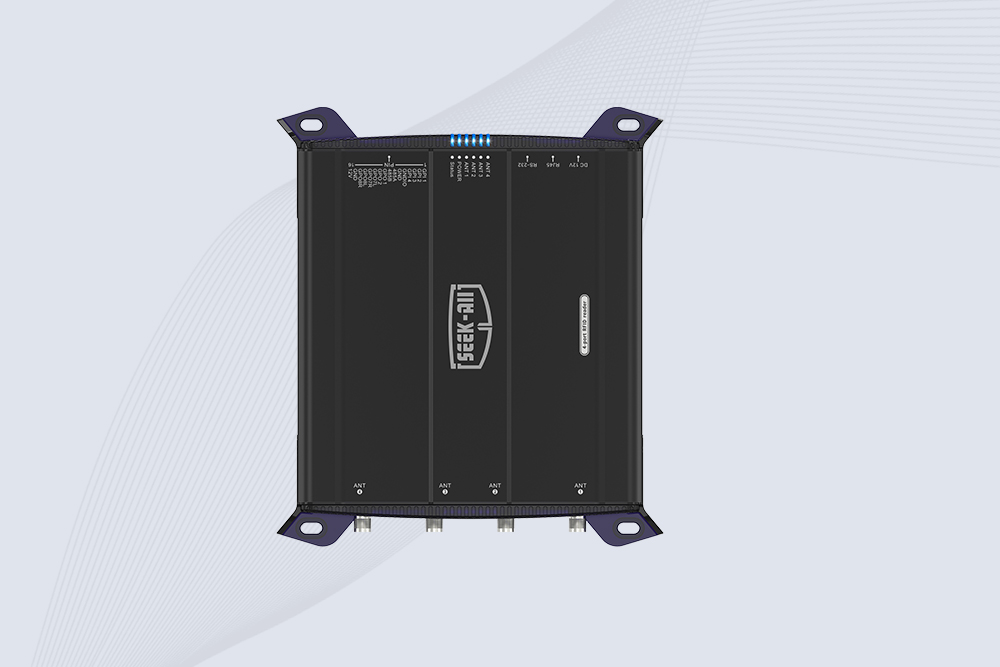
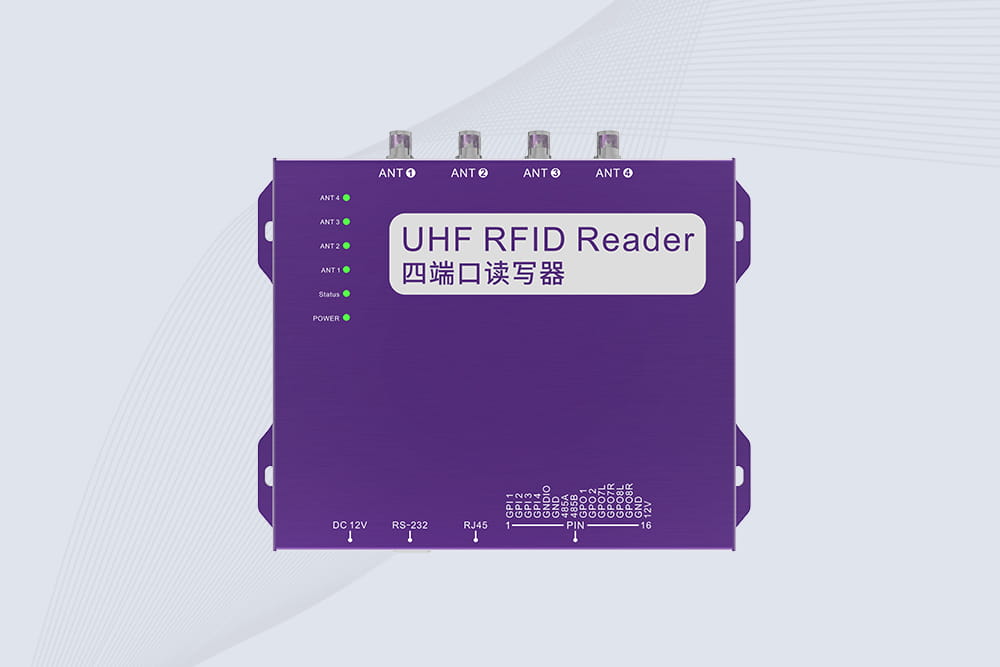
Cykeo CYKEO-R4 industrial UHF RFID Fixed Reader features 4 TNC ports, 400+ tags/sec speed, IP67 housing, and global frequency compliance for vehicle inspection, smart warehouse, and asset management systems.
CYKEO CYKEO-R8L Fixed RFID Reader with 8-port UHF design, Impinj-based RF core and up to 20m read range. An industrial Fixed RFID Reader for vehicle inspection, warehouse portals, smart manufacturing lines and secure access checkpoints.
RFID Fixed Reader from CYKEO – the CYKEO-R16L 16-port UHF fixed reader for warehouses, smart cabinets, and production lines. Long-range, multi-tag reading, stable performance for 24/7 industrial use.
Discover Cykeo retail types of security tags for effective theft prevention, inventory protection, and seamless self-checkout. Learn about RF, AM, and hard tag solutions for modern stores.
RFID systems are rapidly replacing traditional barcode-based inventory control. This article explores five key applications of RFID in warehouse and logistics management, helping wholesalers and enterprises achieve efficient, low-error operations.
Choosing a USB RFID reader is mainly about matching the reader, tag, antenna, reading zone, environment, and software to the actual application. For wholesal...
Discover actionable strategies to extend your RFID reader’s scanning range. Optimize antenna placement, reduce interference, and boost efficiency with Cykeo’s expert insights.
 Cykeo RFID IoT Solution Products R&D Manufacturer