 Cykeo RFID IoT Solution Products R&D Manufacturer

How Far Can a Passive RFID Tag Be Read? The Numbers You Can Actually Use.
547Wondering how far a passive RFID tag can be read? We break down real-world ranges for UHF, HF, and LF tags and what factors actually affect the distance.
MoreAll RFID Product
Long range RFID scanner for retail inventory can identify multiple tagged products at once, helping retailers speed up stock counting, improve inventory accuracy, and locate missing items. For a practical retail RFID system, tag placement, store layout, antenna direction, and reading-zone control usually matter more than the scanner’s maximum advertised range.
Retail inventory has a strange habit of becoming inaccurate at exactly the wrong time.
A store may show 20 pieces of a product in the system.
A customer asks for that product.
The employee checks the shelf.
Nothing.
Maybe the product was sold yesterday.
Maybe it was moved to another rack.
Maybe it is sitting in the fitting room.
Or, occasionally, someone simply put it in the wrong place.
This is one reason retailers are looking at long range RFID scanners for inventory management.
Instead of scanning every barcode one by one, RFID can identify multiple tagged products within a reading area.
For a clothing store with thousands of individual items, that can make stock checking much less repetitive.
But there is a catch.
The scanner is only one part of the system.
Barcode scanning works well when a cashier needs to identify one product.
Inventory counting is different.
Imagine a clothing store with 3,000 garments.
A worker needs to check whether the physical stock matches the inventory system.
With barcodes, each product generally needs to be scanned individually.
That can take a while.
With UHF RFID, many tagged products can be detected without requiring the worker to point the scanner directly at every label.
A worker can walk along a rack or shelf and collect RFID tag information.
The software can then compare those tag IDs with the inventory database.
It is a fairly simple idea, but when repeated every day across multiple stores, the saved time can become significant.
Faster inventory checks are probably the easiest benefit to understand.
There are other uses.
Retailers can use RFID for:
For example, a store may know that a particular jacket exists in inventory but cannot find it on the sales floor.
An employee can use a handheld RFID scanner to search the store and backroom.
That is quite different from simply looking at a spreadsheet.
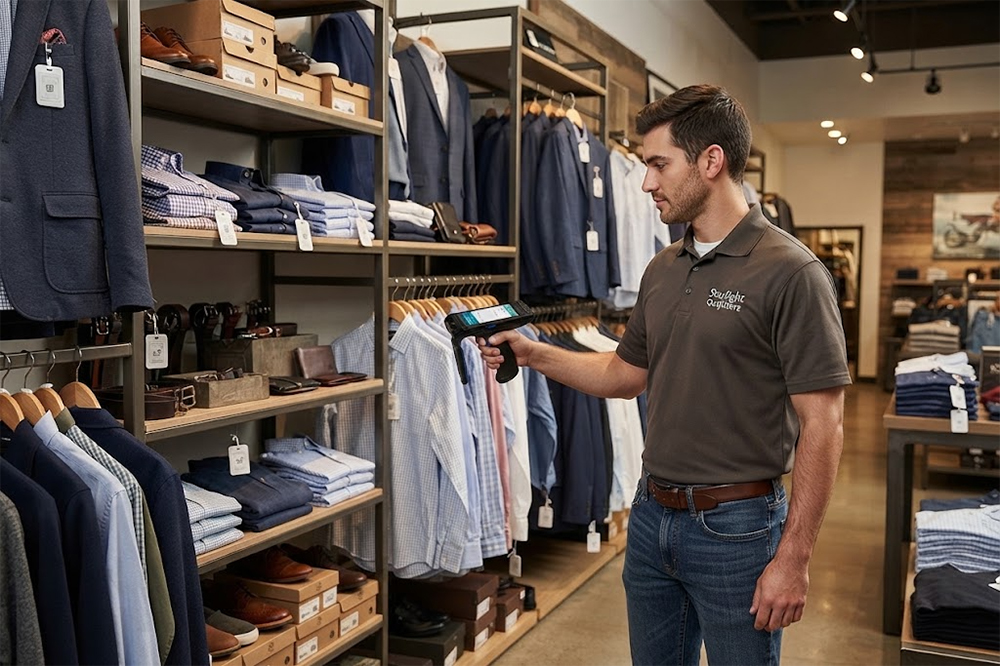
A barcode normally requires line-of-sight scanning.
RFID does not work in exactly the same way.
The reader communicates with RFID tags using radio frequency.
This means multiple tagged products can potentially be identified at the same time.
For a retail worker, the difference can feel pretty obvious.
Instead of:
Pick up product → point scanner → scan → repeat
the workflow can become:
Walk through area → collect tag data → compare inventory
Of course, RFID tags need to be attached correctly and the reading environment needs to be suitable.
It is not a magic replacement for every barcode operation.
A retailer might use different RFID readers for different jobs.
A handheld RFID scanner can be used for daily stock checks.
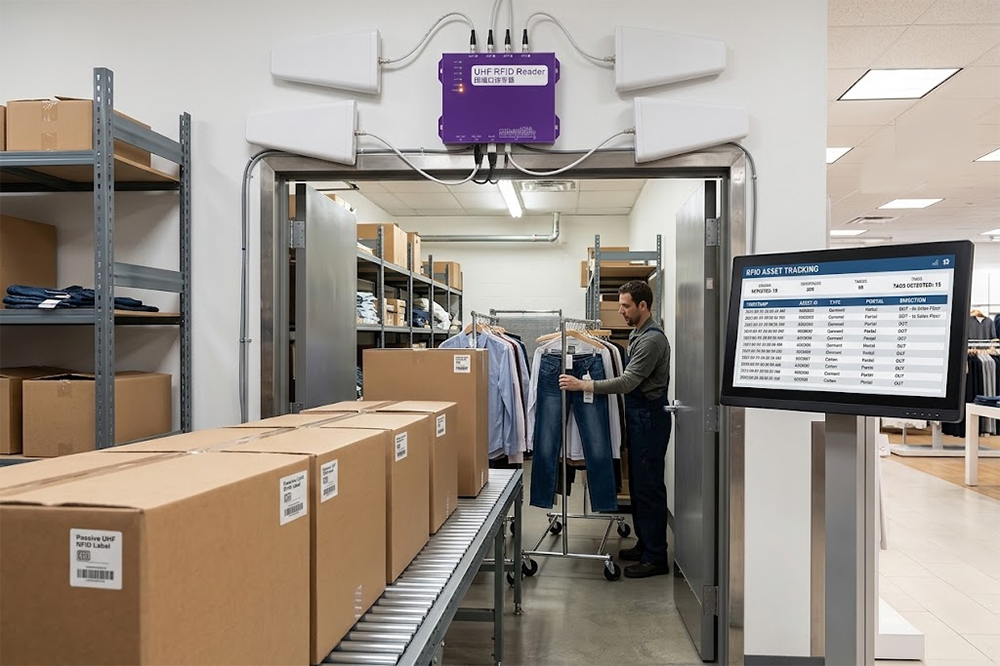
A fixed long range RFID reader can be installed at a stockroom door.
Another fixed reader could be used near a receiving area.
This creates several useful checkpoints.
For example:
Supplier delivery → RFID receiving → Stockroom → Sales floor → Customer purchase
Not every stage needs RFID.
A store may start with inventory counting first because it is easier to measure the benefit.
If the pilot works, the system can expand to other processes.
This is where retail projects can become slightly tricky.
A customer might ask for a 20-meter RFID reader.
But inside a retail store, 20 meters may be far more than necessary.
Suppose a stockroom door is only three meters wide.
If the reader detects products 15 meters away, it could pick up tags from shelves that are not part of the stock transfer.
That creates messy inventory data.
For retail applications, controlled reading distance is often more useful than maximum range.
The ideal reading zone might only need to cover a doorway, shelf section, rack, or specific stock area.
Fashion retail is one of the more obvious RFID applications.
A single store can have thousands of:
Products are constantly moving.
A shirt can go from the stockroom to the sales floor.
Then into a fitting room.
Then back onto a rack.
Then into another customer’s hands.
Then perhaps back into the stockroom.
That movement makes inventory accuracy difficult.
RFID can provide another layer of visibility.
A retail RFID label is usually small and inexpensive, but the design still matters.
A clothing tag is straightforward.
A product containing metal or liquids can be more complicated.
For example, if the retailer also sells tools, electronics, cosmetics, or metal products, the tag design may need to change.
For distributors, this is an important point when talking to retail customers.
Do not quote a reader and assume the same RFID tag will work for every SKU.
The tag and product should be tested together.
This is one reason UHF RFID works well for certain retail environments.
Multiple garments can be within the reader’s coverage at the same time.
However, dense piles of products can behave differently from products hanging individually.
A rack of jackets may perform differently from a box containing tightly packed garments.
So a store should test the actual merchandise arrangement.
A laboratory test using one tag does not tell the whole story.
A fixed reader at the stockroom entrance can capture product movement.
Imagine 30 tagged garments being moved from the backroom to the sales floor.
The reader detects the tags as they pass through.
The software records the movement.
Later, the same system can record products returning to the stockroom.
This can help create a clearer movement history.
For larger retail chains, similar readers can potentially be deployed across many stores.
That is where consistent hardware and stable supply become important for distributors.
RFID generates tag IDs.
The retailer needs to connect those IDs with actual products.
For example:
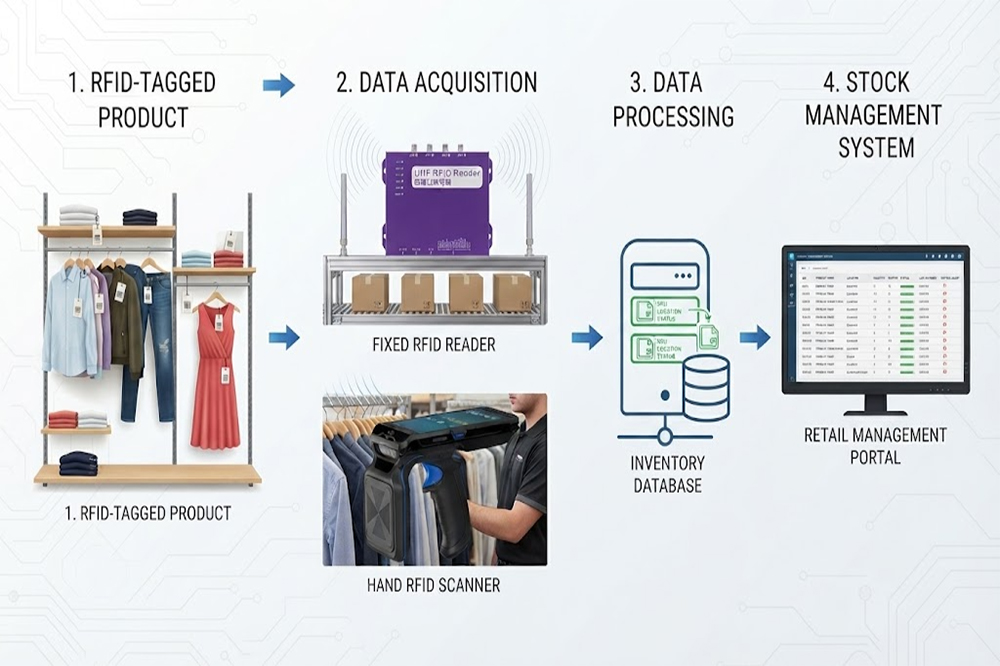
EPC / Tag ID → SKU → Product → Store → Inventory status
The RFID reader therefore needs to communicate with inventory or retail management software.
This could be:
For RFID system integrators, API and SDK support can be almost as important as the RF performance of the reader.
A technically excellent reader is not particularly useful if the software team cannot integrate it efficiently.
Consider a fashion retailer with 15 stores.
Each store carries several thousand tagged products.
Every Monday morning, employees perform inventory checks.
Before RFID, the process takes several hours.
The retailer starts with one pilot store.
Employees use handheld RFID scanners to count products.
The store compares RFID results with the existing inventory database.
They find several problems:
Some products are in the wrong location.
Some products are missing.
Some inventory records are outdated.
The company then adjusts its workflow.
After the pilot, it decides whether fixed readers are needed at stockroom doors and receiving areas.
This kind of gradual rollout is often more sensible than installing RFID everywhere on day one.
Retail employees hear this question all the time.
“Do we have this size?”
“Is there another one in the back?”
“Which store has it?”
RFID can help answer the physical inventory part.
A handheld scanner can search an area for the product’s RFID tag.
If the tag is detected, the employee has a starting point.
It does not mean the system knows the exact shelf position automatically.
But knowing that the item is somewhere in the backroom is already more useful than showing “20 in stock” on a screen with no physical confirmation.
The scanner detects products outside the intended inventory area.
The tag is folded, covered, or attached incorrectly.
Closely packed merchandise can reduce consistent reads.
Some products need specialized RFID tags.
A fixed reader can detect the same product multiple times while it remains nearby.
Software filtering becomes important here.
Before recommending a long range RFID scanner, ask a few basic questions.
What products are being tagged?
Clothing, electronics, cosmetics, tools, or mixed products?
How many products are in each store?
The scale matters.
Where will RFID be used?
Sales floor, stockroom, receiving door, or all three?
Is the goal inventory counting or movement tracking?
These are related but different applications.
Does the customer already have inventory software?
If yes, integration becomes part of the project.
How many stores might eventually use the system?
This is especially important for wholesale pricing and long-term supply planning.
A good retail RFID pilot does not need to be complicated.
Take the actual products.
Use the actual RFID tags.
Test the reader.
Walk around the store.
Count a rack.
Count a shelf.
Move products between the stockroom and sales floor.
Then deliberately try to create bad conditions.
Put tags close together.
Fold clothing tags.
Place products behind other products.
Check whether the scanner reads products that should not be included.
These tests usually reveal more than a product specification sheet.
Retail RFID can become a larger B2B project than simply selling handheld scanners.
A retail deployment may require:
UHF RFID readers + handheld scanners + antennas + RFID tags + software integration + accessories.
Large retailers may also request:
A distributor that can provide several hardware options has more room to adapt when the customer’s requirements change.
For example, the customer may start with handheld inventory counting and later add fixed readers at stockroom entrances.
That is a much more natural sales path than trying to sell the entire system at the beginning.
If you are sourcing long range RFID scanners, UHF RFID readers, handheld RFID scanners, rfid antennas, or retail RFID hardware for distribution or system integration, send us your application, product type, reading distance, estimated quantity, and deployment plan for bulk pricing and solution support.
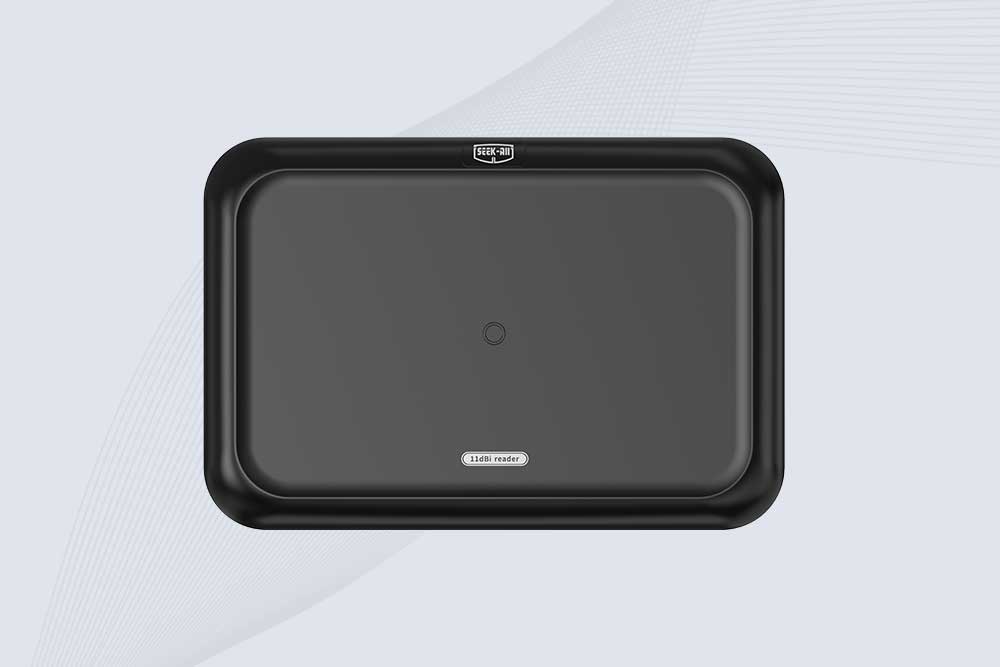
SSD-RA11L is an 11 dBi UHF RFID reader with up to 15m reading distance, 600+ tags/s speed, integrated antenna and flexible connectivity.
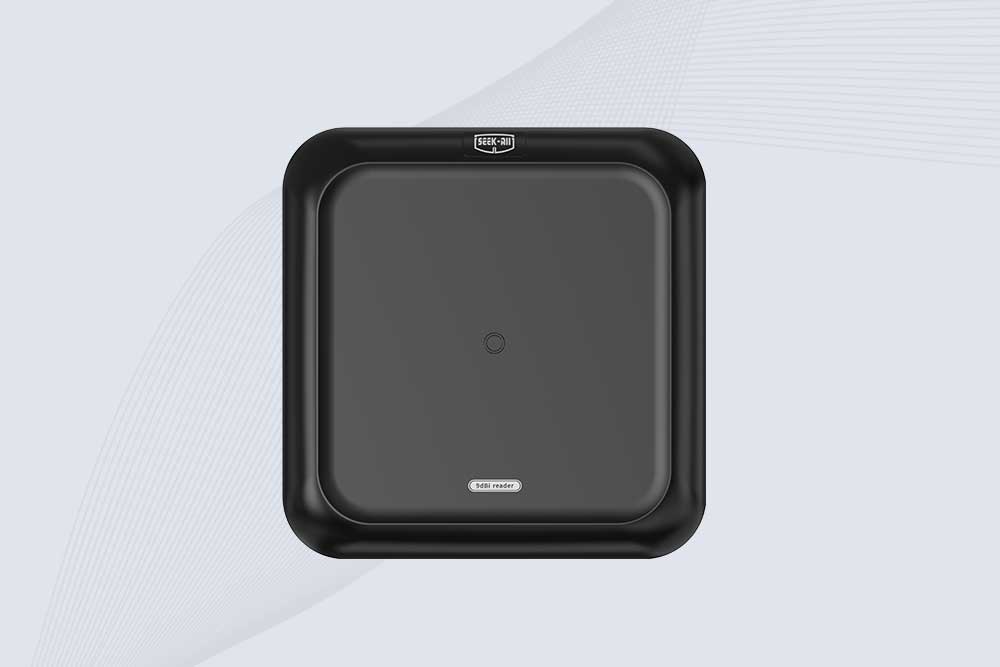
SSD-RA09L is a long range UHF RFID reader with a built-in 9 dBi antenna, 10m reading range, 600+ tags/s speed and flexible interfaces.
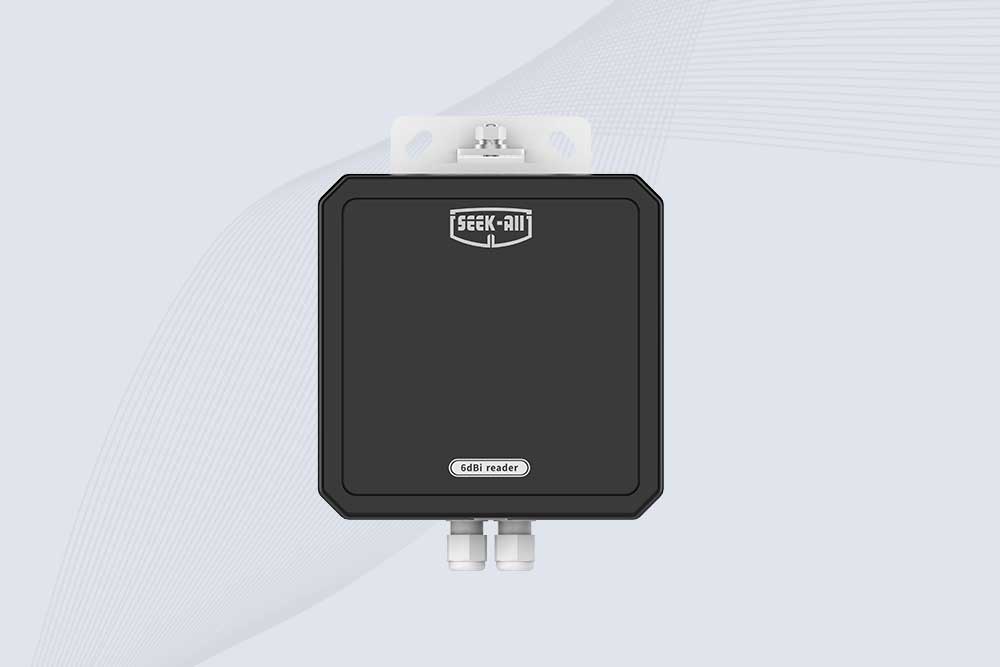
SSD-RA06L is an industrial UHF RFID reader with a built-in 6 dBi antenna, 3 m read range, 600+ tags/s, Ethernet, RS232, and optional Wi-Fi, 4G, and PoE.
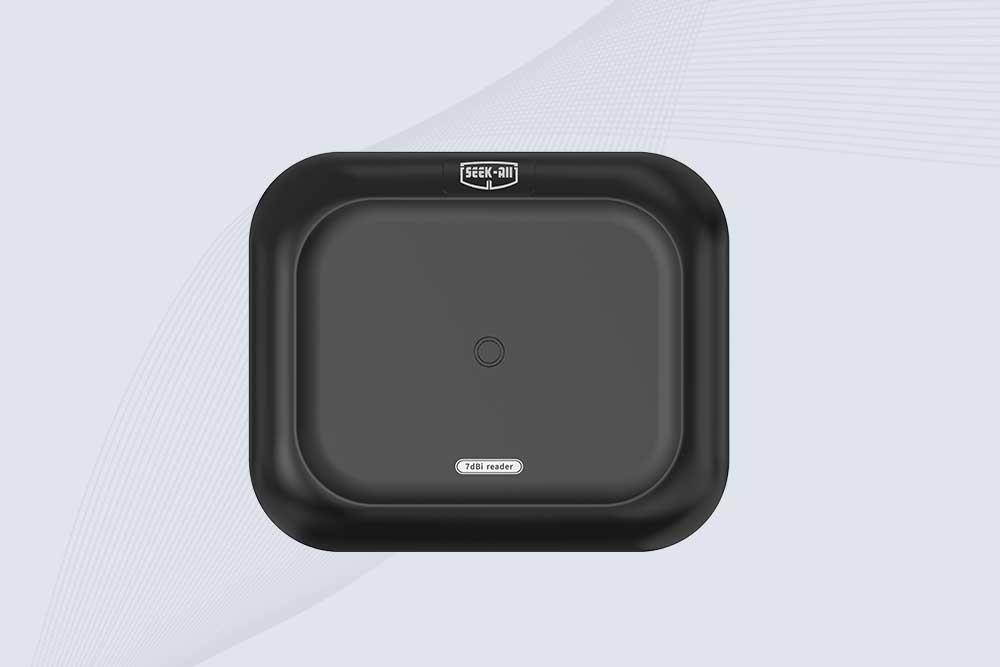
SSD-RA07L industrial UHF RFID reader with integrated 7 dBi antenna, up to 6 m reading distance, over 600 tags/s, Ethernet, RS232, and optional Wi-Fi, 4G, and PoE.
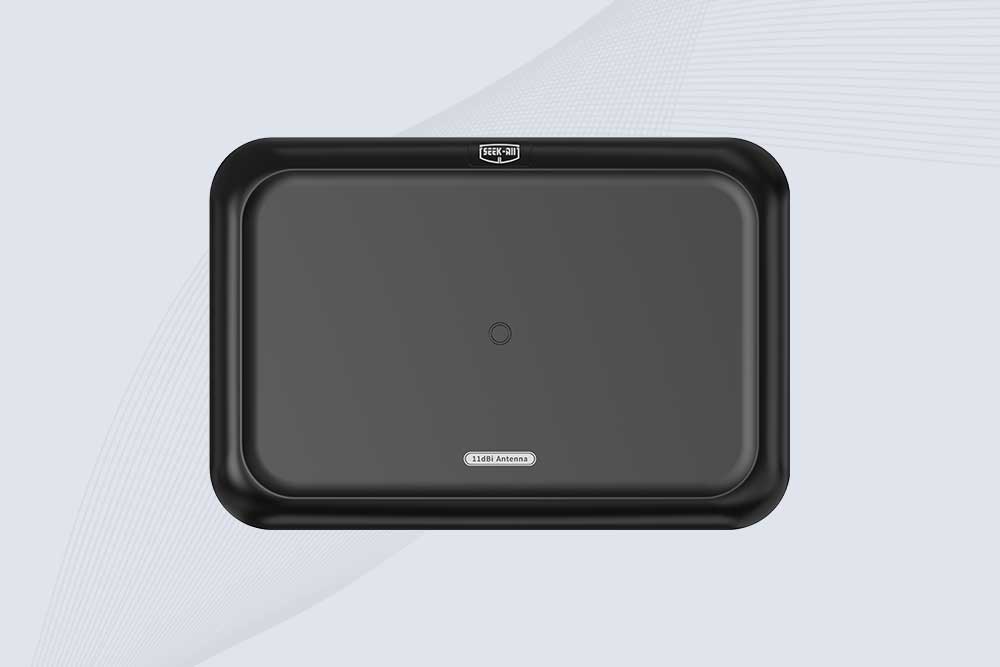
SSD-A11 UHF RFID antenna features 840–960 MHz adjustable frequency, ≥10.5 dBi gain, circular polarization and 50Ω impedance for fixed RFID systems.
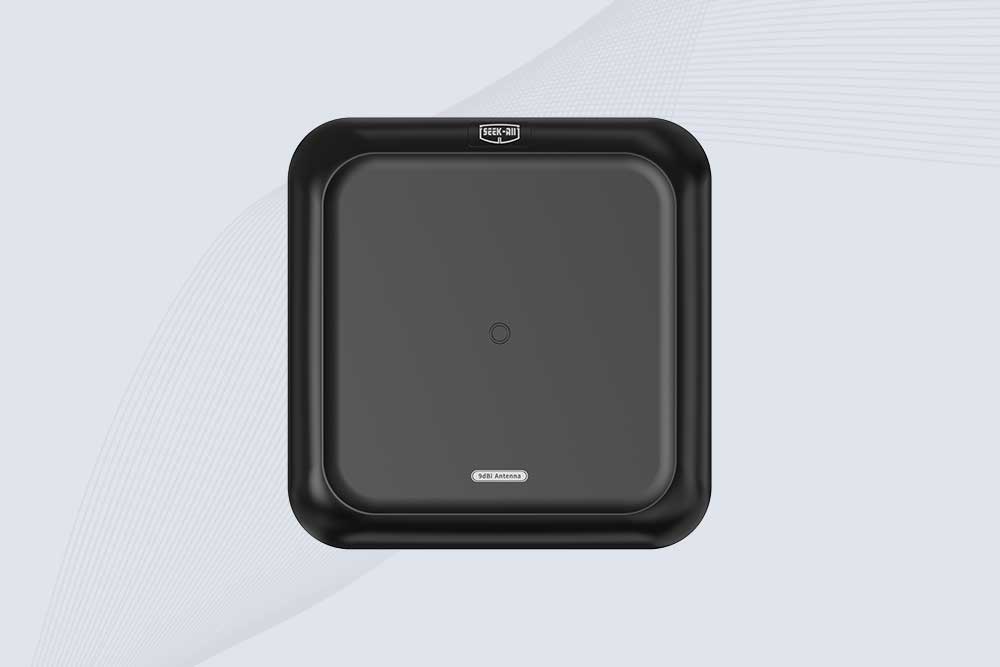
SSD-A09 is a 9 dBi UHF RFID antenna with 840–960 MHz adjustable frequency, circular polarization, 50Ω impedance and directional 60° × 60° coverage.
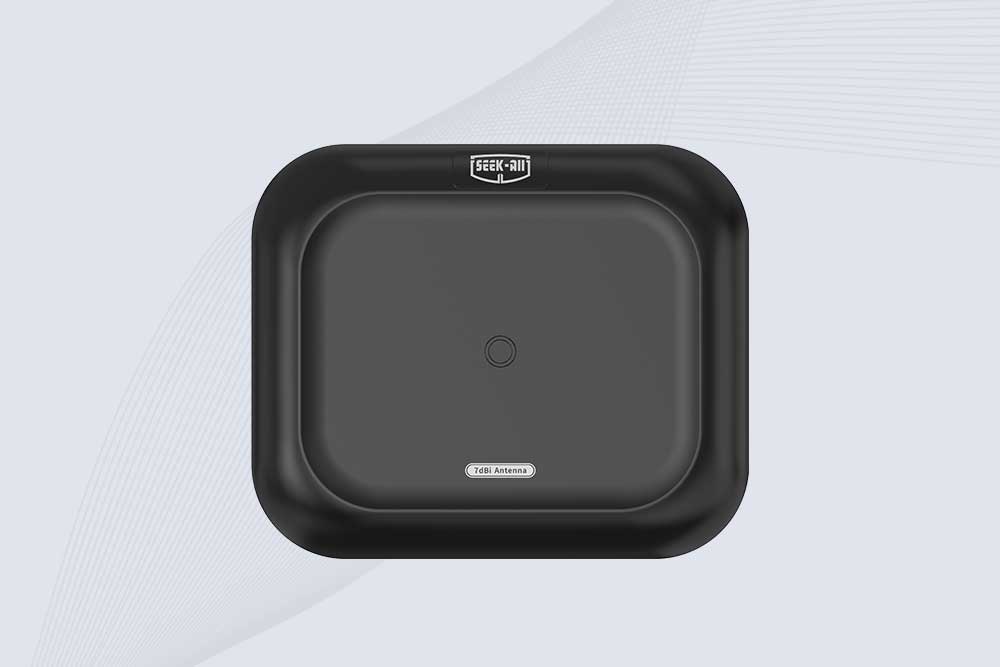
Explore the SSD-A07 UHF RFID antenna with 7 dBi gain, circular polarization, adjustable 840–960 MHz frequency, and 60°/75° beamwidth for stable RFID read/write performance.

SSD-A06 UHF RFID antenna with circular polarization, adjustable 840–960 MHz frequency, ≥4.5 dBi gain, and a compact directional design for RFID systems.

SSD-R16L Multi-Channel RFID Infrastructure for Automated Inventory Management ✔️ 16-Port High-Density RFID Reading Equipped with 16 SMA antenna ports, SSD-R16L supports multi-antenna deployment for warehouses, retail stores, logistics, production lines, and large-area RFID identification. ✔️ High-Speed & Long-Range Performance With up to 33…
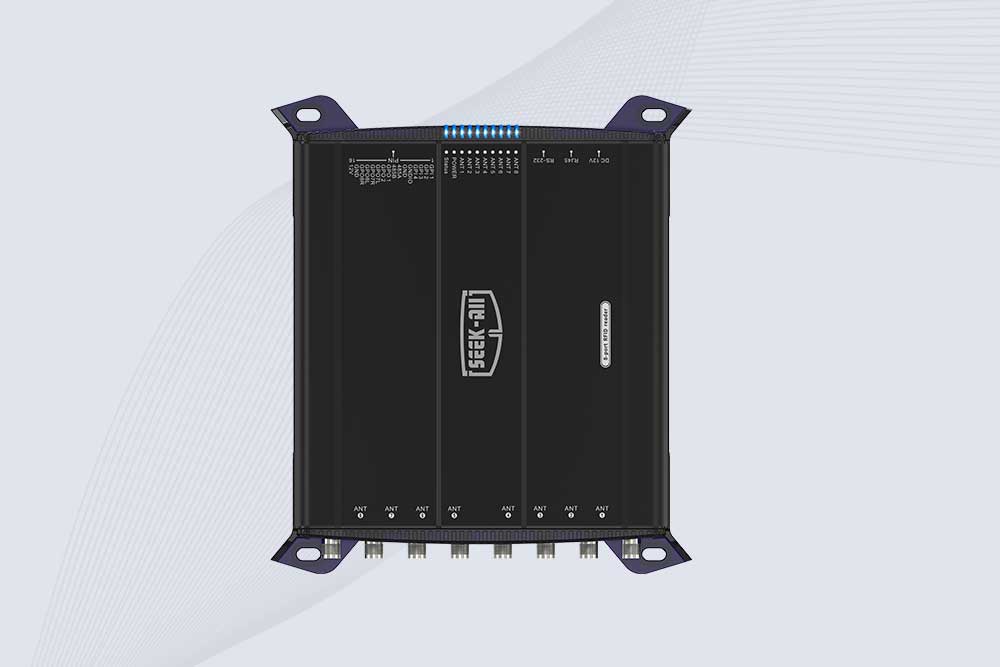
SSD-R8L 8-port UHF RFID reader with 33dBm output, up to 20m reading range and 600+ tags/s recognition. Ideal for warehouse, logistics, retail and asset tracking.
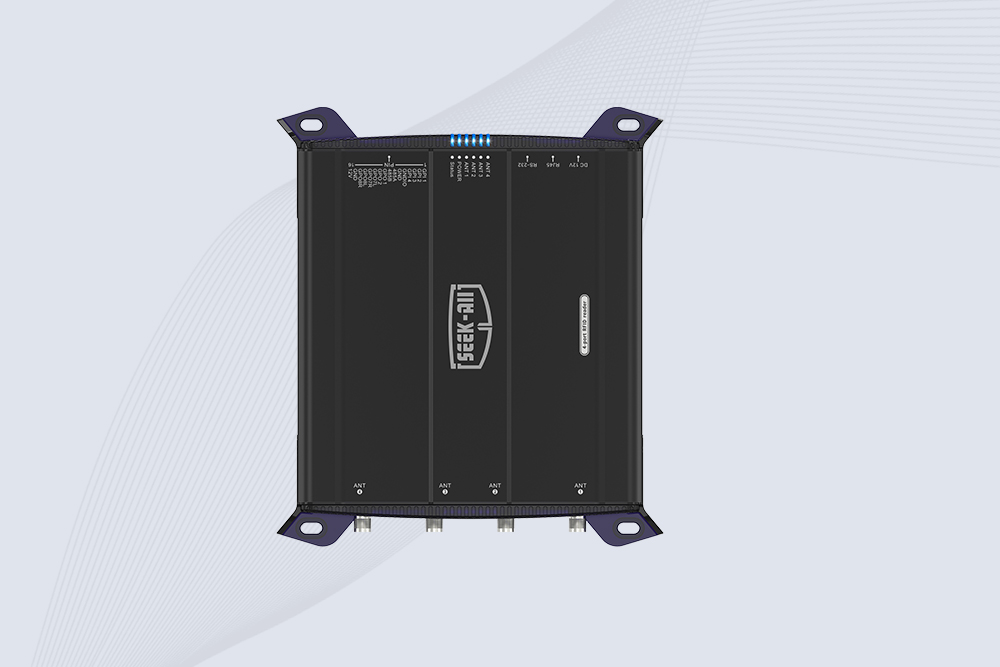
SSD-R4L is a 4-port UHF RFID fixed reader with 33dBm output power, up to 20m reading range, EPC C1G2 support and 600+ tags/s reading speed.
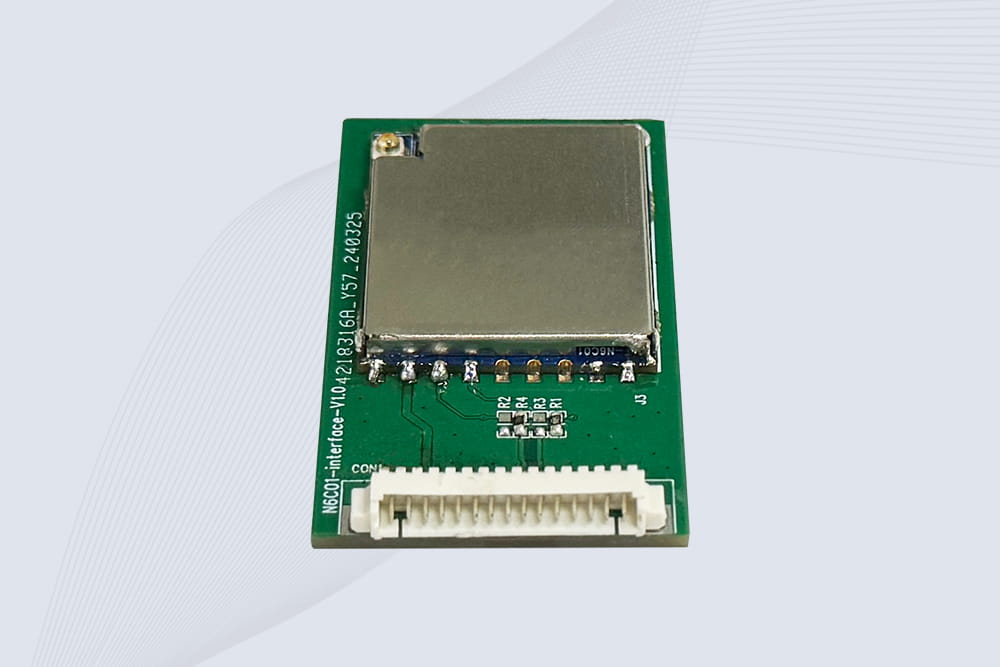
CYKEO Embedded RFID Modules are designed for compact industrial and IoT devices that require stable UHF performance. These UHF RFID Modules support global protocols, flexible power control, and reliable multi-tag reading for smart cabinets, production lines, and asset tracking systems.
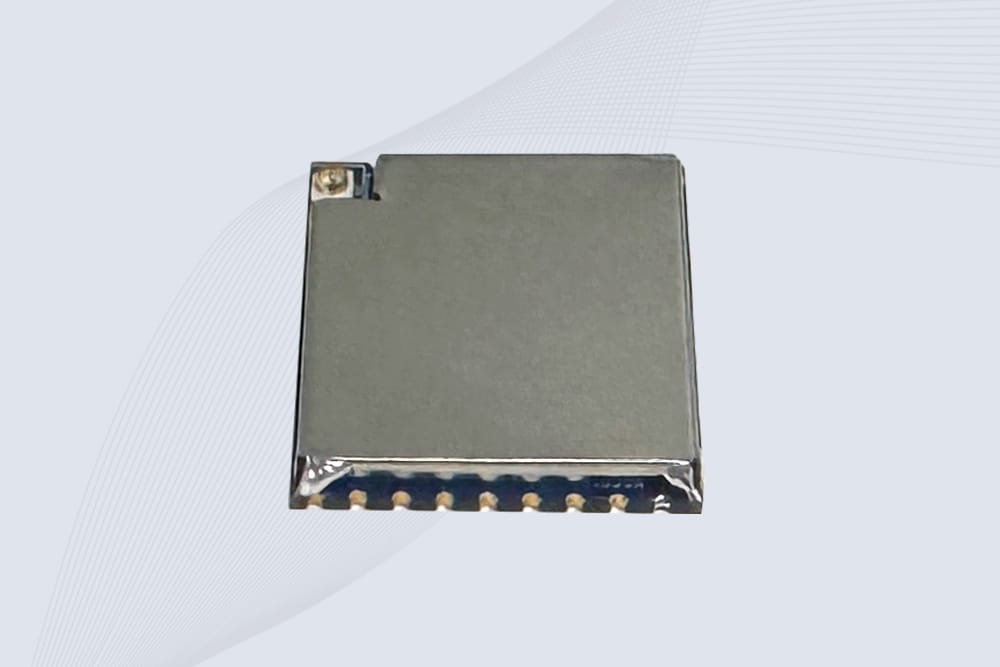
CYKEO Embedded RFID Module is built for compact IoT and industrial devices that need stable UHF performance. This UHF module supports global protocols, low power operation, and reliable multi-tag reading for smart lockers, production lines, and always-on RFID systems.
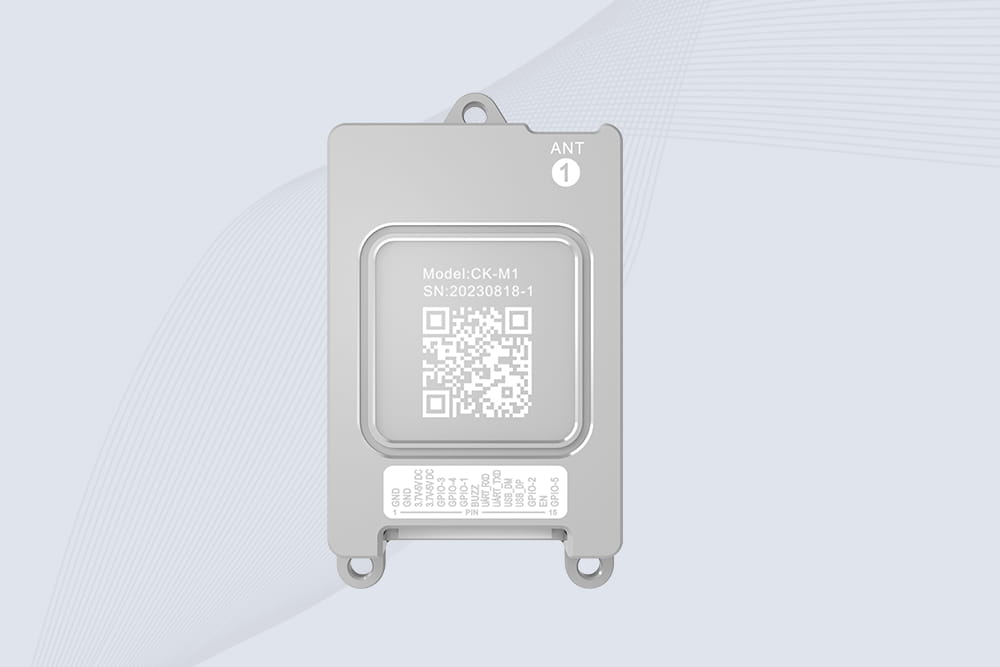
CYKEO CYKEO-M1 drone rfid module is a compact UHF RFID reader module designed for drones and UAV platforms. It supports long-range aerial scanning, fast multi-tag reading, and stable performance in wind, vibration, and outdoor environments.
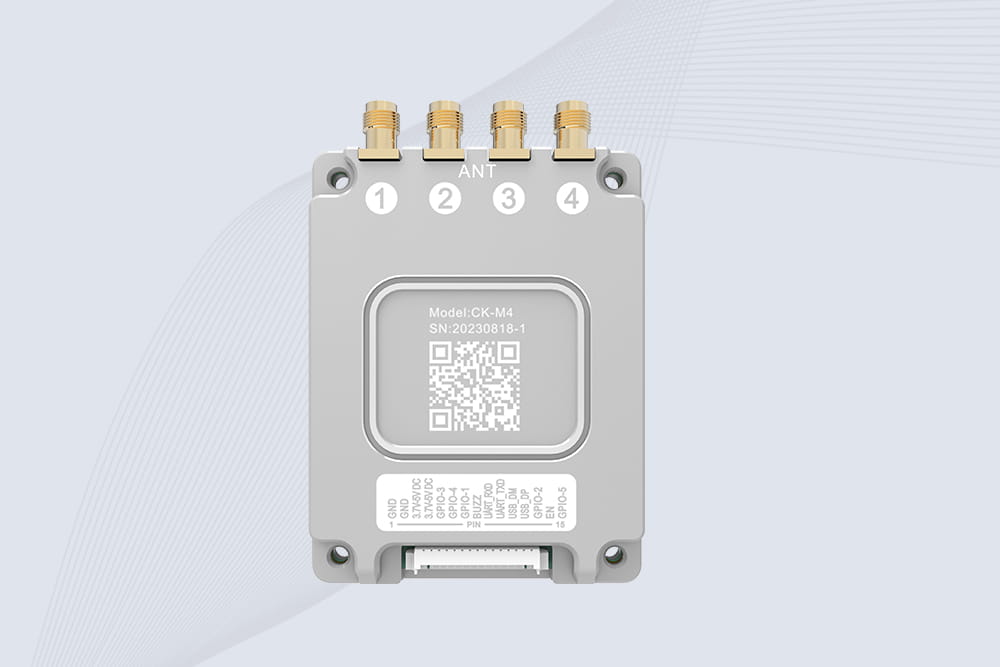
CYKEO CYKEO-M4 RC522 RFID Module is an industrial-grade UHF RFID reader with 4 ports, supporting ISO, EPC, and GB protocols. High-speed, accurate reading for IoT, automation, and warehouse applications.
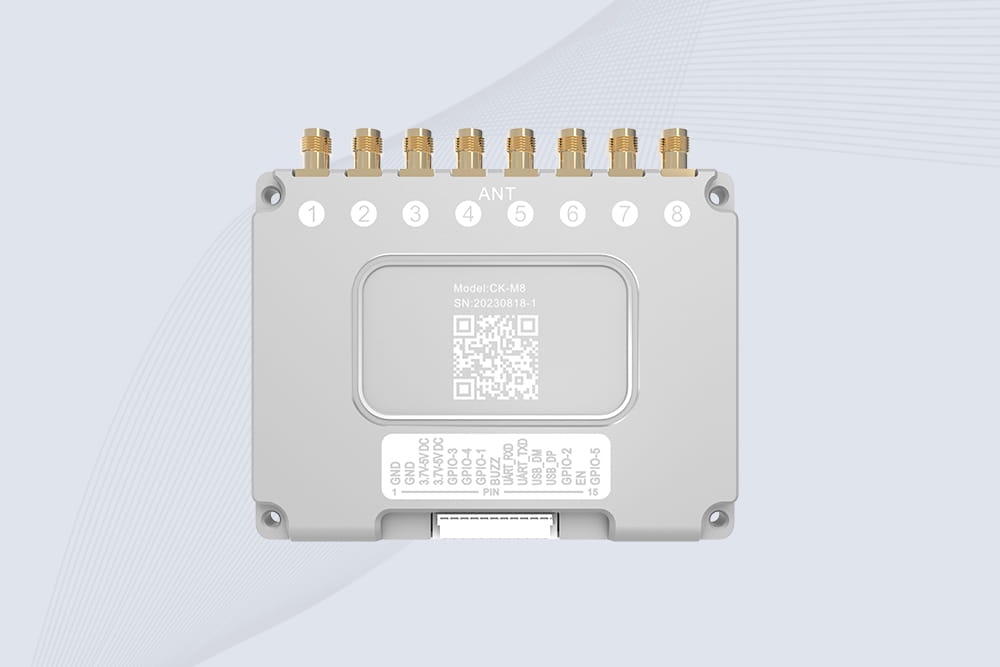
CYKEO CYKEO-M8 Module RFID is an 8-port UHF R2000 RFID Module designed for high-density, multi-tag environments. Stable 33dBm output, ISO & GB protocol support, ideal for warehouses, factories, and automated systems.
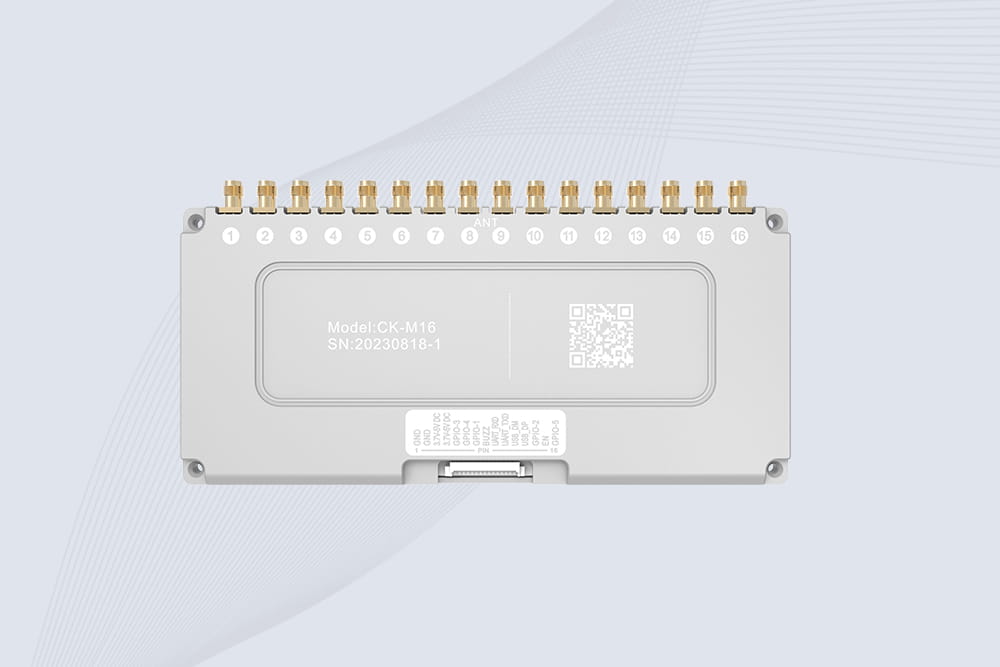
CYKEO CYKEO-M16 RFID Module is a 16-port UHF RFID reader module based on the R2000 chipset. Designed for dense tag environments, it supports ISO and GB standards and delivers stable multi-antenna control for industrial automation.
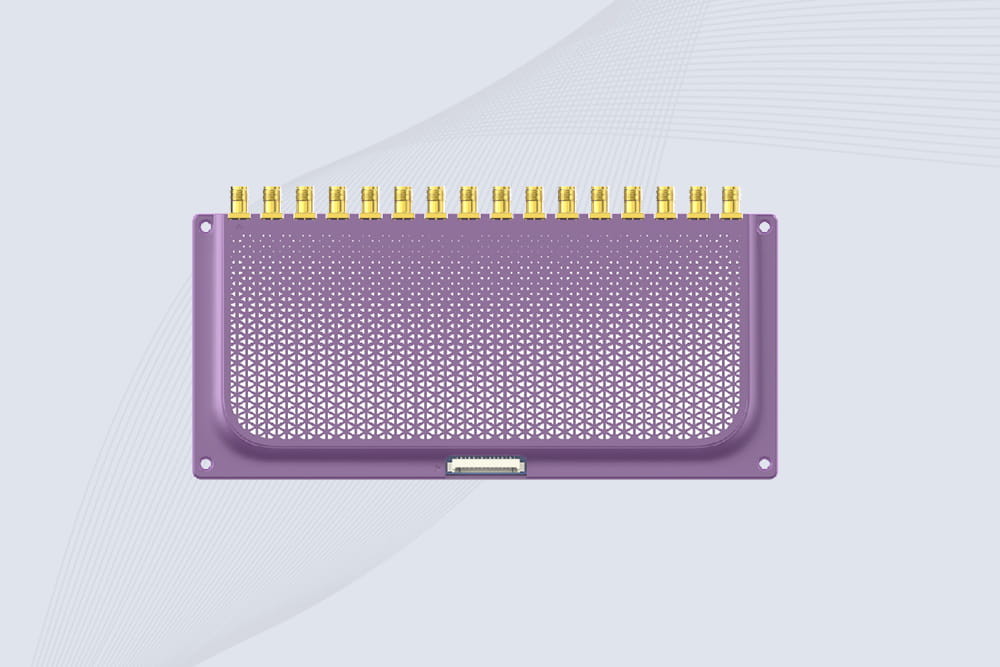
The CYKEO CYKEO-M16L RFID Reader Module is a 16-channel UHF RFID core designed for dense tag environments. With adjustable 33dBm output, multi-protocol support, and stable multi-antenna control, this RFID Tag Reader Module fits industrial automation, warehouse systems, and large-scale IoT deployments.
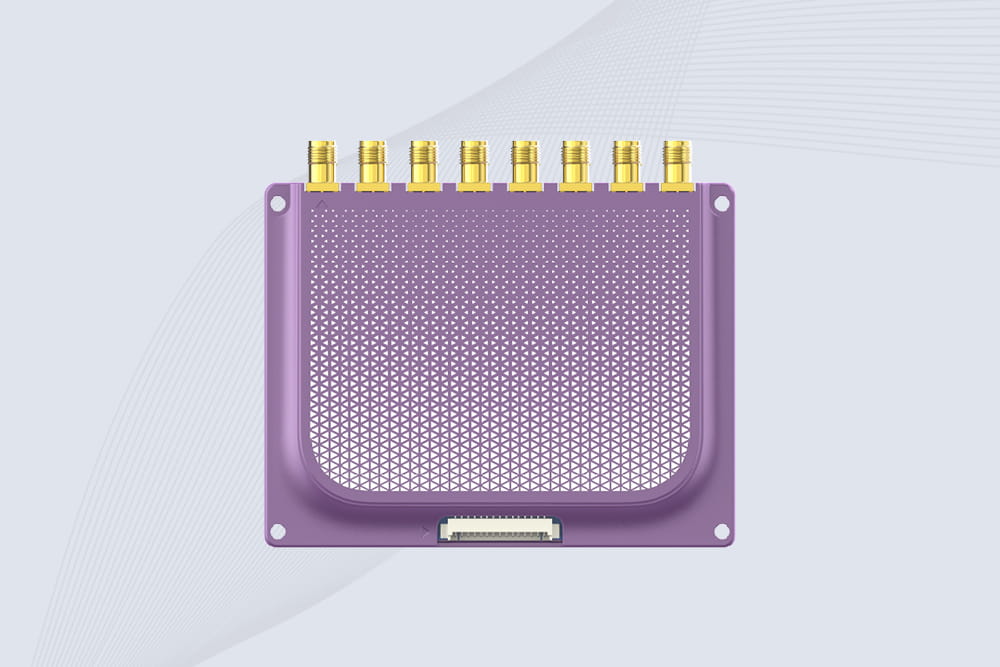
CYKEO CYKEO-M8L module RFID is a compact industrial UHF module built for dense tag and multi-antenna environments. With 8 RF ports, adjustable 33 dBm output, and ISO & GB protocol support, it is widely used in factories, warehouses, and automated tracking systems.
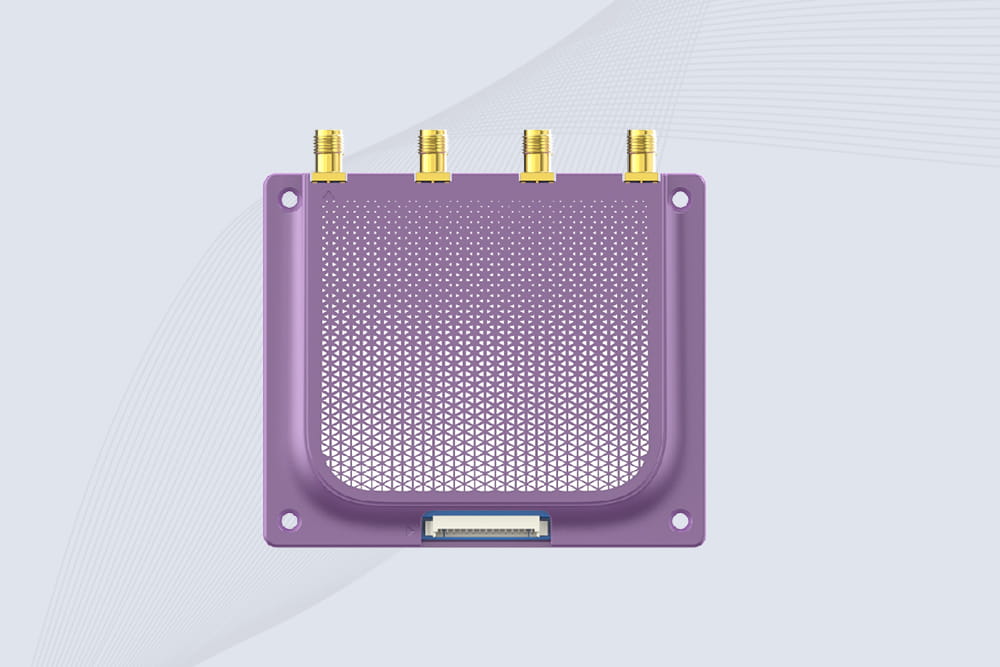
CYKEOCYKEO-M4L UHF RFID Module is a compact 4-channel RFID tag reader module designed for dense tag environments. Supporting ISO and GB protocols, it delivers stable reads up to 10 meters for industrial and IoT systems.

Cykeo CYKEO-A11 UHF RFID reader antenna delivers 11dBi gain, 840-960MHz frequency range, and IP65 ruggedness for retail, logistics, and industrial RFID systems. Features low VSWR and easy installation.

CYKEO Antenna RFID Reader delivers stable long-range UHF performance with a 10.5dBi directional design, built for warehouses, conveyor portals, and industrial RFID systems. This rfid reader antenna provides 20m+ read distance and rugged IP67 protection.

Cykeo CYKEO-PHF3 industrial HF RFID Antenna offers 24-point dynamic tracking, ISO 14443A/15693 protocols, metal-environment stability for archives/libraries/manufacturing.

Cykeo CYKEO-A5B industrial Linear RFID Antenna delivers 5dBi gain, ≤1.5:1 VSWR, and IP65 rugged design for warehouse, production line, and logistics UHF systems.

Cykeo’s CYKEO-B12 Long Range RFID Antenna delivers 15m+ read range with 12dBi gain, IP65 rugged design, and global 840-960MHz UHF support. Ideal for warehouse/logistics asset tracking.

Cykeo CYKEO-B10 Long Distance RFID Antenna offers 10dBi gain, 840-960MHz frequency range, IP65 rating, and 20m+ coverage for logistics/warehousing/ETC systems. Low VSWR ensures stable signal transmission.

Cykeo CYKEO-A6 UHF RFID panel antenna features 6dBi gain, 840-960MHz broadband, IP65 metal-ready housing for logistics/smart retail. 18mm ultra-thin design with tool-free mounting.

Cykeo CK-A3 industrial antenna RFID UHF offers 5m+ tag detection, ≤1.3:1 VSWR, IP65 rugged design, and global UHF spectrum compatibility (840-960MHz) for warehouses, factories, and retail.

Cykeo CYKEO-B5 directional RFID antenna provides 5dBi gain with 60° narrow beamwidth for precise inventory tracking. IP65-rated, global UHF frequency support, and low VSWR.

Create your own high-performance DIY RFID antenna! 5dBi gain, 840-960MHz tunable, step-by-step guides. Compatible with Arduino, Raspberry Pi, and commercial UHF readers.

Cykeo CYKEO-A7 Flexible RFID Antenna features 840-960MHz wideband tuning, 7dBi gain, and IP68 rating for medical/retail/industrial curved surface deployments. 98% read accuracy with peel-and-stick installation.

Cykeo CYKEO-B5A industrial Passive RFID Antenna delivers 5dBi gain, 70° beamwidth, and -40°C~55°C operation for warehouses/smart cabinets. Compatible with Zebra/Impinj readers.

Cykeo’s CYKEO-A9B High Gain RFID Antenna delivers 15m+ read range with 9dBi amplification. Features IP54 rugged design, 840-960MHz bandwidth, and 80° beamwidth for warehouse/manufacturing RFID systems.

Cykeo’s enterprise-grade 8dbi Impinj RFID Antenna 10m+ read range with 840-960MHz tuning. Features IP65 housing, 1.4 VSWR, 35° beamwidth for retail/warehouse RFID systems.

Cykeo CYKEO-A9 industrial UHF RFID antenna delivers 9dBi gain, 840-960MHz frequency range, and IP65 protection for warehouse/logistics/retail RFID systems. Features N-type connector and ≤1.3:1 VSWR.

CYKEO UHF RFID Antenna built for long-distance and industrial applications. This antenna rfid uhf delivers strong gain, outdoor durability, and reliable tag performance in warehouses, yards, and vehicle ID systems.

CYKEO Antenna RFID delivers reliable long-range UHF performance in warehouses, retail shelves, and cold-chain environments. This compact uhf rfid antenna provides stable reads with circular polarization and ultra-wide 840–960 MHz support, ideal for industrial tracking, smart shelves, and asset monitoring.

Cykeo’s CYKEO-C8 UHF RFID antennas delivers 8dBi gain, 840-960MHz full-band coverage, and IP65 ruggedness for manufacturing/warehouse RFID systems. Industrial RFID Antennas Features

Cykeo’s 8dBi UHF RFID antenna and reader kit delivers 10m+ range, 840-960MHz broadband, and IP65 ruggedness for factories, warehouses, and logistics. ISO 18000-6C & EPC Gen2 certified.

Cykeo CYKEO-A9A industrial UHF RFID reader and antenna kit delivers 10m range, 500 tags/sec, IP65 ruggedness for manufacturing/logistics. Supports EPC Gen2, ISO18000-6C.
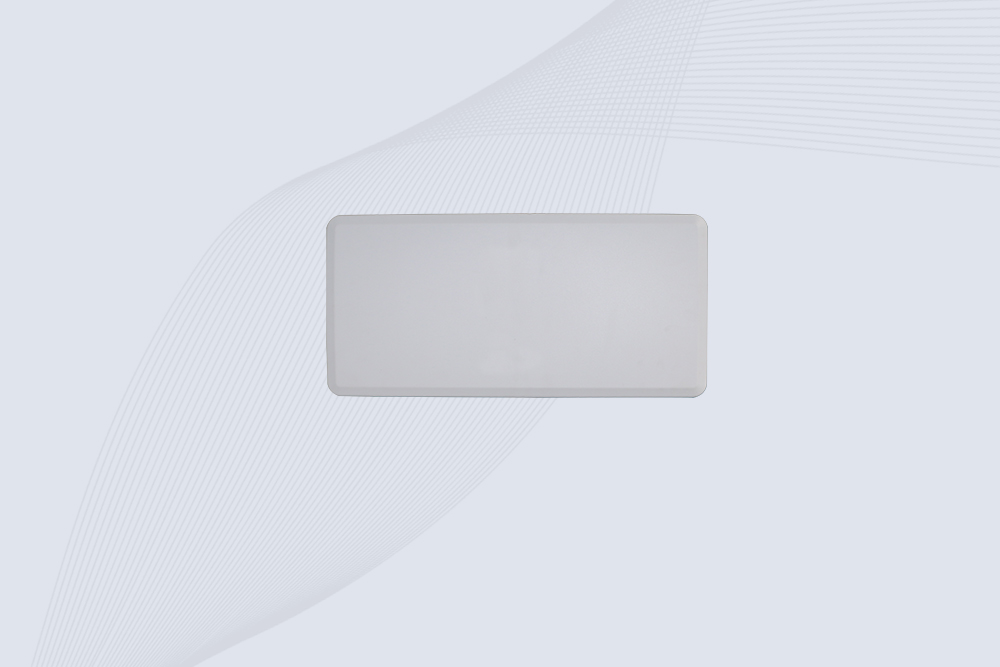
Cykeo’s CYKEO-A12C UHF Large RFID Antenna delivers 12dBi gain, 840-960MHz global frequency, IP65 ruggedness for logistics/warehousing/automotive. 40° beamwidth ensures stable 15m+ tag reads.

CYKEO Near Field RFID Antenna provides precise 5–30 cm reading for shelves, cabinets, and workstations. This compact rfid shelf antenna delivers stable short-range performance around metal and clutter, ideal for pharmacies, libraries, and electronics sorting.
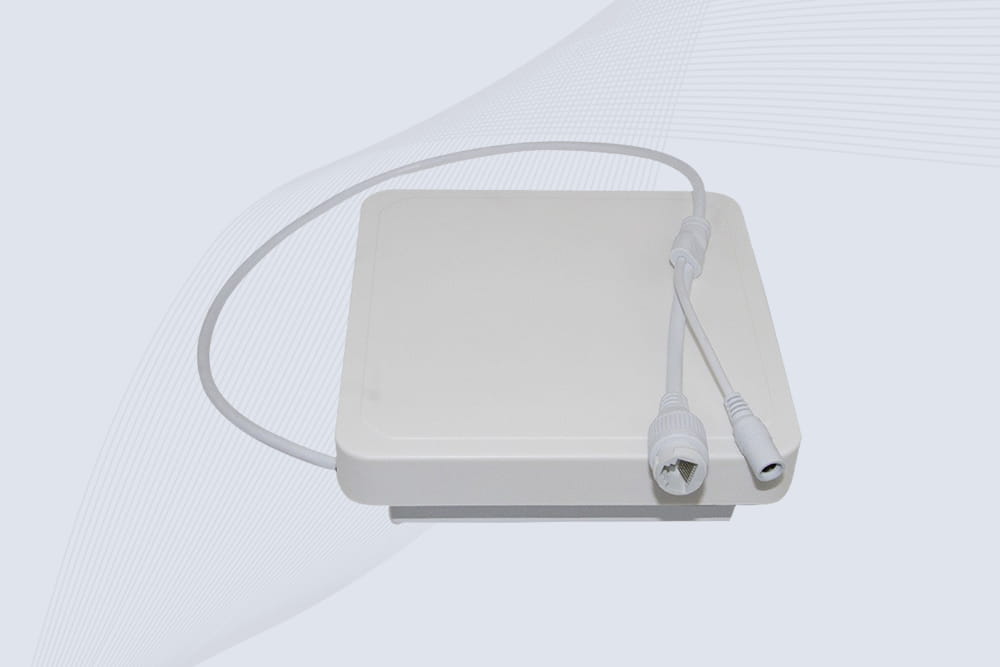
Cykeo’s industrial long range RFID reader delivers 20-meter scanning, 500+ tags/sec speed, and IP67 waterproof design for automated warehouses, logistics, and harsh environment applications.
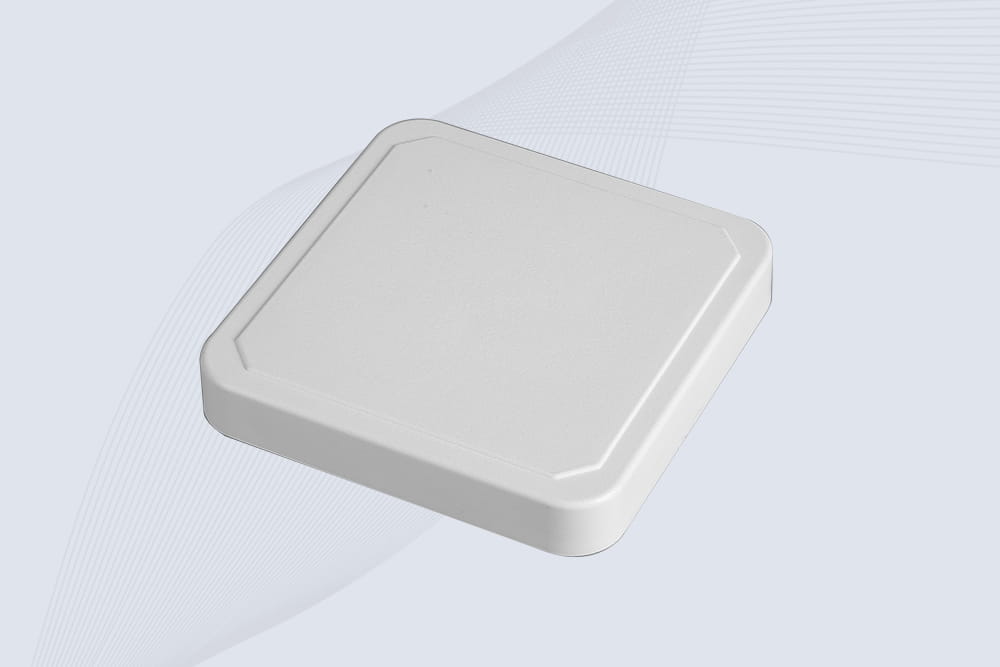
Cykeo’s CYKEO-RA6L industrial RFID long range reader features 20m read distance, 500 tags/sec speed, and IP67 protection. Ideal for warehouse automation, manufacturing WIP tracking, and smart logistics. Supports ISO 18000-6C/6B protocols.
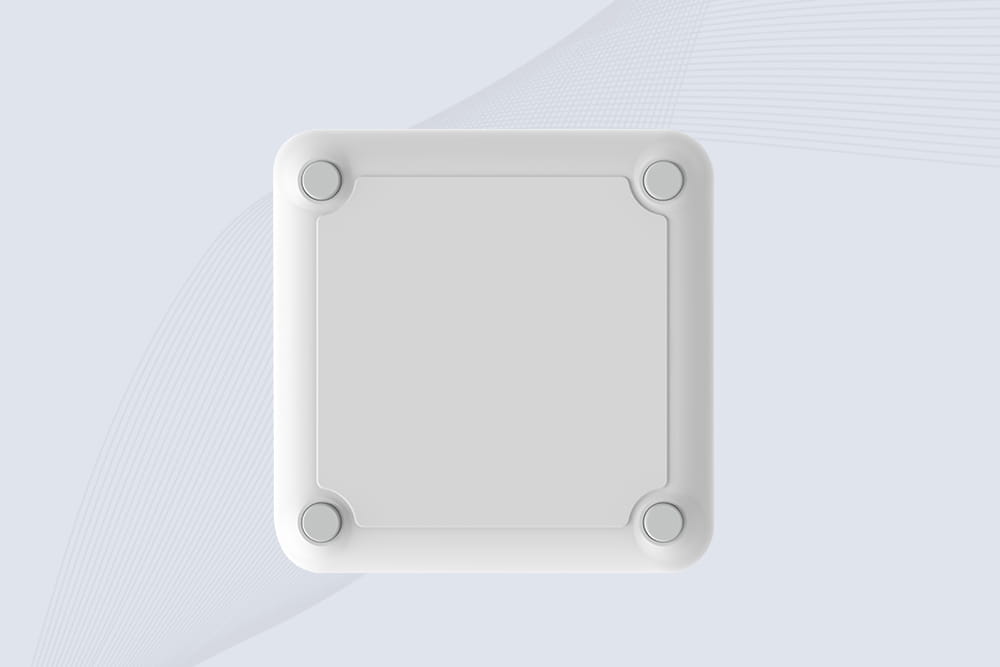
CYKEO Long Range RFID Tag Reader built for outdoor and industrial operations. This Outdoor RFID Reader delivers 20m read distance, fast tag processing, and IP67 durability for wide-area tracking.
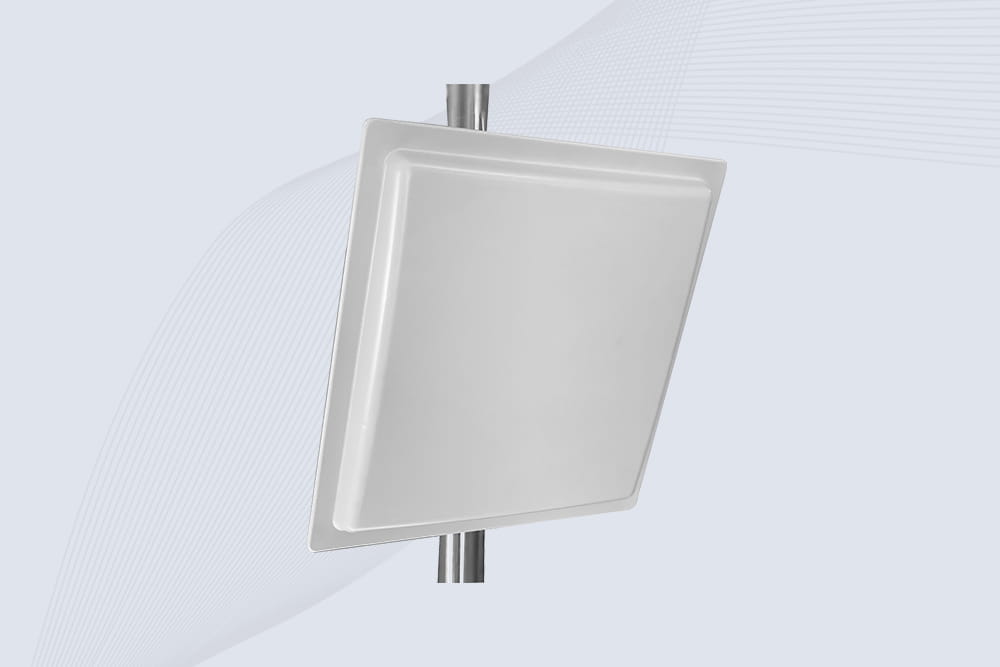
Cykeo CYKEO-RA12L industrial Long Range RFID Reader delivers 20m read range, 200+ tags/sec scanning, and IP67 protection for manufacturing/logistics applications. Supports ISO 18000-6C/GB protocols.
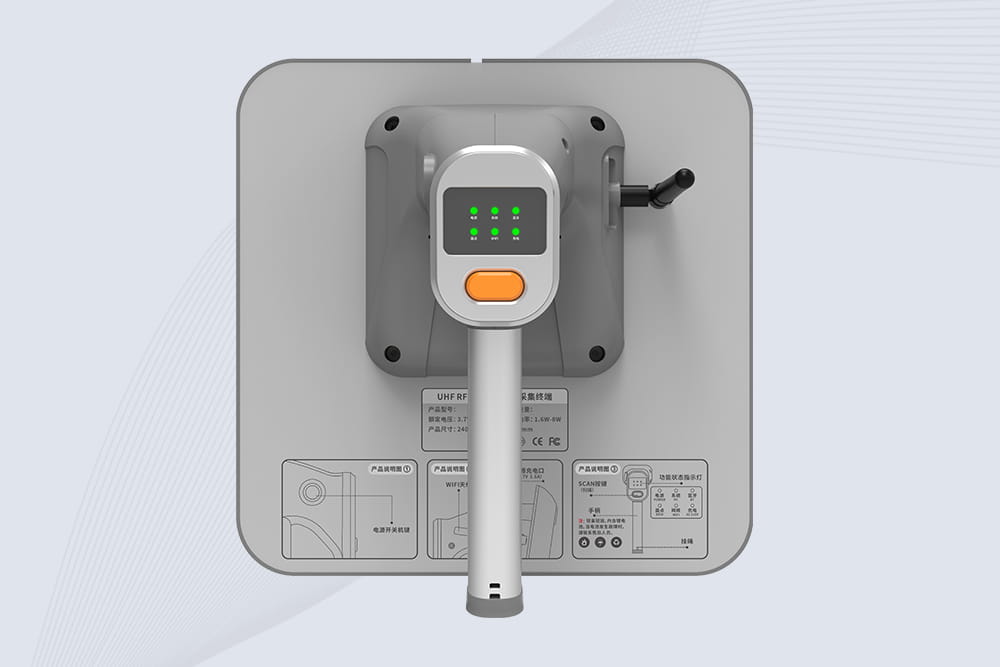
Cykeo CYKEO-B9 UHF Bluetooth handheld RFID scanner features 12m UHF range, 200+ tags/sec scanning, IP67 rugged design for retail/warehouse/pharma. Supports Android SDK & real-time Bluetooth 5.0 transmission.
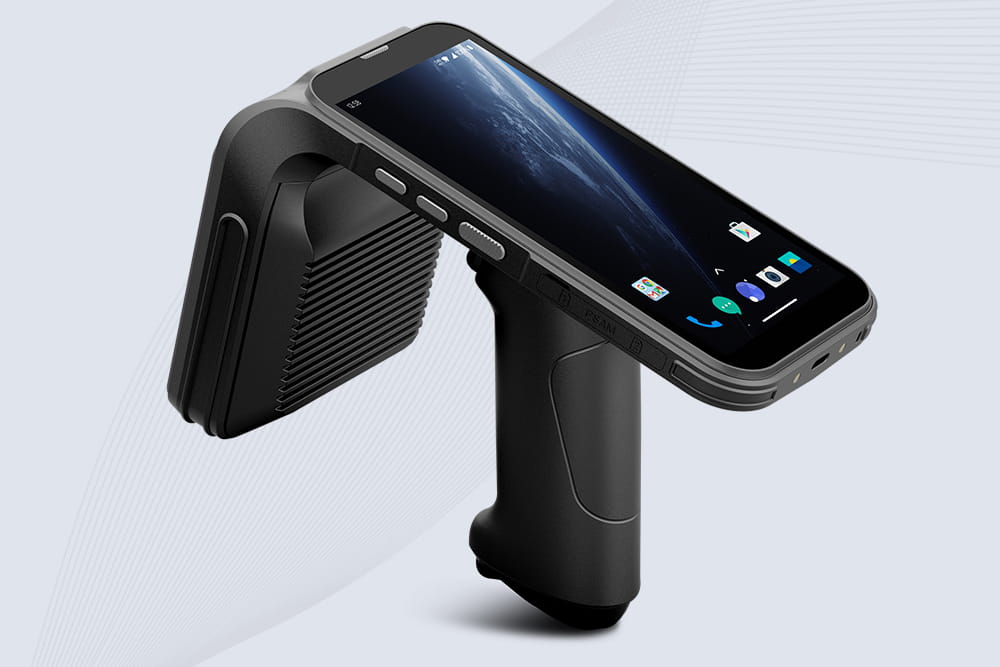
Cykeo CYKEO-B4 UHF Handheld RFID Reader scanner delivers 1300 tags/sec reading, 30m UHF range, and 12-hour battery life. IP65 rugged design with barcode/NFC/ID scanning for retail/manufacturing/logistics.
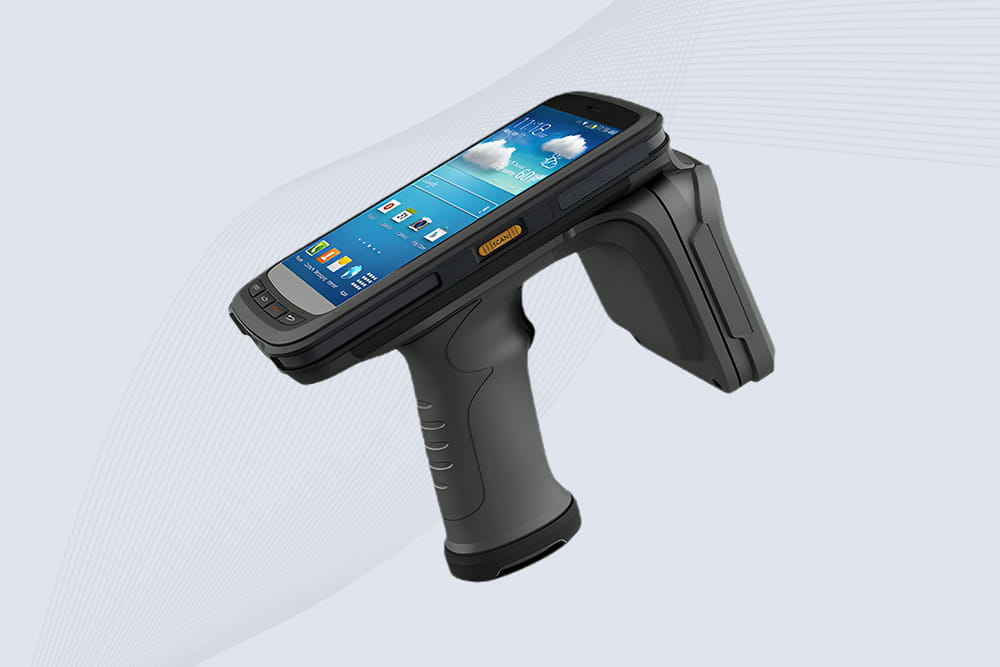
Cykeo CYKEO-B2 industrial UHF RFID handheld Scanner offers 10m range, 500 tags/sec scanning, Android 11 OS, and IP65 rugged design for retail/warehouse/manufacturing.
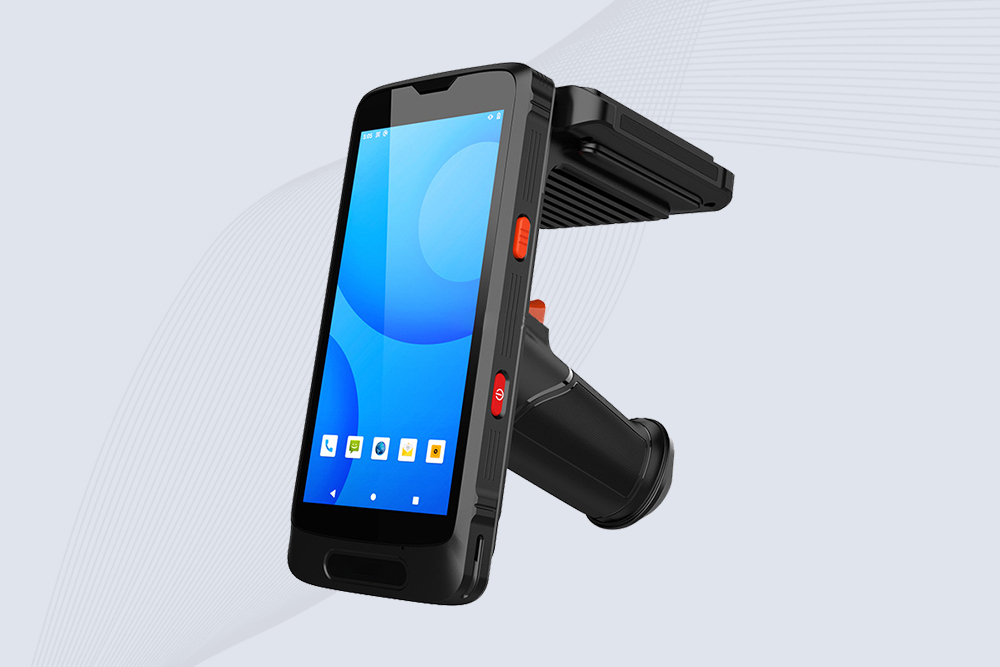
Cykeo CYKEO-B3 industrial RFID Reader Handheld, terminal offers 2m read range, multi-protocol scanning (NFC/barcode/ID), Android 10 OS, and IP65 ruggedness for logistics/retail/manufacturing.
RFID Industry Writer | IoT & Asset Tracking Analyst
James writes about RFID technology, asset tracking, and the practical challenges of digital transformation across warehousing, retail, manufacturing, and logistics.
His work focuses on how RFID is applied in real-world operations—improving inventory visibility, automating workflows, and helping businesses manage assets with greater accuracy and efficiency.
He regularly covers topics including UHF RFID, smart cabinets, RFID portals, tool tracking, warehouse automation, and industrial IoT trends..
Wondering how far a passive RFID tag can be read? We break down real-world ranges for UHF, HF, and LF tags and what factors actually affect the distance.
More
RFID in retail helps stores improve inventory accuracy, reduce shrinkage, and support omnichannel sales. Learn what works on the shop floor.
More
in-depth look at RFID bank card readers, from commercial applications to the controversy around RFID-blocking wallets. Drawing from real-world cases and industry experience, this article unpacks the tension between payment convenience and security...
More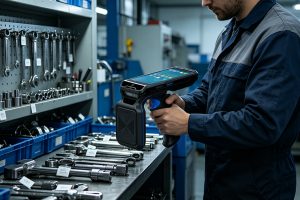
passive rfid scanner enables contactless asset tracking in industrial environments. Cykeo systems improve accuracy for tools, logistics, and field operations.
More