 Cykeo RFID IoT Solution Products R&D Manufacturer
RFID in Healthcare: Is It Really Solving Hospital Problems or Just Adding Tech?
217RFID in healthcare improves asset tracking, patient safety, and workflow accuracy. See where RFID really works in hospitals—and where it doesn’t.
MoreAll RFID Product
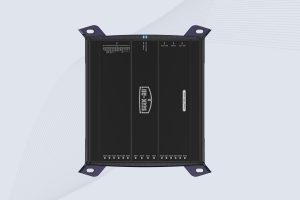
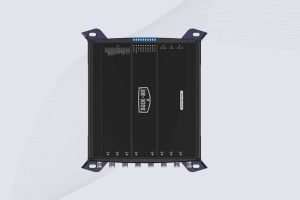
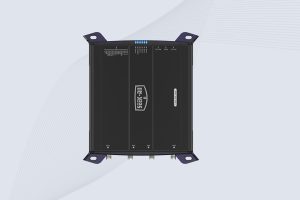
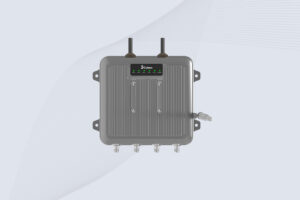
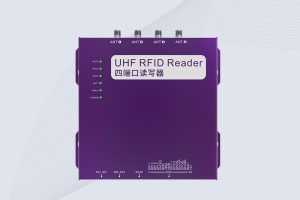
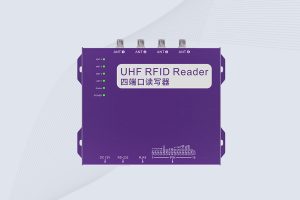
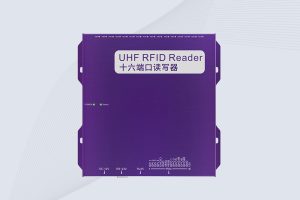
In almost every project where UHF RFID is used—warehousing, customs, vehicle inspection, archive access, jewelry tracking—people say they want “good read range and stable performance”. But the definition of “good” varies from one site to another. CYKEO built the CK-R8L fixed rfid reader based on years of complaints from integrators: unstable sensitivity, ports failing too early, dropping tags in dense mode, overheating when mounted in an enclosed rack, and so on.
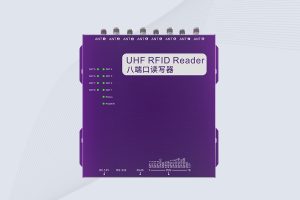
The CK-R8L doesn’t try to look futuristic. It’s a practical 8-port UHF reader with a tough enclosure and a layout that makes sense when technicians have to plug and unplug cables ten times a day. For many customers, this is exactly the kind of device they want—nothing flashy, but consistent enough to run an automatic gate or conveyor lane for months without bothering anyone.
It supports the standard UHF 840–960 MHz range, which makes it usable across China, Southeast Asia, North America and Europe without changing hardware. And because it supports EPC C1G2, ISO18000-6C/B and GB/T29768-2013, the same reader can be dropped into national or international projects with minimal compatibility worries.
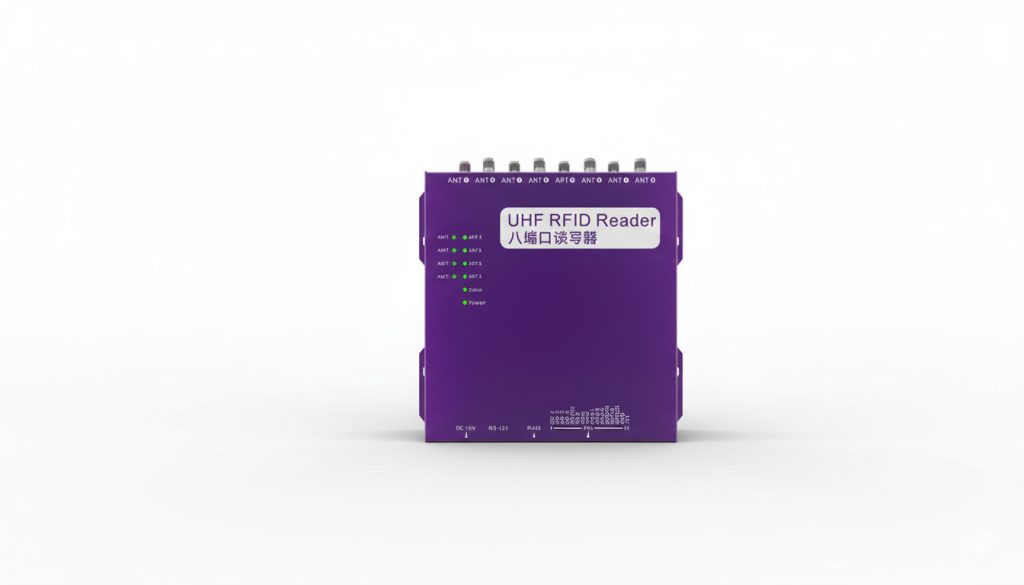
Let’s talk about the main promise: strong read range and stable long-term operation. Many brands advertise long distances, but real-world performance often depends on heat control, matching antennas, and how well the firmware handles dense tag clusters.
In the CK-R8L, the RF output goes up to 33 dBm (±1 dBm), and combined with good antennas, integrators typically see 12–15 meters of practical reading distance—not theoretical lab numbers.
The reader is comfortable working in:
CYKEO’s firmware is tuned for stable RSSI and quick switching across the 8 TNC ports. Installers don’t need to fight with random reader freezes or dropped ports, which unfortunately still happens in mid-range hardware from newer brands.
This is precisely why some integrators consider the CK-R8L among the best fixed rfid readers read range reliability 2025—not because of fancy marketing, but because it stays predictable in tough projects.
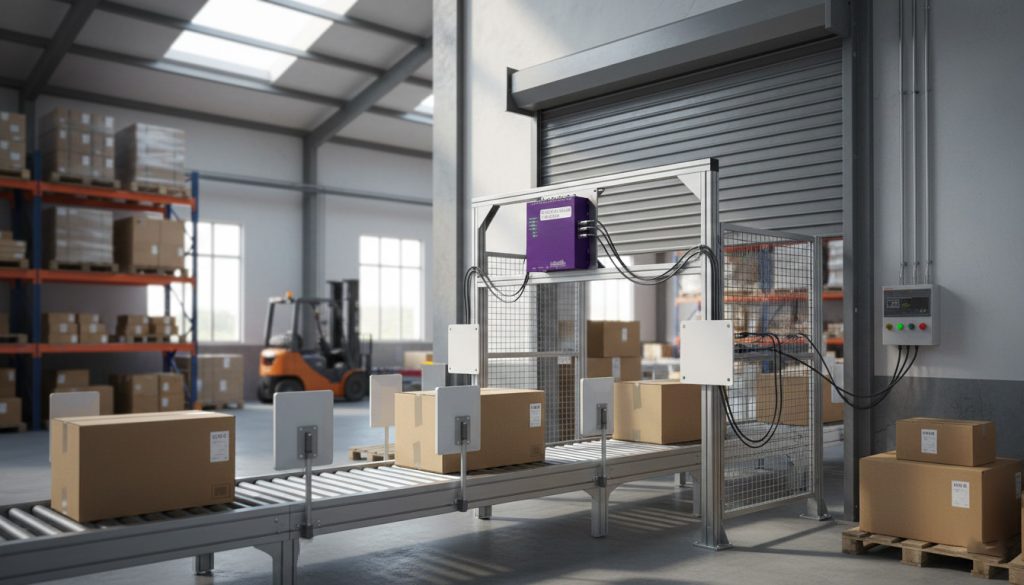
One reason integrators like multi-port readers is flexibility. The CK-R8L can run:
The built-in RS-232, RS-485, Wi-Fi, TCP/IP and Wiegand make it adaptable for old and new systems. In some government or legacy sectors, RS-232 is still required. In modern warehouses, everything runs over Ethernet or Wi-Fi. The CK-R8L handles both without demanding extra converters.
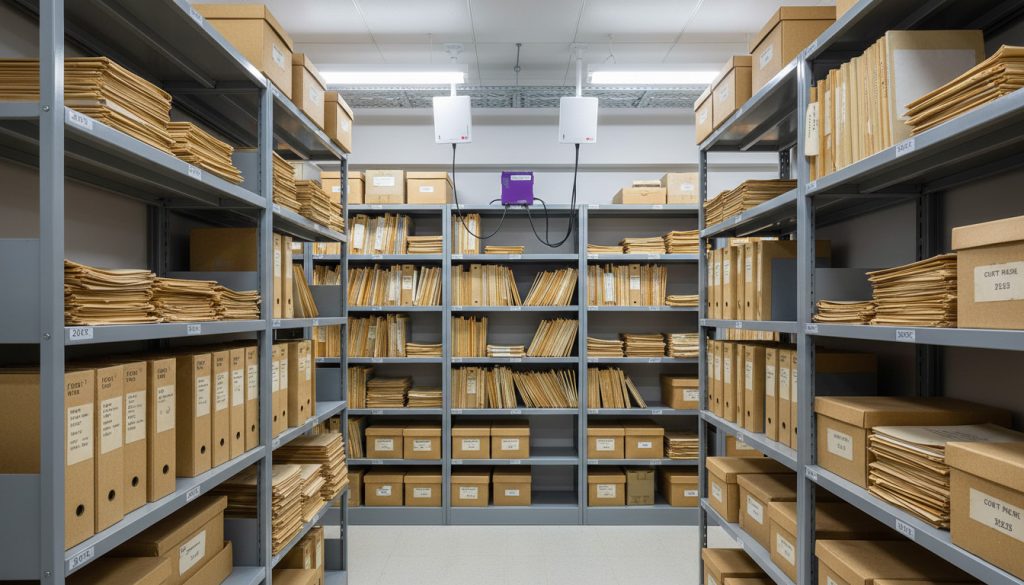
The purple aluminum housing isn’t there for beauty. It helps with heat dissipation, which keeps RF performance stable during continuous operation. In warm regions, this matters a lot—some cheaper readers lose sensitivity after running for hours at high output.
Other small design choices matter more than people expect:
The device consumes around 20W at full RF power, which is quite acceptable for gate installations and enclosed control boxes.
It supports:
These details affect daily operation more than people think.
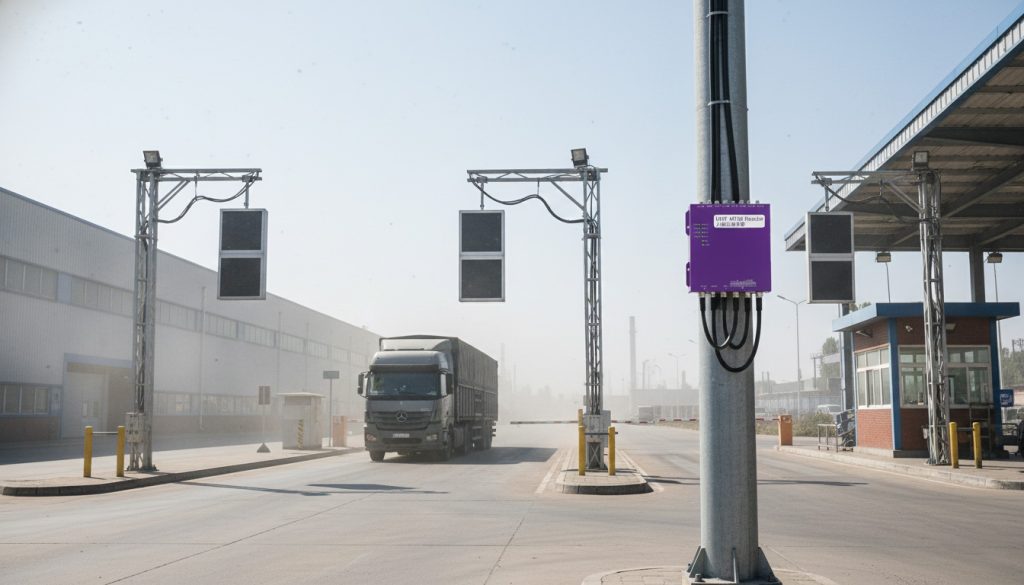
The device is not trying to dominate every price segment. Instead, it positions itself as a reliable industrial reader for:
In these environments, the important thing is not just “long read range”. It’s consistency—the reader keeps running, keeps reporting tags, and doesn’t surprise the IT team with random downtime.
This is why many integrators consider it among the best fixed RFID readers focused on read range reliability in 2025.

RFID in healthcare improves asset tracking, patient safety, and workflow accuracy. See where RFID really works in hospitals—and where it doesn’t.
More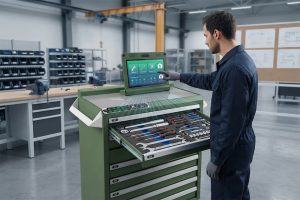
RFID tool management uses RFID tags, readers, smart cabinets, mobile devices, and software to track tools and improve inventory control. It helps companies r...
More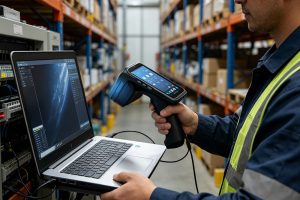
Choosing an RFID handheld reader for integration projects? Learn what system integrators should look for, from SDK to performance.
More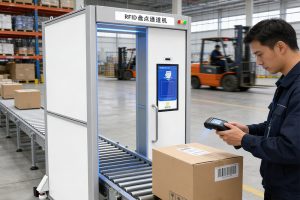
Compare RFID and barcode stock management systems to find the best solution for your warehouse. Learn how RFID automation, including CK‑TP1B tunnel scanners, improves inventory accuracy and efficiency.
More