 Cykeo RFID IoT Solution Products R&D Manufacturer
RFID Tags in Industrial Applications:Beyond the Buzz
820Learn how RFID tags are reshaping industrial applications — from warehouse tracking to quality control. Practical insights, challenges, and lessons from real-world use cases.
MoreAll RFID Product
For system integrators, the challenge is rarely just choosing a device.
The real challenge is:
How well that device fits into the system you’re building.
On paper, many RFID handheld readers look similar.
In actual projects, small differences in SDK, stability, or protocol support can slow everything downIf you’re comparing options, it helps to review multiple RFID handheld reader solutions to see how different models approach integration.
Most handheld RFID readers come with an SDK.
But not all SDKs are equally usable.
From a system integrator’s perspective, what matters is:
A poorly documented SDK can add weeks to your development timeline.
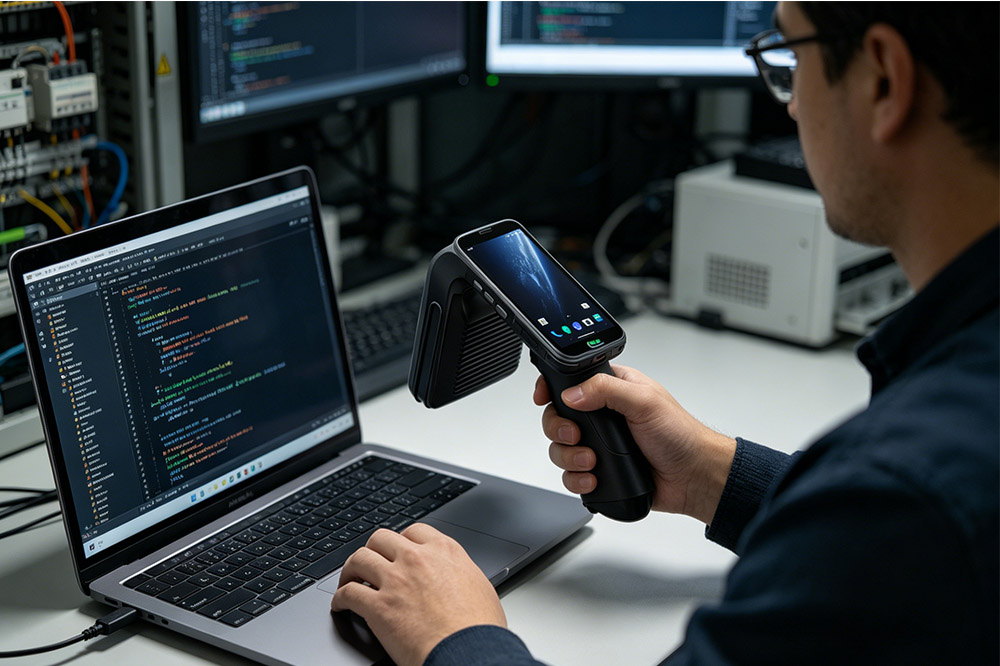
For UHF RFID projects, compatibility is critical.
Make sure the device supports:
If your project involves multiple tag types or regions, this becomes even more important.
Specs often highlight maximum performance.
But in real deployments, what matters is consistency:
You can compare different UHF RFID handheld reader models, but actual testing is still necessary.
Most integration projects today are built around Android.
That brings advantages:
However, the Android version and SDK implementation still need to be checked carefully.
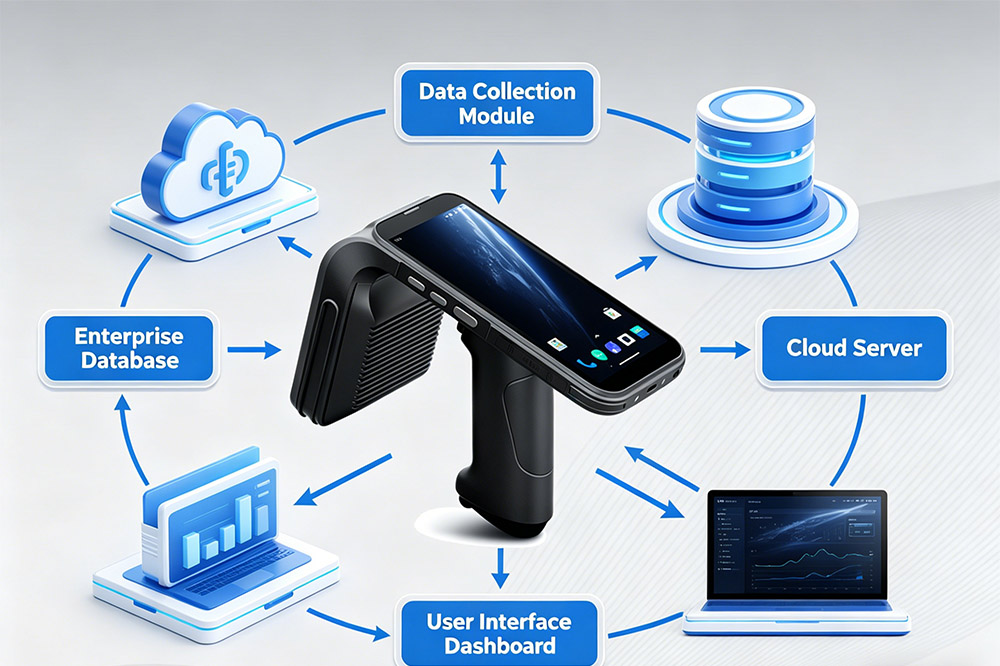
Integration doesn’t happen in a lab.
Devices are used in:
If hardware fails, the entire system fails.
For industrial deployments, a rugged RFID handheld reader writer is often the safer choice to ensure long-term stability.
This is something many integrators only think about later.
Questions to consider:
Inconsistent devices can create major issues during scaling.
Some projects require:
Not all suppliers support this.
If your project has specific requirements, it’s worth confirming early.
Instead of choosing based on specs alone, most experienced teams:
This reduces risk significantly.
Even experienced teams run into these issues:
Most of these problems don’t show up until later in the project.
If you’re selecting an RFID handheld reader for integration, a simple approach works best:
You can start by reviewing different portable RFID handheld reader options and shortlisting a few candidates.
For system integrators, an RFID handheld reader is not just a device — it’s part of a larger system.
The right choice is the one that integrates smoothly, performs consistently, and scales without surprises.
If those three things are covered, everything else becomes much easier.
Guide Recommendations
What Are the Best Handheld RFID Readers for Small Business Inventory?
How to Choose the Best RFID Handheld Reader for Warehouse Inventory?
Handheld RFID Readers: Working Principle, Product Types, and Selection Guide
What are the best handheld RFID readers for tracking tools on construction sites?
What Is RFID Handheld Reader? Mobile Scanning for Inventory and Assets
What Are the Most Durable Handheld RFID Readers for Construction Sites?

Learn how RFID tags are reshaping industrial applications — from warehouse tracking to quality control. Practical insights, challenges, and lessons from real-world use cases.
More
Learn how to read an RFID tag using professional tools. Discover accurate methods, real-world insights, and high-performance RFID reading techniques.
More
how far can rfid chips be read? Learn realistic RFID read ranges, UHF performance factors, tag orientation, reader power, materials, and field-tested deployment insights.
More
Trying to use your iPhone for RFID? We answer "can you read RFID with iPhone" by explaining the limited NFC capability and its real-world business applications.
More