Choosing RFID reader for warehouse inventory is less about finding the most powerful model and more about matching the reader, antenna, tags, and workflow. For many warehouses, the right setup can reduce manual scanning and make inventory movement easier to track.
How to Choose RFID Reader for Warehouse Inventory
Warehouse inventory sounds simple until someone actually has to count everything.
A small warehouse may have a few hundred items. A larger operation could have thousands of cartons, pallets, tools, containers, or components moving through the facility every day.
At that point, barcode scanning can become a very manual process.
An employee walks to the shelf.
Finds the item.
Points the scanner.
Scans it.
Moves to the next one.
RFID changes the workflow because the tag does not necessarily need to be individually aimed at by an employee. With the right UHF RFID reader and antenna setup, multiple tagged items can be identified within a reading area.
But there is a catch.
The RFID reader is only one part of the inventory system.
The tag, antenna, installation, software and warehouse layout all matter.
That is why choosing an RFID reader based only on “long range” or “high-speed reading” can lead to a disappointing result.
Start With the Warehouse, Not the Reader
Before looking at models, look at how inventory actually moves.
Walk through the warehouse.
Where do goods arrive?
Where are they stored?
Where are they picked?
Where do employees count stock?
Where do pallets leave?
You may find that only two or three locations really need automatic RFID reading.
For example, a distributor might have 20 storage aisles but only need fixed RFID readers at the receiving and shipping areas.
There is no reason to install fixed readers everywhere if the main goal is to record inventory movement.
On the other hand, a manufacturing warehouse may need RFID at several production checkpoints because materials are constantly moving between workstations.
The physical workflow should drive the reader selection.
Not the other way around.
UHF RFID Is Common for Warehouse Inventory
For warehouse inventory, UHF RFID is often the technology buyers look at first because it supports relatively long reading distances and can identify multiple tags.
That makes it useful for pallets, cartons, containers and other items that move through larger areas.
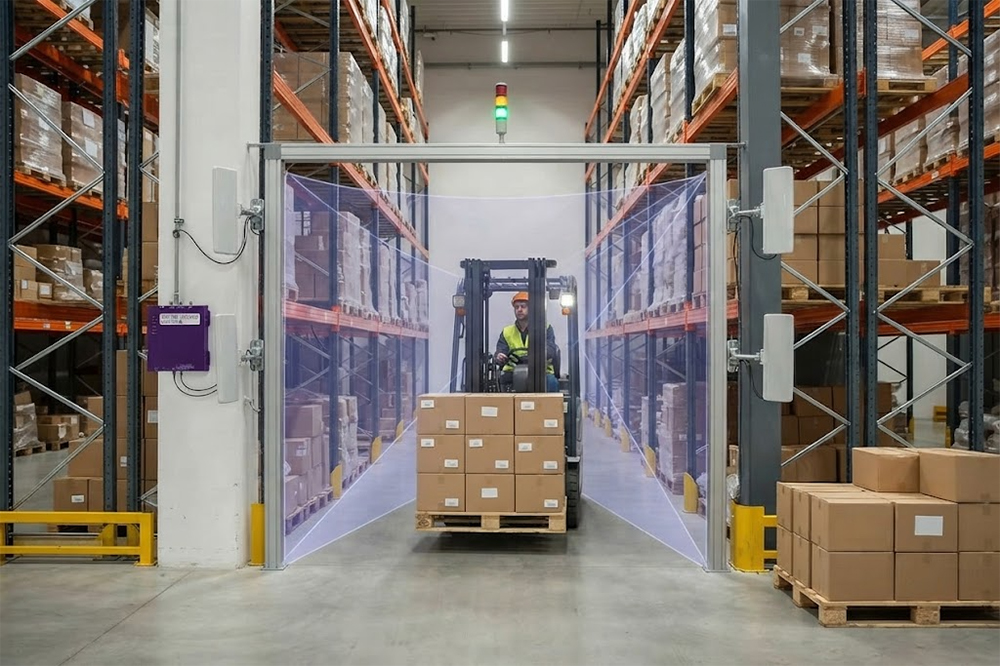
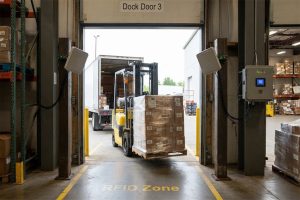
A fixed UHF RFID reader can be installed at a warehouse entrance, loading gate or conveyor.
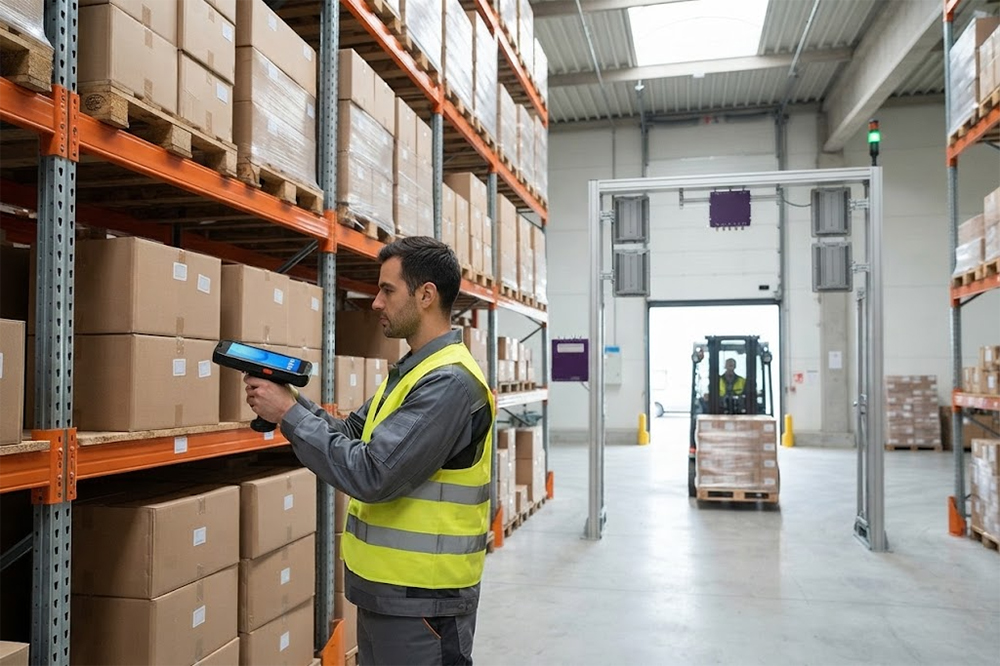
A handheld UHF reader can be carried by an employee during inventory checks.
And a USB RFID reader may be enough for a workstation where tags are registered or verified.
This is why “the best RFID reader” is not really a useful question.
The better question is:
What does the employee or warehouse system need the reader to do?
If you are still comparing RFID technologies, it is worth understanding the basic communication process first. Our guide explains how an RFID reader works, including the relationship between the reader, antenna, RFID tag and software.
Fixed or Handheld RFID Reader?
This is one of the first decisions most warehouse buyers need to make.
Fixed RFID Reader
A fixed reader stays in one location.
It is useful when tagged goods regularly pass through a predictable point.
Typical examples include:
Receiving gates
Shipping gates
Conveyor lines
Warehouse checkpoints
Production stations
Automated sorting systems
The reader can work continuously without someone holding it.
Handheld RFID Reader
A handheld reader moves with the employee.
It is better for:
Cycle counting
Shelf inventory
Finding missing items
Spot checking
Asset searching
Mobile warehouse operations
A practical warehouse may actually use both.
Fixed readers can automatically record major movement events, while handheld readers help employees deal with the parts of inventory that are less predictable.
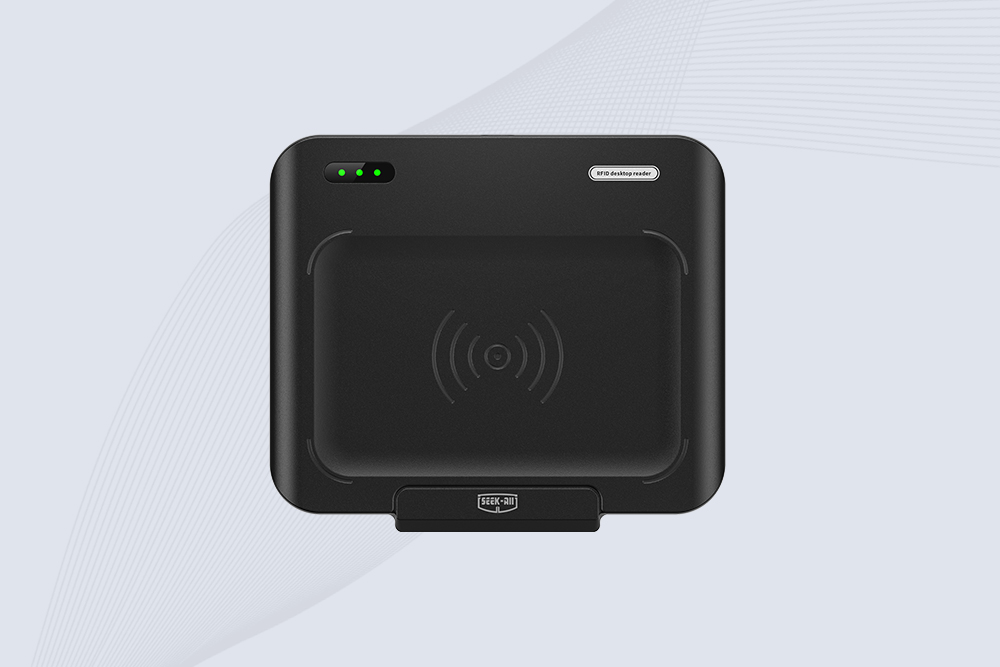
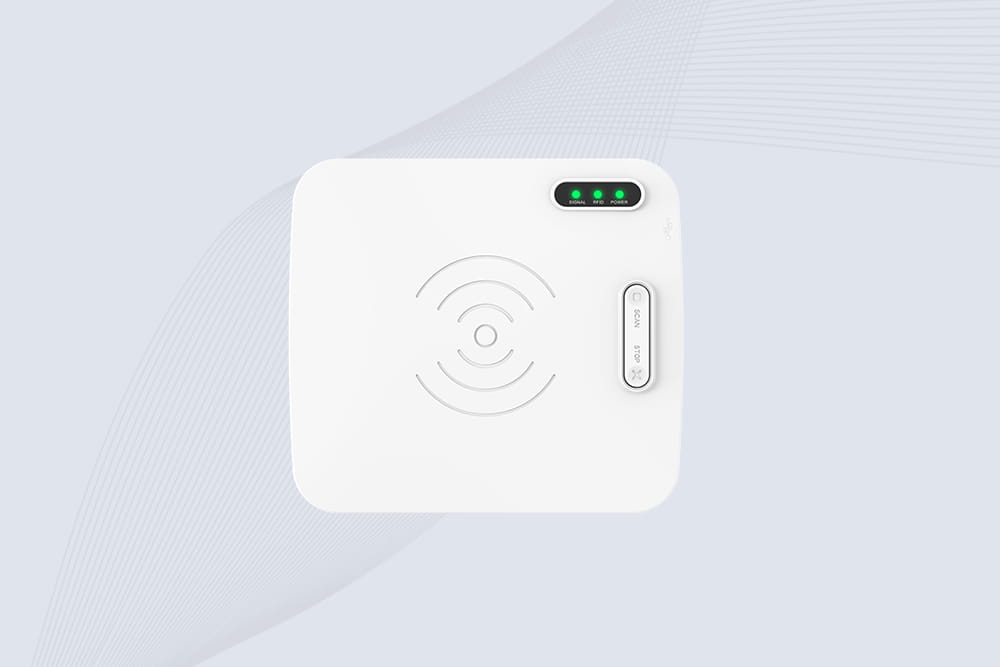
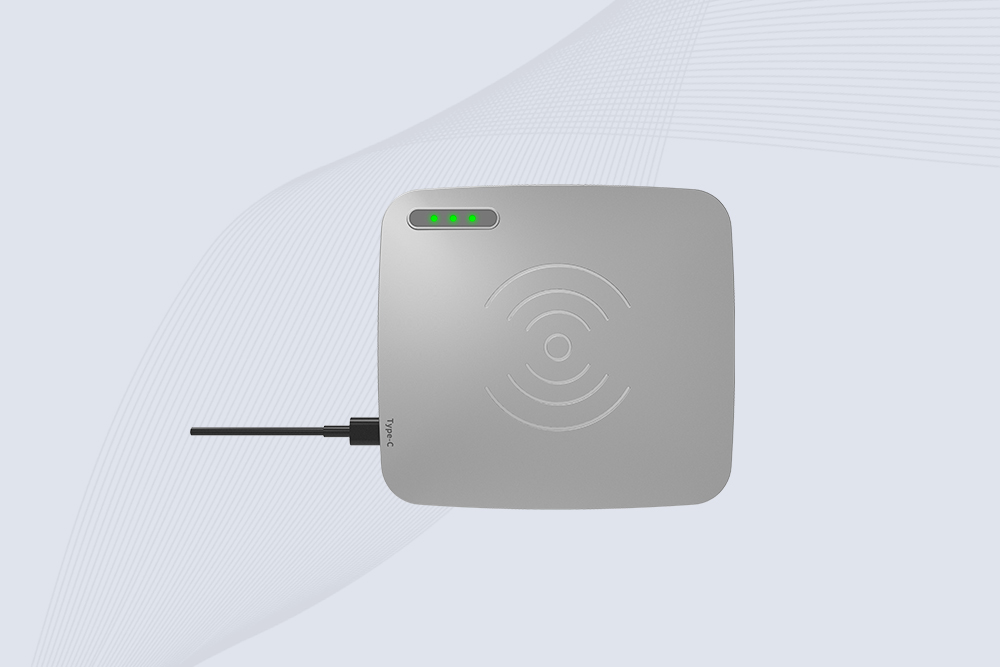
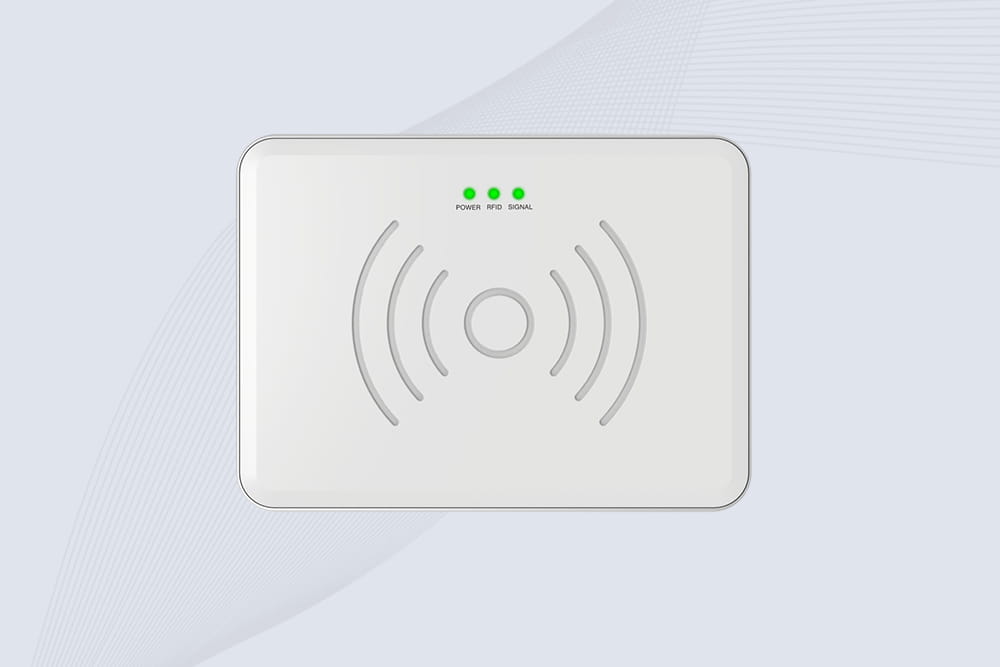
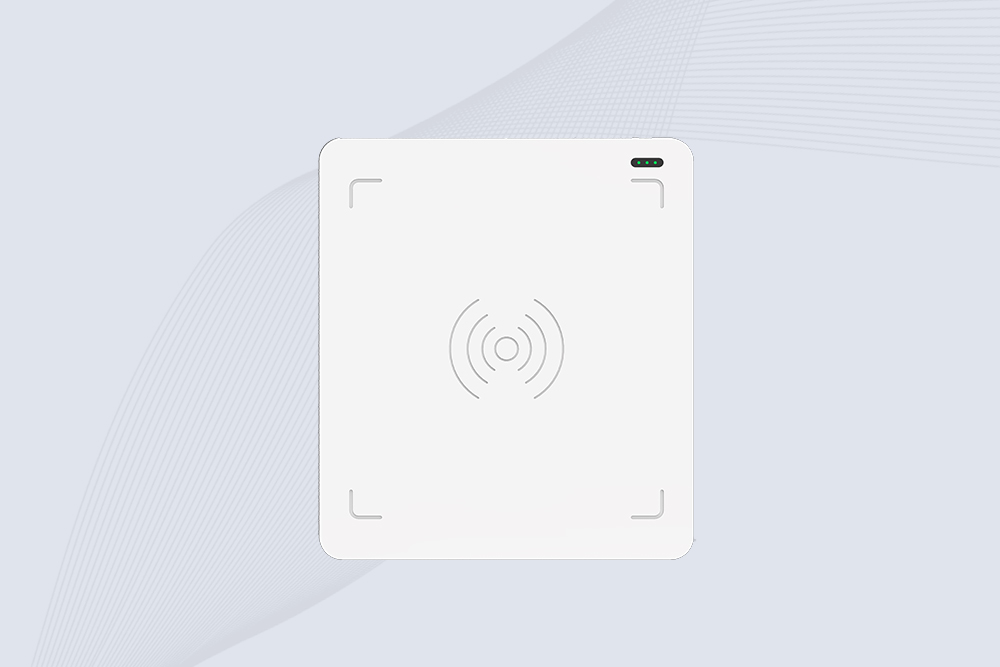
Cykeo’s RFID reader range includes fixed, handheld, USB, portable and long-range options, making it possible to select different reader types for different warehouse workflows. (Cykeo RFID Readers)
Reading Distance Is Important, But Don’t Chase the Biggest Number
Suppose a warehouse buyer sees a reader advertised with a 20-meter reading distance.
It sounds great.
But does the warehouse actually need 20 meters?
Probably not.
If the target is a doorway that is only 4 meters wide, an overly large reading zone may cause tags from nearby storage areas to be detected accidentally.
This is known as an unwanted or stray read.
For inventory applications, controlled coverage can be more useful than maximum coverage.
The actual range depends on:
RFID tag type
Antenna gain
Reader output power
Tag orientation
Mounting position
Metal structures
Liquids
Tag density
RF interference
Article 5 in this content cluster covers these factors in more detail in RFID reader reading distance.
That article can be used as a natural supporting resource for buyers who need to calculate the required reading zone.
Reading distance is another issue that can change the whole warehouse design. A reader with a very long theoretical range is not always the best choice, especially when nearby inventory could create unwanted reads. For a closer look at the factors involved, see our guide to RFID reader reading distance
The Antenna Is Part of the Decision
One mistake I see in RFID purchasing discussions is treating the antenna as an accessory that can be selected later.
For warehouse applications, it should be considered at the beginning.
Imagine a pallet gate.
The pallets enter from the front.
The antenna could be mounted on one side, both sides, above the gate, or in another configuration depending on the application.
Each setup creates a different reading zone.
A directional antenna may be useful when the reading area needs to be focused.
Multiple antennas may be necessary when the passage is wide or when tag orientation varies.
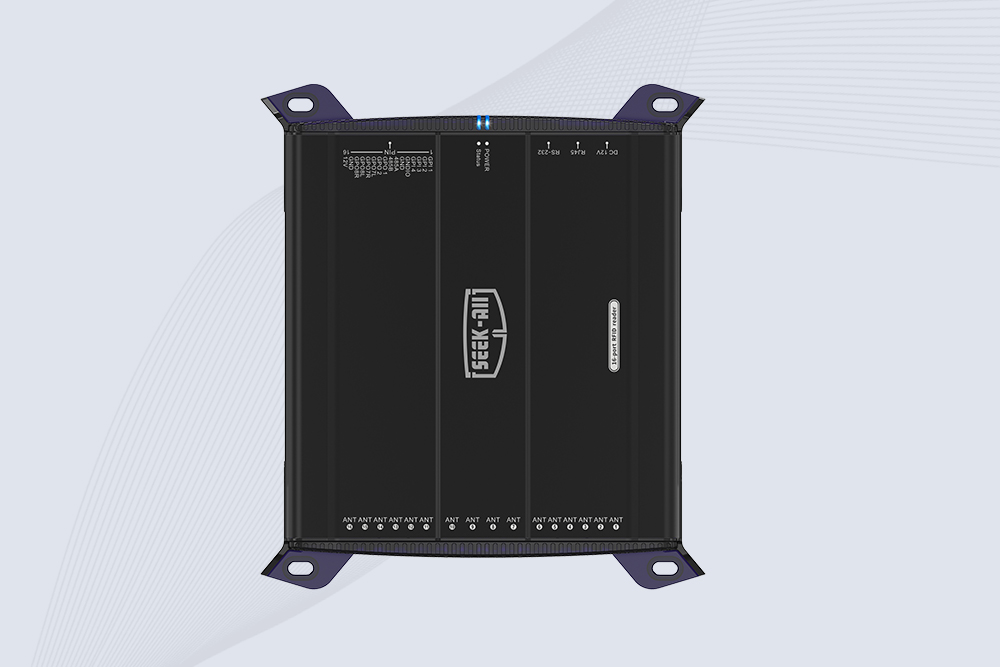
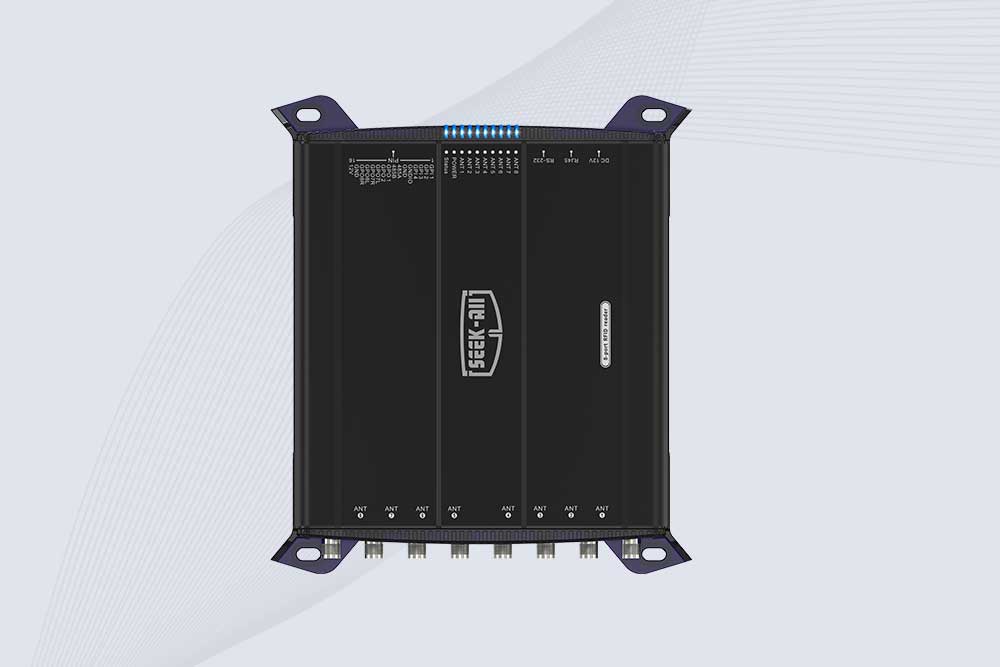
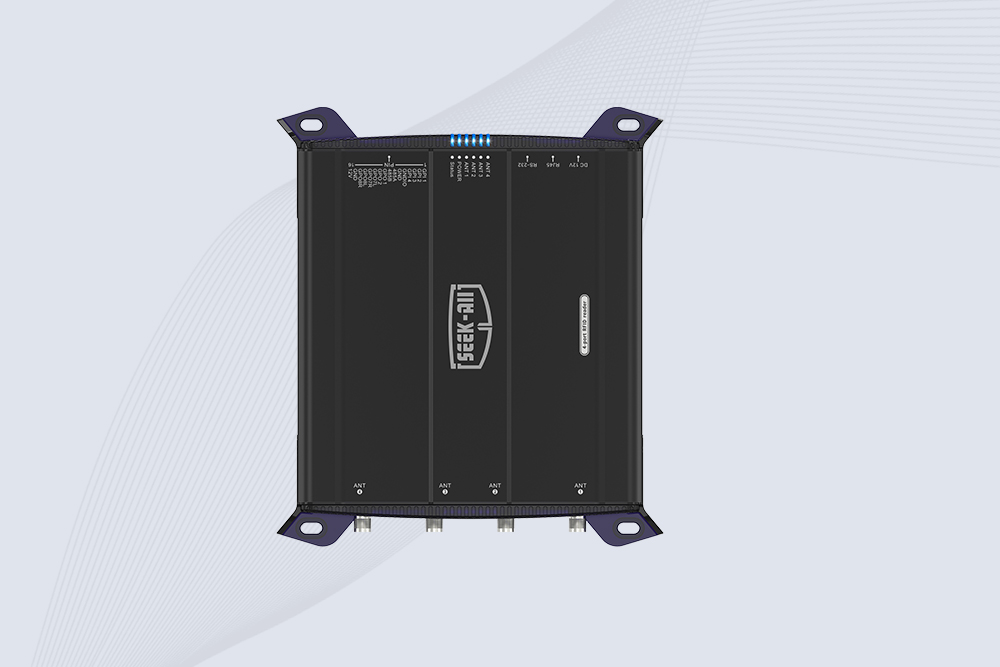
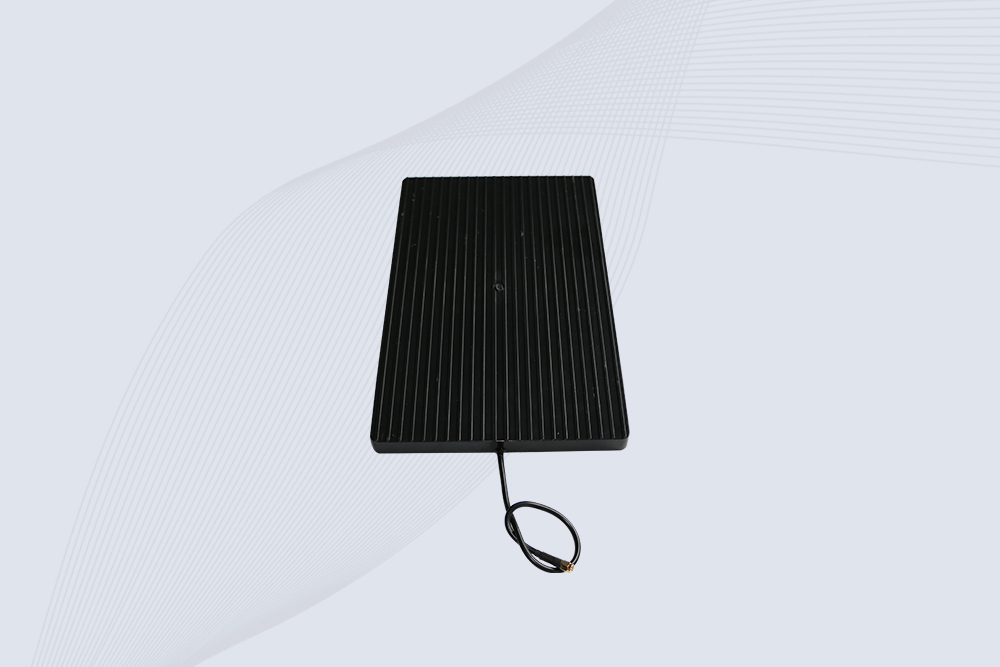
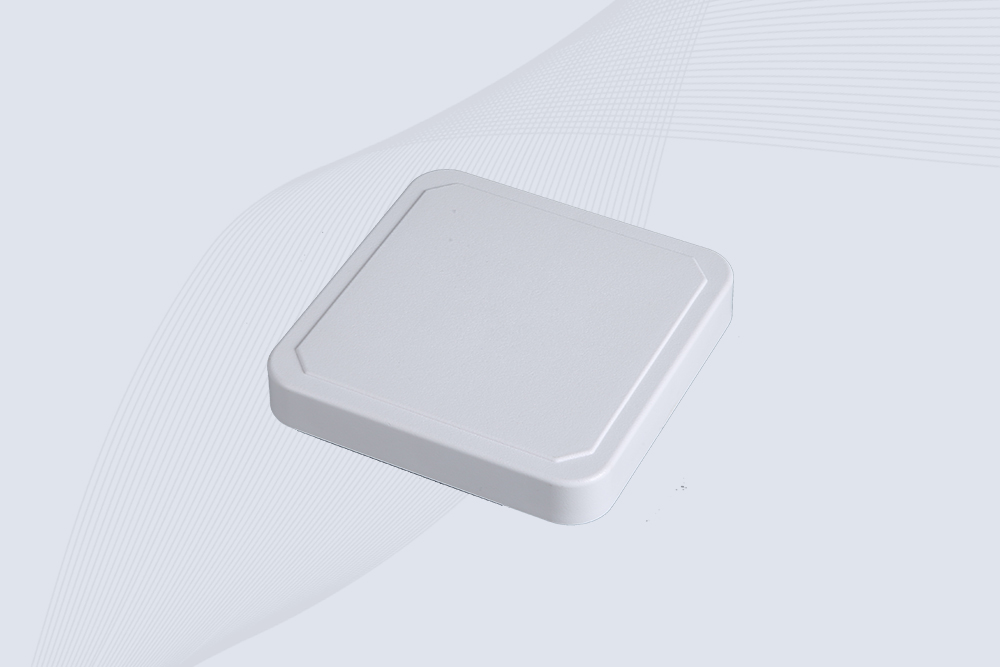
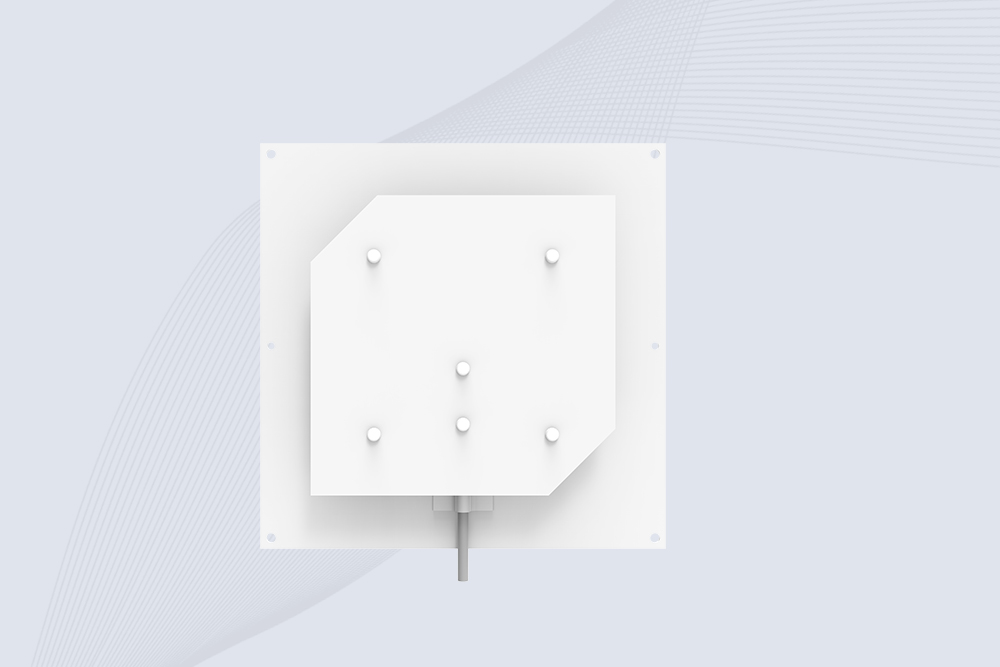
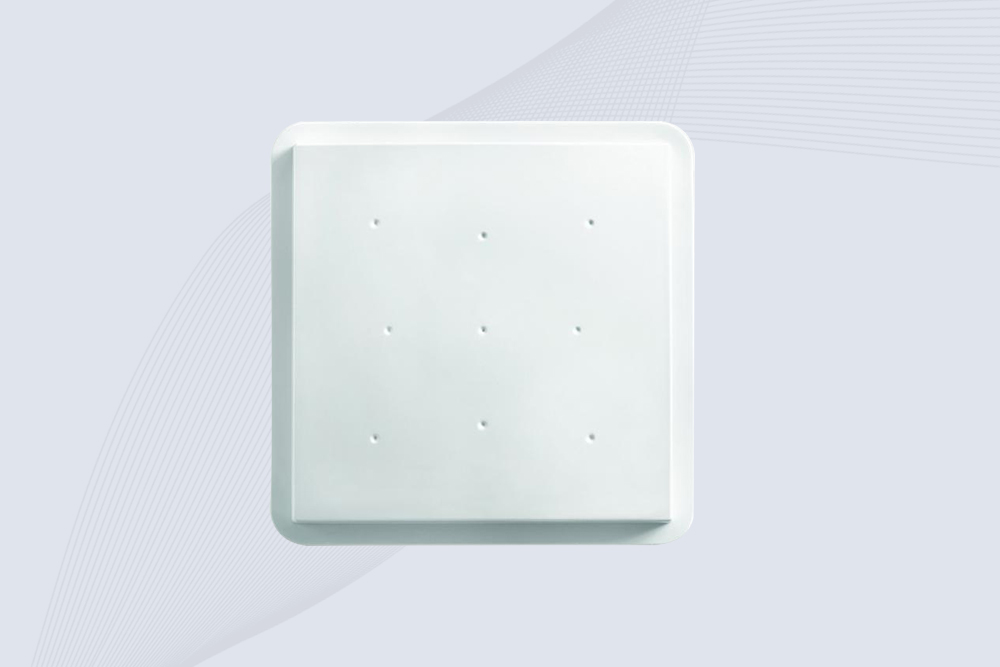
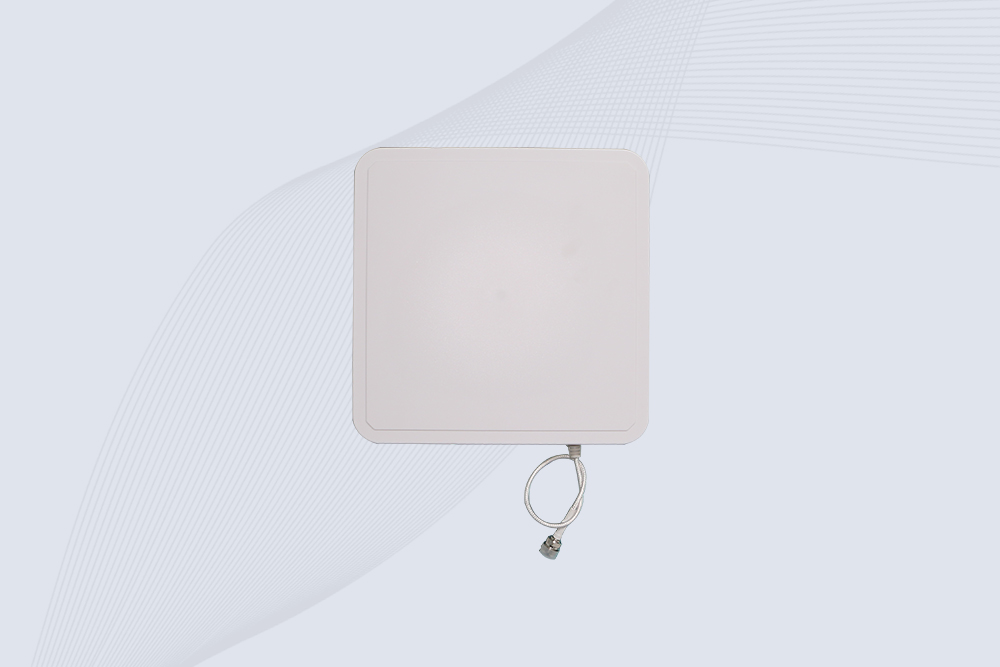
Cykeo provides different UHF RFID antenna options and fixed readers with multiple antenna ports for industrial applications. (Cykeo RFID Antennas)
For a warehouse project, I would rather see the customer provide a simple drawing of the gate than just send the sentence:
“We need a long-range RFID reader.”
The drawing tells much more.
What Kind of Inventory Are You Tracking?
The inventory itself can change the reader recommendation.
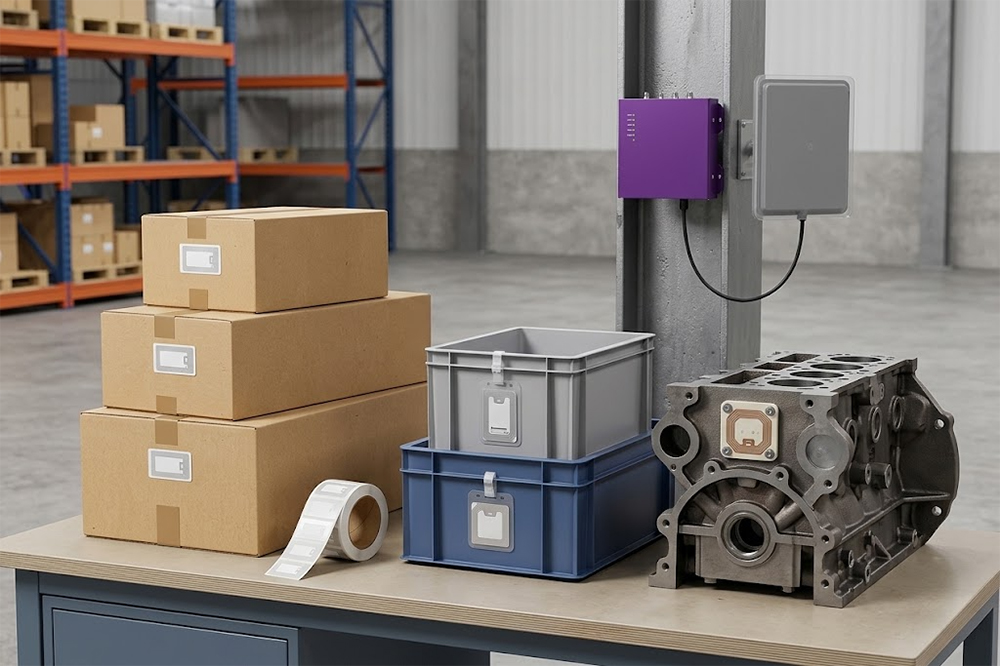
Cardboard Boxes
Usually relatively straightforward for UHF RFID.
Plastic Containers
Often suitable for standard UHF tags, although the exact tag still matters.
Metal Equipment
More complicated.
A normal UHF tag may perform poorly when attached directly to metal. An on-metal RFID tag may be needed.
Liquid Products
Liquids can affect UHF RFID performance, so tag selection and placement become more important.
Mixed Inventory
This is probably the trickiest situation.
One warehouse may have cartons, metal tools, plastic bins and liquid products all stored in the same area.
In that case, using one universal RFID tag may not be the best approach.
Different tag types may be required.
And that means the reader should be tested with the actual tags before bulk purchasing.
How Many Tags Need to Be Read?
Another important question is tag density.
There is a big difference between:
One tag on one pallet
and
100 tagged cartons packed together.
UHF RFID readers can identify multiple tags using anti-collision technology, but the real-world result depends on reader settings, tag placement, tag density and the physical environment.
A warehouse with a few widely spaced pallets is relatively easy.
A densely packed staging area can be much more complicated.
This matters because a reader that performs perfectly during a one-tag test may behave differently when dozens of tags are present.
For B2B projects, the test should reproduce the customer’s real inventory as closely as possible.
Inventory Accuracy Depends on Software Too
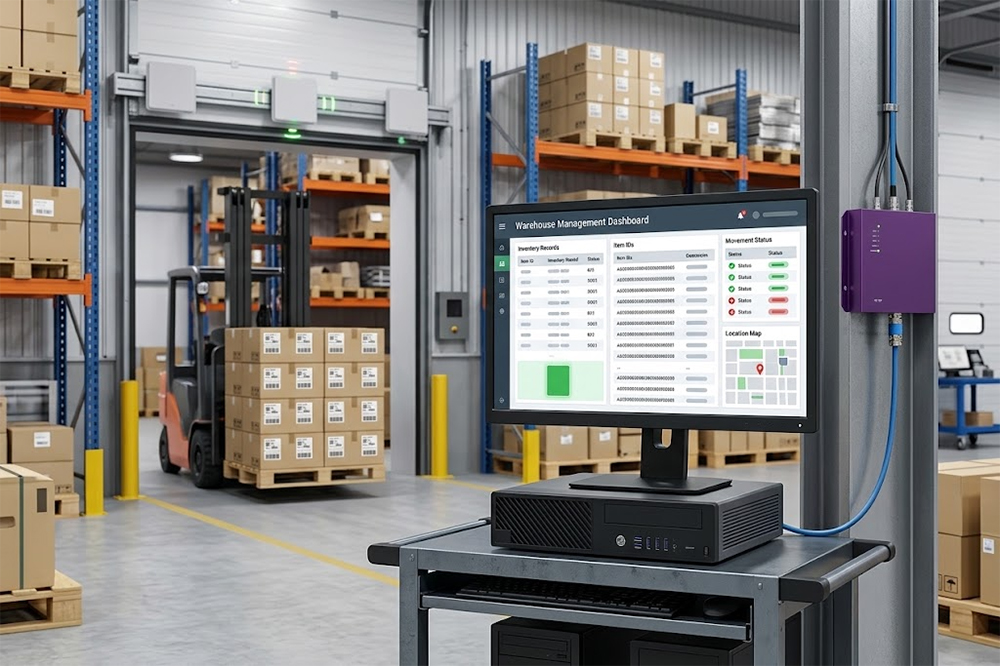
RFID hardware collects tag IDs.
It does not automatically understand the warehouse.
Suppose a reader detects:
Tag A123
Tag A124
Tag A125
Tag A126
The warehouse system needs to know what those tags represent.
Maybe A123 is a pallet of electronic components.
Maybe A124 is a shipment waiting for dispatch.
Maybe A125 should not be in that area at all.
The RFID reader provides the raw identification data.
The WMS, ERP or custom software interprets it.
This is why software integration should be discussed before the hardware is purchased.
Cykeo supports RFID integration through APIs, SDKs and related software tools, which can be important for system integrators connecting readers to existing warehouse systems. (Cykeo RFID Readers)
A Warehouse Example
Consider a 3PL warehouse handling consumer products.
The customer wants to know when pallets enter and leave the building.
At first, they ask for handheld RFID readers because employees already use handheld scanners.
After looking at the workflow, however, there is a better option.
Install fixed readers at the main inbound and outbound gates.
Then give employees handheld readers for cycle counting and exception handling.
Now the system has two layers.
Automatic tracking at the gates.
Manual verification where necessary.
This approach is often more practical than trying to force one type of reader to handle every task.
It also gives the customer a clearer upgrade path if warehouse automation expands later.
What About Small Warehouse?
A smaller operation does not necessarily need fixed readers.
If an employee walks through the warehouse once a day to check inventory, a handheld RFID reader might be enough.
The worker can move along the shelves and collect tag information without scanning every item individually.
For a desk-based operation, a USB RFID reader could also make sense.
The point is that RFID should solve a workflow problem.
If the existing inventory process takes ten minutes and RFID saves two minutes, the return may not justify a complex installation.
But if employees spend several hours every week counting inventory, the calculation starts to look very different.
Don’t Forget the Reading Zone
A warehouse reader should ideally know where it is supposed to read.
This sounds obvious, but it is one of the most common practical issues.
Suppose a fixed reader is installed beside a warehouse aisle.
The customer wants to read pallets entering that aisle.
But there are also tagged pallets sitting 6 meters away.
If the RF coverage is too broad, the reader may detect both.
The software now receives tag information that does not necessarily represent the movement event.
This is why antenna direction, output power, reader placement and software filtering often need to work together.
Sometimes reducing the reading distance actually improves the system.
That may sound strange when the customer originally asked for “long range,” but it happens.
What Should You Ask an RFID Reader Manufacturer?
For a wholesale or project quotation, provide as much of the following as possible:
Application: Inventory, receiving, shipping, asset tracking, etc.
Movement: Stationary, walking, conveyor, forklift or vehicle.
Antenna: Required quantity and mounting location.
Software: WMS, ERP, MES or custom system.
Quantity: Sample, pilot order or bulk purchase.
Customization: OEM label, enclosure, firmware or connector requirements.
A supplier can make a much better recommendation from this information than from a simple request for a “powerful RFID reader.”
Testing Before a Bulk Order
For a warehouse project, a sample test is usually worth the effort.
Take the actual RFID tag.
Use the proposed antenna.
Install it approximately where the final system will go.
Then reproduce the real workflow.
Move the pallet.
Rotate the carton.
Add more tags.
Run the forklift through the gate.
Try the worst-case position.
This is where small problems show up.
A tag that reads perfectly when held directly toward the antenna may become unreliable when attached to the back of a pallet.
A reader that works well with ten tags may need different settings when there are fifty.
That is normal RFID engineering, not necessarily a product defect.
For distributors and integrators, testing also makes it easier to give customers realistic expectations before a larger purchase.
Choosing RFID Reader for Warehouse Inventory
There is no single reader that fits every warehouse.
A small stockroom may need a handheld or USB reader.
A busy loading gate may need a fixed multi-port UHF reader.
A large industrial site may require fixed readers, directional antennas, handheld devices and software integration working together.
The useful starting point is the workflow.
Where are the items?
How do they move?
How many tags are present?
Where should the reader detect them?
Once those questions are answered, selecting the reader becomes much less complicated.
For buyers looking for RFID hardware for warehouse inventory, you can review the full Cykeo RFID reader product range and provide the project details when requesting a quotation.
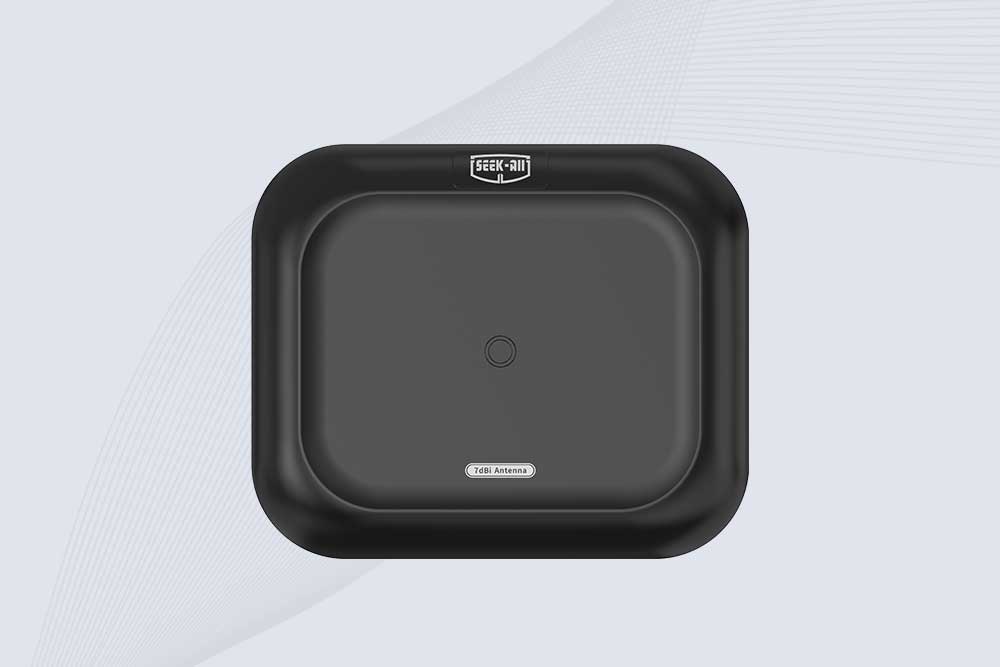
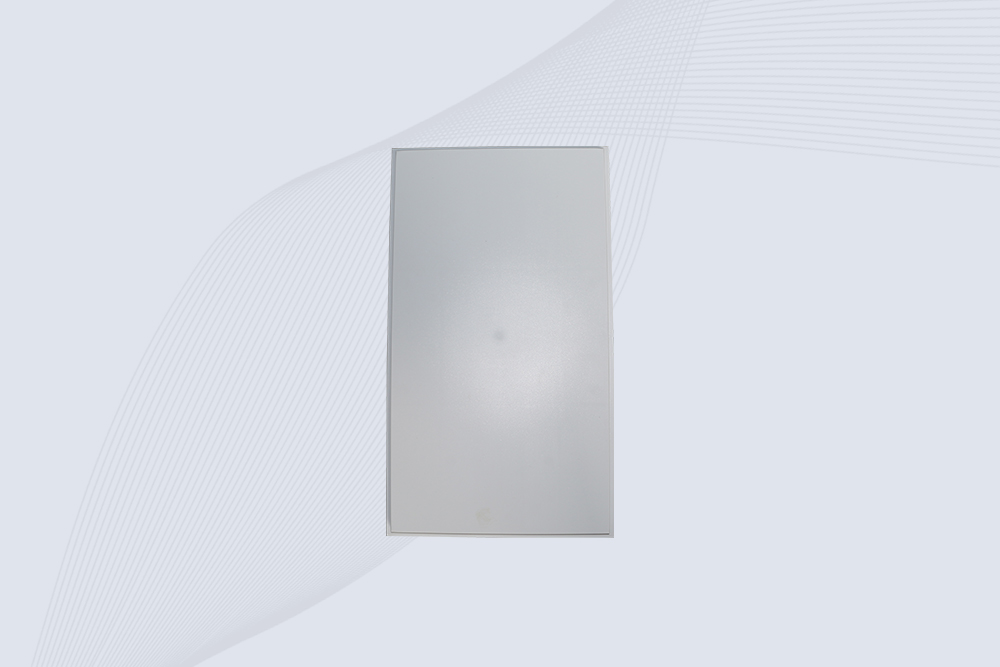
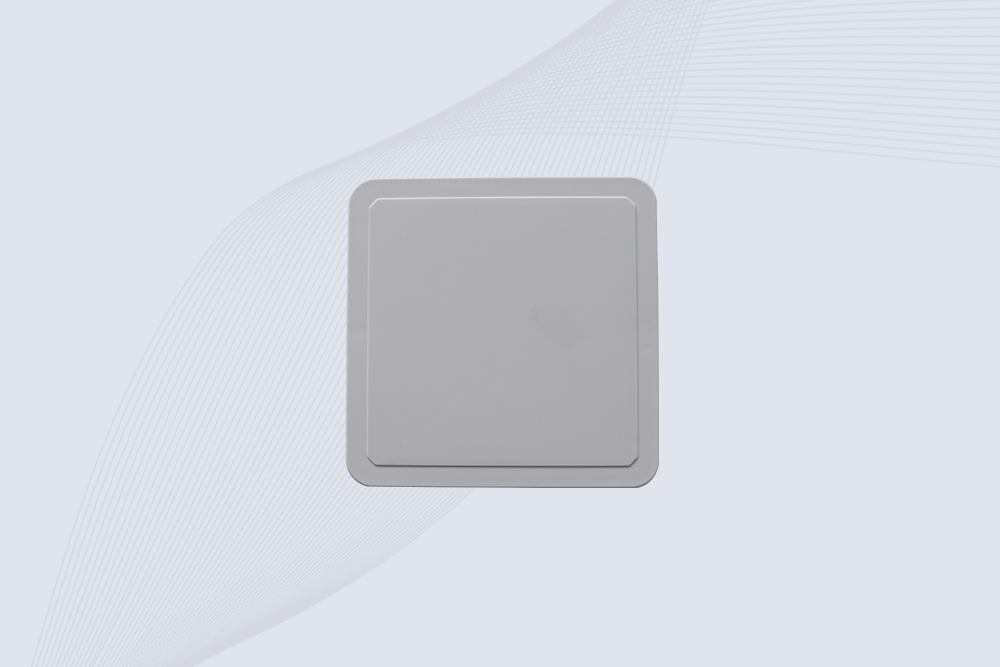
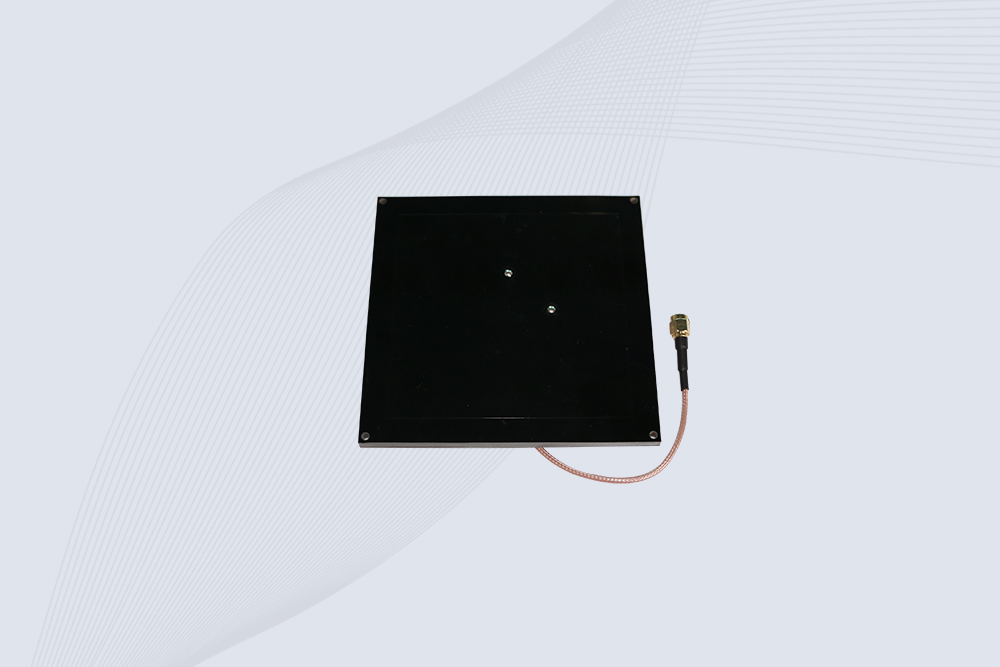
Explore the SSD-A07 UHF RFID antenna with 7 dBi gain, circular polarization, adjustable 840–960 MHz frequency, and 60°/75° beamwidth for stable RFID read/write performance.
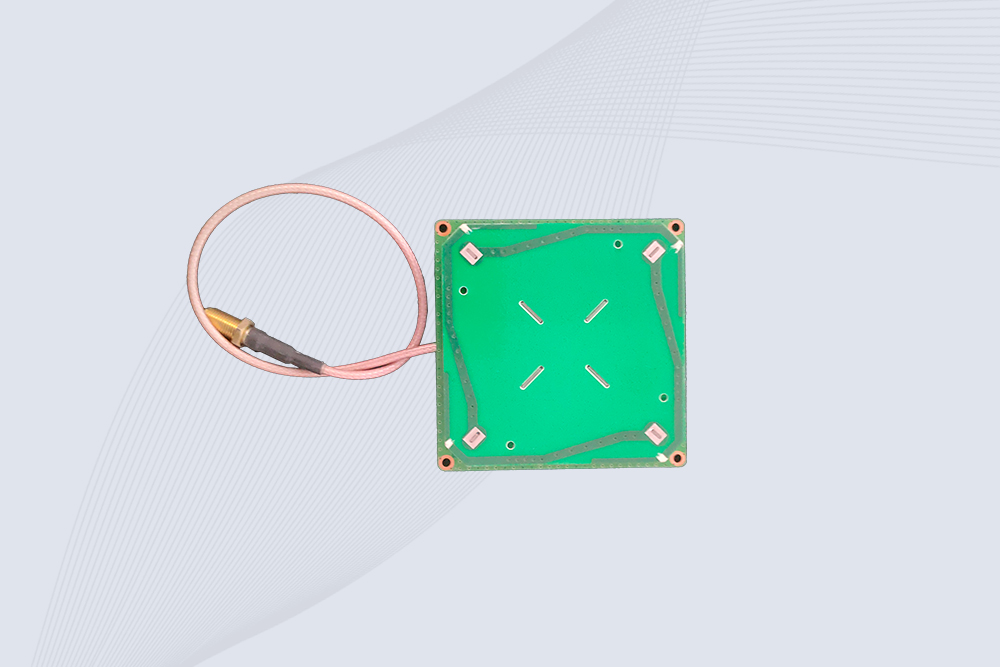
SSD-A06 UHF RFID antenna with circular polarization, adjustable 840–960 MHz frequency, ≥4.5 dBi gain, and a compact directional design for RFID systems.
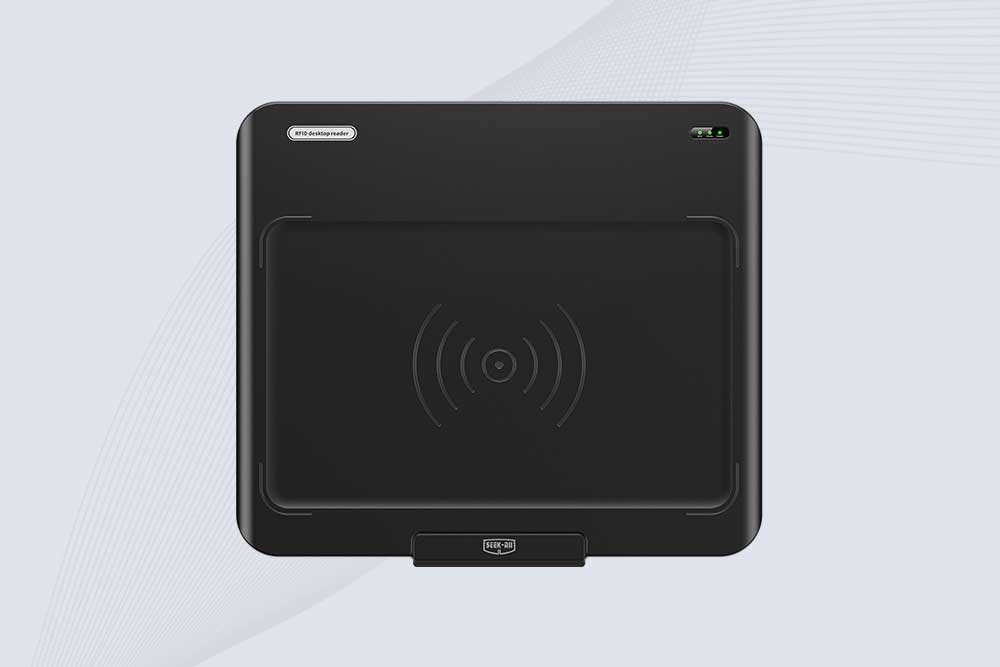
SSD-D3AL is a USB-HID UHF RFID reader with 0–30 cm reading, 0–15 cm writing, over 600 tags/s recognition, USB plug-and-play operation and OEM Logo customization.
SSD-D1AL is a compact USB UHF RFID reader with Impinj E710/X3M1 chipset, USB-HID, 600+ tags/s recognition, 4/8/16 antenna support and plug-and-play USB power.
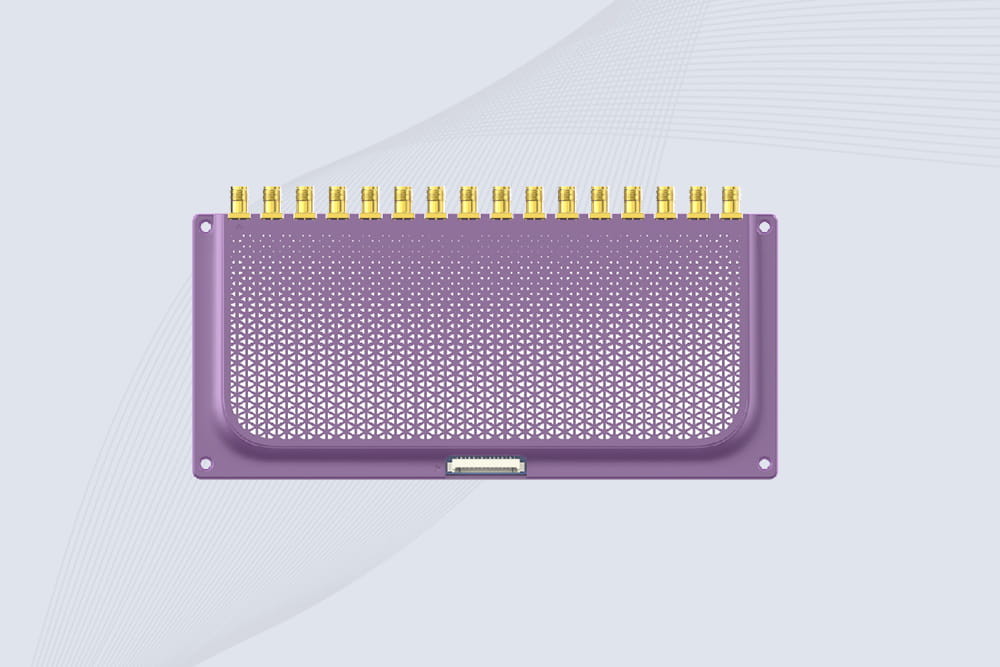
SSD-R16L Multi-Channel RFID Infrastructure for Automated Inventory Management ✔️ 16-Port High-Density RFID Reading Equipped with 16 SMA antenna ports, SSD-R16L supports multi-antenna deployment for warehouses, retail stores, logistics, production lines, and large-area RFID identification. ✔️ High-Speed & Long-Range Performance With up to 33…
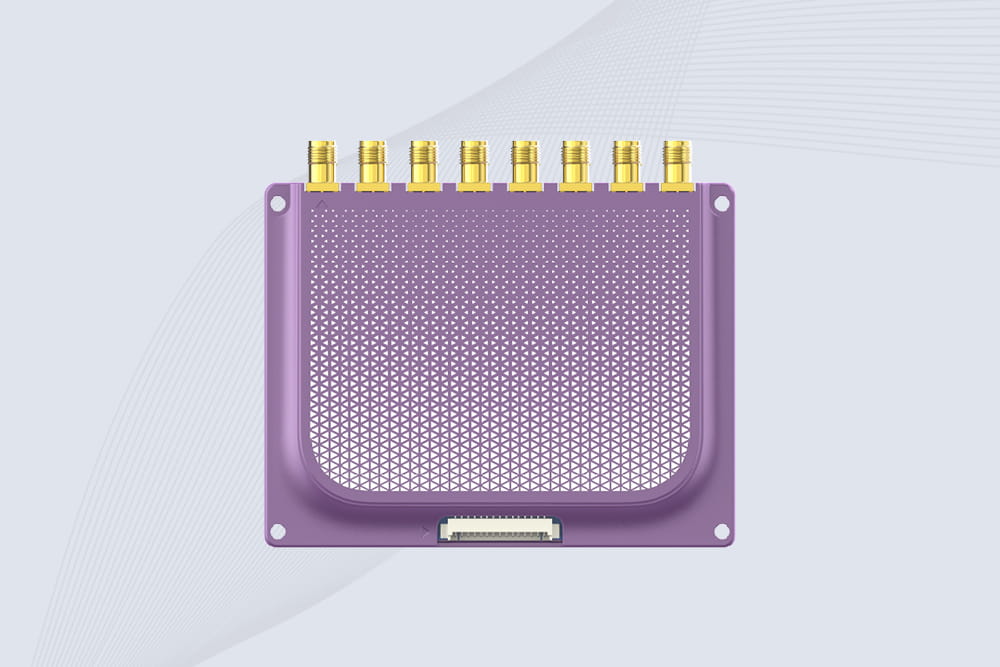
SSD-R8L 8-port UHF RFID reader with 33dBm output, up to 20m reading range and 600+ tags/s recognition. Ideal for warehouse, logistics, retail and asset tracking.
CYKEO CYKEO-D1LA USB RFID Reader is a compact desktop solution with near-field control for precise tag reading and encoding. Powered by USB, supporting ISO 18000-6C, and built for stable batch writing, this usb rfid tag reader fits retail, libraries, offices, and controlled RFID encoding tasks.
CYKEO CYKEO-D1L RFID scanner USB is a compact desktop UHF RFID scanner designed for short-range tag writing and verification. This usb rfid scanner supports batch encoding, stable 0–26 dBm output, and works across Windows, Linux, and Android systems.
CYKEO CYKEO-D1C USB RFID Card Reader is a near-field UHF desktop writer designed for secure, short-range tag encoding. With USB-C connectivity and stable 26 dBm output, this rfid reader usb c is ideal for badge issuance, label encoding, and controlled desktop RFID workflows.
CYKEO CYKEO-D2L RFID Reader USB is a compact desktop encoder built on the Impinj R500 chip. With near-field control and stable USB power, this usb rfid card reader delivers precise tag writing for offices, retail counters, and small-scale logistics encoding tasks.
CYKEO CYKEO-D3L USB RFID Tag Reader delivers stable UHF tag reading and writing for daily desktop and light industrial tasks. Designed for controlled short-range operation, this USB RFID Tag Reader works reliably with rfid tag and reader systems in libraries, tool tracking, and inventory registration.
The CYKEO CYKEO-D4L UHF RFID Tag Reader is a stable Desktop RFID Reader designed for accurate tag registration, borrowing, and return workflows. Built with the Impinj R2000 chip, this UHF RFID Tag Reader delivers controlled short-range reads for libraries, asset tracking, and inventory management environments.
The CYKEO CYKEO-D5L Desktop RFID Card Reader is a stable UHF RFID Card Reader designed for controlled short-range reading and writing. Built for libraries, tool rooms, and asset desks, this UHF RFID Card Reader supports dense tag handling, secure data processing, and easy USB integration.
The CYKEO CYKEO-D6L RFID Reader Writer is a heavy-duty Desktop RFID Reader designed for short-range, high-accuracy tag programming. Built for libraries, labs, and asset desks, this RFID Reader Writer supports batch processing, stable 33dBm output, and seamless integration with existing management systems.
Cykeo CYKEO-D8A embedded RFID badge reader offers 30+ tags/sec scanning, 20cm anti-crosstalk precision, and DC 12V power for unmanned stores, warehouses, and smart inventory systems.
Cykeo’s CYKEO-D8C UHF RFID gate reader achieves 200-tag/batch scanning with adjustable power control, ideal for retail inventory and smart warehouse management.
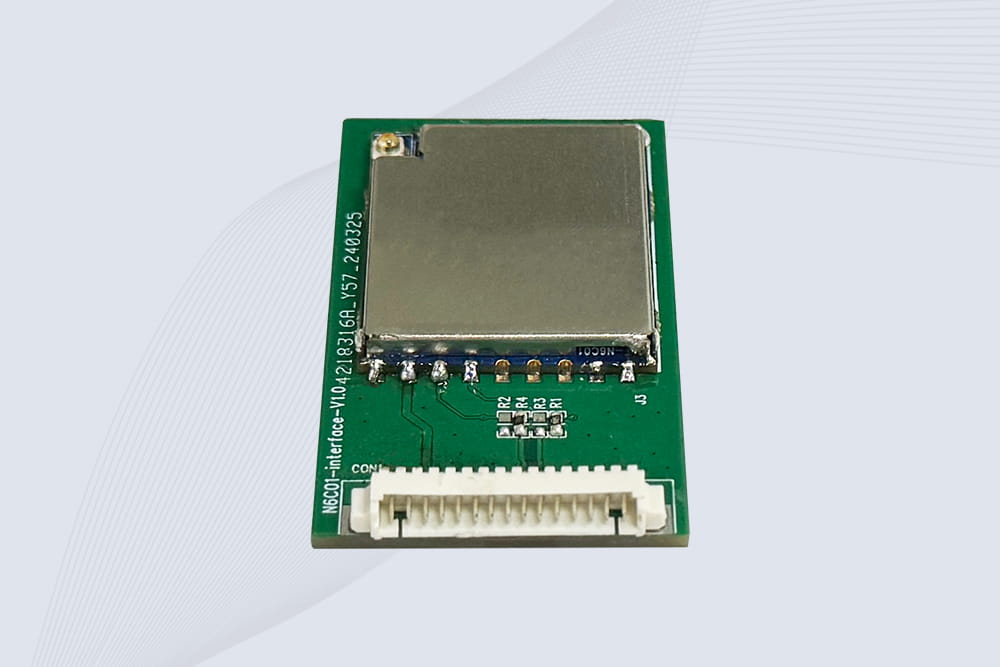
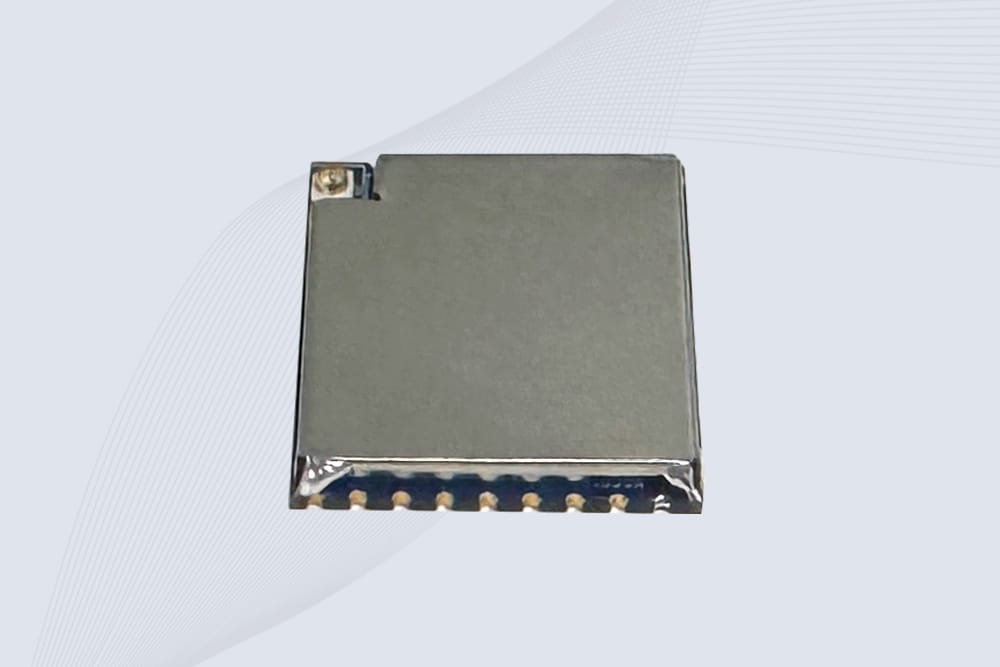
CYKEO Embedded RFID Modules are designed for compact industrial and IoT devices that require stable UHF performance. These UHF RFID Modules support global protocols, flexible power control, and reliable multi-tag reading for smart cabinets, production lines, and asset tracking systems.
CYKEO Embedded RFID Module is built for compact IoT and industrial devices that need stable UHF performance. This UHF module supports global protocols, low power operation, and reliable multi-tag reading for smart lockers, production lines, and always-on RFID systems.
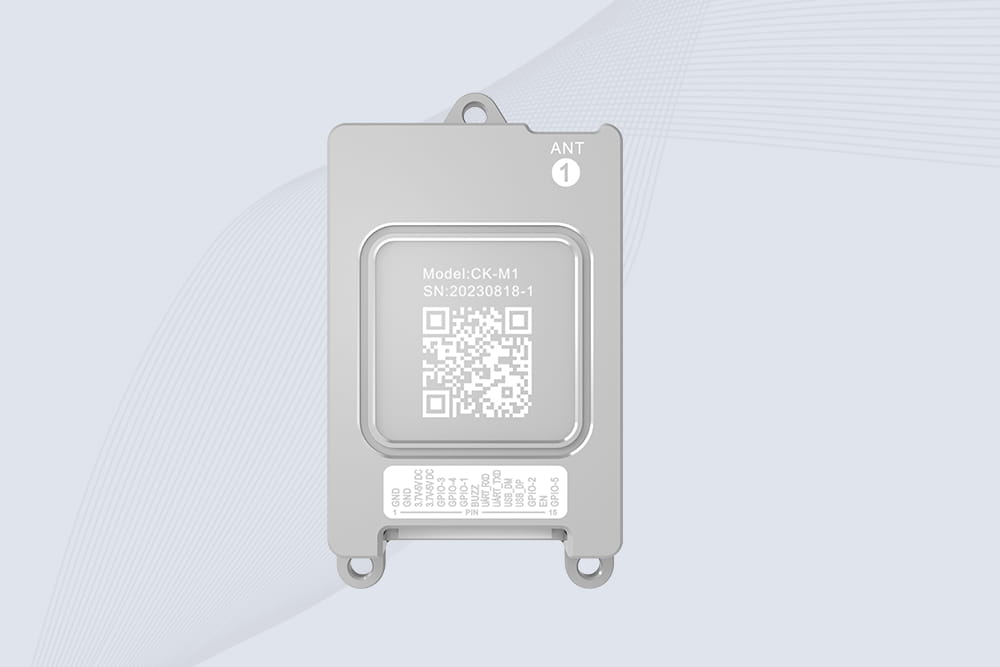
CYKEO CYKEO-M1 drone rfid module is a compact UHF RFID reader module designed for drones and UAV platforms. It supports long-range aerial scanning, fast multi-tag reading, and stable performance in wind, vibration, and outdoor environments.
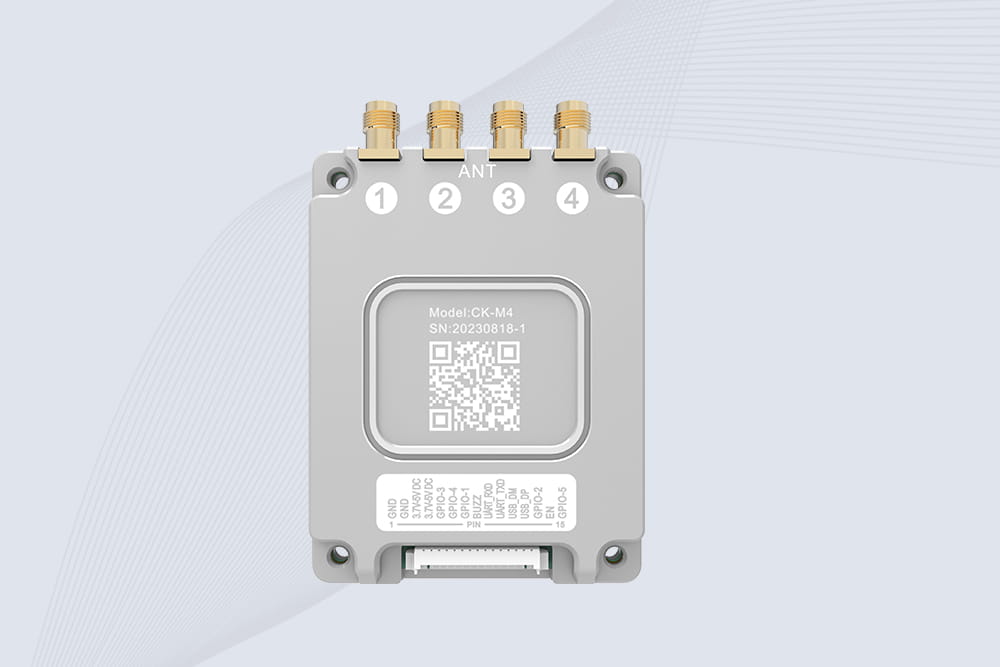
CYKEO CYKEO-M4 RC522 RFID Module is an industrial-grade UHF RFID reader with 4 ports, supporting ISO, EPC, and GB protocols. High-speed, accurate reading for IoT, automation, and warehouse applications.
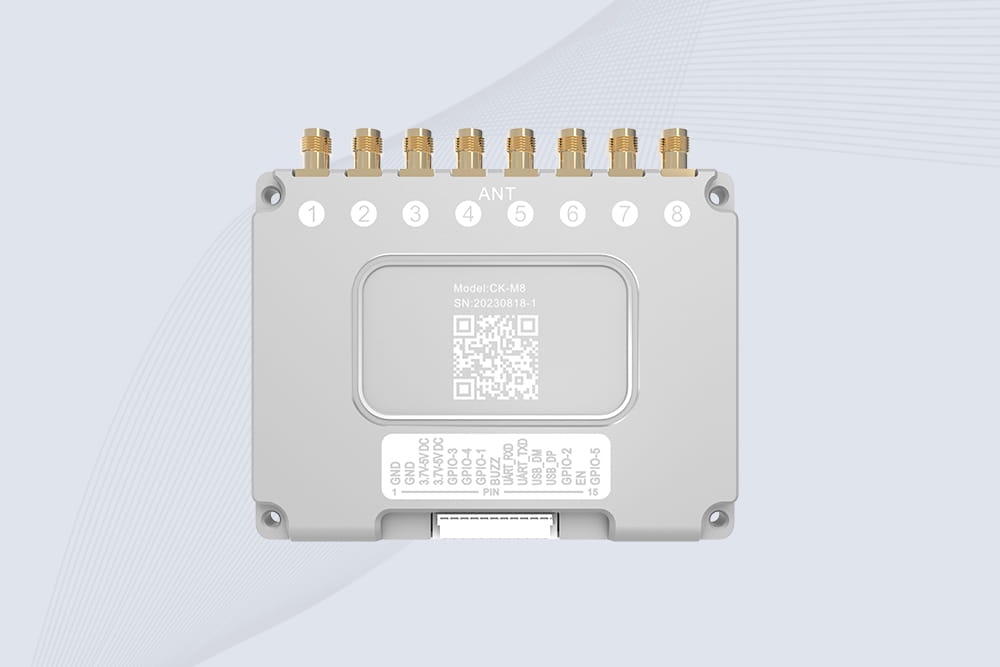
CYKEO CYKEO-M8 Module RFID is an 8-port UHF R2000 RFID Module designed for high-density, multi-tag environments. Stable 33dBm output, ISO & GB protocol support, ideal for warehouses, factories, and automated systems.
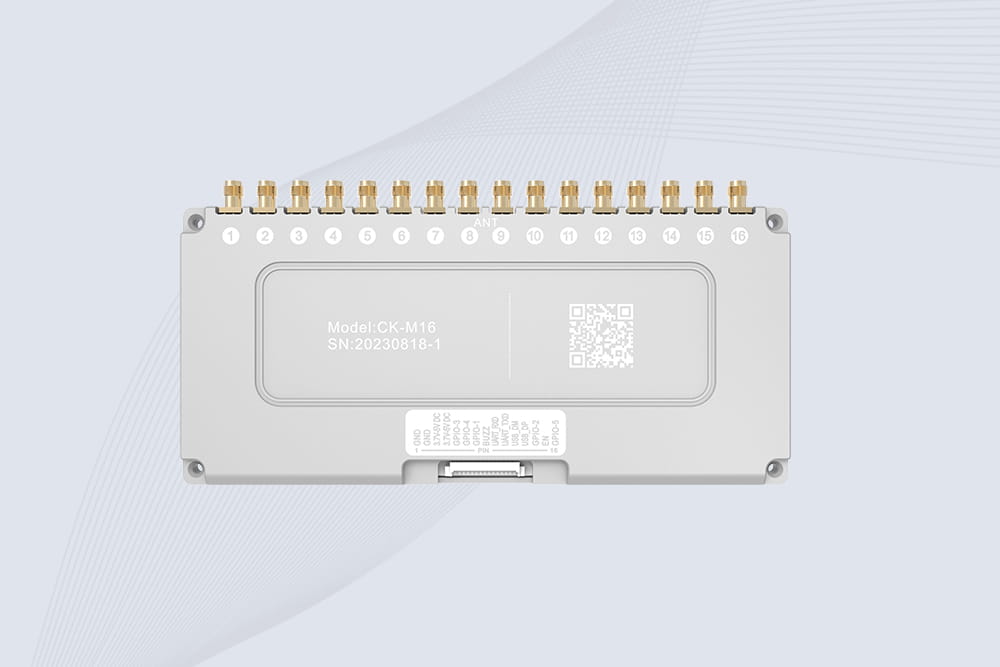
CYKEO CYKEO-M16 RFID Module is a 16-port UHF RFID reader module based on the R2000 chipset. Designed for dense tag environments, it supports ISO and GB standards and delivers stable multi-antenna control for industrial automation.
The CYKEO CYKEO-M16L RFID Reader Module is a 16-channel UHF RFID core designed for dense tag environments. With adjustable 33dBm output, multi-protocol support, and stable multi-antenna control, this RFID Tag Reader Module fits industrial automation, warehouse systems, and large-scale IoT deployments.
CYKEO CYKEO-M8L module RFID is a compact industrial UHF module built for dense tag and multi-antenna environments. With 8 RF ports, adjustable 33 dBm output, and ISO & GB protocol support, it is widely used in factories, warehouses, and automated tracking systems.
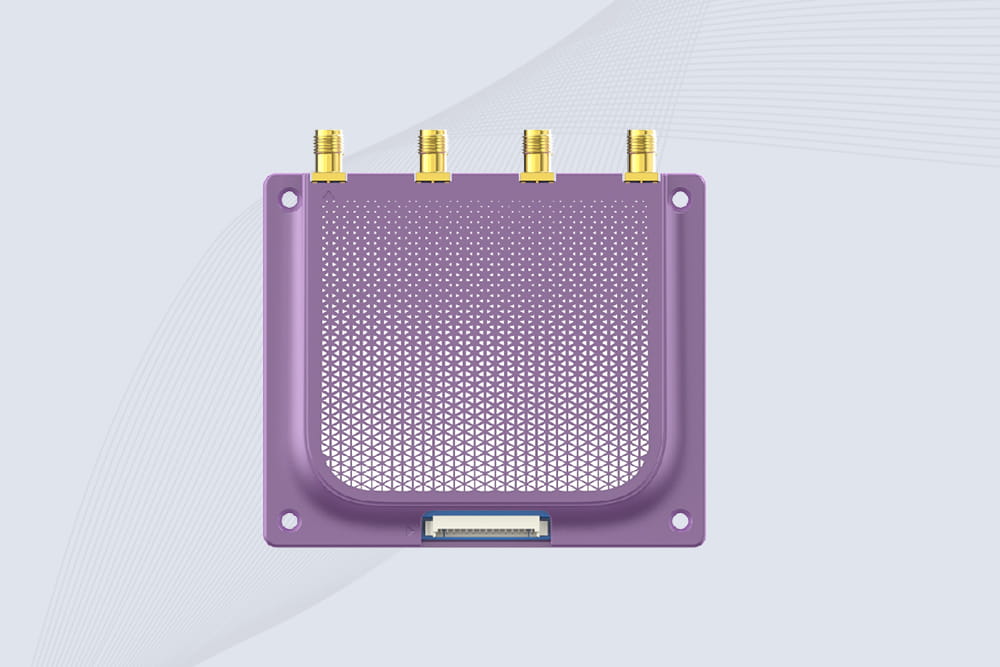
CYKEOCYKEO-M4L UHF RFID Module is a compact 4-channel RFID tag reader module designed for dense tag environments. Supporting ISO and GB protocols, it delivers stable reads up to 10 meters for industrial and IoT systems.
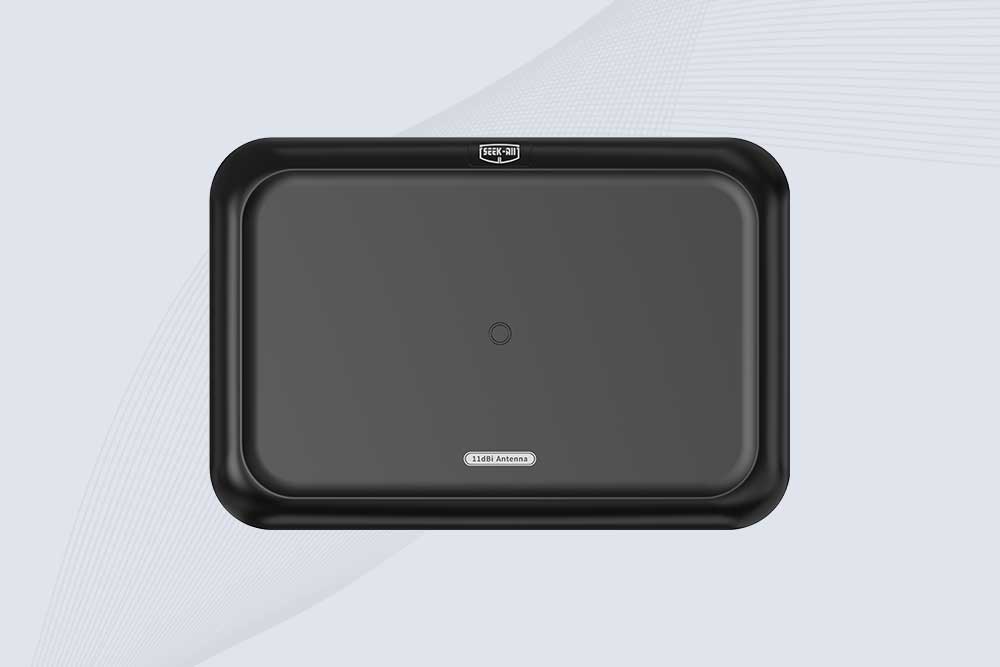
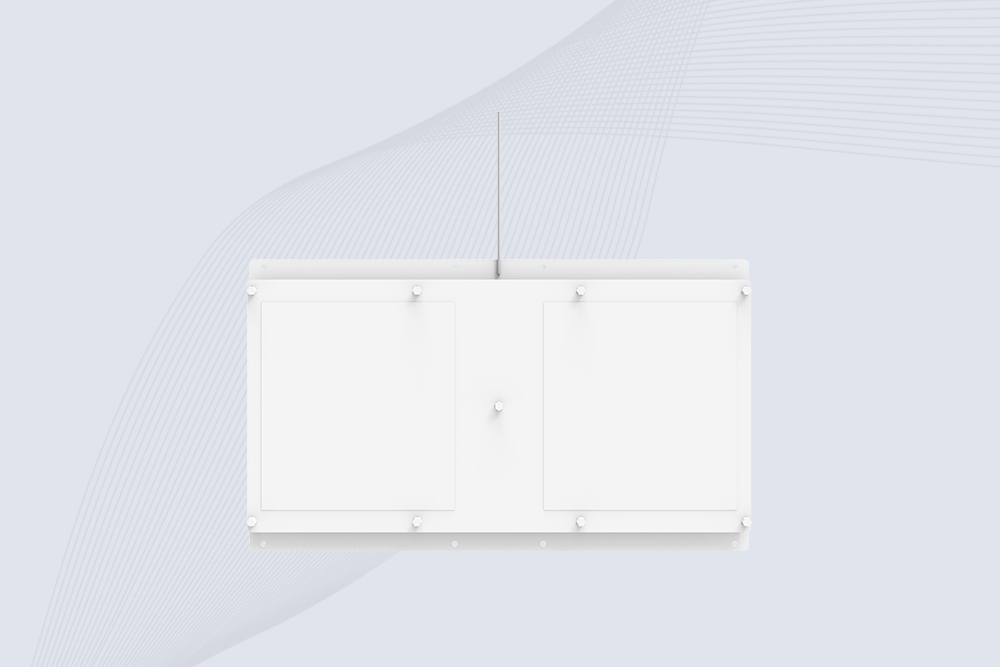
Cykeo CYKEO-A11 UHF RFID reader antenna delivers 11dBi gain, 840-960MHz frequency range, and IP65 ruggedness for retail, logistics, and industrial RFID systems. Features low VSWR and easy installation.
CYKEO Antenna RFID Reader delivers stable long-range UHF performance with a 10.5dBi directional design, built for warehouses, conveyor portals, and industrial RFID systems. This rfid reader antenna provides 20m+ read distance and rugged IP67 protection.
Cykeo CYKEO-A5B industrial Linear RFID Antenna delivers 5dBi gain, ≤1.5:1 VSWR, and IP65 rugged design for warehouse, production line, and logistics UHF systems.
Cykeo’s CYKEO-B12 Long Range RFID Antenna delivers 15m+ read range with 12dBi gain, IP65 rugged design, and global 840-960MHz UHF support. Ideal for warehouse/logistics asset tracking.
Cykeo CYKEO-B10 Long Distance RFID Antenna offers 10dBi gain, 840-960MHz frequency range, IP65 rating, and 20m+ coverage for logistics/warehousing/ETC systems. Low VSWR ensures stable signal transmission.
Cykeo CYKEO-A6 UHF RFID panel antenna features 6dBi gain, 840-960MHz broadband, IP65 metal-ready housing for logistics/smart retail. 18mm ultra-thin design with tool-free mounting.
Cykeo CK-A3 industrial antenna RFID UHF offers 5m+ tag detection, ≤1.3:1 VSWR, IP65 rugged design, and global UHF spectrum compatibility (840-960MHz) for warehouses, factories, and retail.
Cykeo CYKEO-B5 directional RFID antenna provides 5dBi gain with 60° narrow beamwidth for precise inventory tracking. IP65-rated, global UHF frequency support, and low VSWR.
Create your own high-performance DIY RFID antenna! 5dBi gain, 840-960MHz tunable, step-by-step guides. Compatible with Arduino, Raspberry Pi, and commercial UHF readers.
Cykeo CYKEO-A7 Flexible RFID Antenna features 840-960MHz wideband tuning, 7dBi gain, and IP68 rating for medical/retail/industrial curved surface deployments. 98% read accuracy with peel-and-stick installation.
Cykeo CYKEO-B5A industrial Passive RFID Antenna delivers 5dBi gain, 70° beamwidth, and -40°C~55°C operation for warehouses/smart cabinets. Compatible with Zebra/Impinj readers.
Cykeo’s CYKEO-A9B High Gain RFID Antenna delivers 15m+ read range with 9dBi amplification. Features IP54 rugged design, 840-960MHz bandwidth, and 80° beamwidth for warehouse/manufacturing RFID systems.
Cykeo’s enterprise-grade 8dbi Impinj RFID Antenna 10m+ read range with 840-960MHz tuning. Features IP65 housing, 1.4 VSWR, 35° beamwidth for retail/warehouse RFID systems.
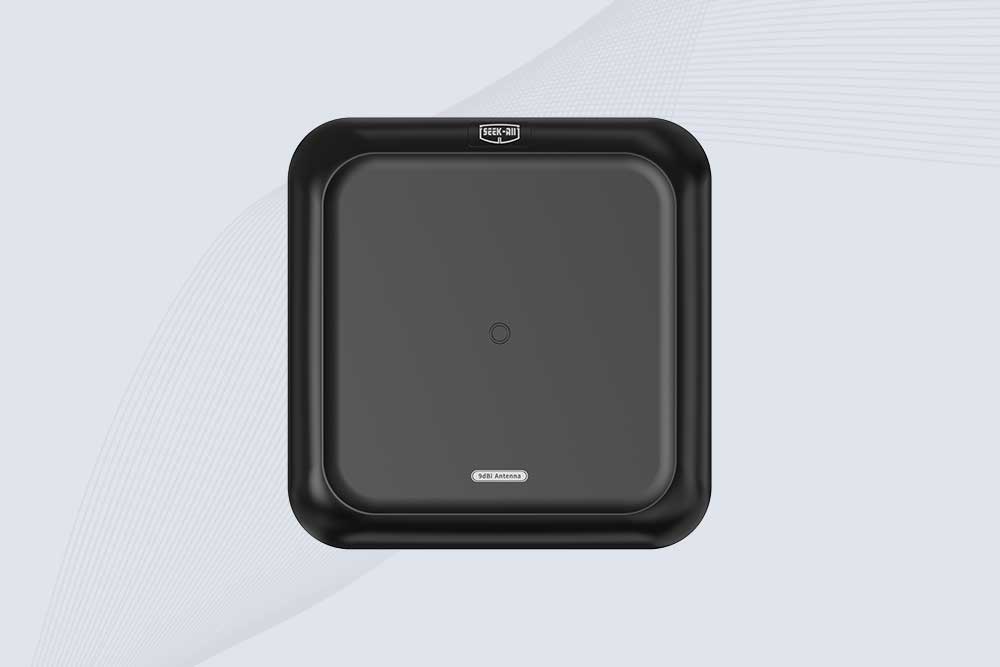
Cykeo CYKEO-A9 industrial UHF RFID antenna delivers 9dBi gain, 840-960MHz frequency range, and IP65 protection for warehouse/logistics/retail RFID systems. Features N-type connector and ≤1.3:1 VSWR.
CYKEO UHF RFID Antenna built for long-distance and industrial applications. This antenna rfid uhf delivers strong gain, outdoor durability, and reliable tag performance in warehouses, yards, and vehicle ID systems.
CYKEO Antenna RFID delivers reliable long-range UHF performance in warehouses, retail shelves, and cold-chain environments. This compact uhf rfid antenna provides stable reads with circular polarization and ultra-wide 840–960 MHz support, ideal for industrial tracking, smart shelves, and asset monitoring.
Cykeo’s CYKEO-C8 UHF RFID antennas delivers 8dBi gain, 840-960MHz full-band coverage, and IP65 ruggedness for manufacturing/warehouse RFID systems. Industrial RFID Antennas Features
Cykeo’s 8dBi UHF RFID antenna and reader kit delivers 10m+ range, 840-960MHz broadband, and IP65 ruggedness for factories, warehouses, and logistics. ISO 18000-6C & EPC Gen2 certified.
RFID Industry Writer | IoT & Asset Tracking Analyst
James writes about RFID technology, asset tracking, and the practical challenges of digital transformation across warehousing, retail, manufacturing, and logistics.
His work focuses on how RFID is applied in real-world operations—improving inventory visibility, automating workflows, and helping businesses manage assets with greater accuracy and efficiency.
He regularly covers topics including UHF RFID, smart cabinets, RFID portals, tool tracking, warehouse automation, and industrial IoT trends..
Discover how RFID scanners improve inventory efficiency, enable real-time asset tracking, and support logistics, retail, and healthcare industries. Learn how to choose the right device for your needs.
Learn how to use a long range RFID scanner in warehouse gates while reducing unwanted reads. Explore antenna placement, reader power, tag orientation, and RF...
Learn how to select the right RFID antenna for warehouse inventory systems. Compare types, range, and installation tips to optimize RFID accuracy and efficiency.
 Cykeo RFID IoT Solution Products R&D Manufacturer