 Cykeo RFID IoT Solution Products R&D Manufacturer

Where to Buy RFID Reader?
210Not sure where to buy RFID reader for your business? Learn about your key purchasing options, what to consider, and why CYKEO direct support matters.
MoreAll RFID Product
“How many meters can it read?”
This is probably one of the first questions an RFID supplier hears.
And honestly, it is a fair question.
If you are buying an RFID reader for a warehouse, vehicle gate, production line, or asset tracking project, you need some idea of the working distance.
The problem is that RFID range is not really one fixed number.
A product specification might say 10 meters, 15 meters, or even 20 meters. But the number you get in a warehouse may be quite different.
Cykeo itself points out that practical RFID reading distance depends on factors such as antenna gain, tag type, installation height and the surrounding environment.
I would look at it this way:
Maximum range is interesting. Stable range is what matters.
That difference becomes very obvious once an RFID reader leaves the test bench and enters a real warehouse.
Before looking at RFID reading distance, it helps to understand what actually happens between the reader, antenna and RFID tag. If you are new to the technology, our guide explains how an RFID reader works and how the different components work together.
A common mistake is to compare RFID readers as if the reader alone creates the reading distance.
It does not.
An RFID system normally involves at least:
Reader + Antenna + RFID Tag + Environment
Change any one of these, and the result can change.
For example, Cykeo’s long-range reader family includes models paired with different antenna gains, while its antenna portfolio includes directional and higher-gain options intended for warehouse and industrial applications.
So if one customer gets 15 meters and another only gets 8 meters from a similar setup, that does not automatically mean one reader is defective.
The installations may simply be different.
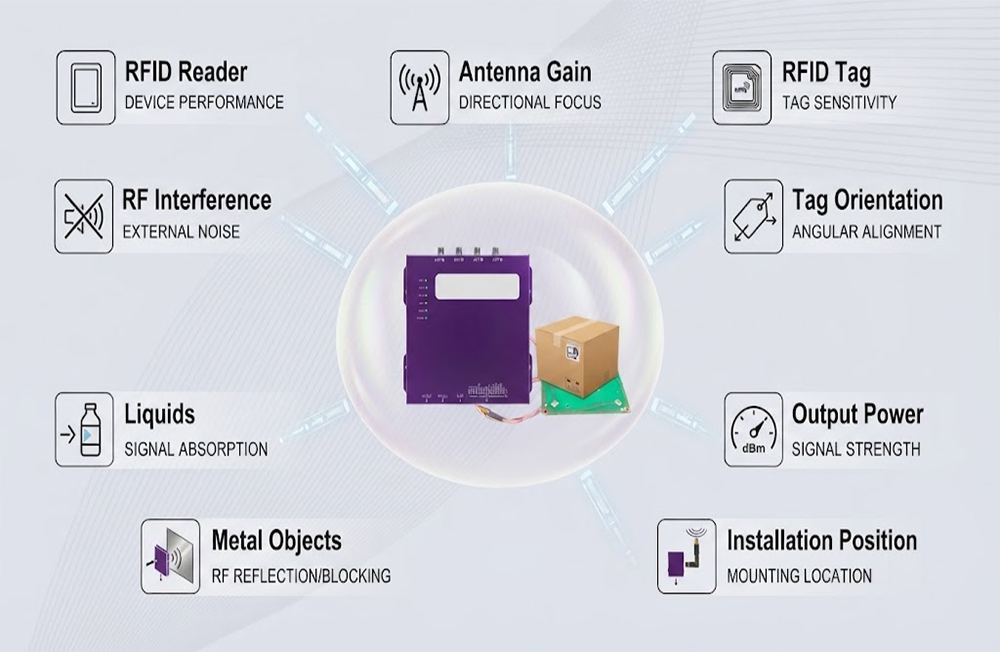
Before talking about antennas and power, you need to know what kind of RFID technology is being used.
LF, HF and UHF RFID do not have the same typical reading distances.
For many industrial inventory and logistics applications, passive UHF RFID is popular because it can provide reading distances of several meters and can identify multiple tags without direct line-of-sight scanning.
HF RFID is normally used for much shorter distances, such as access cards, library systems, payment-related applications and close-range identification.
So when someone asks:
“Can your RFID reader read 20 meters?”
The first response should really be:
Which RFID frequency and which tag?
Otherwise, the question is too broad.
This is probably the most important point for long-range RFID projects.
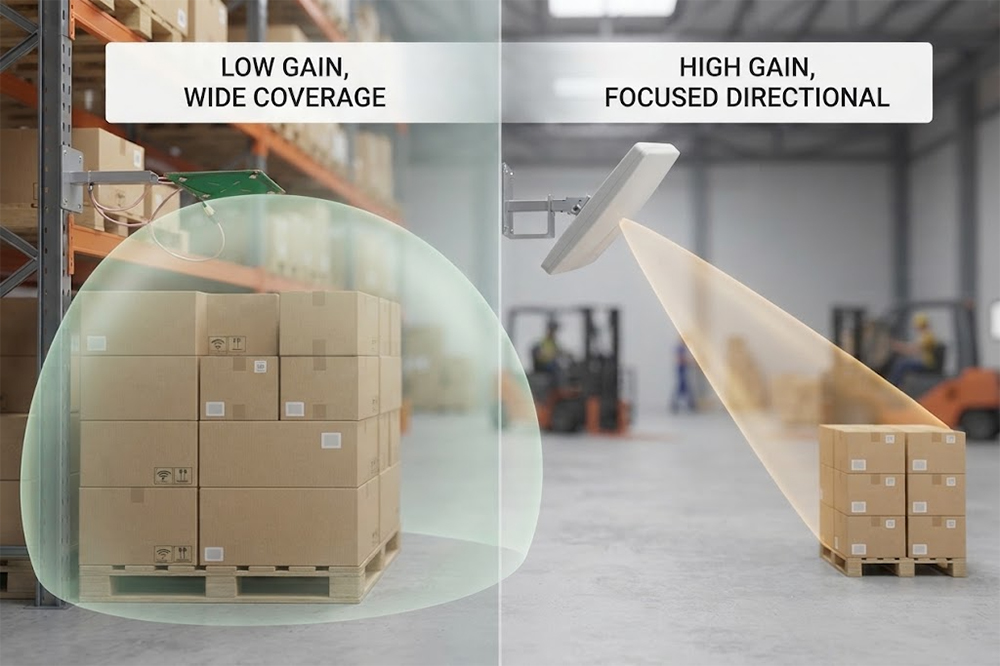
The antenna determines how the RF energy is distributed.
A higher-gain directional antenna can concentrate energy into a more controlled area. That can be useful when the customer wants to read tags across a warehouse entrance or along a vehicle lane.
Cykeo offers UHF RFID antennas with different gain levels, including 5 dBi, 9 dBi, 10 dBi and 12 dBi options, depending on the model and application.
But higher gain does not simply mean:
“More gain = always better.”
A narrow reading zone can be great for a vehicle gate.
It may be a bad choice for a wide inventory area where tags can appear from different directions.
I have seen this misunderstanding quite often in RFID discussions. Buyers sometimes focus on the biggest antenna number instead of asking where they actually want the RF energy to go.
That is backwards.
Start with the reading zone.
Then choose the antenna.
Two tags sitting in the same location can behave very differently.
Why?
Because RFID tags are not identical.
The antenna design inside the tag, its size, the chip, the material it is attached to, and the object itself all influence performance.
A tag stuck onto a cardboard carton may perform quite well.
Put a similar tag directly onto a metal machine and the result may change dramatically.
This is why industrial projects often need tags designed specifically for metal or other difficult materials.
For a warehouse project, I would always ask:
These questions can be more useful than simply asking for the reader’s maximum range.
RFID readers normally allow RF output power to be adjusted within their supported range.
Higher output can help extend the reading zone, but it is not a magic solution.
More power can also increase unwanted reads.
Imagine a warehouse where you only want to identify pallets passing through Door A.
If the reader is powerful enough to detect tags 20 meters away, it might also detect products sitting near Door B.
Now you have a different problem.
The customer may complain about “RFID misreads,” when the actual issue is that the reading zone is too wide.
This is one reason I prefer the idea of a controlled reading zone instead of simply chasing maximum distance.
Some Cykeo long-range models provide adjustable RF power and adjustable reading distance, allowing integrators to tune the system according to the application.
RFID tags do not always perform equally well from every angle.
Suppose a forklift is carrying a pallet.
The tag might face the antenna directly on one trip.
On the next trip, the pallet could be rotated slightly.
The distance has not changed.
The reader has not changed.
But the read result might.
This is why antenna polarization and tag orientation need to be considered together.
For a fixed installation, it is worth watching how the tagged objects actually move rather than testing with a perfectly positioned tag.
A five-minute real-world observation can sometimes tell you more than another page of specifications.
RFID installation becomes more interesting when metal and liquids enter the picture.
Metal can reflect or interfere with RF signals. Liquids can also affect UHF RFID performance.
And warehouses are full of both.
Metal racks.
Steel structures.
Forklifts.
Machinery.
Liquid containers.
Industrial equipment.
So a reader that performs very well in an open test area may behave differently after installation.
This is why industrial RFID projects should be tested in the actual environment whenever possible.
Cykeo’s own RFID range guidance emphasizes that real-world performance can change because of metal structures, tag density, movement and other environmental conditions.
Let’s say a customer needs to cover a warehouse doorway.
They have a long-range reader.
They have a high-gain antenna.
But the antenna is mounted too high.
Or it is pointing at the wrong angle.
Or the forklift passes through a different part of the doorway each time.
Suddenly the “20-meter RFID reader” does not look very impressive.
The hardware may be completely fine.
The installation is the problem.
Antenna height, angle, distance from the tags, and the width of the target area all need to be considered.
For larger systems, several antennas may be used to create better coverage.
This is particularly relevant with fixed RFID readers that support multiple antenna ports.
This distinction deserves its own section.
Let’s say an RFID reader successfully detects a tag once at 18 meters.
Does that mean the working range is 18 meters?
I would say not necessarily.
What happens at 18 meters when:
A useful RFID reading zone should be repeatable.
Cykeo’s discussion of RFID distance measurement makes the same practical distinction: usable distance should be based on reliable repeated detection rather than one successful read at the maximum point.
For system integrators, this is a much better way to discuss range with customers.
Don’t promise a number simply because the specification sheet contains it.
Define the conditions.
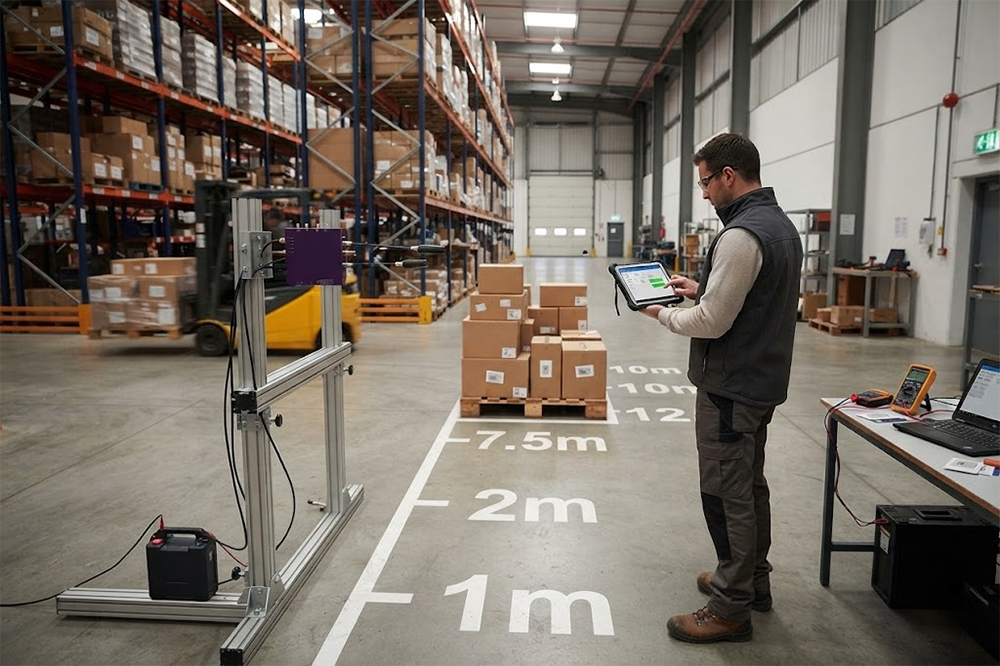
Imagine a logistics warehouse with a 6-meter-wide loading gate.
The customer wants to identify tagged pallets as forklifts pass through.
The initial request might be:
“We need a 15-meter RFID reader.”
That is not enough information yet.
I would want to know:
Tag: What tag is being used?
Position: Where is it attached to the pallet?
Movement: How fast does the forklift move?
Gate: How wide and high is the opening?
Environment: How much metal is nearby?
Antenna: One side, both sides, overhead?
Tags: One tag per pallet or multiple tags?
Software: How should the reader report each movement event?
Once these details are clear, the reader and antenna configuration becomes much easier to select.
That is also why B2B RFID suppliers often need application information before giving a serious recommendation.
If you are planning a wholesale project, I would strongly recommend testing before ordering a large quantity.
Keep the test simple.
Do not move them halfway through the test.
Testing with a different tag can give misleading results.
For example:
5 m → 8 m → 10 m → 12 m → 15 m
Do not keep the tag perfectly aligned every time.
If the final application involves forklifts or vehicles, test them.
If the customer will have 30 or 50 tags in the reading area, test something close to that.
Do not record only the longest successful read.
This kind of field testing gives a much more useful picture of the actual RFID reader range. Cykeo also recommends structured field testing rather than relying on random scans or maximum-distance claims.
For shorter or controlled reading areas, a standard fixed or USB reader may be enough.
For longer distances, Cykeo offers dedicated long-range UHF RFID readers with different antenna options. Its current long-range range includes 4 dBi, 6 dBi, 9 dBi and 12 dBi configurations.
For example, Cykeo’s specifications show different adjustable ranges across models, including the CK-RA4L, CK-RA6L and CK-RA12L. The exact model should still be matched to the tag, antenna arrangement and installation rather than selected only by its maximum distance.
For distributors and system integrators, this range of configurations is useful because customer projects rarely have exactly the same requirements.
One customer may need a compact reader.
Another may need a 12 dBi antenna configuration for a larger outdoor reading zone.
Another may need multiple antennas around a warehouse gate.
If you want a useful recommendation rather than a generic product list, send the supplier these details:
This information can save several rounds of emails.
It also gives the manufacturer a better chance of recommending the right reader and antenna combination.
Cykeo provides SDK, API and demo software support for integration, while its long-range RFID products are intended for applications including logistics, vehicle identification, asset tracking and automated industrial systems.
If you are sourcing RFID readers for a new project, OEM system or wholesale distribution, you can review the RFID reader product range and send the application details when requesting a quotation.
There is no single range for all RFID readers. UHF passive RFID systems can commonly read several meters, while specialized long-range configurations can reach farther under suitable conditions.
The advertised range is often measured under controlled conditions. Tag type, antenna, orientation, metal, liquids, installation height, reader power, interference, and tag density can all reduce practical range.
It can, but higher gain is not automatically better. A higher-gain directional antenna can extend or focus the reading zone, but the correct choice depends on the required coverage and installation.
Standard UHF RFID tags can have difficulty when mounted directly on metal. Special on-metal RFID tags are generally more suitable for metal surfaces, but the complete reader, antenna, tag, and installation should still be tested.
Use the actual reader, antenna, and tag in the intended environment. Test different distances, tag angles, movement speeds, and tag densities, then define the range where detection remains consistently reliable.
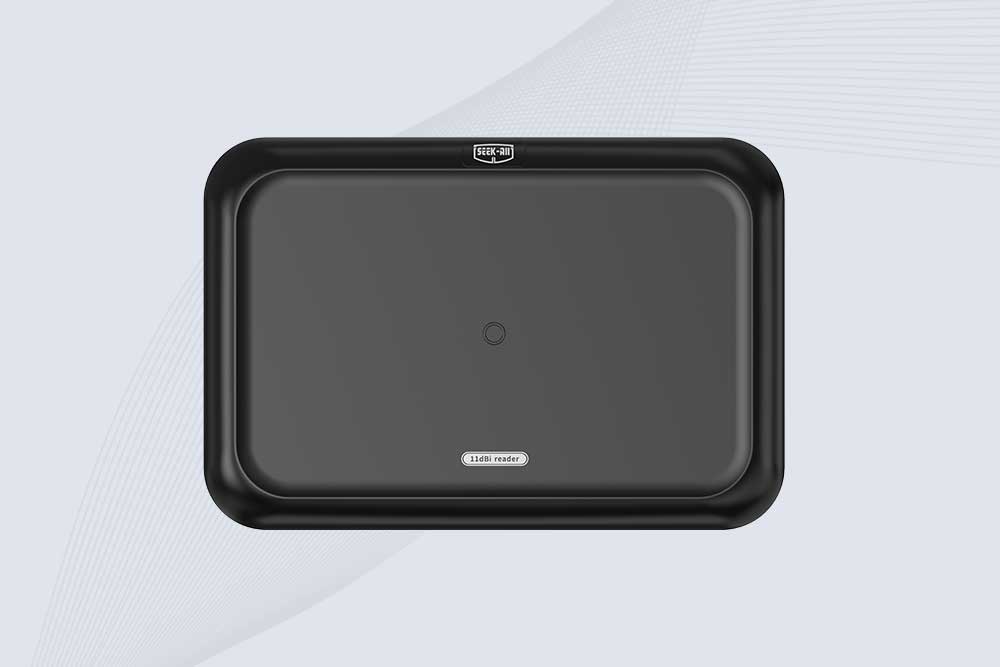
SSD-RA11L is an 11 dBi UHF RFID reader with up to 15m reading distance, 600+ tags/s speed, integrated antenna and flexible connectivity.
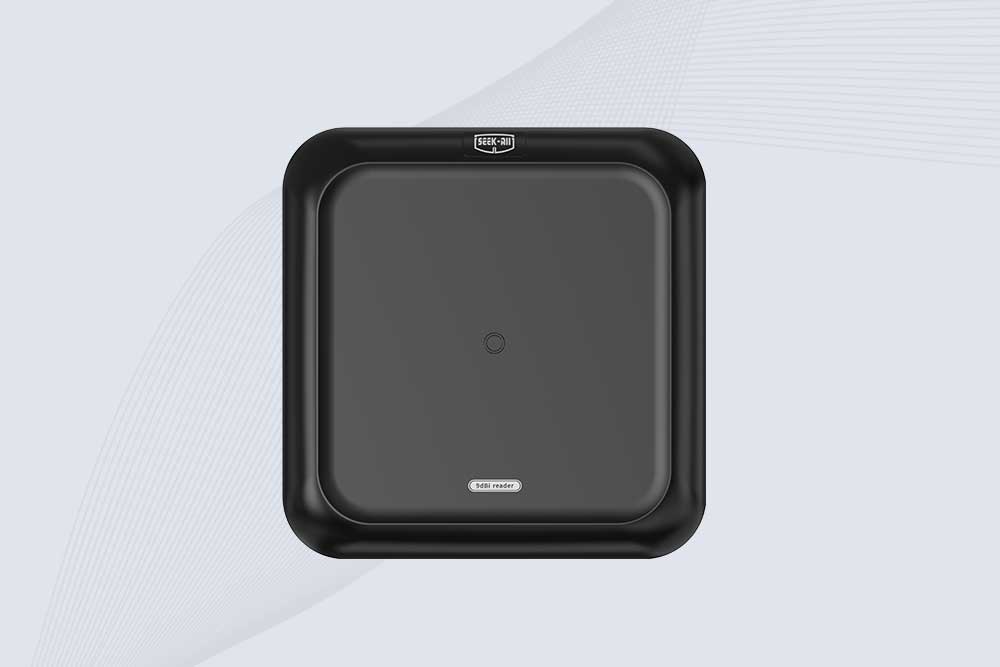
SSD-RA09L is a long range UHF RFID reader with a built-in 9 dBi antenna, 10m reading range, 600+ tags/s speed and flexible interfaces.
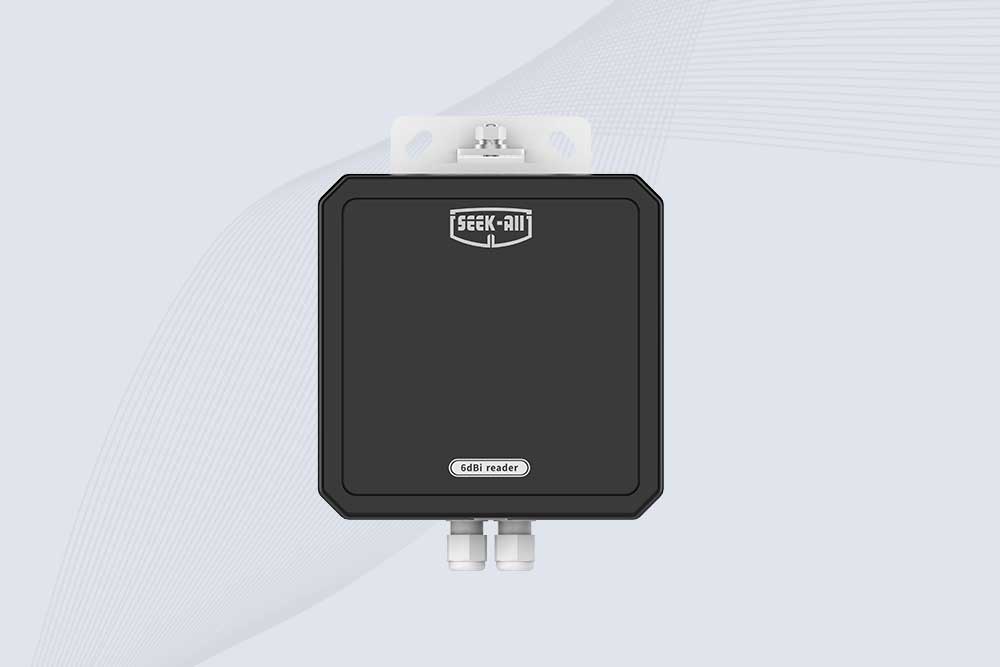
SSD-RA06L is an industrial UHF RFID reader with a built-in 6 dBi antenna, 3 m read range, 600+ tags/s, Ethernet, RS232, and optional Wi-Fi, 4G, and PoE.
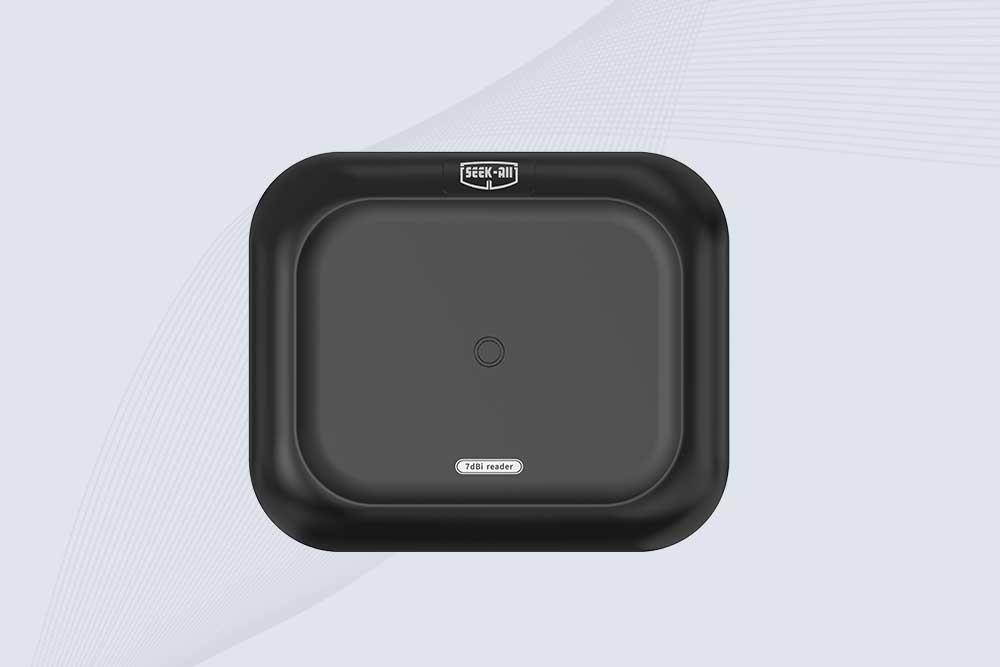
SSD-RA07L industrial UHF RFID reader with integrated 7 dBi antenna, up to 6 m reading distance, over 600 tags/s, Ethernet, RS232, and optional Wi-Fi, 4G, and PoE.
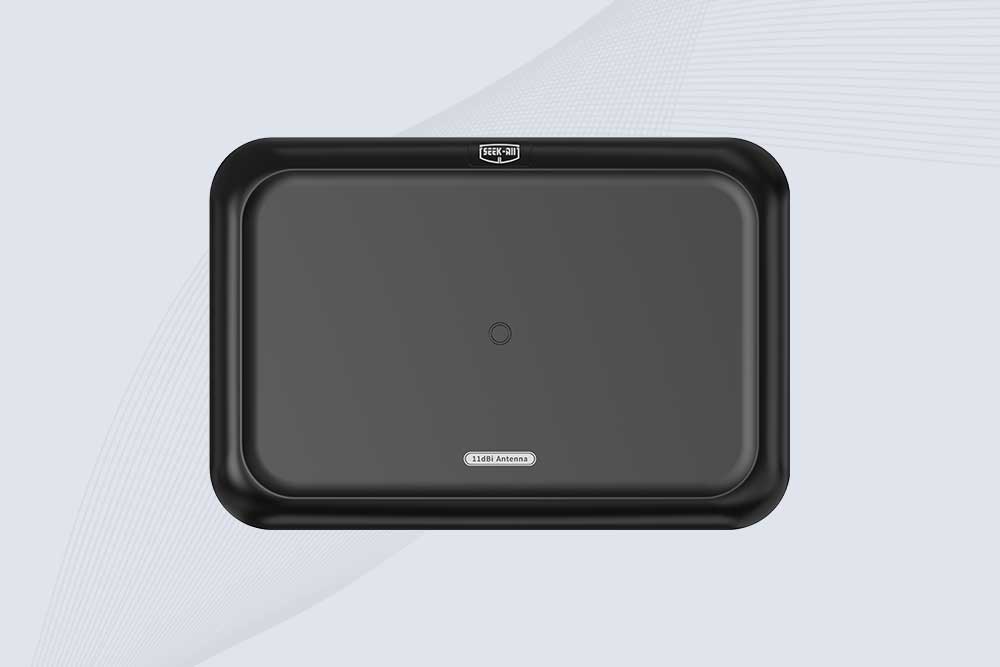
SSD-A11 UHF RFID antenna features 840–960 MHz adjustable frequency, ≥10.5 dBi gain, circular polarization and 50Ω impedance for fixed RFID systems.
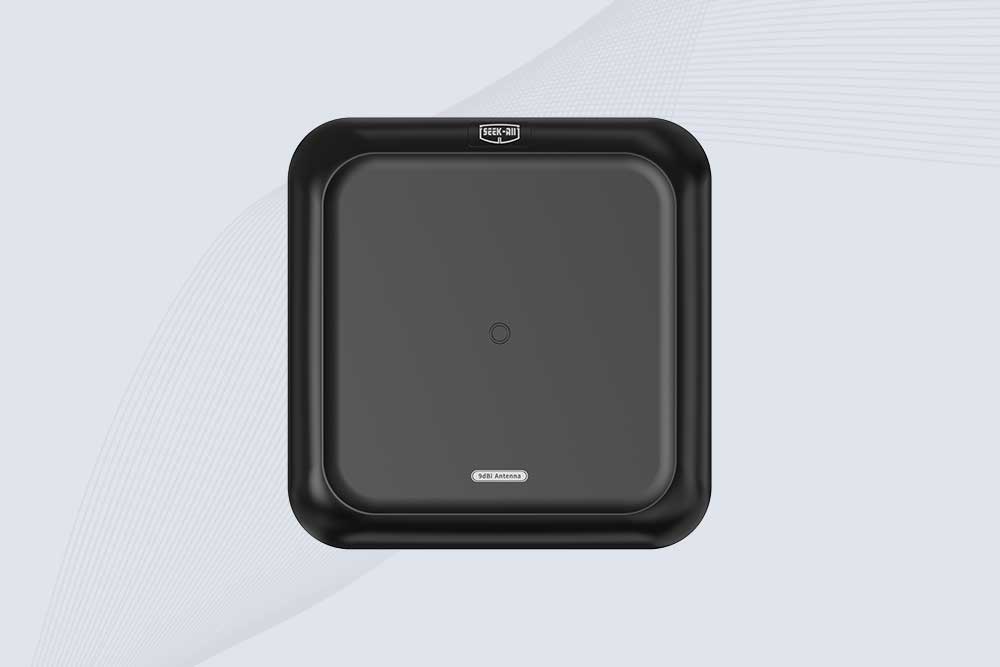
SSD-A09 is a 9 dBi UHF RFID antenna with 840–960 MHz adjustable frequency, circular polarization, 50Ω impedance and directional 60° × 60° coverage.
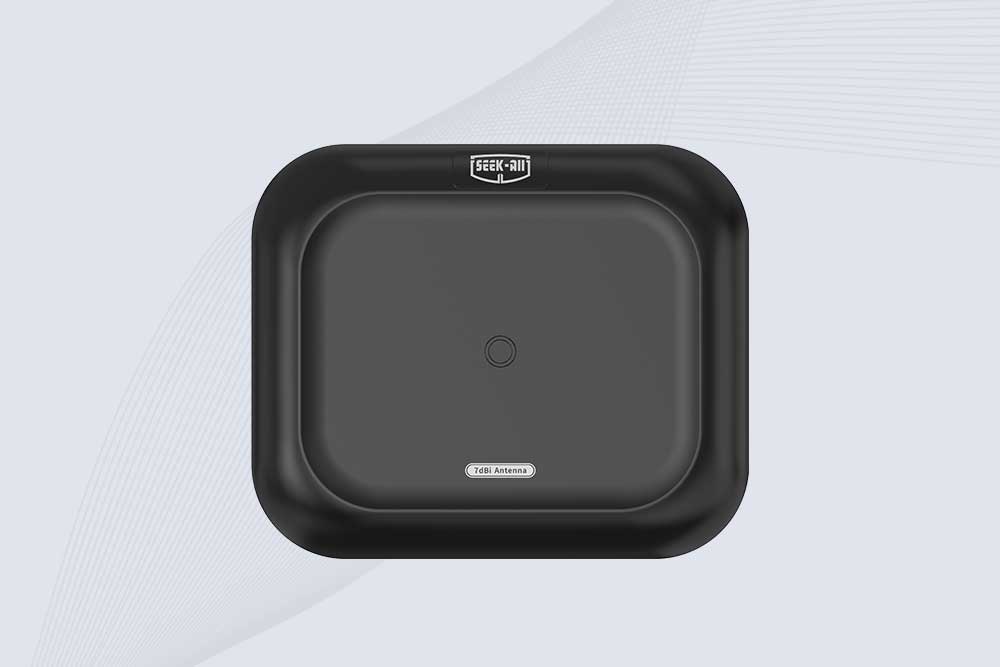
Explore the SSD-A07 UHF RFID antenna with 7 dBi gain, circular polarization, adjustable 840–960 MHz frequency, and 60°/75° beamwidth for stable RFID read/write performance.

SSD-A06 UHF RFID antenna with circular polarization, adjustable 840–960 MHz frequency, ≥4.5 dBi gain, and a compact directional design for RFID systems.
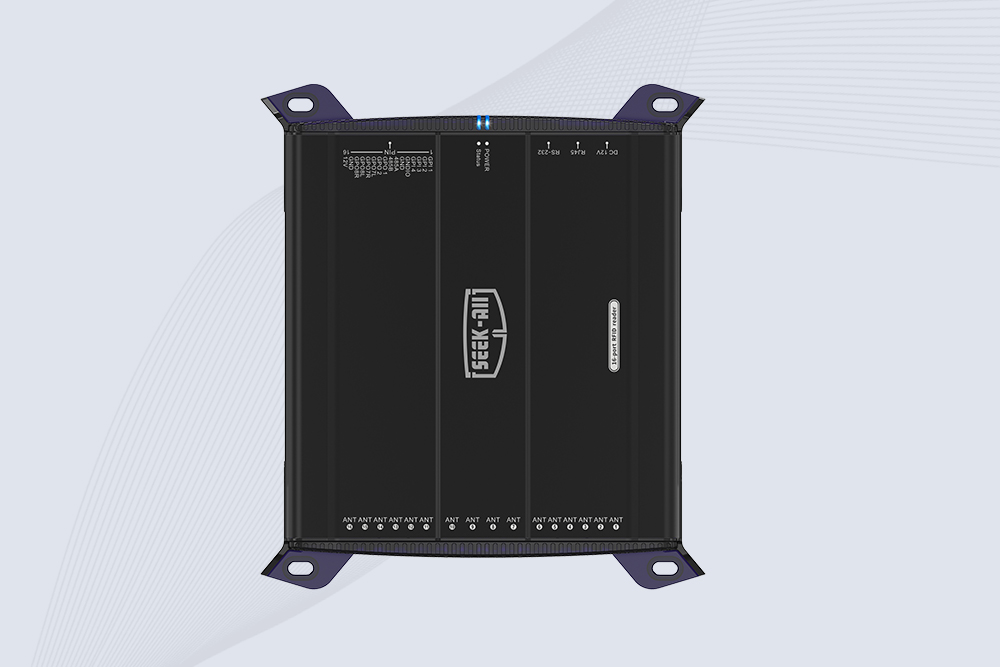
SSD-R16L Multi-Channel RFID Infrastructure for Automated Inventory Management ✔️ 16-Port High-Density RFID Reading Equipped with 16 SMA antenna ports, SSD-R16L supports multi-antenna deployment for warehouses, retail stores, logistics, production lines, and large-area RFID identification. ✔️ High-Speed & Long-Range Performance With up to 33…
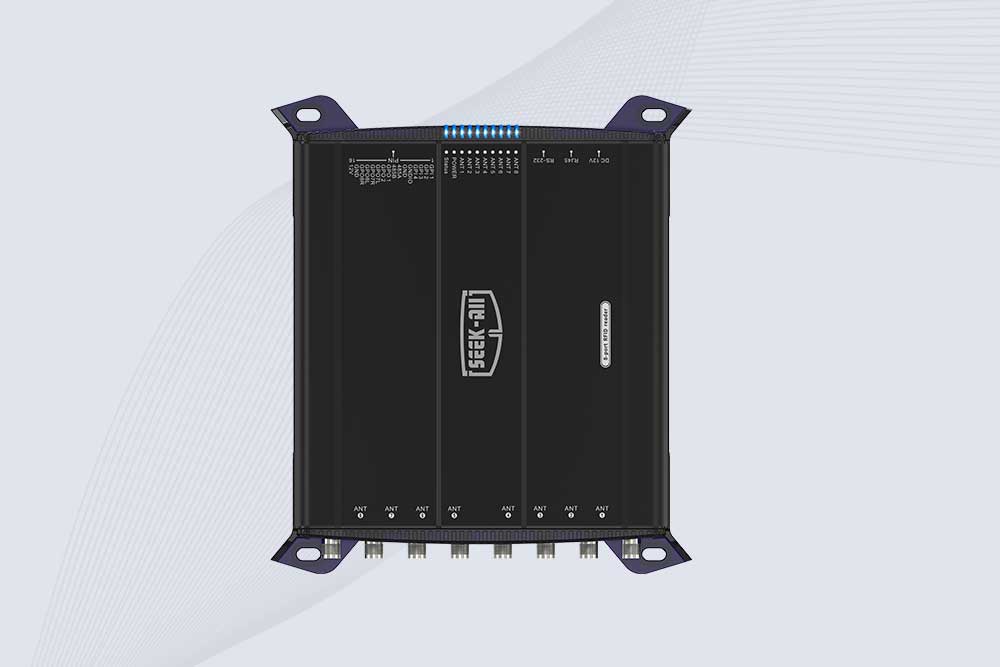
SSD-R8L 8-port UHF RFID reader with 33dBm output, up to 20m reading range and 600+ tags/s recognition. Ideal for warehouse, logistics, retail and asset tracking.
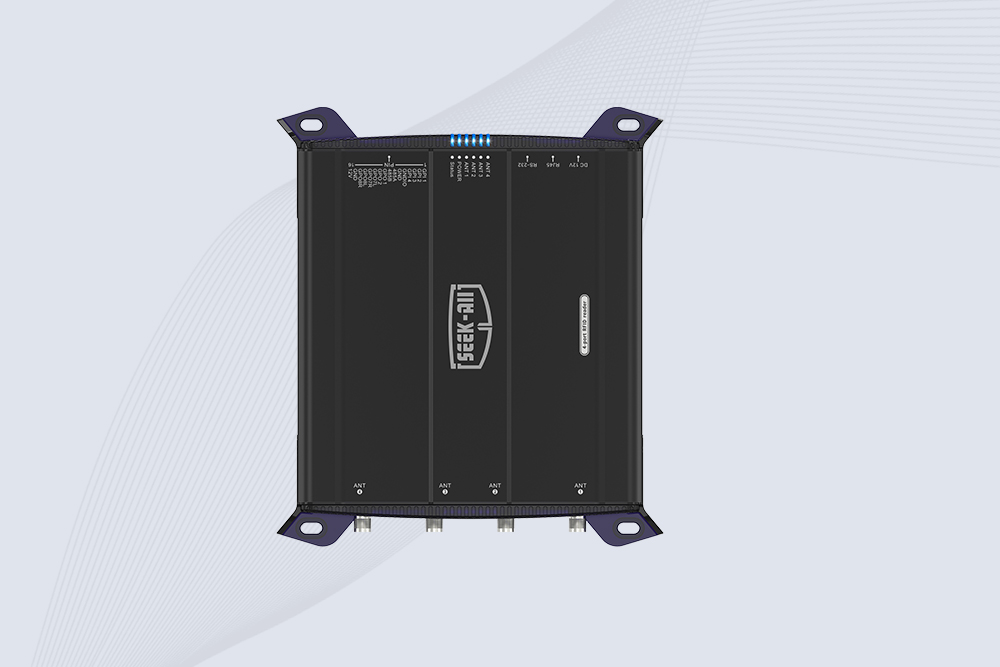
SSD-R4L is a 4-port UHF RFID fixed reader with 33dBm output power, up to 20m reading range, EPC C1G2 support and 600+ tags/s reading speed.
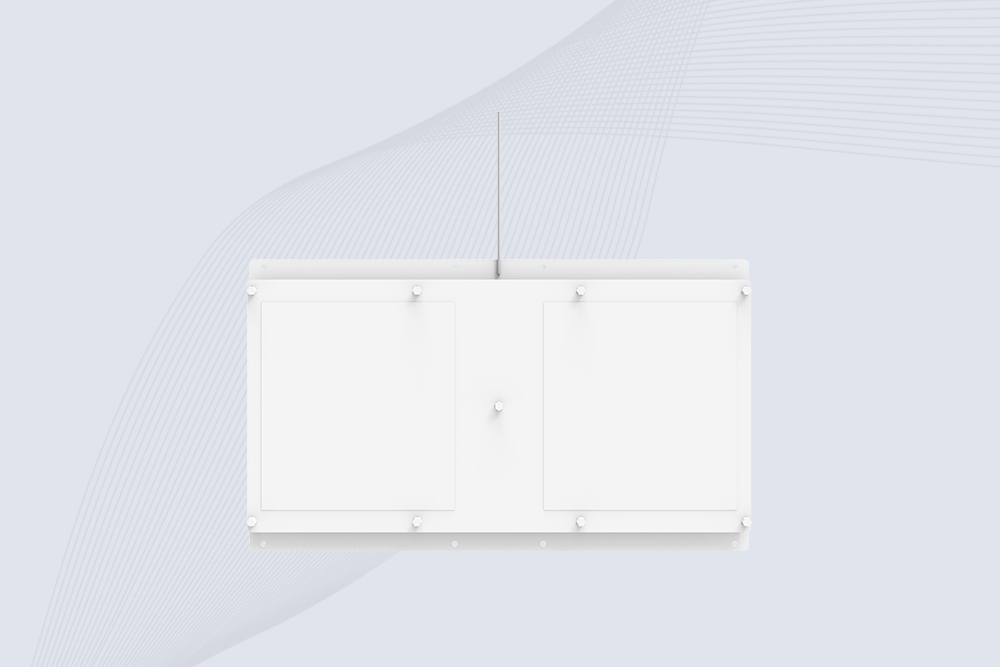
Cykeo CYKEO-A11 UHF RFID reader antenna delivers 11dBi gain, 840-960MHz frequency range, and IP65 ruggedness for retail, logistics, and industrial RFID systems. Features low VSWR and easy installation.
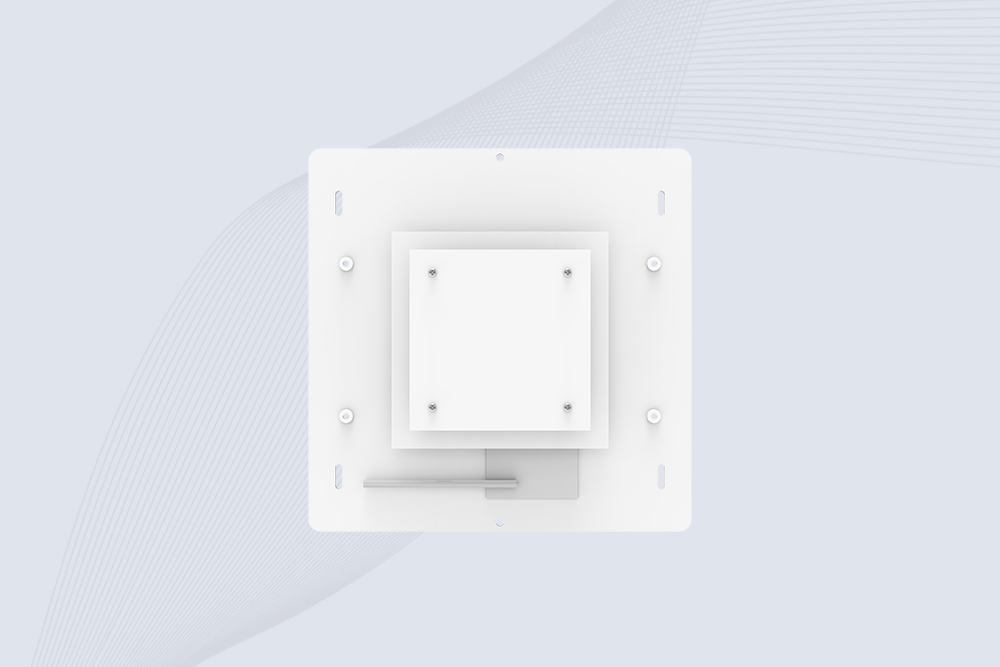
CYKEO Antenna RFID Reader delivers stable long-range UHF performance with a 10.5dBi directional design, built for warehouses, conveyor portals, and industrial RFID systems. This rfid reader antenna provides 20m+ read distance and rugged IP67 protection.

Cykeo CYKEO-PHF3 industrial HF RFID Antenna offers 24-point dynamic tracking, ISO 14443A/15693 protocols, metal-environment stability for archives/libraries/manufacturing.

Cykeo CYKEO-A5B industrial Linear RFID Antenna delivers 5dBi gain, ≤1.5:1 VSWR, and IP65 rugged design for warehouse, production line, and logistics UHF systems.

Cykeo’s CYKEO-B12 Long Range RFID Antenna delivers 15m+ read range with 12dBi gain, IP65 rugged design, and global 840-960MHz UHF support. Ideal for warehouse/logistics asset tracking.
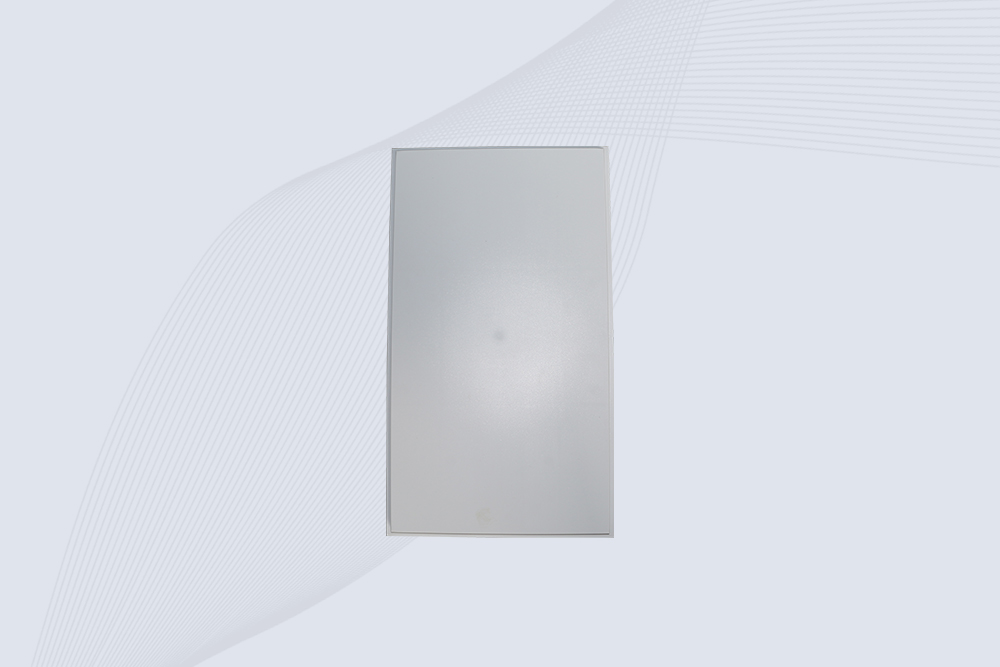
Cykeo CYKEO-B10 Long Distance RFID Antenna offers 10dBi gain, 840-960MHz frequency range, IP65 rating, and 20m+ coverage for logistics/warehousing/ETC systems. Low VSWR ensures stable signal transmission.
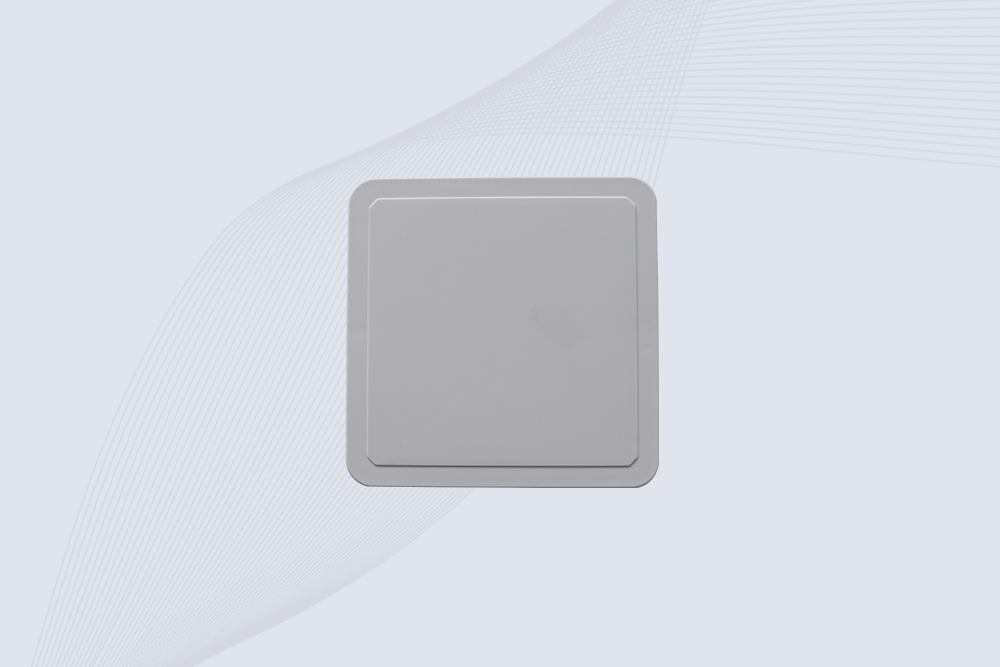
Cykeo CYKEO-A6 UHF RFID panel antenna features 6dBi gain, 840-960MHz broadband, IP65 metal-ready housing for logistics/smart retail. 18mm ultra-thin design with tool-free mounting.

Cykeo CK-A3 industrial antenna RFID UHF offers 5m+ tag detection, ≤1.3:1 VSWR, IP65 rugged design, and global UHF spectrum compatibility (840-960MHz) for warehouses, factories, and retail.
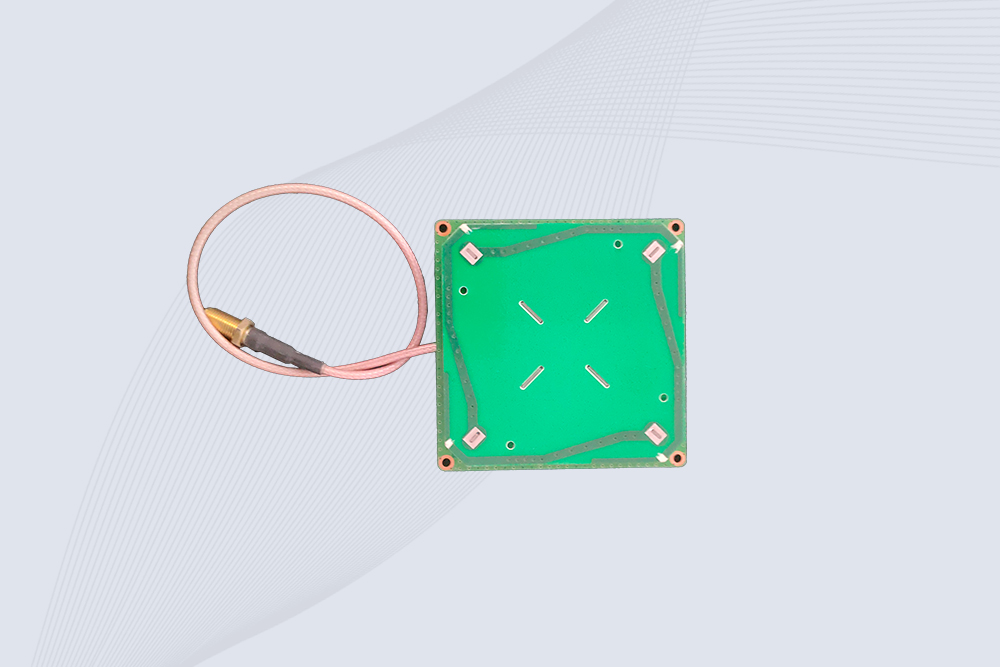
Cykeo CYKEO-B5 directional RFID antenna provides 5dBi gain with 60° narrow beamwidth for precise inventory tracking. IP65-rated, global UHF frequency support, and low VSWR.
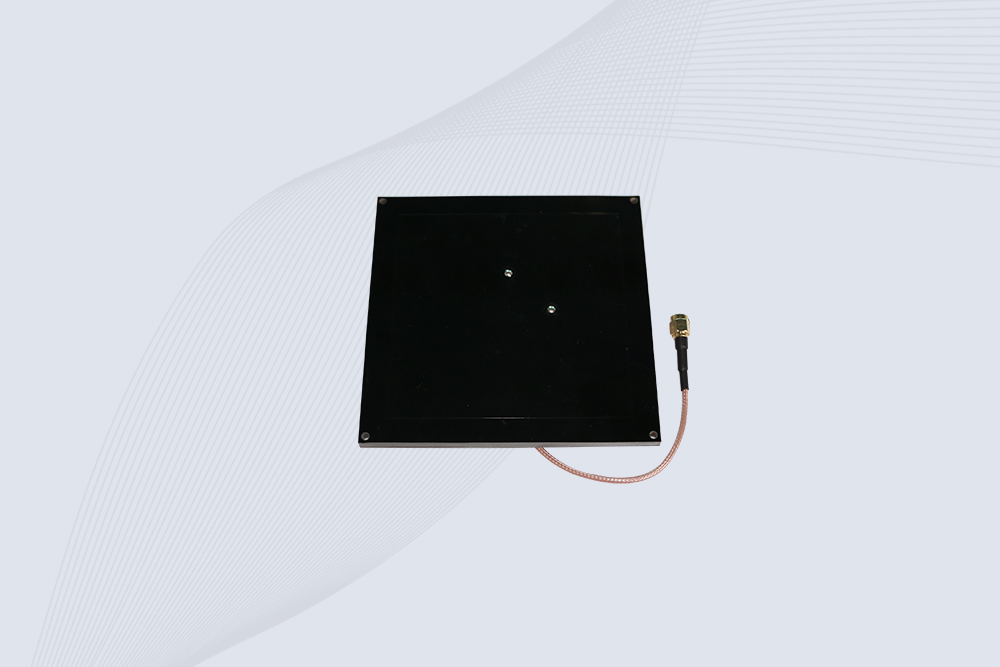
Create your own high-performance DIY RFID antenna! 5dBi gain, 840-960MHz tunable, step-by-step guides. Compatible with Arduino, Raspberry Pi, and commercial UHF readers.
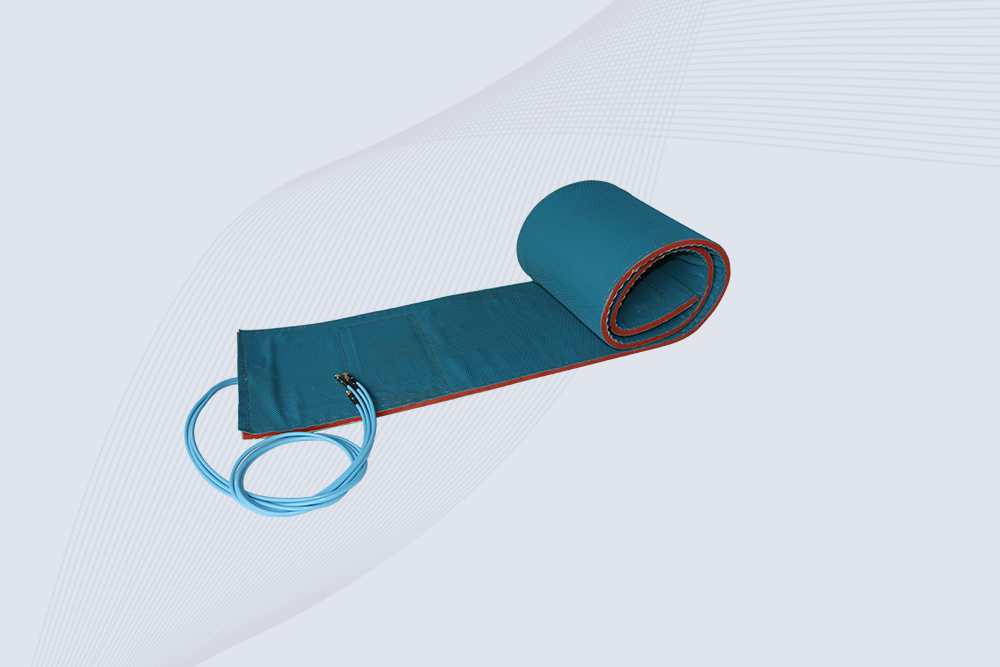
Cykeo CYKEO-A7 Flexible RFID Antenna features 840-960MHz wideband tuning, 7dBi gain, and IP68 rating for medical/retail/industrial curved surface deployments. 98% read accuracy with peel-and-stick installation.
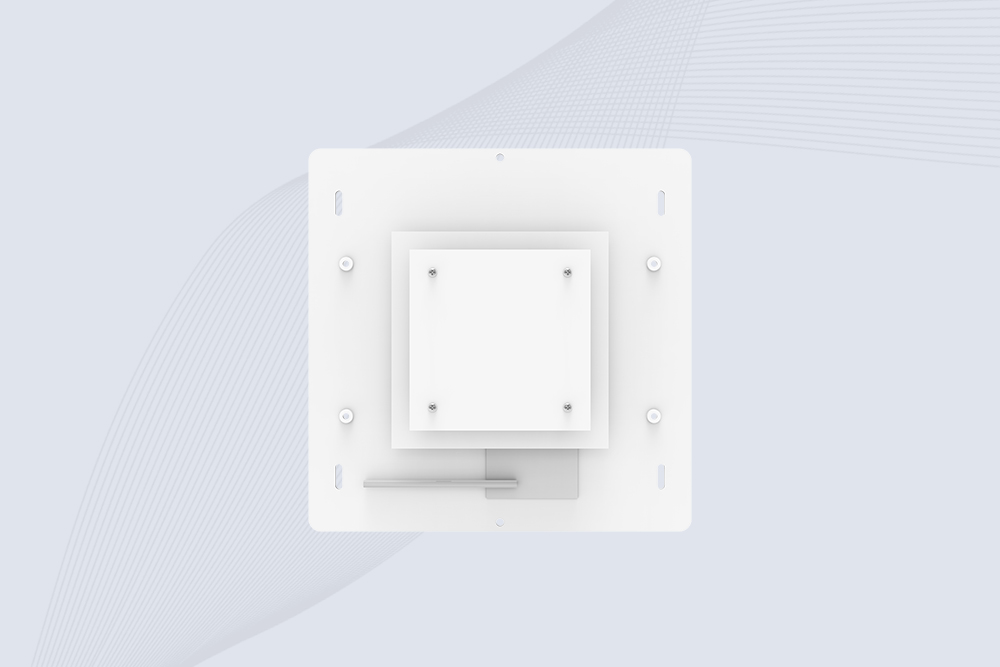
Cykeo CYKEO-B5A industrial Passive RFID Antenna delivers 5dBi gain, 70° beamwidth, and -40°C~55°C operation for warehouses/smart cabinets. Compatible with Zebra/Impinj readers.
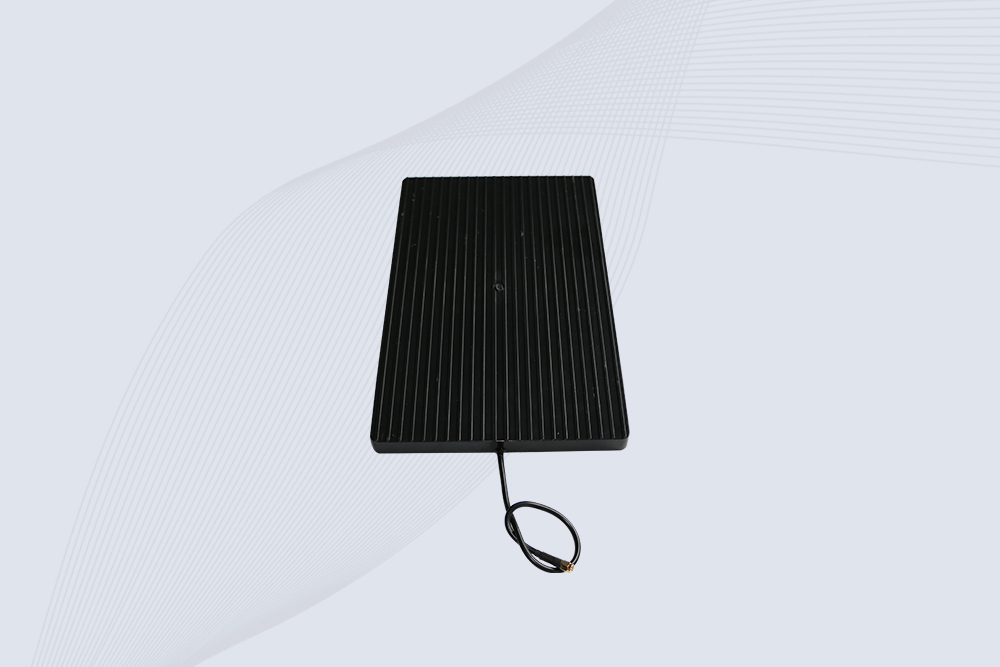
Cykeo’s CYKEO-A9B High Gain RFID Antenna delivers 15m+ read range with 9dBi amplification. Features IP54 rugged design, 840-960MHz bandwidth, and 80° beamwidth for warehouse/manufacturing RFID systems.

Cykeo’s enterprise-grade 8dbi Impinj RFID Antenna 10m+ read range with 840-960MHz tuning. Features IP65 housing, 1.4 VSWR, 35° beamwidth for retail/warehouse RFID systems.
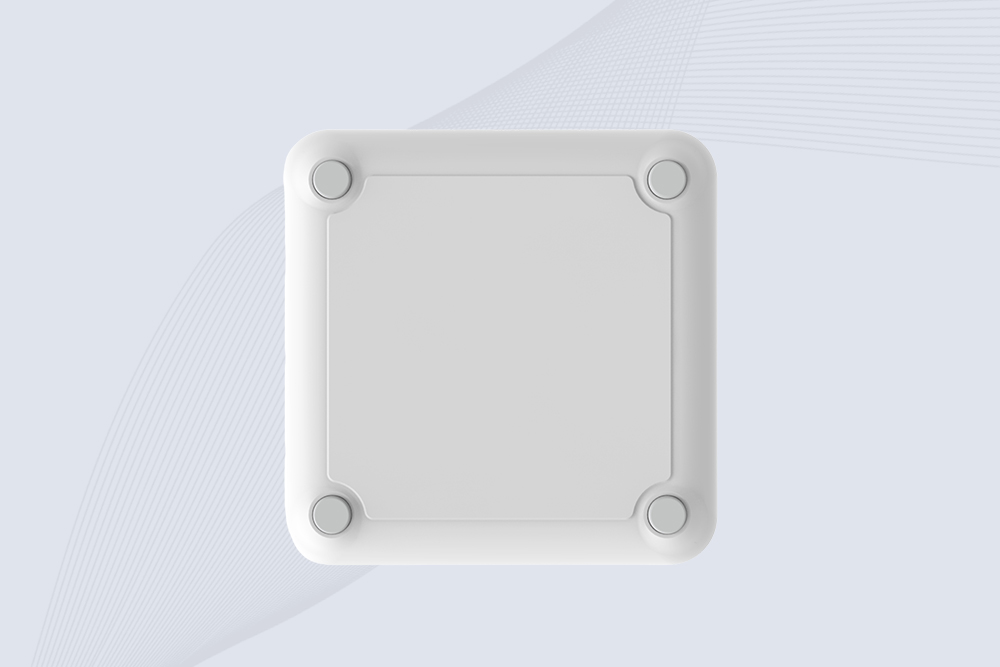
Cykeo CYKEO-A9 industrial UHF RFID antenna delivers 9dBi gain, 840-960MHz frequency range, and IP65 protection for warehouse/logistics/retail RFID systems. Features N-type connector and ≤1.3:1 VSWR.
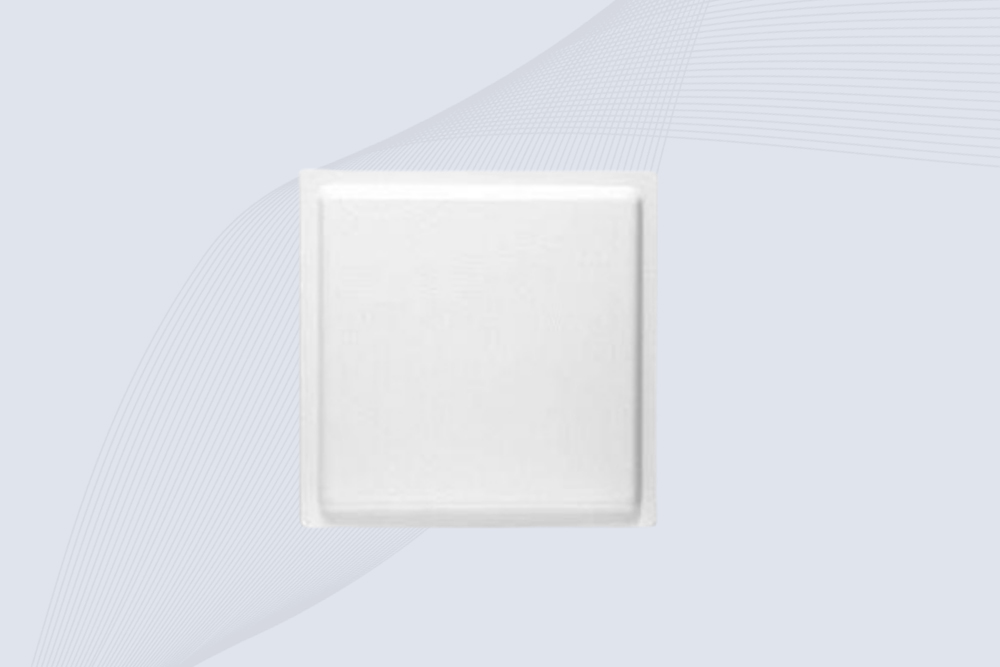
CYKEO UHF RFID Antenna built for long-distance and industrial applications. This antenna rfid uhf delivers strong gain, outdoor durability, and reliable tag performance in warehouses, yards, and vehicle ID systems.
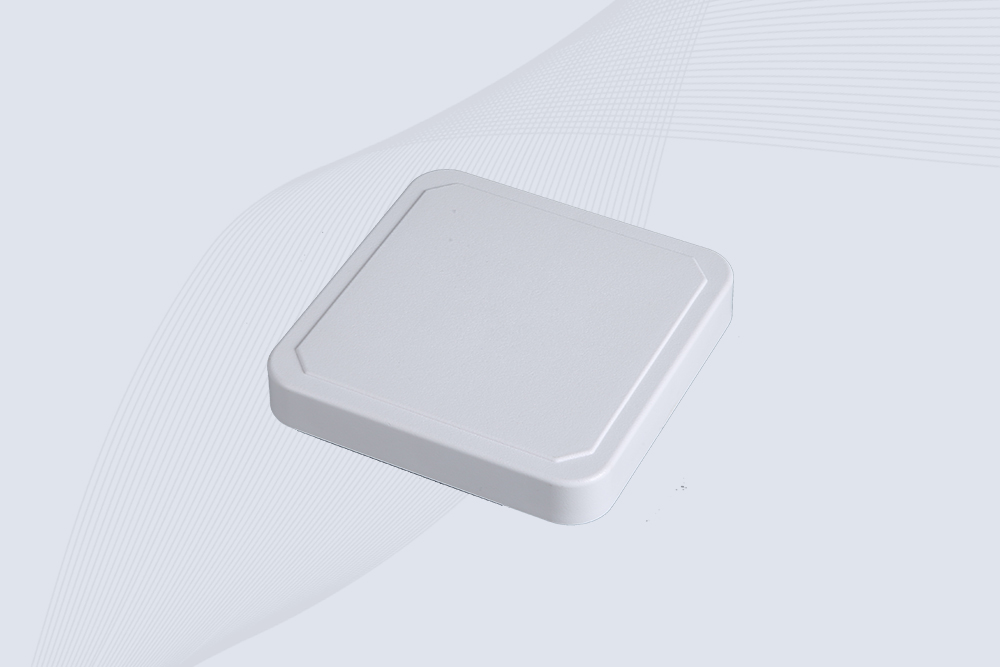
CYKEO Antenna RFID delivers reliable long-range UHF performance in warehouses, retail shelves, and cold-chain environments. This compact uhf rfid antenna provides stable reads with circular polarization and ultra-wide 840–960 MHz support, ideal for industrial tracking, smart shelves, and asset monitoring.
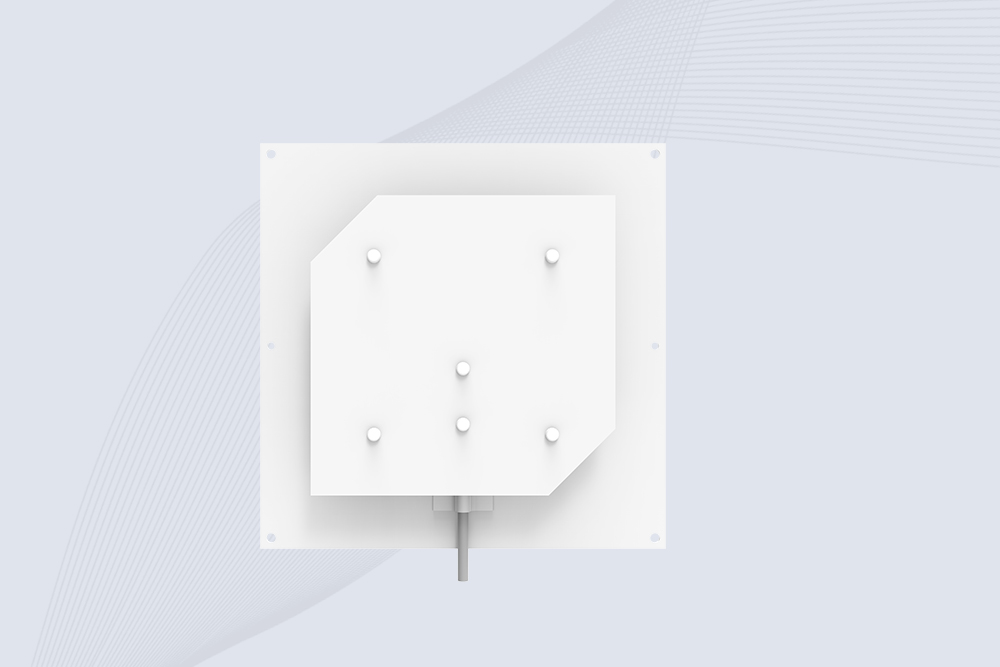
Cykeo’s CYKEO-C8 UHF RFID antennas delivers 8dBi gain, 840-960MHz full-band coverage, and IP65 ruggedness for manufacturing/warehouse RFID systems. Industrial RFID Antennas Features
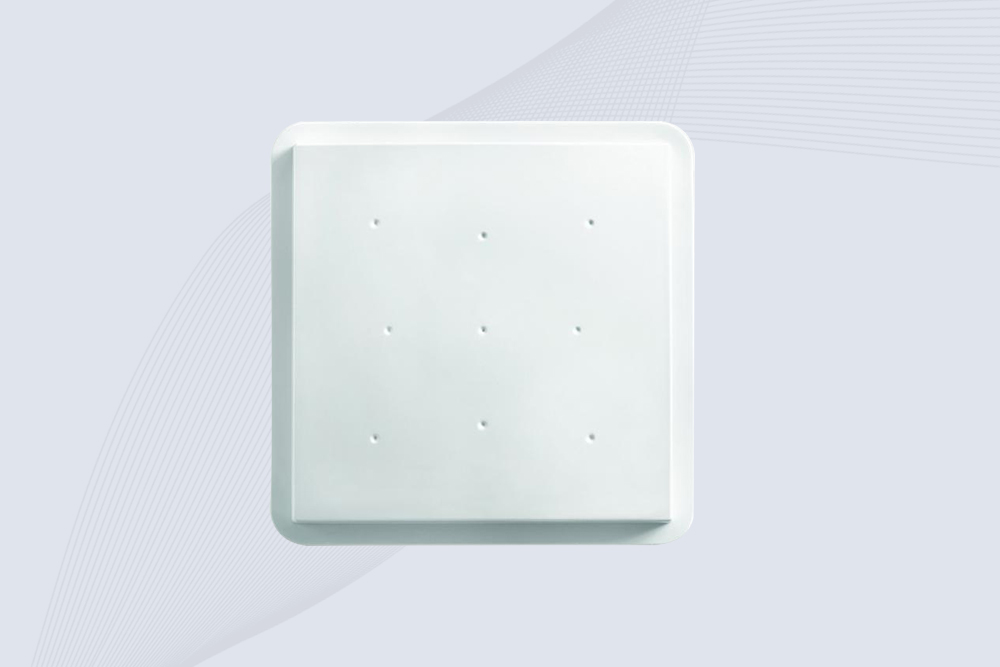
Cykeo’s 8dBi UHF RFID antenna and reader kit delivers 10m+ range, 840-960MHz broadband, and IP65 ruggedness for factories, warehouses, and logistics. ISO 18000-6C & EPC Gen2 certified.
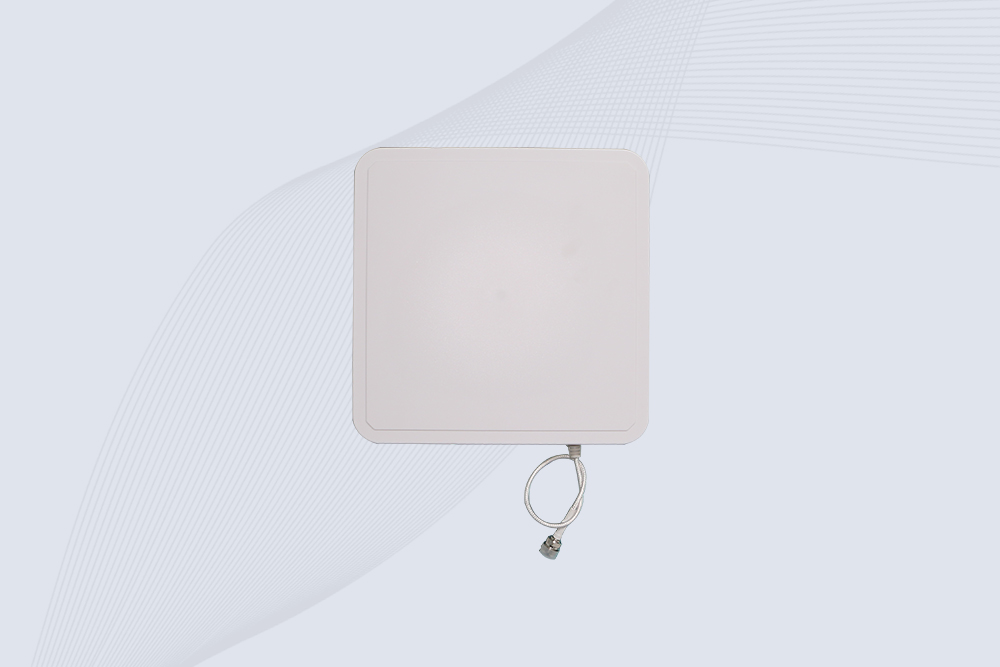
Cykeo CYKEO-A9A industrial UHF RFID reader and antenna kit delivers 10m range, 500 tags/sec, IP65 ruggedness for manufacturing/logistics. Supports EPC Gen2, ISO18000-6C.
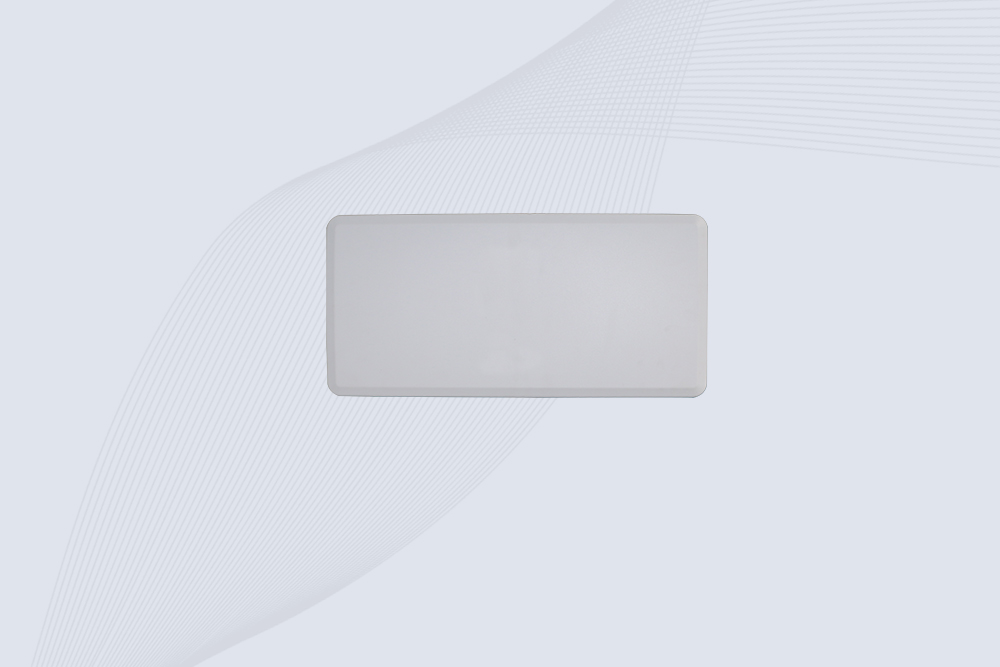
Cykeo’s CYKEO-A12C UHF Large RFID Antenna delivers 12dBi gain, 840-960MHz global frequency, IP65 ruggedness for logistics/warehousing/automotive. 40° beamwidth ensures stable 15m+ tag reads.

CYKEO Near Field RFID Antenna provides precise 5–30 cm reading for shelves, cabinets, and workstations. This compact rfid shelf antenna delivers stable short-range performance around metal and clutter, ideal for pharmacies, libraries, and electronics sorting.
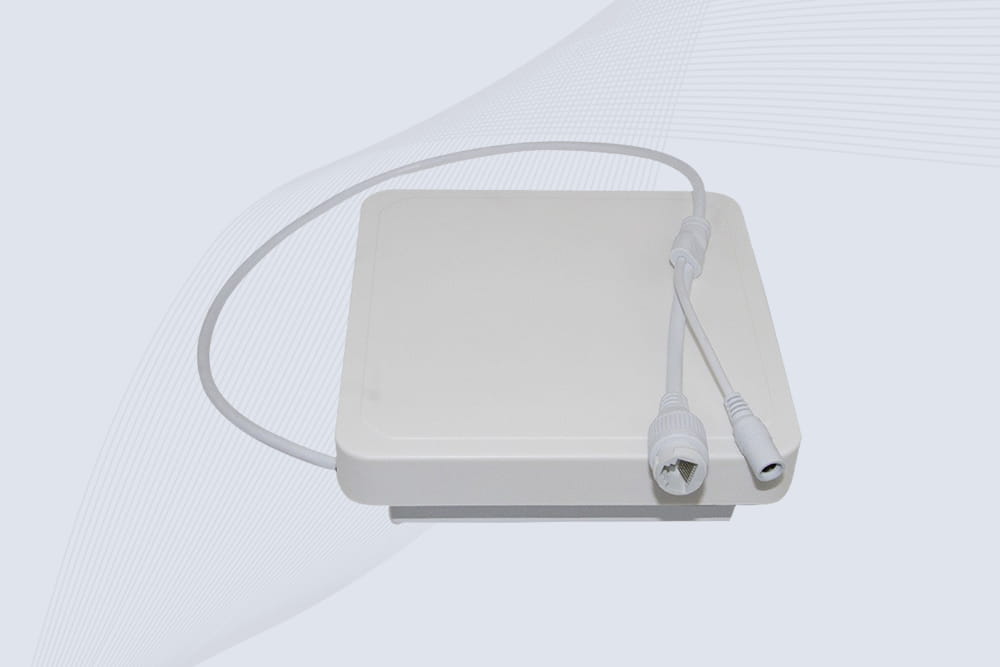
Cykeo’s industrial long range RFID reader delivers 20-meter scanning, 500+ tags/sec speed, and IP67 waterproof design for automated warehouses, logistics, and harsh environment applications.
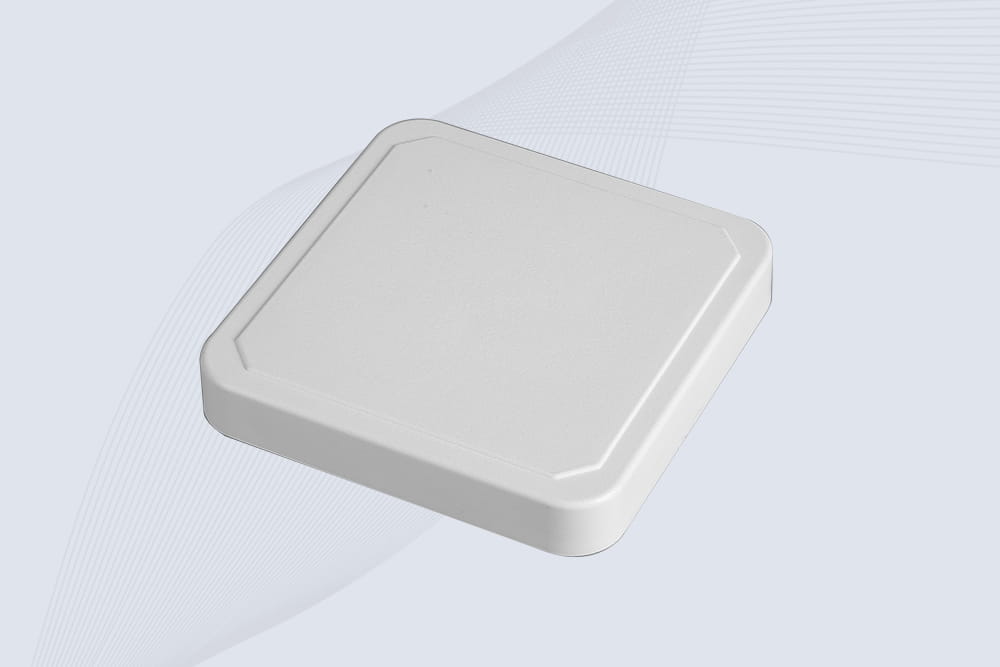
Cykeo’s CYKEO-RA6L industrial RFID long range reader features 20m read distance, 500 tags/sec speed, and IP67 protection. Ideal for warehouse automation, manufacturing WIP tracking, and smart logistics. Supports ISO 18000-6C/6B protocols.
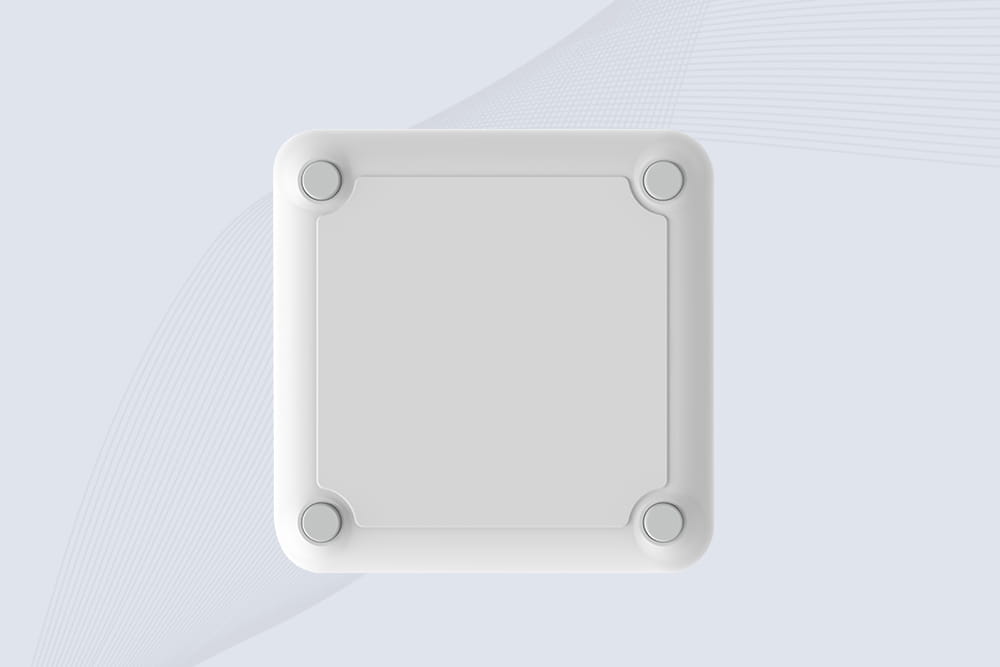
CYKEO Long Range RFID Tag Reader built for outdoor and industrial operations. This Outdoor RFID Reader delivers 20m read distance, fast tag processing, and IP67 durability for wide-area tracking.
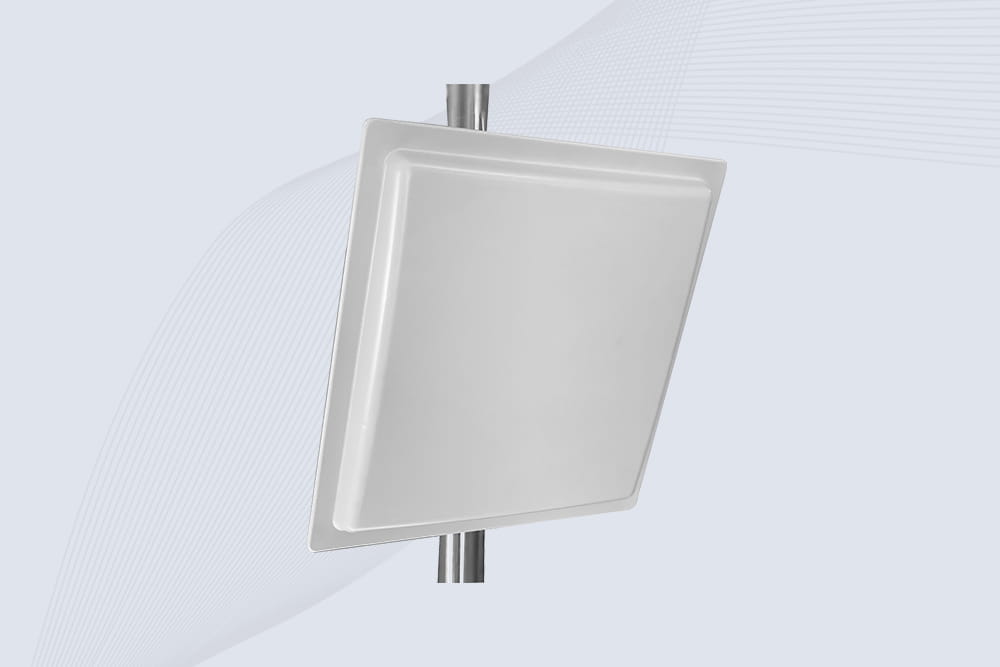
Cykeo CYKEO-RA12L industrial Long Range RFID Reader delivers 20m read range, 200+ tags/sec scanning, and IP67 protection for manufacturing/logistics applications. Supports ISO 18000-6C/GB protocols.
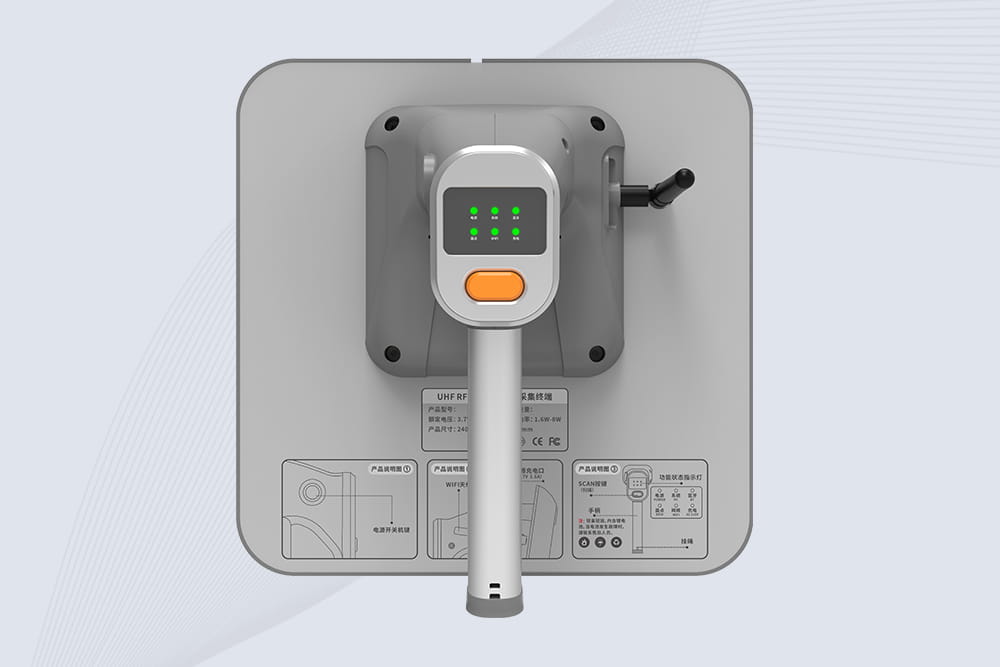
Cykeo CYKEO-B9 UHF Bluetooth handheld RFID scanner features 12m UHF range, 200+ tags/sec scanning, IP67 rugged design for retail/warehouse/pharma. Supports Android SDK & real-time Bluetooth 5.0 transmission.
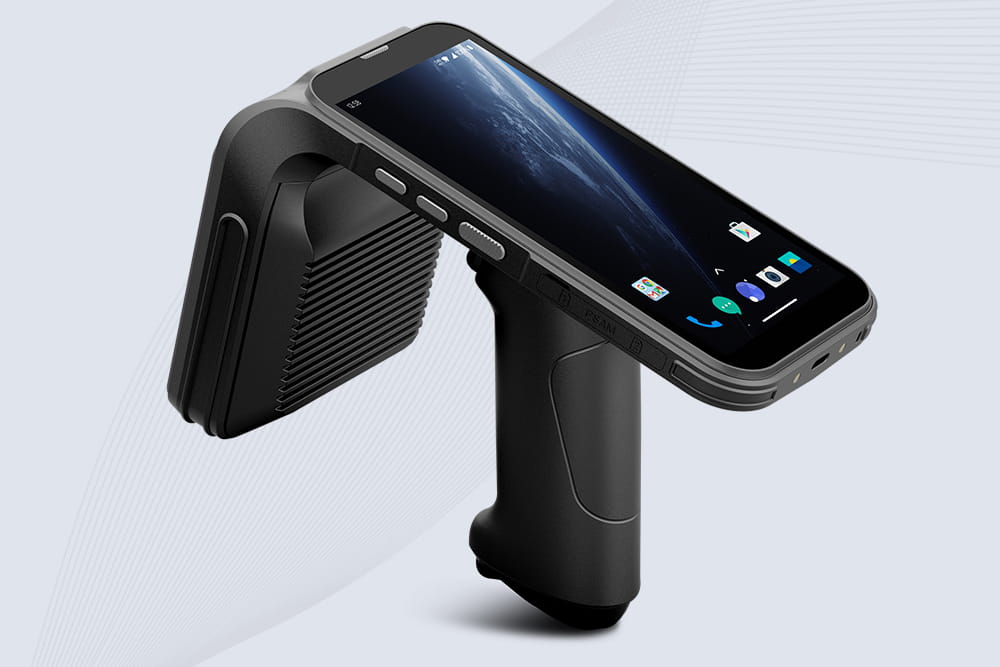
Cykeo CYKEO-B4 UHF Handheld RFID Reader scanner delivers 1300 tags/sec reading, 30m UHF range, and 12-hour battery life. IP65 rugged design with barcode/NFC/ID scanning for retail/manufacturing/logistics.
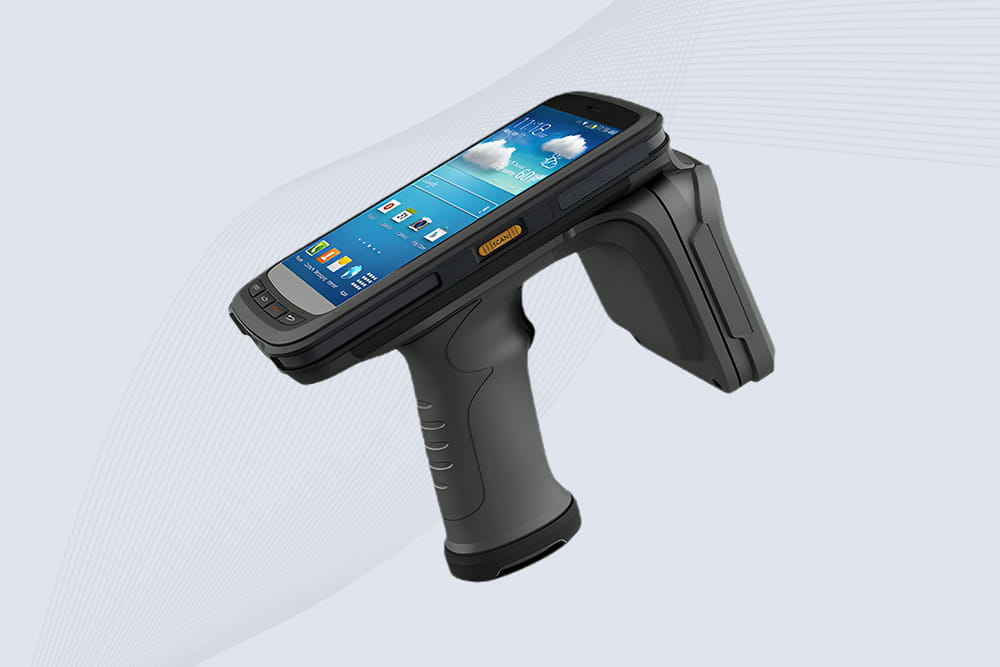
Cykeo CYKEO-B2 industrial UHF RFID handheld Scanner offers 10m range, 500 tags/sec scanning, Android 11 OS, and IP65 rugged design for retail/warehouse/manufacturing.
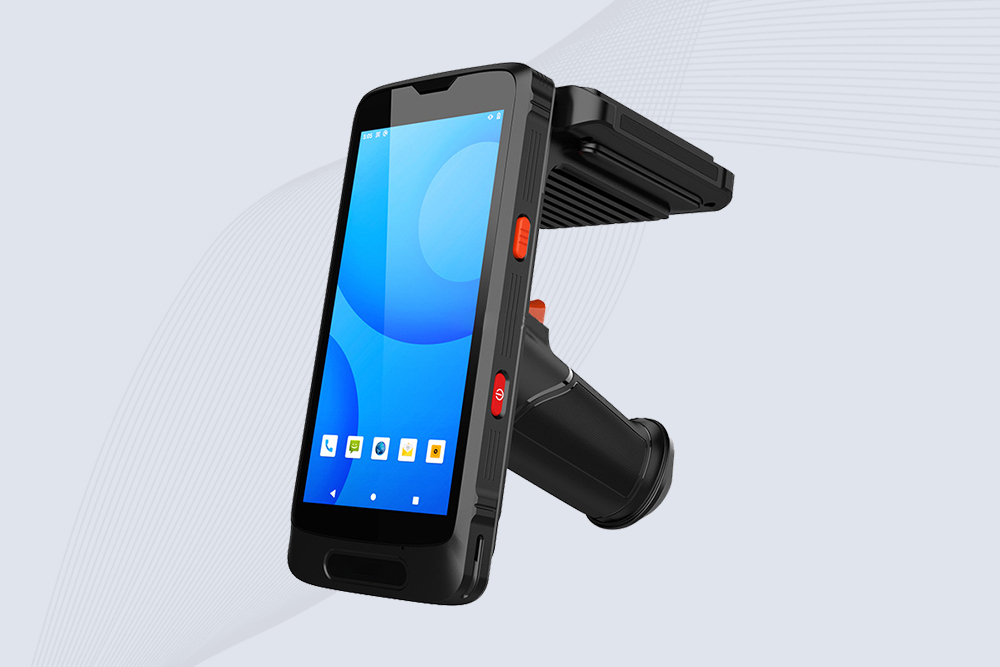
Cykeo CYKEO-B3 industrial RFID Reader Handheld, terminal offers 2m read range, multi-protocol scanning (NFC/barcode/ID), Android 10 OS, and IP65 ruggedness for logistics/retail/manufacturing.
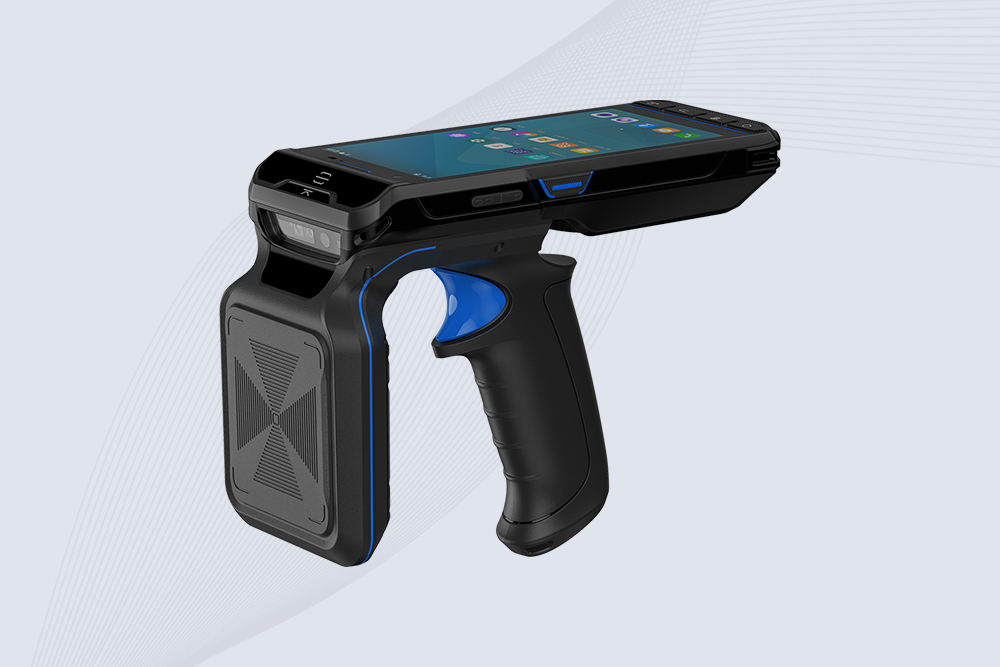
Cykeo CYKEO-B3L industrial handheld UHF RFID Reader terminal features 20m read range, 500 tags/sec scanning, Android 13 OS, 12-hour battery for logistics/retail/manufacturing. Supports barcode/NFC/ID reading.
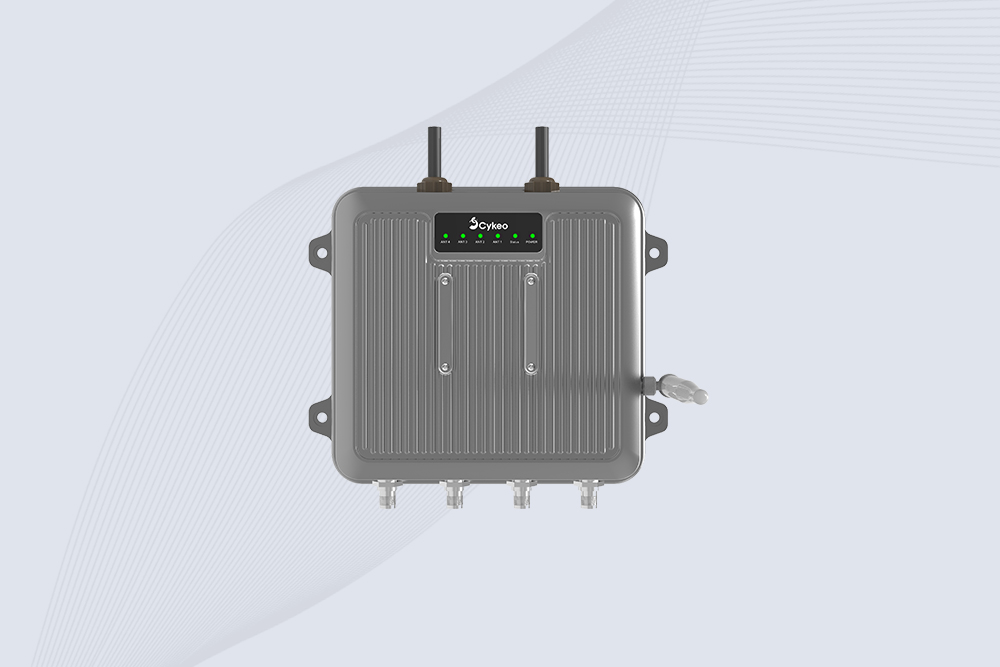
Cykeo CYKEO-C1 industrial Forklift RFID Reader features 20m read range, 600 tags/sec scanning, Impinj R2000 chipset, and IP67 rugged design. Ideal for warehouse logistics and manufacturing. Supports ISO 18000-6C/6B protocols.
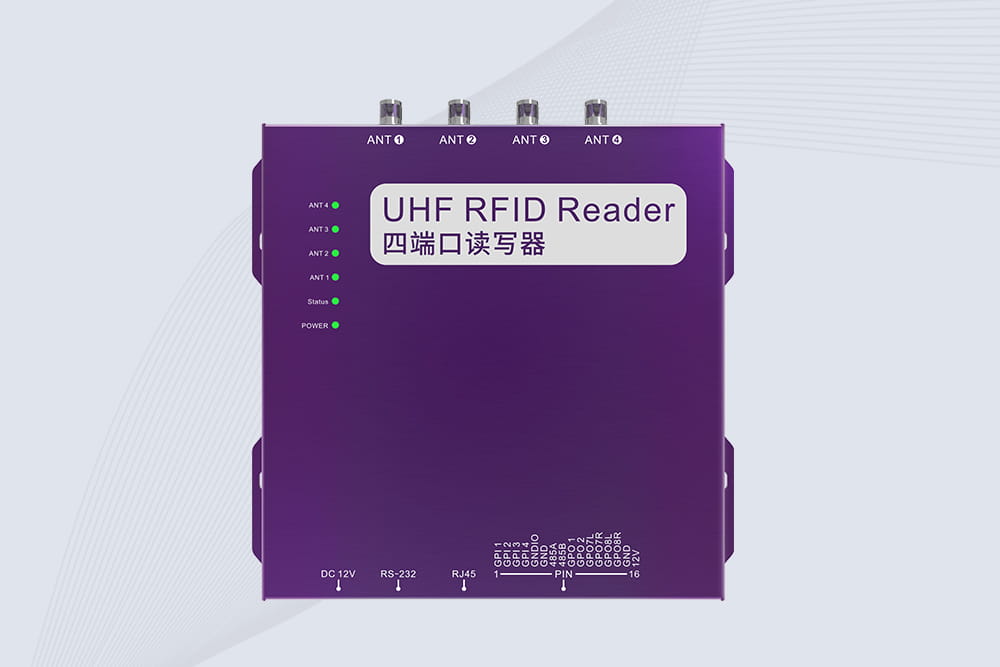
Cykeo CYKEO-R4 industrial UHF RFID Fixed Reader features 4 TNC ports, 400+ tags/sec speed, IP67 housing, and global frequency compliance for vehicle inspection, smart warehouse, and asset management systems.
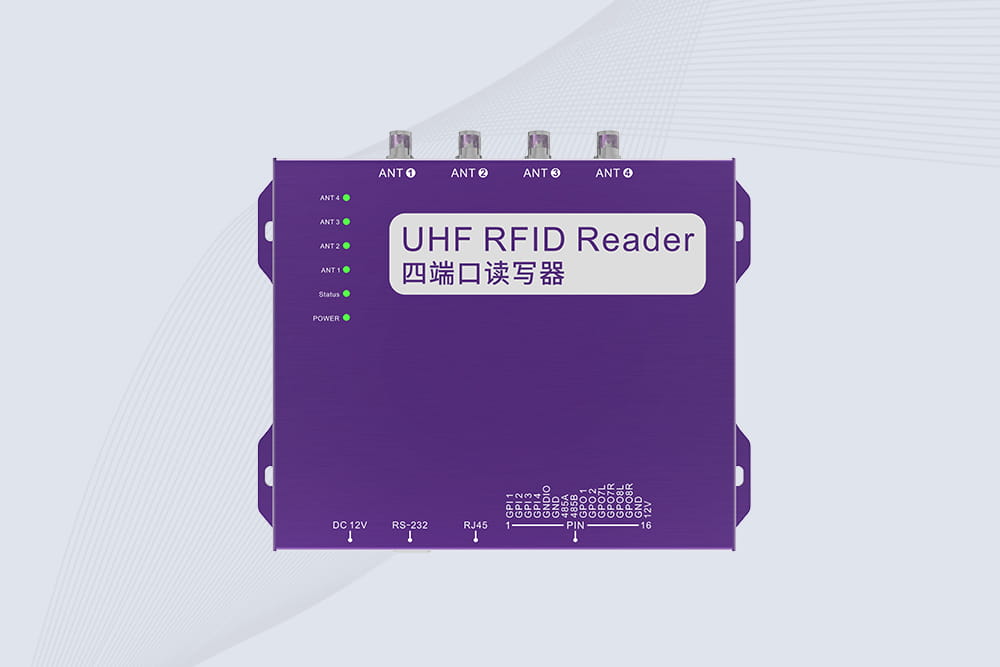
Cykeo’s CYKEO-R4L 4-port Fixed UHF RFID Reader delivers 400 tags/sec scanning, ISO 18000-6C compliance, and IP65 protection. Ideal for warehouse automation, manufacturing WIP tracking, and logistics management.
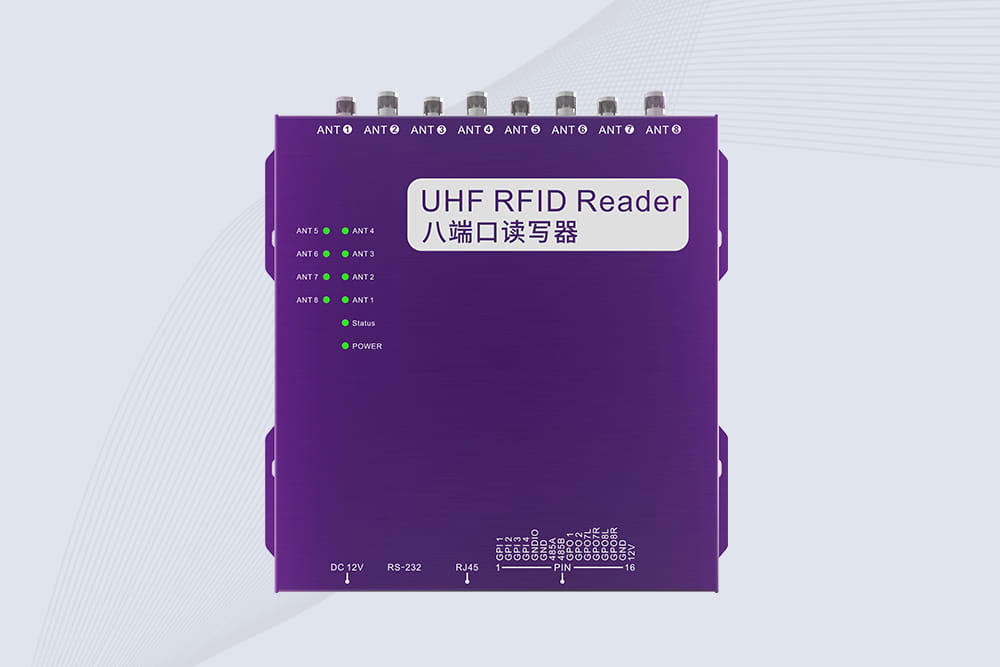
CYKEO CYKEO-R8L Fixed RFID Reader with 8-port UHF design, Impinj-based RF core and up to 20m read range. An industrial Fixed RFID Reader for vehicle inspection, warehouse portals, smart manufacturing lines and secure access checkpoints.
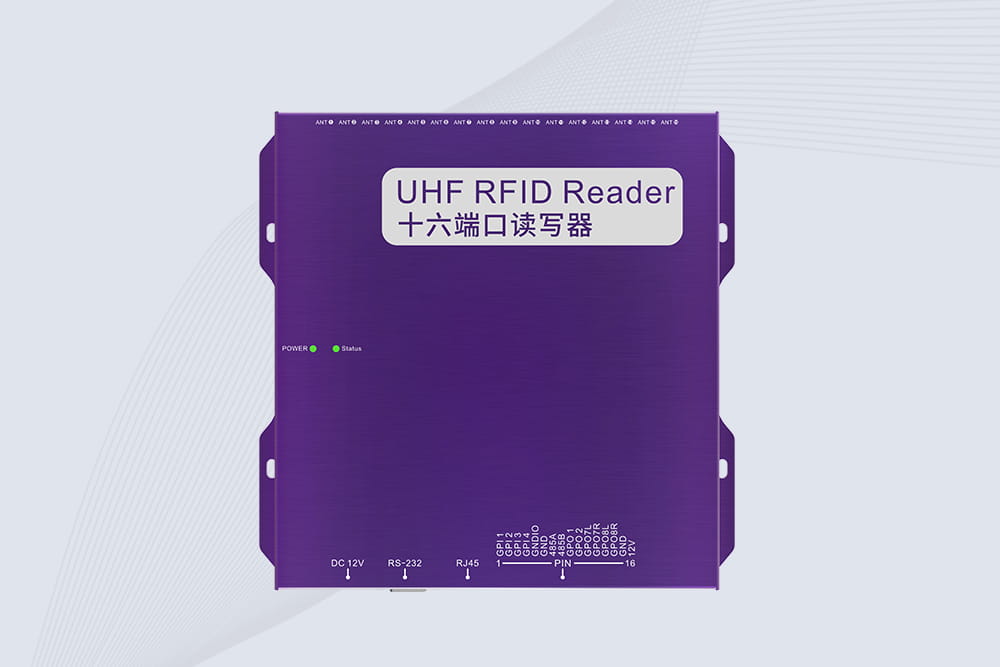
RFID Fixed Reader from CYKEO – the CYKEO-R16L 16-port UHF fixed reader for warehouses, smart cabinets, and production lines. Long-range, multi-tag reading, stable performance for 24/7 industrial use.
RFID Industry Writer | IoT & Asset Tracking Analyst
James writes about RFID technology, asset tracking, and the practical challenges of digital transformation across warehousing, retail, manufacturing, and logistics.
His work focuses on how RFID is applied in real-world operations—improving inventory visibility, automating workflows, and helping businesses manage assets with greater accuracy and efficiency.
He regularly covers topics including UHF RFID, smart cabinets, RFID portals, tool tracking, warehouse automation, and industrial IoT trends..

Not sure where to buy RFID reader for your business? Learn about your key purchasing options, what to consider, and why CYKEO direct support matters.
More
RFID frequency comparison of LF, HF, and UHF. Learn real differences in range, speed, use cases, and how CYKEO readers fit each scenario.
More
Wondering whether RFID security tags can be bypassed? Learn how RFID anti-theft systems work, common security risks, and what retailers can do to protect inventory and reduce losses.
More
Discover how rfid in pharmaceutical industry improves drug traceability, inventory accuracy, and compliance with Cykeo RFID solutions for pharmaceutical manufacturing, hospitals, and distribution.
More