 Cykeo RFID IoT Solution Products R&D Manufacturer

Embedded RFID Reader Module: Why More Devices Are Building RFID Inside
100Learn how embedded RFID reader modules are used in smart cabinets, handheld terminals, warehouse automation, and industrial devices for OEM RFID integration projects.
MoreAll RFID Product
A surprising number of people search online for ways to get around RFID security tags.
Some are simply curious about how retail anti-theft systems work. Others want to understand whether RFID technology is actually effective. Retailers, meanwhile, are asking a different question altogether:
If RFID tags can be attacked, how secure are they really?
The answer is more nuanced than most people expect.
Modern RFID systems are designed to make inventory tracking, asset management, and loss prevention more efficient. Like any technology, they are not immune to attack, but bypassing an RFID tag is rarely as simple as many internet myths suggest. In fact, most successful retail theft incidents involve exploiting operational weaknesses rather than defeating the RFID technology itself.
RFID stands for Radio Frequency Identification.
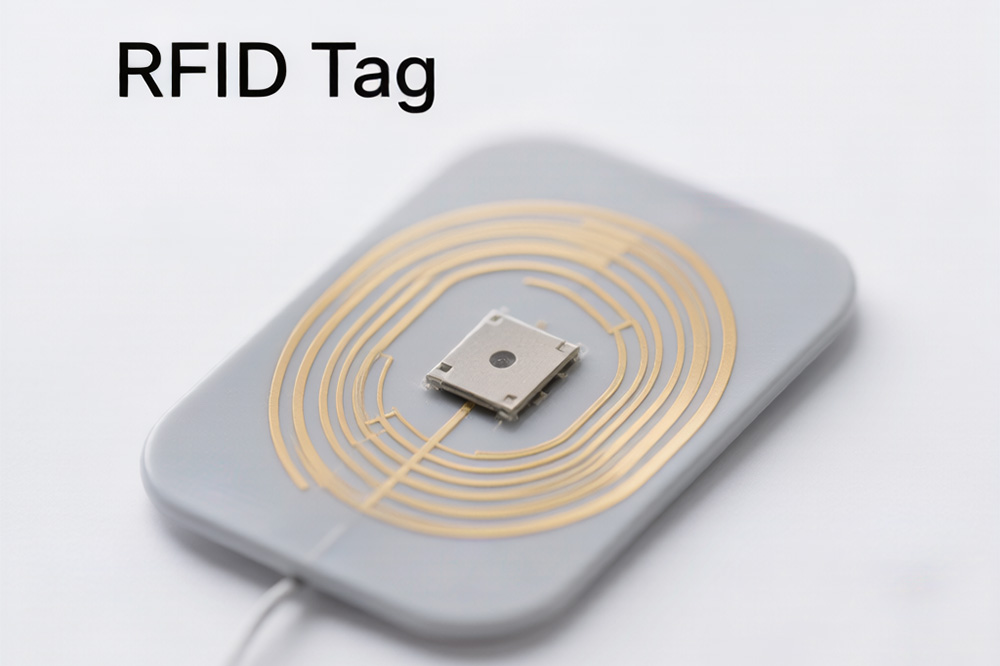
An RFID tag contains a tiny chip and antenna that communicate wirelessly with RFID reader. Unlike traditional barcodes, RFID tags can often be read without direct line-of-sight scanning. This makes them useful for:
Many retailers now embed RFID labels directly into packaging, hang tags, or product labels, making them harder to locate and remove without damaging the product.
The honest answer is that no security technology is completely immune to attack.
Researchers and security professionals have documented several categories of RFID-related threats, including:
However, these attacks typically require specialized equipment, technical knowledge, and favorable conditions. They are far more complex than the “simple tricks” often promoted online.
For retailers, the larger concern is not whether someone can theoretically attack an RFID system, but whether the overall security strategy relies too heavily on RFID alone.
Many retail losses occur because of process failures rather than technology failures.
Examples include:
A stolen item may leave a store without triggering an alarm not because the RFID tag was “hacked,” but because the surrounding loss-prevention process had gaps.
This is one reason many retailers combine RFID with:
Organizations that deploy RFID at scale rarely depend on a single layer of protection.
Instead, they use a layered approach that may include:
More advanced RFID implementations use encrypted data rather than transmitting plain identifiers, making cloning and credential copying significantly more difficult.
In access control applications, RFID cards are often paired with:
This reduces the risk associated with stolen or copied credentials.
Security cameras and access logs can provide a second layer of verification when RFID events occur. Many organizations now correlate RFID reads with video evidence to identify suspicious activity.
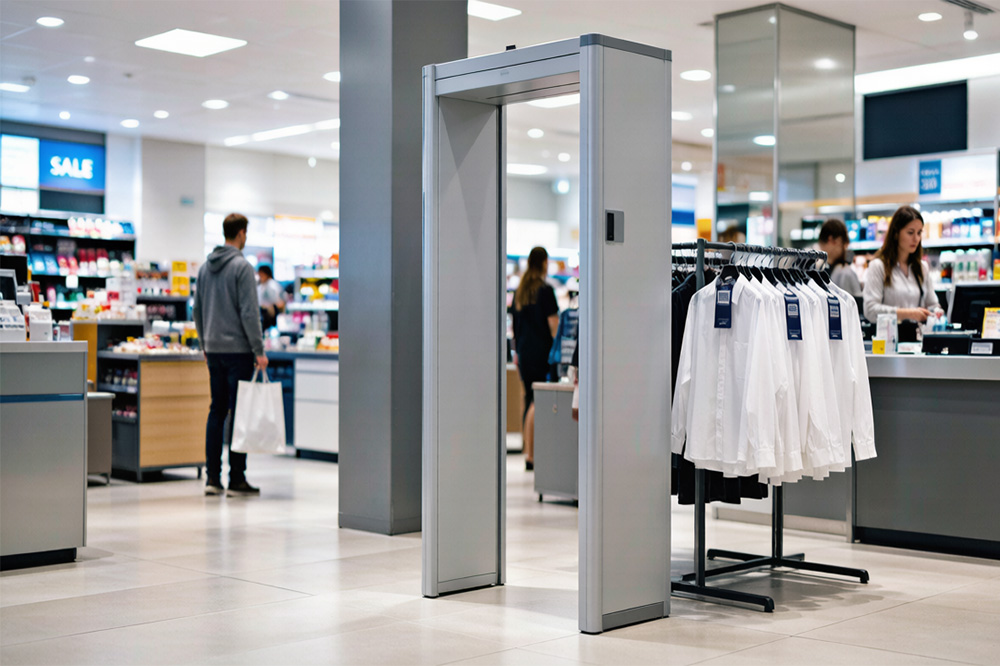
Security assessments and penetration testing help identify weaknesses before attackers do. Large organizations frequently audit RFID deployments as part of broader cybersecurity and physical security programs.
Many people assume RFID tags simply stop working after purchase.
The reality depends on the type of tag being used.
Some retail RFID systems support a secure deactivation or “kill” function that permanently disables a tag after a valid command is issued. Other systems rely on software status changes rather than physically altering the tag itself.
This distinction is important because RFID deployments vary widely across industries, frequencies, and applications.
When businesses search for “how to bypass RFID readers” or “how to get around RFID security tags,” they are often focusing on the wrong problem.
The more valuable question is:
How can we design an RFID system that remains effective even when someone attempts to defeat it?
The strongest RFID deployments are not built around a single tag or reader. They are built around visibility, analytics, inventory intelligence, and multiple layers of security.
Many people exploring RFID security also wonder whether smartphones can replace traditional RFID credentials.
Read next:
Can You Use Your iPhone as an RFID Card Emulator?
If you’re evaluating RFID security from a business perspective, this article provides additional insight:
How to Bypass RFID Reader? Why It’s the Wrong Question for Your Business
RFID security tags are not magic, but they are far more sophisticated than many people realize.
While researchers have demonstrated various RFID attack methods over the years, successful inventory protection depends less on defeating individual tags and more on building a complete security ecosystem around them.
For retailers, warehouses, and asset-intensive businesses, the goal should never be asking whether RFID can be bypassed.
The goal should be creating a system where bypassing one layer does not compromise the entire operation.
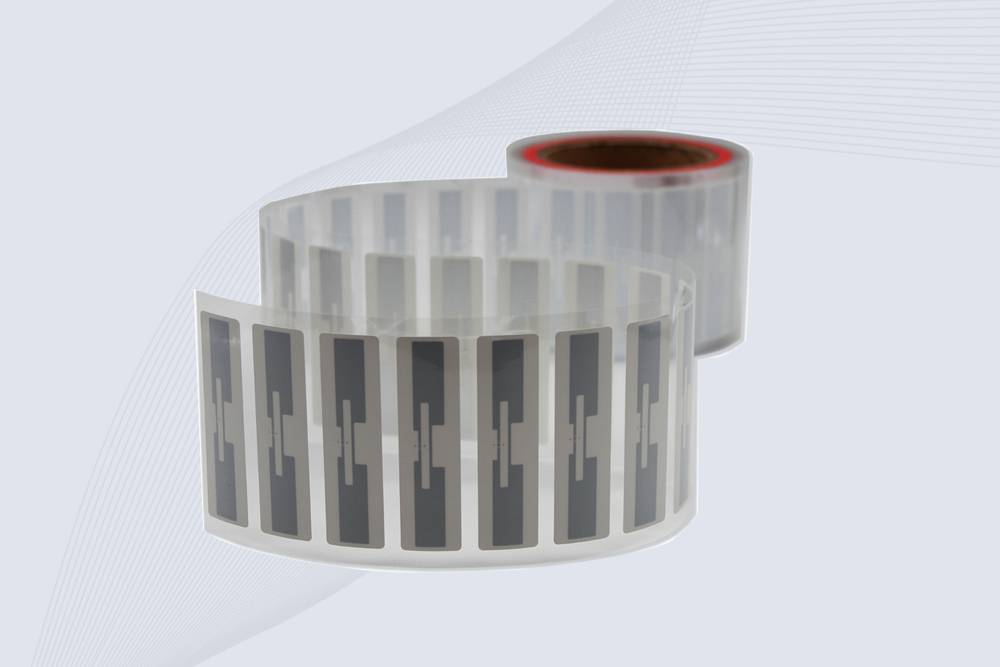
CYKEO Passive RFID Tags are made for wet and high-humidity environments where standard labels do not last. This rfid passive tag is often used around liquids, chemicals and temperature changes, providing stable reading distance and long data life for industrial tracking.
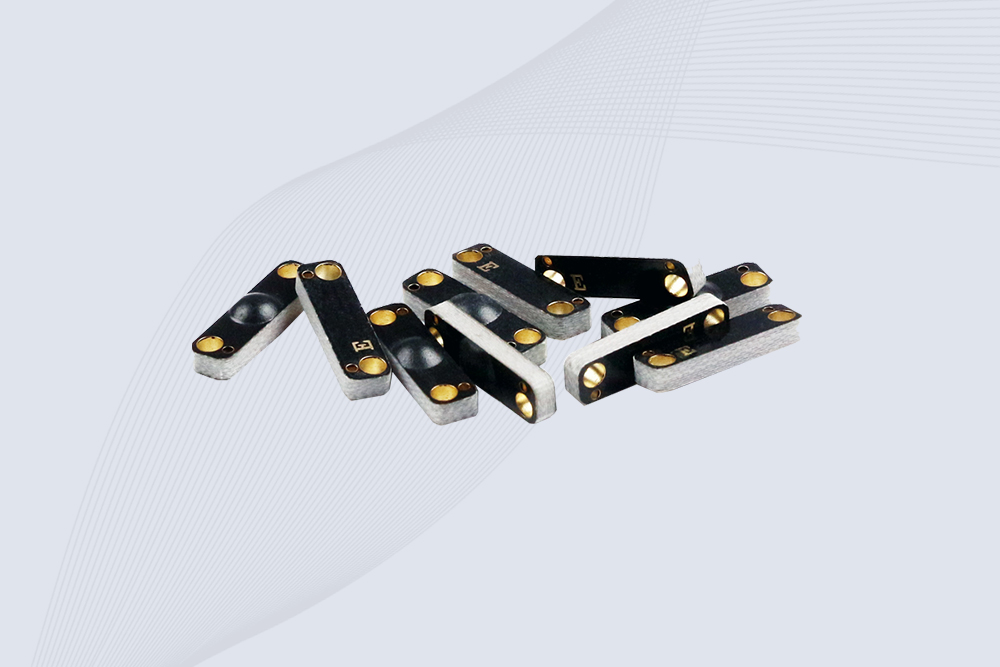
CYKEO CYKEO-PCB1504 Metal RFID Tags is a compact anti-metal UHF RFID solution built for direct mounting on metal surfaces. With stable 8-meter read range, Ucode-8 chip, and long data retention, this rfid metal tag fits tools, containers, automotive parts, and industrial asset tracking.
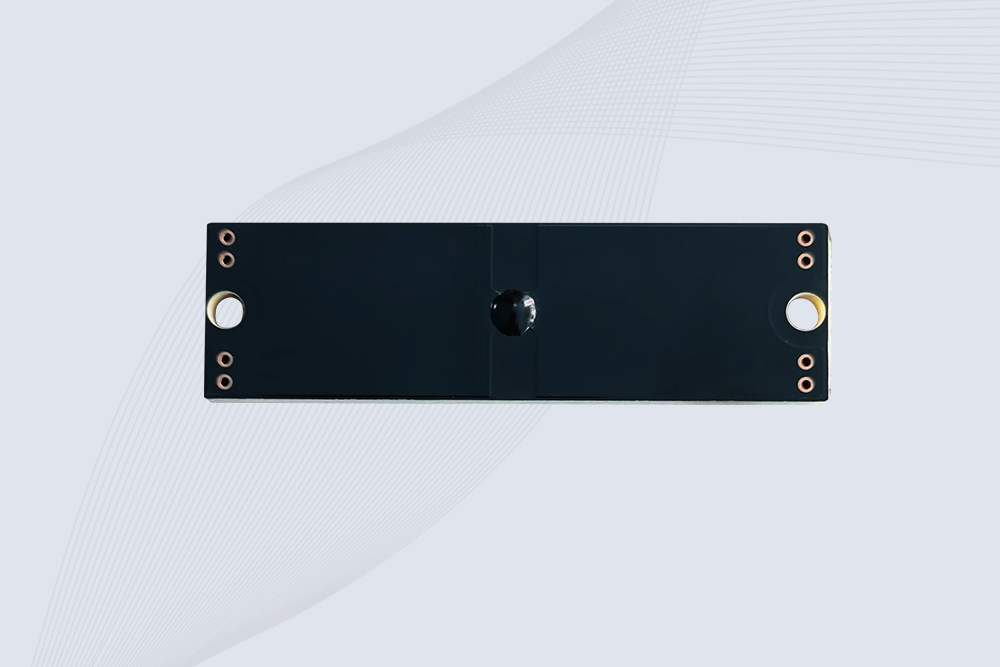
CYKEO CYKEO-PCB7020 On-Metal RFID Tags are designed for reliable tracking on steel and metal surfaces. Built with an FR4 epoxy body and industrial-grade chips, these On-Metal RFID Tags deliver stable performance, long data life, and chemical resistance, making them a dependable RFID anti-metal tag for harsh environments.
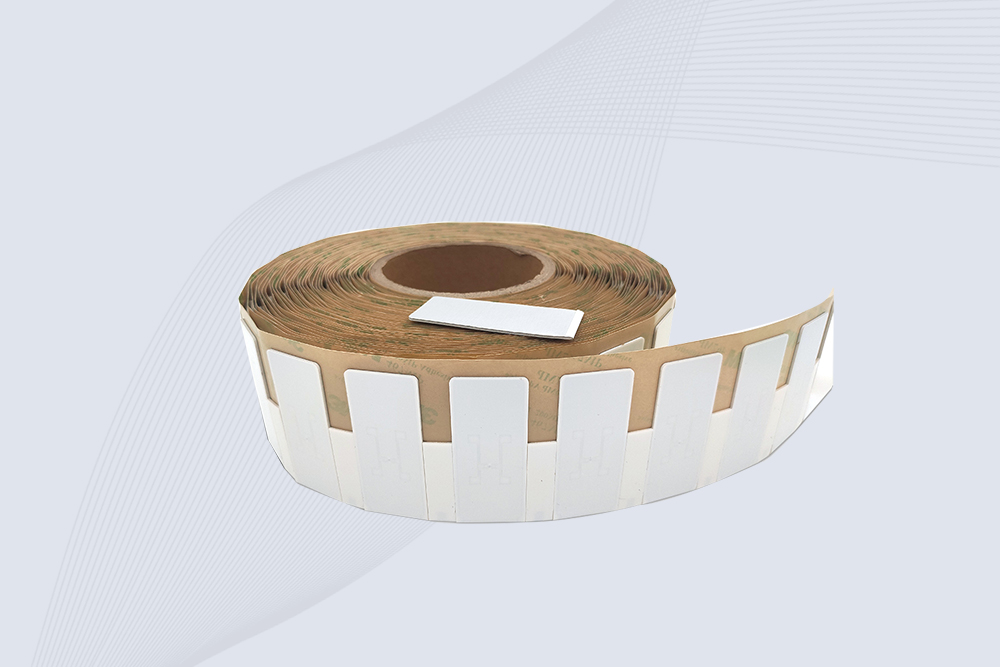
The CYKEO CYKEO-60-25 Anti-Metal RFID Tag is built for metal surfaces where standard tags fail. Designed for long-range performance, harsh environments, and stable data retention, this Anti-Metal RFID Tag is ideal for industrial assets, containers, and equipment tracking using on metal RFID tags.
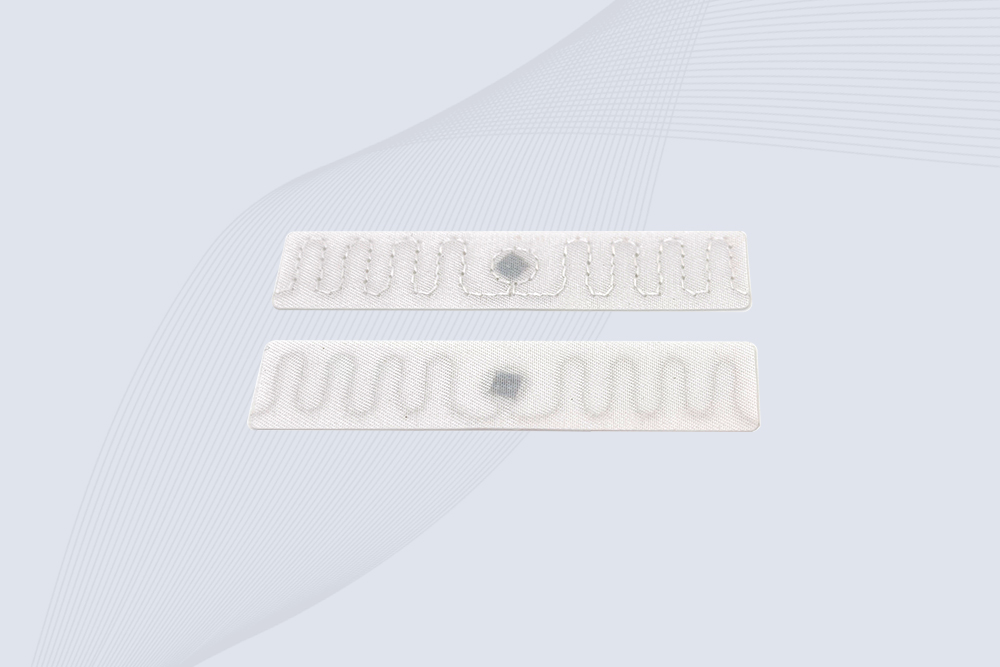
The CYKEO RFID Laundry Tag is designed for long-term textile identification in harsh laundry environments. Built to withstand high heat, chemicals, and repeated washing, this RFID Laundry Tag delivers stable performance for hotels, hospitals, and industrial laundry operations using laundry rfid tags at scale.
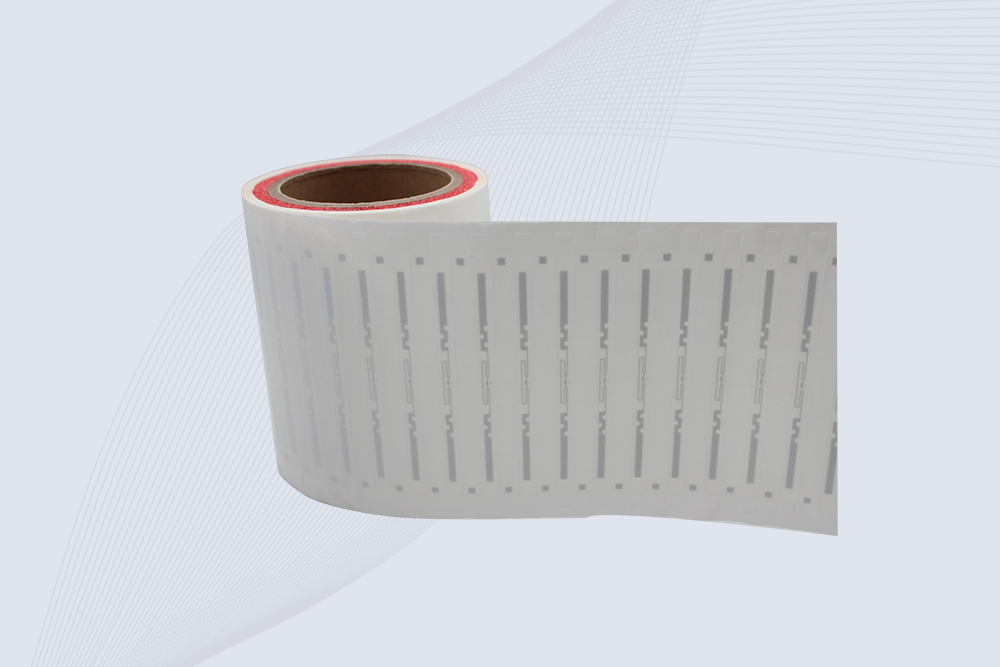
The CYKEO CYKEO-125-7 RFID Book Tag is designed for reliable book and document tracking in libraries and archives. This RFID Book Tag delivers long read range, dense placement support, and stable performance on shelves, making it a practical rfid tag on books for library automation, file management, and archival systems.
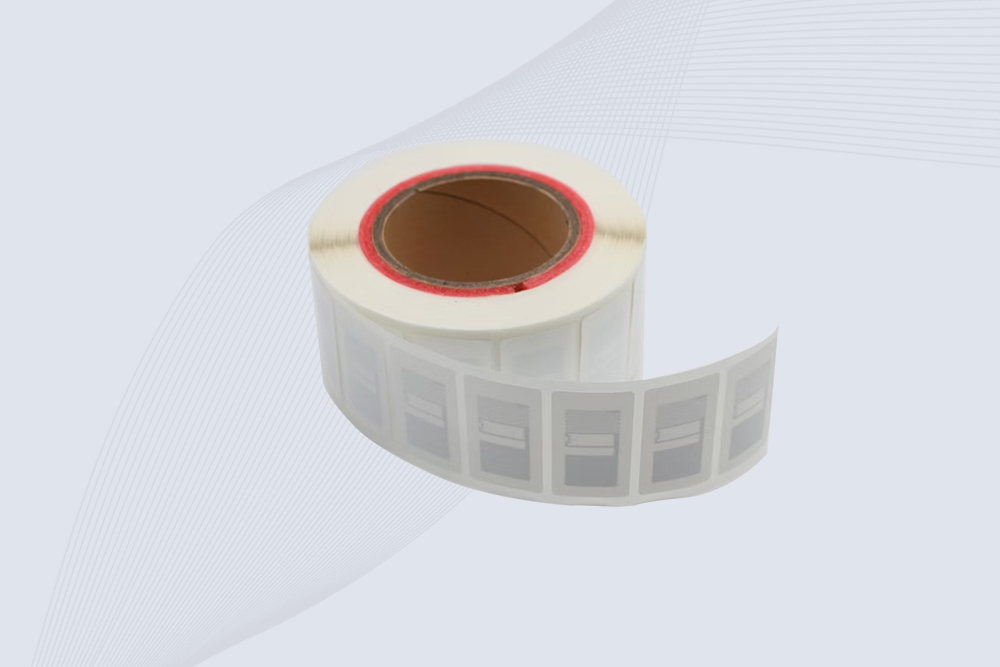
CYKEO RFID tags in hospitals are designed for sterile environments where accuracy matters. These autoclavable RFID tags support long-term tracking of surgical tools, implants, and medications, helping hospitals improve visibility, compliance, and patient safety.

CYKEO RFID Cable Tie Tag is built for reliable identification on metal surfaces. This UHF RFID Cable Tie Tag is widely used in rfid tags for inventory systems, industrial asset management and Hospital RFID Tags, offering stable read performance, long service life and global EPC Gen2 compatibility.
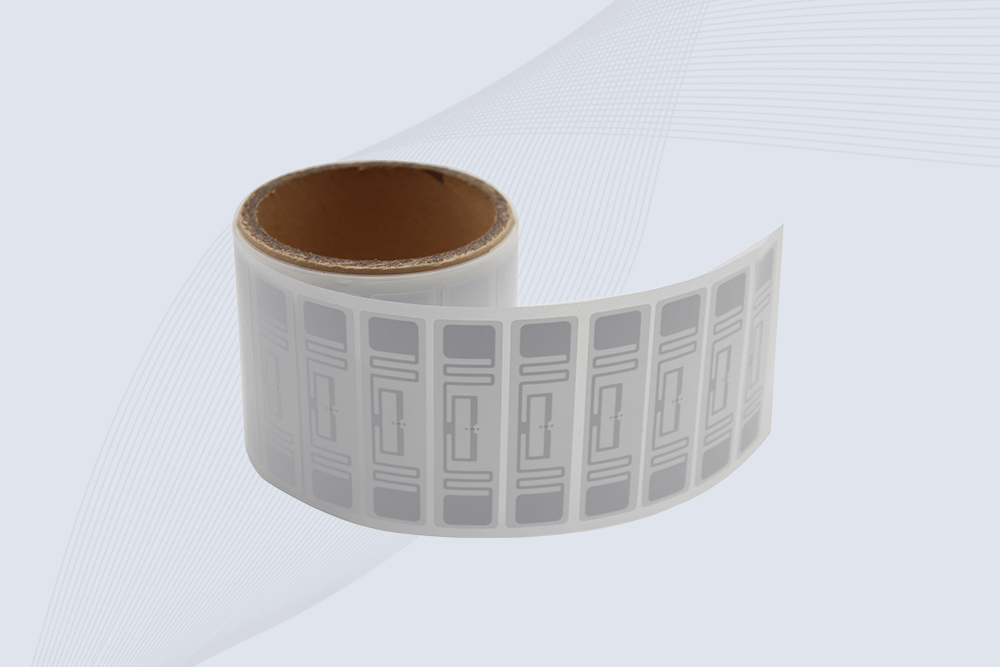
CYKEO RFID Asset Tag is designed for stable identification of metal assets in industrial environments. This UHF RFID Asset Tag is commonly used for rfid tag asset tracking on equipment, tools and containers, providing reliable reads, long service life and ISO/IEC 18000-6C support.

CYKEO UHF RFID Card is designed for fast identification and long-term use in industrial and commercial systems. Supporting ISO 18000-6C, this UHF RFID Card works at 860–960 MHz and is suitable for custom RFID cards used in asset tracking, access control and inventory management.
CYKEO HF RFID Cards are designed for secure and stable access control systems. These 13.56 MHz RFID key cards support ISO 14443-A, reliable rewriting and long service life, making HF RFID Cards suitable for offices, campuses, events and membership management.
CYKEO UHF RFID Tag is designed for reliable tracking of metal jewelry and high-value items. This Jewelry RFID Tag supports long-range reading up to 8 meters, anti-counterfeit protection and stable performance on metal, making it suitable for retail, inventory control and asset management.
RFID Industry Writer | IoT & Asset Tracking Analyst
James writes about RFID technology, asset tracking, and the practical challenges of digital transformation across warehousing, retail, manufacturing, and logistics.
His work focuses on how RFID is applied in real-world operations—improving inventory visibility, automating workflows, and helping businesses manage assets with greater accuracy and efficiency.
He regularly covers topics including UHF RFID, smart cabinets, RFID portals, tool tracking, warehouse automation, and industrial IoT trends..
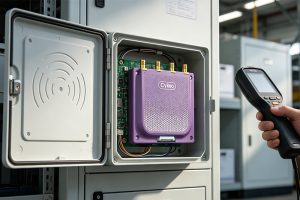
Learn how embedded RFID reader modules are used in smart cabinets, handheld terminals, warehouse automation, and industrial devices for OEM RFID integration projects.
More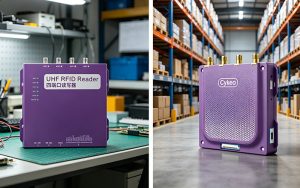
Learn how to make an RFID reader with real-world steps, components, and expert insights. Build, test, and optimize RFID systems using proven methods.
More
Discover affordable USB RFID readers under $100 perfect for small businesses. Compare features like read range, durability, and compatibility with inventory software.
More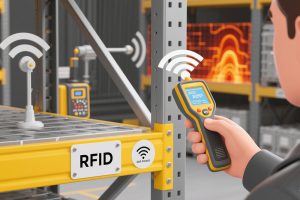
Learn proven strategies to minimize RFID tag read errors in high-metal warehouses. Discover anti-metal tags, optimal placement, and interference reduction techniques.
More