RFID chip tracking system technology enables companies to identify, trace, and manage assets automatically with real-time visibility, reducing manual counting errors and improving inventory accuracy across warehouses, factories, healthcare, and logistics operations.
In real warehouse deployments, the biggest improvement is not just speed. It is consistency. After years working with RFID-based inventory projects, I have seen teams reduce missed shipments simply because operators no longer rely on handwritten records or barcode-by-barcode scanning during peak loading hours.
A modern rfid chip tracking system combines RFID tags, fixed readers, antennas, software platforms, and automated alerts into one continuous tracking process. The result feels less like “counting inventory” and more like building a live digital map of physical assets.
Why RFID Chip Tracking System Adoption Is Accelerating
The logistics sector is under pressure from labor shortages, inventory shrinkage, and fulfillment speed expectations. RFID solves multiple bottlenecks at once.
According to research published by the RFID Lab at Auburn University, retailers using RFID achieved inventory accuracy levels between 95% and 99%, significantly higher than traditional manual processes.
Meanwhile, GS1 reports that RFID adoption continues expanding in retail and logistics because of its ability to improve supply chain transparency and reduce operational friction. Those numbers match what we observed during one apparel warehouse project in Southeast Asia. Before RFID deployment, cycle counts took almost two full shifts. After installing tunnel readers and automated verification stations, nightly counts finished before the outbound trucks arrived
The atmosphere changed completely. Fewer arguments. Fewer recounts. Less overtime.
How an RFID Chip Tracking System Works
RFID Tags Store Unique Asset Data
Each RFID chip contains a unique identifier linked to database records such as:
Product SKU
Batch information
Manufacturing date
Storage location
Shipment status
Maintenance records
Unlike barcodes, RFID does not require direct line-of-sight scanning.
Readers Capture Data Automatically
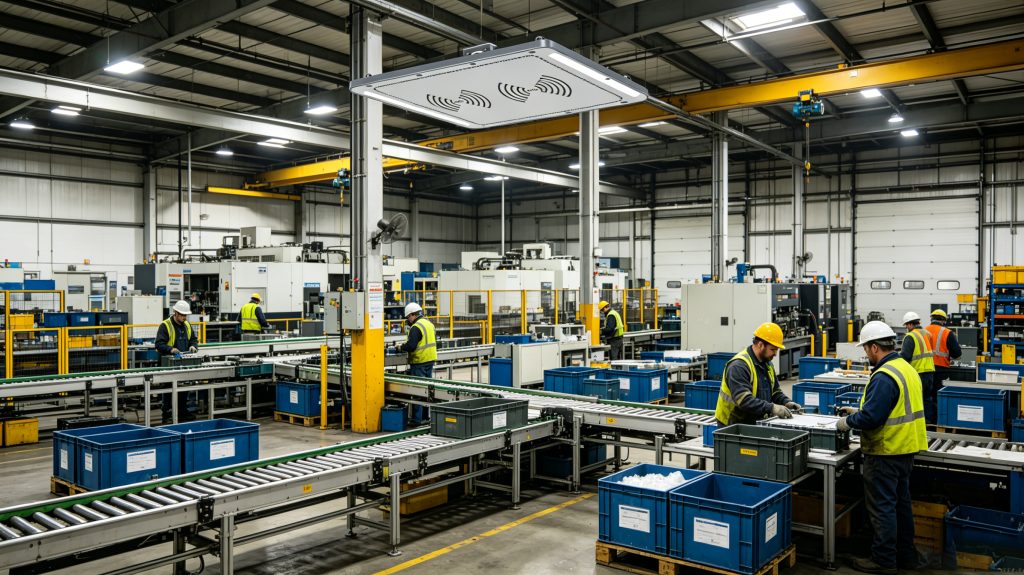
Fixed readers installed at doors, shelves, conveyors, or ceilings continuously detect tagged assets moving through operational zones.
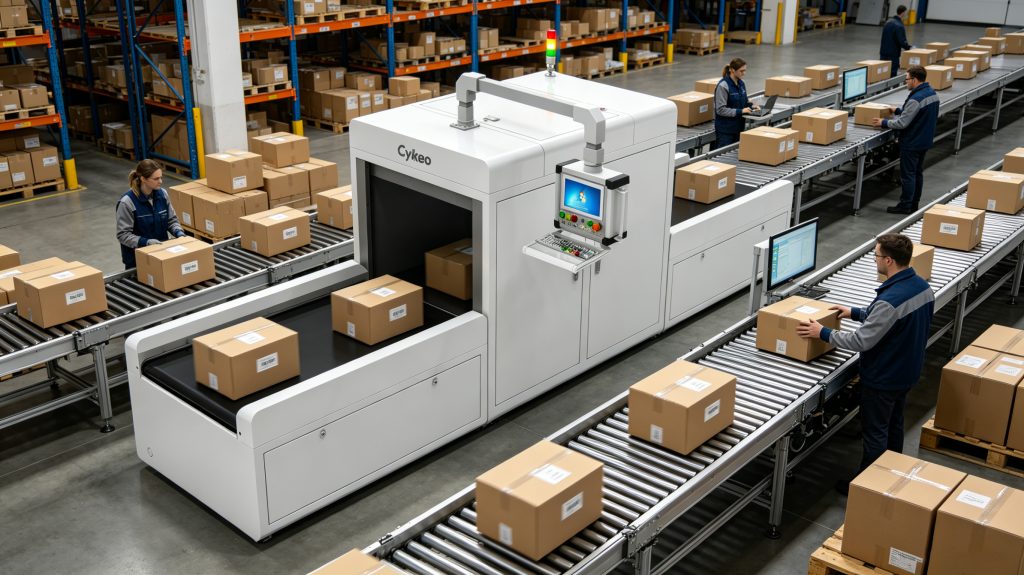
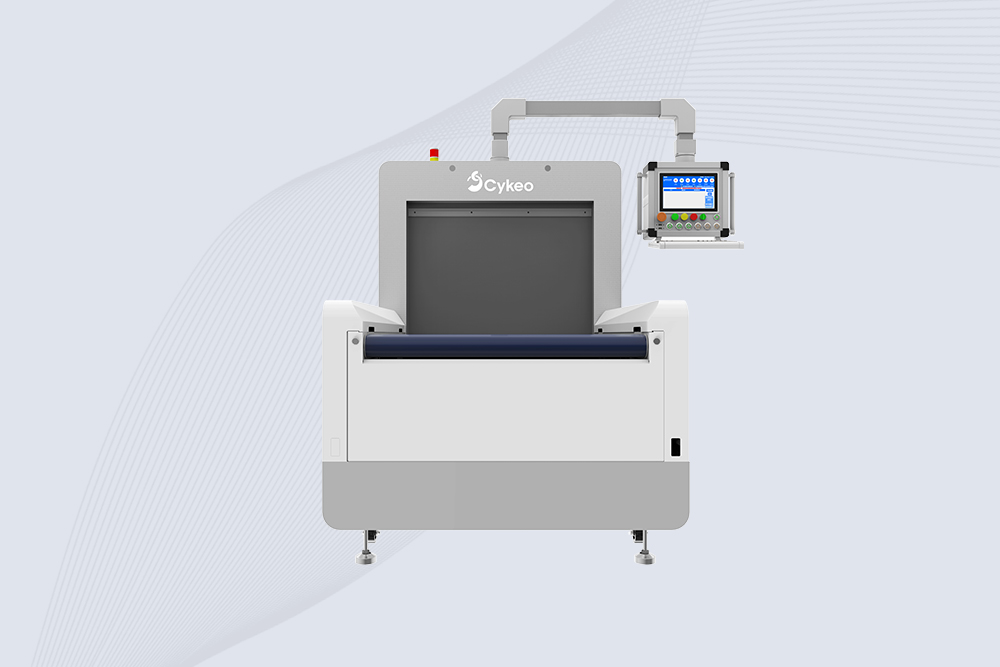
Cykeo tunnel systems can identify hundreds of tagged products within seconds during inbound and outbound verification processes.
Software Converts Reads Into Actionable Data
The software layer matters more than many buyers realize.
A good rfid chip tracking system should support:
Function
Operational Benefit
Real-time dashboard
Live inventory visibility
Alarm rules
Unauthorized movement alerts
Historical logs
Audit and compliance tracking
API integration
ERP/WMS synchronization
Multi-tag filtering
Faster dense-tag environments
Without strong middleware, raw RFID data becomes noise.
Real Manufacturing Experience With RFID Automation
In one electronics assembly facility, metal carts carrying semi-finished products constantly disappeared between production zones. Operators wasted 20–30 minutes every shift searching for them.
Alert notifications when carts entered incorrect areas
Within six weeks:
Search time dropped by over 80%
Manual logging nearly disappeared
Production delays caused by missing carts sharply decreased
What stood out most was operator behavior. Workers stopped “double checking” paperwork because the system itself became the trusted reference point.
That transition only happens when read stability is reliable.
RFID Tunnel Tracking for Logistics Operations
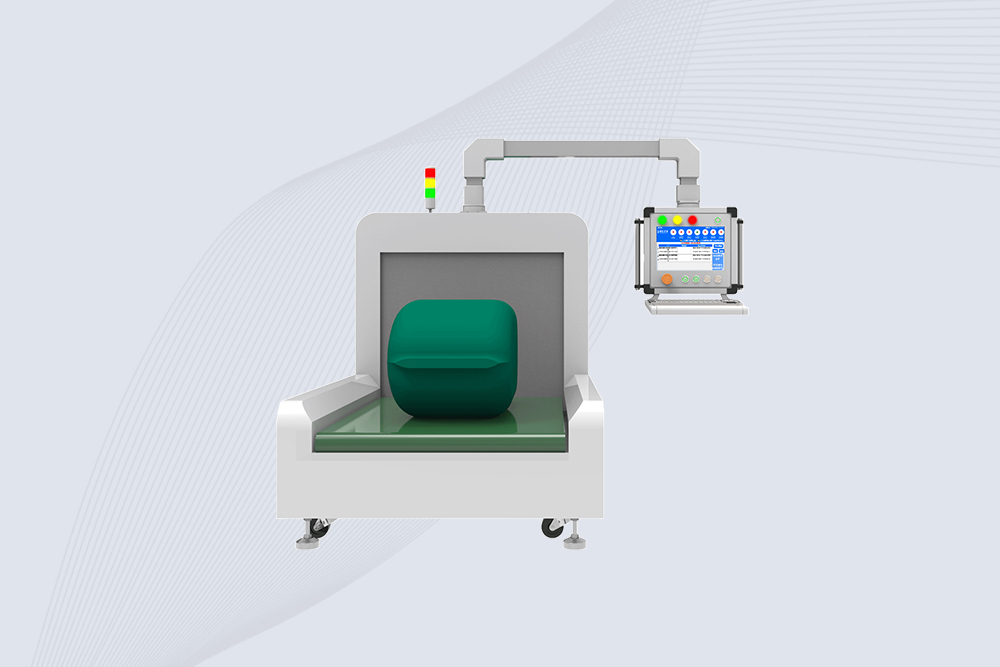
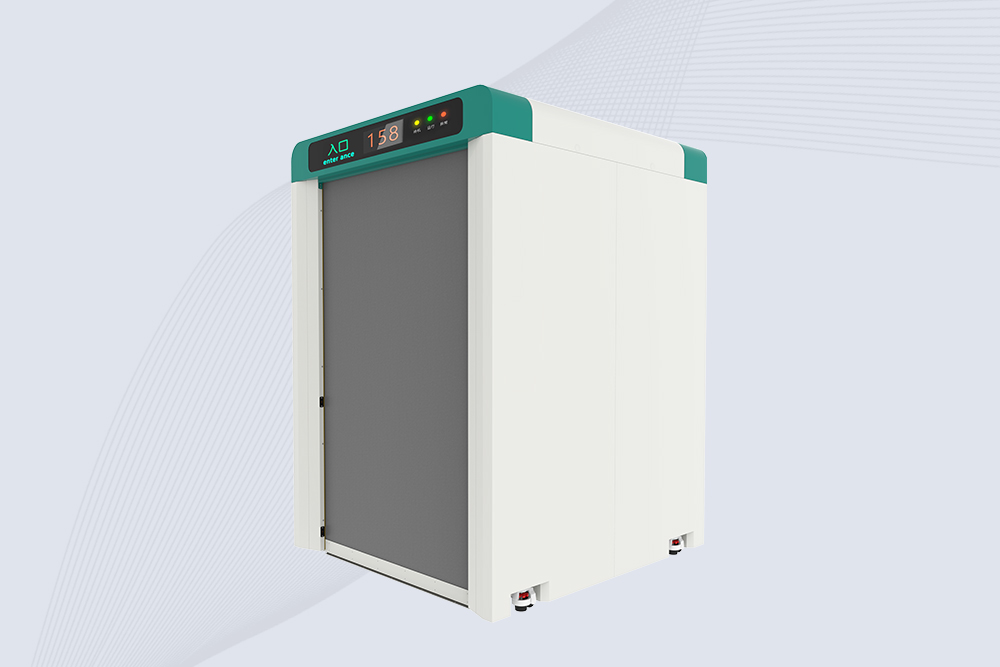
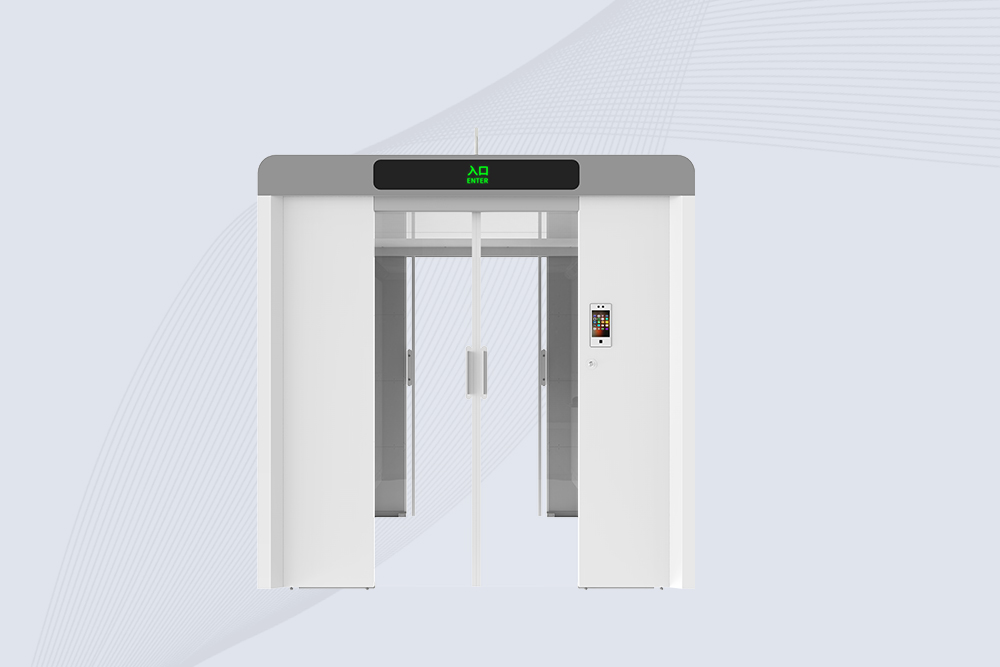
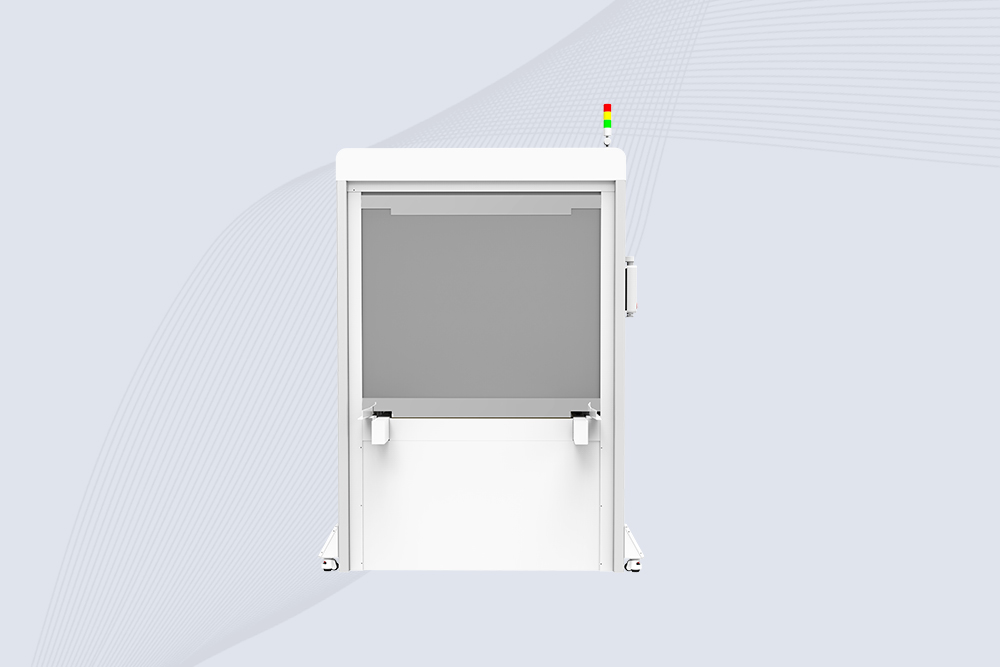
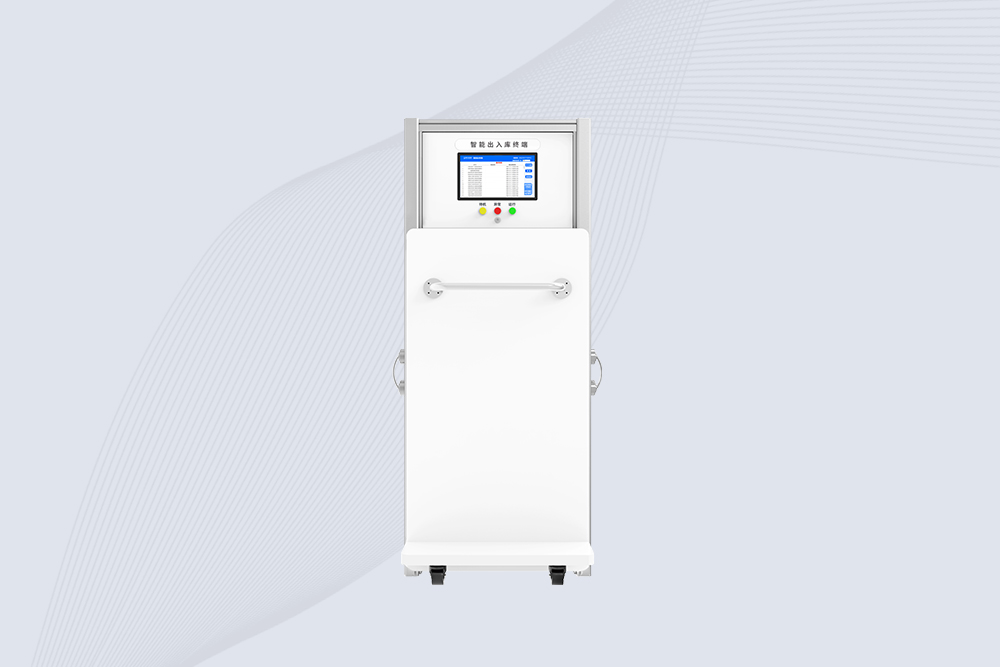
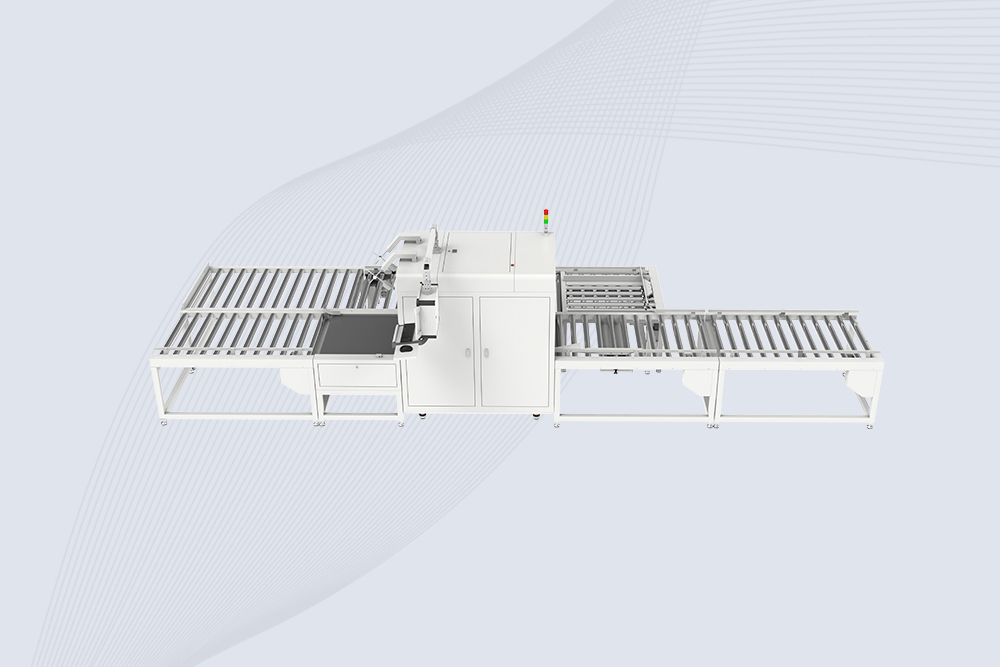
Cykeo conveyor tunnel systems are designed specifically for high-volume logistics verification.
Key Operational Advantages
Identify 400+ tagged items within 3 seconds
Real-time verification list generation
Automatic mismatch alarm functions
Electromagnetic shielding optimization
Support for secondary software development
Traditional barcode scanning often creates congestion during receiving operations. RFID tunnels remove the stop-scan-confirm-repeat workflow entirely.
Boxes move continuously.
The system handles recognition automatically.
That difference becomes very visible during holiday shipping peaks.
Automated RFID tunnel verification improves logistics speed and inventory accuracy.
RFID vs Barcode Tracking
Where RFID Performs Better
Comparison
RFID
Barcode
Line-of-sight required
No
Yes
Bulk reading
Yes
Limited
Read speed
Very fast
Manual dependent
Durability
High
Medium
Automation capability
Excellent
Moderate
Barcodes still work well for low-volume environments. But once facilities move into continuous fulfillment workflows, RFID becomes more scalable.
Especially when labor costs rise.
Security and Loss Prevention Benefits
A properly configured rfid chip tracking system also strengthens operational security.
Examples include:
Unauthorized asset movement alerts
Restricted zone access verification
Shipment mismatch detection
Automated return confirmation
Anti-theft monitoring
Some facilities now integrate RFID with video surveillance and access control systems to create synchronized audit trails.
That combination is becoming increasingly common in pharmaceutical and electronics logistics.
Ceiling RFID readers provide automated real-time asset visibility in industrial environments.
Common Industries Using RFID Chip Tracking Systems
Logistics and Warehousing
Shipment verification
Automated receiving
Inventory cycle counting
Healthcare
Medical asset tracking
Surgical inventory management
Pharmaceutical traceability
Manufacturing
Work-in-process tracking
Tool management
Production automation
Retail
Smart inventory visibility
Loss prevention
Omnichannel fulfillment
FAQ
What is an RFID chip tracking system?
An RFID chip tracking system automatically identifies and tracks tagged assets using radio frequency signals without requiring direct manual scanning.
How accurate is RFID inventory tracking?
Well-designed RFID systems can achieve inventory accuracy rates above 95%, according to Auburn University RFID Lab research.
Can RFID work around metal products?
Yes. Specialized on-metal RFID tags and antenna optimization allow stable tracking in industrial metal environments.
Is RFID better than barcode tracking?
For high-volume automation, RFID is generally faster and more scalable because it supports bulk reading without line-of-sight scanning.
What frequency is commonly used for logistics RFID?
Most warehouse and logistics applications use UHF RFID because of its longer read distance and faster multi-tag reading capability.
Final Thoughts
The biggest advantage of an rfid chip tracking system is not the technology itself. It is operational visibility.
Once inventory movement becomes continuously visible, companies stop reacting to problems after they happen. They start preventing them earlier.
That shift changes warehouse behavior more than most executives expect.
For growing logistics and industrial operations, RFID is no longer experimental infrastructure. It is gradually becoming baseline operational architecture.
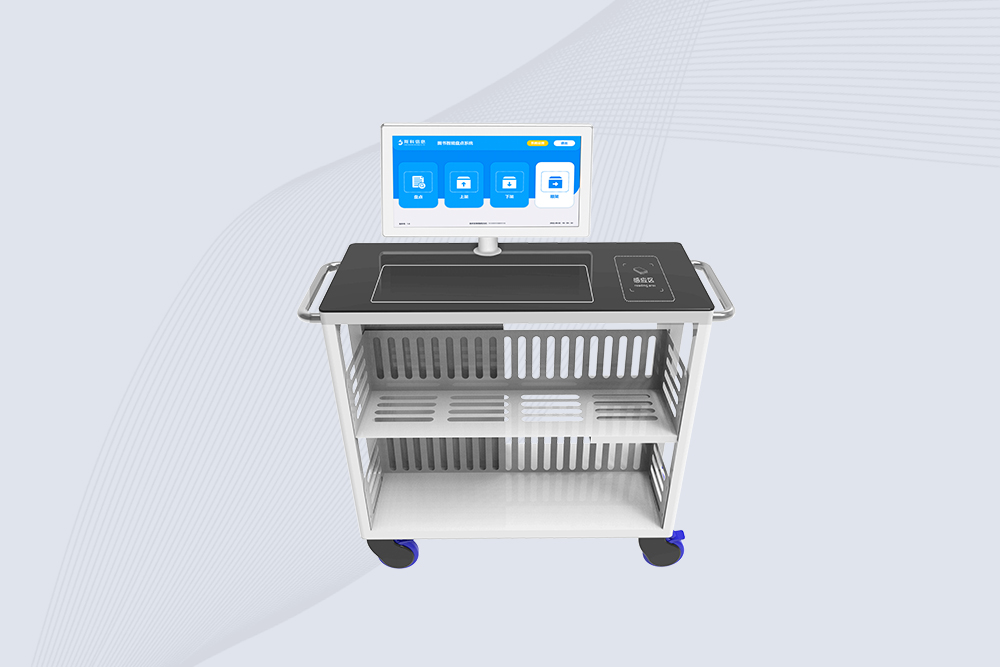
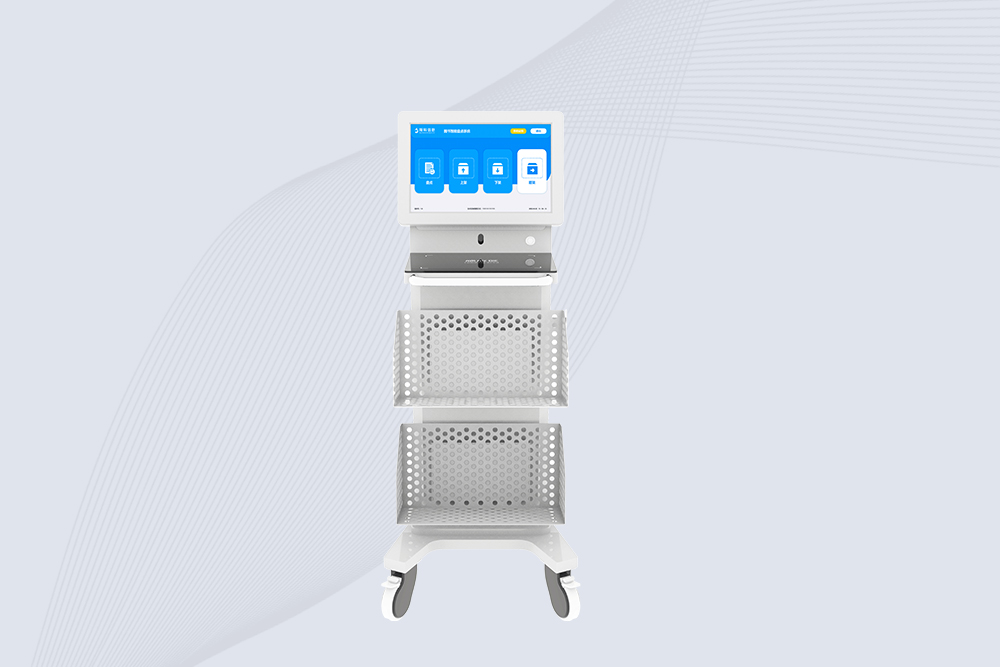
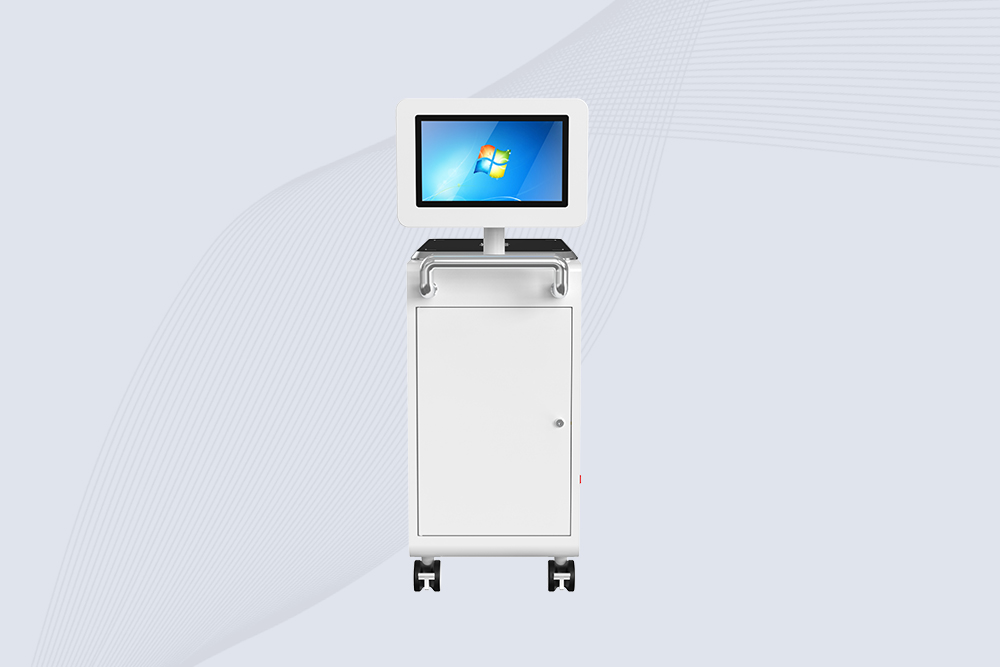
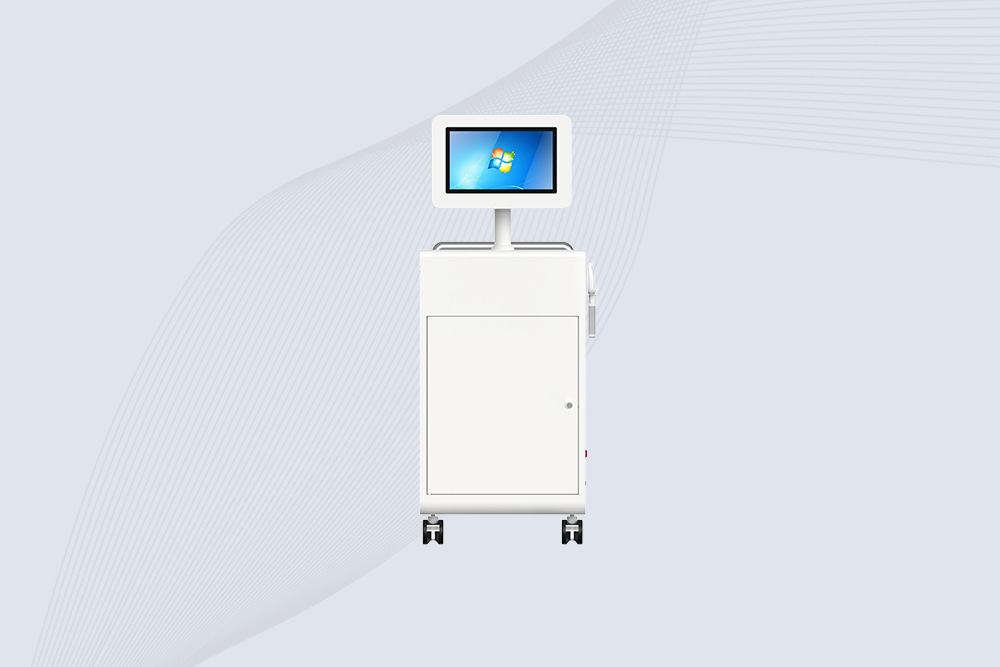
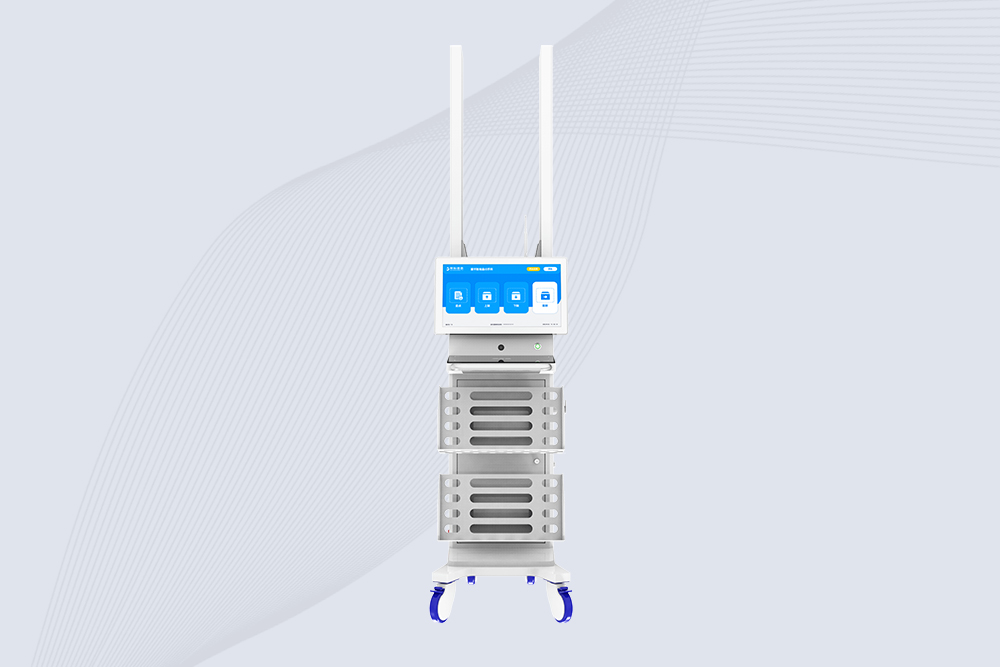
Cykeo CYKEO-C2 UHF RFID inventory cart features 10 UHF readers, 500 tags/sec scanning, Windows/Android OS, and hybrid power for warehouses/libraries. Supports ISO 18000-6C protocols and customization.
Cykeo’s industrial RFID Inventory Tracking station features dual scanning modes, 200+ items/sec bulk reading, and SAP integration for precise warehouse management. MIL-STD-810G certified with Windows/Android OS.
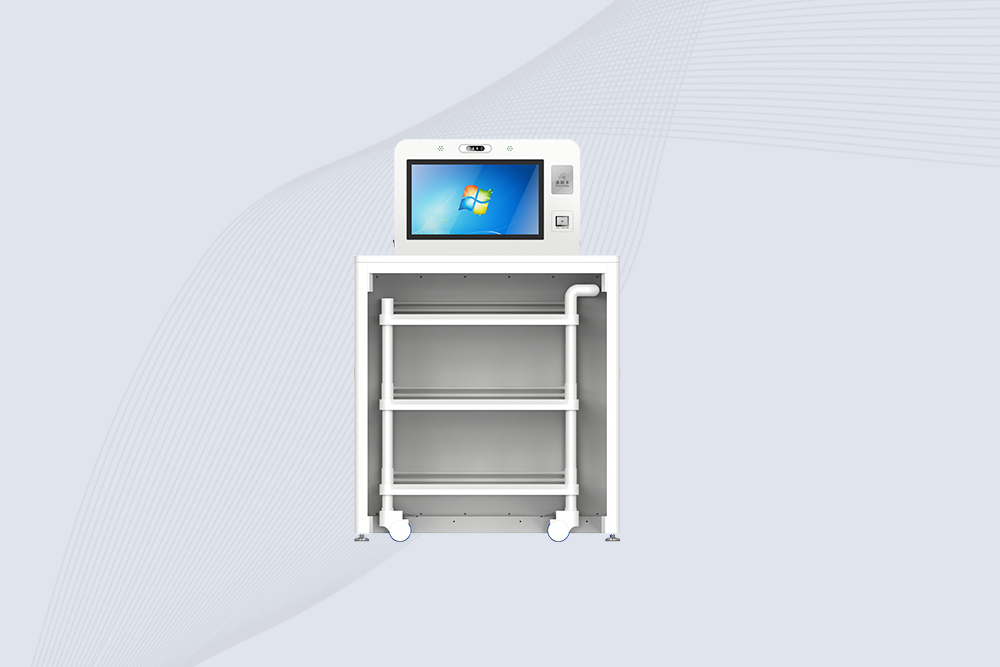
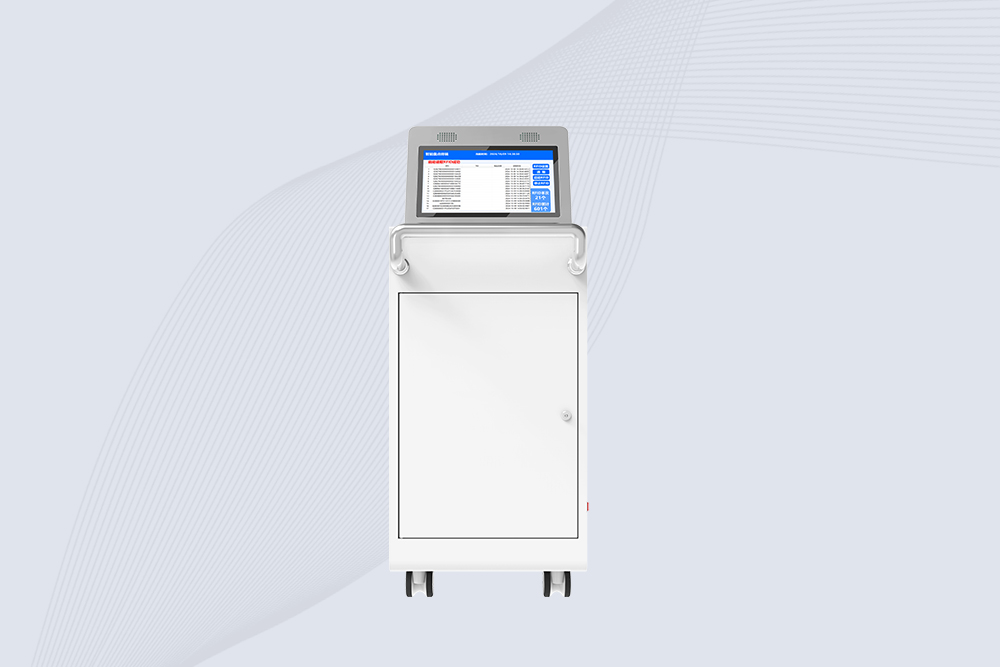
Cykeo CYKEO-D7 RFID system for inventory offers 40+ tags/sec scanning, 150L secure storage, and Impinj R2000 chipset for warehouses, toolrooms, and retail. Global frequency compliance (840-960MHz).
Cykeo CYKEO-C1 mobile RFID scanner cart features PLC-controlled antenna lifting, 10-tag/sec reading, and 21.5″ touchscreen for libraries, hospitals, and warehouses. Supports Windows/Android and multi-protocol RFID.
Cykeo CYKEO-C3 industrial warehouse RFID scanner features motorized lift (2.2m height), 800+ tags/min scanning, Windows/Android OS, and ERP integration. Ideal for high-shelf inventory in logistics/manufacturing.
Cykeo’s CYKEO-TP2 automated RFID Inventory Management Tunnel System features 80kg capacity conveyor, 400 tags/sec scanning, and real-time data validation for warehouse/logistics operations.
Cykeo’s CYKEO-TP3BC RFID inventory tunnel System management machine delivers 400+ tags/sec counting with ISO 18000-6C compliance. Features 80kg conveyor, -20°C~60°C operation, and ERP integration for apparel/electronics warehouses.
Cykeo’s industrial RFID tunnel scanner enables bulk inventory management for apparel, utilities, and hospitality. Features 10cm anti-interference, ISO18000-6C compliance, and SAP/Oracle integration.
Cykeo CYKEO-TP4 industrial RFID tunnel system features 800-tag/batch processing, PLC-automated shutters, and SAP integration for apparel/hotel/power industries. 3-second verification with 99.9% accuracy.
Cykeo CYKEO-TP5A industrial RFID tunnel system features 800-tag/batch processing, PLC-automated shutters, and SAP integration for apparel/hotel/power industries. 3-second verification with 99.9% accuracy.
Cykeo CYKEO-GP industrial RFID tunnel achieves 300pcs/sec bulk RFID tags inventory tracking with ISO 18000-6C protocol. 1.9m tunnel height for cage carts, 20cm anti-crosshield tech.
Cykeo CYKEO-C4A RFID inventory systems Cart feature dual-band scanning, 10-antenna array, and SAP integration for warehouse/hospital/supermarket asset audits. 300+ items/min accuracy with industrial reliability.
Cykeo CYKEO-C4B RFID inventory managment cart features dual-band scanning, 10-antenna array, and SAP integration for real-time asset tracking in warehouses/hospitals.
Cykeo CYKEO-C4C RFID inventory tracking cart features 10-antenna array, 300+ items/min scanning, and SAP integration for real-time asset visibility in warehouses/hospitals.
Cykeo CYKEO-T8B industrial rfid gate access system offers 1.85m scanning corridor, 99.6% read accuracy, and Windows/Android OS for production line verification. Supports SAP/Oracle integration.
Cykeo CYKEO-C1A RFID tag inventory system features vertical 2.2m manual lift, dual antennas, and Android/Windows OS for warehouse/library inventory. Supports SAP/Oracle integration.
Cykeo CYKEO-TP4A retractable RFID gate processes 1000+ items in 10 seconds with expandable width design. Ideal for large-scale utility, hotel linen, and apparel inventory management.
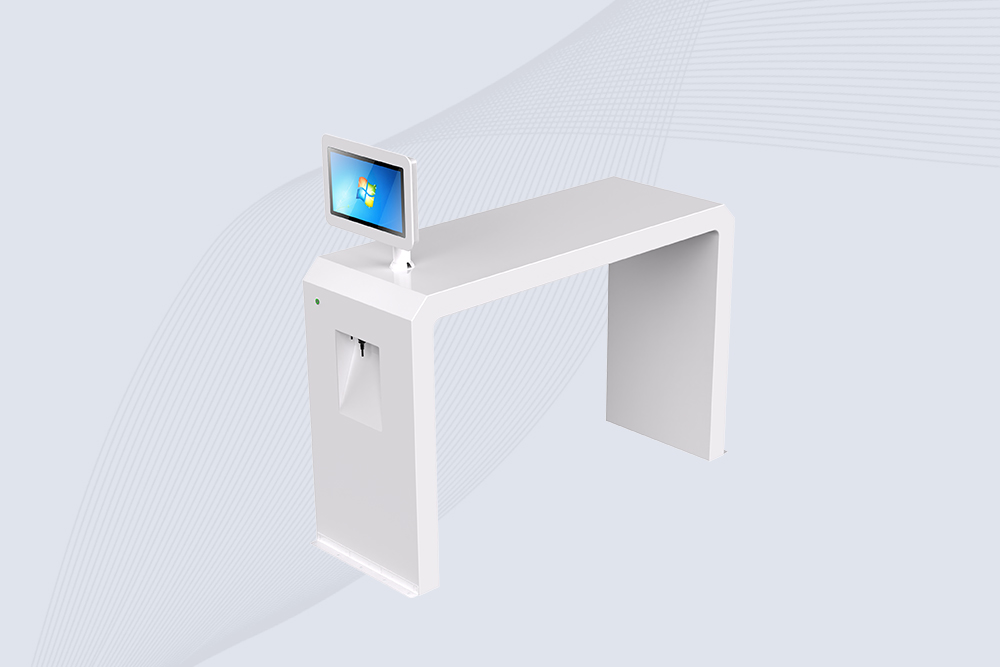
Cykeo CYKEO-S1 RFID library book return sorting system processes 1200 books/hour with modular design and dual-frequency RFID support. Ideal for automated library book sorting and categorization.
Cykeo CYKEO-TP2C RFID tunnel reader verifies 400+ items in 3 seconds with 4-antenna array and PLC control. Ideal for warehouse inventory management with 99.9% accuracy.
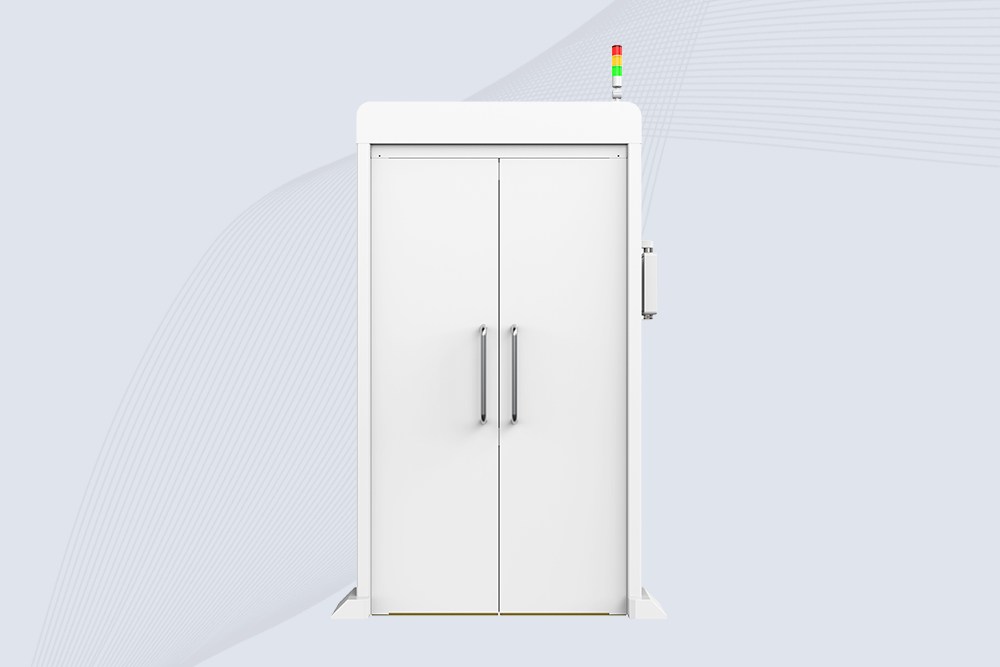
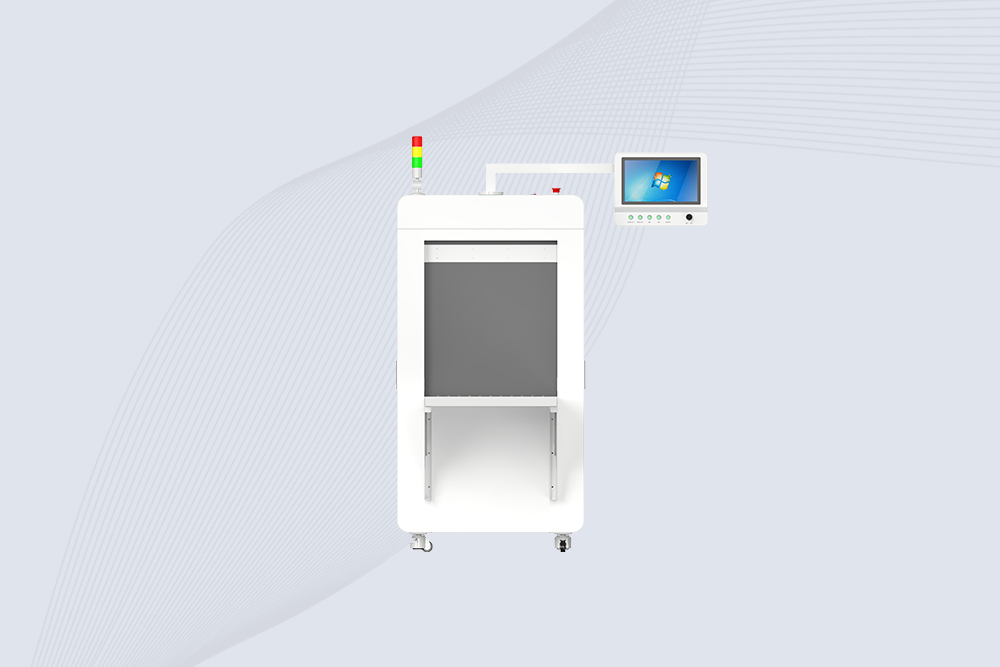
Cykeo CYKEO-TP2D compact RFID tunnel scanner reader offers enclosed scanning with auto-shutter door and IR-activated conveyor. Ideal for mid-scale warehouse inventory management.
Cykeo CYKEO-TP2A RFID tunnel reader verifies 400+ items in 3 seconds. Integrates RFID, barcode, weighing, and automated sorting for warehouse logistics. Boosts accuracy to 100%.
Discover what RFID wireless theft really means. From card skimming to retail loss prevention, learn real-world risks, how criminals exploit RFID, and the best defenses to secure your data and assets.
To read an RFID card, use a compatible RFID reader that communicates with the embedded chip through radio frequency signals and transfers stored card data to...
In today digital era, businesses are increasingly demanding efficient management and precise data collection. As key technology in the age of the Internet of Things (IoT), RFID tag readers offer transformative benefits across industries through fe...
 Cykeo RFID IoT Solution Products R&D Manufacturer