 Cykeo RFID IoT Solution Products R&D Manufacturer

Anti Metal RFID Tag: Why Standard RFID Tags Fail on Metal Surfaces
187Why do RFID tags fail on metal? Learn how anti metal RFID tags solve interference issues and improve tracking accuracy in industrial environments.
MoreAll RFID Product
If you’ve ever worked with RFID, you’ve probably heard the warning:
“RFID and metal don’t mix.”
It’s one of the most common statements in the industry, and for good reason. Metal can seriously affect RFID performance. It can shorten read range, distort signals, and sometimes make a tag appear completely invisible to a reader.
But that doesn’t mean RFID stops working whenever metal is involved.
In fact, some of the world’s largest asset tracking systems rely on RFID tags attached directly to metal tools, steel containers, industrial equipment, and manufacturing assets.
So can RFID tags work inside metal?
The short answer is: sometimes yes, often no, and it depends entirely on how the system is designed.
Let’s look at why.
RFID communication depends on radio waves traveling between a reader and a tag.
Metal interacts with those radio waves in ways that can create challenges.
Instead of allowing the signal to pass through normally, metal tends to:
When a standard RFID label is placed directly on a metal surface, the metal can alter the antenna’s electrical characteristics. The tag may still exist physically, but its performance can drop dramatically.
In some cases, a tag that normally reads several meters away may become unreadable when attached directly to steel.
This is why many first-time RFID deployments struggle when metal assets are involved
This is where many misconceptions begin.
RF signals generally do not pass effectively through solid metal.
Think of metal as a barrier rather than a transparent material.
If an RFID tag is completely enclosed inside a sealed metal box, container, or cabinet, communication with an external reader becomes extremely difficult.
The metal enclosure effectively acts like a shield that prevents radio waves from entering or leaving.
This is why simply placing a standard RFID tag inside a steel container rarely works well.
Many engineers describe the effect as similar to a Faraday cage, where conductive materials block electromagnetic signals.

The RFID industry solved this problem years ago through specialized tag designs.
These are often called on-metal RFID tags.
Unlike standard RFID labels, on-metal tags include materials and antenna structures that create separation between the antenna and the metal surface.
This separation helps prevent the antenna from becoming detuned.
Instead of fighting the metal, the tag is designed to work with it.
As a result, properly designed on-metal tags can often achieve excellent read performance on:
This is one reason industrial RFID projects look very different from retail RFID deployments.
This question appears frequently in RFID forums and engineering discussions.
The answer depends on several factors:
When a tag is fully enclosed by metal, read performance usually drops significantly.
The RFID reader’s signal cannot easily reach the tag, and the tag’s response cannot easily escape the enclosure.
In many situations, communication becomes impossible.
Sometimes a metal container has openings, vents, seams, or non-metallic sections.
In these situations, RFID signals may enter through those gaps.
Read performance may still be reduced, but communication can sometimes occur depending on frequency, orientation, and reader placement.
Many industrial applications solve the problem by mounting the RFID tag on the outside of the container rather than inside.
This approach is often simpler, less expensive, and more reliable.
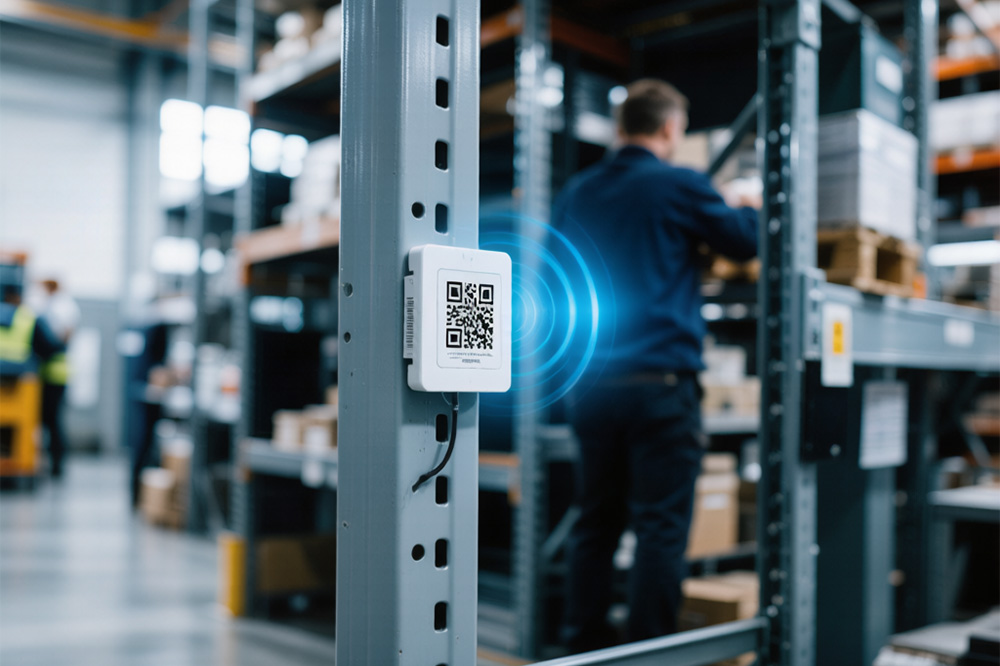
Absolutely.
Different RFID frequencies behave differently around metal.
Low-frequency RFID is generally less affected by metal than higher-frequency systems.
However, read distances are usually shorter.
HF systems can sometimes operate near metal, but careful antenna design becomes important.
Many access control and NFC applications include shielding layers to improve performance.
UHF RFID delivers longer read ranges, which is why it’s widely used for logistics and asset tracking.
However, UHF is often the most sensitive to metal interference when standard tags are used.
That’s why specialized on-metal UHF tags have become so common in industrial deployments.
Industrial users often ask another question:
“If a tag works on metal equipment, can it survive the environment?”
The answer depends on the tag construction.
Industrial RFID tags are available for applications involving:
In manufacturing facilities, metal processing plants, and logistics operations, durability can be just as important as read performance.
Choosing the wrong tag often leads to failure long before read range becomes an issue.
After years of RFID installations, the same mistakes appear again and again.
A standard RFID label designed for cardboard boxes may perform poorly when attached to metal equipment.
Even the best RFID tag can underperform if it’s mounted incorrectly.
Reader position and tag orientation matter more than many people realize.
A tag that works perfectly in a lab may behave differently in a busy warehouse filled with metal shelving, forklifts, and moving inventory.
Real-world testing is essential.
The cheapest RFID tag is rarely the most economical choice when dealing with metal assets.
A slightly more expensive tag that delivers reliable performance often reduces long-term operational costs.

If you’ve ever experienced an RFID system that worked perfectly during testing but failed after installation on metal assets, you’re not alone.
Many RFID performance problems come from metal-related signal interference rather than reader failures.
For a deeper explanation, read:
RFID on Metal: Why Your Tags Go Silent and How to Fix It
This guide explains the most common causes of RFID signal loss around metal surfaces and practical ways businesses solve the problem.
So, can RFID tags work inside metal?
Sometimes—but not always.
Metal is one of the most challenging materials in RFID deployments because it reflects and interferes with radio signals. A standard RFID tag hidden inside a sealed metal enclosure will usually struggle or fail to communicate.
That said, modern on-metal RFID technology has made it possible to track metal assets, steel containers, industrial tools, and manufacturing equipment with impressive reliability.
The key isn’t avoiding metal.
The key is choosing the right RFID design for the environment you’re working in.
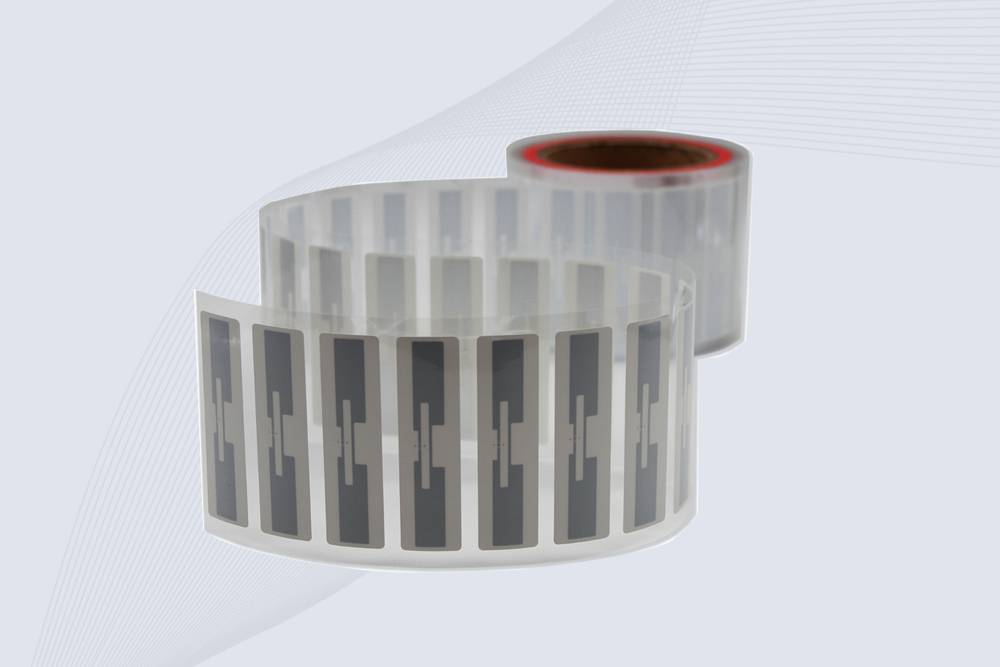
CYKEO Passive RFID Tags are made for wet and high-humidity environments where standard labels do not last. This rfid passive tag is often used around liquids, chemicals and temperature changes, providing stable reading distance and long data life for industrial tracking.
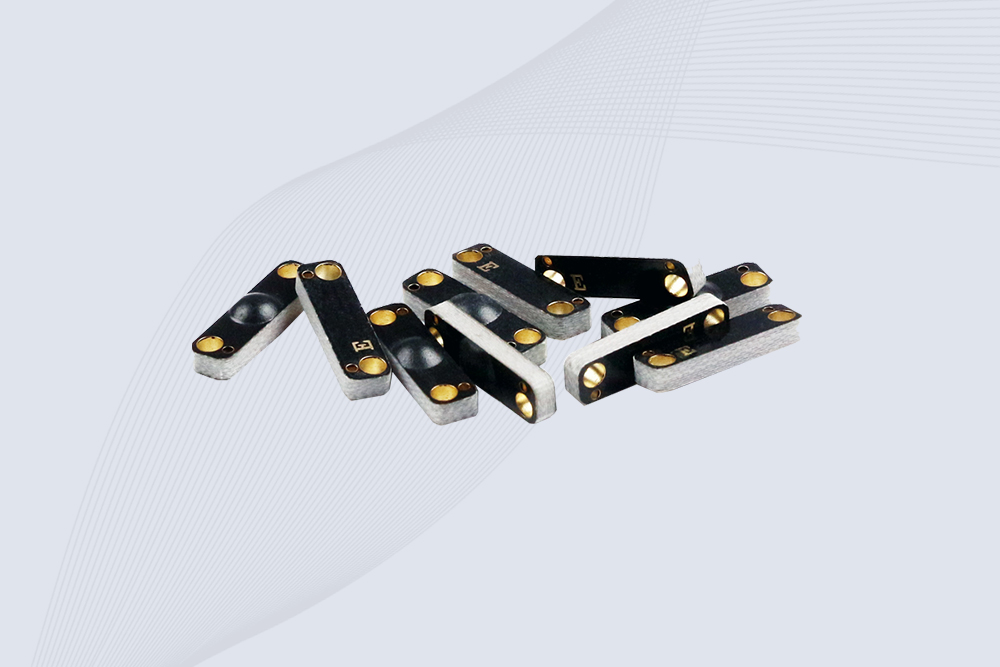
CYKEO CYKEO-PCB1504 Metal RFID Tags is a compact anti-metal UHF RFID solution built for direct mounting on metal surfaces. With stable 8-meter read range, Ucode-8 chip, and long data retention, this rfid metal tag fits tools, containers, automotive parts, and industrial asset tracking.
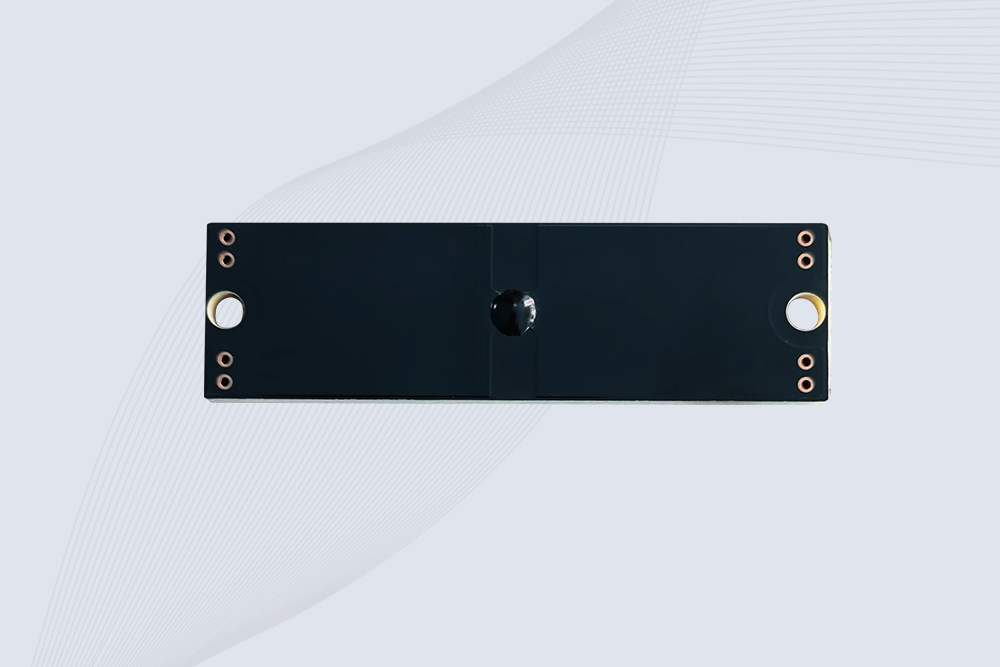
CYKEO CYKEO-PCB7020 On-Metal RFID Tags are designed for reliable tracking on steel and metal surfaces. Built with an FR4 epoxy body and industrial-grade chips, these On-Metal RFID Tags deliver stable performance, long data life, and chemical resistance, making them a dependable RFID anti-metal tag for harsh environments.
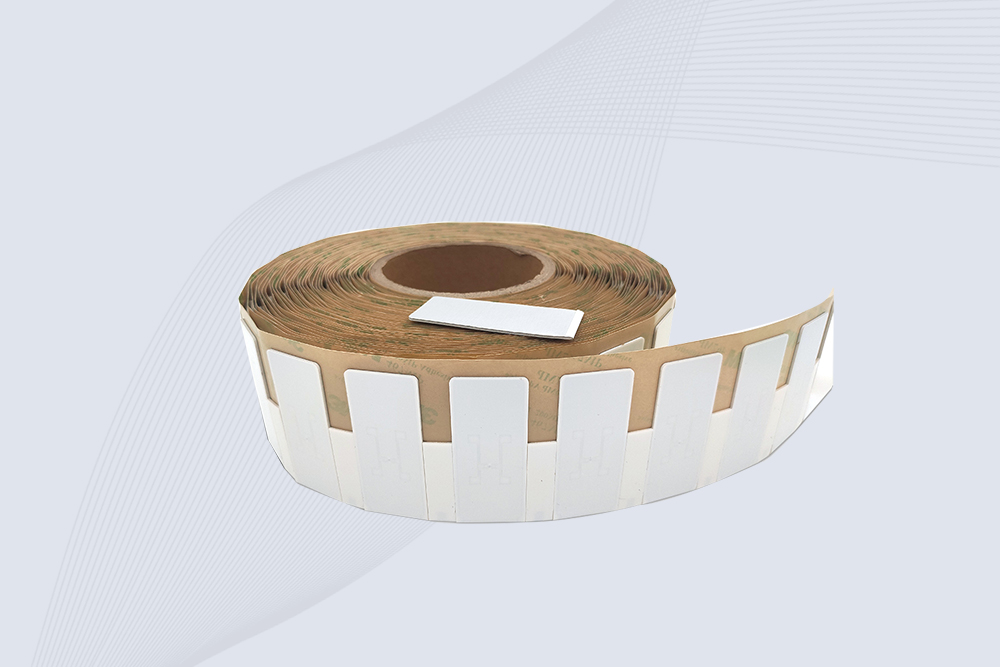
The CYKEO CYKEO-60-25 Anti-Metal RFID Tag is built for metal surfaces where standard tags fail. Designed for long-range performance, harsh environments, and stable data retention, this Anti-Metal RFID Tag is ideal for industrial assets, containers, and equipment tracking using on metal RFID tags.
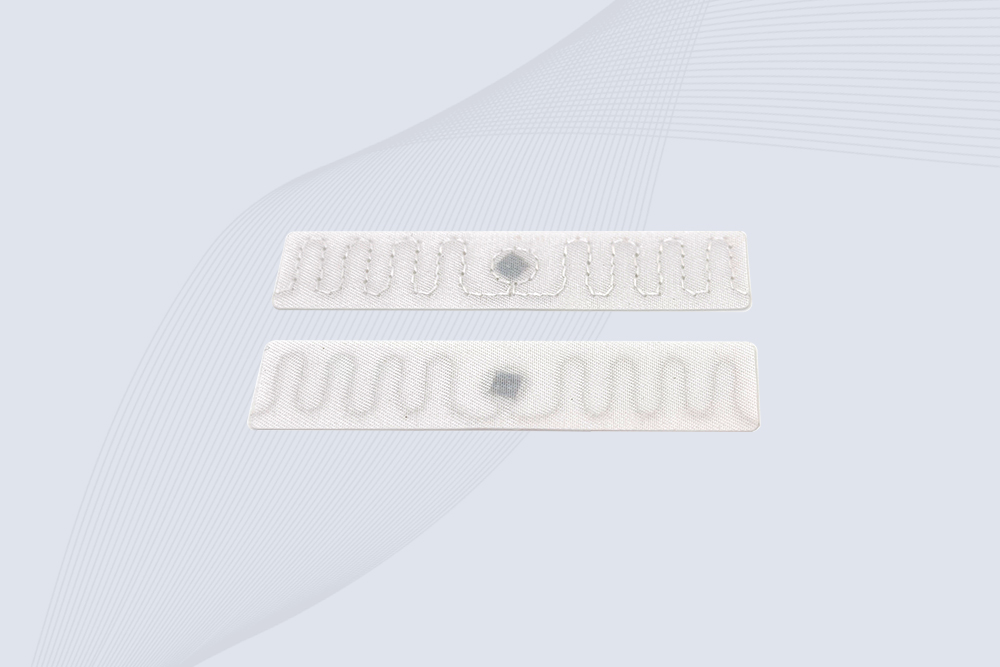
The CYKEO RFID Laundry Tag is designed for long-term textile identification in harsh laundry environments. Built to withstand high heat, chemicals, and repeated washing, this RFID Laundry Tag delivers stable performance for hotels, hospitals, and industrial laundry operations using laundry rfid tags at scale.
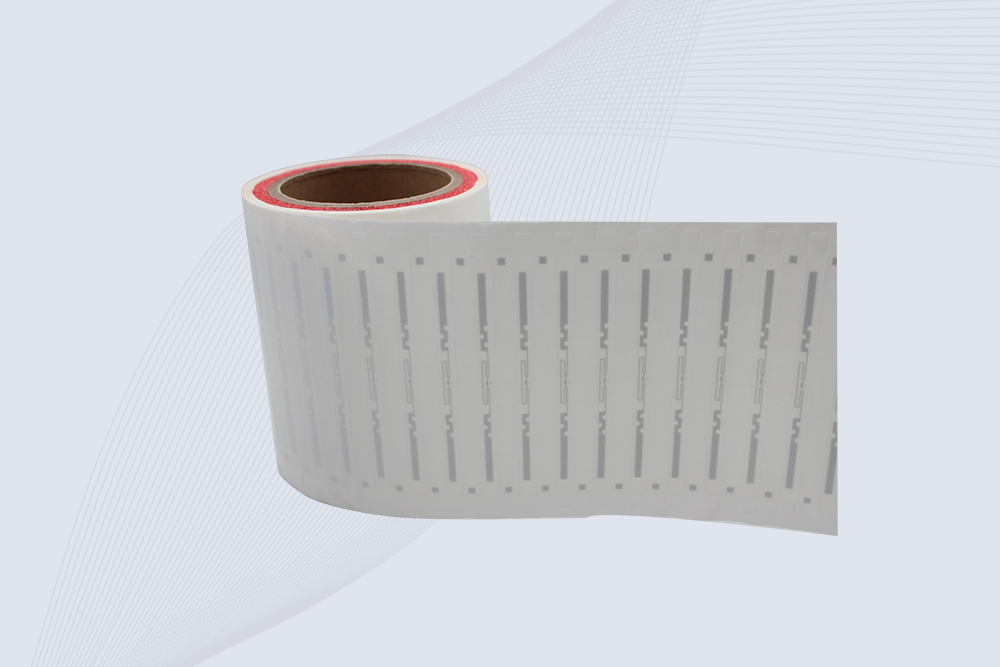
The CYKEO CYKEO-125-7 RFID Book Tag is designed for reliable book and document tracking in libraries and archives. This RFID Book Tag delivers long read range, dense placement support, and stable performance on shelves, making it a practical rfid tag on books for library automation, file management, and archival systems.
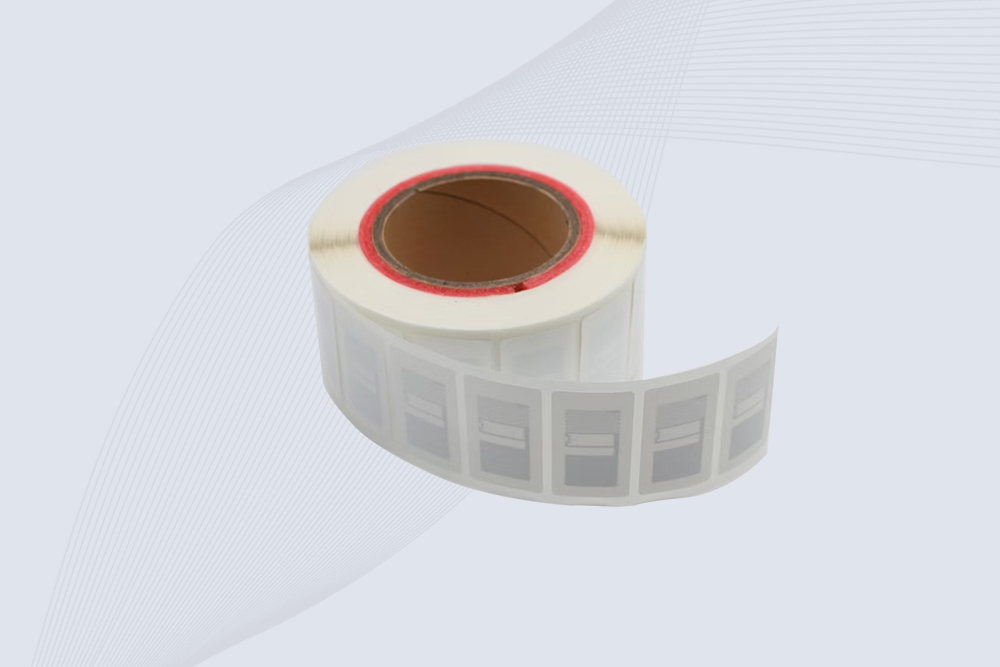
CYKEO RFID tags in hospitals are designed for sterile environments where accuracy matters. These autoclavable RFID tags support long-term tracking of surgical tools, implants, and medications, helping hospitals improve visibility, compliance, and patient safety.

CYKEO RFID Cable Tie Tag is built for reliable identification on metal surfaces. This UHF RFID Cable Tie Tag is widely used in rfid tags for inventory systems, industrial asset management and Hospital RFID Tags, offering stable read performance, long service life and global EPC Gen2 compatibility.
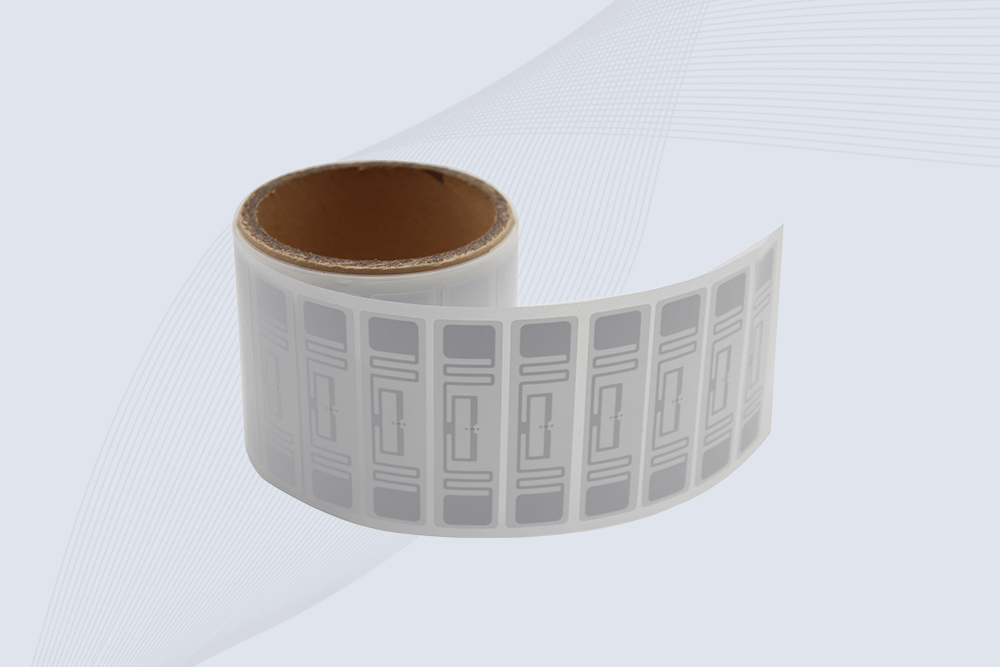
CYKEO RFID Asset Tag is designed for stable identification of metal assets in industrial environments. This UHF RFID Asset Tag is commonly used for rfid tag asset tracking on equipment, tools and containers, providing reliable reads, long service life and ISO/IEC 18000-6C support.

CYKEO UHF RFID Card is designed for fast identification and long-term use in industrial and commercial systems. Supporting ISO 18000-6C, this UHF RFID Card works at 860–960 MHz and is suitable for custom RFID cards used in asset tracking, access control and inventory management.
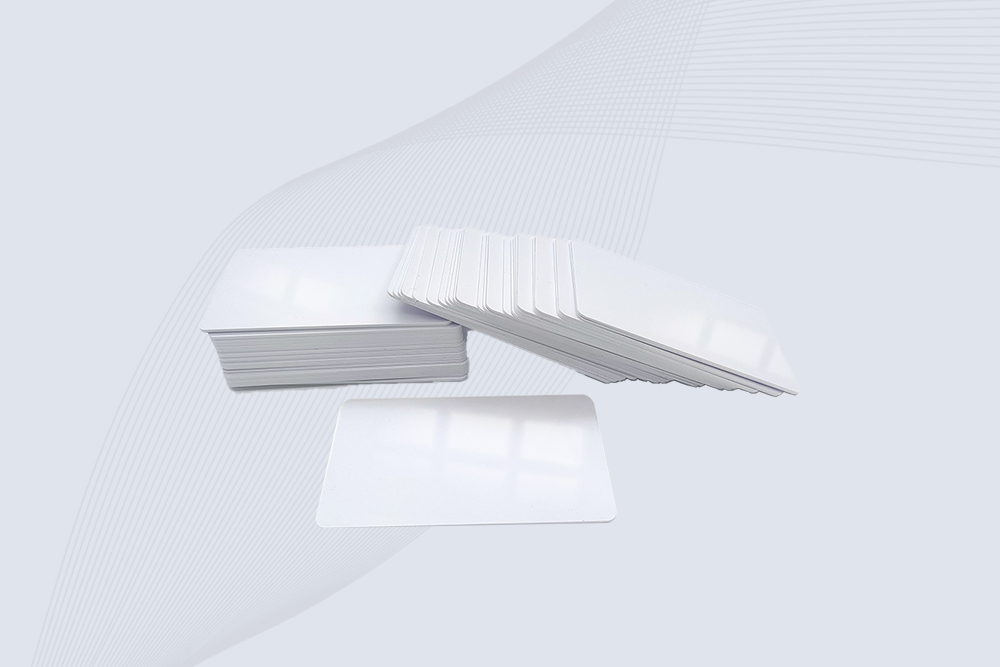
CYKEO HF RFID Cards are designed for secure and stable access control systems. These 13.56 MHz RFID key cards support ISO 14443-A, reliable rewriting and long service life, making HF RFID Cards suitable for offices, campuses, events and membership management.
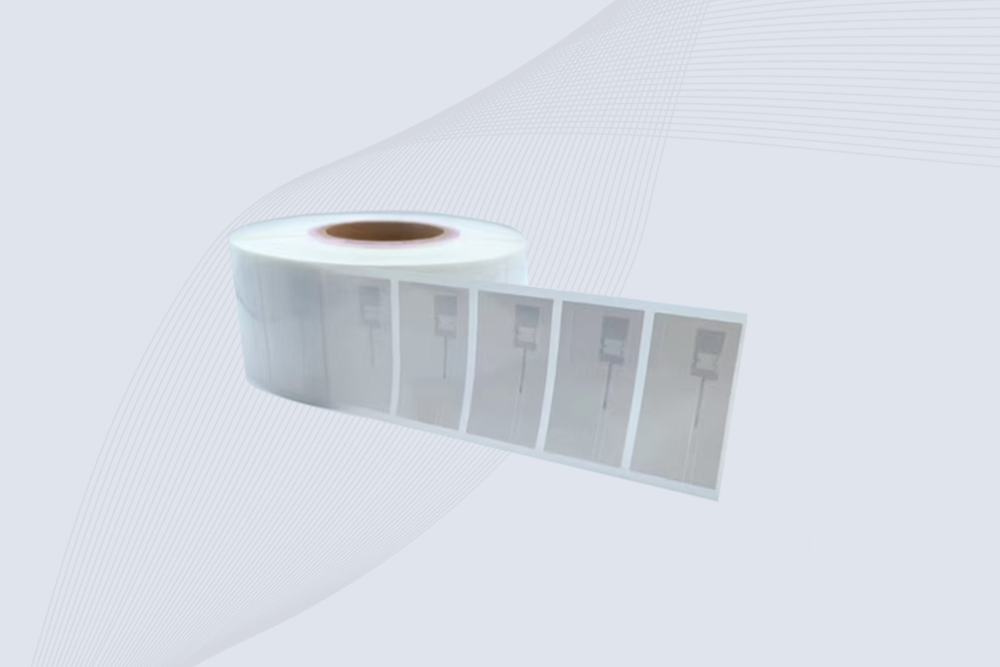
CYKEO UHF RFID Tag is designed for reliable tracking of metal jewelry and high-value items. This Jewelry RFID Tag supports long-range reading up to 8 meters, anti-counterfeit protection and stable performance on metal, making it suitable for retail, inventory control and asset management.
RFID Industry Writer | IoT & Asset Tracking Analyst
James writes about RFID technology, asset tracking, and the practical challenges of digital transformation across warehousing, retail, manufacturing, and logistics.
His work focuses on how RFID is applied in real-world operations—improving inventory visibility, automating workflows, and helping businesses manage assets with greater accuracy and efficiency.
He regularly covers topics including UHF RFID, smart cabinets, RFID portals, tool tracking, warehouse automation, and industrial IoT trends..

Why do RFID tags fail on metal? Learn how anti metal RFID tags solve interference issues and improve tracking accuracy in industrial environments.
More
Discover if your iPhone can emulate RFID tags and how Cykeo's Bluetooth RFID Reader enables seamless integration. Explore capabilities, limitations, and practical uses.
More
Learn how RFID barcode tags combine barcode simplicity with RFID automation. Discover applications, tag types, material options, industry use cases, and wholesale buying tips for businesses.
More
Wondering "how far away can police read RFID chip"? Discover actual law enforcement reading distances from 0.6m to 50m+, equipment types, and privacy considerations with CYKEO.
More