 Cykeo RFID IoT Solution Products R&D Manufacturer

How Fast Can RFID Tags Be Read? This Is the Real Game-Changer.
210How fast can RFID tags be read? Discover why RFID's speed—reading hundreds of tags per second—is a game-changer for inventory and logistics efficiency.
MoreAll RFID Product
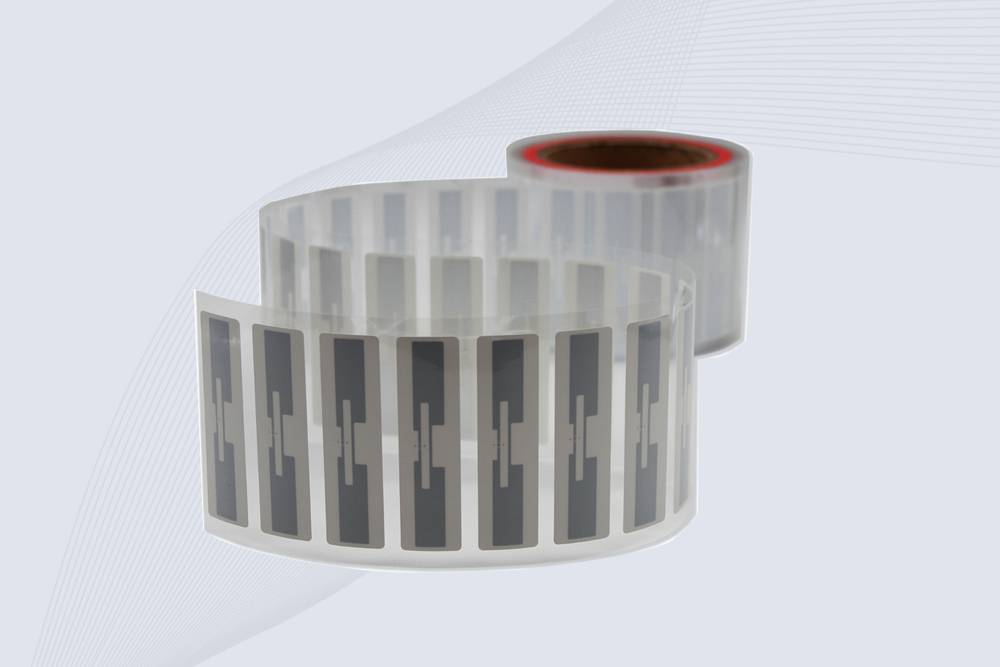
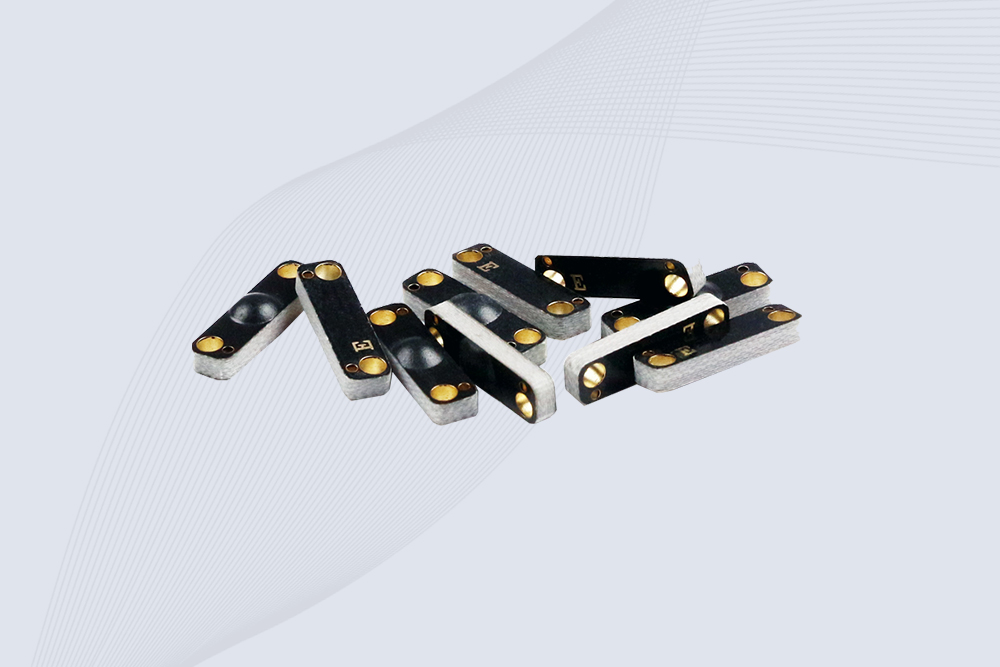
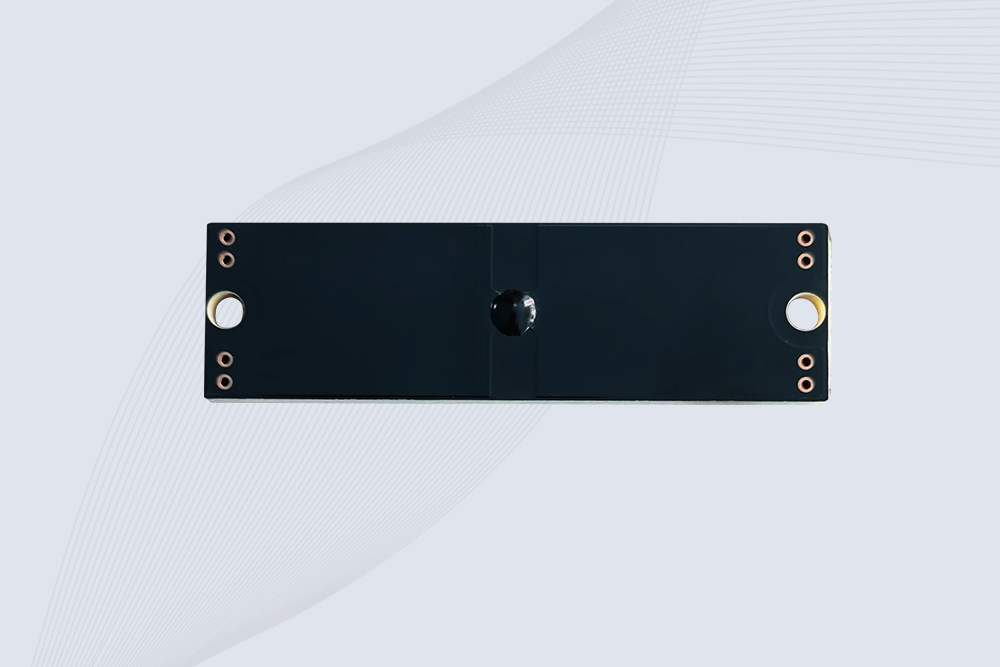
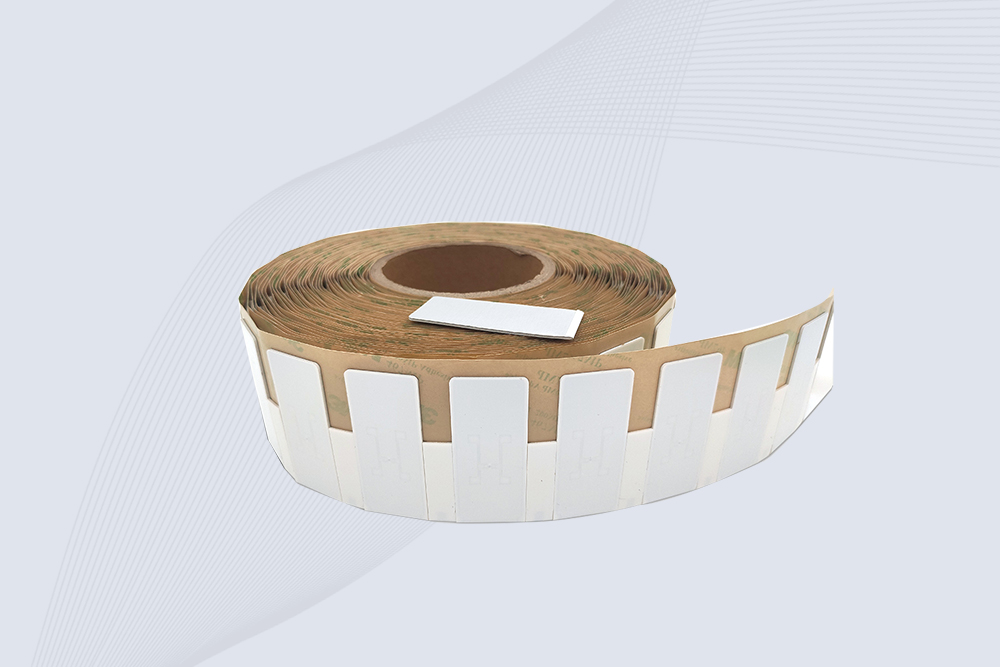
We’ve all been there. You need to track expensive metal tools or server racks, so you order standard RFID labels. You stick one on a wrench or a server cabinet, wave the reader, and… nothing. Silence. It’s frustrating, but it’s not a defect—it’s physics. The solution isn’t a louder reader; it’s a completely different kind of tag built around a compact uhf rfid tag antenna design for metallic objects. Let’s break down why regular tags fail and how the right design turns a problem into a reliable data point.
First, understanding why RFID tags fail on metal is key. Think of a standard UHF tag antenna as a tiny, finely tuned harp. It’s designed to resonate and “sing” (broadcast its signal) in open air. When you place it directly against metal, that metal surface acts like a massive, disruptive soundboard. It reflects and scrambles the RF energy, completely detuning your delicate harp. The tag can’t establish the proper electromagnetic field to communicate. It’s not broken; it’s just being smothered.
A functional on-metal tag doesn’t just work despite the metal; it’s engineered to use it. The core of a compact uhf rfid tag antenna design for metallic objects involves two clever tricks:
The result is what you need: reliable metal mount RFID tag performance on drill presses, server blades, and medical carts.
Selecting RFID tags for metal surfaces is a practical decision. Here are best practices for metal mount rfid tags we’ve learned from deployments:
You use these when the asset is metal and the tracking needs to be bulletproof: in tool cribs for construction and aviation MRO, on data center hardware for automated inventory, on metal returnable transport items (RTIs) in automotive plants, and on surgical instrument trays that undergo sterilization.
So, when you need a compact uhf rfid tag antenna design for metallic objects, you’re not just buying a sticker. You’re investing in a purpose-built RF engineering solution that transforms a challenging surface into your most reliable tracking point.

How fast can RFID tags be read? Discover why RFID's speed—reading hundreds of tags per second—is a game-changer for inventory and logistics efficiency.
More
Wondering if you can read RFID with phone? Get the honest breakdown of phone NFC capabilities and why you still need industrial RFID readers for business.
More
Understand why CYKEO UHF RFID Fixed Reader is ideal for procurement. Discover its integration-friendly design, secondary development capabilities, and applications in logistics, manufacturing, and smart access control.
More
Wondering "can you read 2 RFID tags next to each other"? Discover how RFID anti-collision works, tag spacing requirements, and solutions for reliable multi-tag reading with CYKEO.
More