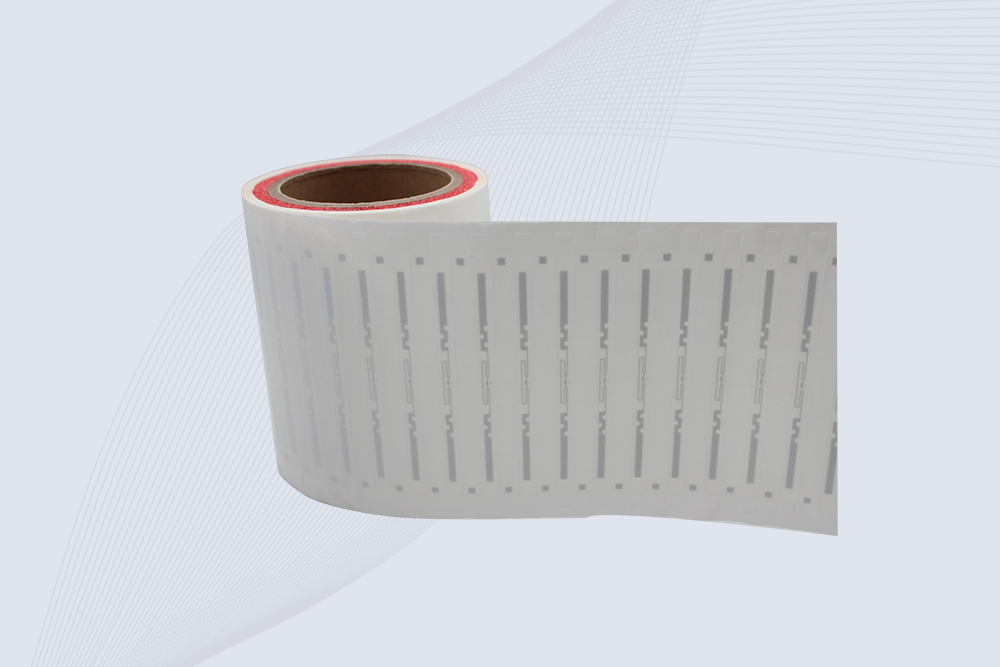
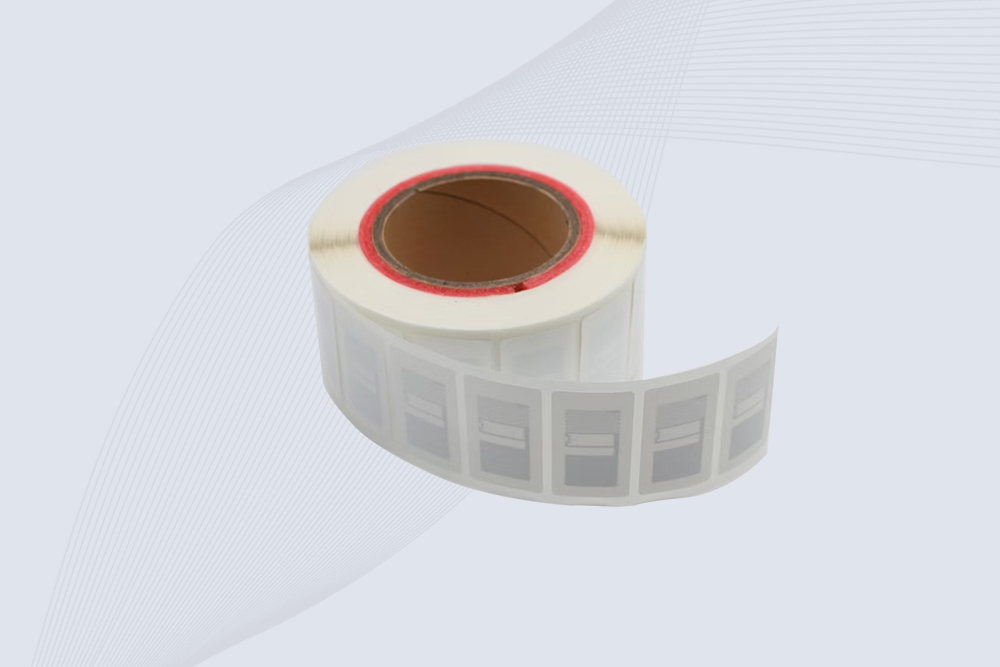
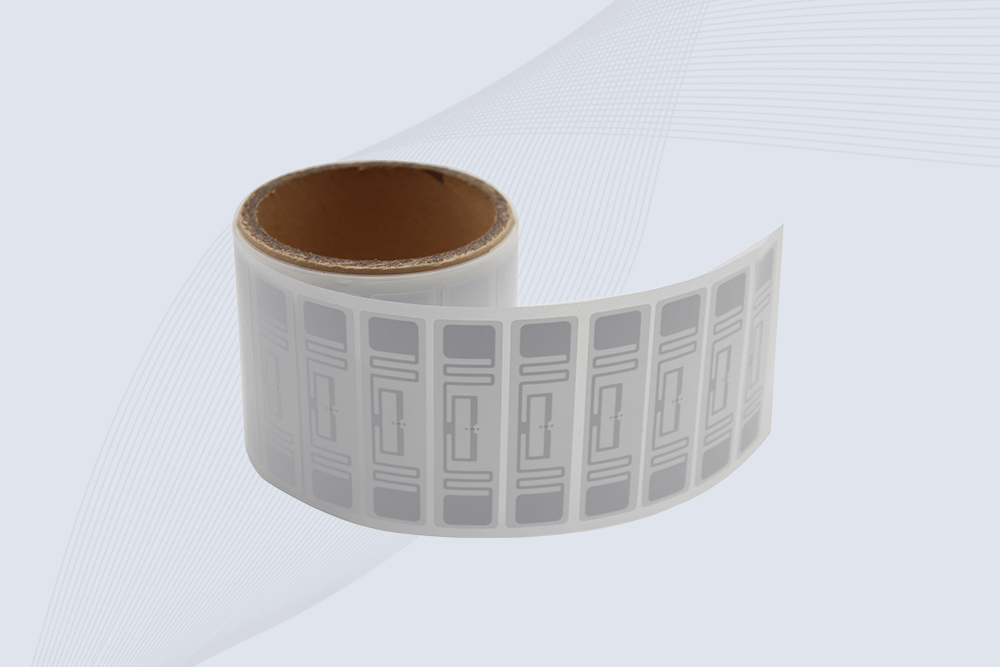
What is the fundamental working principle of RFID tags?
992Explore the working principle of RFID tags: energy transfer, data transmission, and real-world applications. Learn about passive, active, and semi-passive RFID systems.
MoreAll RFID Product
Yes, building a custom RFID reader is possible but requires expertise in RF engineering, embedded systems, and compliance testing. While DIY approaches work for prototypes, most businesses opt for modular solutions like Cykeo’s RFID DevKit to save time and costs. Here’s a detailed roadmap for custom development and its challenges.
| Challenge | Complexity |
|---|---|
| RF Circuit Design | Requires impedance matching, noise reduction, and signal filtering. |
| Protocol Support | Implementing ISO standards for multi-tag reads and encryption. |
| Certification | Time-consuming (3–6 months) and costly (10k–50k). |
A robotics startup reduced reader development time by 75% using Cykeo’s modules, focusing resources on AI-driven inventory algorithms instead of RF engineering.
Explore the working principle of RFID tags: energy transfer, data transmission, and real-world applications. Learn about passive, active, and semi-passive RFID systems.
MoreLearn how RFID tunnel scanners automate carton scanning in warehouses, improve inventory accuracy, and increase logistics throughput.
MoreA firsthand look at RFID unique identifiers — how tags and readers really work, pitfalls to watch for, and practical lessons from using Cykeo RFID readers.
MoreRFID tags for tools help track equipment, prevent loss, and improve accountability. Learn how they work, when to use them, and what to avoid.
More