 Cykeo RFID IoT Solution Products R&D Manufacturer
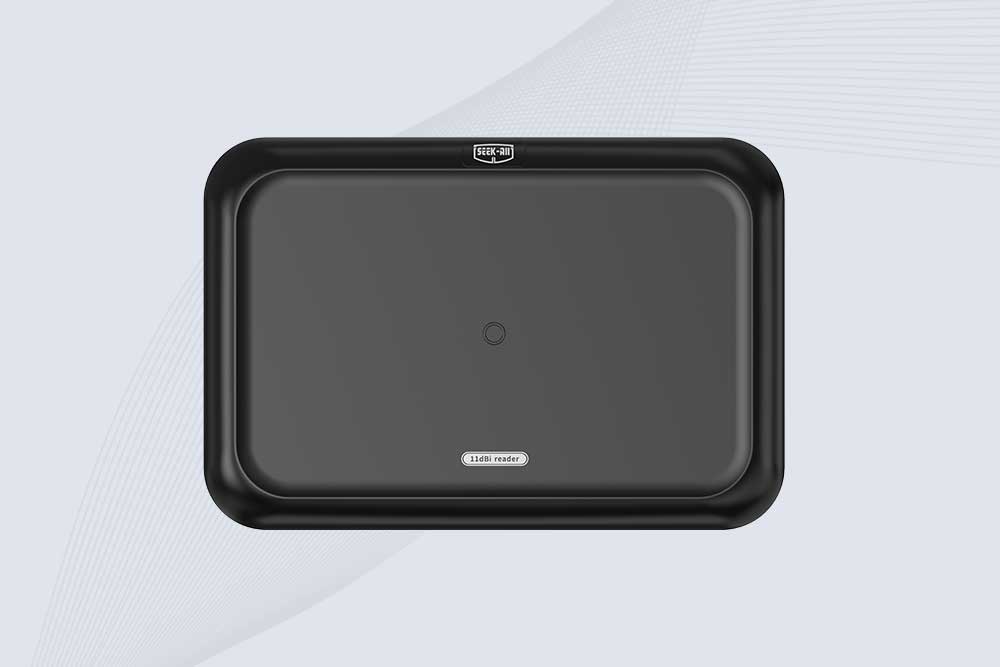
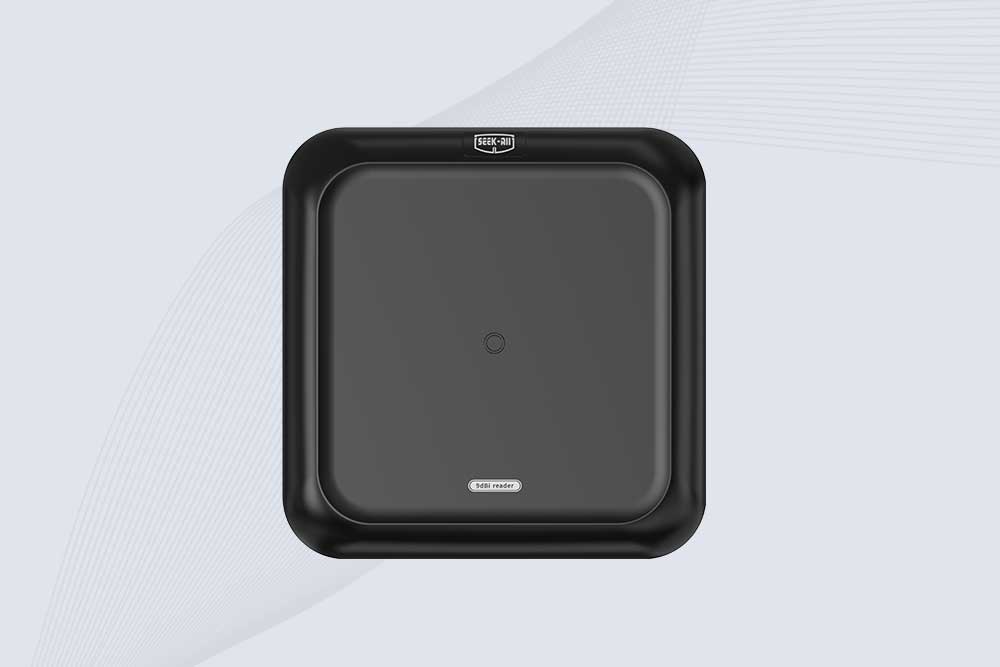
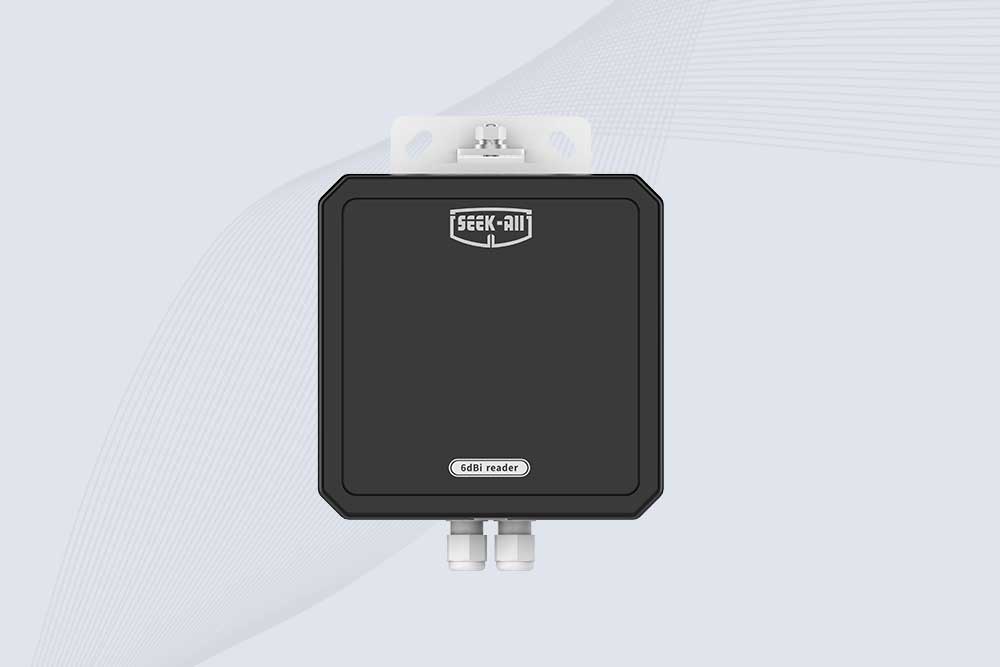
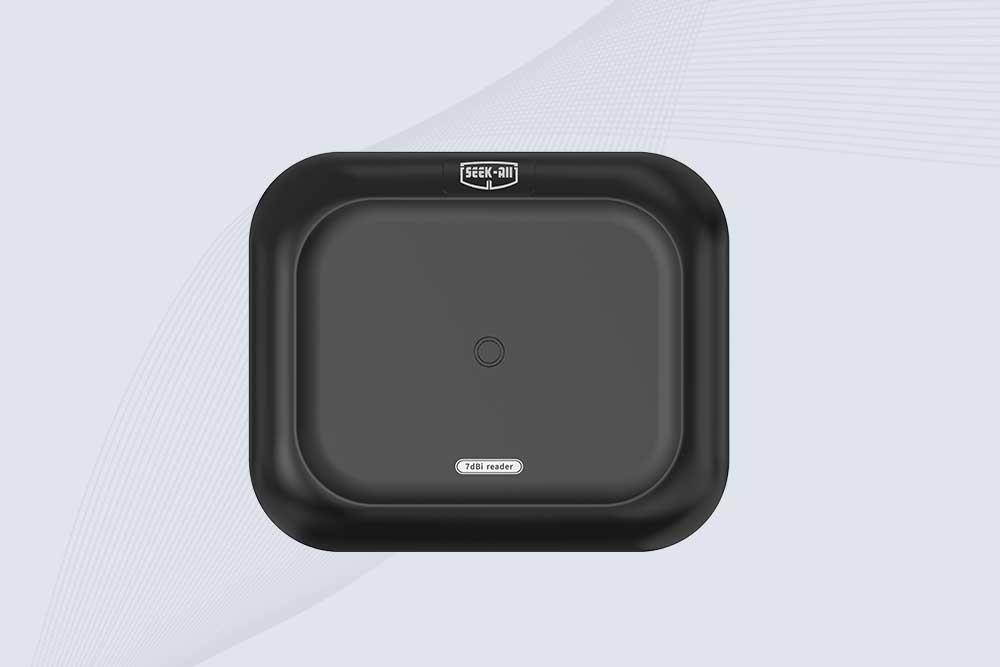


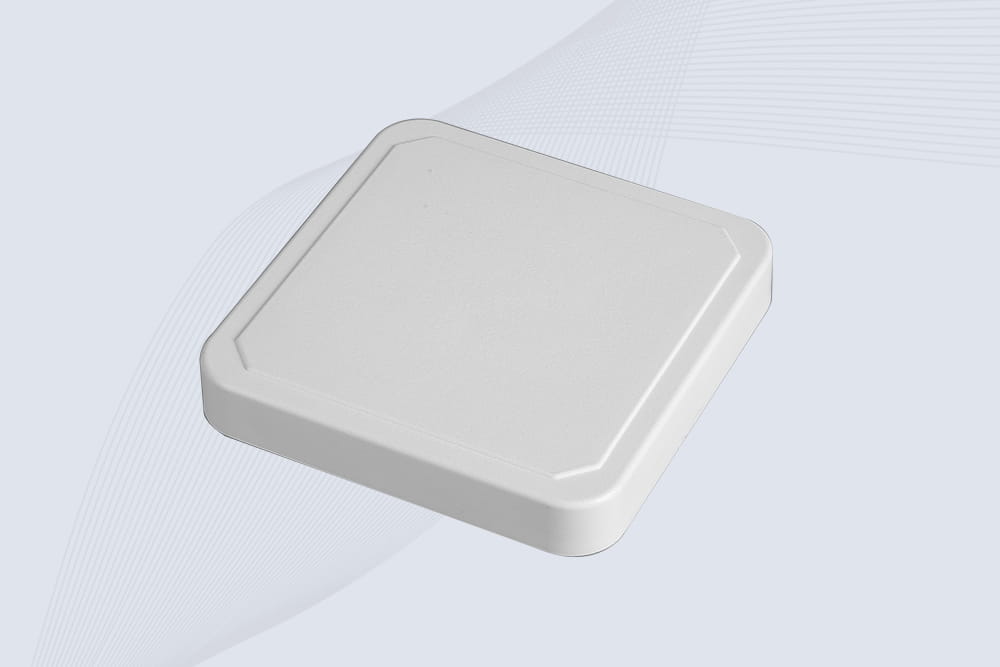
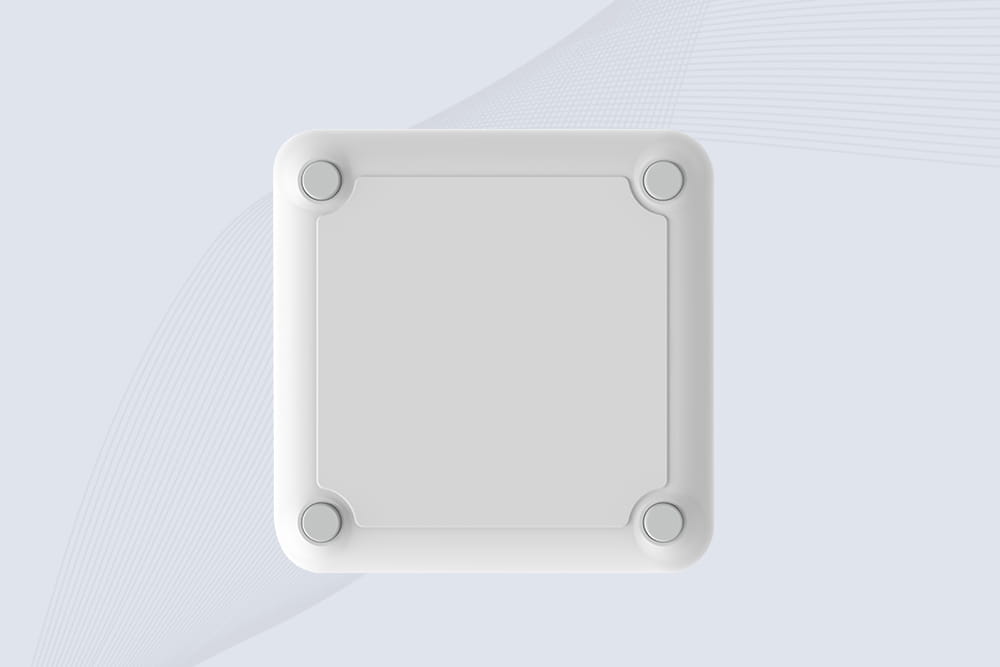
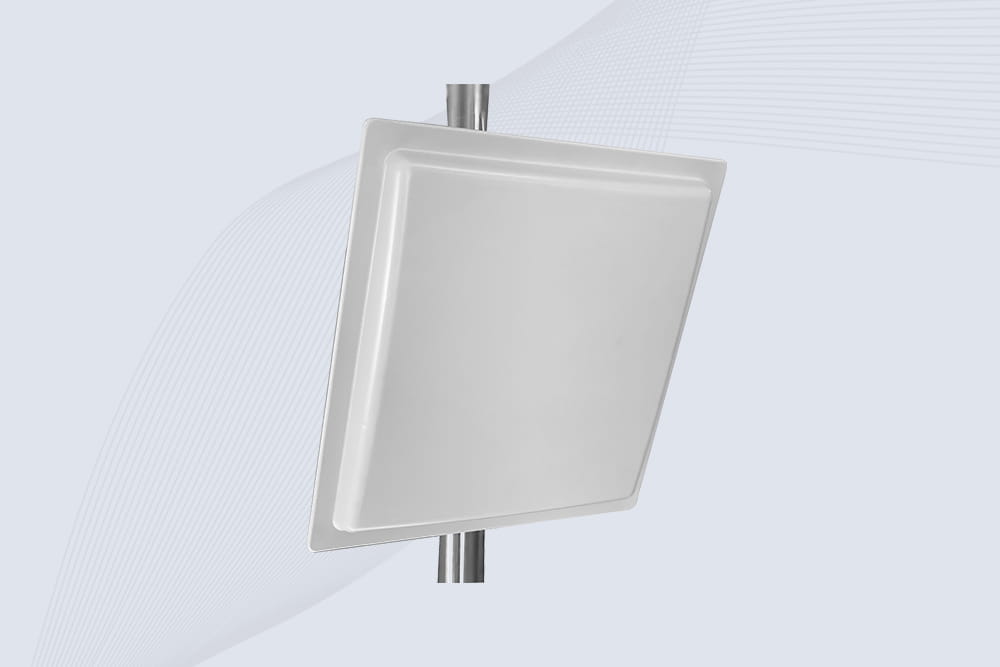
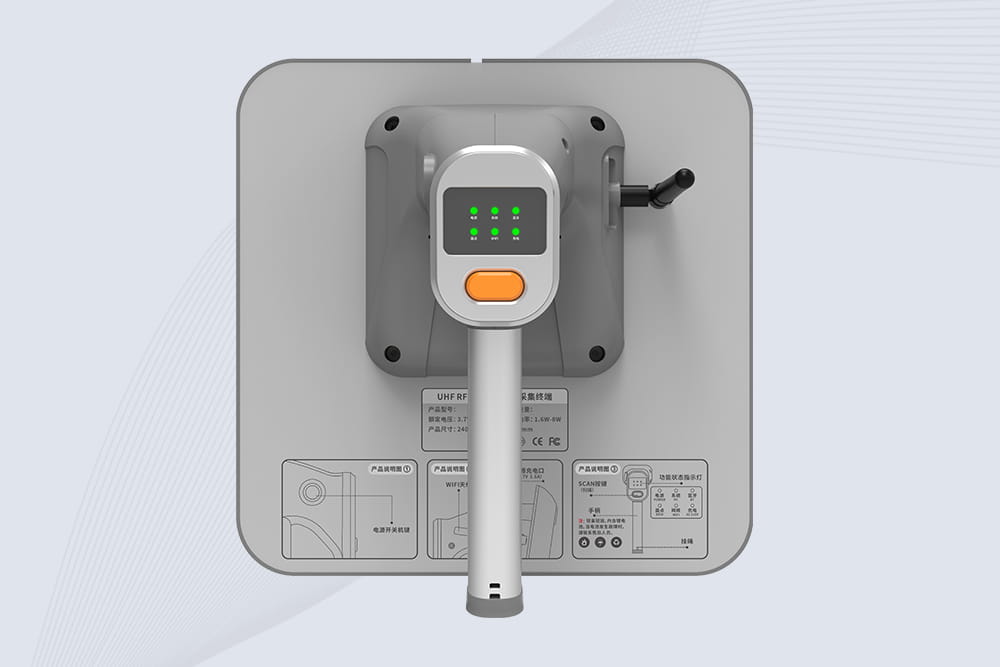
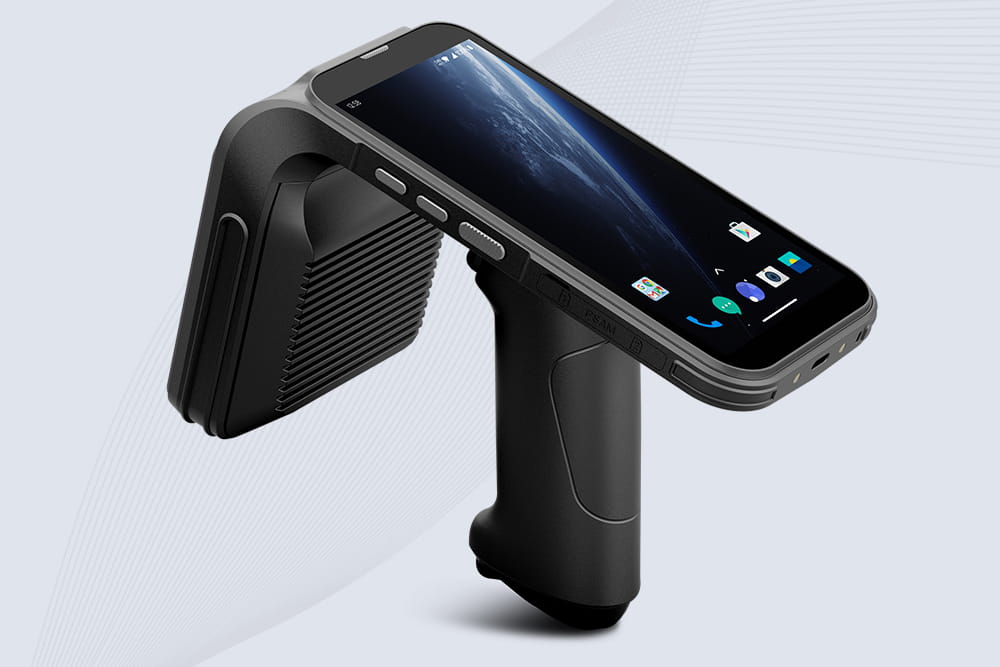
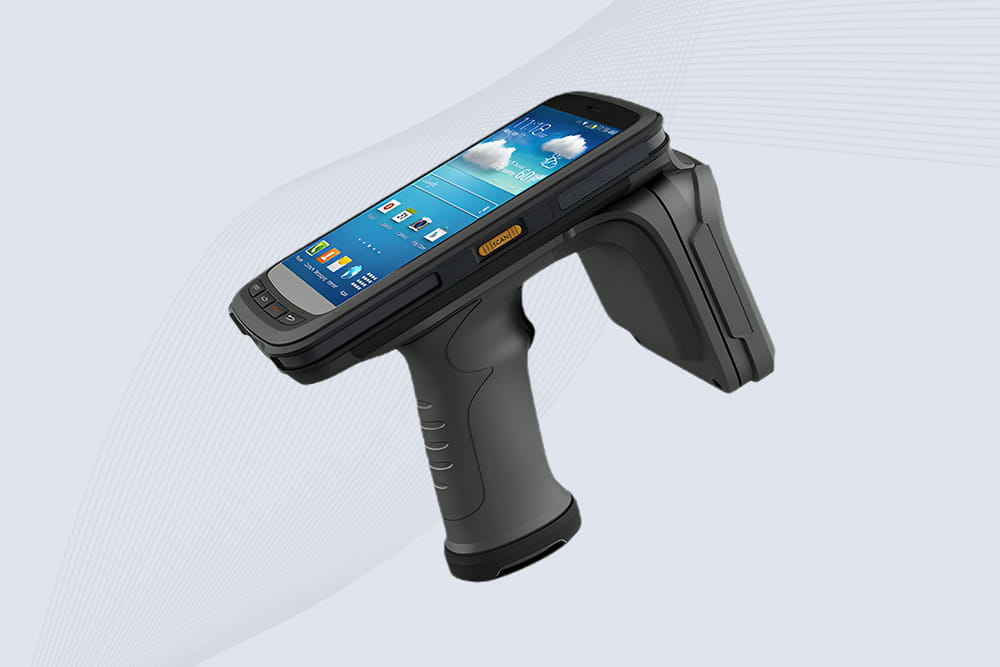
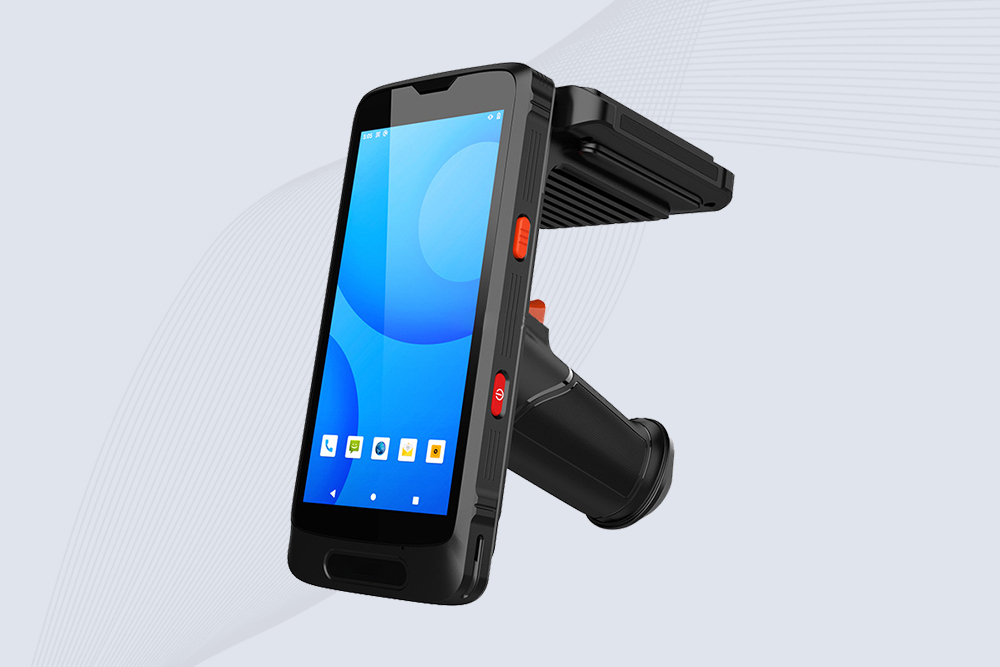
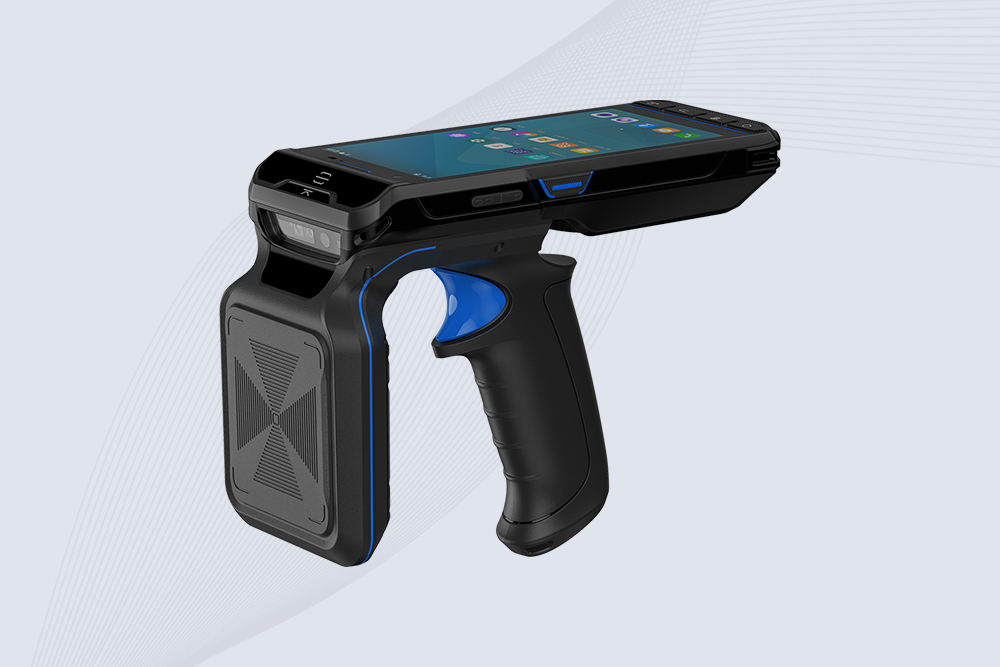
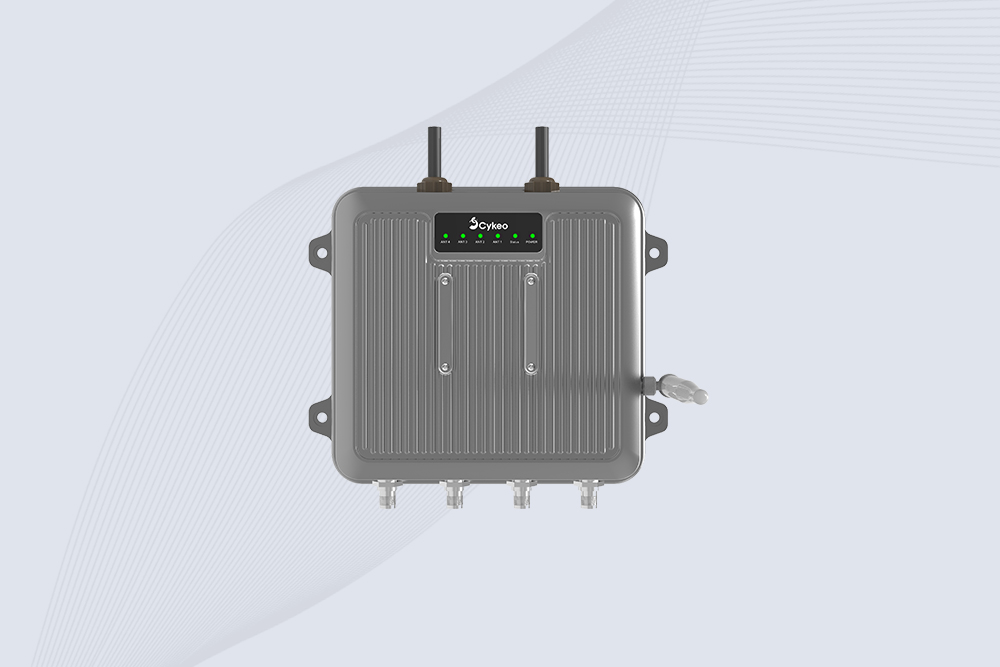
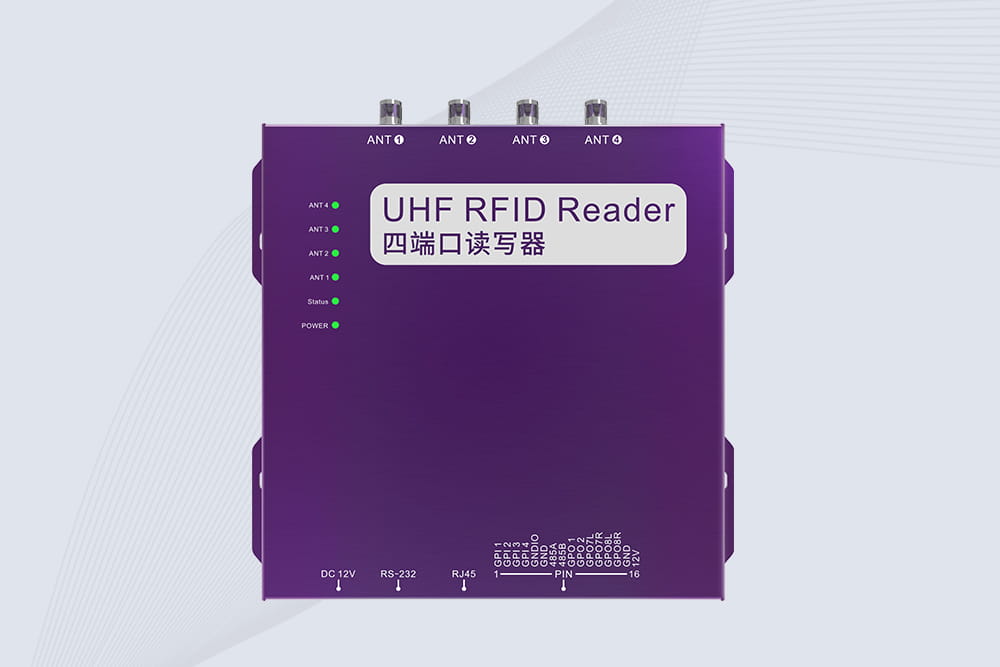
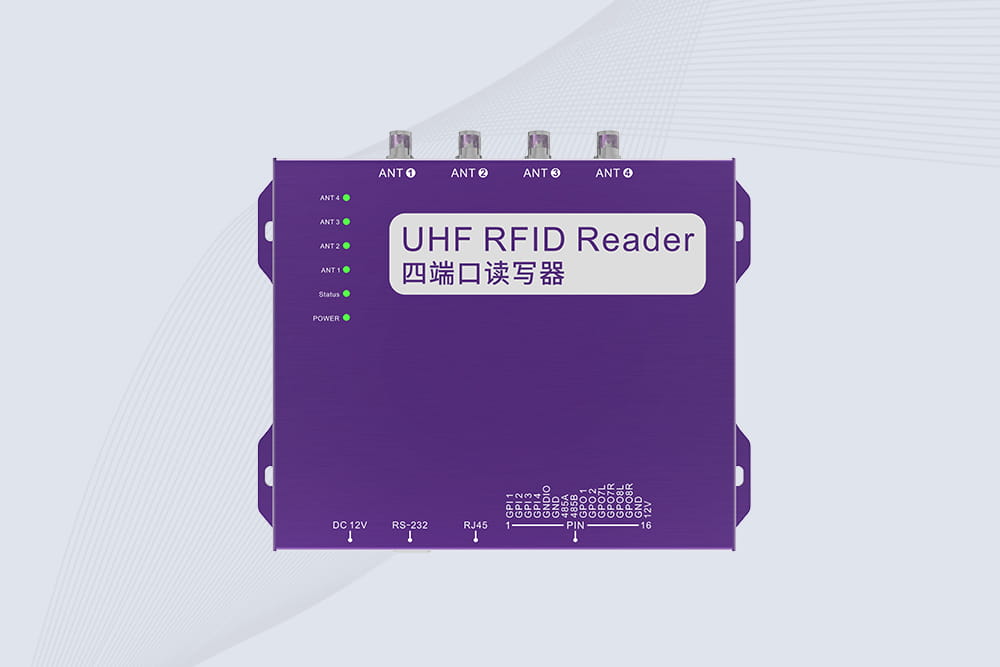
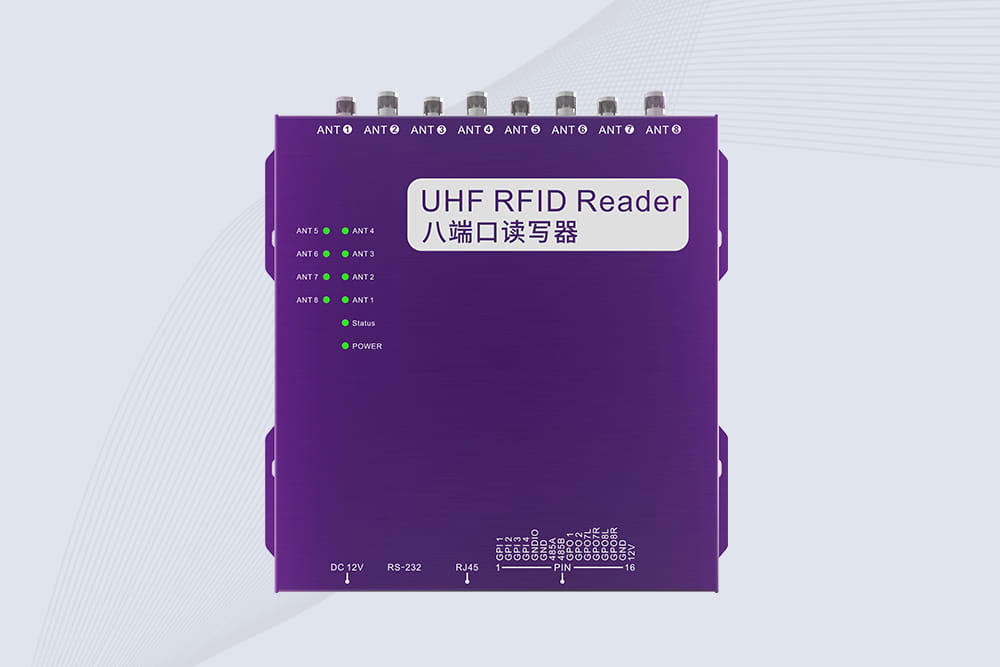
RFID Handheld Reader Writer vs Fixed Reader: Which One Should You Choose?
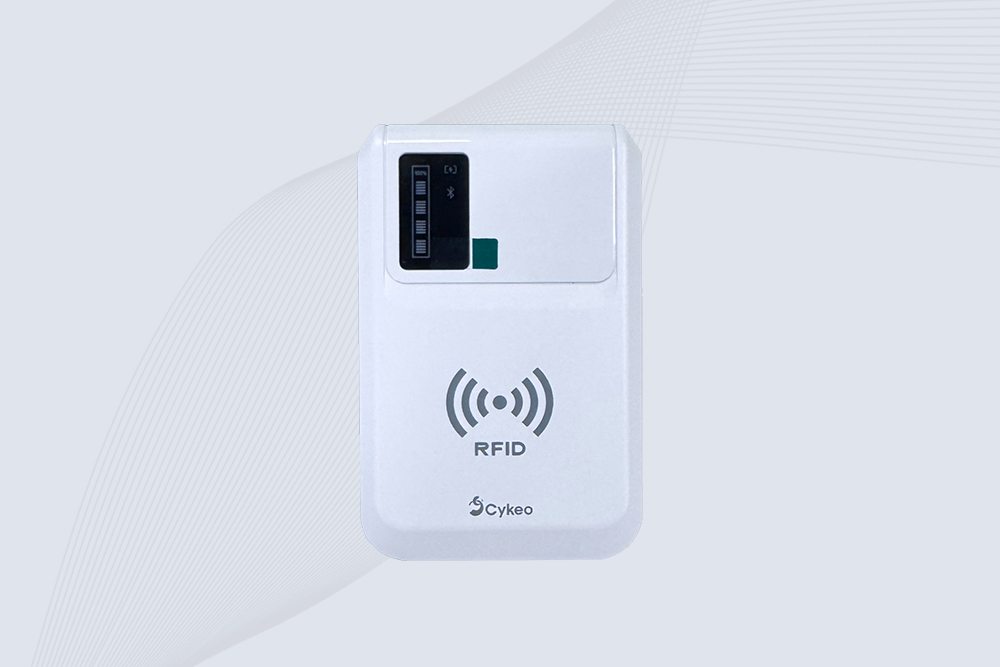
144Not sure whether to choose an RFID handheld reader writer or a fixed RFID reader? Compare cost, flexibility, and use cases to make the right decision.
MoreAll RFID Product
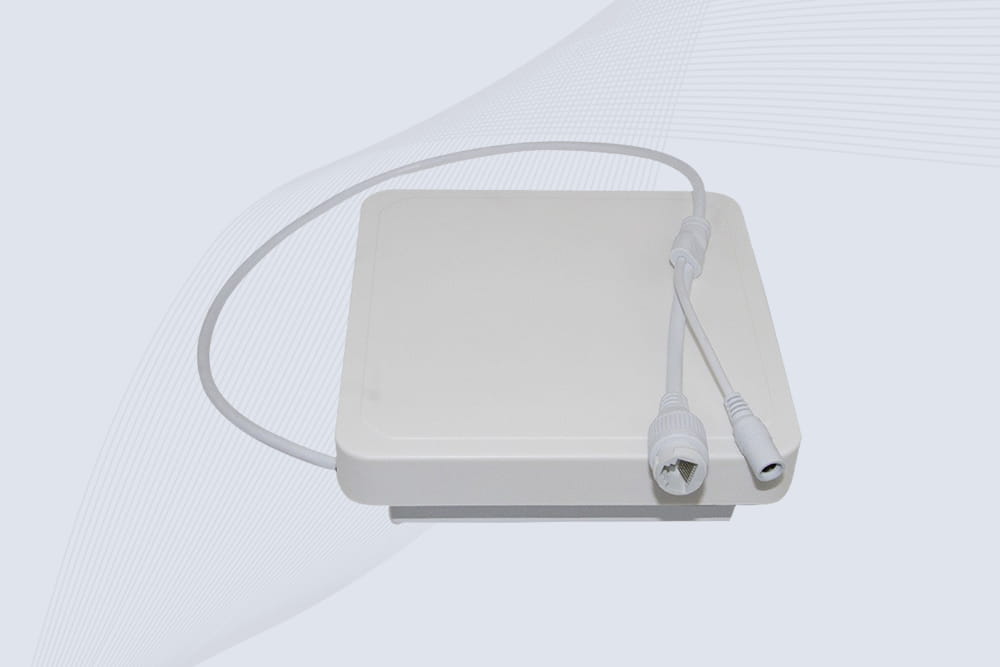
Standard Fixed RFID Reader cannot precisely measure the physical distance to a RFID tag. However, advanced systems estimate proximity using signal strength (RSSI), phase-based ranging, or hybrid technologies. While not as accurate as GPS or UWB, RFID ranging is sufficient for applications like inventory localization and access control. Here’s how it works and its limitations.
| Factor | Impact on Ranging |
|---|---|
| Frequency | Higher frequencies (UHF) offer better resolution but shorter range. |
| Tag Type | Active tags (battery-powered) provide longer range than passive. |
| Environment | Metal, liquids, and walls scatter signals, reducing accuracy. |
| Antenna Design | Directional antennas improve localization in specific zones. |
A hospital reduced lost equipment by 90% using Cykeo’s RFID-BLE hybrid system, pinpointing tagged devices within specific storage rooms.

Not sure whether to choose an RFID handheld reader writer or a fixed RFID reader? Compare cost, flexibility, and use cases to make the right decision.
More
high temperature rfid tracking tags improve industrial asset visibility in harsh environments with durable Cykeo RFID solutions for manufacturing and logistics.
More
Tag system for inventory solutions help businesses track assets, reduce stock errors, and improve warehouse efficiency through RFID and smart inventory management.
More
Discover how waterproof RFID modules withstand harsh outdoor conditions. Learn to choose, install, and maintain them for reliable asset tracking in rain, snow, and more.
More