 Cykeo RFID IoT Solution Products R&D Manufacturer



Boost Warehouse Productivity: How Handheld RFID Scanners Streamline Operations
1223Discover actionable strategies to maximize warehouse efficiency using handheld RFID scanners—reduce errors, save time, and optimize inventory management.
MoreAll RFID Product
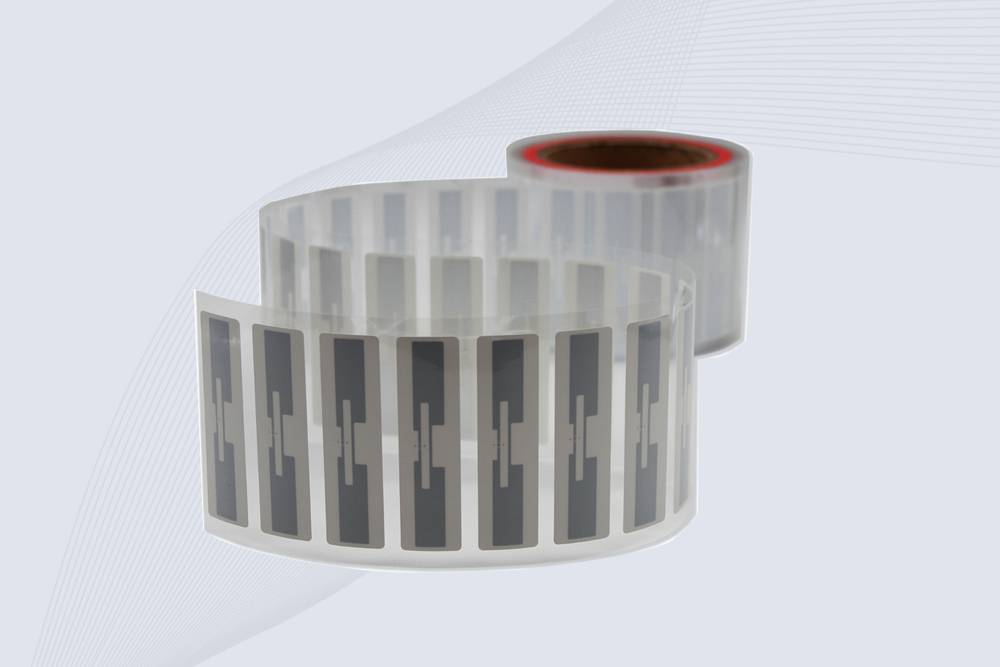
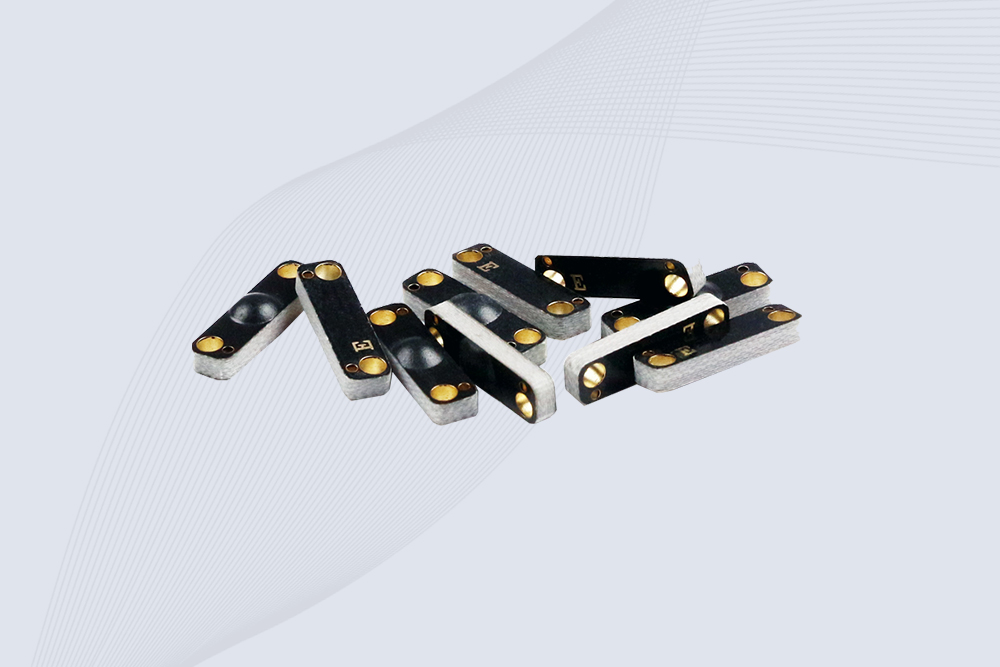
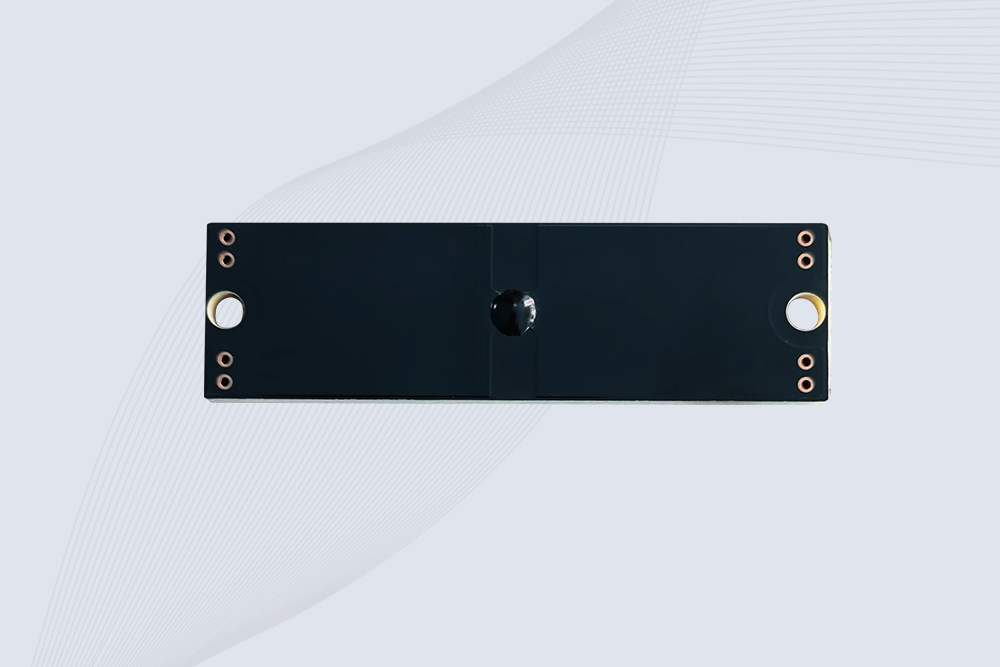
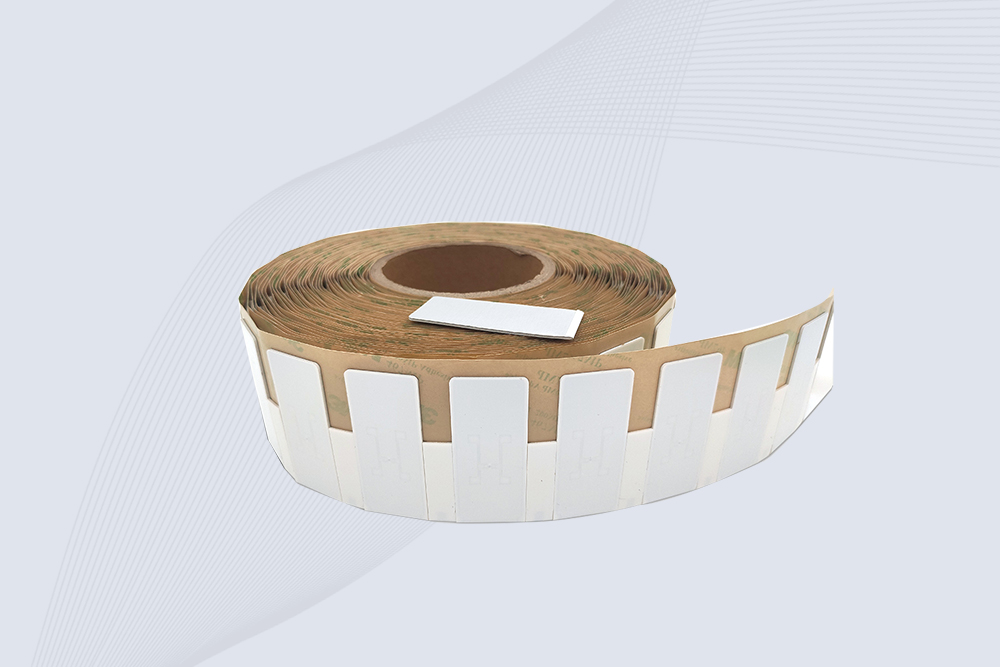
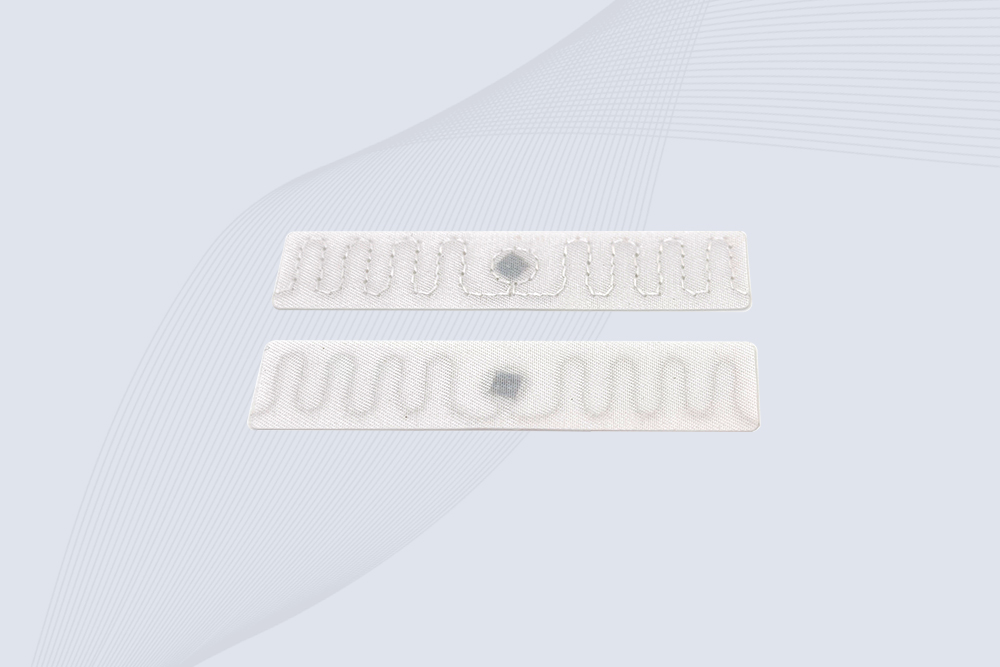
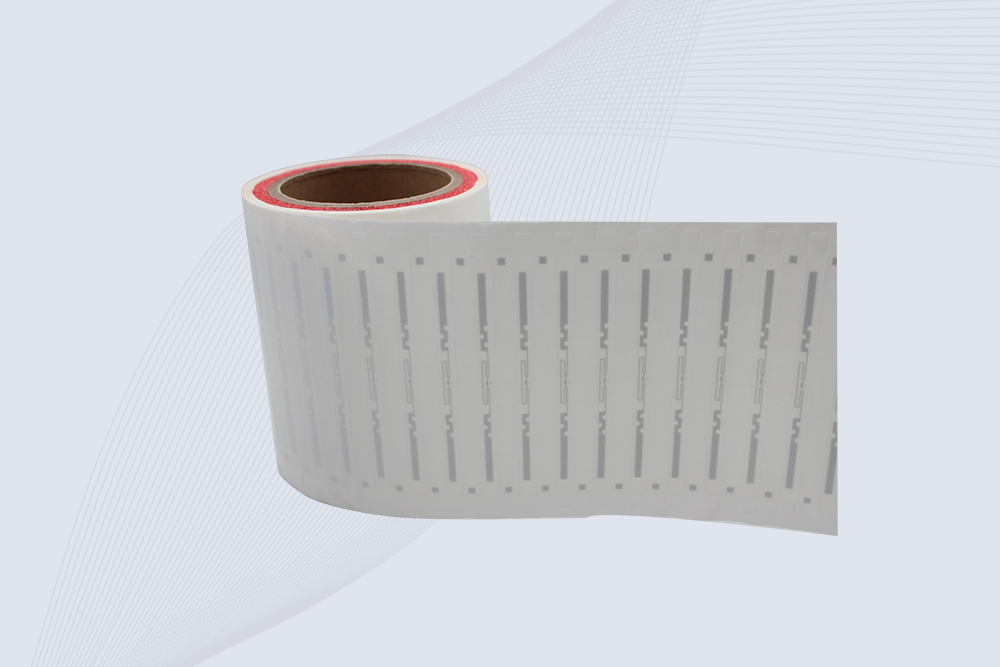
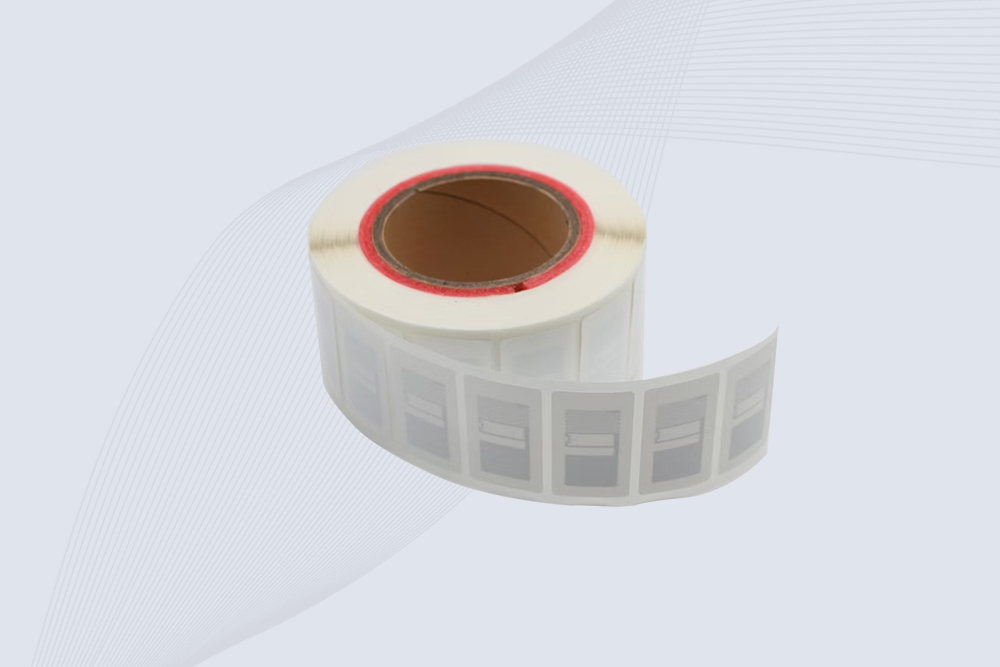
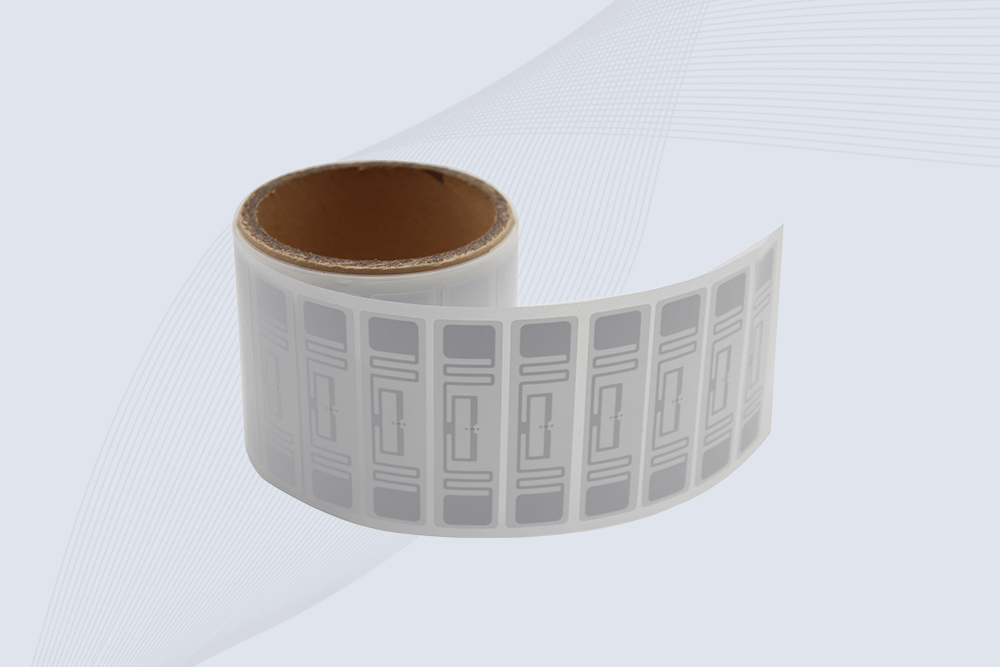
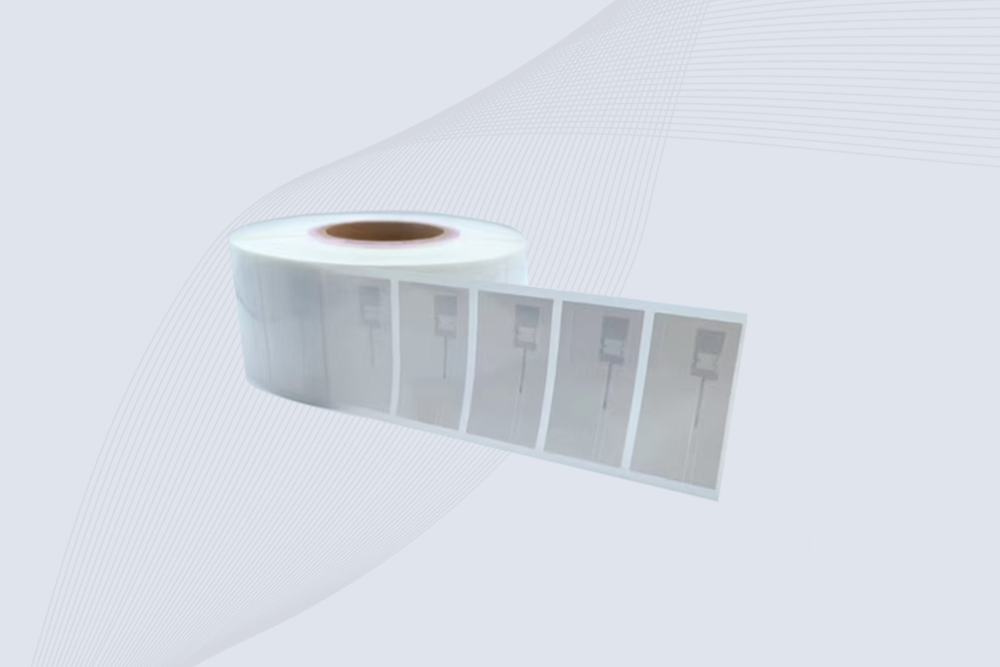
RFID tags for inventory management are used to identify, count, and locate items automatically — without line-of-sight scanning, without manual checks, and without slowing operations down.
That’s the short version.
The longer version matters more.
Because RFID tag doesn’t just count inventory. It changes how inventory behaves inside a warehouse.
An RFID tag carries a unique ID. When it enters the read zone of an RFID reader, it responds. No button press. No aiming. No pause.
In inventory management, this means:
At CYKEO, most clients don’t adopt RFID because it’s “advanced.”
They adopt it because manual inventory keeps breaking at scale.
Barcodes work — until they don’t.
They fail when:
RFID tags for inventory management don’t need perfect conditions. They tolerate dust, angle, distance, and speed. That tolerance is what changes the workflow.
No one stands there scanning anymore. Inventory moves, the system keeps up.
Not all RFID tags behave the same, and pretending they do is a mistake.
Most inventory systems rely on:
CYKEO typically deploys passive UHF RFID tags for inventory management because they balance cost, durability, and read reliability in real warehouse conditions.
Active tags exist. They’re useful. But most inventories don’t need batteries on every item.
Here’s what actually happens on the floor.
Goods arrive. Tags are already attached or applied at receiving.
Readers at dock doors log entry automatically.
Shelf readers or handhelds update location during movement.
Outbound reads confirm shipment without recounting.
No dramatic moment. No “system thinking.”
Just fewer mistakes showing up later.
RFID shines in places where inventory isn’t static.
We’ve seen RFID inventory tracking cut cycle count time by more than half — not because people work faster, but because they stop repeating work.
This matters.
RFID tags for inventory management won’t:
Technology doesn’t override chaos. It exposes it.
That’s why CYKEO focuses on matching RFID hardware to real operational flow, not demo scenarios.
So, what are RFID tags for inventory management really about?
They’re about removing friction from knowing what you have, where it is, and when it moved — without stopping work to ask the question.
Once teams experience that visibility, spreadsheets feel slow.
Manual counts feel loud.
And they don’t go back.

Discover actionable strategies to maximize warehouse efficiency using handheld RFID scanners—reduce errors, save time, and optimize inventory management.
More
A practical procurement perspective on hospital parking systems using RFID, focusing on hardware selection, modular reader integration, long-term cost control, and system compatibility.
More
Discover how rfid flag tag technology improves UHF asset tracking, warehouse visibility, cable management, and inventory accuracy with Cykeo RFID solutions.
More
How to seamlessly integrate the CK-A10A 10dBi RFID antenna with your existing RFID reader system, improve signal strength, and enhance tracking accuracy. A straightforward approach to boosting RFID system performance.
More