 Cykeo RFID IoT Solution Products R&D Manufacturer
Deploying Networked RFID Key Cabinets Across Multiple Sites
241A practical look at how integrators deploy networked RFID key cabinets across multiple sites, including connectivity, system monitoring, and lessons from real projects.
MoreAll RFID Product
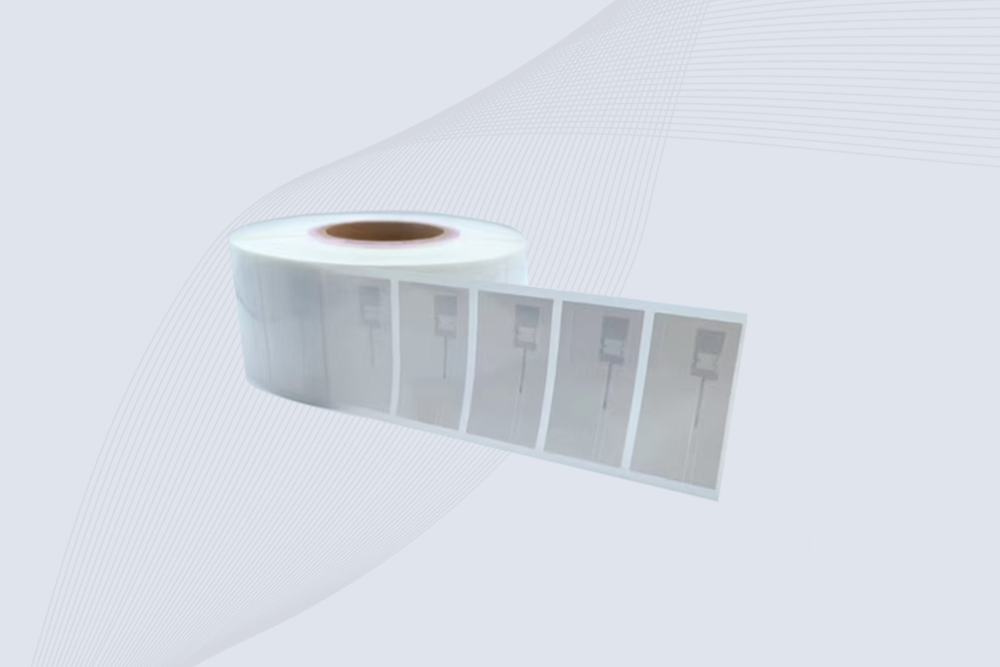
RFID label printing enables fast UHF tag encoding, real-time inventory visibility, and automated tracking across warehouses, hospitals, logistics centers, and industrial supply chains.
The first time I watched a warehouse migrate from barcode stickers to UHF RFID labels, the reaction from staff was unexpectedly emotional.
Not excitement.
Relief.
For years they had spent entire night shifts scanning cartons one by one with handheld barcode guns. Hundreds of pallets. Thousands of labels. One missed scan could trigger inventory disputes lasting days.
After RFID deployment, pallets moved through dock doors while labels were identified automatically from several meters away.
No stopping.
No rescanning.
No arguments about missing stock.
That moment explains why demand for rfid label printing has accelerated so aggressively across logistics, healthcare, manufacturing, and retail environments.
Traditional labels only display information visually.
RFID labels do more.
They carry digitally encoded identity data that can be read wirelessly through UHF radio frequency technology. A properly configured RFID printing system combines printing, encoding, and verification into a single workflow.
That changes operational speed dramatically.
According to GS1 US, RFID technology significantly improves inventory visibility and supply-chain accuracy compared with manual barcode-only systems.
In practical environments, the difference becomes obvious fast.
A warehouse supervisor once told me:
“We stopped counting inventory manually because the shelves basically started counting themselves.”
That sounds exaggerated until you see RFID working at scale.
UHF RFID label printing combines two actions into one process:
Each label receives a unique EPC (Electronic Product Code) stored inside the RFID chip. At the same time, human-readable information like SKU numbers, serial IDs, QR codes, or expiration dates can also be printed onto the surface.
The result is dual-function labeling.
Humans can read it.
RFID systems can identify it instantly.
UHF RFID supports:
Unlike barcodes, UHF RFID does not require direct alignment with scanners.
That matters in busy environments where speed matters more than perfect positioning.
Large warehouses use printable RFID labels for pallet tracking, carton management, and automated inbound/outbound verification.
Hospitals increasingly use RFID labels to monitor medical consumables and surgical inventory.
According to U.S. Food and Drug Administration (FDA), traceability systems are becoming increasingly important for medical device visibility and compliance.
Fashion retailers use RFID labels for real-time stock accuracy and anti-loss management.
Auburn University’s RFID Lab reported inventory accuracy improvements exceeding 95% in many retail RFID deployments.
Factories attach RFID labels to tools, returnable containers, maintenance equipment, and production assets.
Here’s the part many marketing pages skip.
RFID label printing is not only about printers.
The environment changes everything.
Metal shelves distort signals.
Liquids absorb RF energy.
Cheap labels fail under heat or chemical exposure.
I once watched a logistics project lose nearly two weeks troubleshooting read failures that had nothing to do with the RFID printer itself. The issue came from improperly selected label materials mounted directly against metal racks.
After switching to anti-metal RFID labels, read consistency stabilized almost immediately.
That experience changed how I evaluate RFID systems.
Hardware matters.
But label selection matters just as much.
| Function | Barcode Labels | UHF RFID Labels |
|---|---|---|
| Line-of-sight required | Yes | No |
| Multi-item reading | No | Yes |
| Bulk inventory speed | Slow | Fast |
| Automation support | Limited | Strong |
| Real-time visibility | Partial | Excellent |
Companies usually notice three improvements first:
And oddly enough, employee frustration drops too.
Nobody enjoys repetitive scanning work.
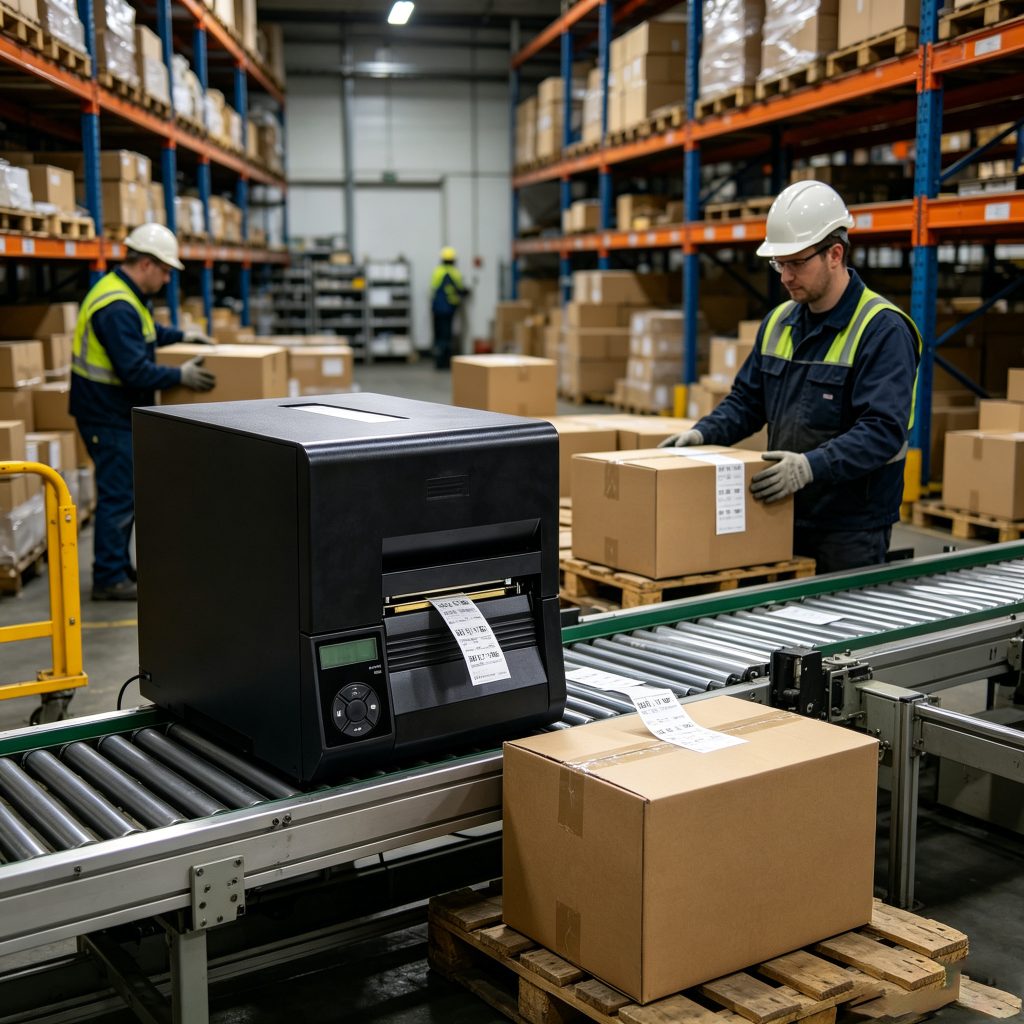
At Cykeo, we have seen how small RFID inconsistencies create large operational problems.
A 2% read failure rate sounds minor in a meeting room.
Inside a distribution center processing 40,000 cartons daily, it becomes chaos quickly.
That is why Cykeo focuses heavily on:
The goal is not simply printing labels.
It is maintaining reliable visibility when operations become busy and unpredictable.
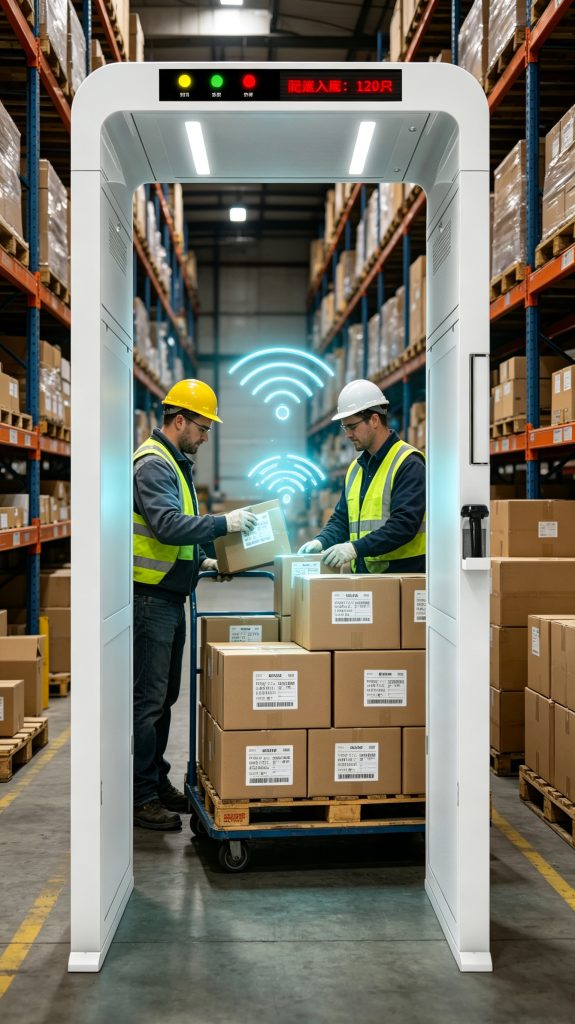
RFID label printing combines label printing and RFID chip encoding into one process for automated inventory and asset tracking.
UHF RFID labels support long-range identification, fast multi-tag reading, and real-time inventory visibility.
In many industries, yes. RFID labels provide faster automation and do not require direct scanner alignment.
Yes. RFID labels are widely used in logistics, warehousing, retail, healthcare, and manufacturing environments.
Standard labels may struggle near metal, but anti-metal RFID labels are specifically designed for those environments.
RFID label printing is no longer a niche warehouse technology.
It has become operational infrastructure for companies that need accurate inventory visibility, faster workflows, and scalable automation.
The biggest shift is not technical.
It is behavioral.
When inventory updates happen automatically, people stop wasting time chasing missing records and start focusing on actual operations.
That quiet efficiency is why UHF RFID adoption keeps expanding globally.
And it is exactly where Cykeo continues investing.
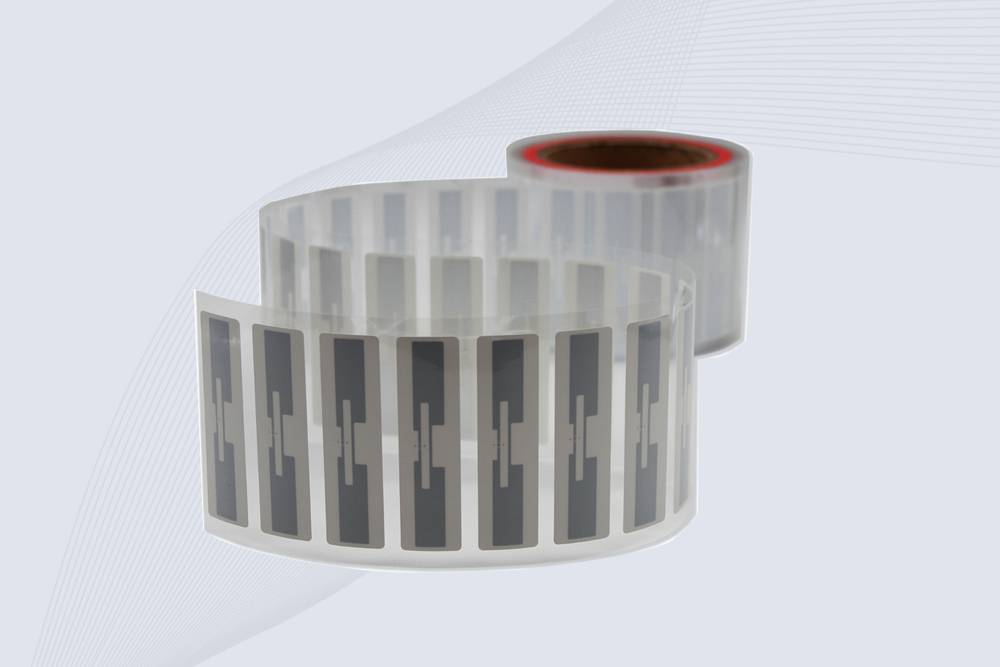
CYKEO Passive RFID Tags are made for wet and high-humidity environments where standard labels do not last. This rfid passive tag is often used around liquids, chemicals and temperature changes, providing stable reading distance and long data life for industrial tracking.
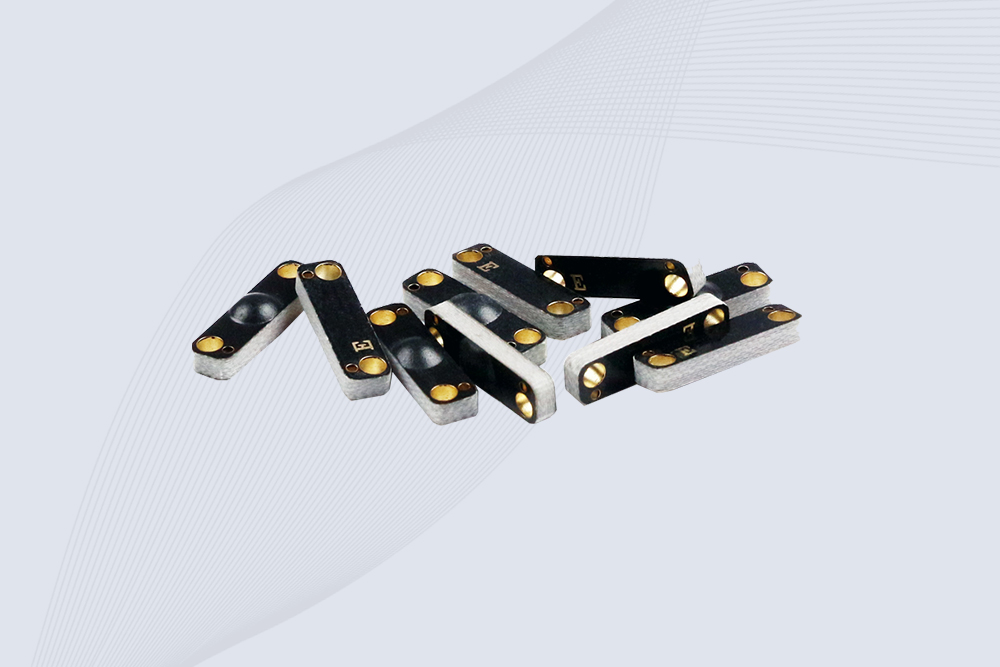
CYKEO CYKEO-PCB1504 Metal RFID Tags is a compact anti-metal UHF RFID solution built for direct mounting on metal surfaces. With stable 8-meter read range, Ucode-8 chip, and long data retention, this rfid metal tag fits tools, containers, automotive parts, and industrial asset tracking.
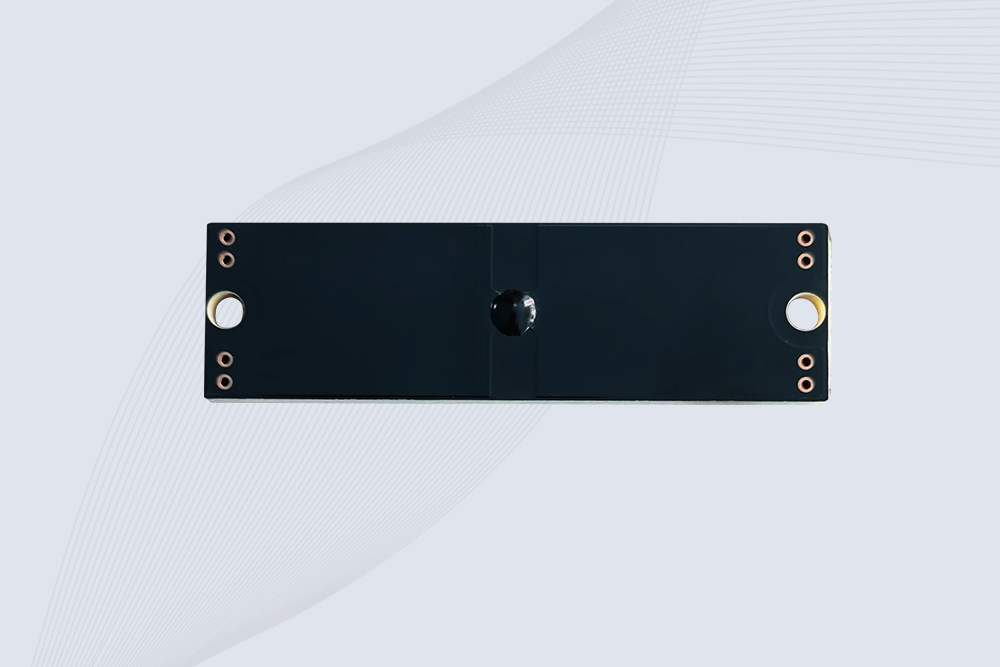
CYKEO CYKEO-PCB7020 On-Metal RFID Tags are designed for reliable tracking on steel and metal surfaces. Built with an FR4 epoxy body and industrial-grade chips, these On-Metal RFID Tags deliver stable performance, long data life, and chemical resistance, making them a dependable RFID anti-metal tag for harsh environments.
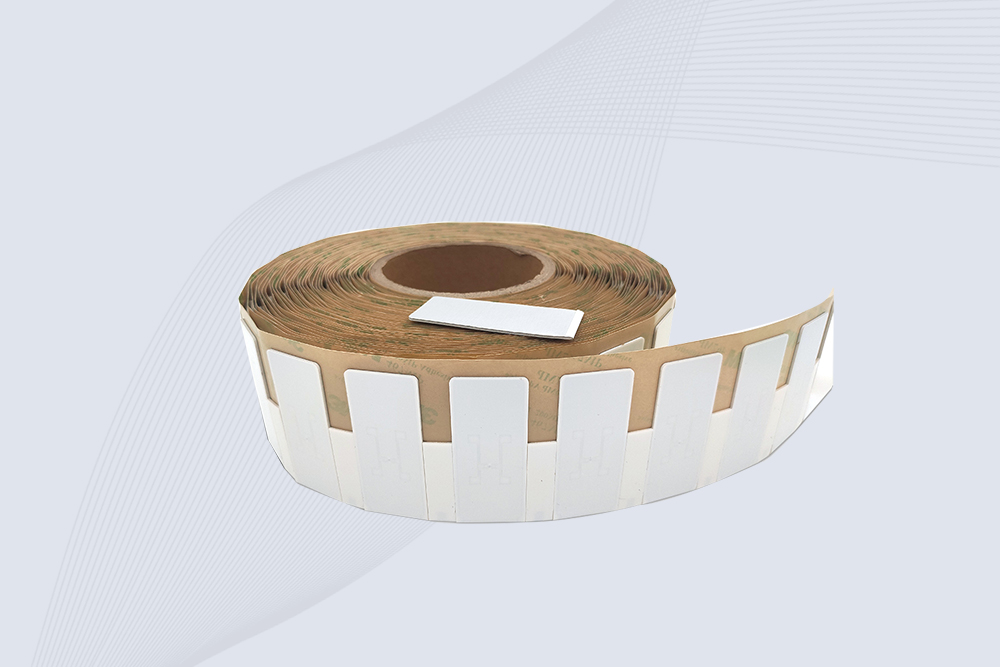
The CYKEO CYKEO-60-25 Anti-Metal RFID Tag is built for metal surfaces where standard tags fail. Designed for long-range performance, harsh environments, and stable data retention, this Anti-Metal RFID Tag is ideal for industrial assets, containers, and equipment tracking using on metal RFID tags.
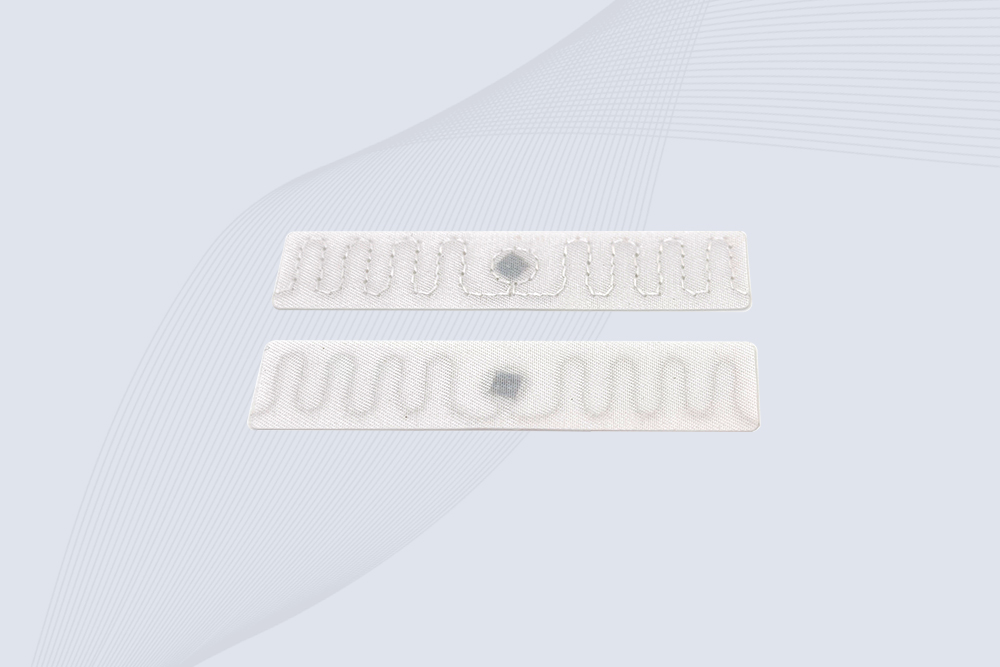
The CYKEO RFID Laundry Tag is designed for long-term textile identification in harsh laundry environments. Built to withstand high heat, chemicals, and repeated washing, this RFID Laundry Tag delivers stable performance for hotels, hospitals, and industrial laundry operations using laundry rfid tags at scale.
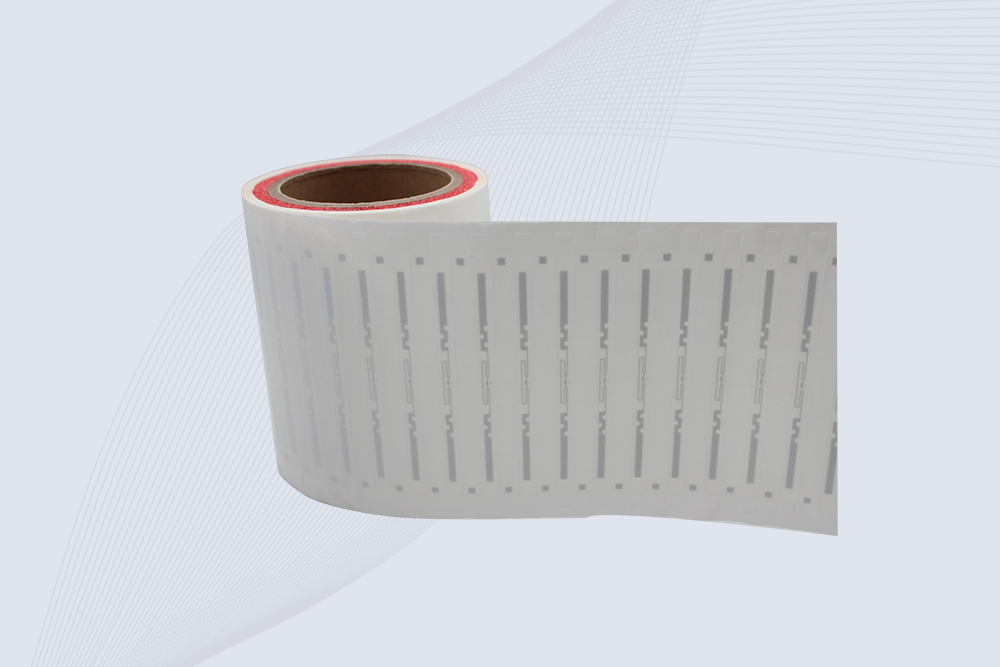
The CYKEO CYKEO-125-7 RFID Book Tag is designed for reliable book and document tracking in libraries and archives. This RFID Book Tag delivers long read range, dense placement support, and stable performance on shelves, making it a practical rfid tag on books for library automation, file management, and archival systems.
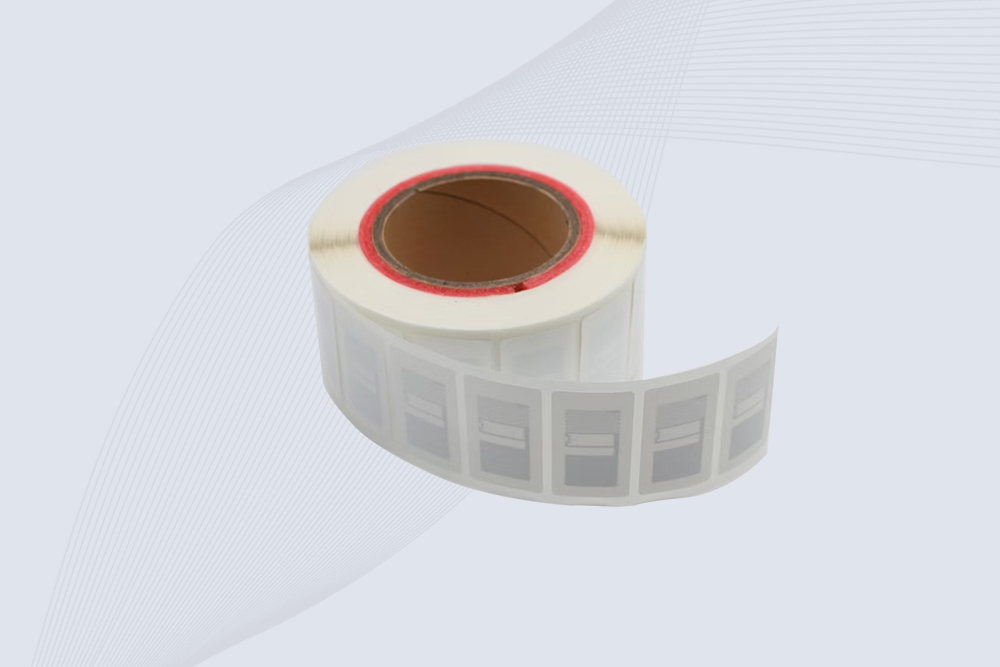
CYKEO RFID tags in hospitals are designed for sterile environments where accuracy matters. These autoclavable RFID tags support long-term tracking of surgical tools, implants, and medications, helping hospitals improve visibility, compliance, and patient safety.

CYKEO RFID Cable Tie Tag is built for reliable identification on metal surfaces. This UHF RFID Cable Tie Tag is widely used in rfid tags for inventory systems, industrial asset management and Hospital RFID Tags, offering stable read performance, long service life and global EPC Gen2 compatibility.
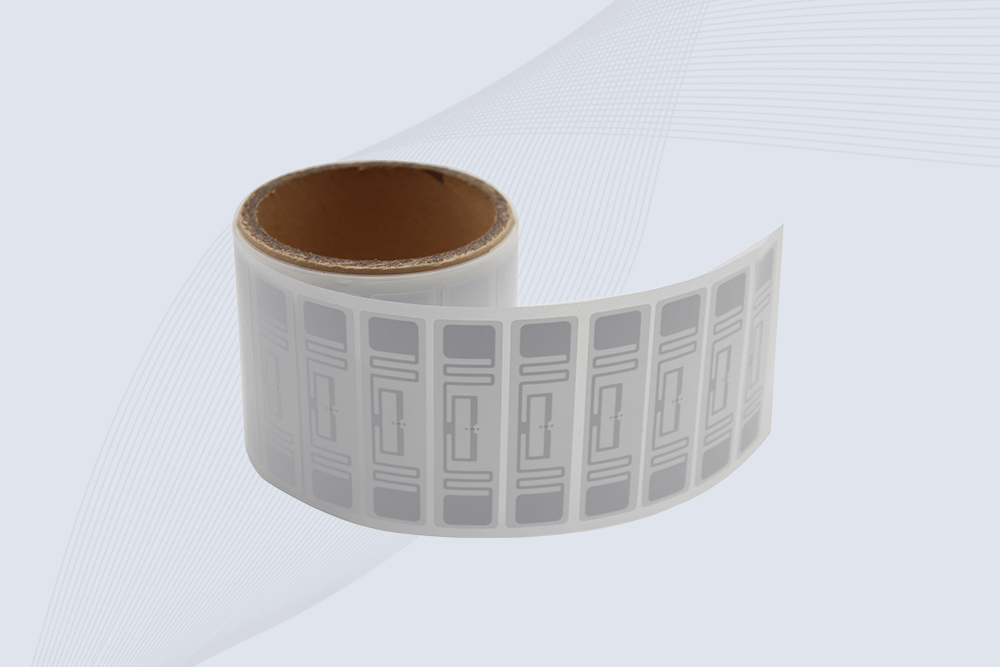
CYKEO RFID Asset Tag is designed for stable identification of metal assets in industrial environments. This UHF RFID Asset Tag is commonly used for rfid tag asset tracking on equipment, tools and containers, providing reliable reads, long service life and ISO/IEC 18000-6C support.
CYKEO UHF RFID Card is designed for fast identification and long-term use in industrial and commercial systems. Supporting ISO 18000-6C, this UHF RFID Card works at 860–960 MHz and is suitable for custom RFID cards used in asset tracking, access control and inventory management.
CYKEO HF RFID Cards are designed for secure and stable access control systems. These 13.56 MHz RFID key cards support ISO 14443-A, reliable rewriting and long service life, making HF RFID Cards suitable for offices, campuses, events and membership management.
CYKEO UHF RFID Tag is designed for reliable tracking of metal jewelry and high-value items. This Jewelry RFID Tag supports long-range reading up to 8 meters, anti-counterfeit protection and stable performance on metal, making it suitable for retail, inventory control and asset management.

A practical look at how integrators deploy networked RFID key cabinets across multiple sites, including connectivity, system monitoring, and lessons from real projects.
More
Discover a RFID tag, how it stores identification data, how passive UHF tags communicate with readers, and how businesses use RFID for inventory, assets, retail, and logistics.
More
Discover how RFID systems work, from tags and readers to data processing. Learn about RFID components, communication, and Cykeo’s role in scalable solutions.
More
Learn how a UHF RFID 12dBi antenna improves read range, tag detection accuracy, and RFID system performance. Discover applications, installation tips, and industrial use cases for long-range RFID tracking.
More