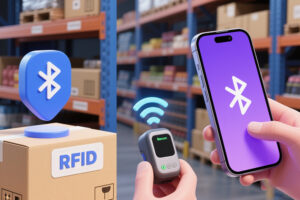
Yes. RFID tagged items can be identified, tracked, and managed automatically without direct line-of-sight scanning, improving inventory accuracy, asset visibility, and operational efficiency across logistics, retail, healthcare, and manufacturing environments.
I have spent more than a decade working around RFID deployment projects, from warehouse pallet tracking to hospital asset management. One thing becomes obvious after standing beside loading docks at 6 a.m. or watching technicians search for missing tools on a production floor: manual identification always creates delays.
RFID tagged assets remove that friction.
The difference is noticeable within days, not months.
What Does RFID Tagged Mean?
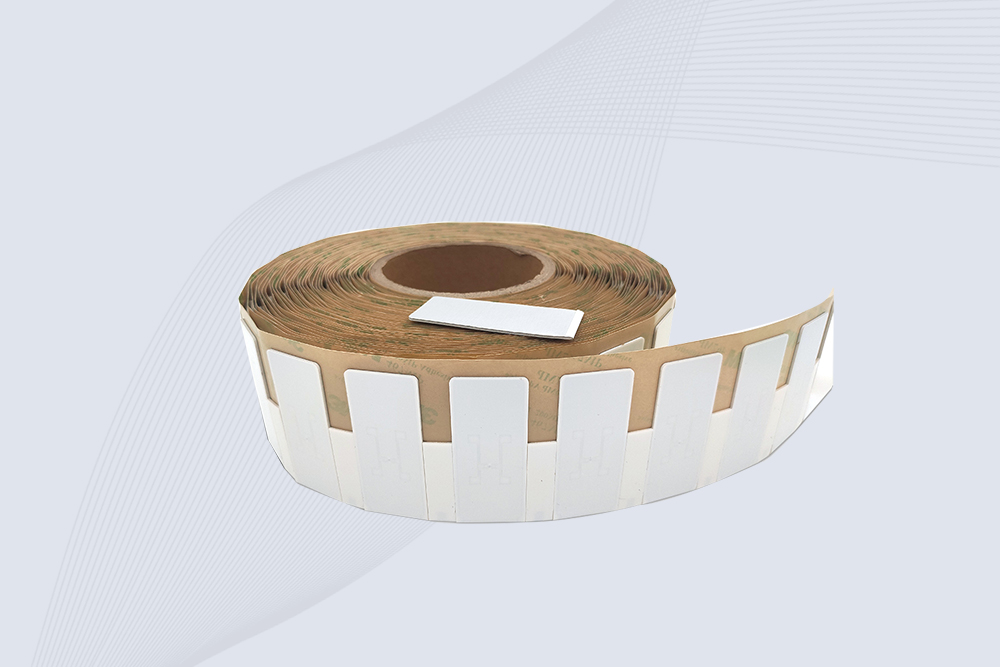
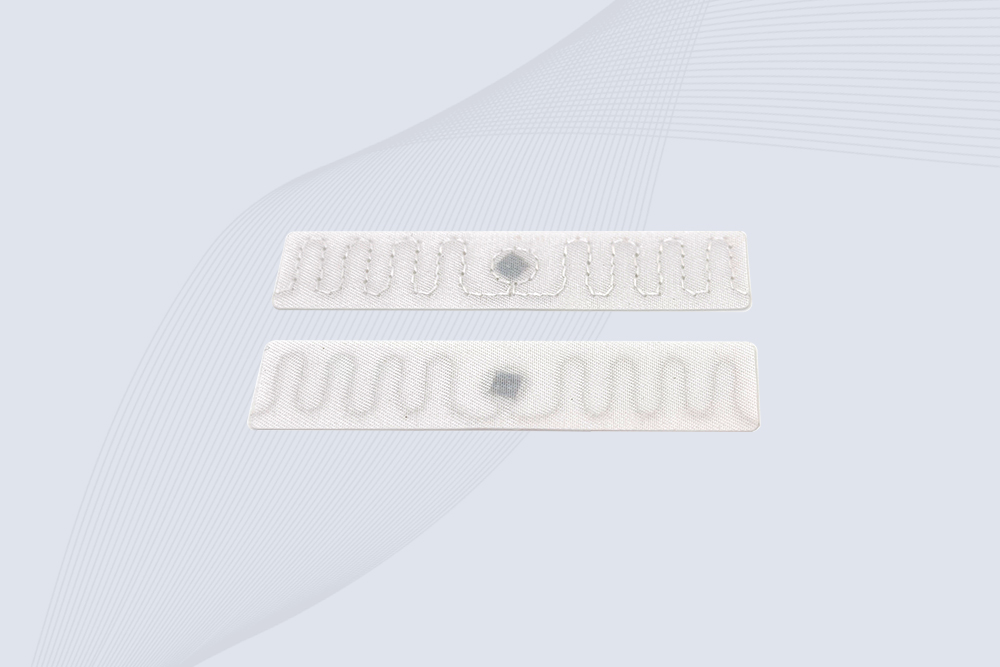
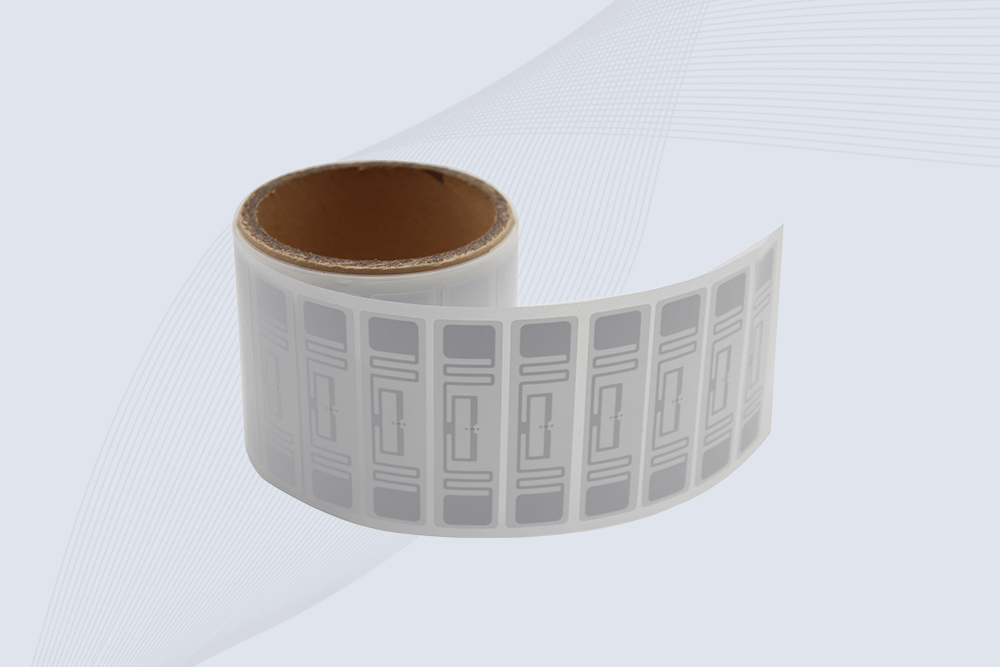
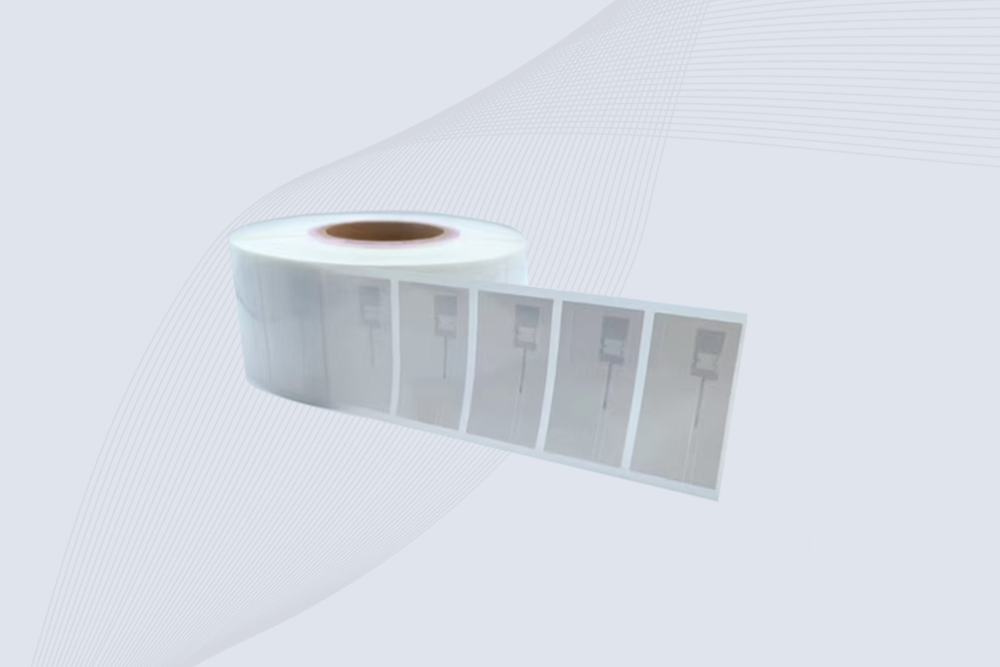
An RFID tagged item contains an RFID transponder embedded inside a label, card, hard tag, or industrial enclosure. The tag stores a unique identifier that can be read by RFID readers through radio frequency communication.
Unlike traditional barcodes, RFID tagged products do not require direct visual alignment.
According to GS1, RFID systems use the Electronic Product Code (EPC) structure to uniquely identify individual products, assets, locations, and logistics units globally.
Common RFID Tagged Objects
Industry
RFID Tagged Item
Retail
Apparel, footwear, cosmetics
Healthcare
Medical devices, surgical kits
Manufacturing
Tools, work-in-progress materials
Logistics
Pallets, cartons, containers
Libraries
Books and archives
Laundry
Uniforms and linens
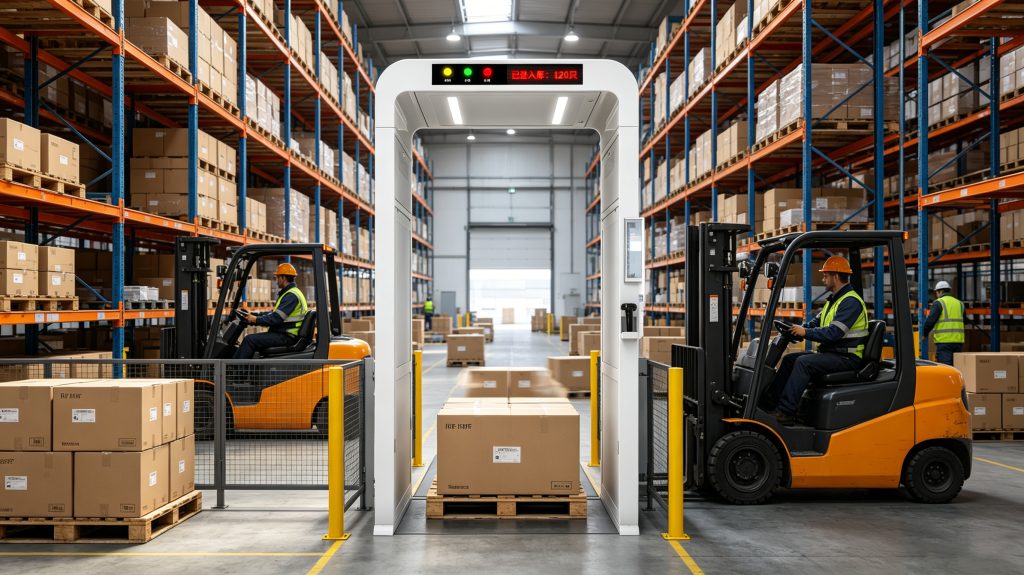
A warehouse operator may scan thousands of tagged cartons in seconds while a forklift passes through a gate.
No stopping.
No manual counting.
No clipboard.
Why RFID Tagged Assets Improve Visibility
Several years ago, during an inventory verification project, a client discovered nearly 9% of mobile equipment had incorrect location records.
The equipment was not lost.
It simply wasn’t where the database claimed it was.
After RFID tagging and automated portal tracking, location accuracy improved dramatically because movement data was captured automatically.
Key Benefits
Real-time asset visibility
Faster inventory counts
Reduced labor costs
Better loss prevention
Automated audit trails
Improved compliance reporting
GS1 notes that EPC-enabled RFID provides serialized identification for individual items, allowing each tagged asset to be uniquely distinguished even among identical products.
RFID Tagged Systems in Modern Operations
RFID Tagged Inventory Management
Inventory counting remains one of the largest hidden labor expenses in warehouses.
With RFID tagged inventory:
Multiple tags are read simultaneously
Bulk scanning replaces manual counting
Stock discrepancies are detected earlier
Many distribution centers now perform cycle counts daily rather than quarterly.
Metal surfaces. Machine vibration. Oil contamination. Constant movement.
RFID tagged tools and production assets help manufacturers:
Track tool usage
Monitor work-in-progress
Verify production routes
Reduce equipment loss
Even automotive factories increasingly use EPC-based RFID identification throughout assembly processes.
How EPC Works Inside RFID Tagged Labels
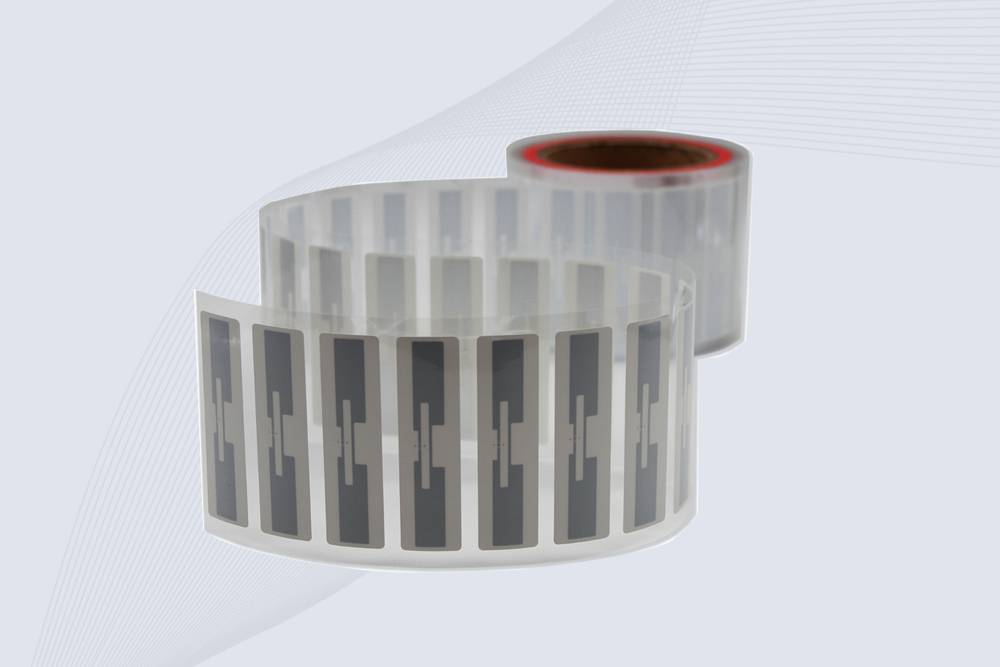
Most UHF RFID tagged labels store an EPC (Electronic Product Code).
The EPC acts as a globally unique identifier.
According to GS1 standards, EPC encoding allows companies to serialize products individually rather than identifying only the product category.
EPC Data Structure Example
Component
Function
Header
Defines EPC format
Company Prefix
Identifies owner
Item Reference
Product category
Serial Number
Unique item identity
This structure allows millions of individual items to be tracked independently.
That matters when managing returns, recalls, or regulated assets.
Why Cykeo RFID Tagged Solutions Focus on Controlled Reading
Many RFID deployments fail because readers capture too much information rather than too little.
At Cykeo, field testing repeatedly shows that controlled read zones often outperform maximum read distance.
For example:
Near-field desktop encoding stations
Tool-room checkout points
Medical supply cabinets
Library circulation desks
Precision matters.
A reader capturing 100 unintended tags creates more problems than a reader capturing the correct 10.
RFID Tagged vs Barcode Systems
Feature
RFID Tagged
Barcode
Line of Sight Required
No
Yes
Bulk Reading
Yes
No
Data Rewrite
Yes
Limited
Scan Speed
Very Fast
Manual
Automation Level
High
Moderate
This is why many organizations now combine both technologies rather than replacing one completely.
Barcode remains useful.
RFID fills the visibility gap.
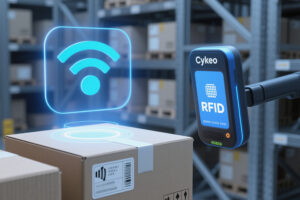
Automated RFID tagged inventory verification at a logistics facility
RFID Tagged Applications Growing Fast
The growth of RFID tagged products is no longer limited to retail.
Current adoption includes:
Smart hospitals
Industrial manufacturing
Equipment rental companies
Airport baggage handling
Document management centers
Smart libraries
The most interesting trend isn’t the hardware.
It’s the software layer built around RFID-generated data.
Organizations increasingly use RFID events to drive analytics, maintenance schedules, and predictive inventory planning.
Real-time visibility of RFID tagged assets in manufacturing
FAQ
What is an RFID tagged item?
An RFID tagged item contains a transponder that stores digital identification data and communicates with RFID readers using radio waves.
Can RFID tagged labels be rewritten?
Yes. Many RFID tagged labels support rewriting EPC data and user memory depending on chip specifications.
Are RFID tagged assets secure?
Most enterprise RFID systems use access controls, EPC management, password protection, and backend authentication systems to improve security.
How far can RFID tagged products be read?
Reading distance depends on frequency, antenna design, and environment. UHF RFID systems commonly achieve several meters of read range.
Is RFID tagged inventory more accurate than barcode inventory?
In many operational environments, yes. RFID tagged inventory enables bulk reading and automated capture, reducing human scanning errors.
Conclusion
RFID tagged systems have moved far beyond simple identification. They now serve as the foundation for real-time inventory visibility, asset tracking, manufacturing automation, and supply chain intelligence. With EPC-based identification standards and modern RFID infrastructure, organizations can monitor assets continuously while reducing manual labor and improving operational accuracy. For companies pursuing scalable tracking and traceability, RFID tagged technology remains one of the most practical investments available today.
CYKEO Passive RFID Tags are made for wet and high-humidity environments where standard labels do not last. This rfid passive tag is often used around liquids, chemicals and temperature changes, providing stable reading distance and long data life for industrial tracking.
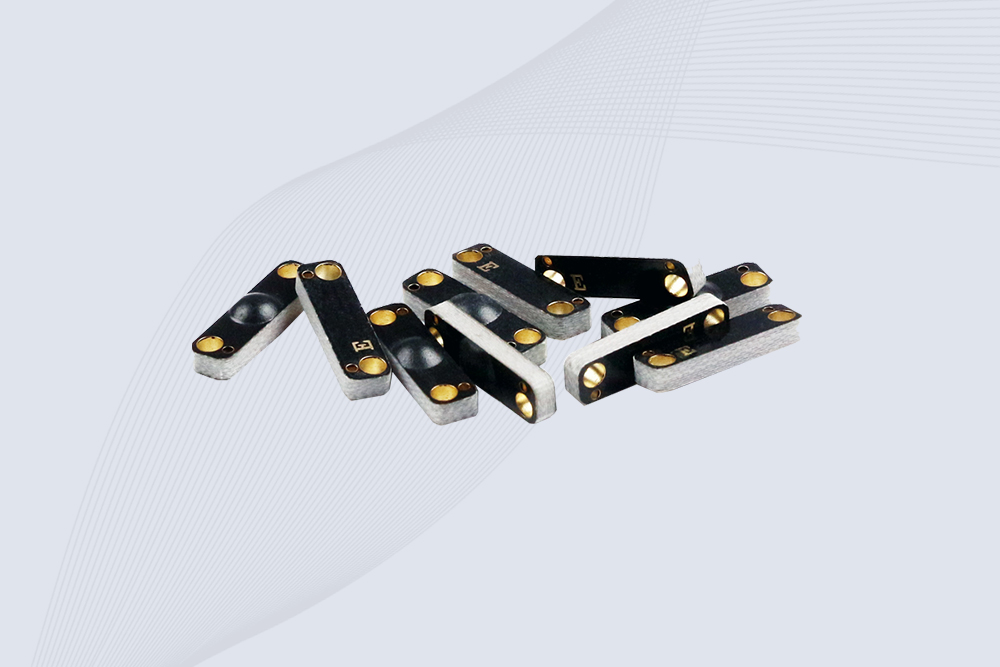
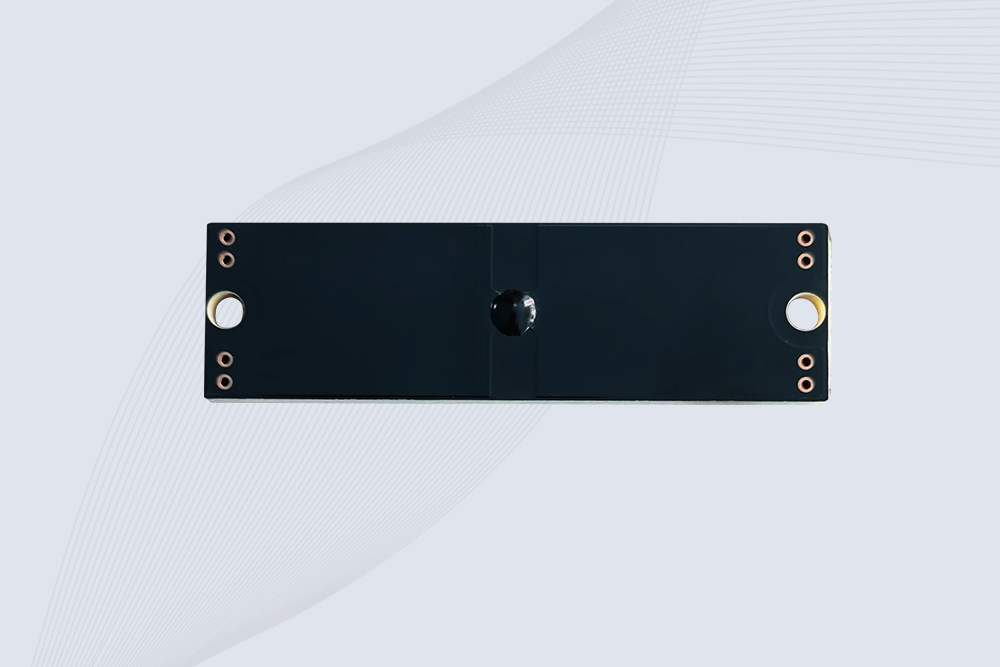
CYKEO CYKEO-PCB1504 Metal RFID Tags is a compact anti-metal UHF RFID solution built for direct mounting on metal surfaces. With stable 8-meter read range, Ucode-8 chip, and long data retention, this rfid metal tag fits tools, containers, automotive parts, and industrial asset tracking.
CYKEO CYKEO-PCB7020 On-Metal RFID Tags are designed for reliable tracking on steel and metal surfaces. Built with an FR4 epoxy body and industrial-grade chips, these On-Metal RFID Tags deliver stable performance, long data life, and chemical resistance, making them a dependable RFID anti-metal tag for harsh environments.
The CYKEO CYKEO-60-25 Anti-Metal RFID Tag is built for metal surfaces where standard tags fail. Designed for long-range performance, harsh environments, and stable data retention, this Anti-Metal RFID Tag is ideal for industrial assets, containers, and equipment tracking using on metal RFID tags.
The CYKEO RFID Laundry Tag is designed for long-term textile identification in harsh laundry environments. Built to withstand high heat, chemicals, and repeated washing, this RFID Laundry Tag delivers stable performance for hotels, hospitals, and industrial laundry operations using laundry rfid tags at scale.
The CYKEO CYKEO-125-7 RFID Book Tag is designed for reliable book and document tracking in libraries and archives. This RFID Book Tag delivers long read range, dense placement support, and stable performance on shelves, making it a practical rfid tag on books for library automation, file management, and archival systems.
CYKEO RFID tags in hospitals are designed for sterile environments where accuracy matters. These autoclavable RFID tags support long-term tracking of surgical tools, implants, and medications, helping hospitals improve visibility, compliance, and patient safety.
CYKEO RFID Cable Tie Tag is built for reliable identification on metal surfaces. This UHF RFID Cable Tie Tag is widely used in rfid tags for inventory systems, industrial asset management and Hospital RFID Tags, offering stable read performance, long service life and global EPC Gen2 compatibility.
CYKEO RFID Asset Tag is designed for stable identification of metal assets in industrial environments. This UHF RFID Asset Tag is commonly used for rfid tag asset tracking on equipment, tools and containers, providing reliable reads, long service life and ISO/IEC 18000-6C support.
CYKEO UHF RFID Card is designed for fast identification and long-term use in industrial and commercial systems. Supporting ISO 18000-6C, this UHF RFID Card works at 860–960 MHz and is suitable for custom RFID cards used in asset tracking, access control and inventory management.
CYKEO HF RFID Cards are designed for secure and stable access control systems. These 13.56 MHz RFID key cards support ISO 14443-A, reliable rewriting and long service life, making HF RFID Cards suitable for offices, campuses, events and membership management.
CYKEO UHF RFID Tag is designed for reliable tracking of metal jewelry and high-value items. This Jewelry RFID Tag supports long-range reading up to 8 meters, anti-counterfeit protection and stable performance on metal, making it suitable for retail, inventory control and asset management.
Discover how the CYKEO RFID warehouse management system transforms logistics with real-time inventory tracking, smart storage allocation, faster picking, and automated shipping verification. Boost accuracy, efficiency, and transparency in your war...
Learn how a passive radio-frequency identification (RFID) system works, including components, communication, and applications. Discover Cykeo’s industrial RFID solutions.
Discover the differences between RFID and Beacon technologies, including how they work, ideal applications, and why businesses choose Cykeo for hybrid solutions.
how RFID gate systems provide contactless, automated access for residential, commercial, and industrial sites. Explore UHF RFID readers and integration options.
 Cykeo RFID IoT Solution Products R&D Manufacturer