 Cykeo RFID IoT Solution Products R&D Manufacturer

how rfid chips work: The Technology Behind Smart Identification Systems
159Discover how rfid chips work and how RFID technology enables fast, accurate tracking in industries. Learn from Cykeo RFID engineering experience and solutions.
MoreAll RFID Product
A surprising number of RFID projects don’t fail because of bad hardware.
They fail because someone mounted a reader in the wrong place.
I’ve seen facilities spend thousands of dollars upgrading readers, changing tags, and replacing antennas, only to discover later that moving the reader a few feet higher solved most of the problem.
RFID coverage is a little like Wi-Fi coverage. Strong equipment helps, but placement often matters more than people expect.
So where should RFID readers actually be installed if the goal is maximum coverage?
The answer depends on what you’re trying to track, but some patterns show up again and again in successful deployments.
One common mistake is designing around the reader first.
The better approach is to study how assets move.
Think about:
RFID systems work best when tags naturally pass through a controlled reading zone.
Instead of trying to read tags everywhere, successful installations create predictable choke points where assets must pass.
This is why warehouse doors, conveyor transfer points, loading docks, and entry gates are often the first places RFID readers get installed.
The movement path matters more than the size of the facility.
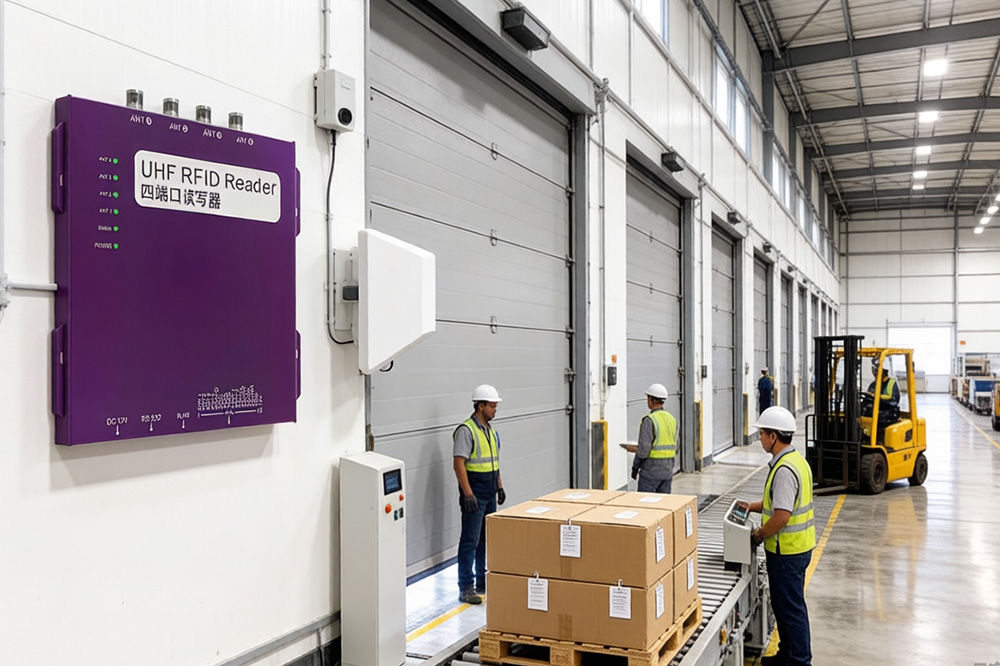
In logistics projects, dock doors are often the easiest place to achieve reliable reads.
Every shipment entering or leaving the building already passes through a narrow opening.
That creates a natural read zone.
A typical setup may include:
What many installers learn quickly is that wider coverage isn’t always better.
Too much coverage can cause unintended reads from nearby pallets waiting in staging areas.
Sometimes reducing the read field actually improves accuracy.
When people ask about maximum coverage, they’re usually expecting a power setting discussion.
But reader height often has a bigger impact.
In large warehouse environments, readers mounted too low can be blocked by:
Raising antennas above these obstacles often produces a cleaner signal path.
Many industrial installations position antennas several feet above the expected tag location and angle them downward toward the target area.
This creates more consistent tag visibility while reducing interference from surrounding objects.
That said, there is no universal height.
A reader installed at 12 feet in a pallet warehouse may perform poorly in a small retail stockroom.
Testing is still necessary.
Here’s something that doesn’t get discussed enough.
Corners often create strange RFID behavior.
Radio waves bounce.
Metal shelving reflects signals.
Concrete surfaces can alter propagation patterns.
Installers sometimes place readers in corners because the location is convenient for power and network access.
Then they spend weeks chasing inconsistent read rates.
Whenever possible, keep antennas focused toward the intended read path rather than allowing signals to bounce around enclosed spaces.
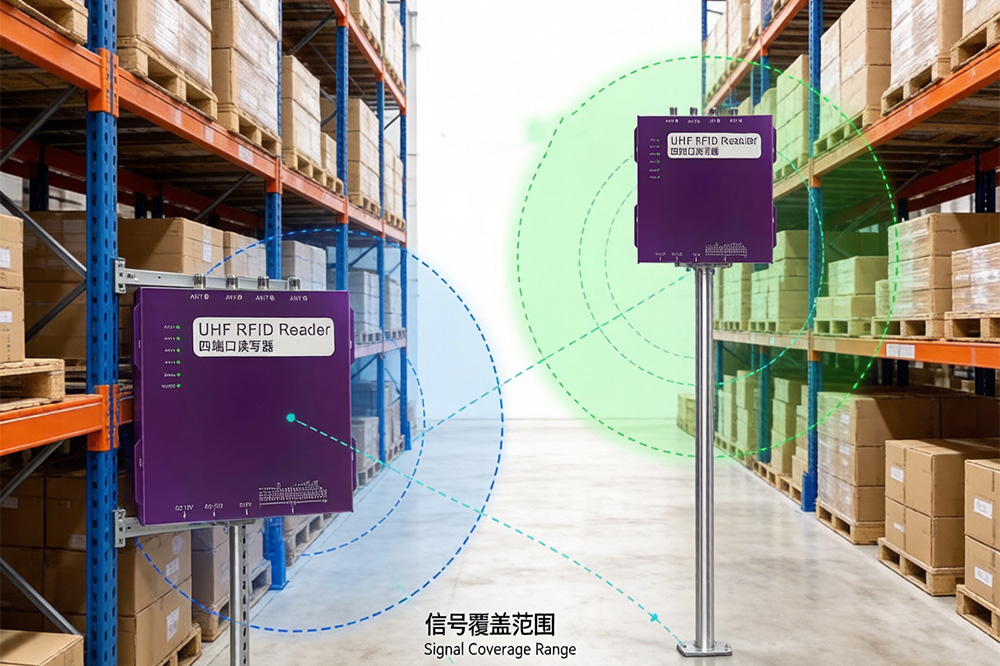
In almost every RFID project, metal becomes part of the conversation sooner or later.
Steel racks, machinery, containers, carts, and vehicles can all affect read performance.
I’ve walked through warehouses where a reader performed perfectly on one side of an aisle and struggled only a few feet away because of metal reflections.
When readers must operate near metal structures:
Small positioning changes can make surprisingly large differences.
Outdoor RFID deployments introduce additional variables.
Vehicle identification systems, truck tracking, and container management often require longer read distances.
In these environments, reader placement resembles license plate recognition systems more than warehouse inventory systems.
The objective isn’t maximum power.
The objective is creating a predictable reading corridor.
Readers are frequently installed:
Vehicles should pass through a defined detection zone rather than a broad open coverage area.
This helps reduce missed reads and unwanted tag captures.
A reader only performs as well as the antenna deployment behind it.
In fact, many “reader problems” are really antenna problems.
A directional antenna focused on a specific path often outperforms a high-powered reader broadcasting in every direction.
Questions worth asking include:
The answers determine antenna orientation far more than the reader model itself.
Factories often present a different challenge.
Products may move through multiple stations rather than a single entry point.
Instead of building one large read zone, many successful manufacturers create several smaller zones throughout production.
Examples include:
Smaller read zones usually provide cleaner data and easier troubleshooting.
When an item appears in the wrong zone, operators can identify exactly where the process deviated.
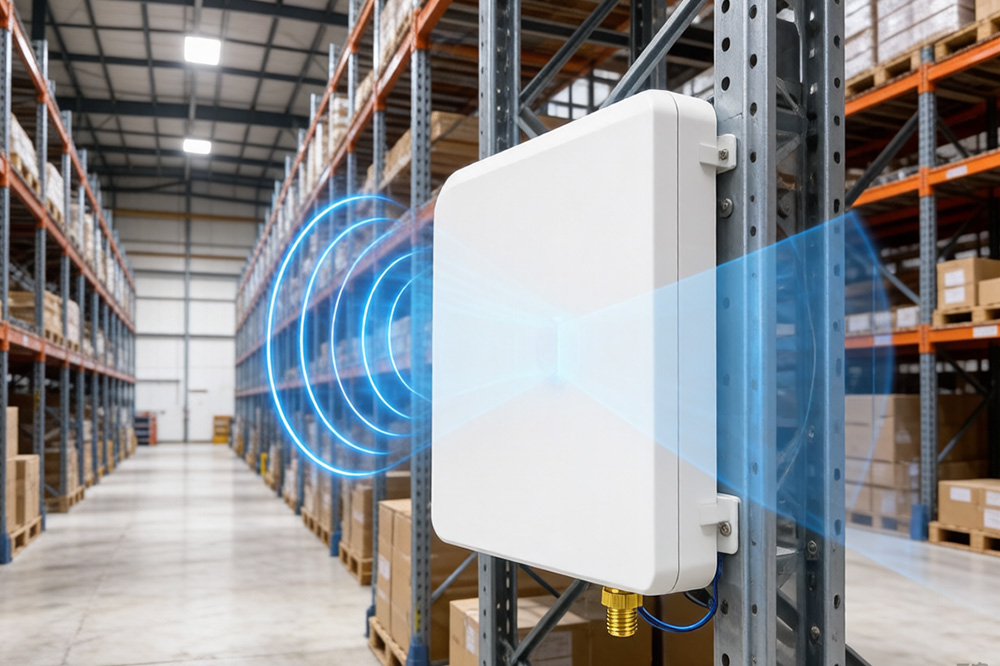
This step gets skipped far too often.
A floor plan can look perfect on paper and still fail in reality.
Before drilling holes or running permanent cable:
Even changing antenna position by a few inches can influence performance.
The best deployments are rarely achieved on the first attempt.
They’re achieved after systematic testing.
This might sound counterintuitive.
Most buyers initially ask for the longest read range possible.
In practice, experienced RFID integrators usually focus on maximum reliability instead.
A 20-foot read zone that captures the correct tags every time is often more valuable than a 60-foot zone that occasionally reads the wrong assets.
The strongest RFID systems aren’t necessarily the ones with the biggest coverage area.
They’re the ones that capture the right data at the right moment.
And that almost always comes down to reader placement.
Most RFID placement guides focus on warehouses and distribution centers. However, outdoor deployments introduce additional variables such as weather exposure, moving heavy equipment, uneven terrain, and temporary infrastructure.
For companies managing construction tools, rental equipment, or large outdoor assets, choosing the right reader is only half of the equation. Reader location, antenna angle, mounting height, and environmental protection often determine whether the system performs reliably six months later.
For a deeper look at reader selection in demanding jobsite environments, check out:Best Long-Range UHF RFID Readers for Construction Sites: Track Tools in Harsh Conditions
If you’re planning an RFID deployment, don’t start by asking how powerful the reader is.
Start by asking where people, products, pallets, vehicles, or assets naturally move.
Once those traffic patterns become clear, the ideal reader locations usually reveal themselves.
That’s when coverage improves, read rates become predictable, and the entire RFID system starts delivering the visibility it was supposed to provide in the first place.
The best location is usually where tagged items naturally pass through a controlled path, such as dock doors, entry gates, conveyor checkpoints, or production line stations.
Often yes, because higher placement reduces signal blockage from inventory, equipment, and vehicles. However, the ideal height depends on the environment and tag location.
Yes. Metal can reflect radio signals and create dead zones. Proper antenna positioning and metal-compatible tags can help improve performance.
It depends on warehouse size, traffic flow, and tracking requirements. Many facilities achieve better results with several smaller read zones rather than one large coverage area.
In most deployments, reader placement has a greater impact on read accuracy than simply increasing reader power.
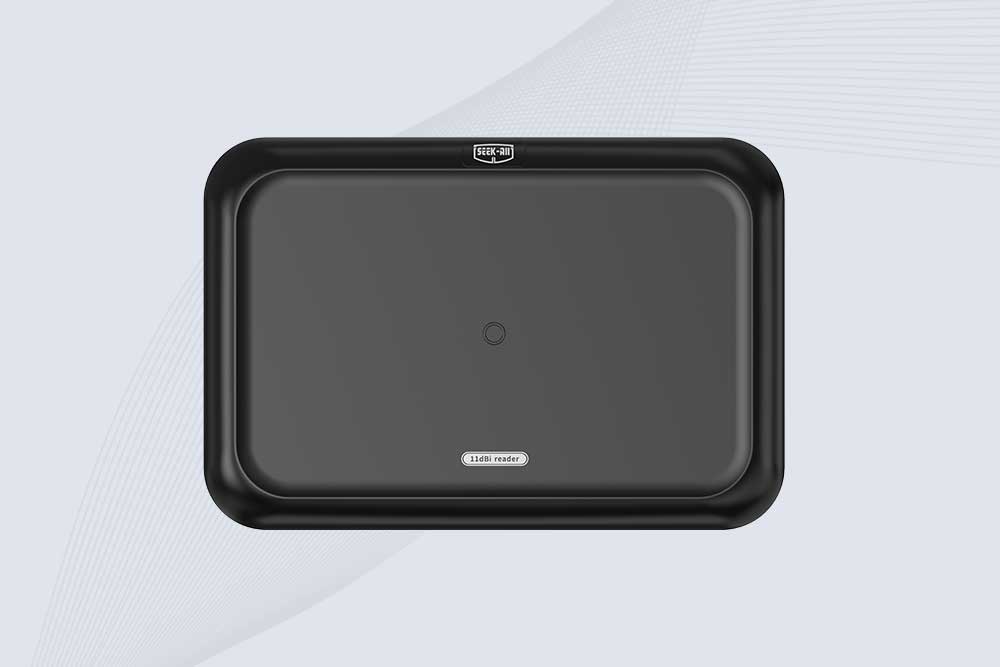
SSD-RA11L is an 11 dBi UHF RFID reader with up to 15m reading distance, 600+ tags/s speed, integrated antenna and flexible connectivity.
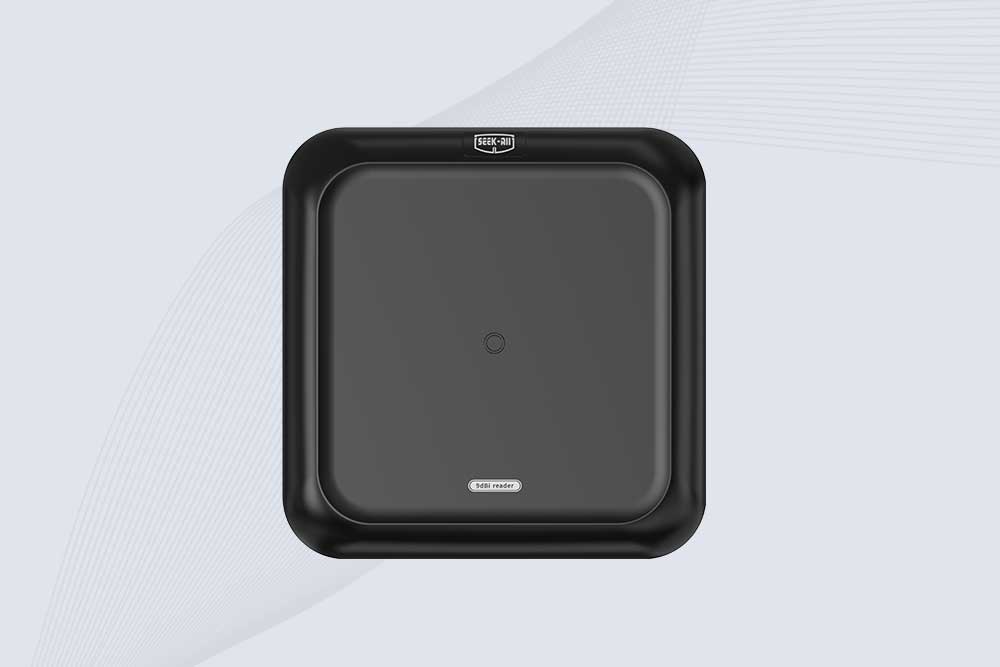
SSD-RA09L is a long range UHF RFID reader with a built-in 9 dBi antenna, 10m reading range, 600+ tags/s speed and flexible interfaces.
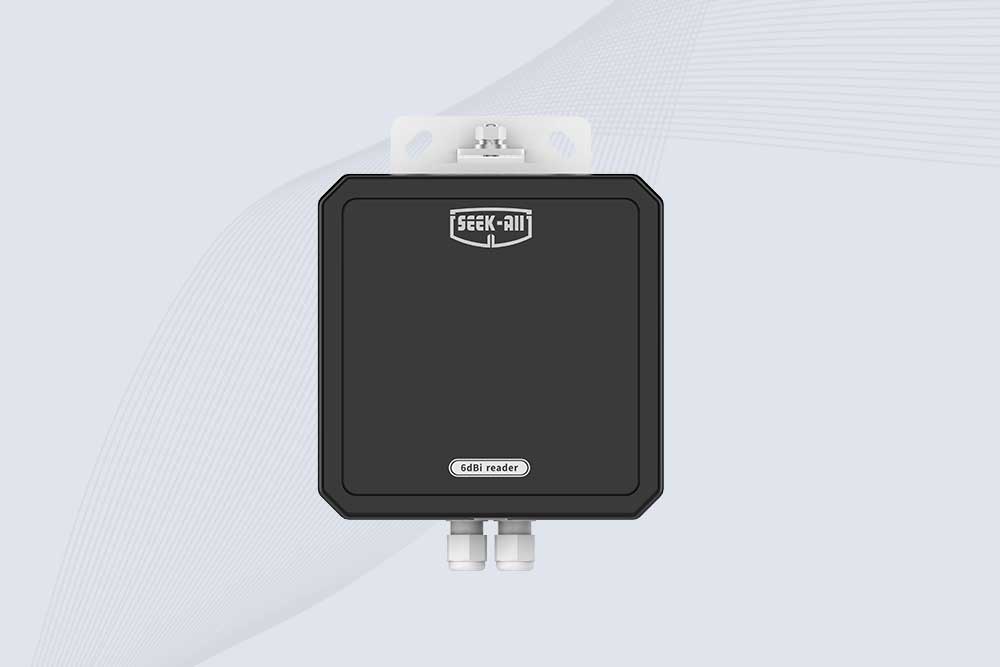
SSD-RA06L is an industrial UHF RFID reader with a built-in 6 dBi antenna, 3 m read range, 600+ tags/s, Ethernet, RS232, and optional Wi-Fi, 4G, and PoE.
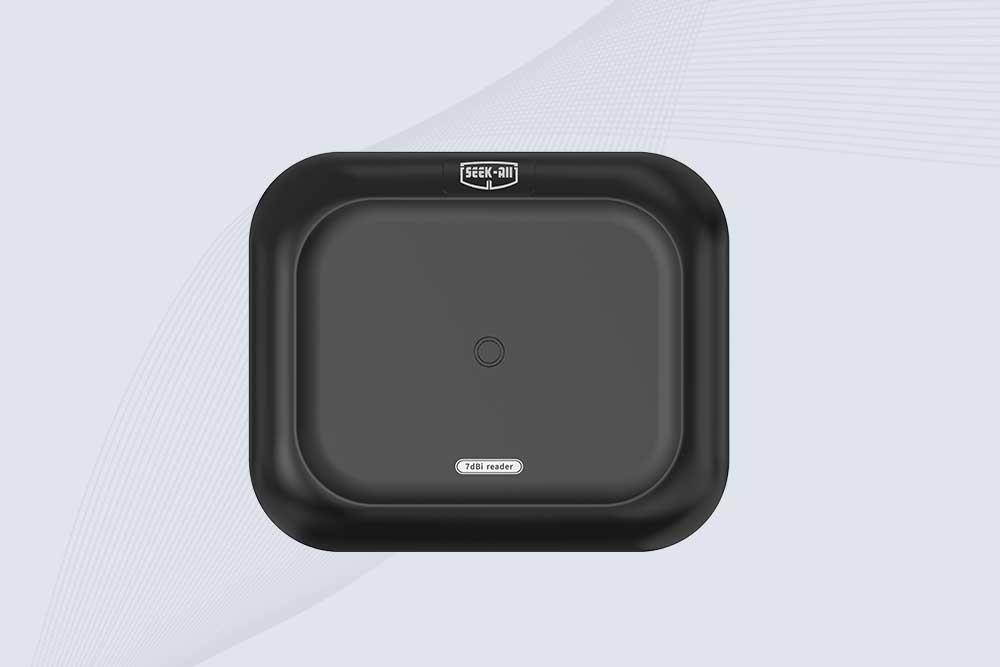
SSD-RA07L industrial UHF RFID reader with integrated 7 dBi antenna, up to 6 m reading distance, over 600 tags/s, Ethernet, RS232, and optional Wi-Fi, 4G, and PoE.
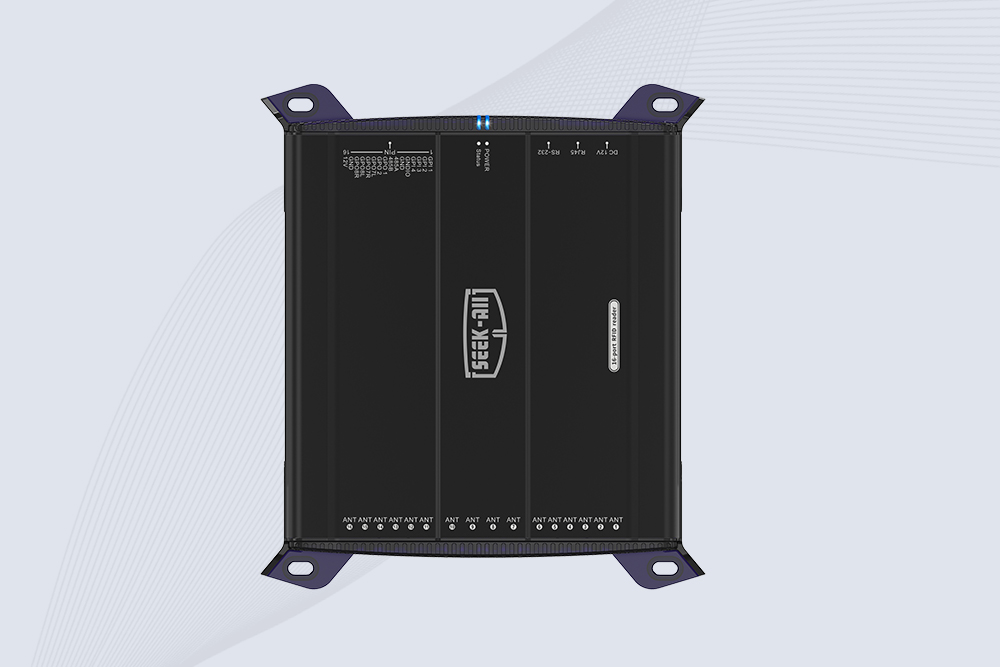
SSD-R16L Multi-Channel RFID Infrastructure for Automated Inventory Management ✔️ 16-Port High-Density RFID Reading Equipped with 16 SMA antenna ports, SSD-R16L supports multi-antenna deployment for warehouses, retail stores, logistics, production lines, and large-area RFID identification. ✔️ High-Speed & Long-Range Performance With up to 33…
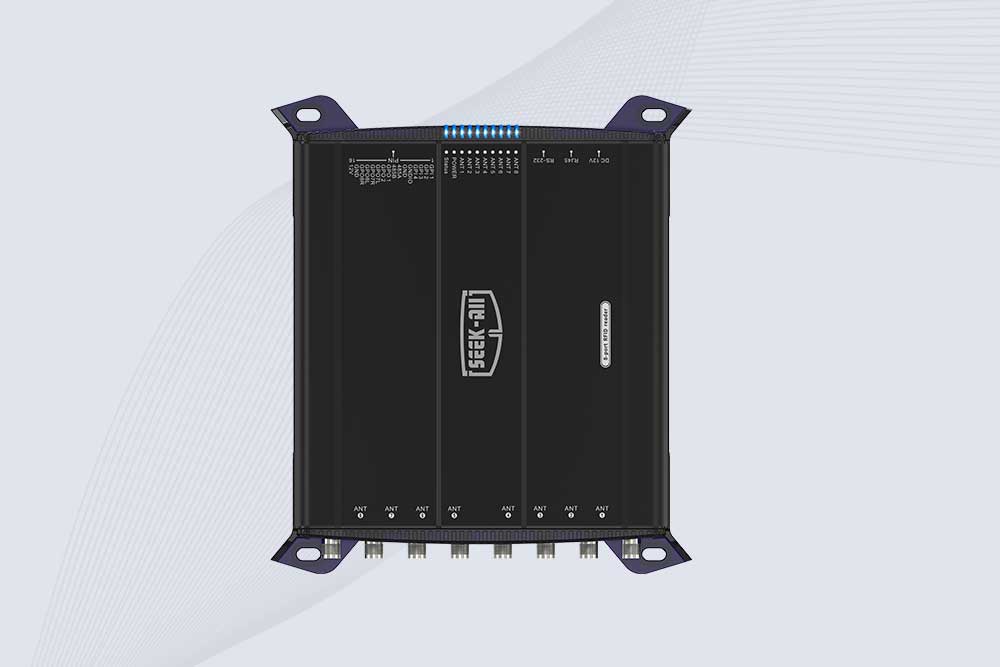
SSD-R8L 8-port UHF RFID reader with 33dBm output, up to 20m reading range and 600+ tags/s recognition. Ideal for warehouse, logistics, retail and asset tracking.
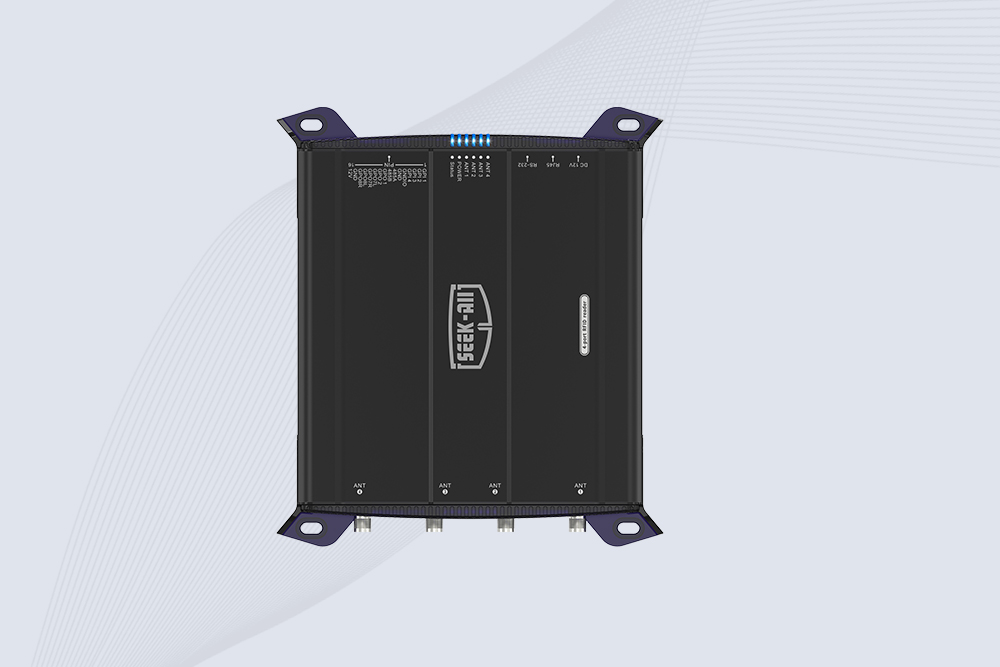
SSD-R4L is a 4-port UHF RFID fixed reader with 33dBm output power, up to 20m reading range, EPC C1G2 support and 600+ tags/s reading speed.
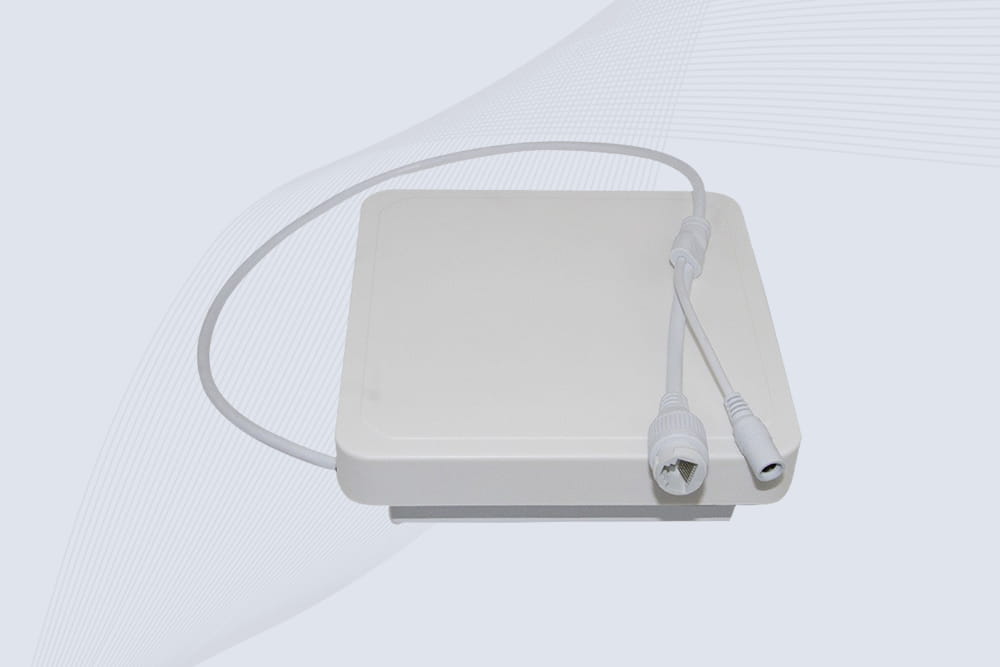
Cykeo’s industrial long range RFID reader delivers 20-meter scanning, 500+ tags/sec speed, and IP67 waterproof design for automated warehouses, logistics, and harsh environment applications.
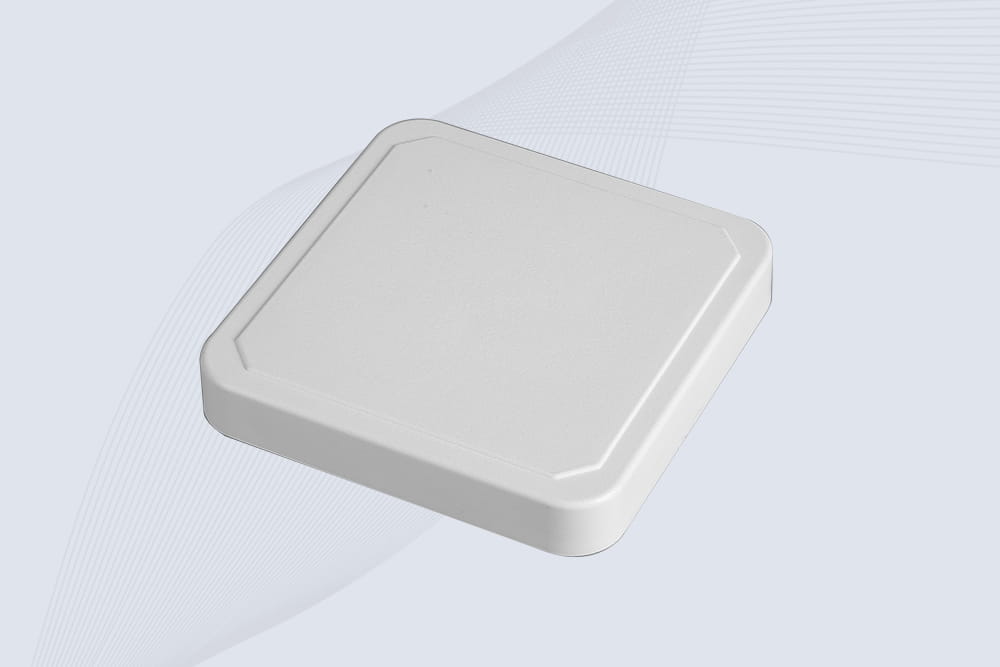
Cykeo’s CYKEO-RA6L industrial RFID long range reader features 20m read distance, 500 tags/sec speed, and IP67 protection. Ideal for warehouse automation, manufacturing WIP tracking, and smart logistics. Supports ISO 18000-6C/6B protocols.
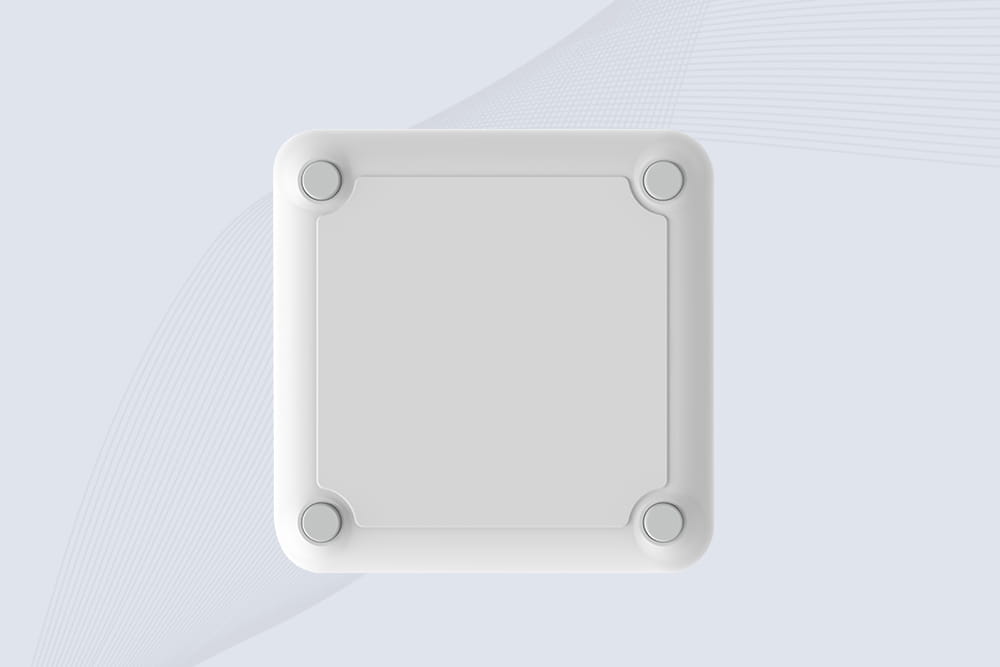
CYKEO Long Range RFID Tag Reader built for outdoor and industrial operations. This Outdoor RFID Reader delivers 20m read distance, fast tag processing, and IP67 durability for wide-area tracking.
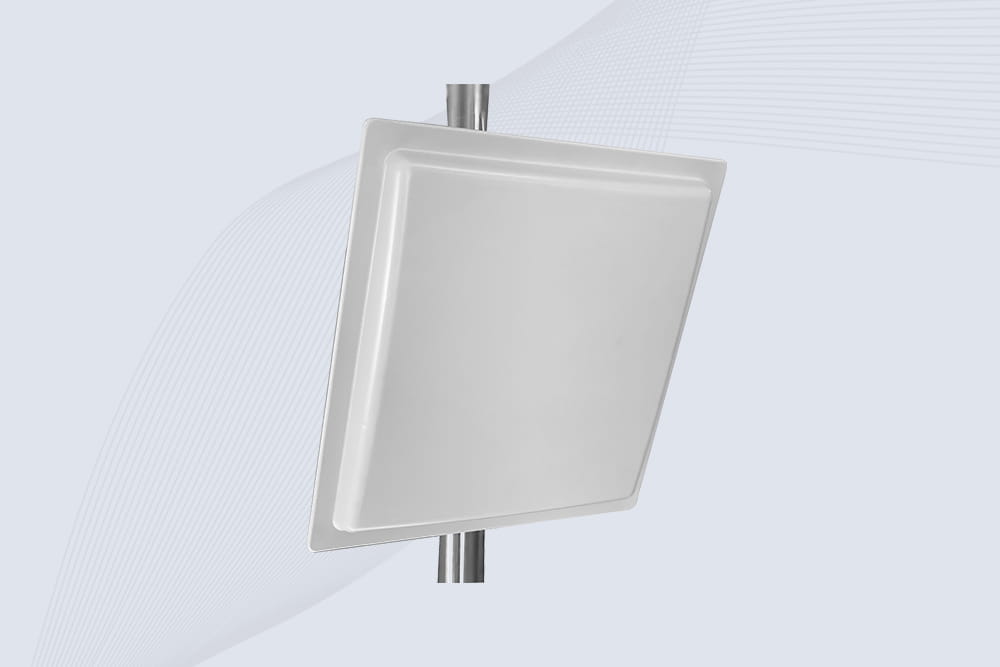
Cykeo CYKEO-RA12L industrial Long Range RFID Reader delivers 20m read range, 200+ tags/sec scanning, and IP67 protection for manufacturing/logistics applications. Supports ISO 18000-6C/GB protocols.
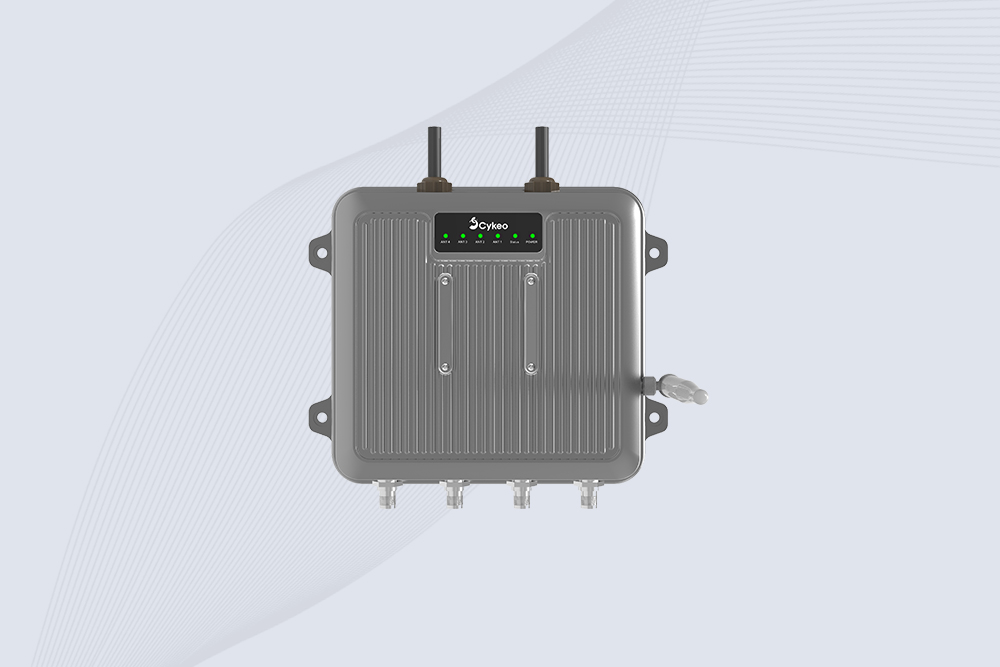
Cykeo CYKEO-C1 industrial Forklift RFID Reader features 20m read range, 600 tags/sec scanning, Impinj R2000 chipset, and IP67 rugged design. Ideal for warehouse logistics and manufacturing. Supports ISO 18000-6C/6B protocols.
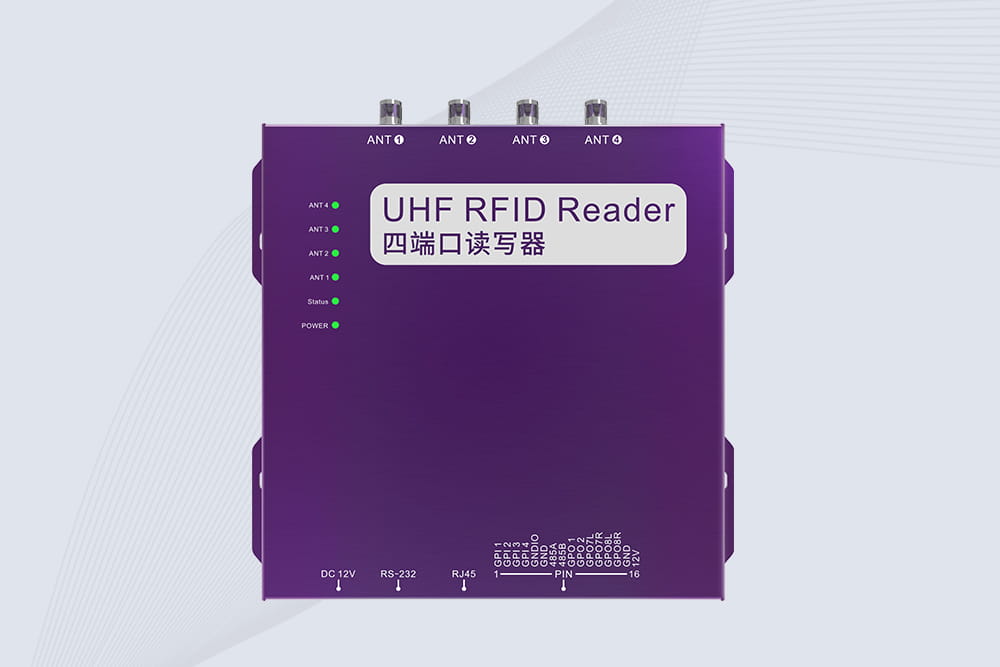
Cykeo CYKEO-R4 industrial UHF RFID Fixed Reader features 4 TNC ports, 400+ tags/sec speed, IP67 housing, and global frequency compliance for vehicle inspection, smart warehouse, and asset management systems.
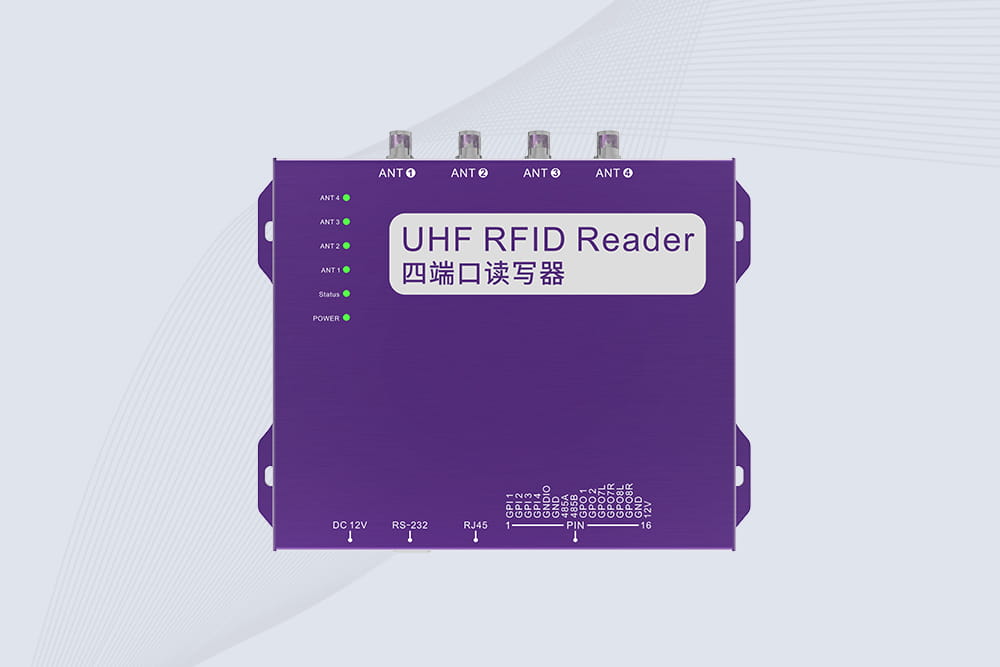
Cykeo’s CYKEO-R4L 4-port Fixed UHF RFID Reader delivers 400 tags/sec scanning, ISO 18000-6C compliance, and IP65 protection. Ideal for warehouse automation, manufacturing WIP tracking, and logistics management.
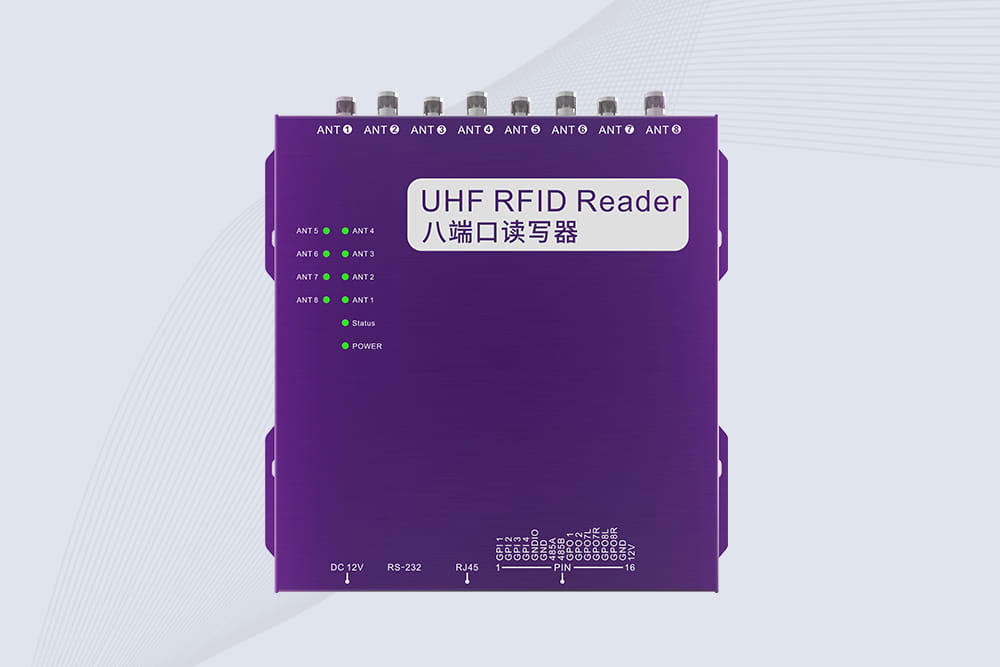
CYKEO CYKEO-R8L Fixed RFID Reader with 8-port UHF design, Impinj-based RF core and up to 20m read range. An industrial Fixed RFID Reader for vehicle inspection, warehouse portals, smart manufacturing lines and secure access checkpoints.
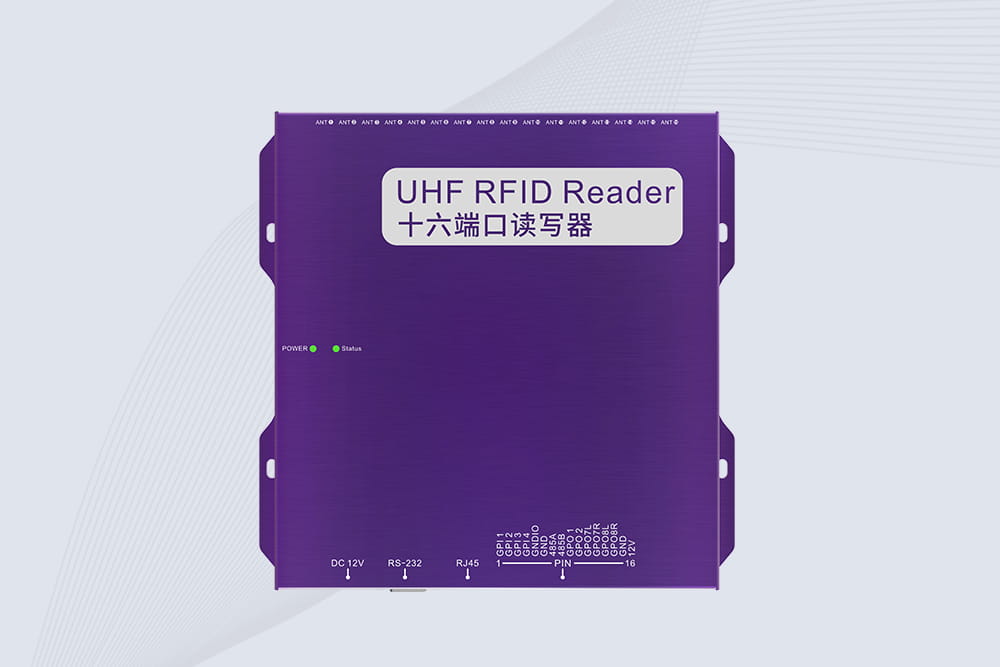
RFID Fixed Reader from CYKEO – the CYKEO-R16L 16-port UHF fixed reader for warehouses, smart cabinets, and production lines. Long-range, multi-tag reading, stable performance for 24/7 industrial use.
RFID Industry Writer | IoT & Asset Tracking Analyst
James writes about RFID technology, asset tracking, and the practical challenges of digital transformation across warehousing, retail, manufacturing, and logistics.
His work focuses on how RFID is applied in real-world operations—improving inventory visibility, automating workflows, and helping businesses manage assets with greater accuracy and efficiency.
He regularly covers topics including UHF RFID, smart cabinets, RFID portals, tool tracking, warehouse automation, and industrial IoT trends..

Discover how rfid chips work and how RFID technology enables fast, accurate tracking in industries. Learn from Cykeo RFID engineering experience and solutions.
More
RFID attendee tracking helps event teams see who’s present, where people move, and when it matters. A practical guide based on real event use.
More
Are RFID tags secure? Learn how RFID tag security works, including encryption, authentication, privacy protection, and industrial RFID safety practices from Cykeo.
More
Streamline hospital asset management with the CK-GY2A UHF RFID Cabinet. Developers can integrate RFID readers and antennas, customize the cabinet locally, and create flexible, efficient inventory solutions for medical facilities.
More