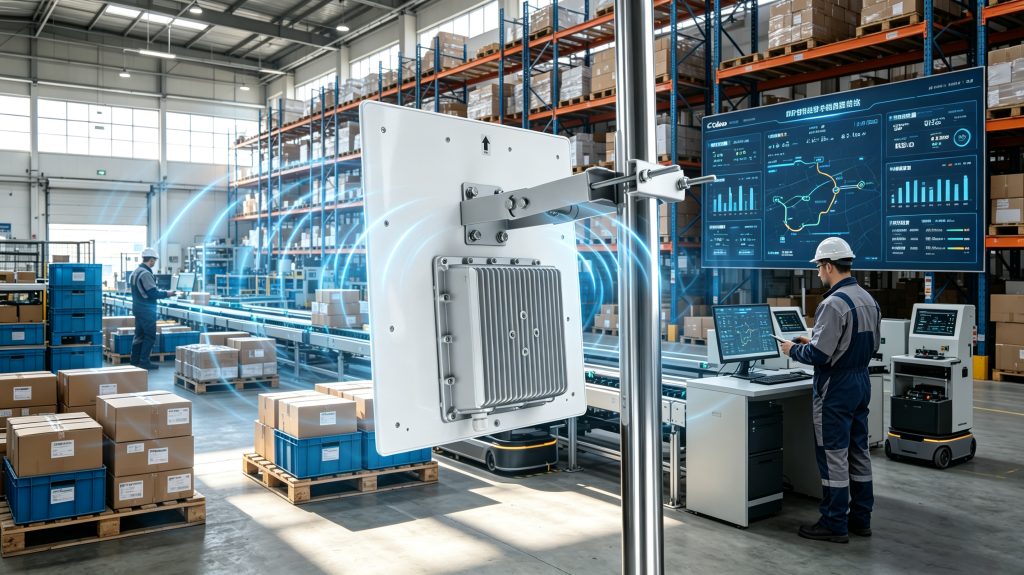
how rfid chips work can be explained through wireless communication between an RFID chip and a reader. The chip stores digital information, receives energy from radio waves, and sends encoded data back to the reader without physical contact.
RFID chips are small electronic components designed to identify, track, and manage physical objects through radio frequency communication. Unlike traditional barcodes that require direct scanning alignment, RFID chips allow automatic identification from a distance, making them widely used in manufacturing, logistics, healthcare, libraries, retail, and asset management.
At Cykeo, our engineering team has spent years testing RFID identification systems in practical environments, from library registration stations to industrial asset tracking projects. The biggest lesson from field deployment is simple: RFID performance depends not only on the chip itself, but also on antenna design, reader capability, operating frequency, material environment, and software integration.
A successful RFID project is rarely about attaching a tag and turning on a reader. In real installations, metal surfaces, liquid containers, tag orientation, reading density, and electromagnetic interference all influence the final result.
How RFID Chips Communicate With RFID Readers
An RFID system normally contains three core elements:
Component
Function
RFID Chip / Tag
Stores identification data and communicates wirelessly
Processes EPC data and connects information with databases
When an RFID reader generates a radio frequency field, the RFID chip detects the signal through its antenna.
For passive RFID chips, this energy activates the integrated circuit inside the tag. The chip does not contain its own battery. Instead, it uses electromagnetic energy transmitted by the reader.
The process happens in milliseconds:
The reader broadcasts a radio frequency signal.
The RFID antenna captures energy from the signal.
The chip powers its internal circuit.
Stored information, such as EPC (Electronic Product Code), is transmitted back.
The reader transfers the data into management software.
This communication method allows hundreds or even thousands of tagged items to be identified quickly depending on the RFID system configuration.
According to GS1 RFID Technology Overview, EPC-based RFID systems are designed to provide unique identification for physical objects throughout supply chains. GS1’s EPC standards are widely used in retail, logistics, and manufacturing environments.
RFID Chip Technology Explained: What Happens Inside the Chip?
An RFID chip contains several important structures:
1. Integrated Circuit (IC)
The IC is the “brain” of the RFID chip. It stores identification information and manages communication commands from the reader.
Common memory areas include:
Memory Area
Purpose
EPC Memory
Stores unique electronic product identification
User Memory
Stores additional customized information
TID Memory
Stores chip identification information
Reserved Memory
Used for security functions
For supply chain applications, EPC data is usually the most important value because it allows each tagged item to have a unique digital identity.
2. RFID Antenna
The antenna determines how efficiently the chip communicates with the reader.
Different RFID frequencies require different antenna structures:
Frequency
Typical Application
LF 125 kHz
Animal identification, access control
HF 13.56 MHz
NFC cards, library systems, smart cards
UHF 860–960 MHz
Logistics, inventory, industrial tracking
Cykeo commonly works with UHF RFID systems based on ISO18000-6C / EPC C1G2 standards because they provide longer reading distances and support fast multi-tag identification.
Why RFID Chips Do Not Need Direct Contact
One of the most important advantages of RFID technology is contactless identification.
A barcode scanner needs a visible line between the scanner and the printed code. RFID works differently because communication happens through radio waves.
During an industrial test involving RFID desktop registration equipment, our engineers observed that operators could register multiple tagged items without manually aligning each label. This significantly reduced repetitive scanning actions in environments such as:
Library book registration
Tool management
Medical asset tracking
Linen management
Document archive systems
The practical difference becomes obvious during busy periods. A staff member handling hundreds of items daily spends less time searching for labels and more time managing exceptions.
RFID chips transmit stored identification data wirelessly to readers, enabling automatic tracking and inventory management.
Key Advantages of RFID Chips in Modern Identification Systems
RFID chips have become a core technology for automatic identification because they solve problems that traditional identification methods cannot handle efficiently. In real-world projects, the value of RFID is not only the ability to read information wirelessly, but the ability to create a continuous connection between physical objects and digital management systems.
From Cykeo’s engineering experience, the most important advantages of RFID chips are seen in daily operations rather than laboratory demonstrations.
A warehouse worker does not need to stop every item for manual scanning. A librarian does not need to search for individual barcode positions. A maintenance team does not need to manually record every tool movement.
The RFID chip quietly creates a digital identity for each object.
RFID Chip Advantages for Industrial and Commercial Applications
1. Contactless Identification and Faster Data Collection
RFID chips communicate through radio frequency signals, allowing readers to identify tagged objects without physical contact.
This is especially valuable in environments where speed matters:
Manufacturing production lines
Warehouse inventory management
Hospital equipment tracking
Library circulation systems
Tool management platforms
Archive document control
Unlike barcode systems, RFID can identify multiple objects simultaneously.
According to research published by the RFID Journal, RFID technology adoption has expanded across industries because organizations use it to improve visibility, inventory accuracy, and operational efficiency.
In practical deployments, Cykeo engineers often find that the biggest improvement is not simply faster reading. It is the reduction of “unknown status” situations.
For example, in a tool management project, the question changes from:
“Who took this tool?”
to:
“Which employee, at what time, and from which location was this tool removed?”
That difference changes how companies manage assets.
2. Multi-Tag Reading Capability
A major advantage of RFID chips is simultaneous identification.
A high-performance RFID reader can process multiple tags in a short period through anti-collision algorithms.
This technology is critical in environments with dense tagged objects.
Typical examples include:
Application
RFID Chip Benefit
Library management
Multiple books can be registered together
Warehouse inventory
Faster pallet and carton identification
Laundry management
Bulk textile tracking
Medical assets
Quick equipment verification
Manufacturing
Real-time production monitoring
Cykeo UHF RFID systems use ISO18000-6C (EPC C1G2) compatible technology, supporting high-speed tag recognition and stable data transmission.
Cykeo Engineering Experience: What Really Determines RFID Performance
Many companies initially focus only on RFID chip specifications. However, after years of RFID system deployment, Cykeo engineers have found that system performance depends on several combined factors.
An RFID chip with excellent specifications can still perform poorly if the antenna design, reader power control, or software workflow is not properly matched.
During equipment testing, our team usually evaluates:
Testing Factor
Engineering Consideration
Reading distance
Must match application environment
Tag orientation
Different angles affect signal strength
Material interference
Metal and liquid can reduce performance
Reader antenna design
Determines communication stability
Software integration
Converts RFID data into useful information
This practical approach comes from real installation environments.
A laboratory reading distance is not the same as a warehouse, archive room, or hospital storage area.
A tag placed on a metal cabinet behaves differently from a tag attached to a cardboard box.
A stack of hundreds of books behaves differently from one test tag on a desk.
These details are where RFID projects succeed or fail.
RFID Chip Technical Comparison: Different RFID Types
RFID Type
Frequency Range
Reading Distance
Typical Applications
LF RFID
125–134 kHz
Short distance
Animal identification, access control
HF RFID
13.56 MHz
Several centimeters
Smart cards, NFC, libraries
UHF RFID
860–960 MHz
Several meters
Logistics, inventory, industrial tracking
For enterprise asset management, UHF RFID is often preferred because it provides longer reading distances and supports rapid identification of multiple items.
Cykeo’s UHF RFID solutions are designed around EPC C1G2 / ISO18000-6C standards, supporting applications where speed, reliability, and scalability are important.
How RFID Chips Work Together With Software Platforms
The RFID chip itself only stores and transmits information. The real business value appears when RFID data connects with software systems.
A typical workflow looks like this:
Step
Process
1
RFID chip receives a unique identification code
2
RFID reader captures EPC information
3
Data is transmitted through USB, Ethernet, or wireless communication
4
Software matches RFID data with database records
5
Users view tracking, inventory, or management information
For example, in a library environment:
A new book receives an RFID label → the desktop RFID reader writes the EPC code → software links the code with book information → future borrowing and returning operations become automatic.
The RFID chip becomes the connection point between the physical book and the digital database.
RFID chips connect physical assets with digital databases, enabling automated identification and management.
Frequently Asked Questions About How RFID Chips Work
1. How do RFID chips work without a battery?
Most RFID chips used in supply chain and asset tracking are passive RFID chips. They do not require an internal battery.
Instead, the RFID reader creates an electromagnetic field. The antenna inside the RFID tag captures energy from this field and activates the chip.
After activation, the chip sends stored information back to the reader through radio frequency communication.
This design allows passive RFID tags to remain lightweight, low maintenance, and suitable for long-term identification applications.
2. What information can an RFID chip store?
An RFID chip can store different types of digital information depending on the chip structure and application requirements.
Common stored information includes:
Data Type
Example
EPC Code
Unique product identification number
Asset ID
Equipment tracking number
Product Information
Item category or specification
User Data
Customized management information
Security Data
Authentication information
In many enterprise applications, the RFID chip does not replace the database. Instead, it provides a unique digital key that connects the physical object with software records.
This approach is widely used in asset tracking, smart inventory, and industrial management systems.
3. How far can RFID chips be read?
RFID reading distance depends on multiple factors:
Longer distance depending on antenna configuration
Cykeo engineers usually recommend testing RFID systems in the actual working environment because theoretical distance values cannot represent every installation condition.
A tag attached to a plastic container in an open warehouse may perform differently from the same tag installed on a metal tool cabinet.
4. Are RFID chips secure?
RFID security depends on the chip type, application design, and software protection method.
Many modern RFID systems use:
Unique chip identifiers
Access control commands
Encrypted communication
Database permission management
For enterprise applications, security is usually achieved through the combination of RFID hardware and software architecture.
The RFID chip provides identification, while the management platform controls authorization and data access.
5. What industries use RFID chips?
RFID chip technology is now used across many industries:
Manufacturing
RFID chips help companies monitor production materials, tools, and finished products.
Healthcare
Hospitals use RFID technology for medical equipment tracking, inventory control, and supply management.
Libraries and Archives
RFID systems improve book registration, borrowing, returning, and document management.
Logistics
RFID enables faster warehouse operations by connecting physical goods with digital inventory systems.
Retail
Retailers use RFID for product visibility, inventory accuracy, and supply chain optimization.
According to AIM Global RFID Resources, RFID continues to be adopted in industries requiring automatic identification, data capture, and traceability.
Cykeo Insight: RFID Chips Are More Than Identification Components
After working with RFID applications, Cykeo engineers have noticed a common misunderstanding: many customers initially consider RFID only as a replacement for barcodes.
In practice, RFID creates a bridge between physical objects and operational data.
A tagged tool is no longer just a tool.
A tagged document is no longer just paper.
A tagged medical asset is no longer only equipment stored in a room.
Each item gains a digital identity that can participate in a management system.
This is where RFID technology creates measurable operational value.
For example, a Cykeo RFID desktop reading platform can support:
RFID tag registration
EPC writing
Item database binding
Label conversion
Inventory management
Borrowing and returning operations
The hardware reads the RFID chip, but the software workflow creates the business result.
Final Keyword Summary: Understanding RFID Chip Technology
Understanding how rfid chips work requires looking beyond the chip itself.
An RFID chip is a small but powerful identification component that communicates wirelessly with readers. Through EPC coding, radio frequency communication, and database integration, RFID systems transform physical objects into traceable digital assets.
From smart libraries to industrial production lines, RFID chips help organizations reduce manual operations, improve visibility, and build more efficient management processes.
Cykeo continues developing RFID identification solutions designed for real-world environments where reliability, speed, and integration matter.
how rfid chips work is ultimately about creating a smarter connection between objects, data, and people.
SSD-A06 UHF RFID antenna with circular polarization, adjustable 840–960 MHz frequency, ≥4.5 dBi gain, and a compact directional design for RFID systems.
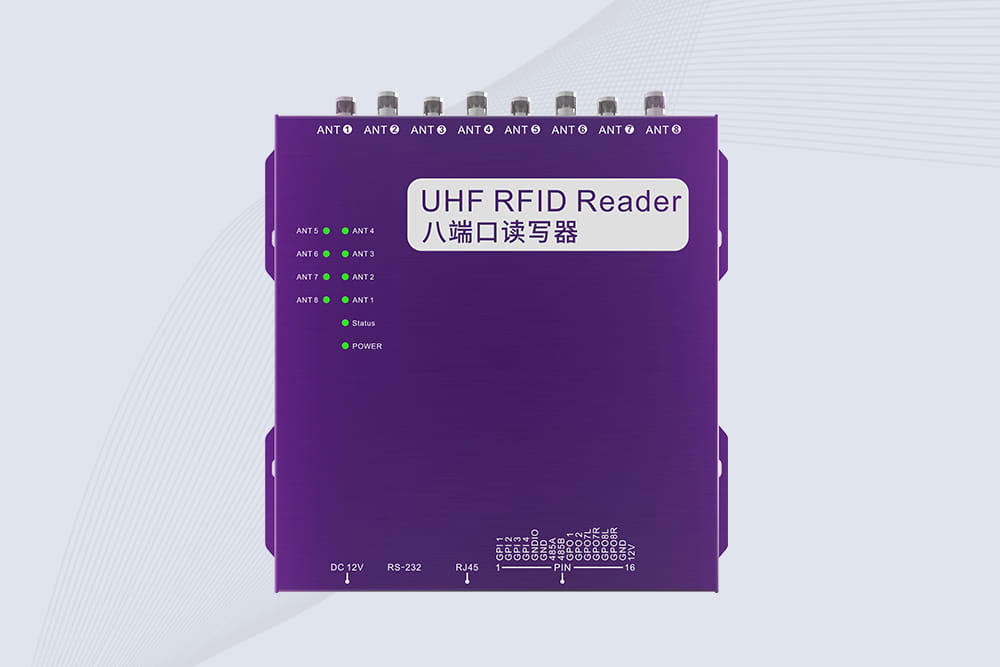
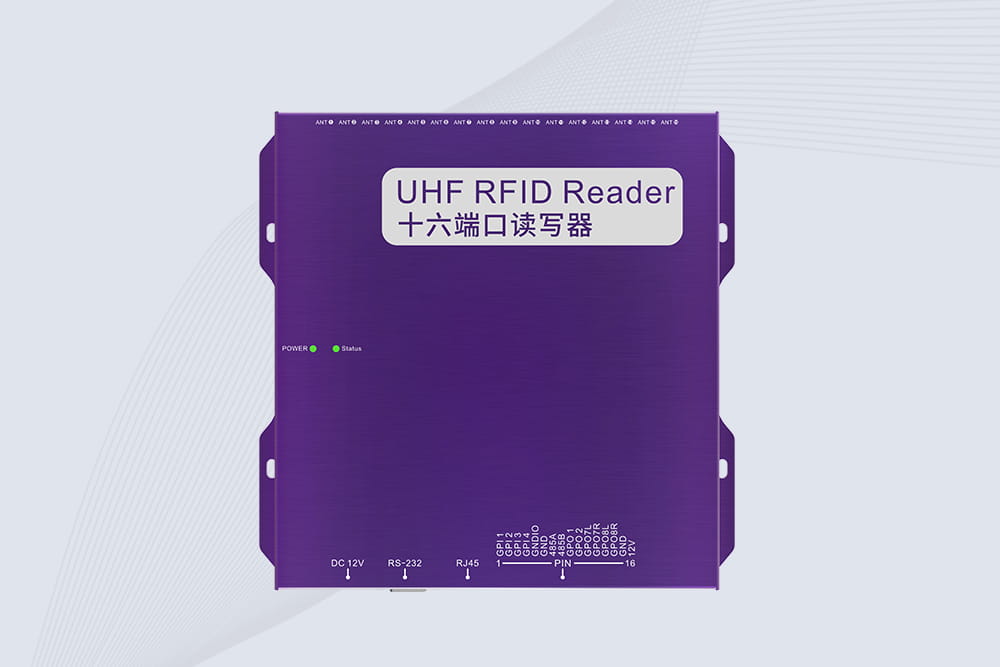
SSD-R16L Multi-Channel RFID Infrastructure for Automated Inventory Management ✔️ 16-Port High-Density RFID Reading Equipped with 16 SMA antenna ports, SSD-R16L supports multi-antenna deployment for warehouses, retail stores, logistics, production lines, and large-area RFID identification. ✔️ High-Speed & Long-Range Performance With up to 33…
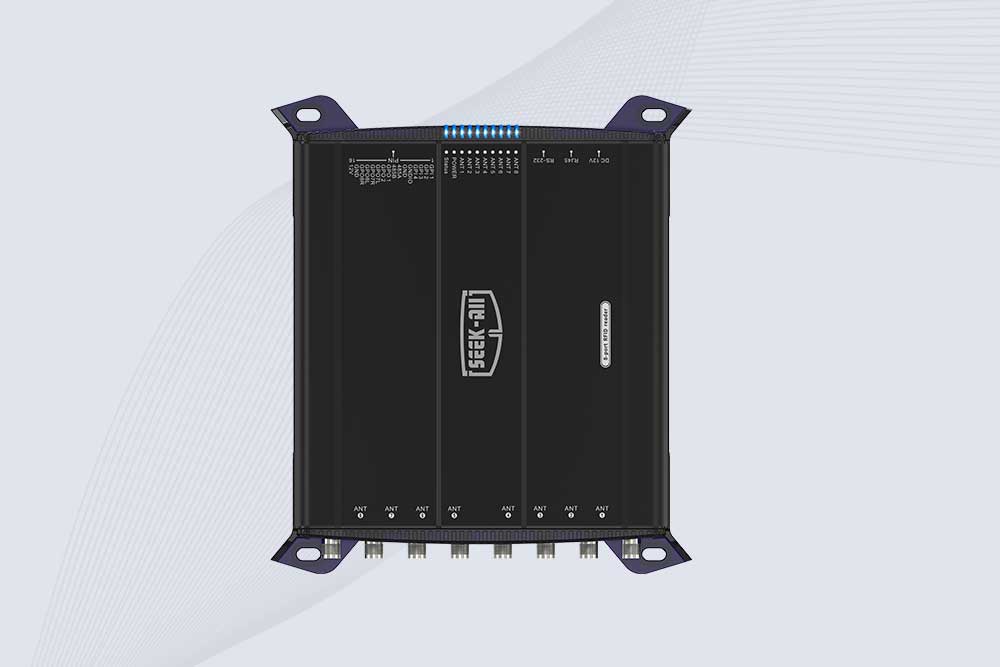
SSD-R8L 8-port UHF RFID reader with 33dBm output, up to 20m reading range and 600+ tags/s recognition. Ideal for warehouse, logistics, retail and asset tracking.
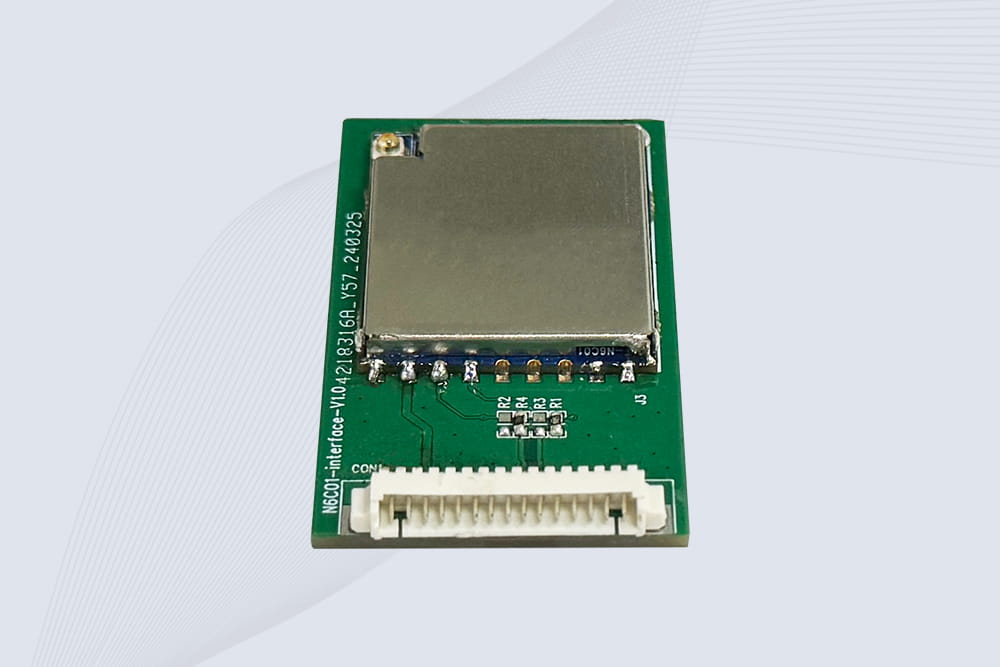
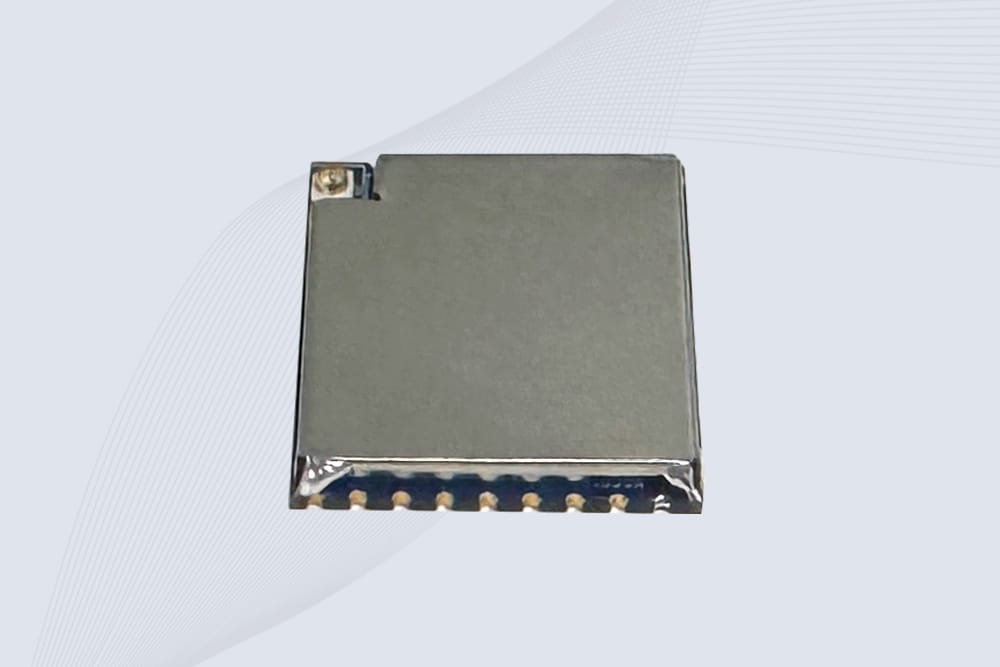
CYKEO Embedded RFID Modules are designed for compact industrial and IoT devices that require stable UHF performance. These UHF RFID Modules support global protocols, flexible power control, and reliable multi-tag reading for smart cabinets, production lines, and asset tracking systems.
CYKEO Embedded RFID Module is built for compact IoT and industrial devices that need stable UHF performance. This UHF module supports global protocols, low power operation, and reliable multi-tag reading for smart lockers, production lines, and always-on RFID systems.
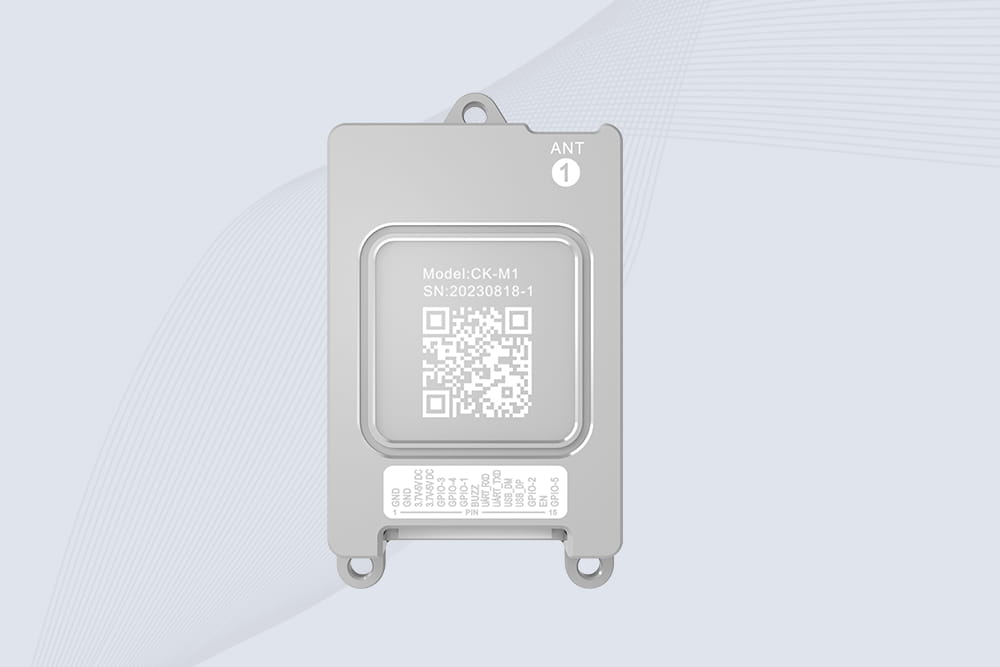
CYKEO CYKEO-M1 drone rfid module is a compact UHF RFID reader module designed for drones and UAV platforms. It supports long-range aerial scanning, fast multi-tag reading, and stable performance in wind, vibration, and outdoor environments.
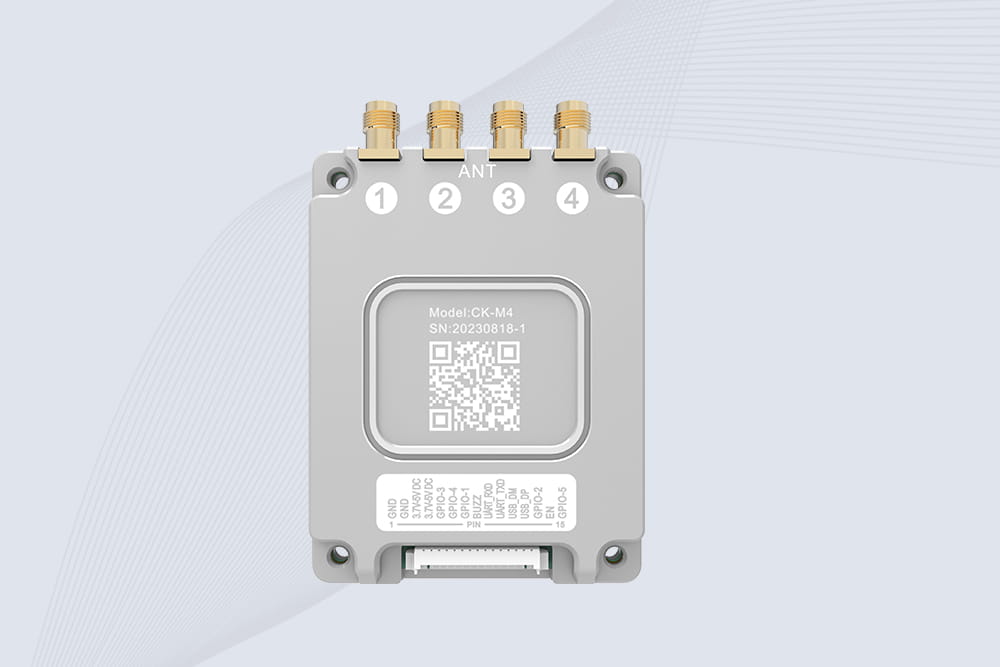
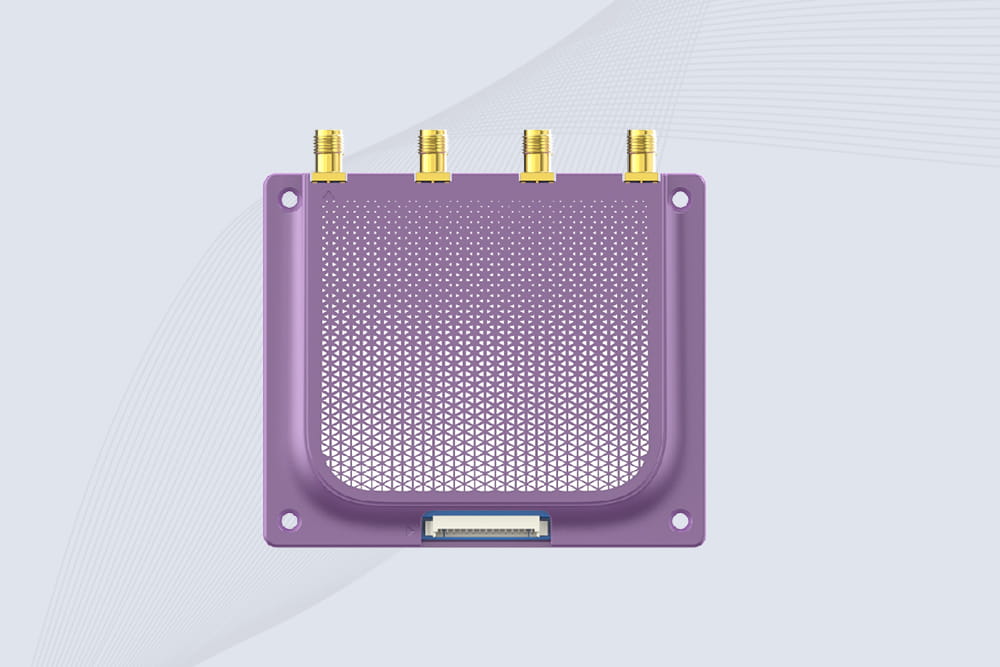
CYKEO CYKEO-M4 RC522 RFID Module is an industrial-grade UHF RFID reader with 4 ports, supporting ISO, EPC, and GB protocols. High-speed, accurate reading for IoT, automation, and warehouse applications.
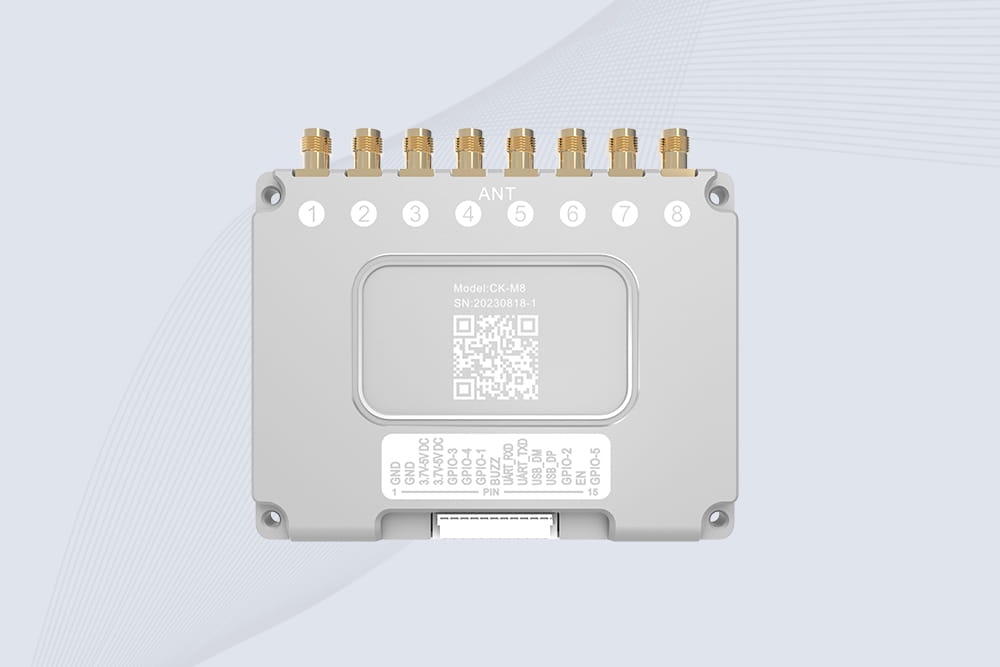
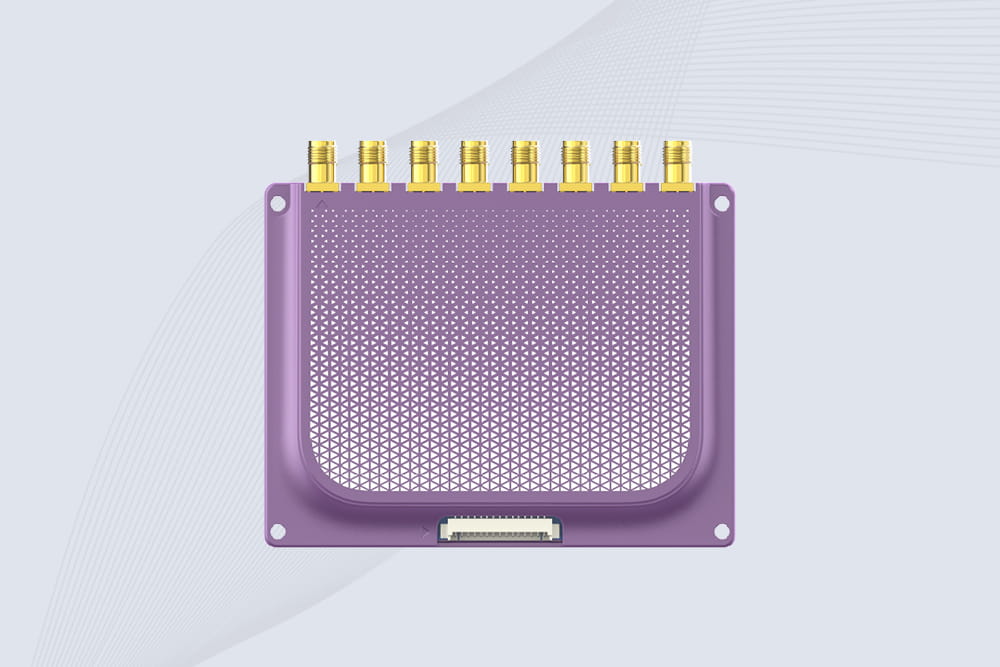
CYKEO CYKEO-M8 Module RFID is an 8-port UHF R2000 RFID Module designed for high-density, multi-tag environments. Stable 33dBm output, ISO & GB protocol support, ideal for warehouses, factories, and automated systems.
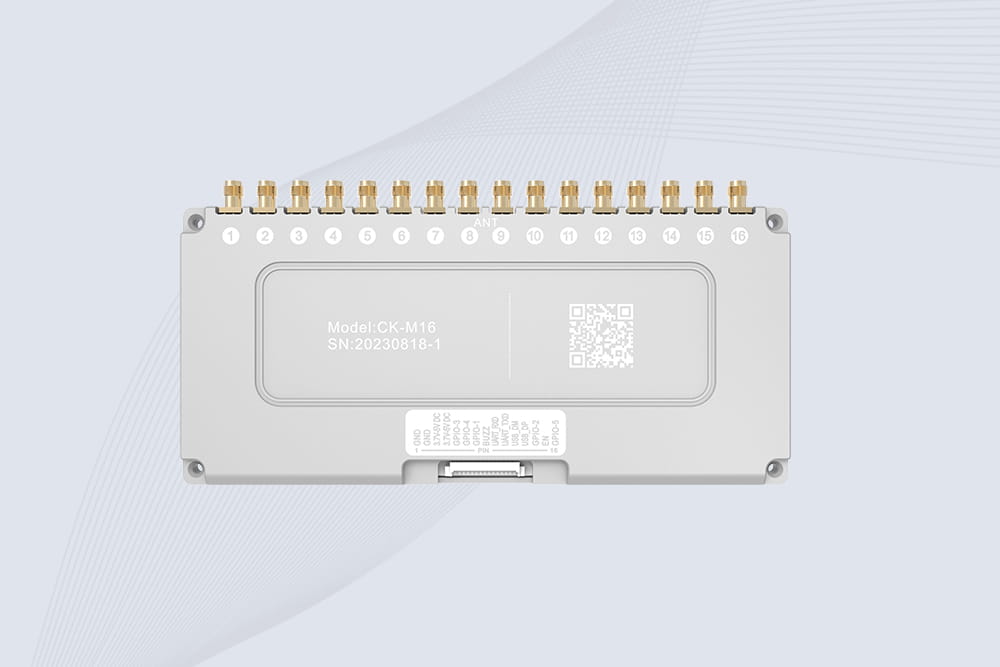
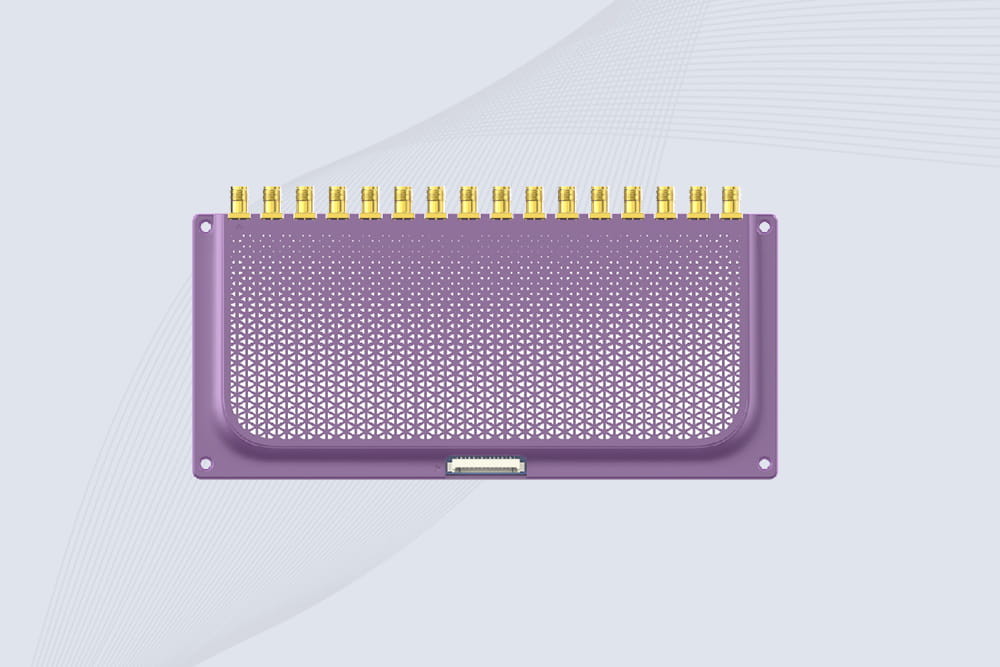
CYKEO CYKEO-M16 RFID Module is a 16-port UHF RFID reader module based on the R2000 chipset. Designed for dense tag environments, it supports ISO and GB standards and delivers stable multi-antenna control for industrial automation.
The CYKEO CYKEO-M16L RFID Reader Module is a 16-channel UHF RFID core designed for dense tag environments. With adjustable 33dBm output, multi-protocol support, and stable multi-antenna control, this RFID Tag Reader Module fits industrial automation, warehouse systems, and large-scale IoT deployments.
CYKEO CYKEO-M8L module RFID is a compact industrial UHF module built for dense tag and multi-antenna environments. With 8 RF ports, adjustable 33 dBm output, and ISO & GB protocol support, it is widely used in factories, warehouses, and automated tracking systems.
CYKEOCYKEO-M4L UHF RFID Module is a compact 4-channel RFID tag reader module designed for dense tag environments. Supporting ISO and GB protocols, it delivers stable reads up to 10 meters for industrial and IoT systems.
Cykeo CYKEO-A11 UHF RFID reader antenna delivers 11dBi gain, 840-960MHz frequency range, and IP65 ruggedness for retail, logistics, and industrial RFID systems. Features low VSWR and easy installation.
CYKEO Antenna RFID Reader delivers stable long-range UHF performance with a 10.5dBi directional design, built for warehouses, conveyor portals, and industrial RFID systems. This rfid reader antenna provides 20m+ read distance and rugged IP67 protection.
Cykeo CYKEO-A5B industrial Linear RFID Antenna delivers 5dBi gain, ≤1.5:1 VSWR, and IP65 rugged design for warehouse, production line, and logistics UHF systems.
Cykeo’s CYKEO-B12 Long Range RFID Antenna delivers 15m+ read range with 12dBi gain, IP65 rugged design, and global 840-960MHz UHF support. Ideal for warehouse/logistics asset tracking.
Cykeo CYKEO-B10 Long Distance RFID Antenna offers 10dBi gain, 840-960MHz frequency range, IP65 rating, and 20m+ coverage for logistics/warehousing/ETC systems. Low VSWR ensures stable signal transmission.
Cykeo CYKEO-A6 UHF RFID panel antenna features 6dBi gain, 840-960MHz broadband, IP65 metal-ready housing for logistics/smart retail. 18mm ultra-thin design with tool-free mounting.
Cykeo CK-A3 industrial antenna RFID UHF offers 5m+ tag detection, ≤1.3:1 VSWR, IP65 rugged design, and global UHF spectrum compatibility (840-960MHz) for warehouses, factories, and retail.
Cykeo CYKEO-B5 directional RFID antenna provides 5dBi gain with 60° narrow beamwidth for precise inventory tracking. IP65-rated, global UHF frequency support, and low VSWR.
Create your own high-performance DIY RFID antenna! 5dBi gain, 840-960MHz tunable, step-by-step guides. Compatible with Arduino, Raspberry Pi, and commercial UHF readers.
Cykeo CYKEO-A7 Flexible RFID Antenna features 840-960MHz wideband tuning, 7dBi gain, and IP68 rating for medical/retail/industrial curved surface deployments. 98% read accuracy with peel-and-stick installation.
Cykeo CYKEO-B5A industrial Passive RFID Antenna delivers 5dBi gain, 70° beamwidth, and -40°C~55°C operation for warehouses/smart cabinets. Compatible with Zebra/Impinj readers.
Cykeo’s CYKEO-A9B High Gain RFID Antenna delivers 15m+ read range with 9dBi amplification. Features IP54 rugged design, 840-960MHz bandwidth, and 80° beamwidth for warehouse/manufacturing RFID systems.
Cykeo’s enterprise-grade 8dbi Impinj RFID Antenna 10m+ read range with 840-960MHz tuning. Features IP65 housing, 1.4 VSWR, 35° beamwidth for retail/warehouse RFID systems.
Cykeo CYKEO-A9 industrial UHF RFID antenna delivers 9dBi gain, 840-960MHz frequency range, and IP65 protection for warehouse/logistics/retail RFID systems. Features N-type connector and ≤1.3:1 VSWR.
CYKEO UHF RFID Antenna built for long-distance and industrial applications. This antenna rfid uhf delivers strong gain, outdoor durability, and reliable tag performance in warehouses, yards, and vehicle ID systems.
CYKEO Antenna RFID delivers reliable long-range UHF performance in warehouses, retail shelves, and cold-chain environments. This compact uhf rfid antenna provides stable reads with circular polarization and ultra-wide 840–960 MHz support, ideal for industrial tracking, smart shelves, and asset monitoring.
Cykeo’s CYKEO-C8 UHF RFID antennas delivers 8dBi gain, 840-960MHz full-band coverage, and IP65 ruggedness for manufacturing/warehouse RFID systems. Industrial RFID Antennas Features
Cykeo’s 8dBi UHF RFID antenna and reader kit delivers 10m+ range, 840-960MHz broadband, and IP65 ruggedness for factories, warehouses, and logistics. ISO 18000-6C & EPC Gen2 certified.
Cykeo’s CYKEO-A12C UHF Large RFID Antenna delivers 12dBi gain, 840-960MHz global frequency, IP65 ruggedness for logistics/warehousing/automotive. 40° beamwidth ensures stable 15m+ tag reads.
CYKEO Near Field RFID Antenna provides precise 5–30 cm reading for shelves, cabinets, and workstations. This compact rfid shelf antenna delivers stable short-range performance around metal and clutter, ideal for pharmacies, libraries, and electronics sorting.
Cykeo CYKEO-C1 industrial Forklift RFID Reader features 20m read range, 600 tags/sec scanning, Impinj R2000 chipset, and IP67 rugged design. Ideal for warehouse logistics and manufacturing. Supports ISO 18000-6C/6B protocols.
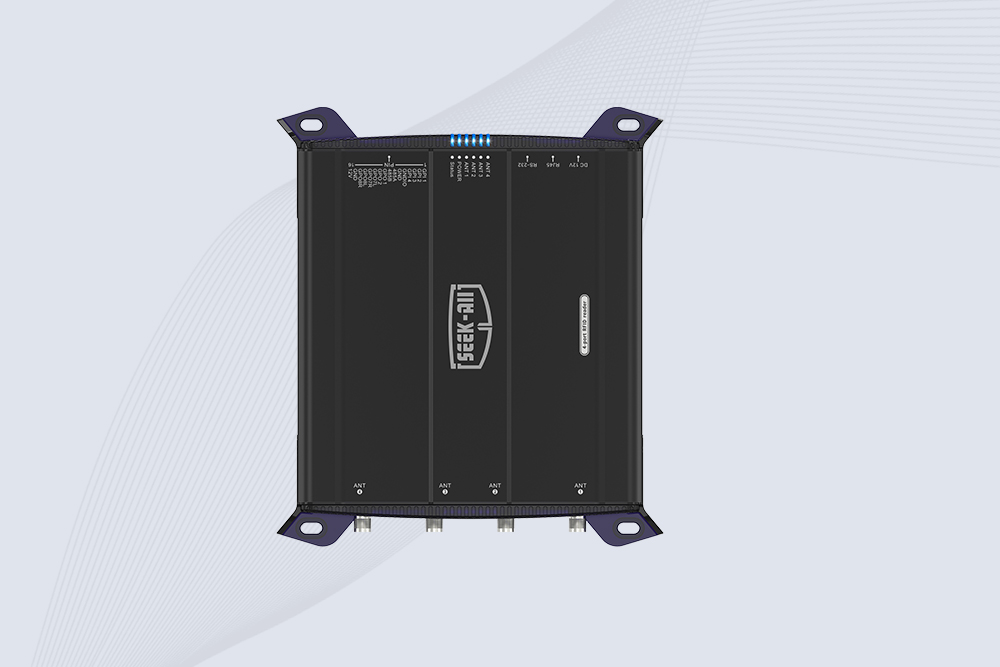
Cykeo CYKEO-R4 industrial UHF RFID Fixed Reader features 4 TNC ports, 400+ tags/sec speed, IP67 housing, and global frequency compliance for vehicle inspection, smart warehouse, and asset management systems.
CYKEO CYKEO-R8L Fixed RFID Reader with 8-port UHF design, Impinj-based RF core and up to 20m read range. An industrial Fixed RFID Reader for vehicle inspection, warehouse portals, smart manufacturing lines and secure access checkpoints.
RFID Fixed Reader from CYKEO – the CYKEO-R16L 16-port UHF fixed reader for warehouses, smart cabinets, and production lines. Long-range, multi-tag reading, stable performance for 24/7 industrial use.
How many layers of aluminum foil can block RFID signals? Learn how aluminum foil affects RFID tags, NFC cards, and UHF RFID systems, plus practical advice for RFID suppliers, distributors, and project buyers.
Wondering "how far away read RFID"? Discover exact read distances for LF, HF, UHF, and active tags. Factors affecting range and real-world performance with CYKEO.
 Cykeo RFID IoT Solution Products R&D Manufacturer