 Cykeo RFID IoT Solution Products R&D Manufacturer
How to Technically Evaluate an Industrial RFID Reader
149Technical guide to evaluating industrial RFID readers. Focuses on performance stability, long-range behavior, interference resistance, and real-world testing in harsh environments.
MoreAll RFID Product
An RFID label is a smart identification label embedded with an RFID chip and antenna that stores digital information and communicates wirelessly with RFID readers. It enables automated tracking, inventory management, and real-time identification across industries.
In practical RFID projects, an RFID label is often the smallest component but carries the most important connection between physical assets and digital systems. During my years working with RFID deployments for manufacturing, healthcare, archives, and logistics environments, I have seen many companies focus heavily on readers while overlooking label selection.
That decision usually creates problems later.
A label attached to a metal tool, a medical container, or a warehouse pallet does not face the same conditions. Material interference, reading distance, temperature, and application frequency all affect performance. At Cykeo, RFID engineers evaluate labels together with readers and software systems to ensure reliable identification rather than simply achieving a successful first scan.
An RFID label is a thin, flexible identification device that combines an RFID inlay with adhesive materials or protective layers. Unlike ordinary printed labels, RFID labels contain electronic components capable of storing and transmitting information.
A typical RFID label includes:
| Component | Function |
|---|---|
| RFID Chip | Stores unique identification data such as EPC or UID |
| Rfid Antenna | Enables wireless communication with RFID readers |
| Inlay Layer | Holds the electronic components together |
| Adhesive Surface | Allows attachment to products or assets |
| Protective Material | Improves durability in specific environments |
The working process is simple but highly engineered:
Unlike barcodes, RFID labels do not require direct visual alignment. Multiple labels can also be identified simultaneously, which makes them valuable in warehouses, libraries, manufacturing facilities, and asset management systems.
According to GS1 RFID Standards, EPC-based RFID technology provides globally recognized identification methods that allow organizations to improve product visibility throughout supply chains.
The real value of an RFID label appears when thousands or millions of physical objects need accurate digital records.
Asset tracking is one of the most common RFID label applications.
Companies use RFID labels on:
In a manufacturing environment I visited, technicians previously recorded tool movements manually. Missing equipment was often discovered only after production delays occurred. After RFID labels were applied to tools and integrated with an RFID management platform, every movement could be recorded automatically.
The improvement was not only faster searching. It changed how managers understood asset utilization.
Traditional inventory counting depends heavily on manual scanning. RFID labels allow companies to capture information automatically.
Typical benefits include:
| Traditional Process | RFID Label Process |
|---|---|
| Manual barcode scanning | Wireless identification |
| One item at a time | Multiple items simultaneously |
| Human recording | Automatic database update |
| Periodic checking | Real-time visibility |
According to Auburn University RFID Lab, RFID research programs have demonstrated significant improvements in inventory accuracy when RFID systems are properly implemented in retail and supply chain environments.
Healthcare organizations use RFID labels to manage:
Archives and libraries also use RFID labels to track documents and books.
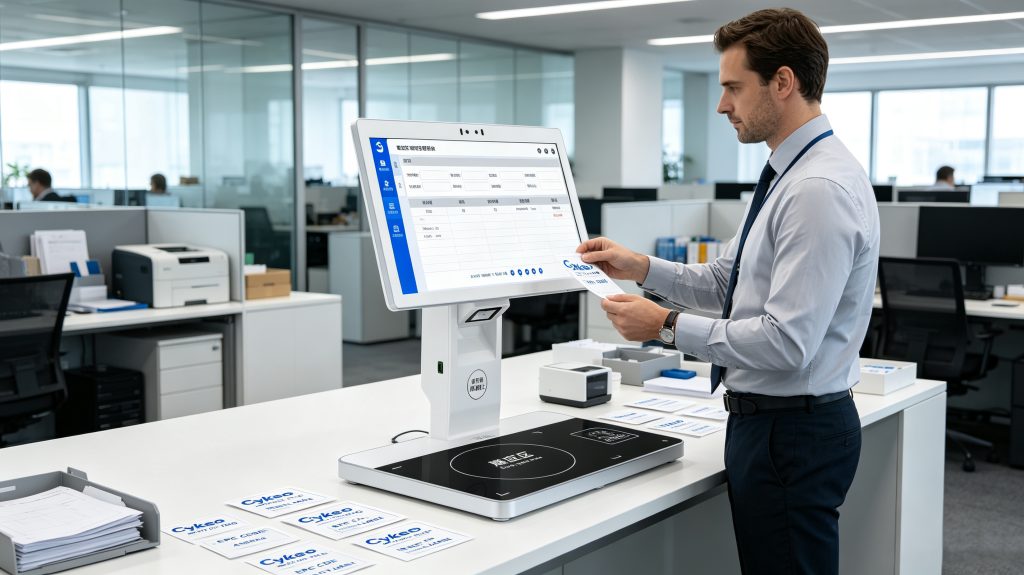
For example, Cykeo RFID label solutions combined with RFID workstations allow operators to register EPC codes, bind physical items with database records, and quickly locate assets through software systems.
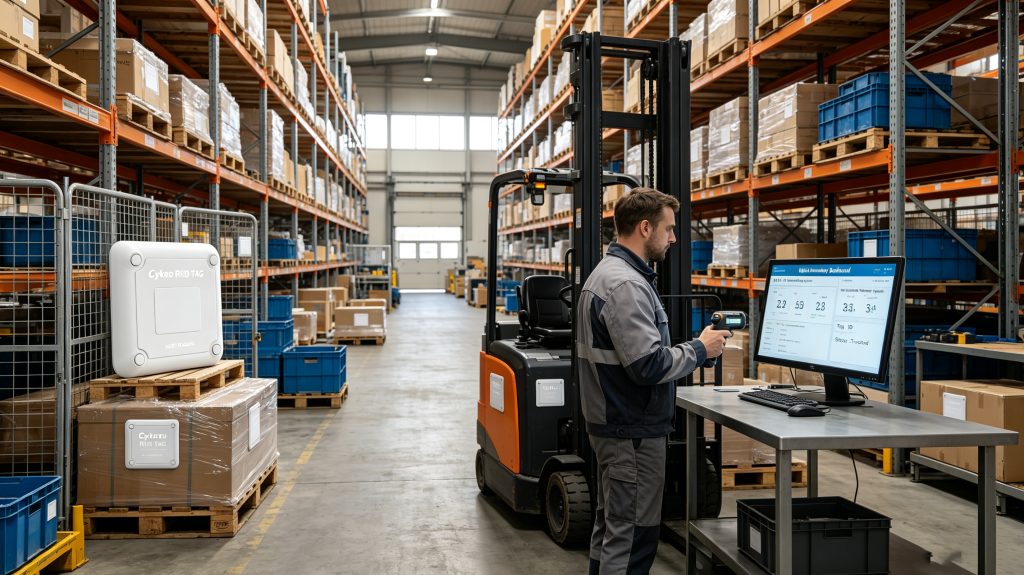
Not every RFID label is designed for the same environment.
| RFID Label Type | Common Application |
|---|---|
| Paper RFID Label | Retail, packaging, documents |
| On-Metal RFID Label | Tools, machinery, metal assets |
| UHF RFID Label | Long-range tracking and inventory |
| HF RFID Label | Libraries, NFC-related applications |
| Durable RFID Label | Outdoor and industrial environments |
When selecting an RFID label, engineers normally consider:
UHF RFID labels can support longer reading distances compared with HF labels, making them suitable for warehouse and industrial applications.
Metal surfaces can interfere with normal RFID communication. On-metal RFID labels use specialized antenna structures to maintain performance.
Important factors include:
A label designed for office documents may fail quickly when attached to outdoor equipment.
Cykeo develops RFID identification solutions combining RFID labels, RFID readers, smart workstations, and management software.
During RFID deployment projects, our engineers focus on details that directly affect field performance:
For example, Cykeo RFID smart workstations can read RFID label EPC information and associate it with item records in enterprise databases. This creates a digital identity for each physical object.
The difference between a simple RFID label and a useful RFID system is the connection between identification data and business operations.
No. A barcode requires optical scanning, while an RFID label communicates wirelessly through radio frequency technology. RFID labels can support faster identification and multiple-item reading.
Some RFID labels support writable memory areas. The available rewrite capability depends on the RFID chip type and application requirements.
The lifespan depends on materials and environment. Industrial RFID labels designed for harsh conditions can operate for many years.
Yes. Specialized on-metal RFID labels are designed for metal equipment, tools, and industrial assets.
Understanding what is rfid label means understanding how modern organizations create digital identities for physical objects. RFID labels are not simply upgraded stickers; they are data carriers connecting products, equipment, and software platforms.
From inventory control to industrial asset tracking, Cykeo RFID label solutions help businesses move from manual recording toward automated visibility, improving accuracy and operational efficiency.
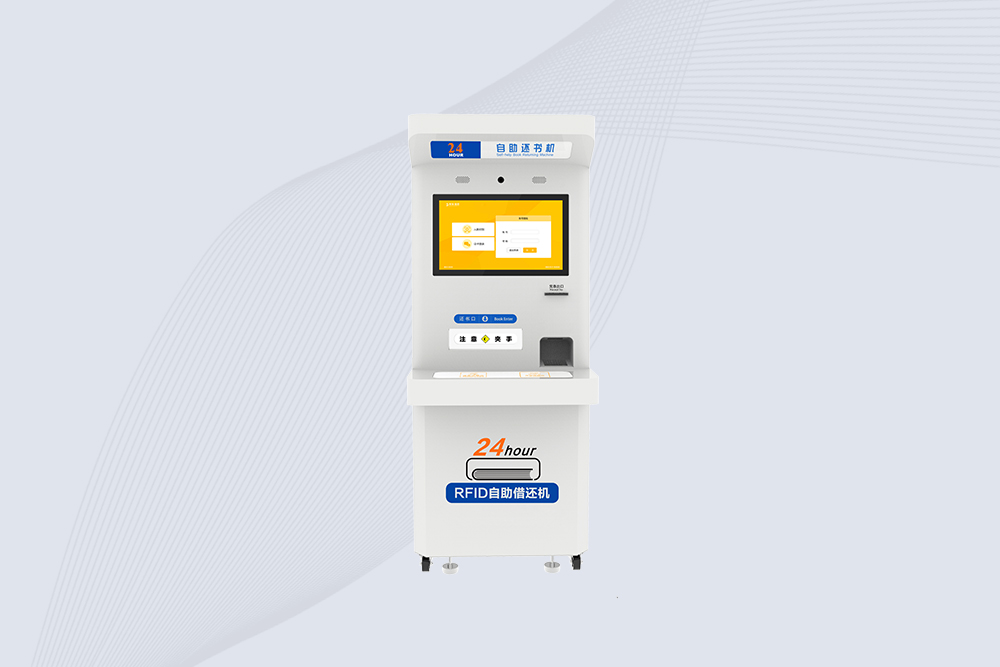
Cykeo’s CYKEO-DP10 library RFID Writer Reader terminal features HF/UHF dual-frequency, 10-channel scanning, automatic book sorting, and self-service payment. Ideal for 24/7 unmanned library operations.
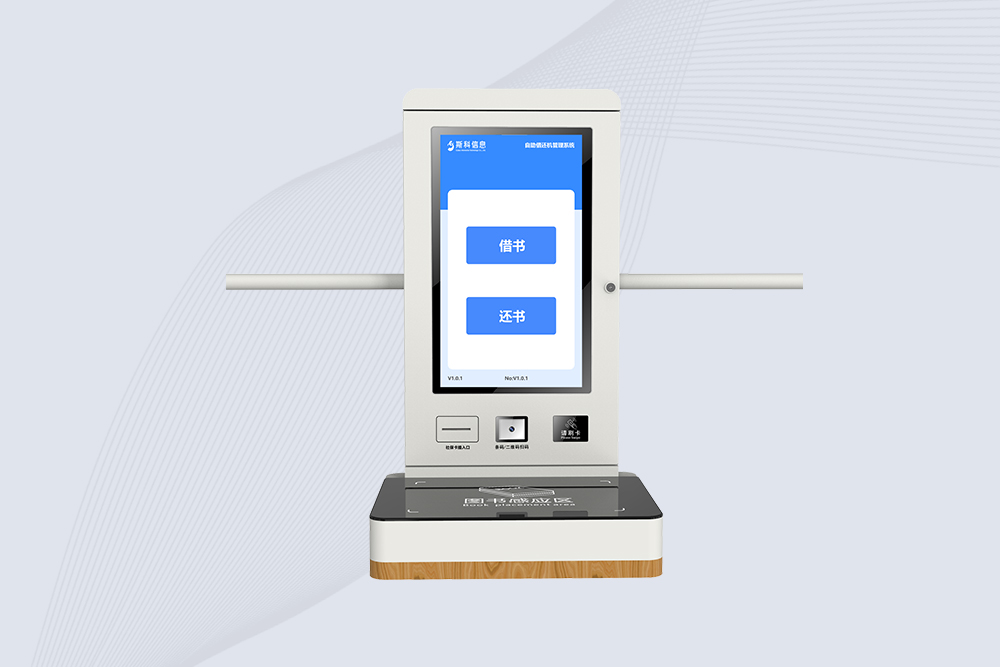
Cykeo’s CYKEO-DP4B RFID chip scanner kiosk offers 60+ tags/sec scanning, 21.5″ touchscreen, and wall-mounted design for libraries, warehouses, and retail. Supports ISO 18000-6C and customizable protocols.
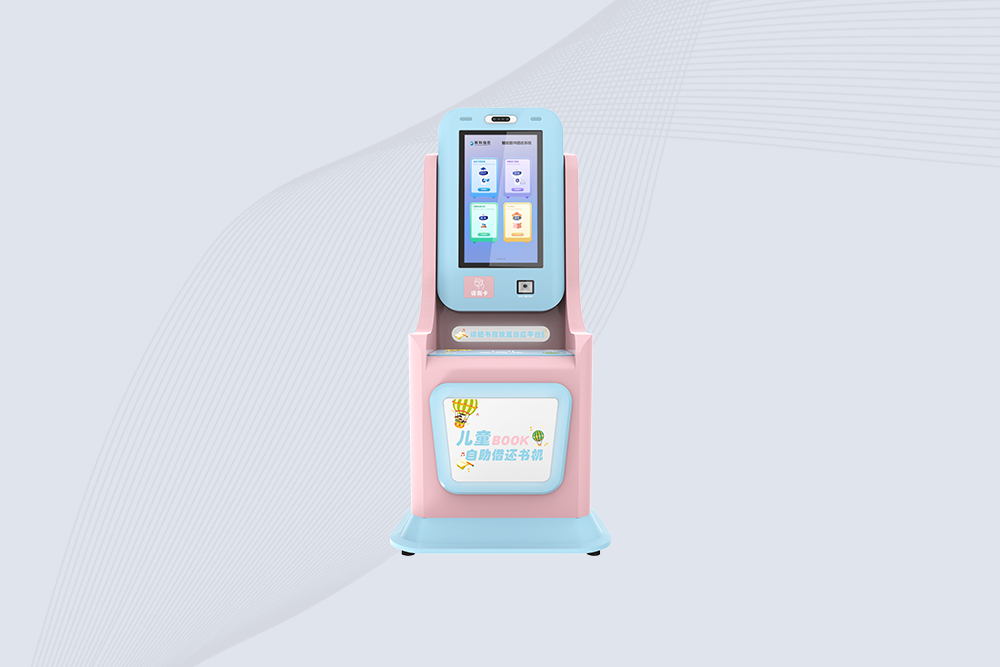
Cykeo CYKEO-DP5A passive RFID tag reader offers 10-tag/sec batch scanning, 840–960MHz frequency, and Windows/Android OS for libraries/archives. Features 4G/WiFi, self-service kiosk, and carbon steel housing.
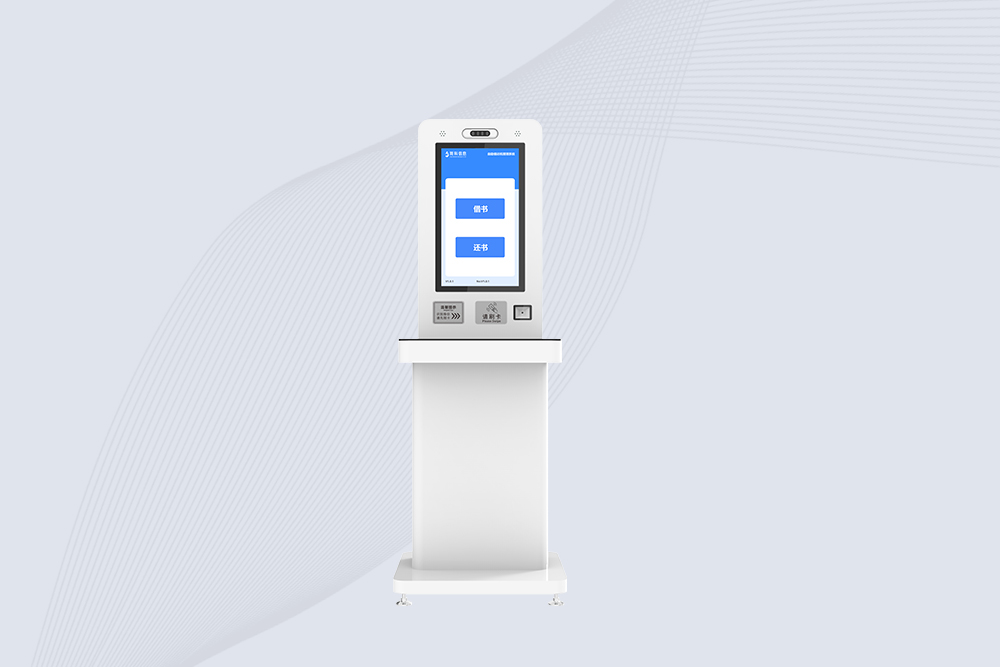
Cykeo CYKEO-DP6 vertical RFID Card and Reader terminal combines HF/UHF technology, 22″ touchscreen, and Windows/Android OS for libraries, archives, and retail. Features multi-protocol support, rugged design, and global certifications.
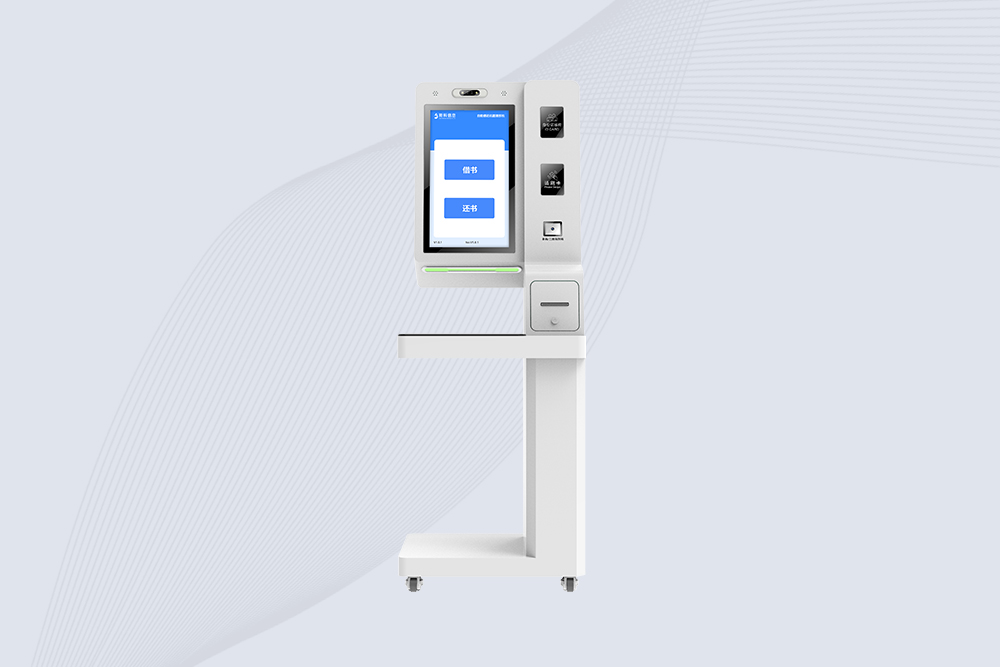
Cykeo’s CYKEO-DP6A library kiosk features UHF RFID tags reader technology, 21.5″ touchscreen, and Windows/Android OS for 24/7 book circulation. Achieves 99.9% inventory accuracy with ISO 18000-6C compliance.
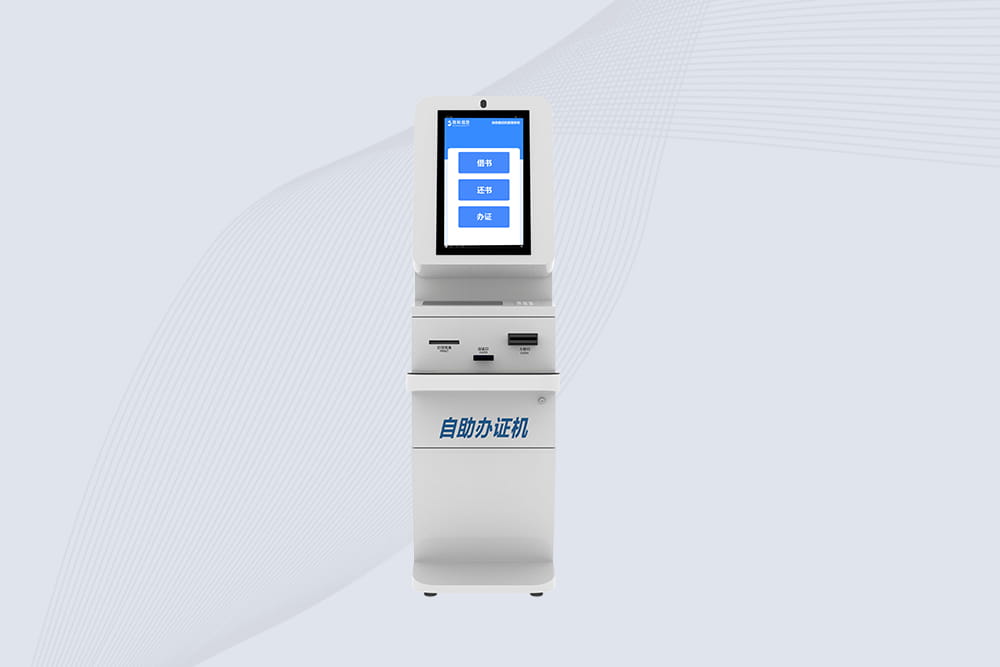
Cykeo’s CYKEO-DP9 card reader RFID kiosk enables 50-card issuance, book loans, and cash handling. Features ISO 18000-6C RFID, Windows/Android OS, 24/7 operation.
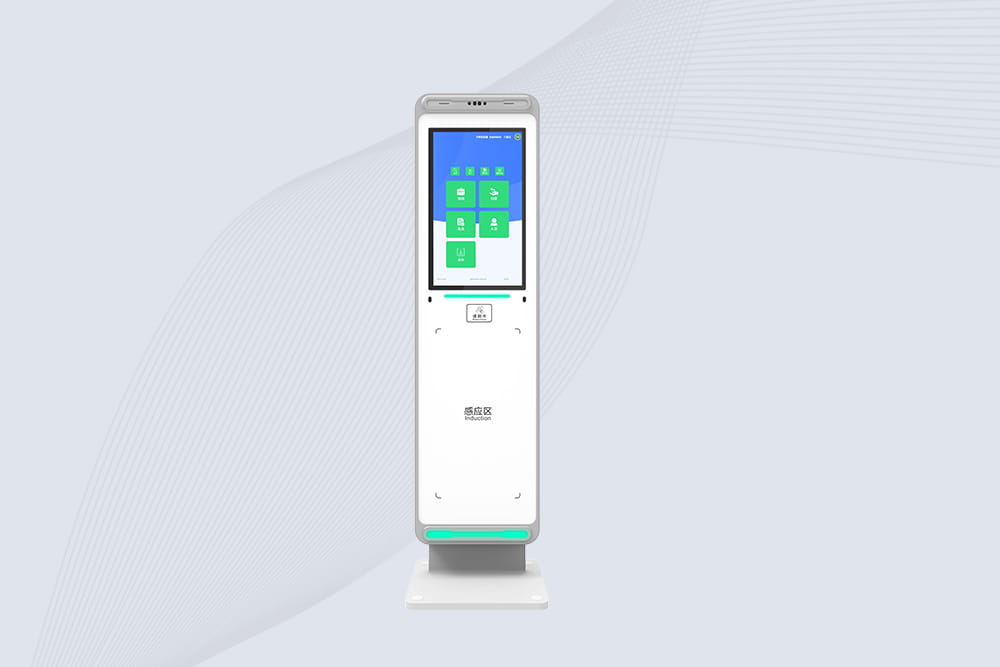
Cykeo’s medical-grade RFID scanner station features bulk UHF RFID scanning, anti-crosstalk technology, and dual OS compatibility for hospital inventory management and smart warehouses.
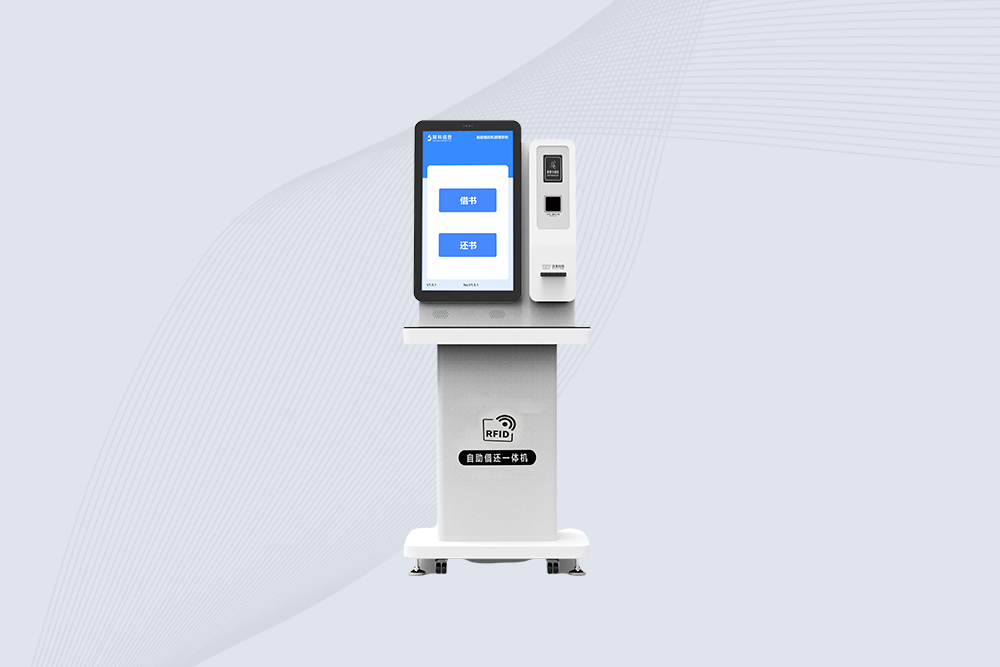
Cykeo CYKEO-DP7 UHF RFID scanner features 27″ touchscreen, 10-book simultaneous scanning, and ISO 18000-6C protocol for libraries. Supports receipt printing and SAP/Oracle integration.

Cykeo’s CYKEO-DP8 professional RFID card reader writer features dual-band operation, 300 cards/min encoding speed, and military-grade encryption. Ideal for library systems/access control.
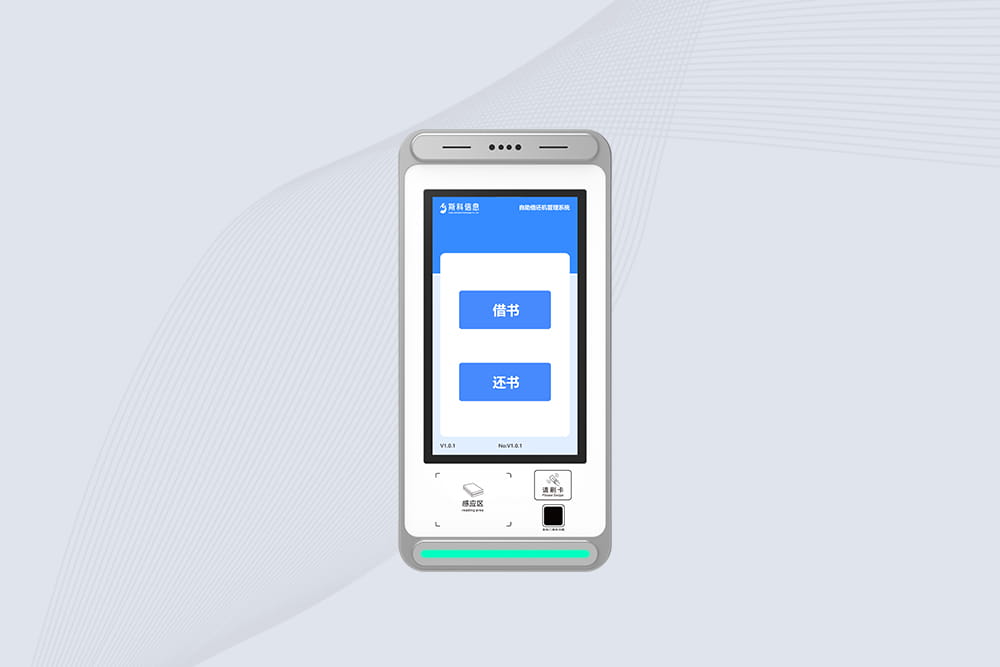
Cykeo CYKEO-DP4 wall-mounted RFID card scanner features 21.5″ touchscreen, 100+ tags/sec scanning, dual authentication (card/face), perfect for libraries/archives. IP54 rated with -20℃~60℃ operation.

Cykeo’s UHF reader RFID weighing scales combine 840-960MHz RFID scanning, 30kg/±1g precision, and SAP connectivity for chemical/pharma inventory. IP65 rated with biometric login.
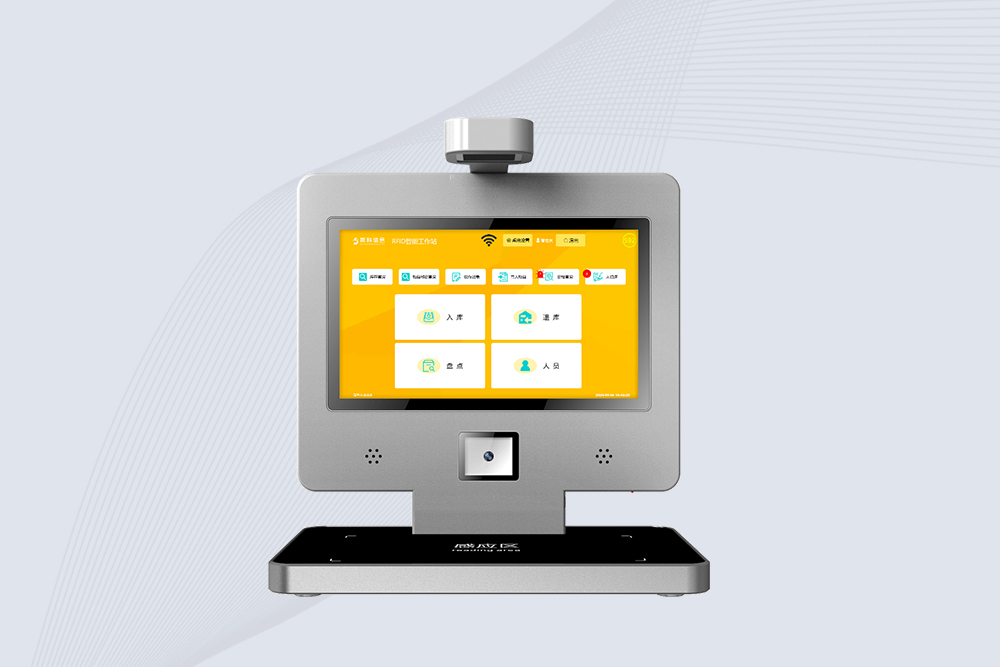
Cykeo CYKEO-DPA Desktop Reader RFID Workstation features 50+ tags/sec batch processing, IP65 rugged design, and Windows IoT for manufacturing/warehouse RFID operations. Supports ISO 18000-6C.
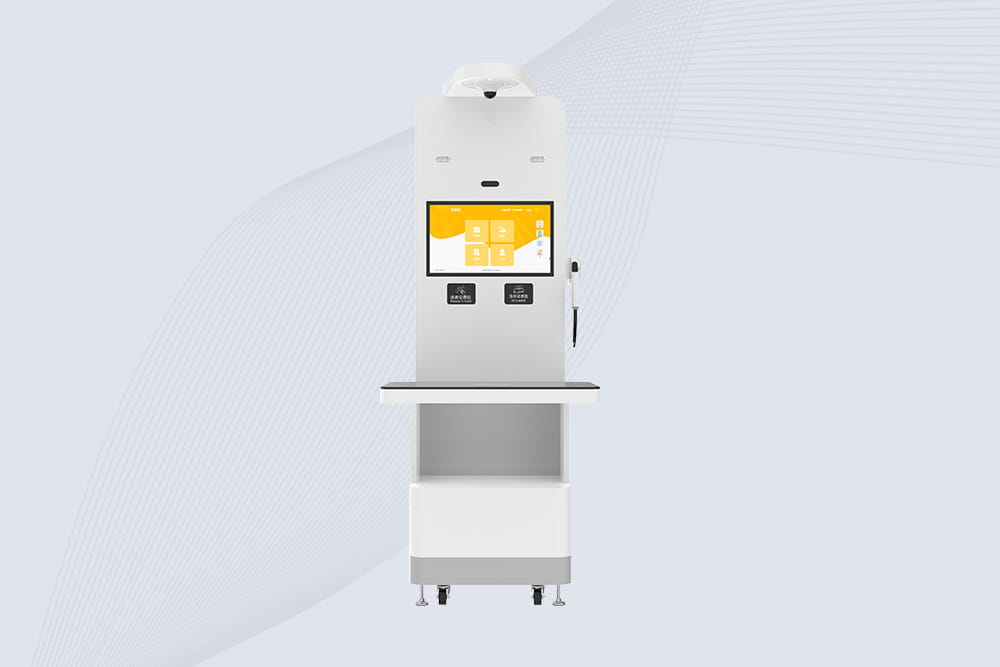
Cykeo CYKEO-DP12 vertical RFID workstation features 21.5″ touchscreen, 30-tool simultaneous tracking, and military-grade -20℃~70℃ operation for manufacturing/aviation/automotive sectors. Supports Windows & Android OS.
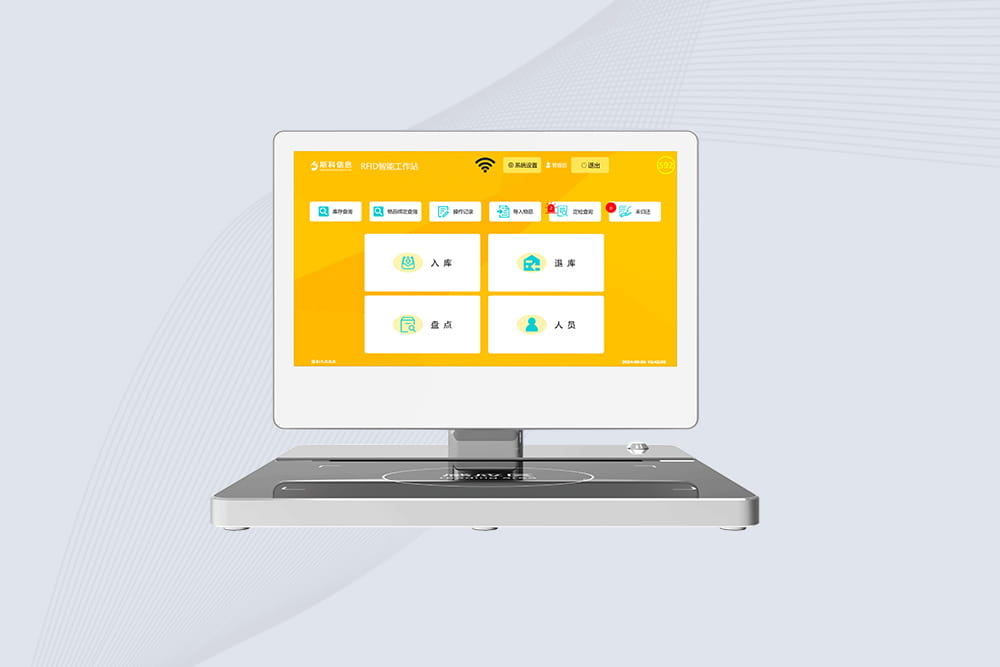
Cykeo’s professional RFID workstation features controlled 50cm encoding field, 50+ tags/batch processing, and integrated 12MP camera. Ideal for medical/library/archival asset registration.

Cykeo’s CYKEO-DP13 industrial RFID Smart workstation features 24″ touchscreen, UHF/HF dual-frequency scanning, military-grade durability for manufacturing/pharma/logistics. Supports batch-tagging of 200+ items with ERP integration.
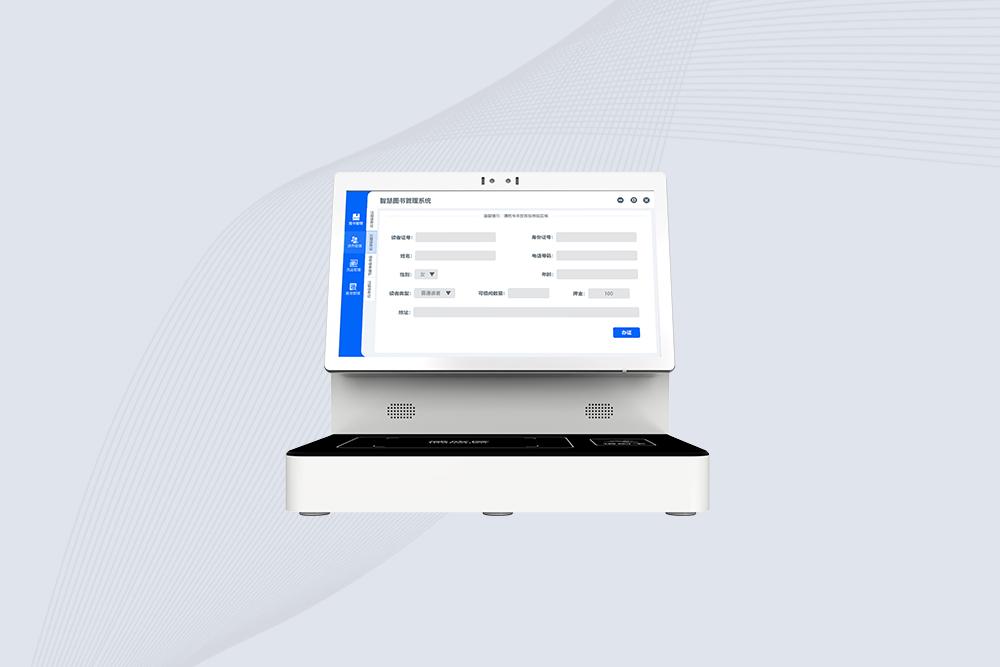
Cykeo’sCYKEO-DP3 RFID desktop reader workstation features 22″ touchscreen, multi-protocol UHF RFID, dual OS, and industrial connectivity for libraries, retail, and healthcare. Supports 10-tag simultaneous reading.

Cykeo CYKEO-DP2 Desktop RFID Reader workstation features 22″ touchscreen, 15+ tags/sec scanning, Windows/Android OS, and customizable protocols for libraries/archives. Supports face recognition and anti-theft integration.
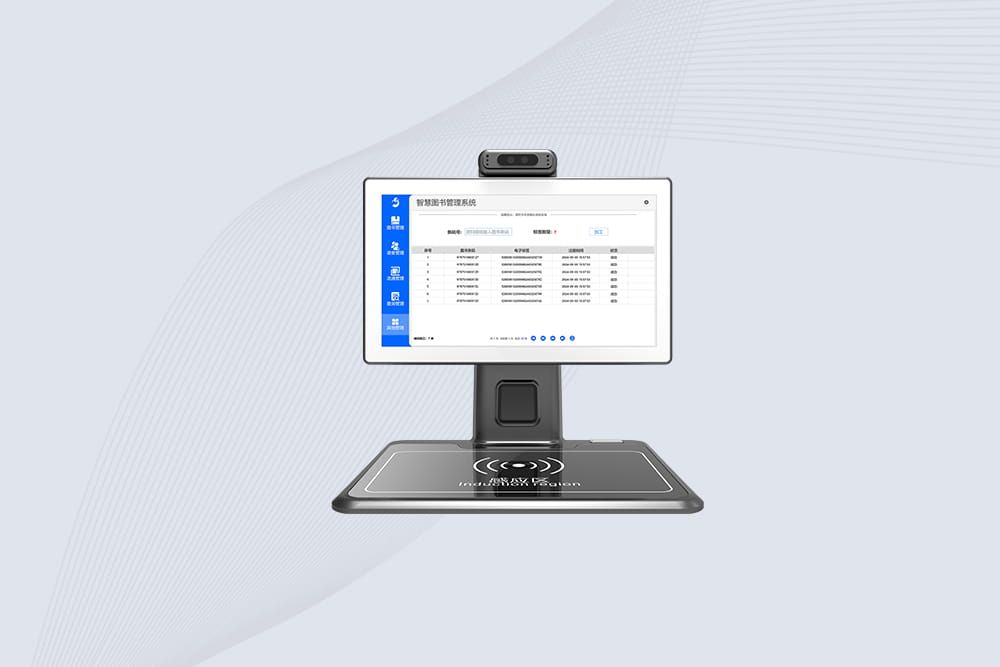
Cykeo CYKEO-DP2A Desktop UHF RFID Reader Workstation offers precision batch encoding of 50+ tags, 21.5″ touch interface, and ISO 18000-6C compliance. Ideal for libraries/archives with metal-environment adaptability.
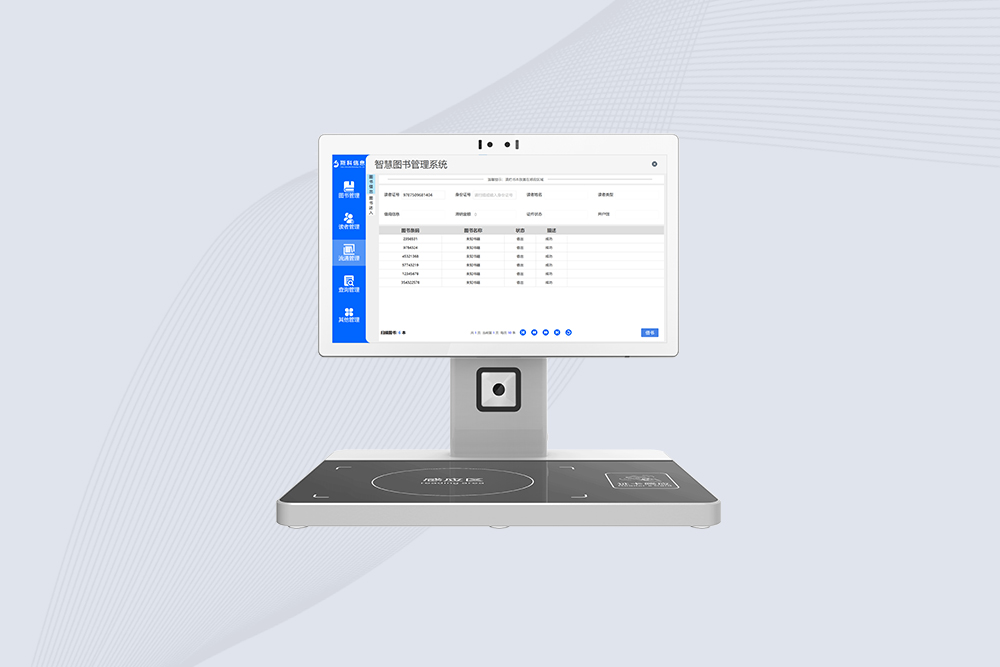
Cykeo CYKEO-DP2B industrial UHF RFID desktop Reader workstation features 15+ tag reading, 2m UHF range, Windows/Android OS, and IP54 design for libraries/warehouses. Supports ISO 18000-6B/6C protocols.
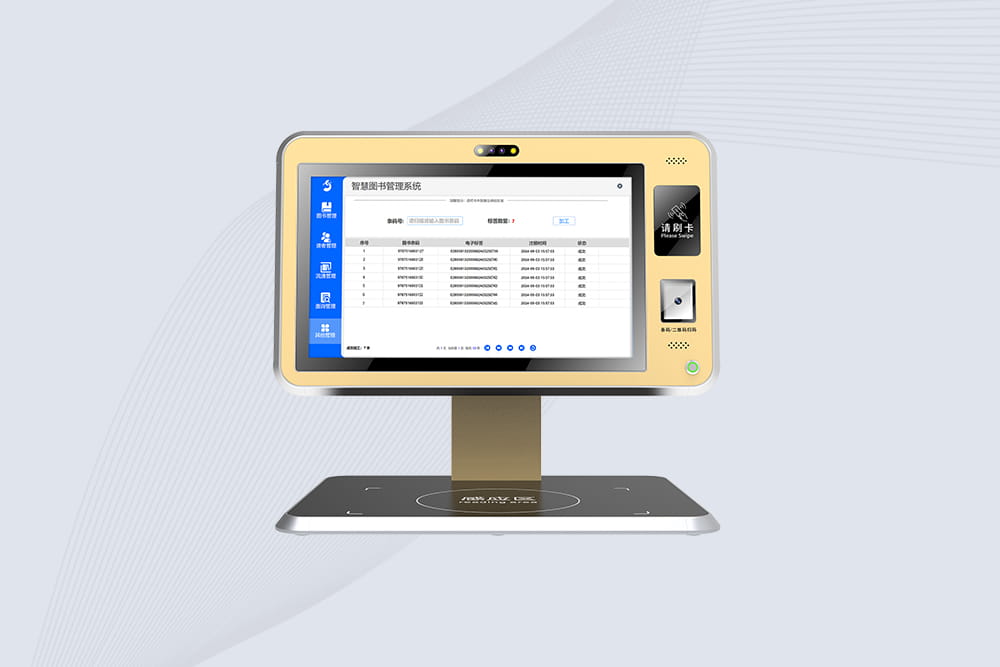
Cykeo CYKEO-DP3B industrial UHF RFID Desktop Reader Writer workstation features 15-tag batch processing, 840-960MHz frequency range, payment/voucher printing for libraries/hospitals/retail. Supports ISO 18000-6B/C protocols.
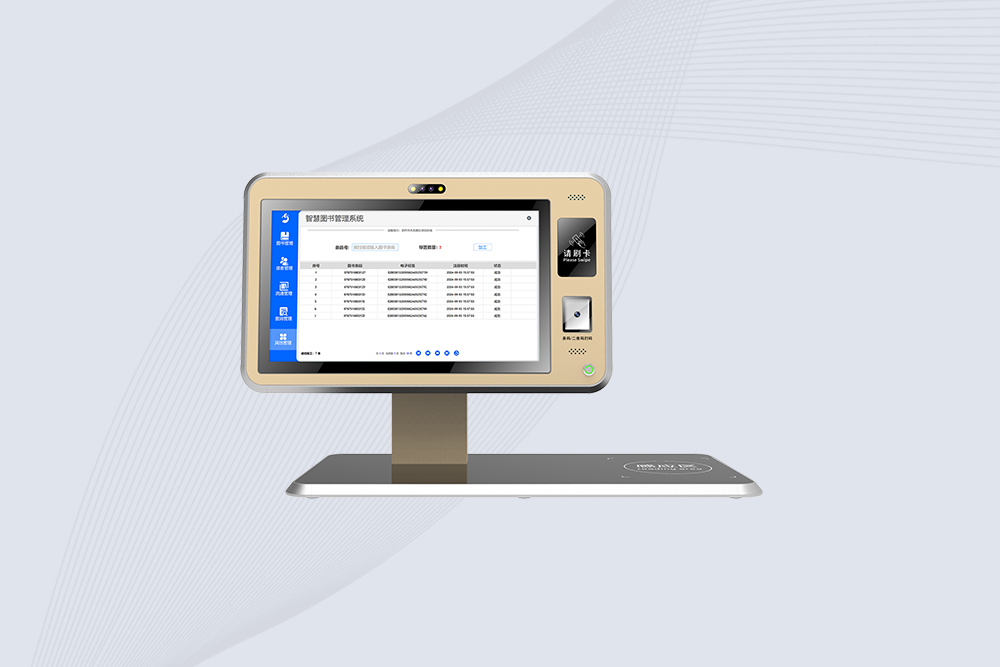
Cykeo CYKEO-DP3A library Desktop RFID Card Reader workstation features 21.5″ dual touchscreens, 10-item batch processing, and Windows/Android OS for archival/library asset management. UHF RFID card reader with ISO 18000-6C/B compliance.
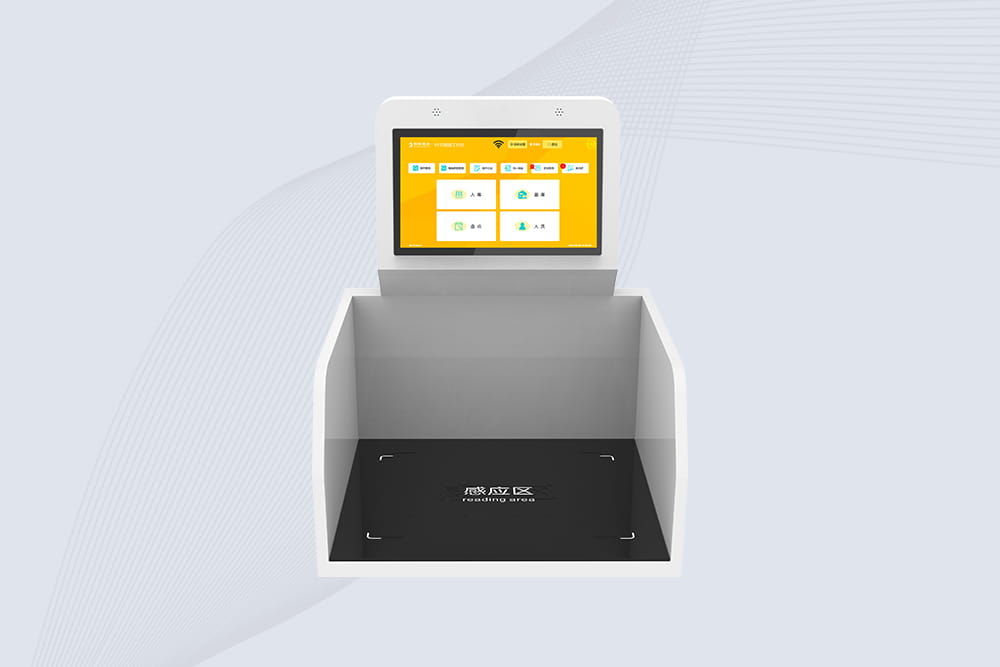
Cykeo’s industrial UHF Reader RFID Workstation features 40+ tags/sec RFID processing, Windows/Android OS, and bulk scanning for apparel/logistics operations.
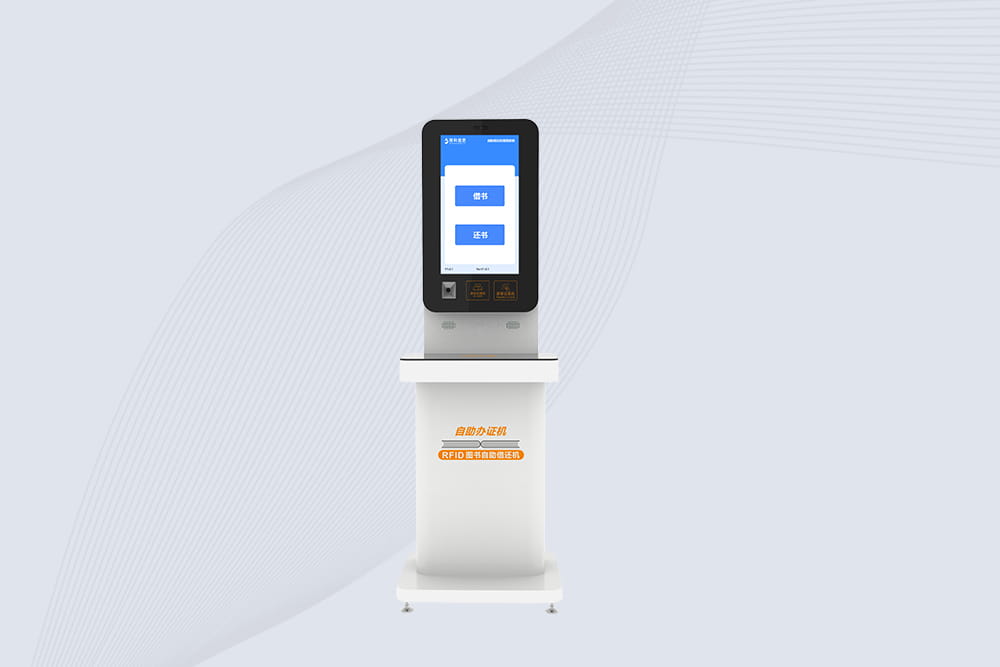
Cykeo CYKEO-DP6 Pro industrial RFID card reader offers dual-frequency scanning, MIL-STD ruggedness, and smart card compatibility for access control and payment systems.
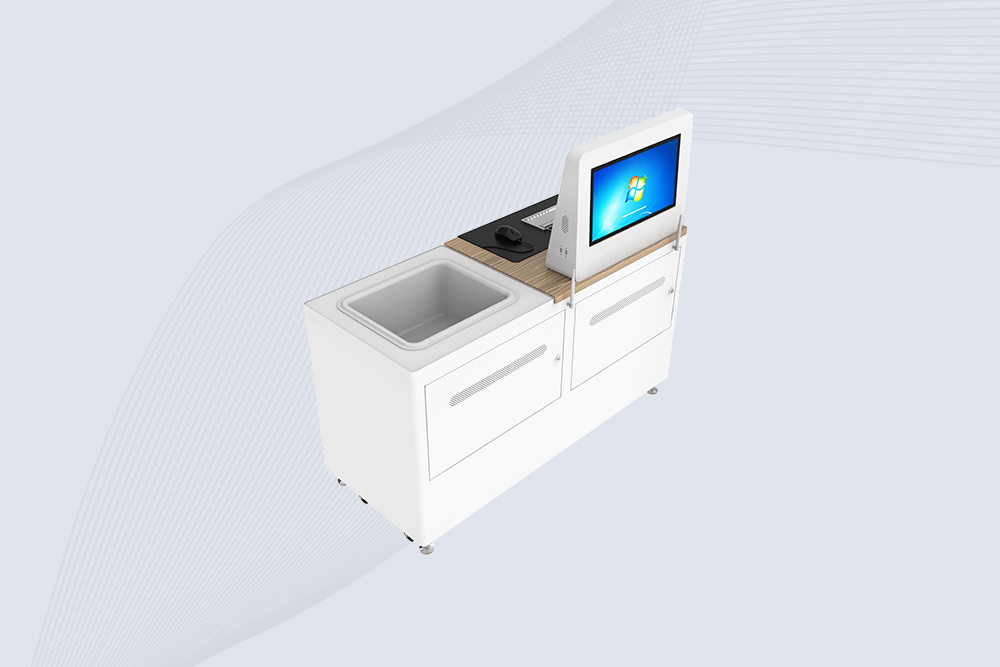
Cykeo CYKEO-DP13B dual-screen RFID workstation features dual 21.5″ touchscreens, 100-tag capacity, and integrated camera system for comprehensive asset tracking and management.
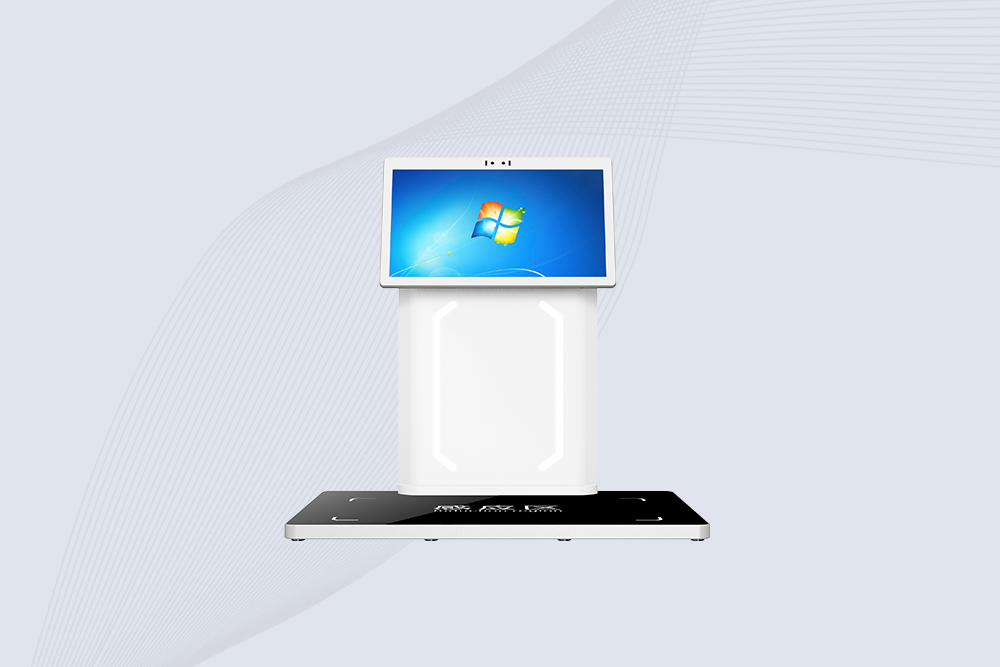
Cykeo CYKEO-DP14B desktop RFID workstation manages 200+ assets per scan. Features a 21.5″ touchscreen, UHF RFID, HF access control, and Windows/Android OS for secure tool tracking in police, medical, and bank environments.
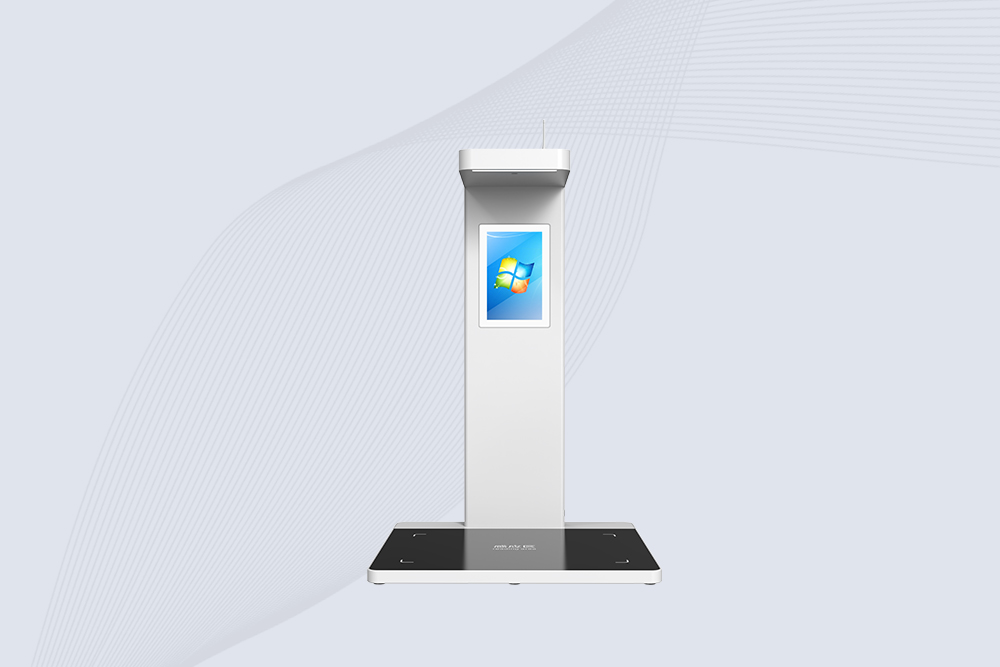
Cykeo CYKEO-DP1 RFID settlement station enables bulk UHF RFID and barcode verification for warehouse shipping. Features 10.1″ touchscreen, automatic data binding, and supports Windows/Android OS for seamless WMS integration. Ideal for inventory management and logistics.
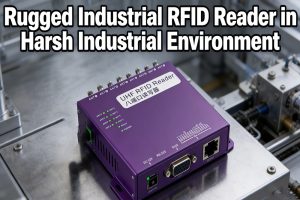
Technical guide to evaluating industrial RFID readers. Focuses on performance stability, long-range behavior, interference resistance, and real-world testing in harsh environments.
More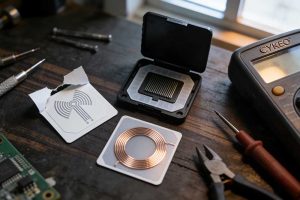
Get a clear answer on which type of antenna is used in an RFID tag. We explain dipole, loop, and custom designs for metal, logistics, and asset tracking.
More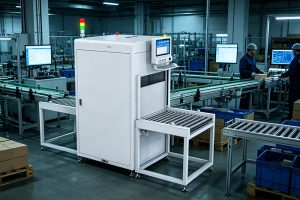
rfid manufacturing solutions improve production visibility, automate inventory tracking, and reduce manual errors with high-speed UHF RFID technology from Cykeo.
More
Make RFID on iPhone actually work: See the Bluetooth reader that survives drops, beats glare, and scans 80+ items/min. Cykeo tested in active warehouses.
More