 Cykeo RFID IoT Solution Products R&D Manufacturer
Can You Read RFID with NFC? Here’s the Real Answer.
447Can you read RFID with NFC? We explain the technical relationship between these technologies and when NFC is sufficient versus when you need dedicated RFID systems.
MoreAll RFID Product
In most hospitals, inventory loss rarely comes from one big failure. It usually comes from small things happening every day — a nurse taking a consumable without recording it, a surgical kit not being updated in time, or high-value items being used during peak hours without proper tracking.
On their own, these don’t look serious. But over time, they quietly create cost leaks and inventory mismatches that are hard to fix later.
That’s why more hospitals are starting to ask a simple question:
Can inventory management be more automatic and less dependent on manual work?
Many hospitals still rely on manual logging or barcode scanning systems.
It’s not that these methods are useless — the problem is consistency in real operations.
In daily use, you’ll often see things like:
Over time, the system data slowly drifts away from reality.
This becomes even more obvious with high-value consumables like implants, surgical kits, or specialty devices.
An RFID hospital inventory management system doesn’t try to “force people to record better.”
Instead, it removes the manual step completely.
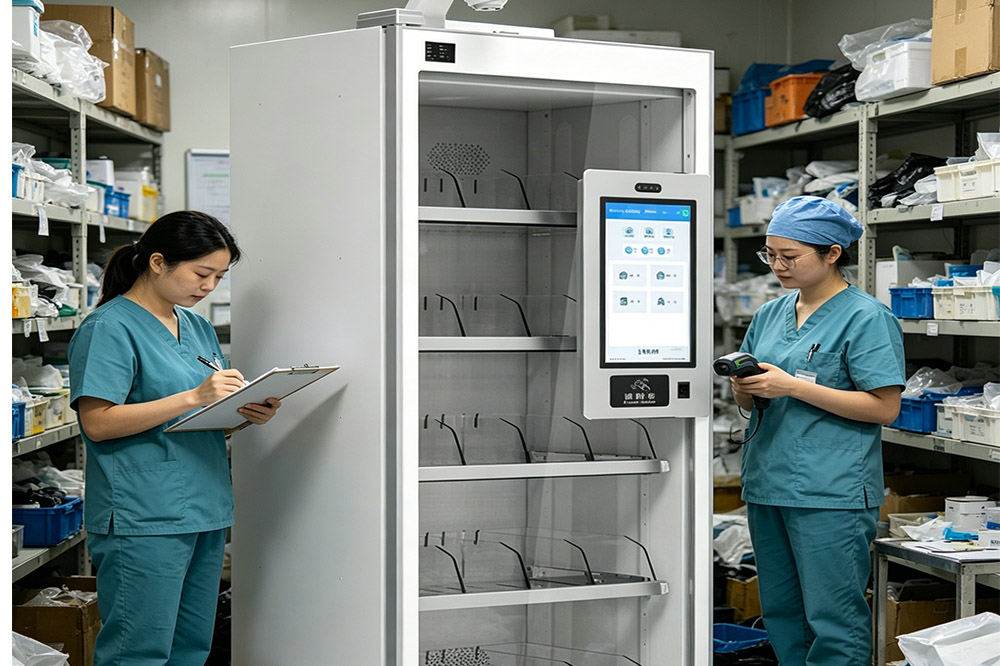
With an RFID medical cabinet, the process is basically:
So instead of relying on people to record actions, the system captures them directly.
It’s not about flashy technology. The real changes are very practical:
Monthly stock checks become much closer to actual usage.
Nurses and technicians don’t need to stop workflow just to record items.
You can quickly see who used what, and when.
Usage data becomes more reliable, so purchasing decisions improve.
Devices like the RFID medical cabinet (CK-GY series) are not simply “smart storage furniture.”
In practice, they function as:
They are commonly installed in:
It’s more about controlling the flow of items than just storing them.

There are a few very practical reasons behind this shift:
In many hospitals, manual processes simply can’t keep up anymore, especially as the organization scales.
This type of solution is usually not for very small clinics. It’s more commonly used by:
In real projects, these systems are rarely “off-the-shelf.”
Typical customization includes:
Many clients start with one department, and later expand to full hospital deployment once the system proves stable.
RFID systems are not really about replacing staff. They’re about removing weak points in daily operations — especially where human recording is inconsistent or easily missed.
Once hospital inventory reaches a certain scale, manual management becomes difficult to maintain accurately. That’s where RFID-based systems and smart cabinets become practical rather than optional.
For hospitals, distributors, or system integrators, RFID medical cabinets are often one of the more realistic entry points into healthcare digitalization projects.
Related products
CYKEO-GY1B Medical RFID Cabinet
CYKEO-GY1A Smart Medical Cabinet RFID
CYKEO-GY2A UHF RFID Hospital Asset Cabinet
CYKEO-GY2B Medical RFID Storage Cabinet
CYKEO-GY1 Smart RFID Medical Cabinet
FTNG-L-CK-03 FENTANYL SMARTDRUG CABINET
FTNG-L-CK-02 RFID Fentanyl Secure Pharmacy Cabinet
FTNG-L-CK-01 Medical RFID Medicine Cabinet
CYKEO-MFX RFID Operating Room Cabinet
CYKEO-MFY Operating Room RFID Cabinet
CYKEO-MH RFID Scrub Return Cabinet
CYKEO-GY3 Low-Value Consumables Cabinet
Guide Recommendations
RFID Technology Reshapes Hospital Management: Driving Intelligent Transformation in Healthcare
RFID in Medical Equipment and Asset Management: A Smart Solution for Efficiency and Cost Reduction
RFID in Healthcare: Tracking Equipment, Improving Care
RFID in Healthcare: Is It Really Solving Hospital Problems or Just Adding Tech?
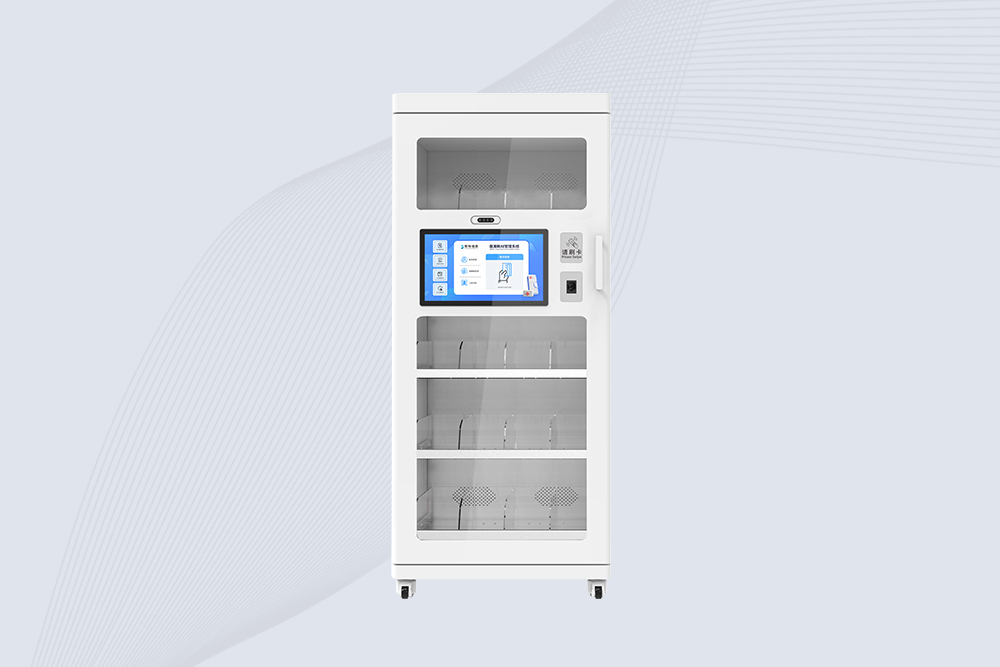
Cykeo’s medical RFID cabinet features 21.5″ touchscreen, dual-door security & HIPAA compliance for OR/pharmacy. Tracks implants, gauze & consumables. Request demo.
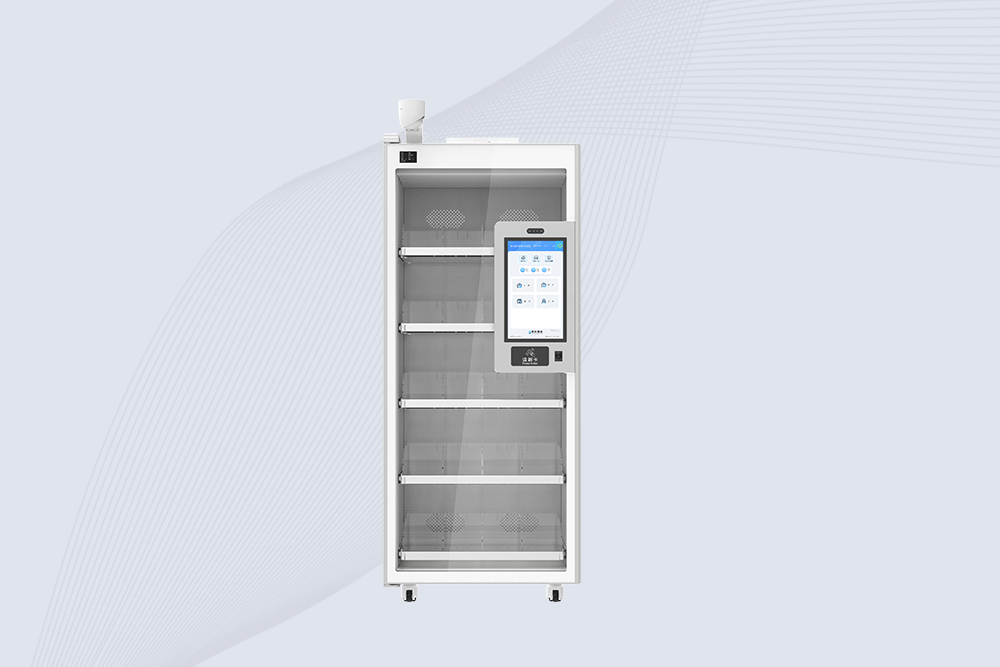
Cykeo’s smart medical cabinet RFID features 21.5″ touchscreen & 99.9% accuracy for OR instrument tracking. Modular shelves for 500+ items. HIPAA compliant. Request demo.
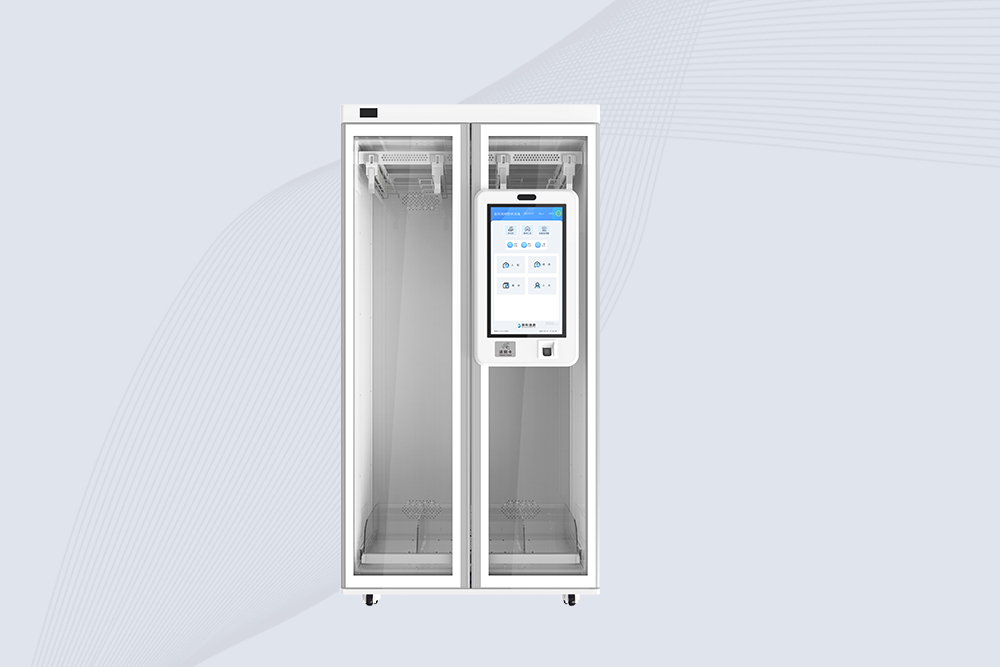
Cykeo’s UHF RFID hospital asset cabinet features dual-door security, antibacterial coating & 99.9% accuracy for OR implants. ISO 13485 compliant. Tracks 2000+ items.
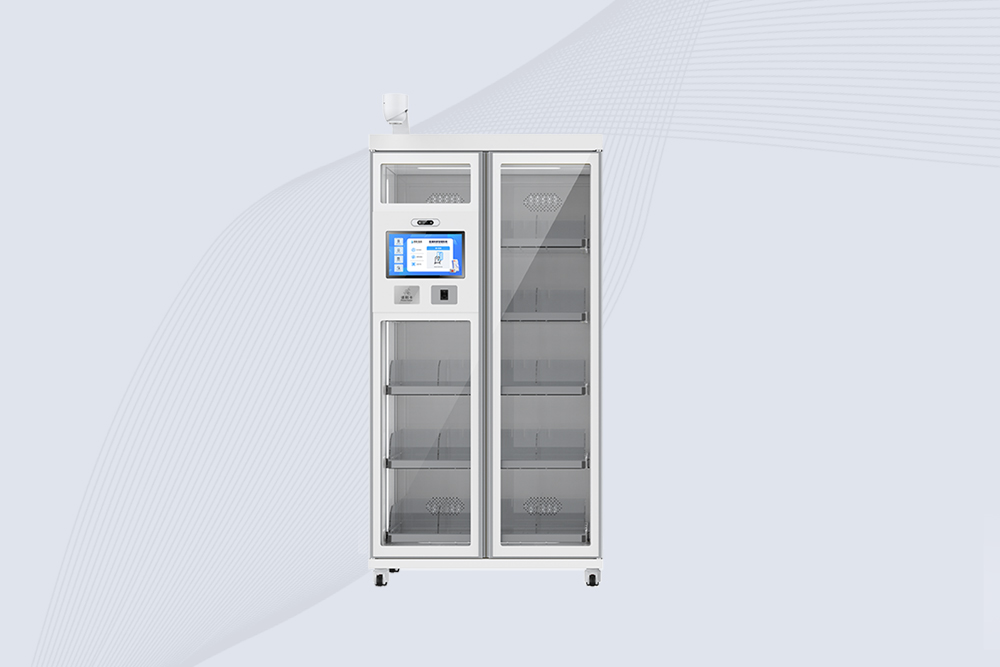
Cykeo’s medical RFID storage cabinet features 14″ touchscreen, 600 tags/sec scanning & 1.2mm steel security. Tracks 500+ surgical consumables. Reduces staff workload by 70%.
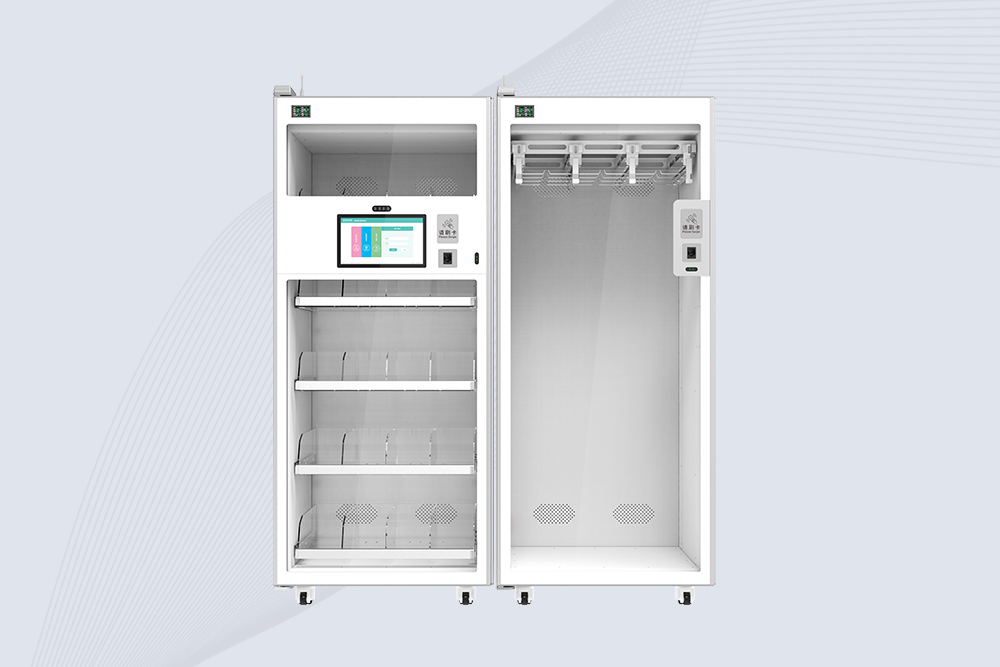
Cykeo’s smart RFID medical cabinet features dual-camera verification, 14″ touchscreen & 99% inventory accuracy. Reduces surgical errors & staff workload. FDA 21 CFR Part 11 compliant.
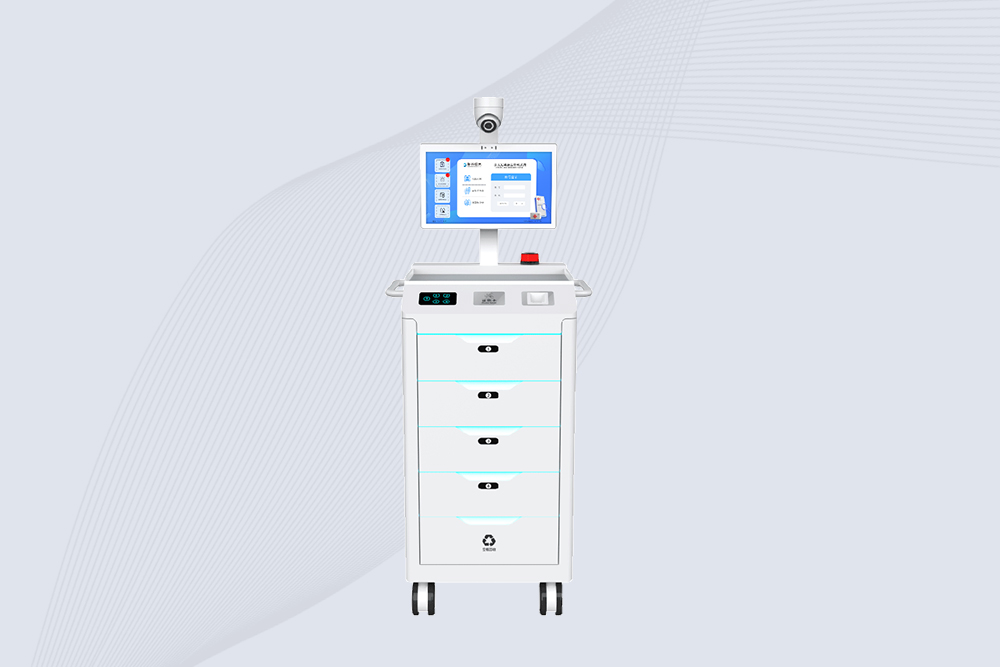
Cykeo’s RFID pharmacy security cabinet features 22″ touchscreen, residual liquid recovery & dual authentication for fentanyl storage. FDA compliant. Manages 1000+ narcotics.
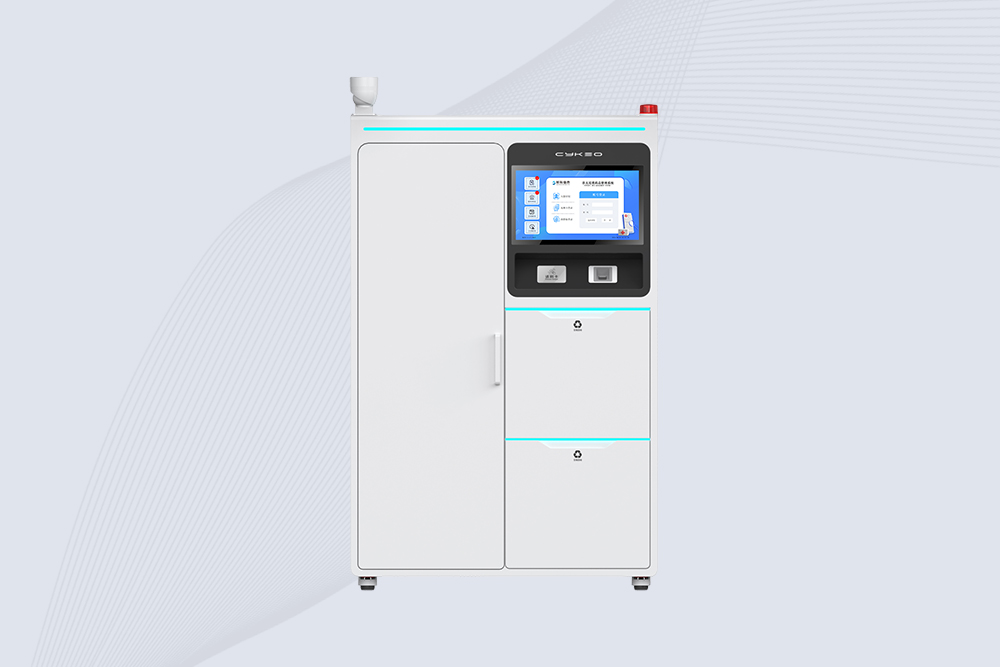
Cykeo’s RFID Anesthesia Medication Cabinet features blockchain auditing, MIL-STD-810G security & real-time reconciliation for Schedule II drugs. DEA/GMP compliant. Configurable 3-10 storage units.
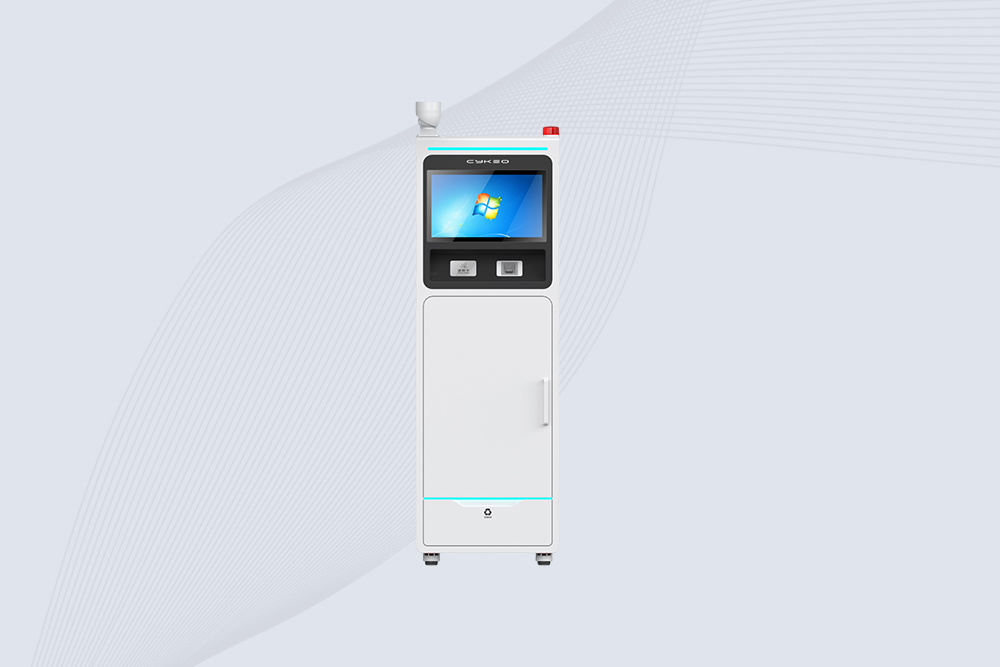
Cykeo medical RFID medicine cabinet features ≤5cm drug tracking, real-time HIS sync, military security, and USP-compliant climate control for Schedule II drugs.
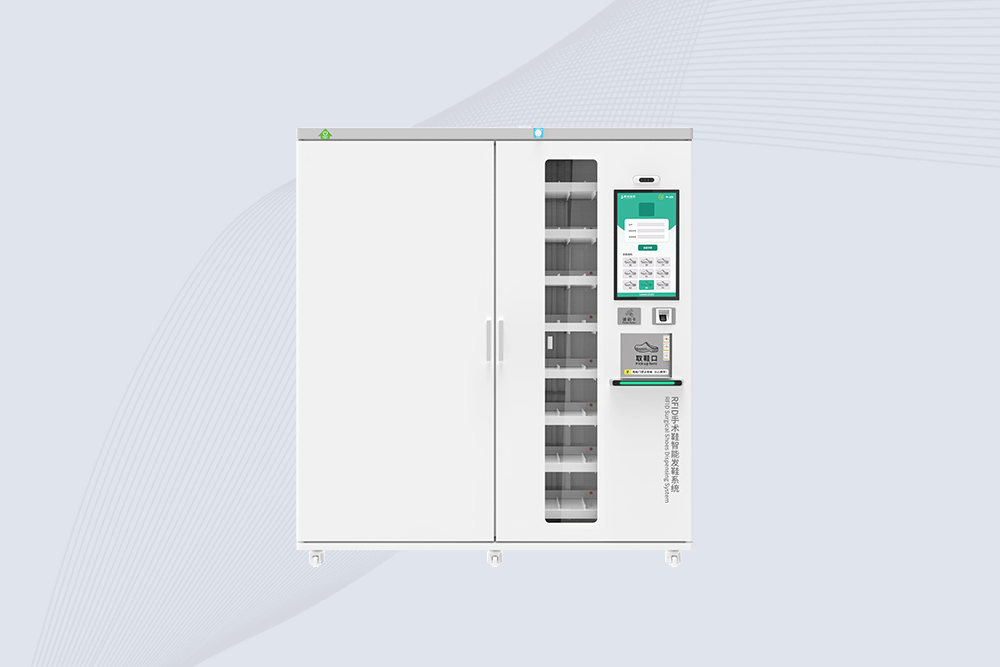
Cykeo RFID operating room cabinet features ≤55s shoe delivery, UHF RFID inventory control, ISO 13485 certification, and biometric access for OR workflow optimization.
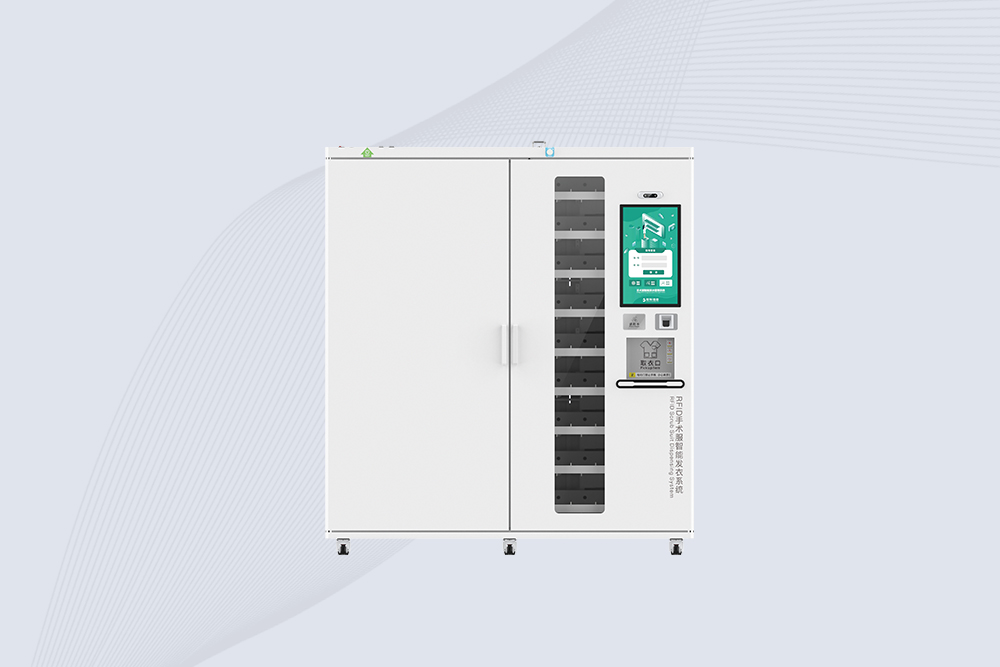
Cykeo operating room RFID cabinet features 108-gown capacity, UHF RFID tracking, real-time SPD integration, and biometric access for sterile OR management.
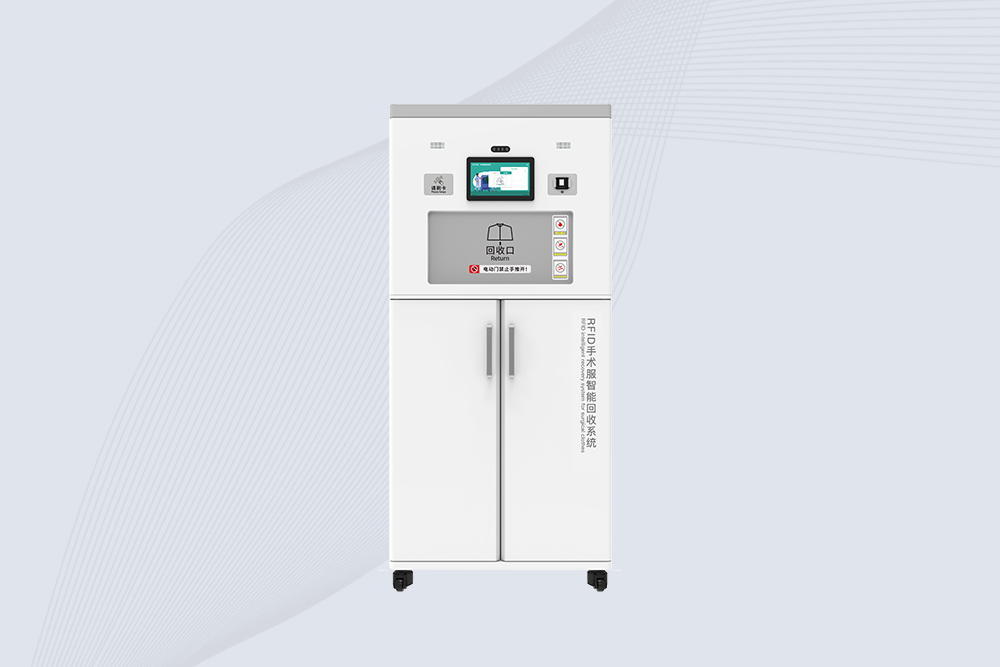
Cykeo’s RFID scrub return cabinet offers 50-gown batch scanning, HL7 integration, UV decontamination, and JCAHO compliance for hospitals/surgical centers.
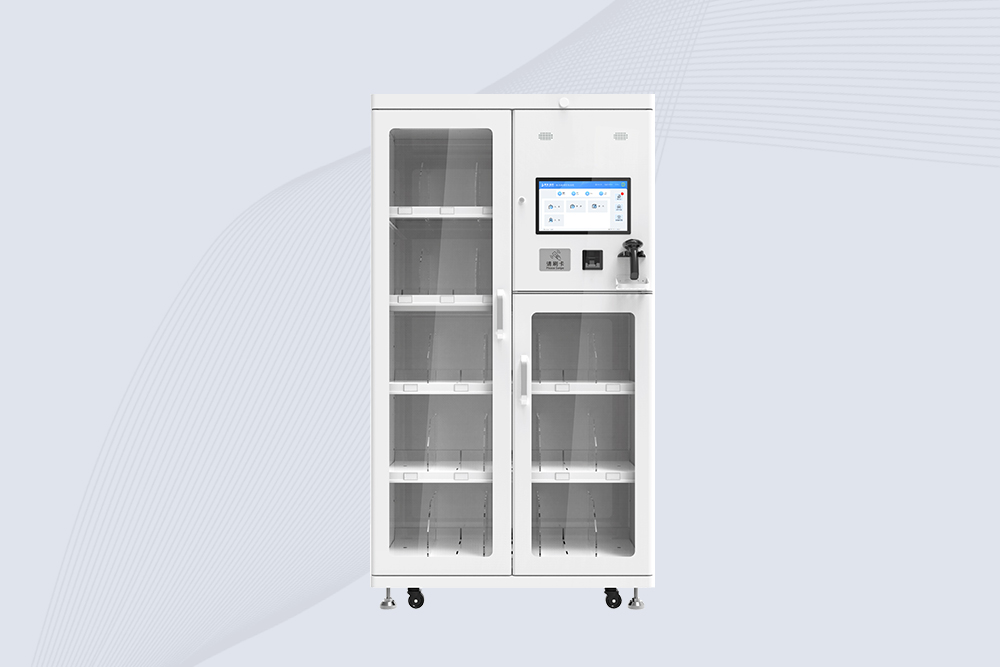
Cykeo’s low-value consumables cabinet offers 5-tier storage, HIPAA encryption, FDA compliance, and SAP integration for hospitals/clinics. Reduces stockouts by 70%.
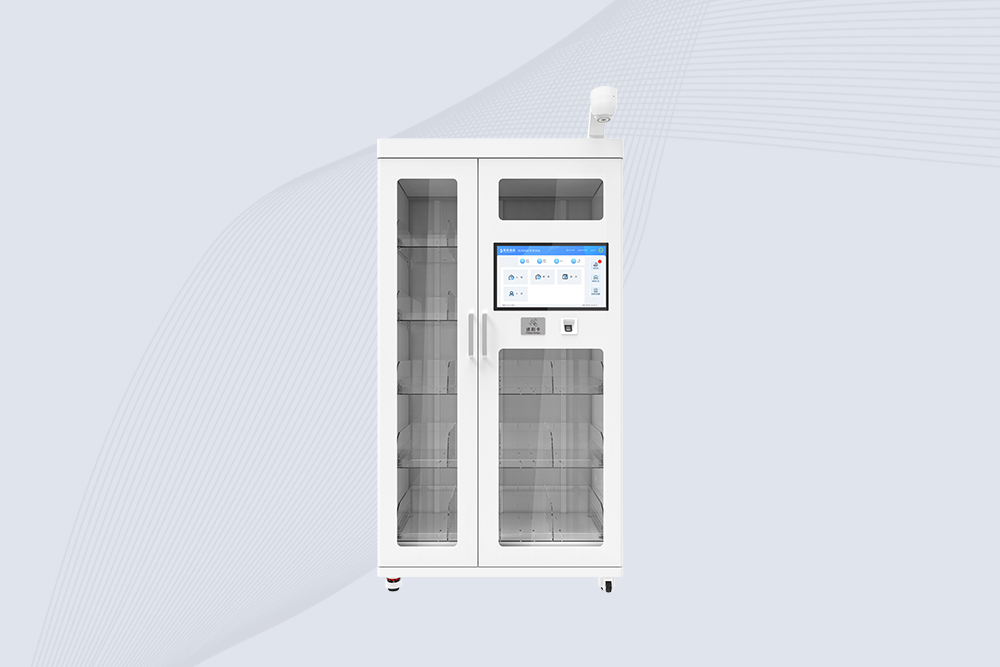
Cykeo’s RFID high-value consumables cabinet offers 500-implant capacity, FDA compliance, real-time Epic sync, and theft prevention for ORs/surgery centers.
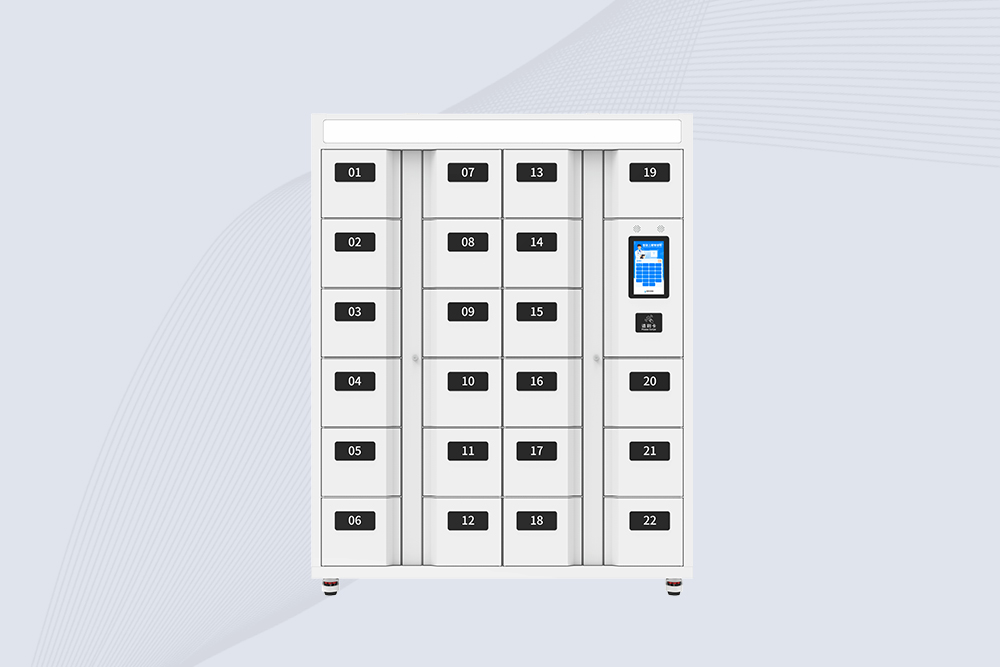
Cykeo CYKEO-G2224 rfid linen management cabinet features modular lockers, 10.1″ Android screen, and 200+/sec scanning for hospitals/hotels. SAP/Oracle integration.
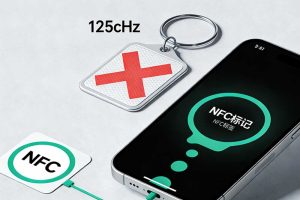
Can you read RFID with NFC? We explain the technical relationship between these technologies and when NFC is sufficient versus when you need dedicated RFID systems.
More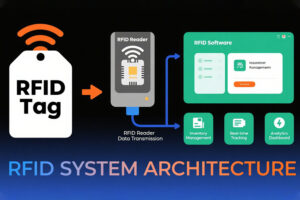
Discover what an RFID inventory system is, how it automates tracking, its benefits over barcodes, and real-world applications. Optimize your operations with Cykeo.
More
Learn what is anti metal RFID tag, how it works, where it excels, and why industries rely on anti-metal RFID tags for reliable asset tracking. Expert insights, real-world applications, and authoritative references from Cykeo.
More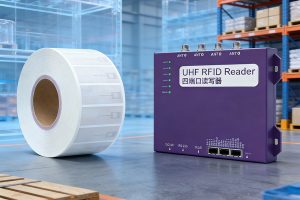
Learn how RFID tags work, how to test them with phones or readers, and troubleshoot common issues. Practical tips for engineers and warehouse professionals.
More