 Cykeo RFID IoT Solution Products R&D Manufacturer
How Smart RFID Cabinets Manage High-Value Medical Inventory
1084Discover how RFID medical cabinets work to secure, track, and manage hospital inventory. Learn about their components, benefits, and real-world applications in healthcare.
MoreAll RFID Product
Your crew spent $20K replacing lost drills and saws last year. Tools vanish into dirt piles, trailers get rained on, and metal containers block scans. Barcodes? Useless. Handheld RFID? Too slow. What you need are long-range UHF RFID readers built for construction’s dirt-and-metal chaos. Let’s break down what works (and what doesn’t) for tracking gear across muddy, sprawling sites.
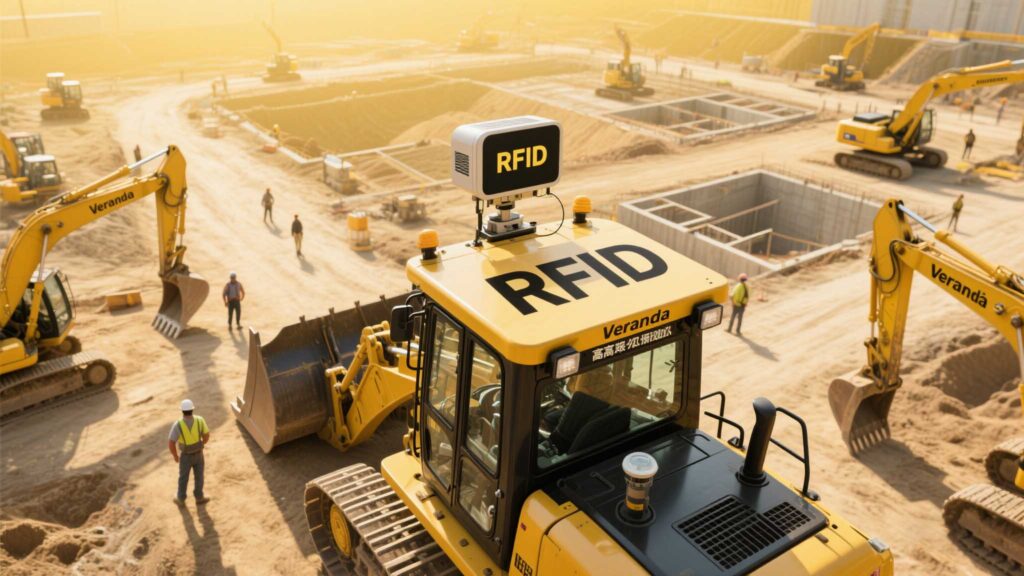
Real Pain Point: Cykeo’s clients cut tool loss by 60% after installing UHF readers at site exits and storage yards.
For years, businesses relied on barcodes and handheld scanners because they were affordable, familiar, and easy to deploy. And honestly, they still work perfectly well in many situations.
But once operations start getting larger, faster, and more complex, something changes.
The bottleneck often becomes the act of scanning itself.
That’s where long-range UHF RFID starts pulling away.
Not by a little.
By a lot.
.For a deeper look at Why Long-Range UHF RFID Beats Barcodes and Handhelds, check out:Why Long-Range UHF RFID Beats Barcodes and Handhelds
a. Range That Actually Works in the Wild
b. Weatherproofing That Doesn’t Quit
c. Metal-Tag Friendly
d. Battery Life for 24/7 Sites
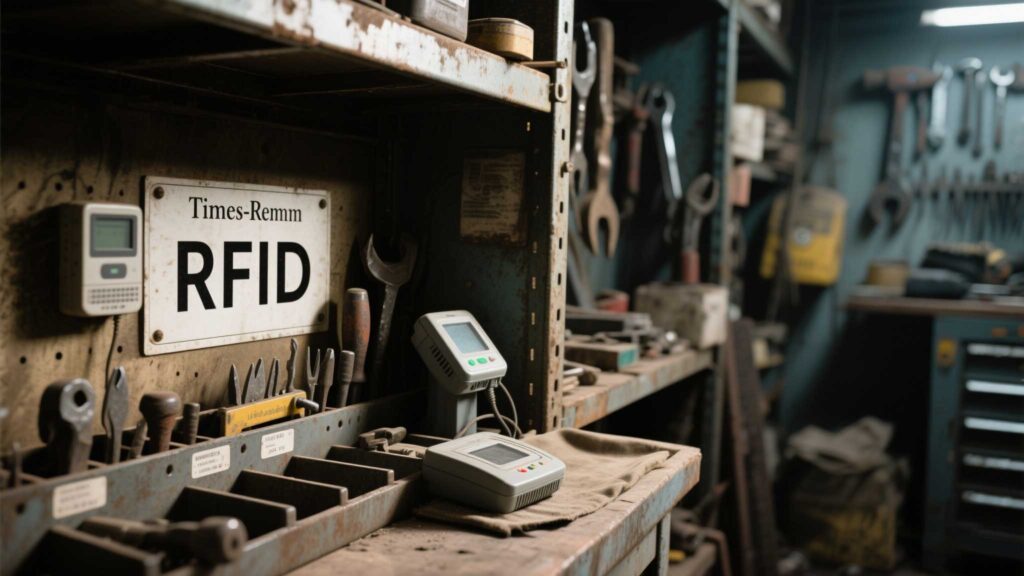
a. Site Exits
b. Tool Cribs
c. High-Theft Zones
Pro Tip: Use GPS-enabled RFID tags for stolen gear recovery.
RFID coverage is a little like Wi-Fi coverage. Strong equipment helps, but placement often matters more than people expect.For a deeper look at Install RFID Readers for Maximum Coverage, check out:Where to Install RFID Readers for Maximum Coverage
Cykeo Hack: Their readers include a “construction mode” that auto-adjusts power near metal.
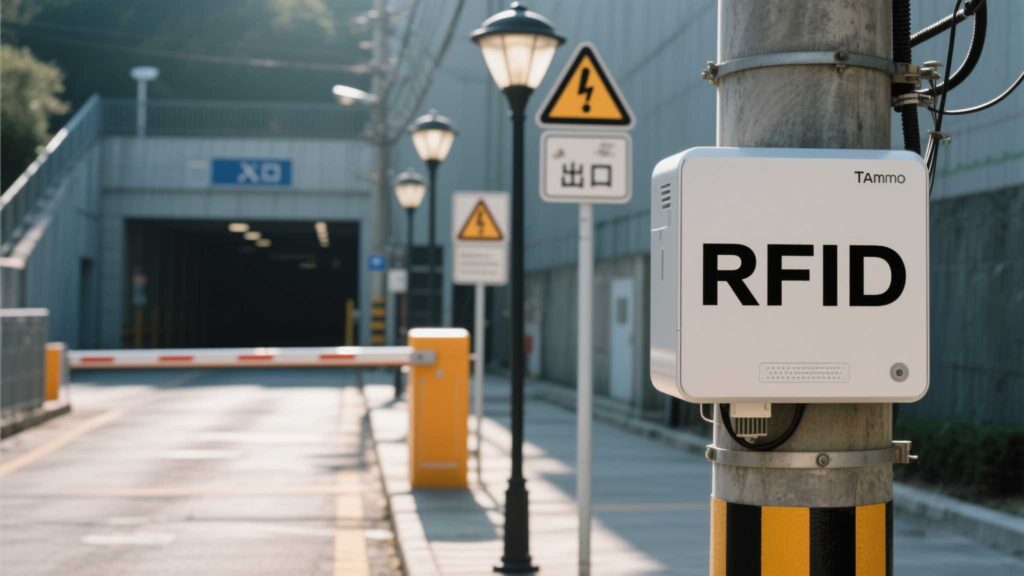
Takeaway: Long-range UHF RFID readers turn tool chaos into clockwork. Prioritize weatherproofing, adjustable power, and anti-metal features. Test ruthlessly, start with one high-loss zone, and scale as ROI proves itself. Because losing a 500sawshouldn’tcostyou5K in delays.
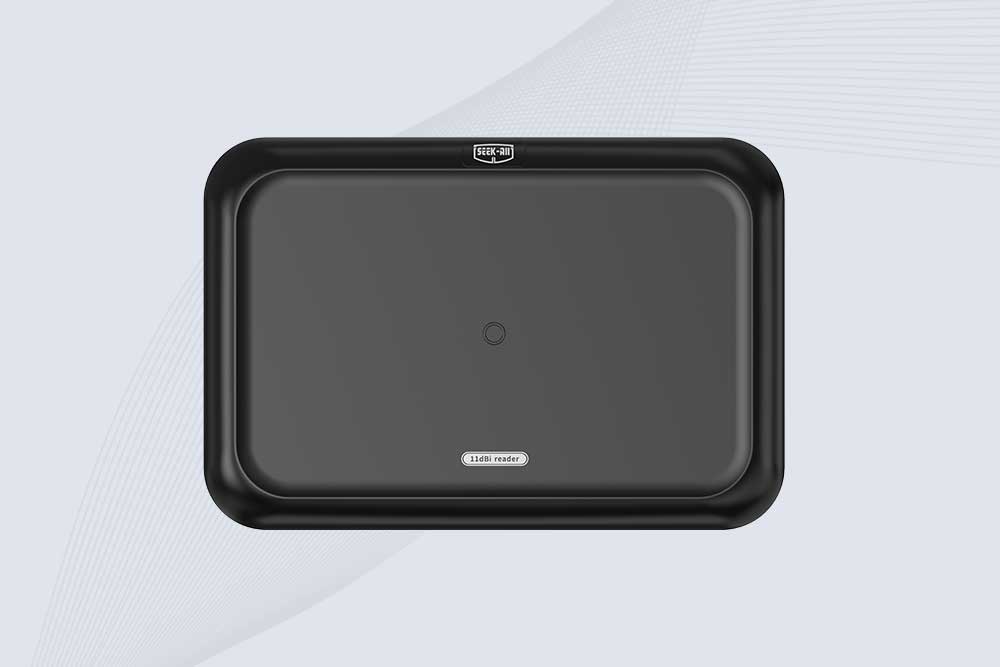
SSD-RA11L is an 11 dBi UHF RFID reader with up to 15m reading distance, 600+ tags/s speed, integrated antenna and flexible connectivity.
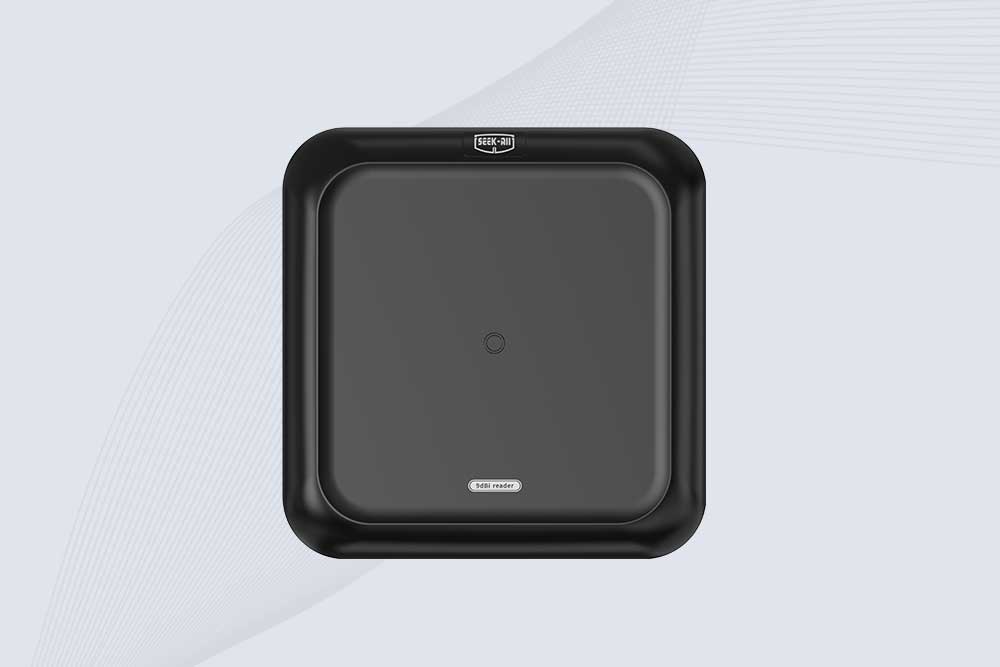
SSD-RA09L is a long range UHF RFID reader with a built-in 9 dBi antenna, 10m reading range, 600+ tags/s speed and flexible interfaces.
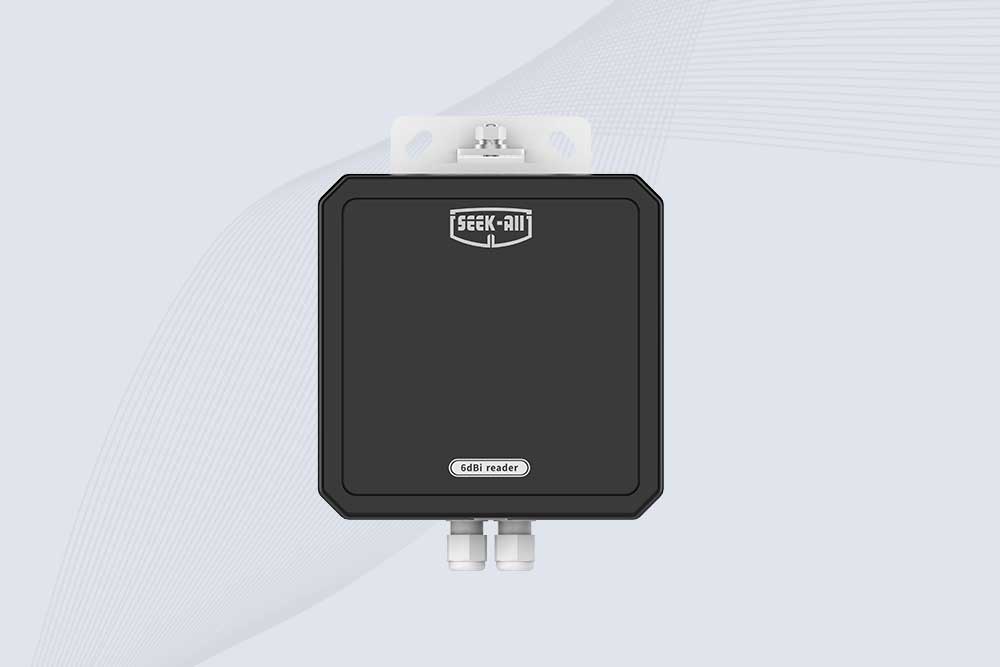
SSD-RA06L is an industrial UHF RFID reader with a built-in 6 dBi antenna, 3 m read range, 600+ tags/s, Ethernet, RS232, and optional Wi-Fi, 4G, and PoE.
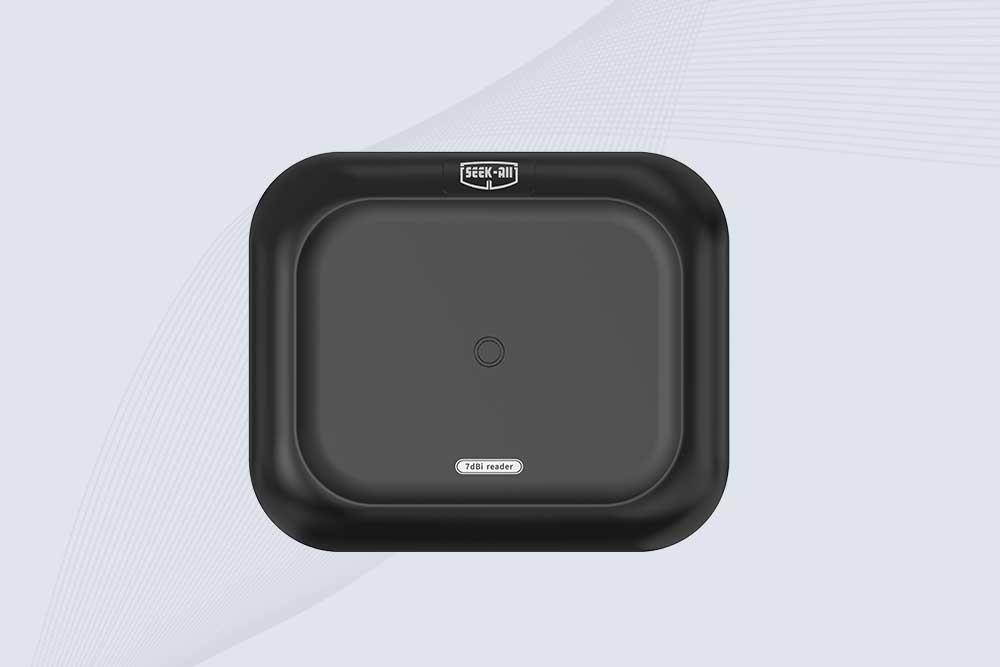
SSD-RA07L industrial UHF RFID reader with integrated 7 dBi antenna, up to 6 m reading distance, over 600 tags/s, Ethernet, RS232, and optional Wi-Fi, 4G, and PoE.

SSD-R16L Multi-Channel RFID Infrastructure for Automated Inventory Management ✔️ 16-Port High-Density RFID Reading Equipped with 16 SMA antenna ports, SSD-R16L supports multi-antenna deployment for warehouses, retail stores, logistics, production lines, and large-area RFID identification. ✔️ High-Speed & Long-Range Performance With up to 33…

SSD-R8L 8-port UHF RFID reader with 33dBm output, up to 20m reading range and 600+ tags/s recognition. Ideal for warehouse, logistics, retail and asset tracking.

SSD-R4L is a 4-port UHF RFID fixed reader with 33dBm output power, up to 20m reading range, EPC C1G2 support and 600+ tags/s reading speed.
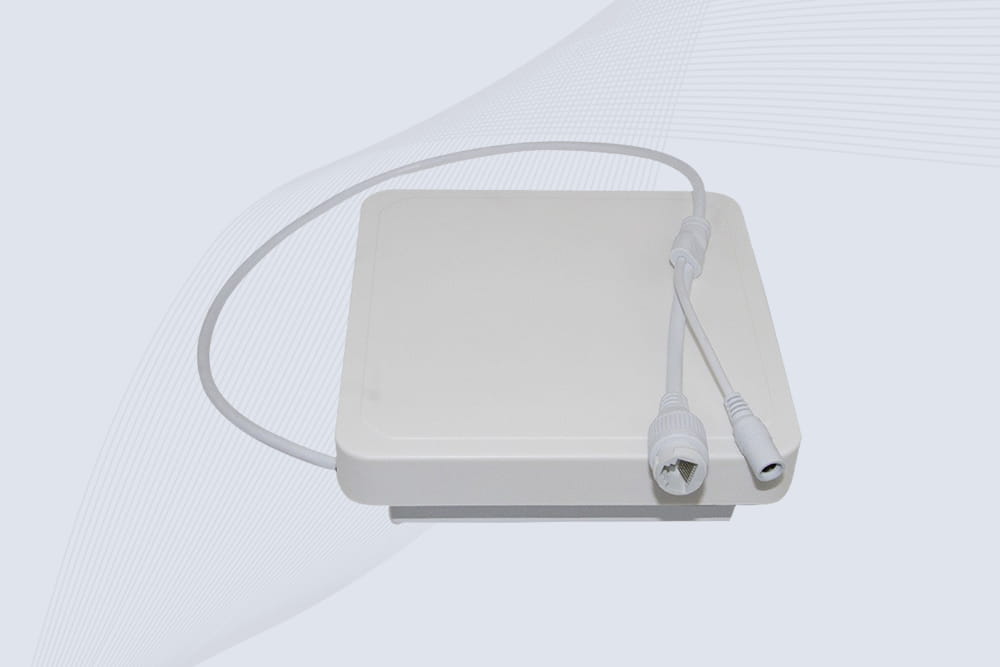
Cykeo’s industrial long range RFID reader delivers 20-meter scanning, 500+ tags/sec speed, and IP67 waterproof design for automated warehouses, logistics, and harsh environment applications.
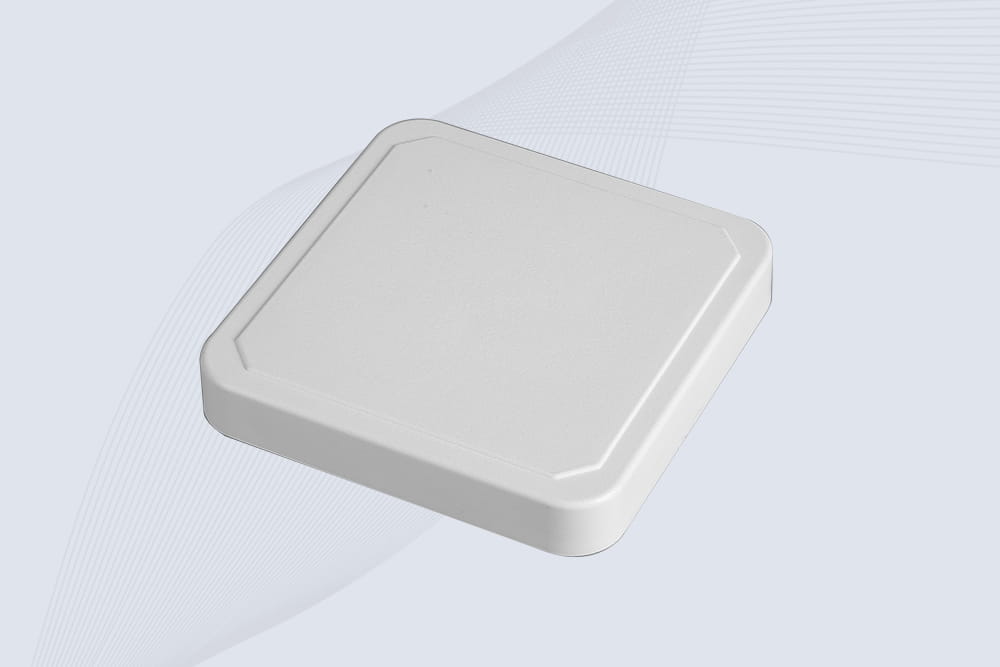
Cykeo’s CYKEO-RA6L industrial RFID long range reader features 20m read distance, 500 tags/sec speed, and IP67 protection. Ideal for warehouse automation, manufacturing WIP tracking, and smart logistics. Supports ISO 18000-6C/6B protocols.
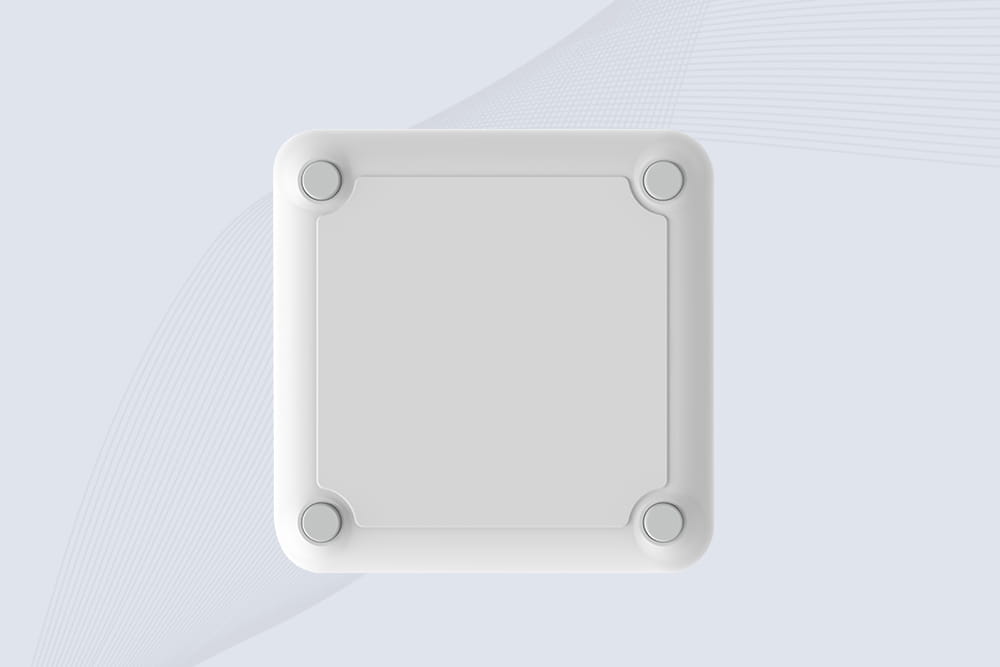
CYKEO Long Range RFID Tag Reader built for outdoor and industrial operations. This Outdoor RFID Reader delivers 20m read distance, fast tag processing, and IP67 durability for wide-area tracking.
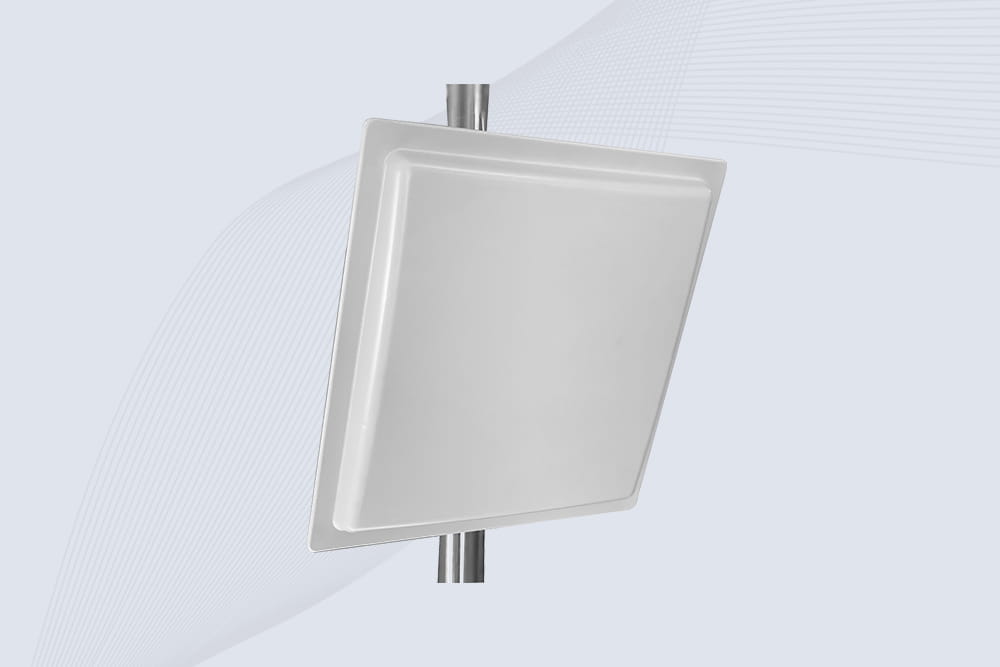
Cykeo CYKEO-RA12L industrial Long Range RFID Reader delivers 20m read range, 200+ tags/sec scanning, and IP67 protection for manufacturing/logistics applications. Supports ISO 18000-6C/GB protocols.

Cykeo CYKEO-C1 industrial Forklift RFID Reader features 20m read range, 600 tags/sec scanning, Impinj R2000 chipset, and IP67 rugged design. Ideal for warehouse logistics and manufacturing. Supports ISO 18000-6C/6B protocols.

Cykeo CYKEO-R4 industrial UHF RFID Fixed Reader features 4 TNC ports, 400+ tags/sec speed, IP67 housing, and global frequency compliance for vehicle inspection, smart warehouse, and asset management systems.
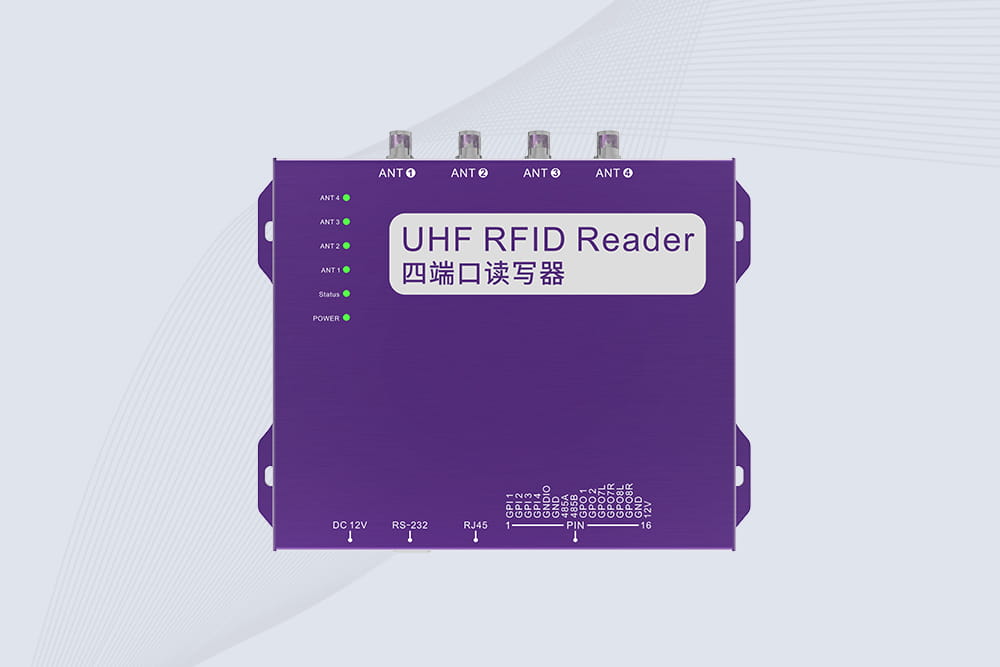
Cykeo’s CYKEO-R4L 4-port Fixed UHF RFID Reader delivers 400 tags/sec scanning, ISO 18000-6C compliance, and IP65 protection. Ideal for warehouse automation, manufacturing WIP tracking, and logistics management.
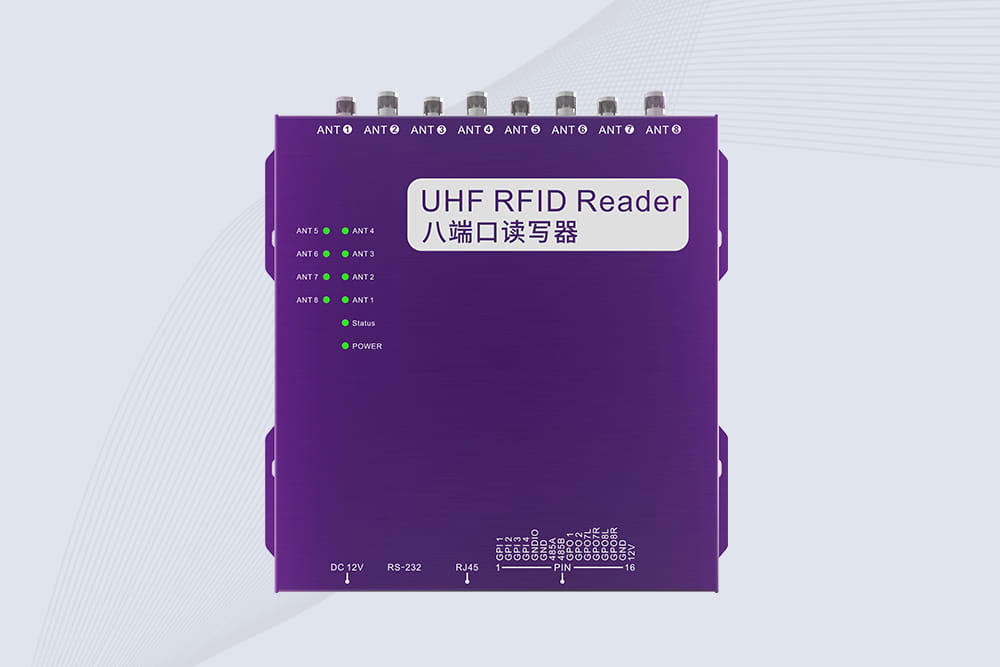
CYKEO CYKEO-R8L Fixed RFID Reader with 8-port UHF design, Impinj-based RF core and up to 20m read range. An industrial Fixed RFID Reader for vehicle inspection, warehouse portals, smart manufacturing lines and secure access checkpoints.
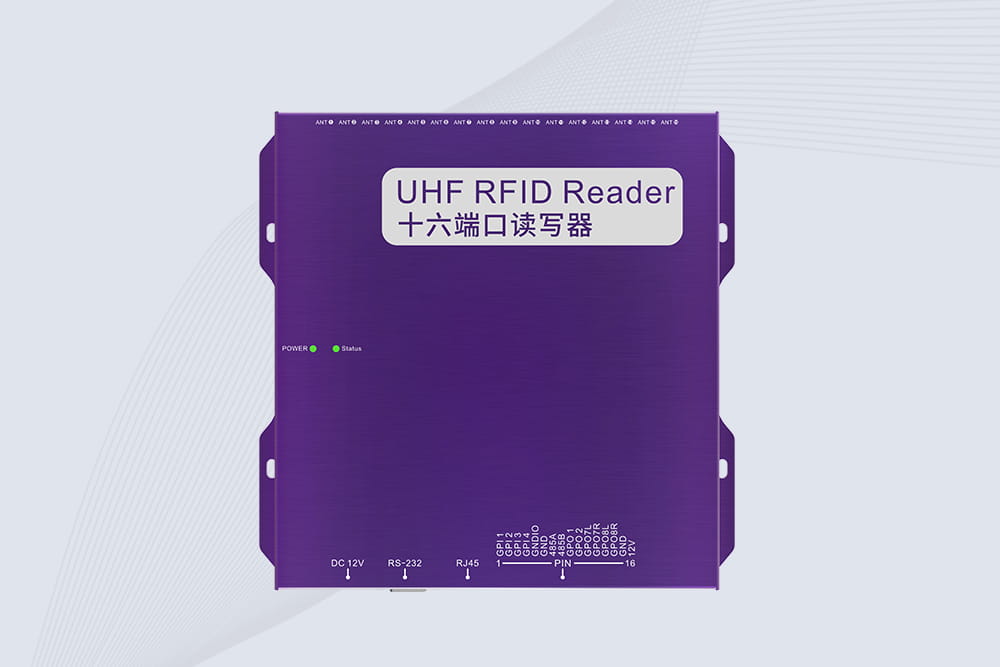
RFID Fixed Reader from CYKEO – the CYKEO-R16L 16-port UHF fixed reader for warehouses, smart cabinets, and production lines. Long-range, multi-tag reading, stable performance for 24/7 industrial use.

Discover how RFID medical cabinets work to secure, track, and manage hospital inventory. Learn about their components, benefits, and real-world applications in healthcare.
More
rfid for jewellery improves jewelry identification, inventory accuracy and security management. Cykeo provides advanced RFID tags and tracking solutions.
More
Learn how to test RFID tags using your smartphone’s NFC feature. Discover apps, DIY methods, and troubleshooting tips for quick verification.
More
RFID transceiver technology enables wireless communication between RFID tags and readers for asset tracking, inventory management, and industrial automation.
More