 Cykeo RFID IoT Solution Products R&D Manufacturer

How to Read RFID Tag with iPhone in Real Applications, Not Just Theory?
248How to read RFID tag with iPhone in real use. Learn what iPhone can’t do alone, and how CYKEO makes UHF RFID reading work via Bluetooth.
MoreAll RFID Product
A warehouse manager once told me something that stuck.
“We don’t lose inventory because we can’t find it. We lose inventory because nobody has time to keep scanning it.”
That sounds like a people problem.
Most of the time, it isn’t.
It’s a technology problem.
For years, businesses relied on barcodes and handheld scanners because they were affordable, familiar, and easy to deploy. And honestly, they still work perfectly well in many situations.
But once operations start getting larger, faster, and more complex, something changes.
The bottleneck often becomes the act of scanning itself.
That’s where long-range UHF RFID starts pulling away.
Not by a little.
By a lot.
When companies compare RFID with barcode systems, they usually focus on hardware costs.
That’s understandable.
A barcode label costs almost nothing.
An RFID tag costs more.
A reader costs more.
The software integration may cost more.
On paper, barcodes seem like the obvious winner.
But after walking through enough warehouses, manufacturing plants, and equipment yards, I’ve noticed the conversation eventually shifts away from hardware.
People start talking about labor.
They start talking about missed inventory.
They start talking about delays.
Suddenly the cost of scanning thousands of items manually every day becomes harder to ignore.
Imagine receiving a pallet containing 300 products.
With a barcode workflow, someone usually needs to:
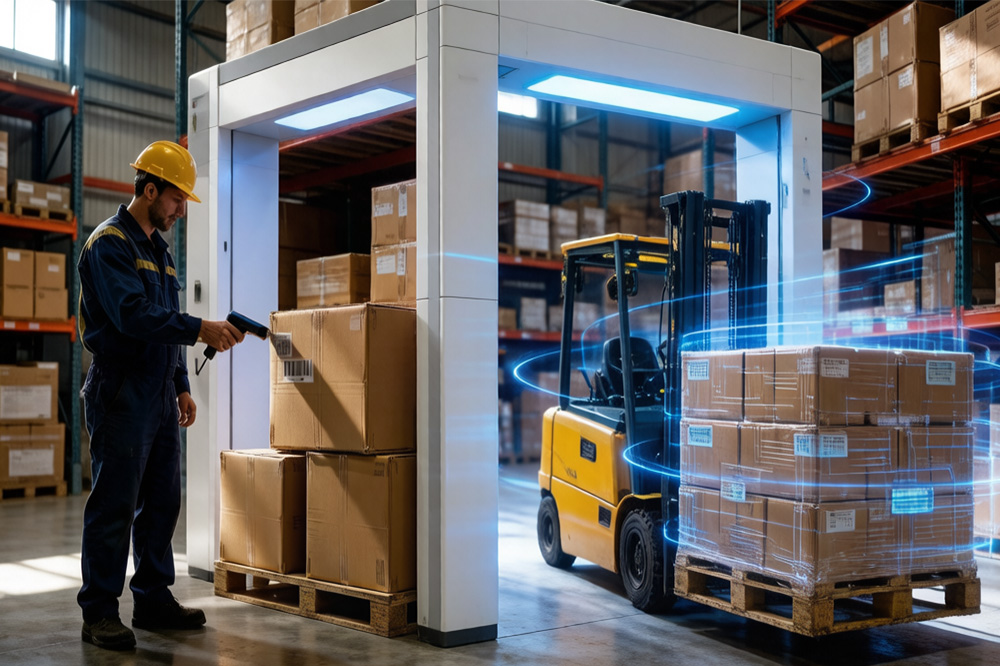
Now picture the same pallet moving through an RFID portal.
The tags are read automatically.
No aiming.
No stopping.
No handling individual products.
The difference sounds small until it happens thousands of times every week.
That’s where the labor savings start adding up.
A decade ago, manual scanning fit the pace of many operations.
Today?
Not always.
Same-day shipping, e-commerce fulfillment, automated storage systems, and real-time inventory visibility have changed expectations.
In some distribution centers, products may move through multiple zones within minutes.
Workers simply can’t stop and scan everything individually.
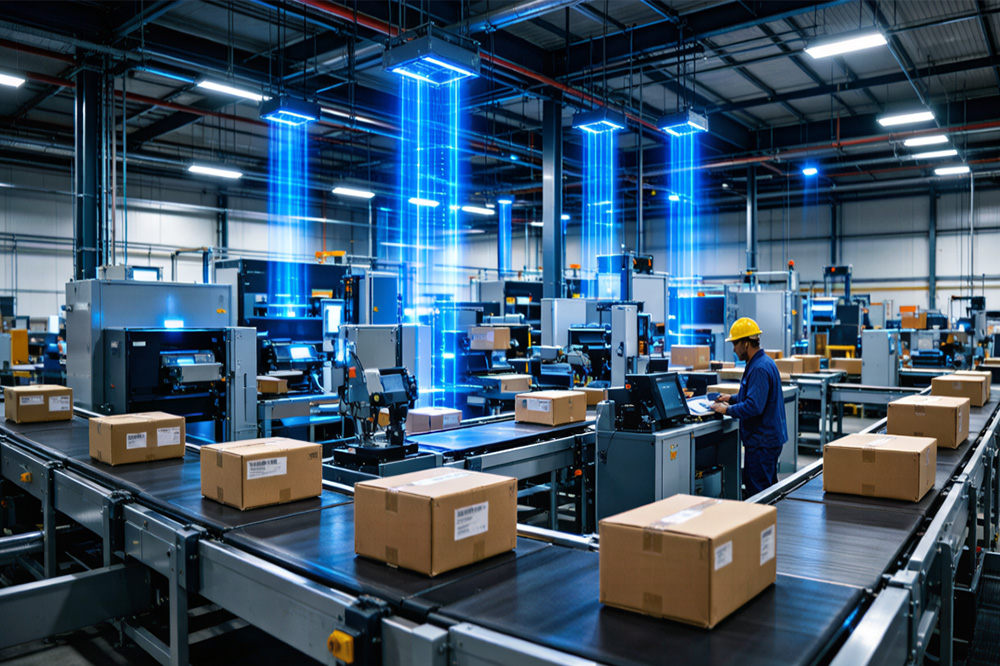
RFID works differently because data collection happens while products are moving.
The inventory process becomes part of the workflow rather than a separate task.
That’s a subtle difference, but it changes everything.
Barcodes need visibility.
RFID doesn’t.
That sounds like marketing language until you spend time in a real warehouse.
Labels get dirty.
Boxes get damaged.
Shrink wrap covers labels.
Products get stacked in awkward positions.
Forklift operators don’t always place pallets perfectly.
All those little things create friction.
RFID tags can often be identified without direct visibility, allowing inventory checks to continue even when products aren’t positioned neatly.
Operations rarely stay organized enough for perfect barcode scanning.
RFID tends to handle real-world messiness better.
This is where many comparisons become unfair.
Handheld RFID readers are actually excellent tools.
They can dramatically speed up inventory counts compared to traditional barcode scanners.
Many companies use handheld RFID devices as a first step before deploying fixed infrastructure.
But eventually, another question appears.
What happens when employees don’t have to scan anything at all?
That’s where fixed long-range UHF RFID systems become interesting.
Readers mounted above dock doors, production lines, equipment exits, and warehouse aisles can automatically capture movement data without requiring worker involvement.
The less human intervention required, the more consistent the data usually becomes.
Construction environments are probably one of the easiest places to see the difference.
Tools move constantly.
Workers change locations.
Equipment gets shared between crews.
Weather creates additional challenges.
Trying to manage thousands of assets through barcode scanning often becomes unrealistic.
Many project managers eventually discover that assets are technically “tracked,” but only when someone remembers to scan them.
RFID changes the equation.
Readers positioned at storage containers, entry gates, and tool issue points can automatically record movements without slowing workers down.
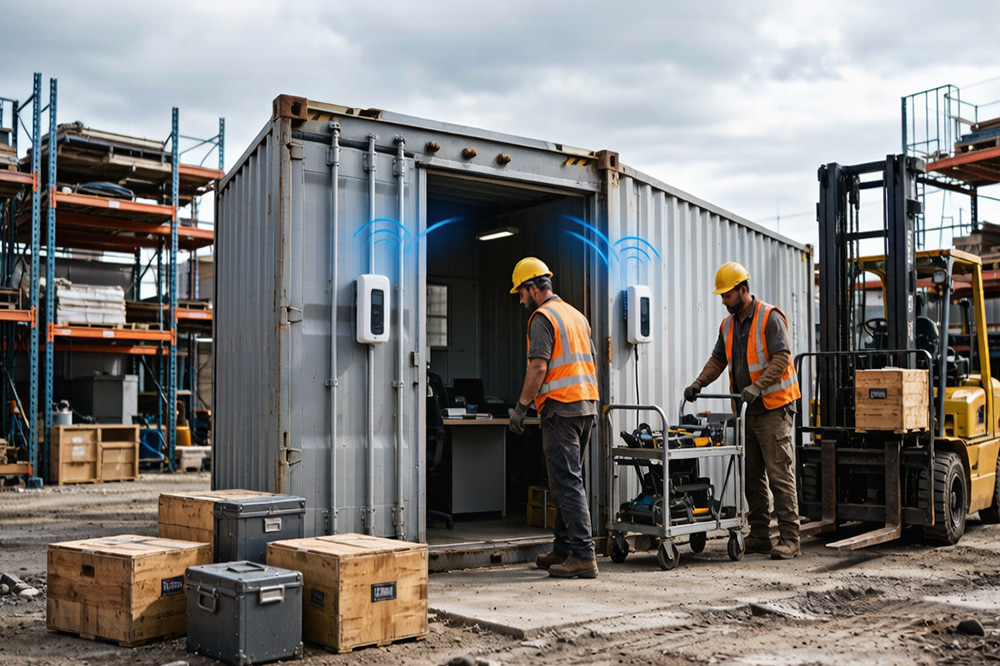
If you’re evaluating RFID deployment in rugged outdoor environments, this guide provides a deeper look at reader selection, coverage requirements, and tool tracking strategies:Best Long-Range UHF RFID Readers for Construction Sites: Track Tools in Harsh Conditions
Most people think RFID wins because it’s faster.
That’s true.
But speed may not be the biggest advantage.
Visibility is.
Managers gain access to information they simply didn’t have before.
Questions become easier to answer:
Barcodes can answer these questions too.
The difference is that someone usually needs to perform a scan first.
RFID continuously generates data as operations happen.
A small stockroom may never justify fixed RFID infrastructure.
And that’s okay.
Technology should match the business.
But once facilities reach:
The gap between barcode systems and RFID becomes harder to ignore.
Every manual scan introduces delay.
Every missed scan introduces uncertainty.
Scale amplifies both problems.
Here’s something many buyers learn after deployment.
Buying a longer-range rfid reader doesn’t automatically solve coverage issues.
Placement matters.
A lot.
The most successful projects usually start by identifying movement paths:
The goal isn’t reading everything everywhere.
The goal is reading the right things at the right locations.
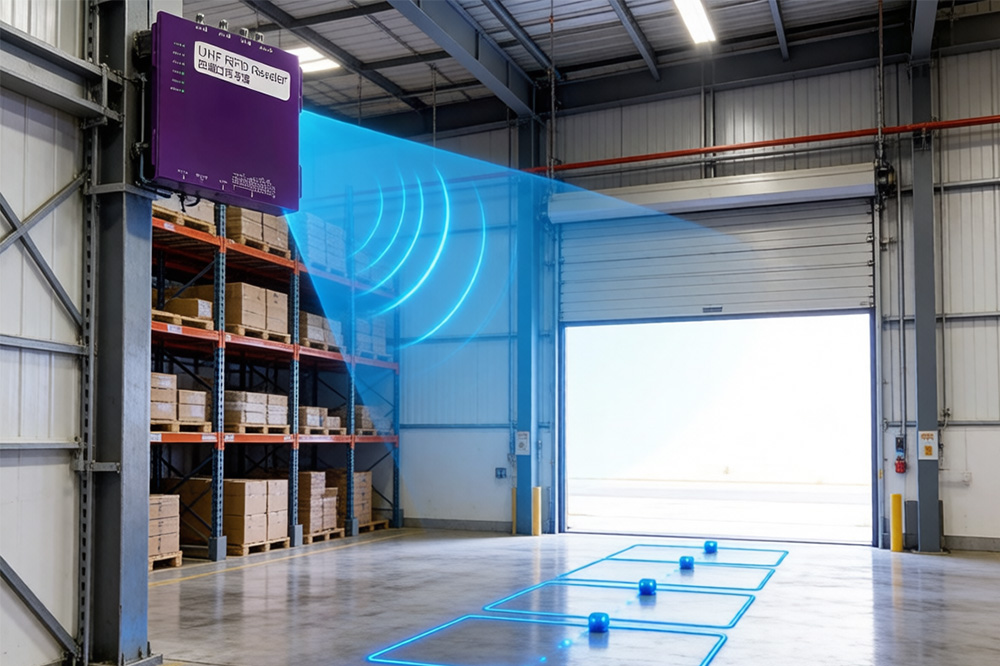
Before installing any RFID infrastructure, it’s worth understanding how reader location affects system performance:Where to Install RFID Readers for Maximum Coverage
Many coverage problems can be solved through better positioning rather than more powerful hardware.
This is where the conversation often gets oversimplified.
Many businesses continue using both.
Barcodes remain useful for:
RFID excels when:
The strongest systems often combine both technologies rather than choosing only one.
When companies deploy long-range UHF RFID, they often expect dramatic inventory improvements.
What surprises them is something else.
People stop chasing information.
Employees spend less time searching.
Inventory counts finish faster.
Assets become easier to locate.
Managers trust the data more.
Those operational improvements tend to matter far more than the technology itself.
And that’s probably the clearest reason long-range UHF RFID continues gaining traction in warehouses, manufacturing plants, logistics hubs, construction sites, and industrial facilities around the world.
Not because it replaces barcodes.
Because in the right environment, it removes the need to scan altogether.
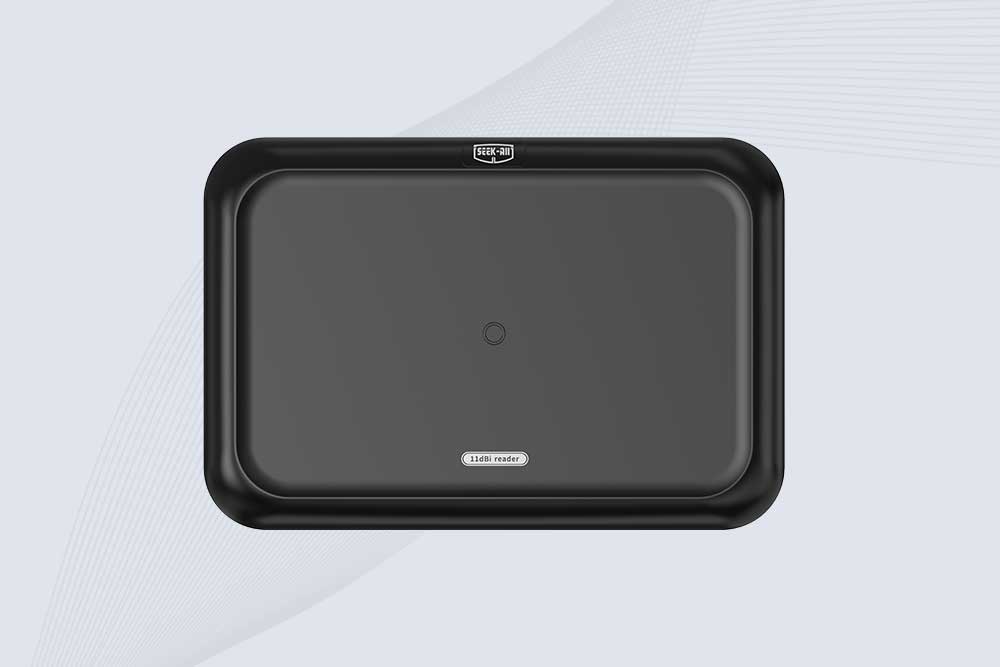
SSD-RA11L is an 11 dBi UHF RFID reader with up to 15m reading distance, 600+ tags/s speed, integrated antenna and flexible connectivity.
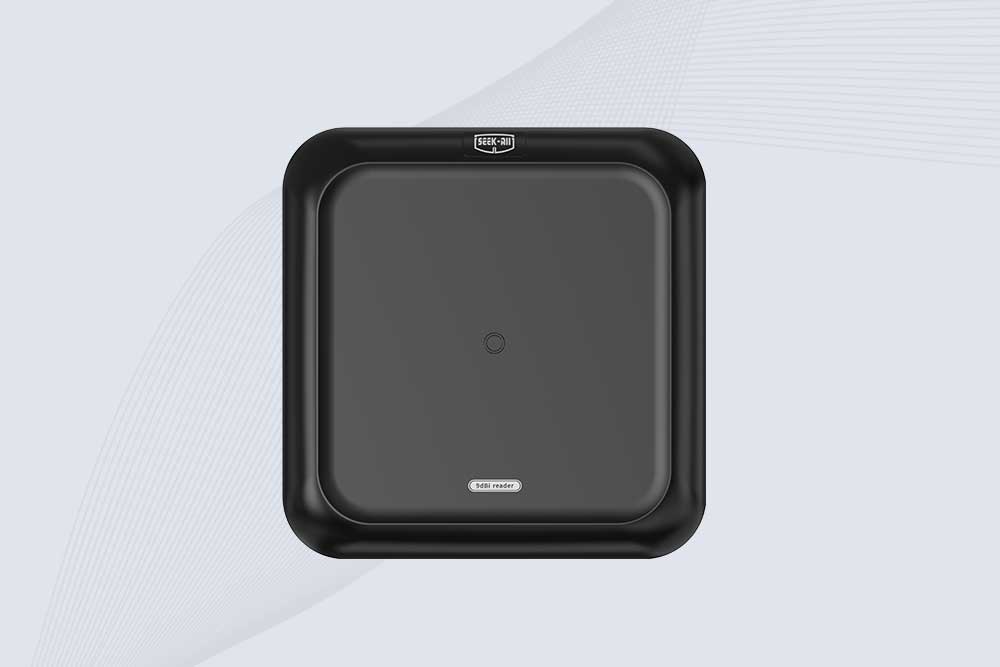
SSD-RA09L is a long range UHF RFID reader with a built-in 9 dBi antenna, 10m reading range, 600+ tags/s speed and flexible interfaces.
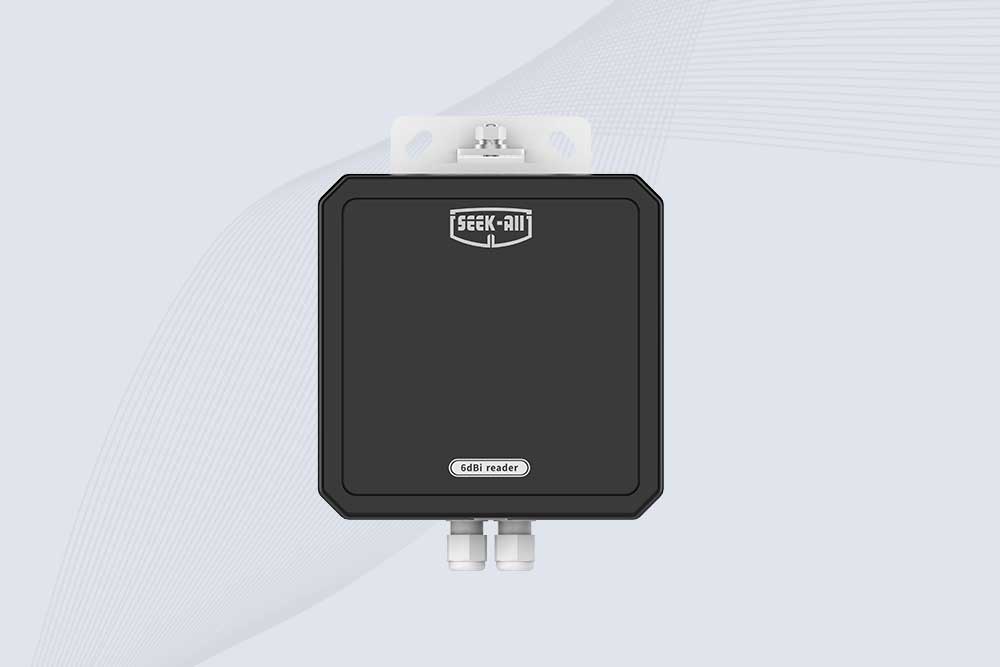
SSD-RA06L is an industrial UHF RFID reader with a built-in 6 dBi antenna, 3 m read range, 600+ tags/s, Ethernet, RS232, and optional Wi-Fi, 4G, and PoE.
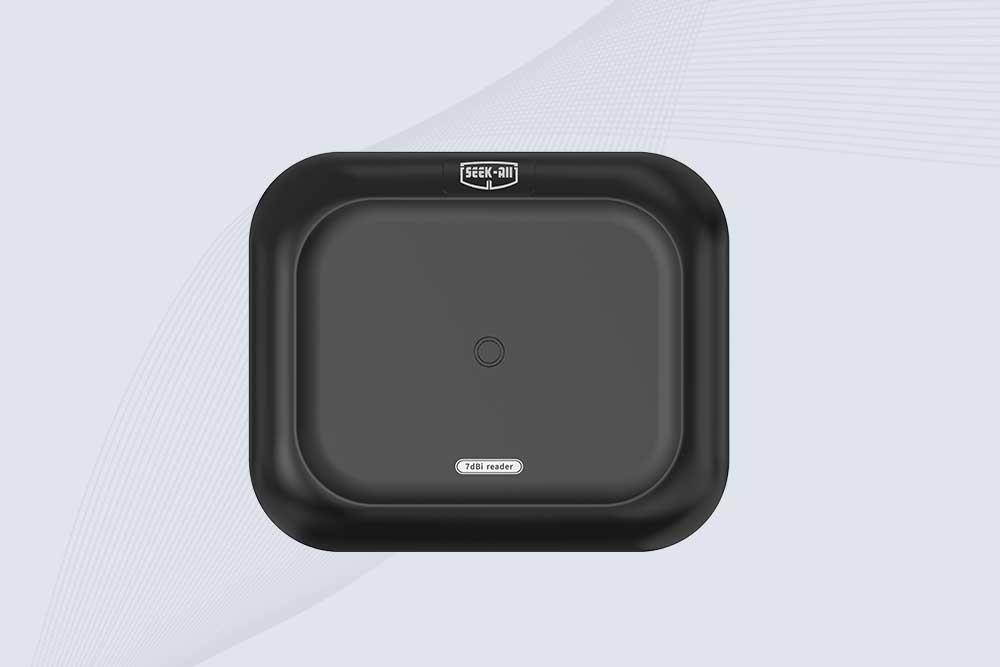
SSD-RA07L industrial UHF RFID reader with integrated 7 dBi antenna, up to 6 m reading distance, over 600 tags/s, Ethernet, RS232, and optional Wi-Fi, 4G, and PoE.
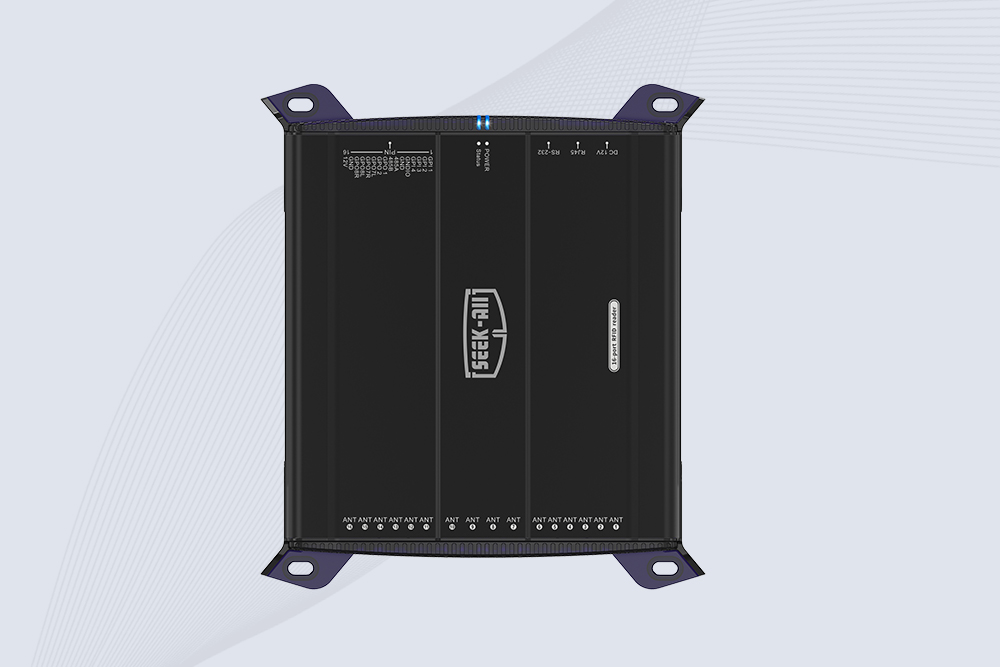
SSD-R16L Multi-Channel RFID Infrastructure for Automated Inventory Management ✔️ 16-Port High-Density RFID Reading Equipped with 16 SMA antenna ports, SSD-R16L supports multi-antenna deployment for warehouses, retail stores, logistics, production lines, and large-area RFID identification. ✔️ High-Speed & Long-Range Performance With up to 33…
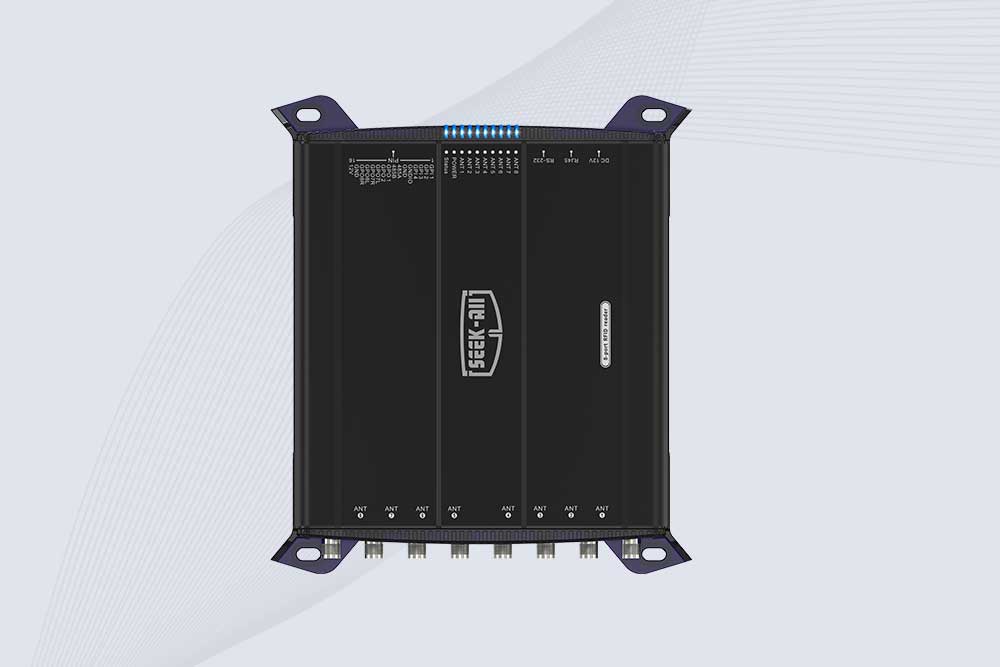
SSD-R8L 8-port UHF RFID reader with 33dBm output, up to 20m reading range and 600+ tags/s recognition. Ideal for warehouse, logistics, retail and asset tracking.
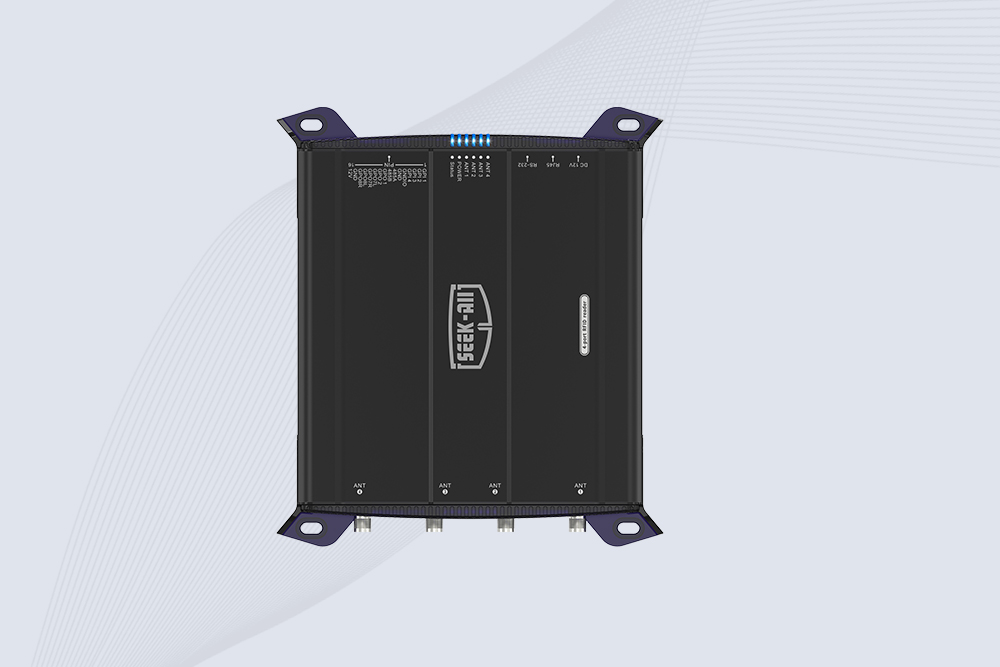
SSD-R4L is a 4-port UHF RFID fixed reader with 33dBm output power, up to 20m reading range, EPC C1G2 support and 600+ tags/s reading speed.
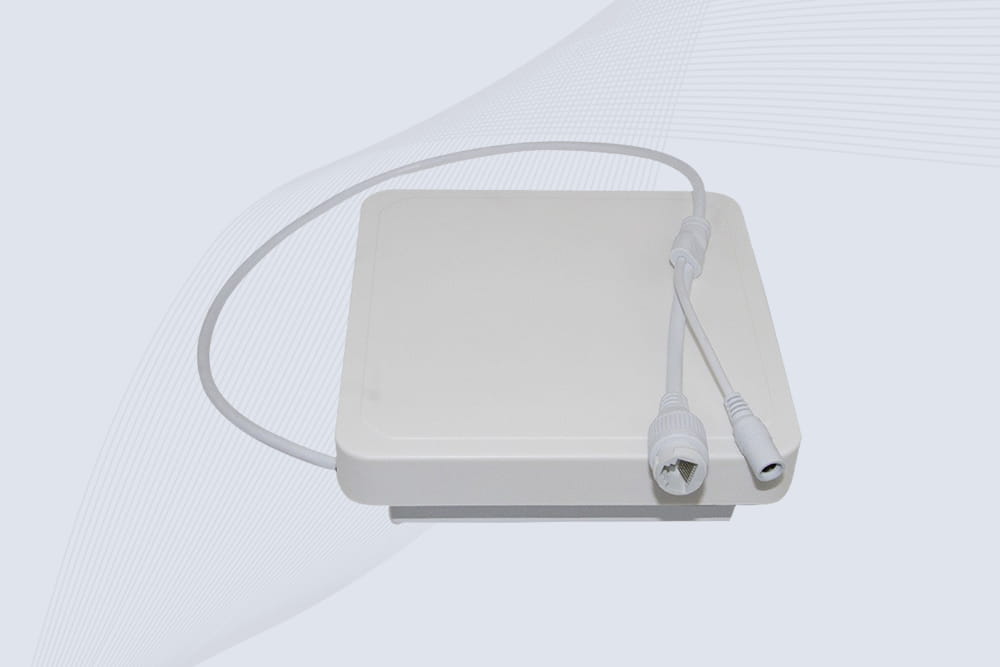
Cykeo’s industrial long range RFID reader delivers 20-meter scanning, 500+ tags/sec speed, and IP67 waterproof design for automated warehouses, logistics, and harsh environment applications.
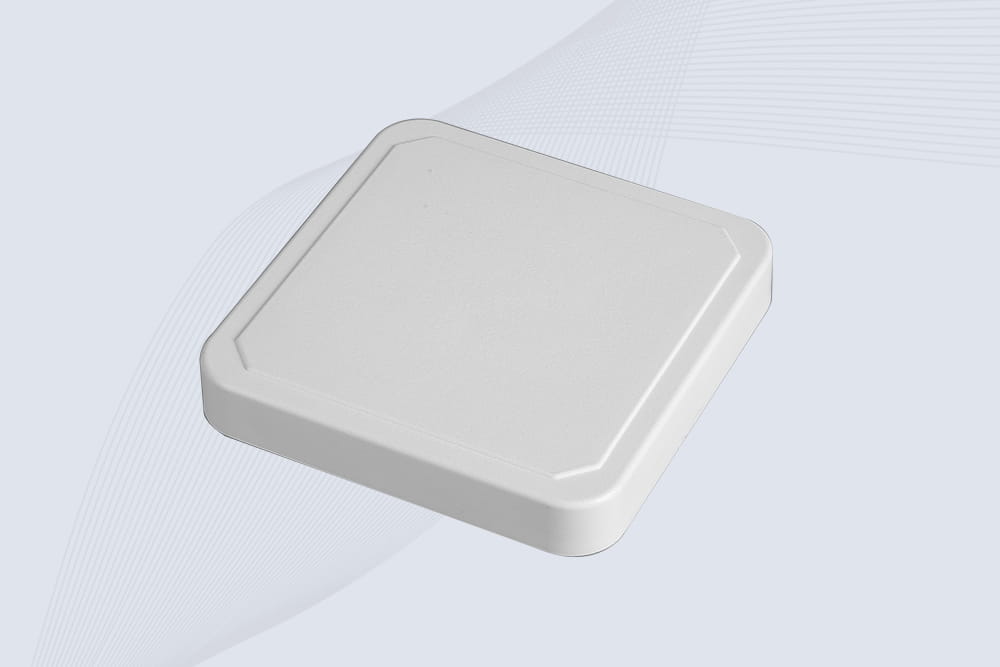
Cykeo’s CYKEO-RA6L industrial RFID long range reader features 20m read distance, 500 tags/sec speed, and IP67 protection. Ideal for warehouse automation, manufacturing WIP tracking, and smart logistics. Supports ISO 18000-6C/6B protocols.
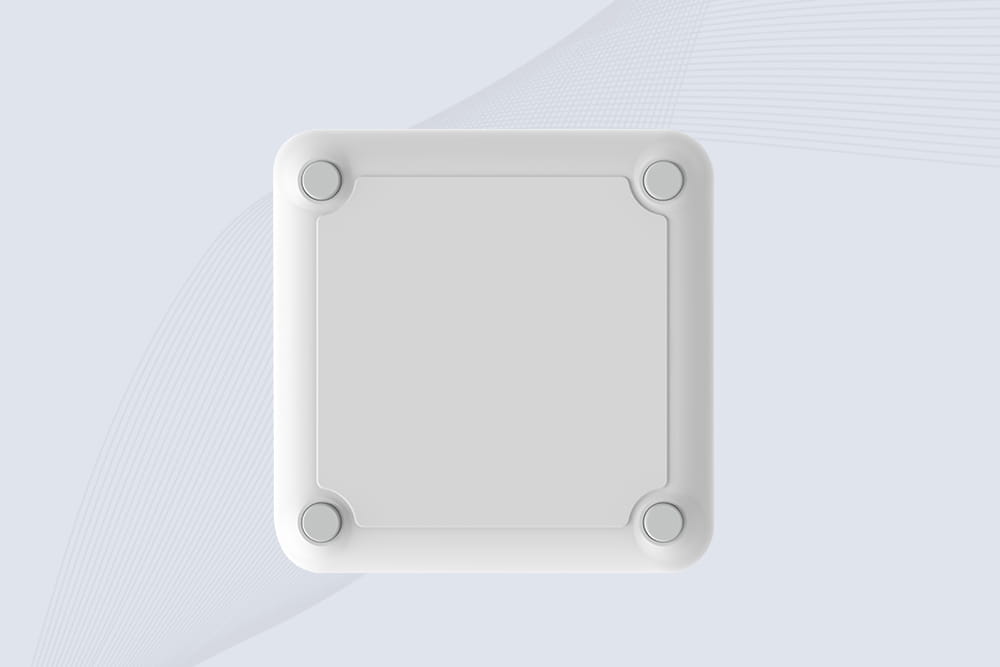
CYKEO Long Range RFID Tag Reader built for outdoor and industrial operations. This Outdoor RFID Reader delivers 20m read distance, fast tag processing, and IP67 durability for wide-area tracking.
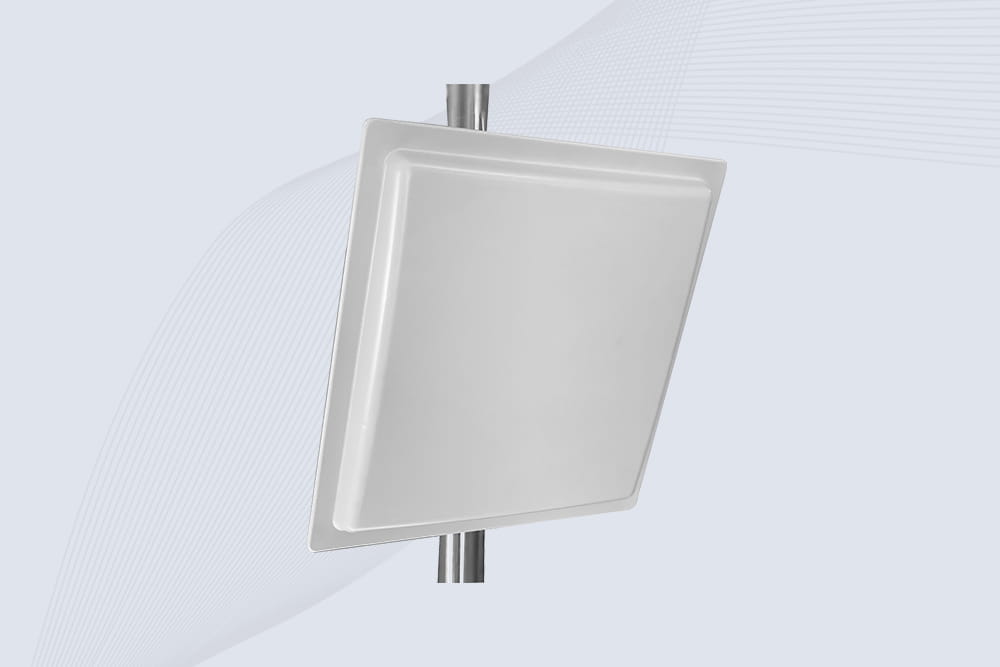
Cykeo CYKEO-RA12L industrial Long Range RFID Reader delivers 20m read range, 200+ tags/sec scanning, and IP67 protection for manufacturing/logistics applications. Supports ISO 18000-6C/GB protocols.
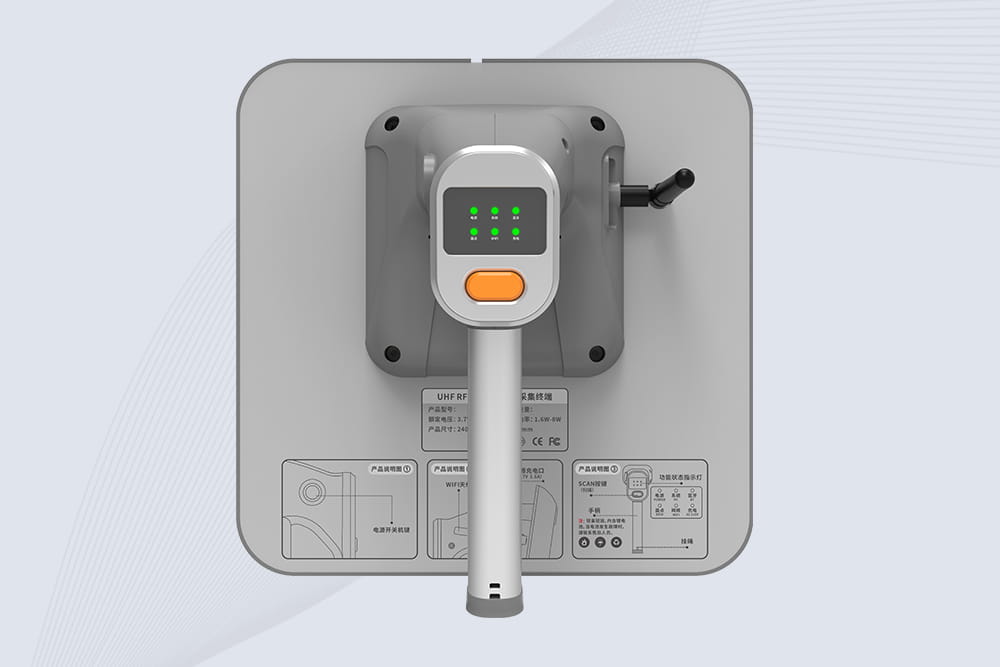
Cykeo CYKEO-B9 UHF Bluetooth handheld RFID scanner features 12m UHF range, 200+ tags/sec scanning, IP67 rugged design for retail/warehouse/pharma. Supports Android SDK & real-time Bluetooth 5.0 transmission.
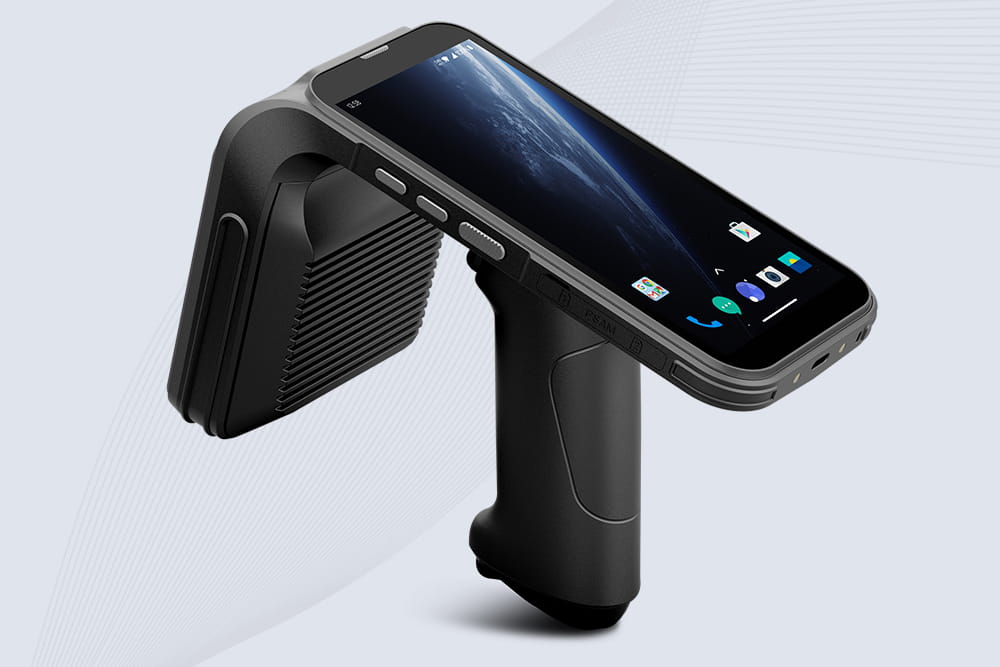
Cykeo CYKEO-B4 UHF Handheld RFID Reader scanner delivers 1300 tags/sec reading, 30m UHF range, and 12-hour battery life. IP65 rugged design with barcode/NFC/ID scanning for retail/manufacturing/logistics.
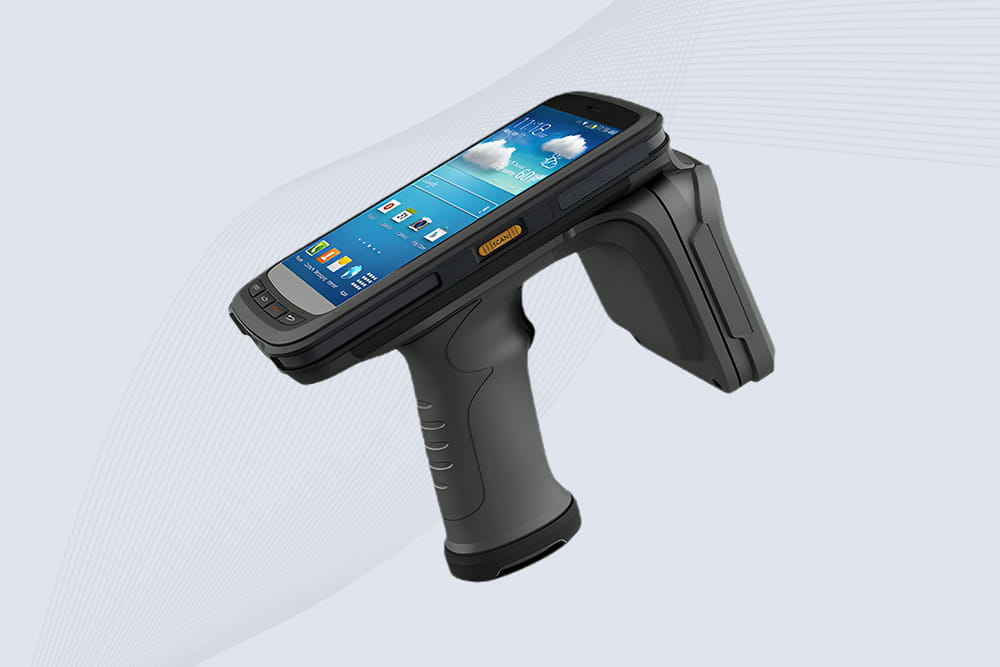
Cykeo CYKEO-B2 industrial UHF RFID handheld Scanner offers 10m range, 500 tags/sec scanning, Android 11 OS, and IP65 rugged design for retail/warehouse/manufacturing.
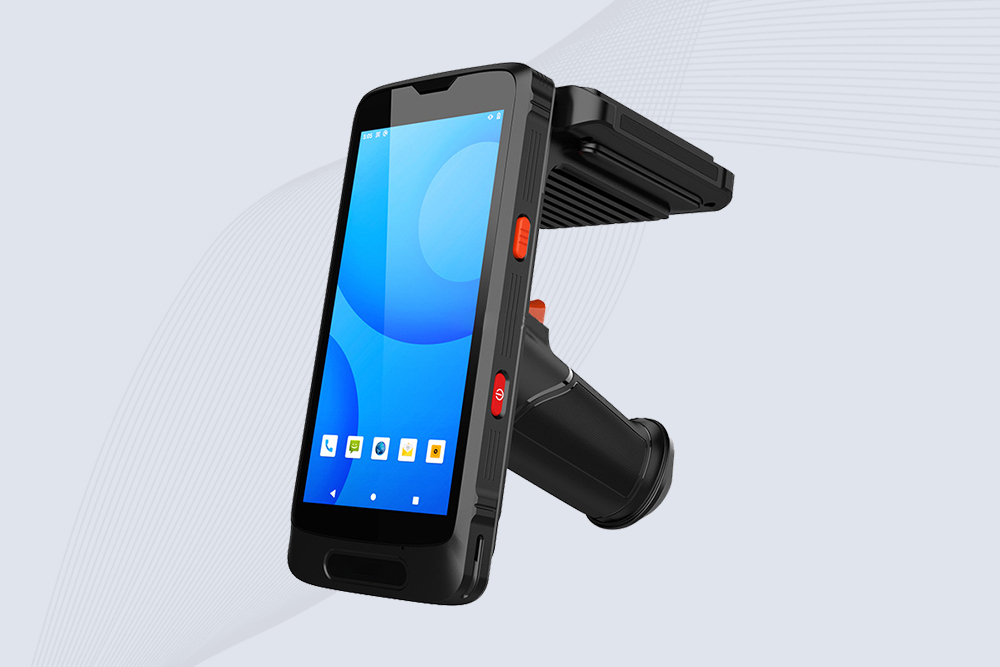
Cykeo CYKEO-B3 industrial RFID Reader Handheld, terminal offers 2m read range, multi-protocol scanning (NFC/barcode/ID), Android 10 OS, and IP65 ruggedness for logistics/retail/manufacturing.
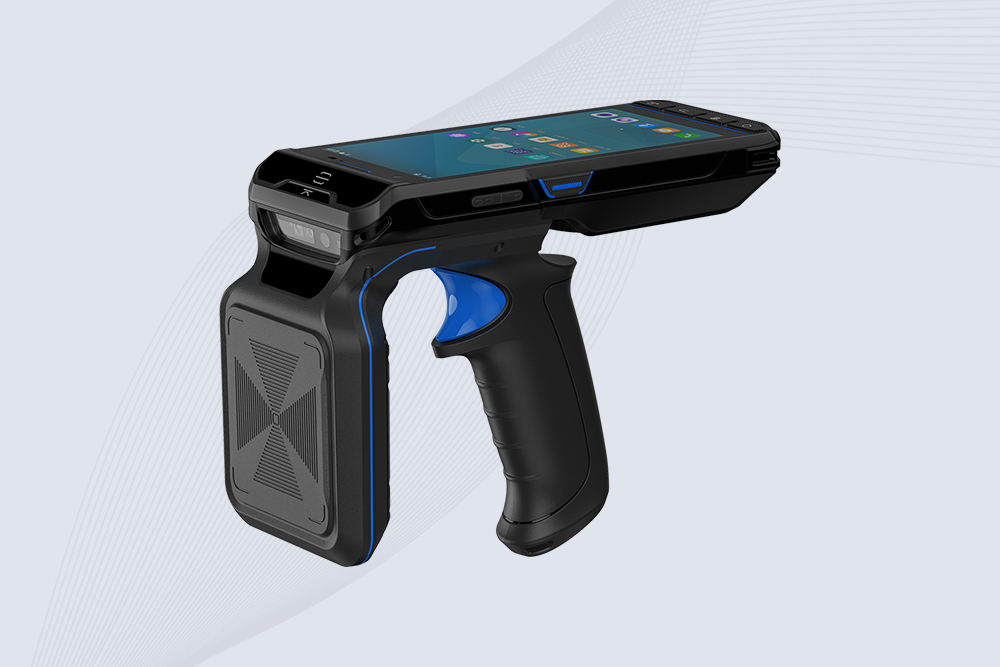
Cykeo CYKEO-B3L industrial handheld UHF RFID Reader terminal features 20m read range, 500 tags/sec scanning, Android 13 OS, 12-hour battery for logistics/retail/manufacturing. Supports barcode/NFC/ID reading.
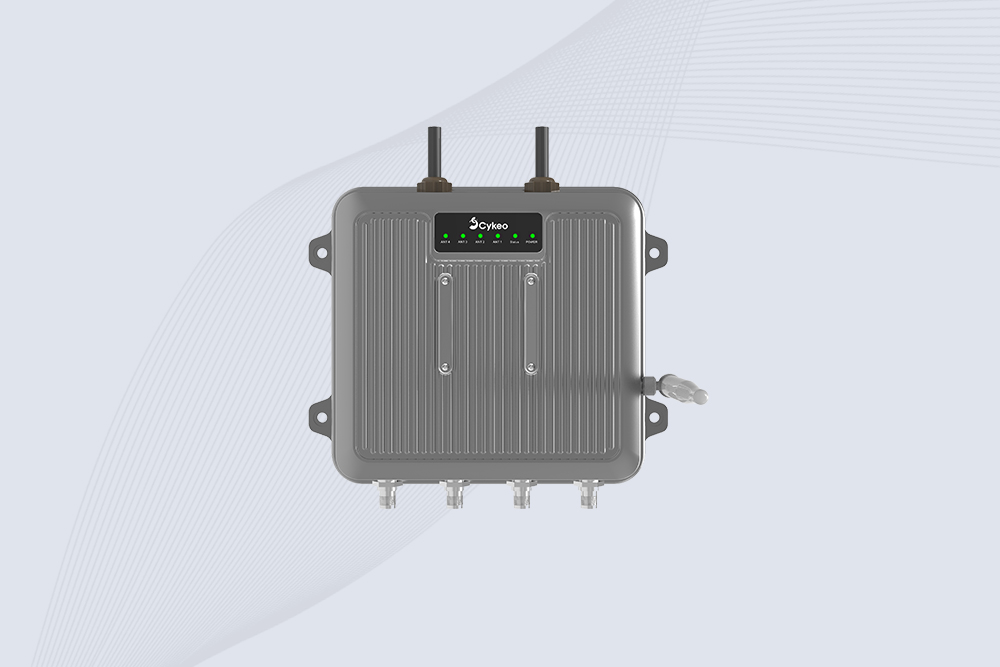
Cykeo CYKEO-C1 industrial Forklift RFID Reader features 20m read range, 600 tags/sec scanning, Impinj R2000 chipset, and IP67 rugged design. Ideal for warehouse logistics and manufacturing. Supports ISO 18000-6C/6B protocols.
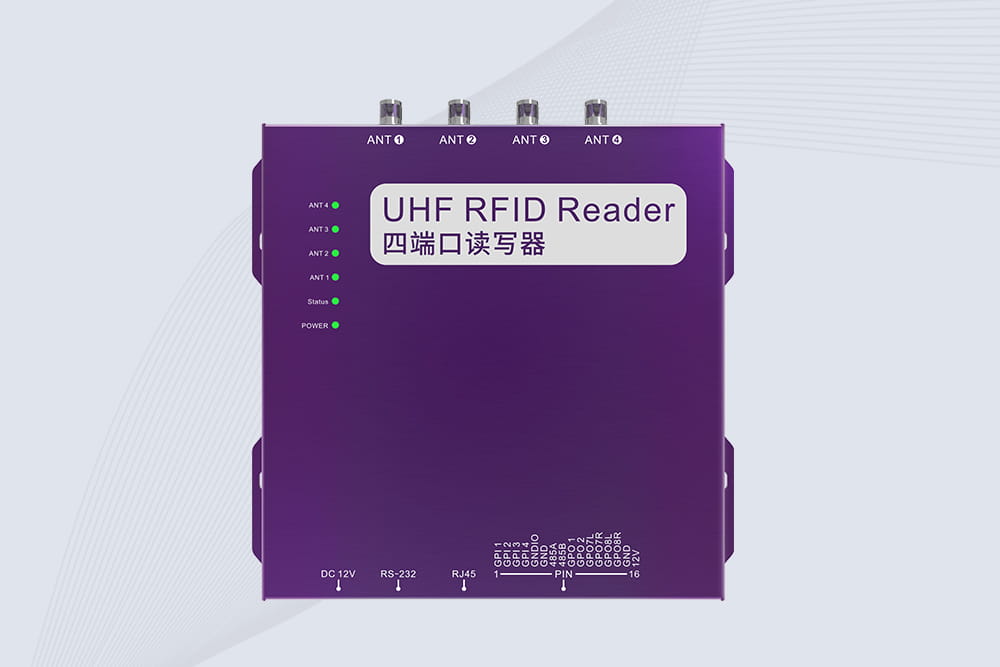
Cykeo CYKEO-R4 industrial UHF RFID Fixed Reader features 4 TNC ports, 400+ tags/sec speed, IP67 housing, and global frequency compliance for vehicle inspection, smart warehouse, and asset management systems.
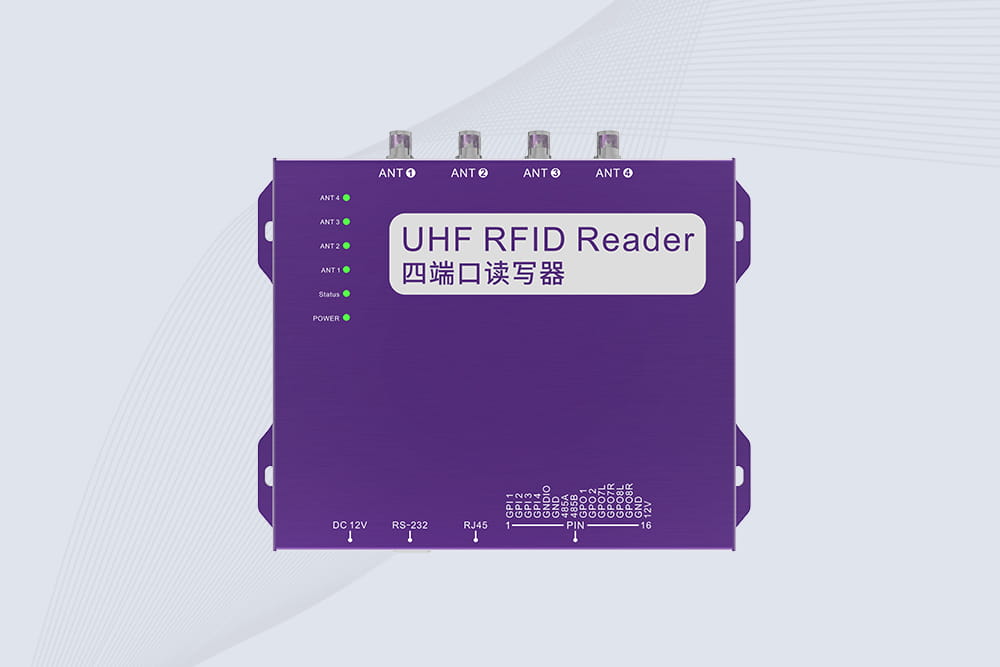
Cykeo’s CYKEO-R4L 4-port Fixed UHF RFID Reader delivers 400 tags/sec scanning, ISO 18000-6C compliance, and IP65 protection. Ideal for warehouse automation, manufacturing WIP tracking, and logistics management.
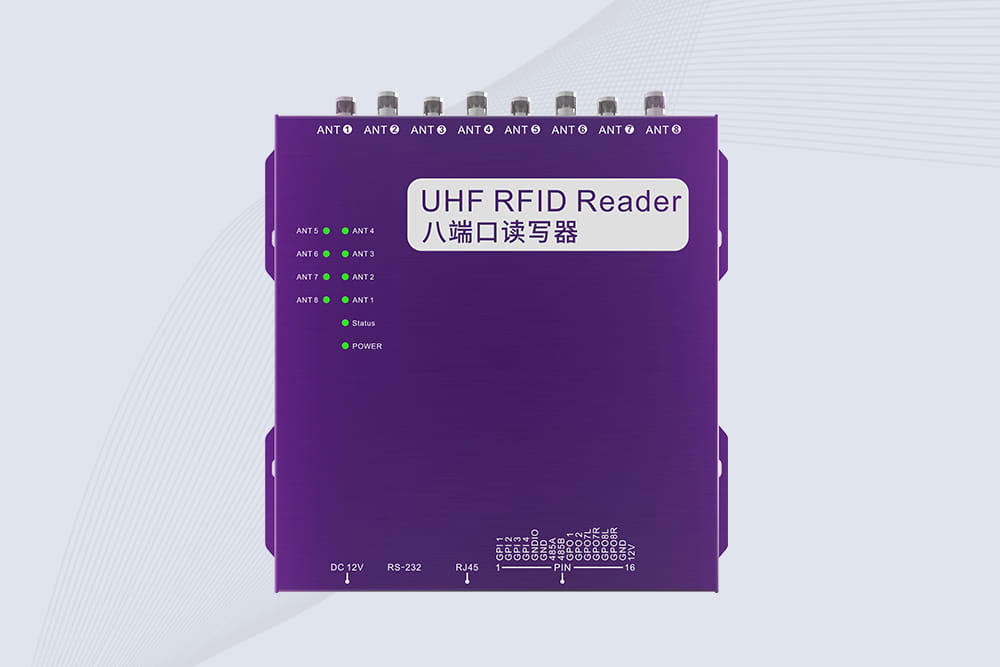
CYKEO CYKEO-R8L Fixed RFID Reader with 8-port UHF design, Impinj-based RF core and up to 20m read range. An industrial Fixed RFID Reader for vehicle inspection, warehouse portals, smart manufacturing lines and secure access checkpoints.
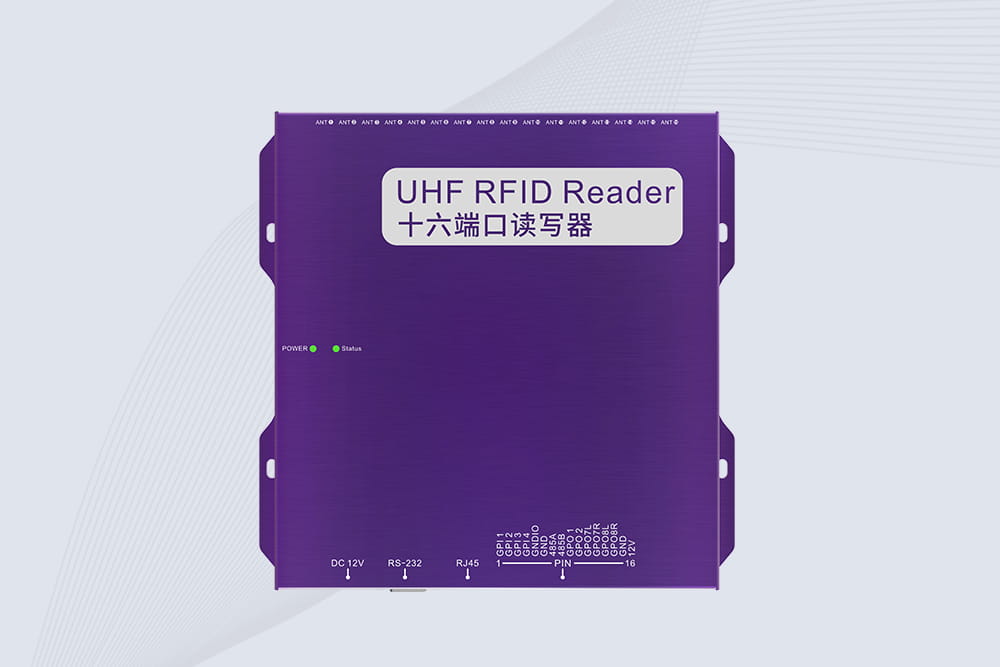
RFID Fixed Reader from CYKEO – the CYKEO-R16L 16-port UHF fixed reader for warehouses, smart cabinets, and production lines. Long-range, multi-tag reading, stable performance for 24/7 industrial use.
RFID Industry Writer | IoT & Asset Tracking Analyst
James writes about RFID technology, asset tracking, and the practical challenges of digital transformation across warehousing, retail, manufacturing, and logistics.
His work focuses on how RFID is applied in real-world operations—improving inventory visibility, automating workflows, and helping businesses manage assets with greater accuracy and efficiency.
He regularly covers topics including UHF RFID, smart cabinets, RFID portals, tool tracking, warehouse automation, and industrial IoT trends..
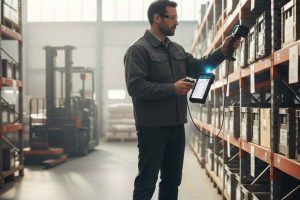
How to read RFID tag with iPhone in real use. Learn what iPhone can’t do alone, and how CYKEO makes UHF RFID reading work via Bluetooth.
More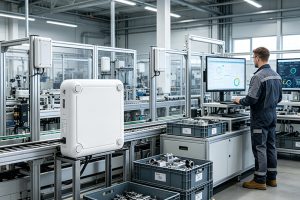
Discover Cykeo system rfid solutions for automated identification, asset tracking, inventory visibility, and industrial management with reliable RFID technology.
More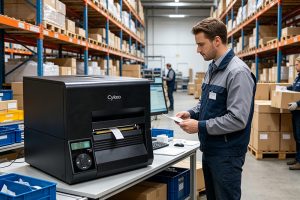
RFID label printers improve inventory accuracy, asset tracking, and warehouse automation with fast RFID encoding and reliable label printing solutions.
More
Learn how to code rfid tags with professional RFID writers, software tools, and practical methods. Cykeo explains RFID programming for reliable tag management.
More