 Cykeo RFID IoT Solution Products R&D Manufacturer

When Conducting a Records Inventory, a Portable RFID Reader Changes Everything.
198Discover why when conducting a records inventory a portable RFID reader is transformative. Learn best practices for faster, more accurate audits.
MoreAll RFID Product
A long range RFID scanner helps data centers track servers, network equipment, storage devices, racks, maintenance tools, spare parts, and other IT assets as they move between receiving, staging, installation, maintenance, and storage areas. RFID can reduce manual inventory work and improve asset visibility, but metal cabinets, server racks, cables, and electronic equipment require careful tag placement and reading-zone design.
A typical data center RFID system includes:
When a tagged asset passes through the reading area, the reader captures the tag’s EPC. The software can associate that EPC with information such as:
Instead of relying only on manual barcode scans or spreadsheet updates, the data center can create automatic movement events.
For example:
Receiving → Inspection → Staging → Rack Installation → Maintenance → Decommissioning
RFID can record these transitions when the equipment passes through defined checkpoints.
A long range RFID scanner can be used with many types of data center assets, including:
The most suitable tagging level depends on the asset management process.
Large equipment may receive one tag per device. Small components may be grouped in a tagged container or tray. High-value parts may require individual identification, while low-value consumables may be managed through batch-level tracking.
The objective is not necessarily to tag everything. A better starting point is to identify the assets that cause the most inventory problems, replacement costs, or audit work.
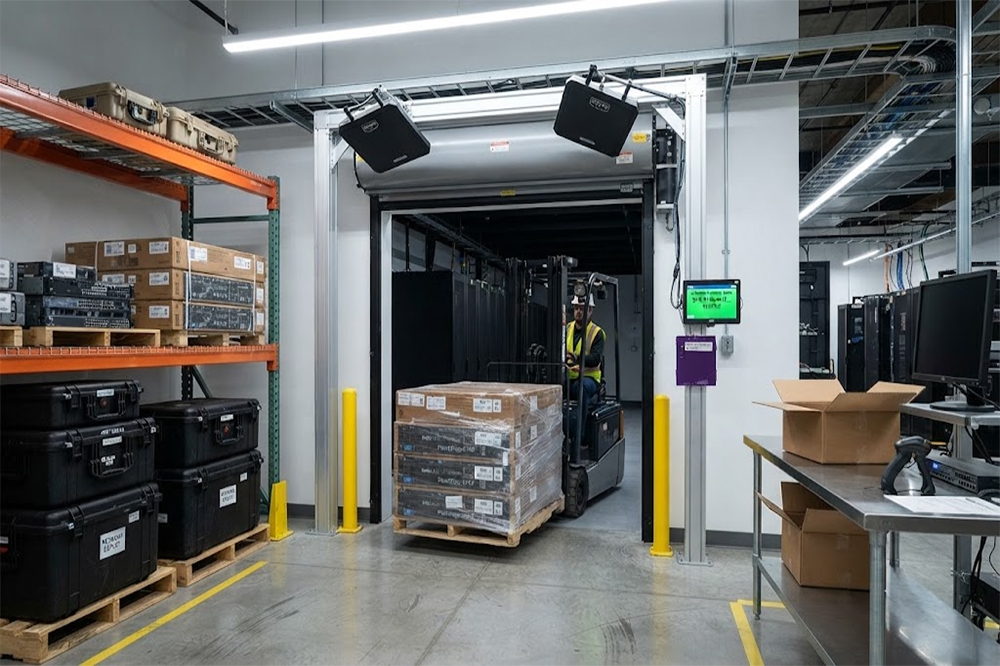
New equipment often arrives in shipping cartons, pallets, or protective cases. Before installation, it may remain in a receiving or staging area for several hours or days.
Manual records can become inaccurate when equipment is moved between:
A long range RFID scanner installed at a transfer point can record when tagged equipment enters or leaves each area.
For example, a server may be received, inspected, configured, and assigned to a rack. RFID events can help confirm that the correct equipment reached the correct stage.
This is particularly useful when multiple similar devices arrive together. RFID can provide an additional identity layer beyond shipping labels and handwritten records.
Data centers often contain many devices with similar external appearances. A manual inventory check may require technicians to open cabinets, read labels, record serial numbers, and compare the results with the asset database.
RFID can simplify part of this process. A handheld or fixed reader can identify tagged devices within a defined area, reducing the need to scan every barcode individually.
However, server racks create a challenging RFID environment. Metal surfaces can reflect radio signals, and equipment may be tightly packed. A tag placed directly against a metal surface may not perform well unless it is designed for metal mounting.
For this reason, data center projects often use:
The tag position should be consistent across the equipment fleet. A repeatable mounting method makes later inventory checks more reliable.
Yes, but ordinary RFID tags may not perform well when attached directly to metal. Server cabinets, rack rails, power equipment, and network devices can change the behavior of the radio signal.
The final reading performance depends on:
On-metal RFID tags are usually a better option for metal equipment. Even then, the tag should be tested on the actual server, switch, cabinet, or tool rather than on a flat sample plate.
A tag that reads well in an open area may perform differently when installed inside a crowded rack.
RFID can support rack-level asset management by associating equipment tags with cabinet IDs or rack locations.
A data center may use RFID to confirm:
RFID does not automatically determine the exact rack position of every device. A fixed reader may identify equipment passing through a doorway or aisle, but precise location often requires additional methods, such as:
The system should distinguish between area-level visibility and exact location visibility. These are different technical requirements.
Data center technicians use specialized tools and replacement components that may move between server rooms, workshops, and equipment cabinets.
Common examples include:
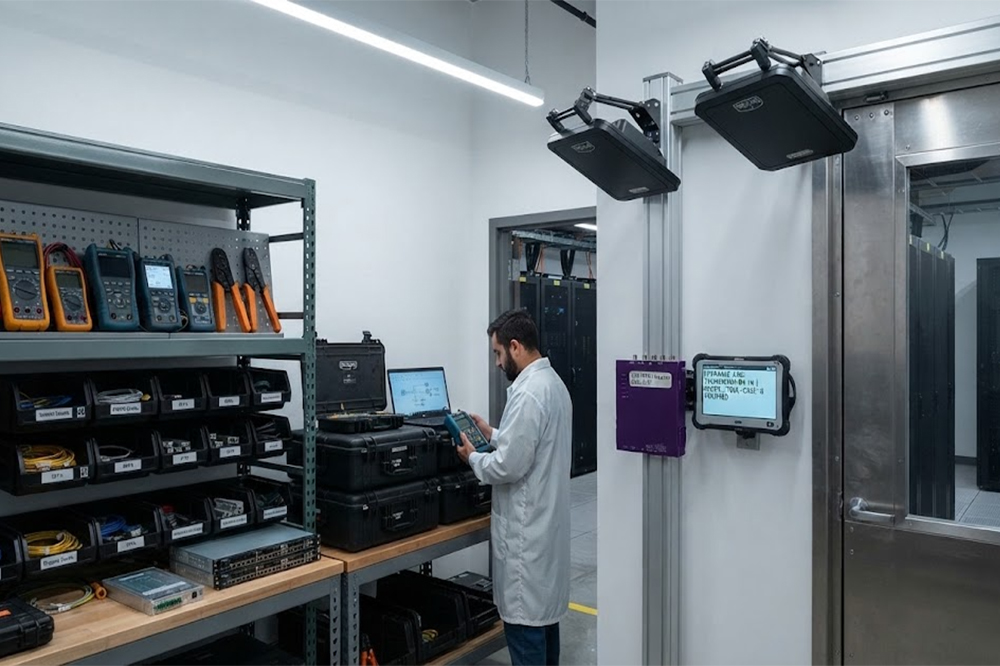
A long range RFID scanner can identify tagged tools or spare-part containers when they pass through a workshop door or equipment issue counter.
This can reduce the time spent searching for tools and help maintenance teams understand which assets are currently in use, in storage, or awaiting return.
For small components, a tagged tray or container may be more practical than placing an RFID tag on every individual item.
Inventory audits are a major use case for RFID.
A traditional audit may require technicians to:
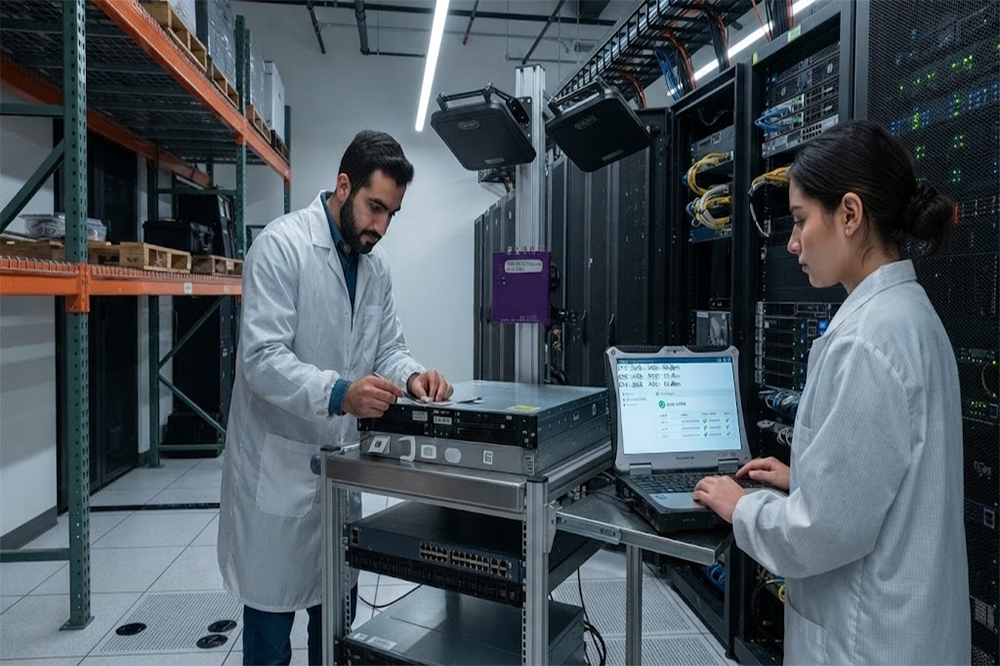
With RFID, a reader can identify multiple tagged assets in one area. A handheld reader may support aisle-level checks, while fixed readers can provide automatic movement records.
The RFID system can help identify:
RFID does not eliminate the need for audits, but it can reduce the manual effort required to perform them.
A data center may contain several rooms, racks, and corridors close to one another. If the reader detects tags outside the intended area, the software may create incorrect movement records.
For example, a reader at a staging-room door should not record equipment that remains inside a neighboring room. A reader near a maintenance workshop should not automatically classify every nearby tool as returned.
To control the reading zone, system designers may use:
The best configuration depends on the room layout and asset movement process. Maximum reading distance is not always the main goal. Controlled and repeatable identification is usually more valuable.
RFID data becomes useful when it connects with existing systems, such as:
The reader may communicate through Ethernet, TCP/IP, serial interfaces, APIs, or digital I/O. Software can then convert raw EPC reads into asset events.
For example:
RFID Read → Asset Identification → Location Verification → Status Update
A more advanced workflow may include:
RFID Read + User Login + Work Order → Equipment Removal Record
This helps prevent a simple RFID read from being treated as a complete maintenance transaction. The software may need to combine RFID data with user identity, work orders, rack information, and time windows.
Consider a data center operator managing several facilities. The company receives hundreds of servers, switches, and spare parts each month. Equipment is moved from receiving to staging, then to configuration rooms and server halls.
The company attaches on-metal RFID tags to selected equipment and installs long range RFID readers at:
The asset management platform records each movement event. Technicians can also use a handheld RFID reader during periodic inventory checks.
When a server is moved from staging to installation, the system records the event and updates its status. When a device returns for maintenance, the reader records the arrival and links the movement to the maintenance workflow.
The project still requires testing because rack density, metal surfaces, tag orientation, and nearby equipment can affect reading performance.
A data center RFID pilot should use the actual equipment and room layout.
Important test conditions include:
Testing should also include normal maintenance activity. Technicians may carry several devices, place equipment on carts, move through doors quickly, or temporarily store assets in unusual locations.
These practical conditions often reveal problems that are not visible during a simple open-area reading test.
When selecting a long range RFID scanner for data center applications, consider:
The reader, antenna, tag, and software should be evaluated together. A high-power reader cannot compensate for a poorly selected tag or an uncontrolled reading zone.
RFID can improve asset visibility and reduce manual inventory work, but it does not replace established data center procedures.
A complete asset management process may still require:
RFID should support these processes by providing more reliable identity and movement data.
A long range RFID scanner can help data centers track servers, network equipment, racks, tools, spare parts, and other IT assets across receiving, staging, installation, maintenance, and storage areas.
The main challenge is the metal-rich environment. Reliable performance depends on suitable on-metal tags, consistent tag placement, carefully positioned antennas, controlled reading zones, and software that converts RFID reads into meaningful asset events.
With a practical pilot and proper system integration, RFID can reduce manual inventory work, improve equipment traceability, and provide data center teams with a clearer view of where critical assets are located.
Before equipment reaches the server room, RFID warehouse inventory tracking can help operators manage receiving, temporary storage, staging, and dispatch records.
The same principles used for RFID manufacturing equipment tracking can be applied to data center tools, maintenance devices, and equipment movement control.
Explore long range RFID scanner solutions for receiving areas, equipment staging rooms, maintenance workshops, and controlled asset transfer points.
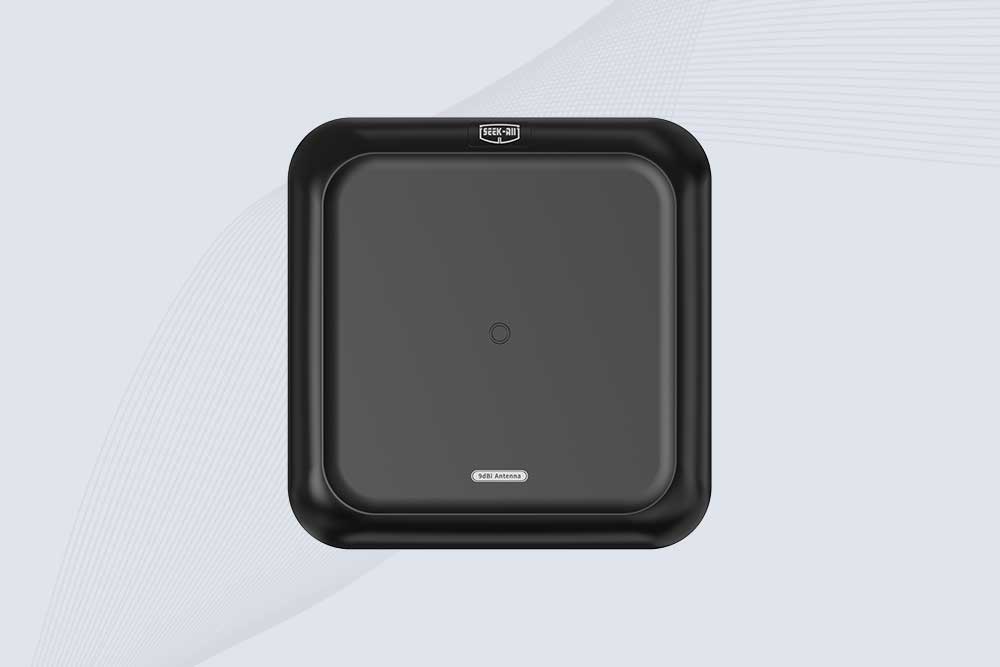
SSD-A09 Enterprise-Grade Far-Field Antenna for High-Performance RFID Systems ✔️Full-Band UHF RFID Coverage Supports an adjustable frequency range of 840–960 MHz, covering major UHF RFID frequency bands for different regional deployments. ✔️ 9 dBi High-Gain Circular Polarization With a peak gain of ≥9 dBi and circular polarization, SSD-A09 helps…
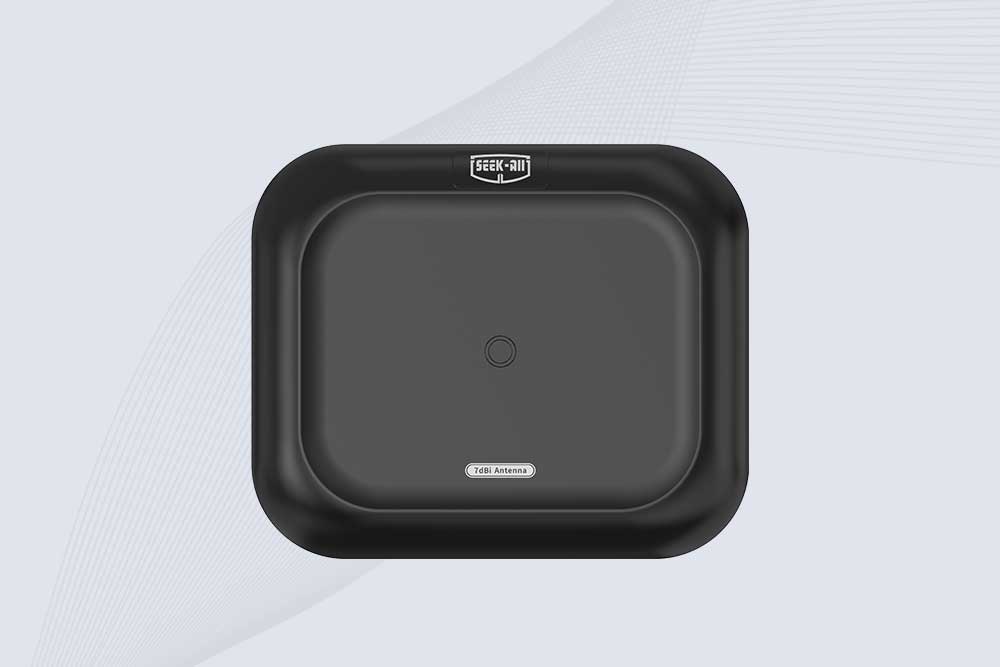
Explore the SSD-A07 UHF RFID antenna with 7 dBi gain, circular polarization, adjustable 840–960 MHz frequency, and 60°/75° beamwidth for stable RFID read/write performance.

SSD-A06 UHF RFID antenna with circular polarization, adjustable 840–960 MHz frequency, ≥4.5 dBi gain, and a compact directional design for RFID systems.
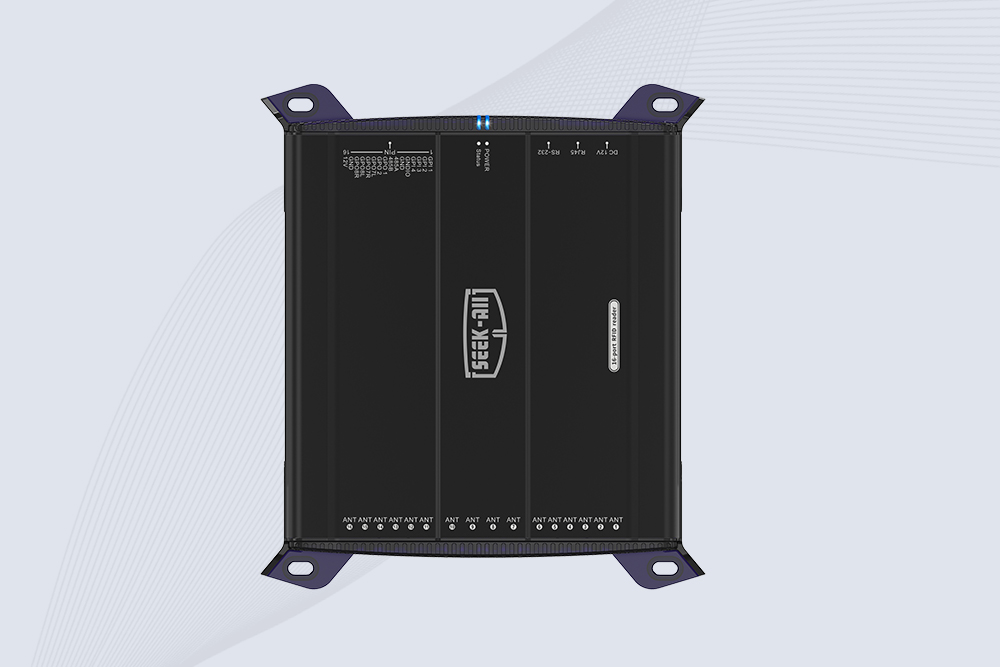
SSD-R16L Multi-Channel RFID Infrastructure for Automated Inventory Management ✔️ 16-Port High-Density RFID Reading Equipped with 16 SMA antenna ports, SSD-R16L supports multi-antenna deployment for warehouses, retail stores, logistics, production lines, and large-area RFID identification. ✔️ High-Speed & Long-Range Performance With up to 33…
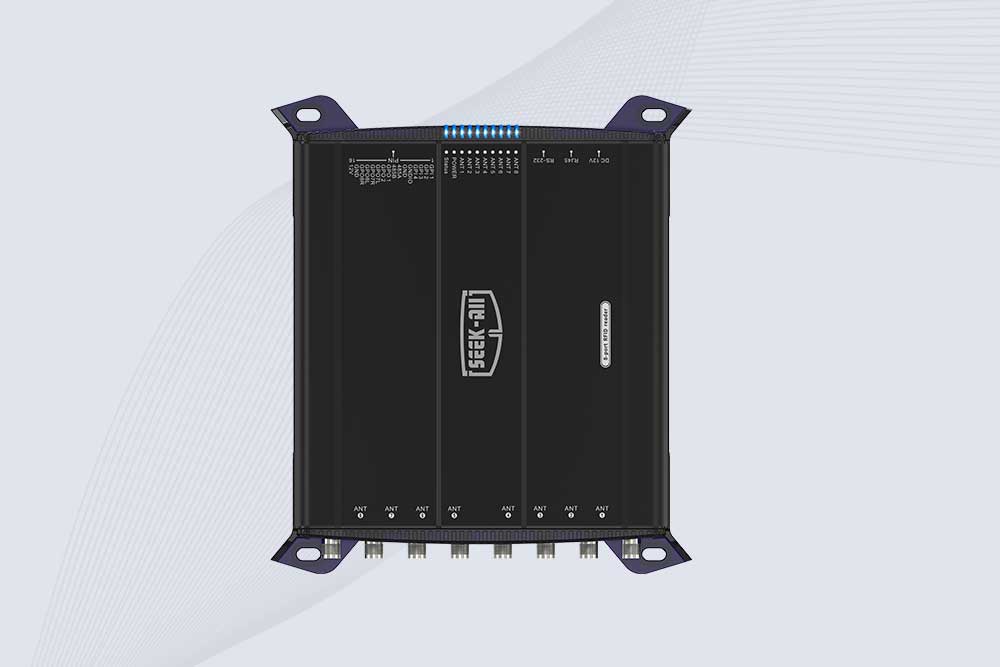
SSD-R8L 8-port UHF RFID reader with 33dBm output, up to 20m reading range and 600+ tags/s recognition. Ideal for warehouse, logistics, retail and asset tracking.
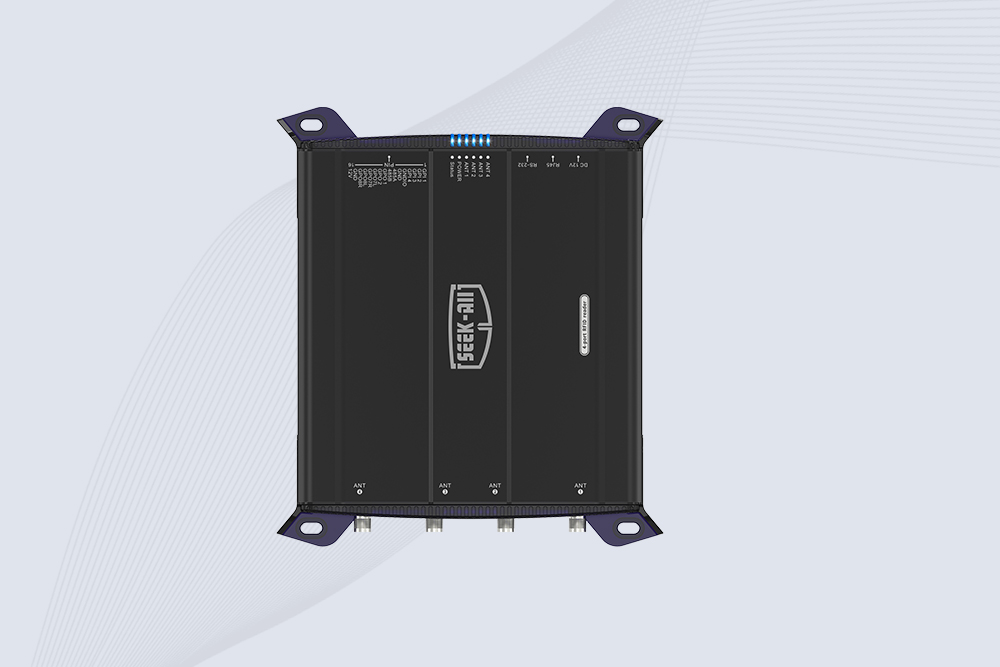
SSD-R4L is a 4-port UHF RFID fixed reader with 33dBm output power, up to 20m reading range, EPC C1G2 support and 600+ tags/s reading speed.
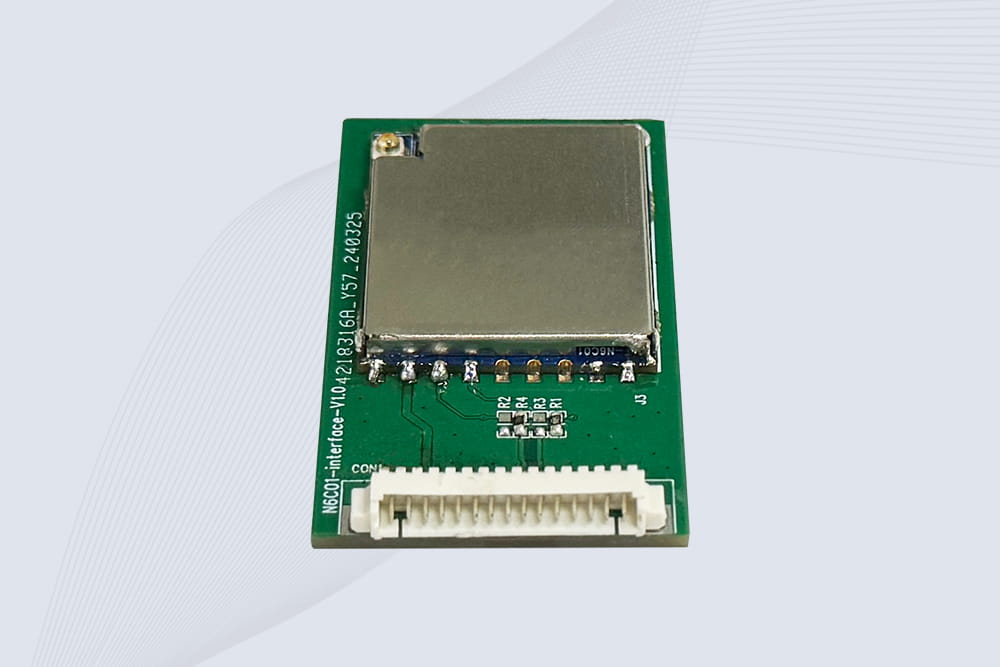
CYKEO Embedded RFID Modules are designed for compact industrial and IoT devices that require stable UHF performance. These UHF RFID Modules support global protocols, flexible power control, and reliable multi-tag reading for smart cabinets, production lines, and asset tracking systems.
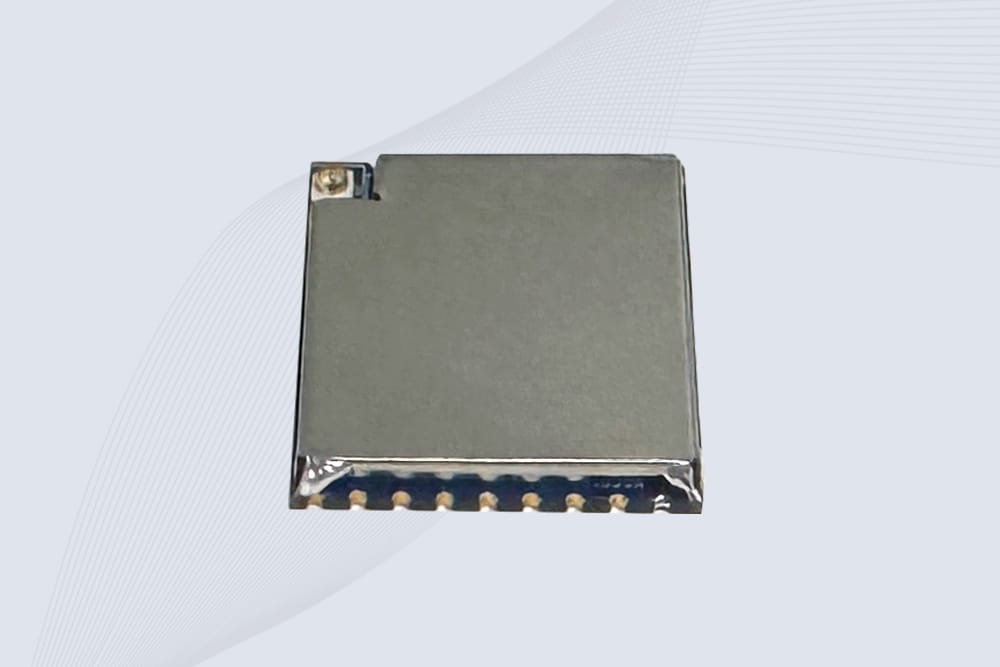
CYKEO Embedded RFID Module is built for compact IoT and industrial devices that need stable UHF performance. This UHF module supports global protocols, low power operation, and reliable multi-tag reading for smart lockers, production lines, and always-on RFID systems.
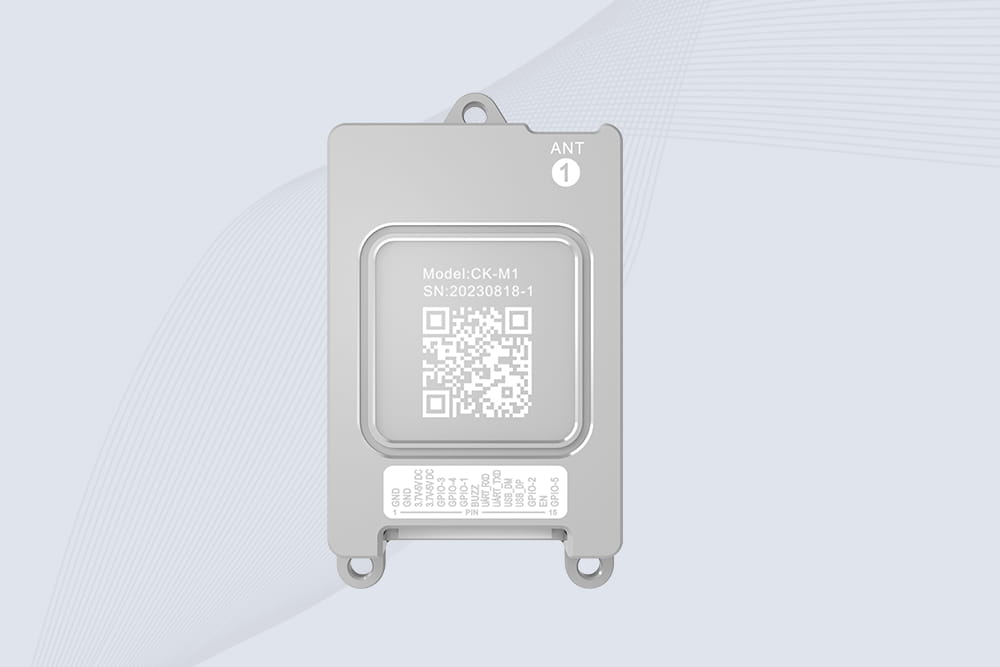
CYKEO CYKEO-M1 drone rfid module is a compact UHF RFID reader module designed for drones and UAV platforms. It supports long-range aerial scanning, fast multi-tag reading, and stable performance in wind, vibration, and outdoor environments.
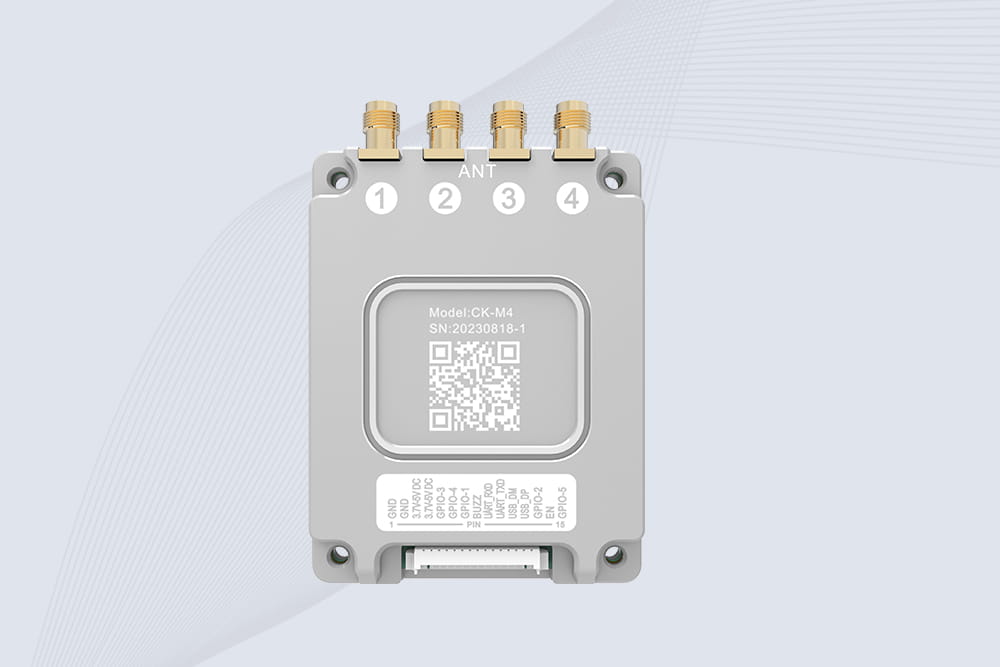
CYKEO CYKEO-M4 RC522 RFID Module is an industrial-grade UHF RFID reader with 4 ports, supporting ISO, EPC, and GB protocols. High-speed, accurate reading for IoT, automation, and warehouse applications.
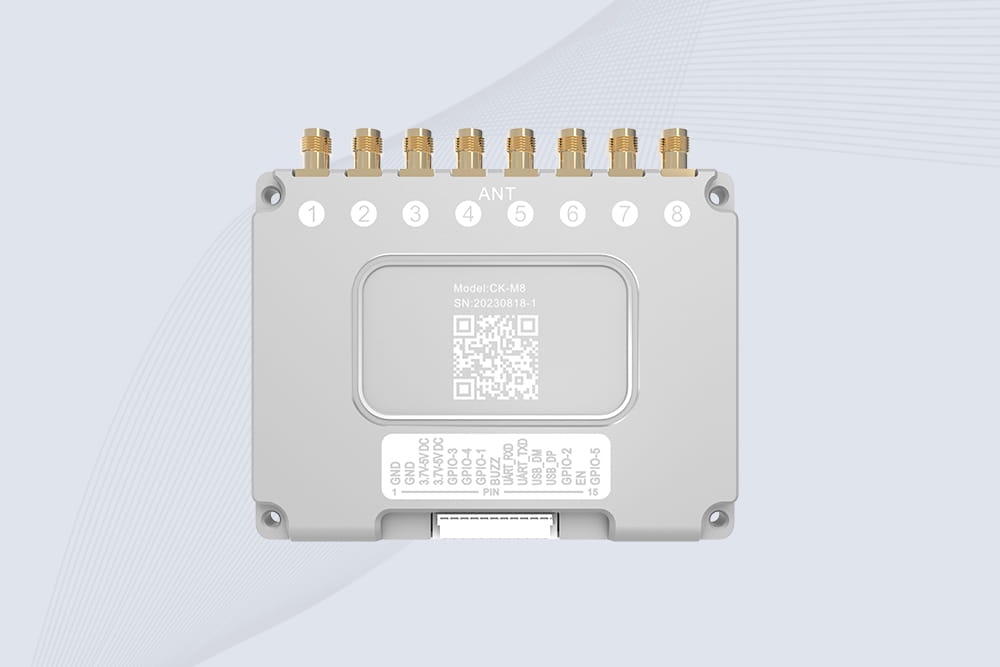
CYKEO CYKEO-M8 Module RFID is an 8-port UHF R2000 RFID Module designed for high-density, multi-tag environments. Stable 33dBm output, ISO & GB protocol support, ideal for warehouses, factories, and automated systems.
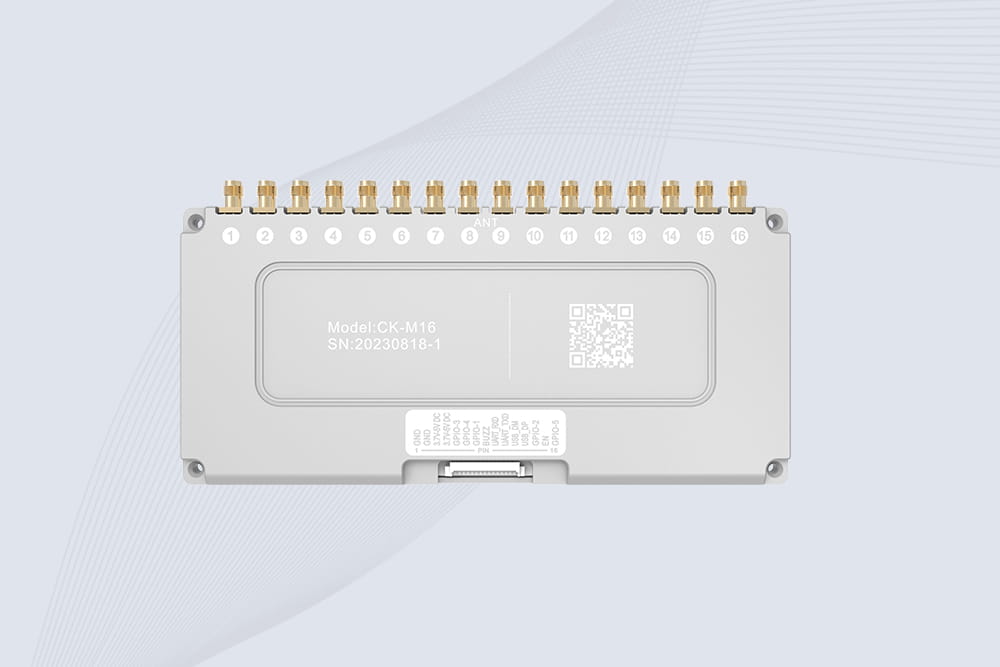
CYKEO CYKEO-M16 RFID Module is a 16-port UHF RFID reader module based on the R2000 chipset. Designed for dense tag environments, it supports ISO and GB standards and delivers stable multi-antenna control for industrial automation.
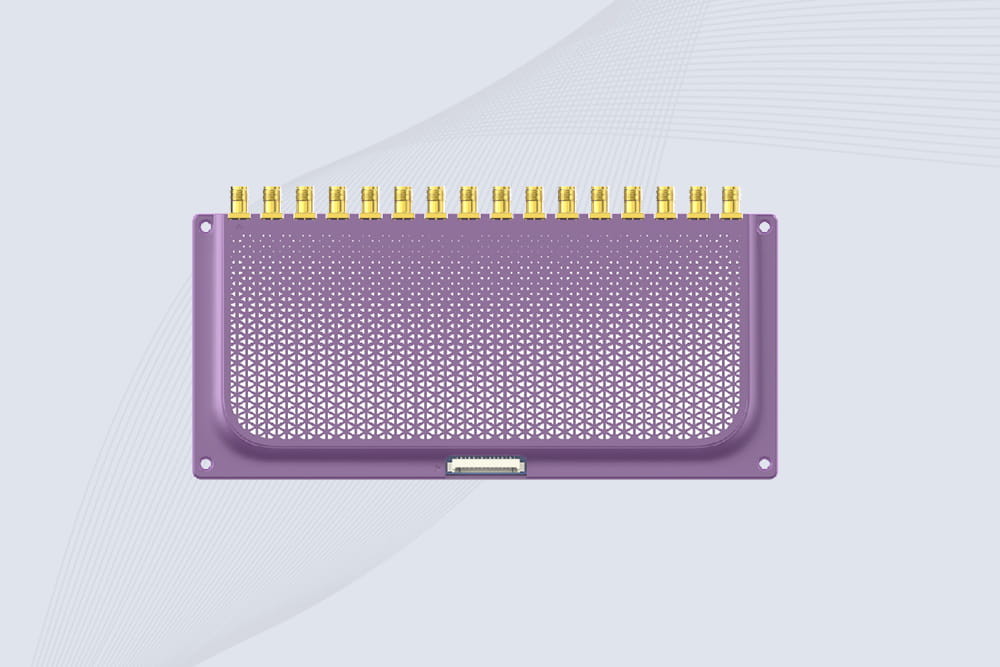
The CYKEO CYKEO-M16L RFID Reader Module is a 16-channel UHF RFID core designed for dense tag environments. With adjustable 33dBm output, multi-protocol support, and stable multi-antenna control, this RFID Tag Reader Module fits industrial automation, warehouse systems, and large-scale IoT deployments.
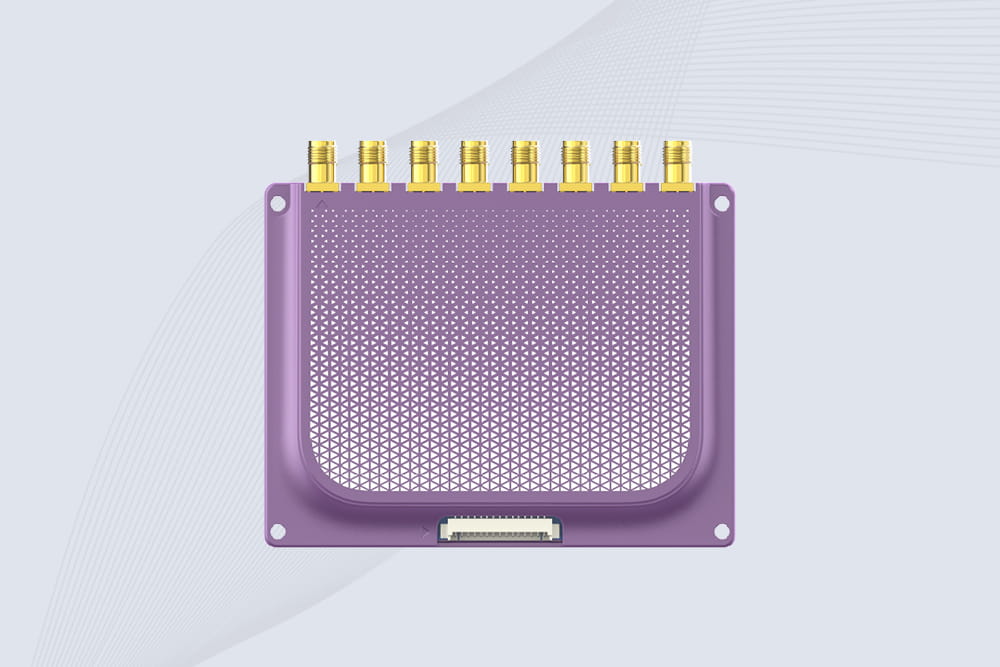
CYKEO CYKEO-M8L module RFID is a compact industrial UHF module built for dense tag and multi-antenna environments. With 8 RF ports, adjustable 33 dBm output, and ISO & GB protocol support, it is widely used in factories, warehouses, and automated tracking systems.
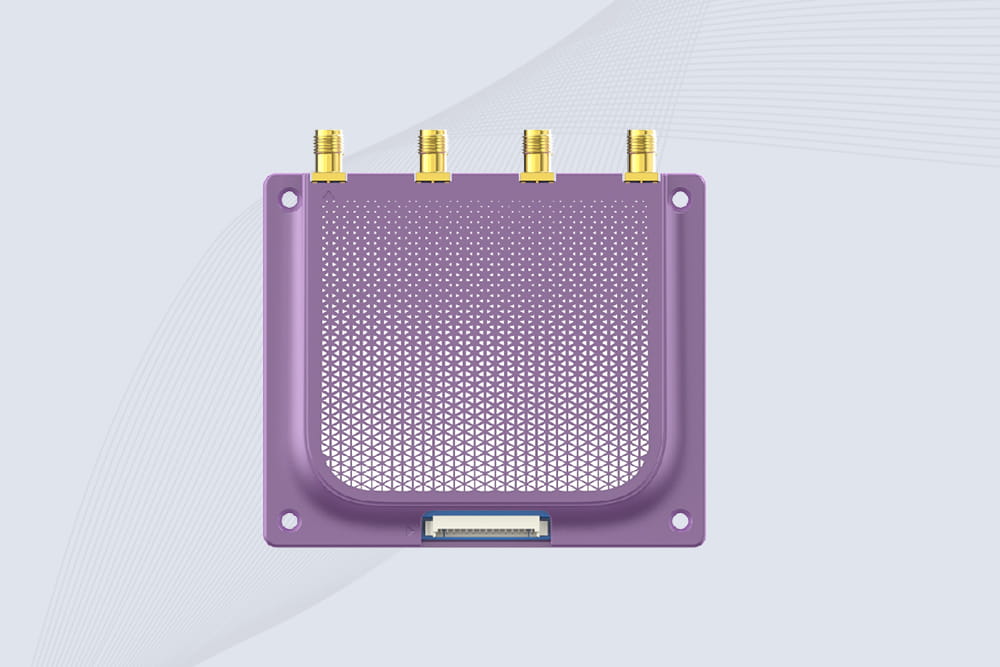
CYKEOCYKEO-M4L UHF RFID Module is a compact 4-channel RFID tag reader module designed for dense tag environments. Supporting ISO and GB protocols, it delivers stable reads up to 10 meters for industrial and IoT systems.
Cykeo CYKEO-A11 UHF RFID reader antenna delivers 11dBi gain, 840-960MHz frequency range, and IP65 ruggedness for retail, logistics, and industrial RFID systems. Features low VSWR and easy installation.

CYKEO Antenna RFID Reader delivers stable long-range UHF performance with a 10.5dBi directional design, built for warehouses, conveyor portals, and industrial RFID systems. This rfid reader antenna provides 20m+ read distance and rugged IP67 protection.

Cykeo CYKEO-PHF3 industrial HF RFID Antenna offers 24-point dynamic tracking, ISO 14443A/15693 protocols, metal-environment stability for archives/libraries/manufacturing.

Cykeo CYKEO-A5B industrial Linear RFID Antenna delivers 5dBi gain, ≤1.5:1 VSWR, and IP65 rugged design for warehouse, production line, and logistics UHF systems.

Cykeo’s CYKEO-B12 Long Range RFID Antenna delivers 15m+ read range with 12dBi gain, IP65 rugged design, and global 840-960MHz UHF support. Ideal for warehouse/logistics asset tracking.
Cykeo CYKEO-B10 Long Distance RFID Antenna offers 10dBi gain, 840-960MHz frequency range, IP65 rating, and 20m+ coverage for logistics/warehousing/ETC systems. Low VSWR ensures stable signal transmission.
Cykeo CYKEO-A6 UHF RFID panel antenna features 6dBi gain, 840-960MHz broadband, IP65 metal-ready housing for logistics/smart retail. 18mm ultra-thin design with tool-free mounting.

Cykeo CK-A3 industrial antenna RFID UHF offers 5m+ tag detection, ≤1.3:1 VSWR, IP65 rugged design, and global UHF spectrum compatibility (840-960MHz) for warehouses, factories, and retail.
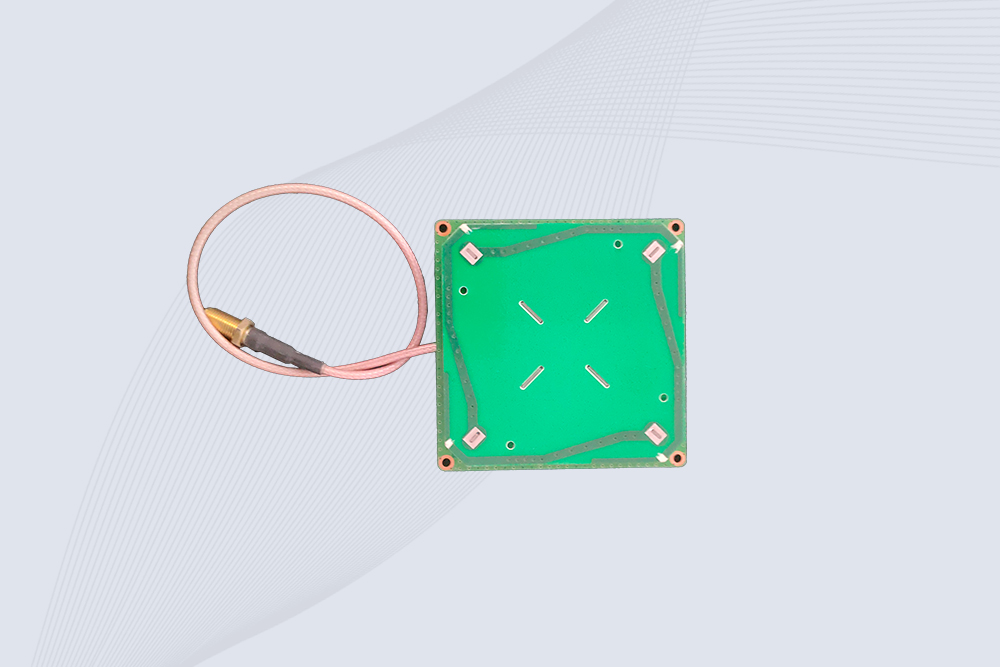
Cykeo CYKEO-B5 directional RFID antenna provides 5dBi gain with 60° narrow beamwidth for precise inventory tracking. IP65-rated, global UHF frequency support, and low VSWR.
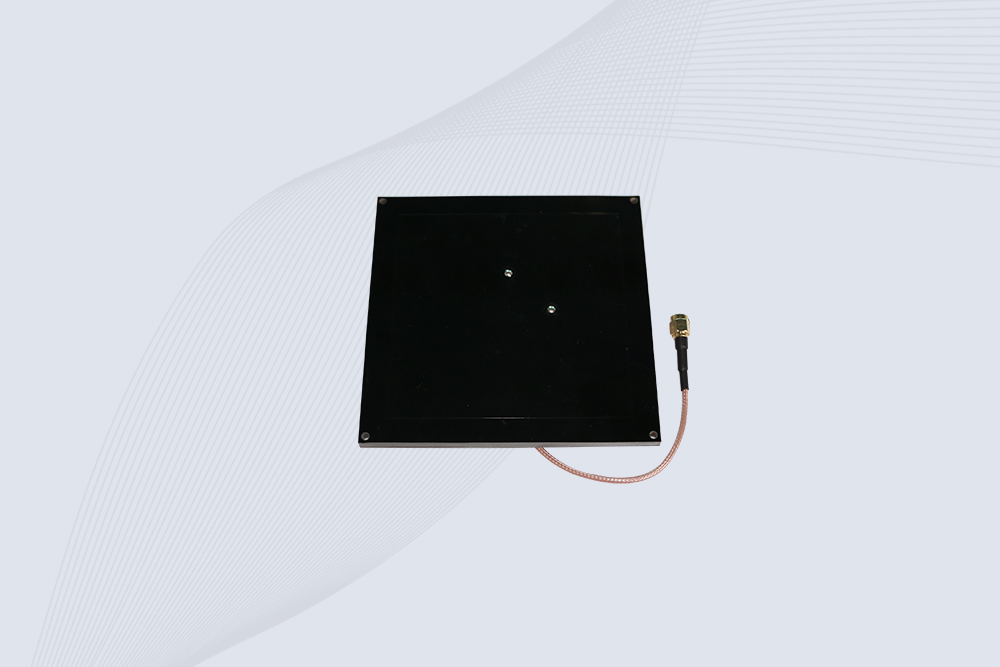
Create your own high-performance DIY RFID antenna! 5dBi gain, 840-960MHz tunable, step-by-step guides. Compatible with Arduino, Raspberry Pi, and commercial UHF readers.
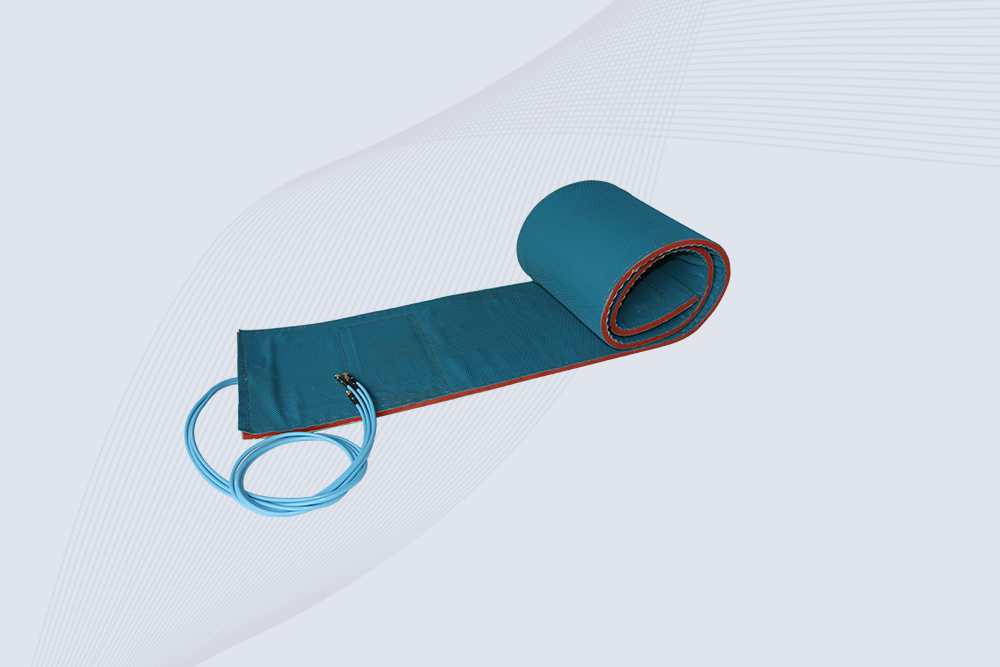
Cykeo CYKEO-A7 Flexible RFID Antenna features 840-960MHz wideband tuning, 7dBi gain, and IP68 rating for medical/retail/industrial curved surface deployments. 98% read accuracy with peel-and-stick installation.

Cykeo CYKEO-B5A industrial Passive RFID Antenna delivers 5dBi gain, 70° beamwidth, and -40°C~55°C operation for warehouses/smart cabinets. Compatible with Zebra/Impinj readers.
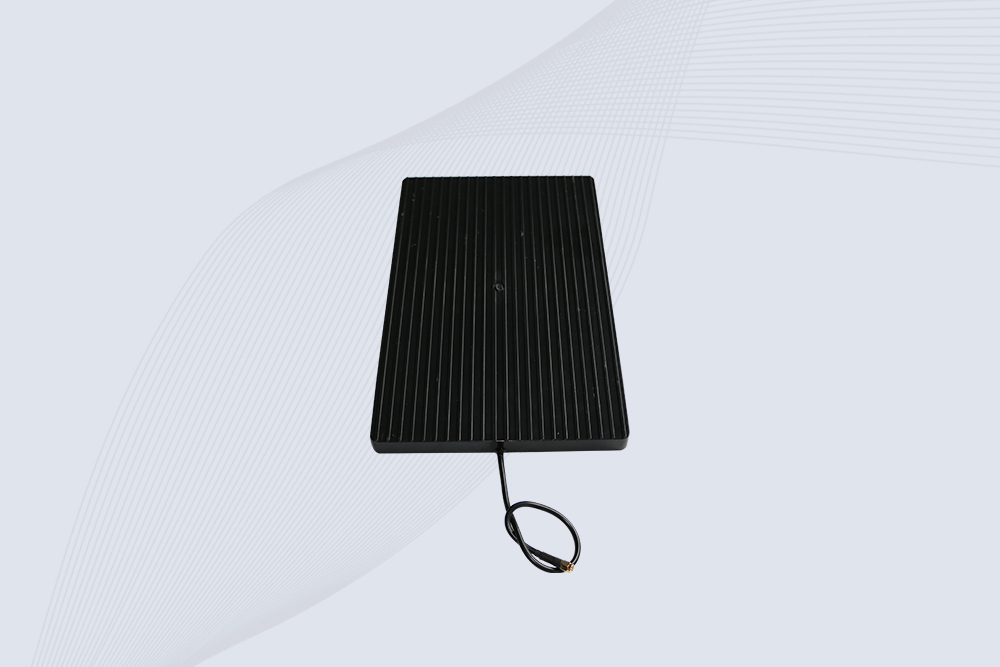
Cykeo’s CYKEO-A9B High Gain RFID Antenna delivers 15m+ read range with 9dBi amplification. Features IP54 rugged design, 840-960MHz bandwidth, and 80° beamwidth for warehouse/manufacturing RFID systems.

Cykeo’s enterprise-grade 8dbi Impinj RFID Antenna 10m+ read range with 840-960MHz tuning. Features IP65 housing, 1.4 VSWR, 35° beamwidth for retail/warehouse RFID systems.
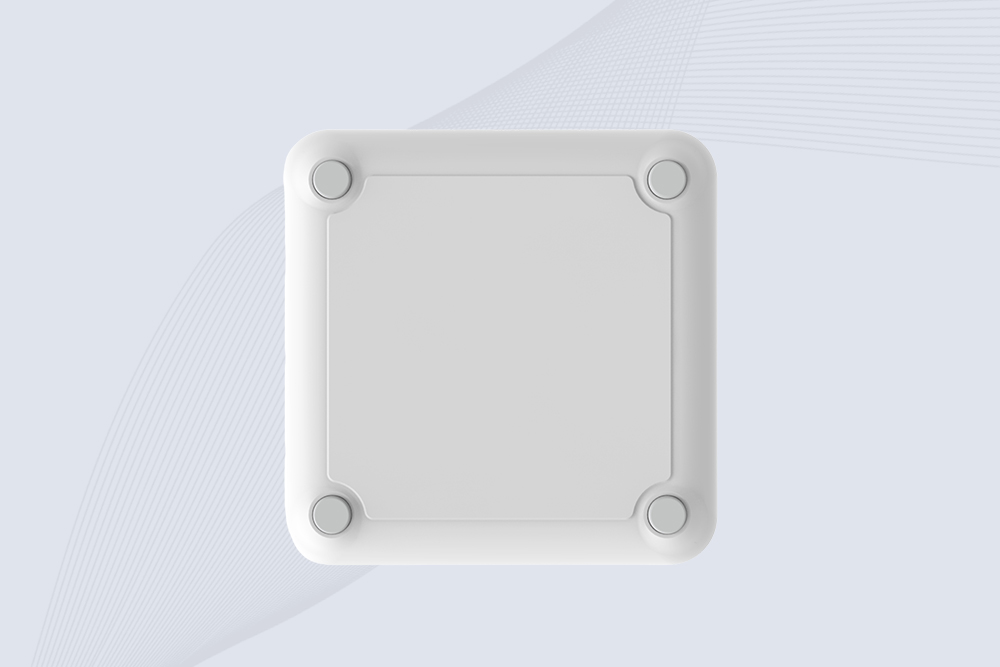
Cykeo CYKEO-A9 industrial UHF RFID antenna delivers 9dBi gain, 840-960MHz frequency range, and IP65 protection for warehouse/logistics/retail RFID systems. Features N-type connector and ≤1.3:1 VSWR.
CYKEO UHF RFID Antenna built for long-distance and industrial applications. This antenna rfid uhf delivers strong gain, outdoor durability, and reliable tag performance in warehouses, yards, and vehicle ID systems.
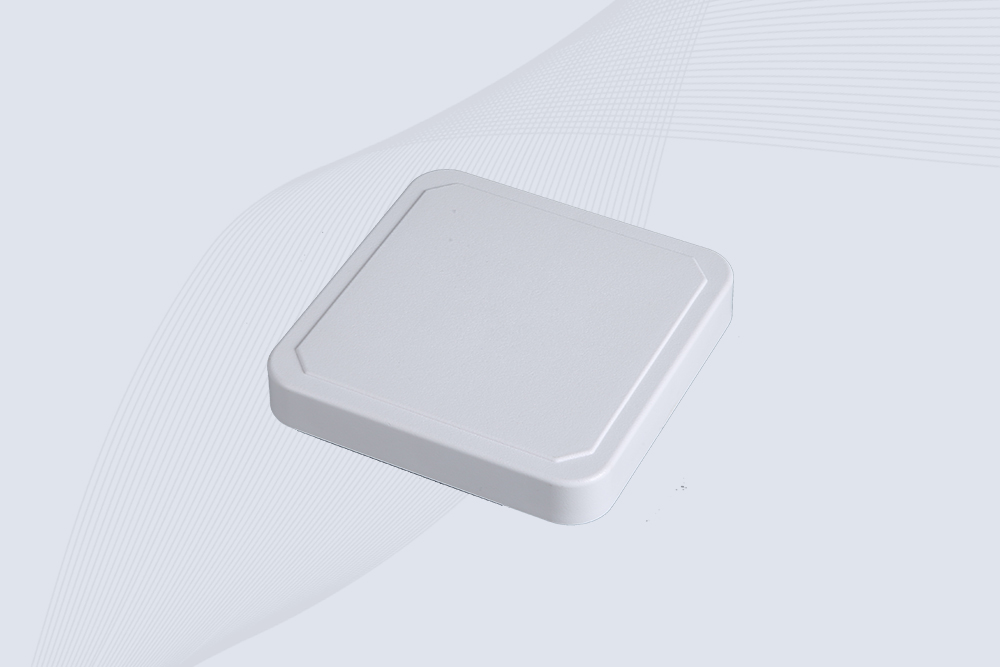
CYKEO Antenna RFID delivers reliable long-range UHF performance in warehouses, retail shelves, and cold-chain environments. This compact uhf rfid antenna provides stable reads with circular polarization and ultra-wide 840–960 MHz support, ideal for industrial tracking, smart shelves, and asset monitoring.
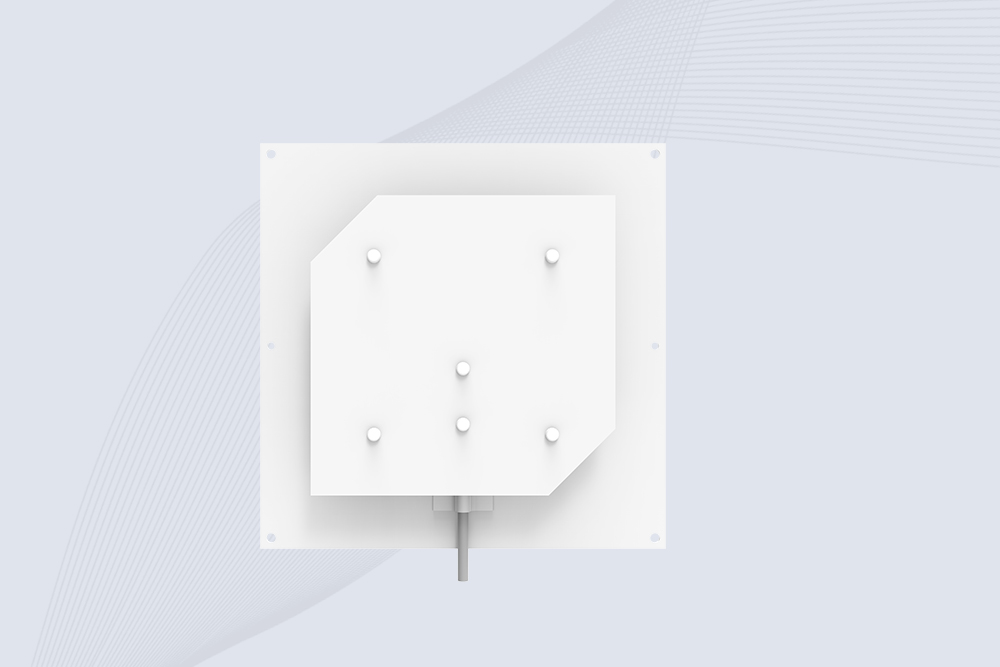
Cykeo’s CYKEO-C8 UHF RFID antennas delivers 8dBi gain, 840-960MHz full-band coverage, and IP65 ruggedness for manufacturing/warehouse RFID systems. Industrial RFID Antennas Features
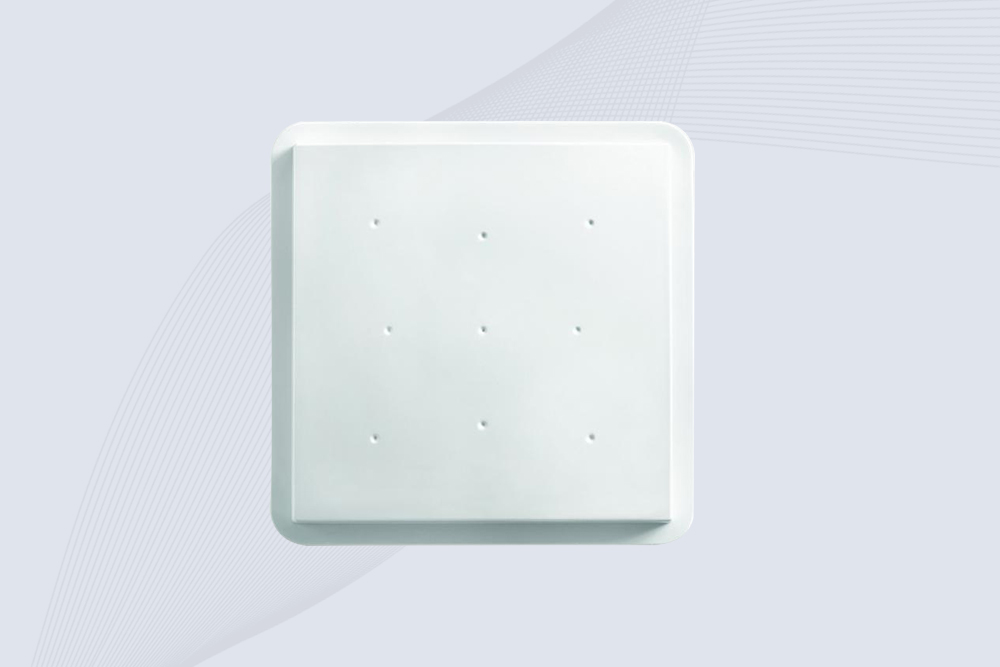
Cykeo’s 8dBi UHF RFID antenna and reader kit delivers 10m+ range, 840-960MHz broadband, and IP65 ruggedness for factories, warehouses, and logistics. ISO 18000-6C & EPC Gen2 certified.
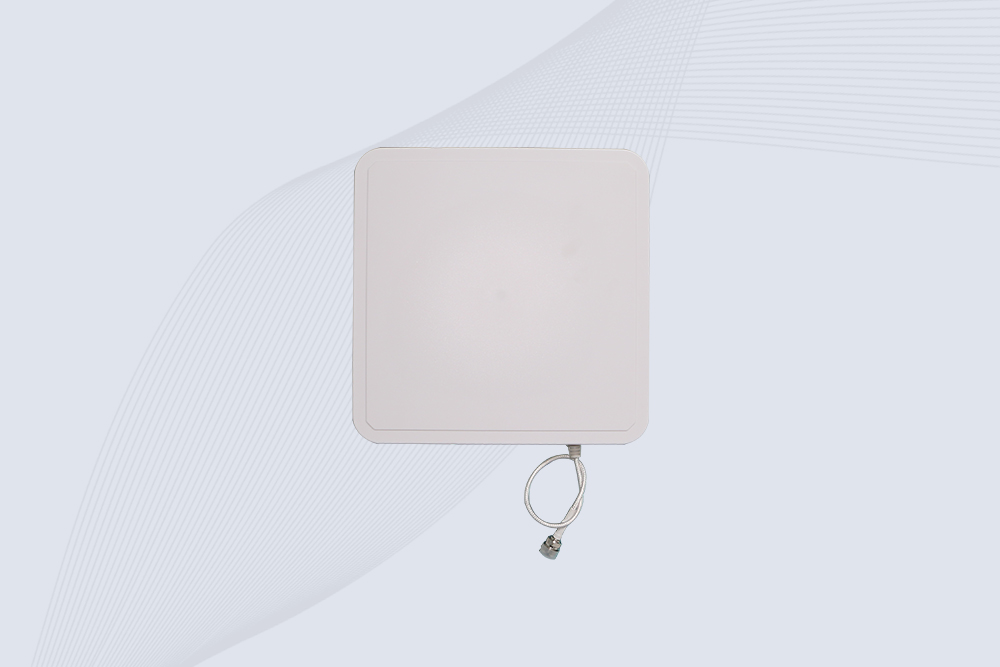
Cykeo CYKEO-A9A industrial UHF RFID reader and antenna kit delivers 10m range, 500 tags/sec, IP65 ruggedness for manufacturing/logistics. Supports EPC Gen2, ISO18000-6C.
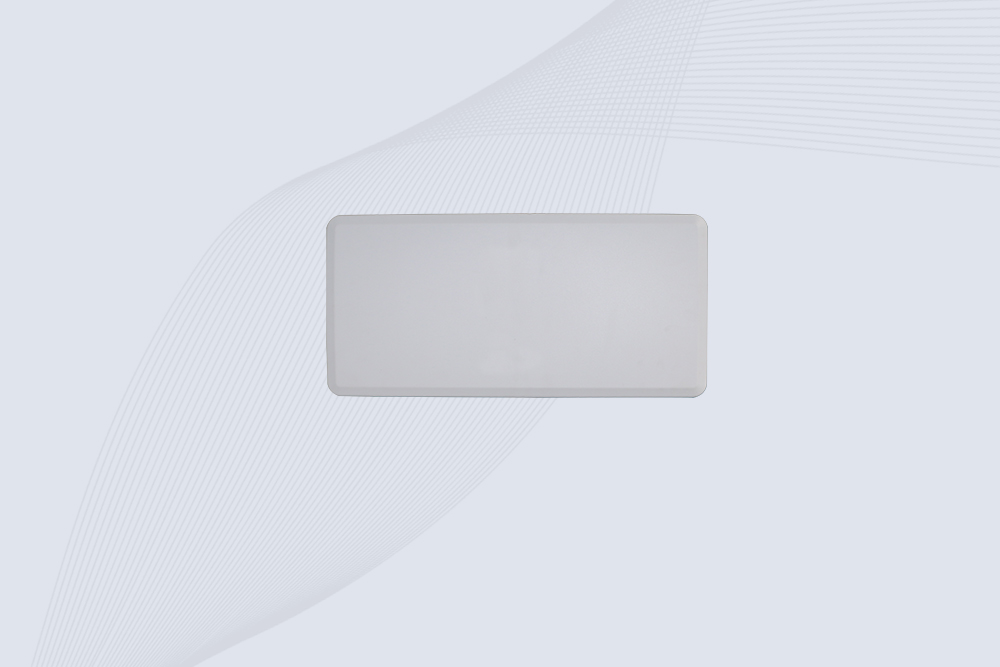
Cykeo’s CYKEO-A12C UHF Large RFID Antenna delivers 12dBi gain, 840-960MHz global frequency, IP65 ruggedness for logistics/warehousing/automotive. 40° beamwidth ensures stable 15m+ tag reads.

CYKEO Near Field RFID Antenna provides precise 5–30 cm reading for shelves, cabinets, and workstations. This compact rfid shelf antenna delivers stable short-range performance around metal and clutter, ideal for pharmacies, libraries, and electronics sorting.
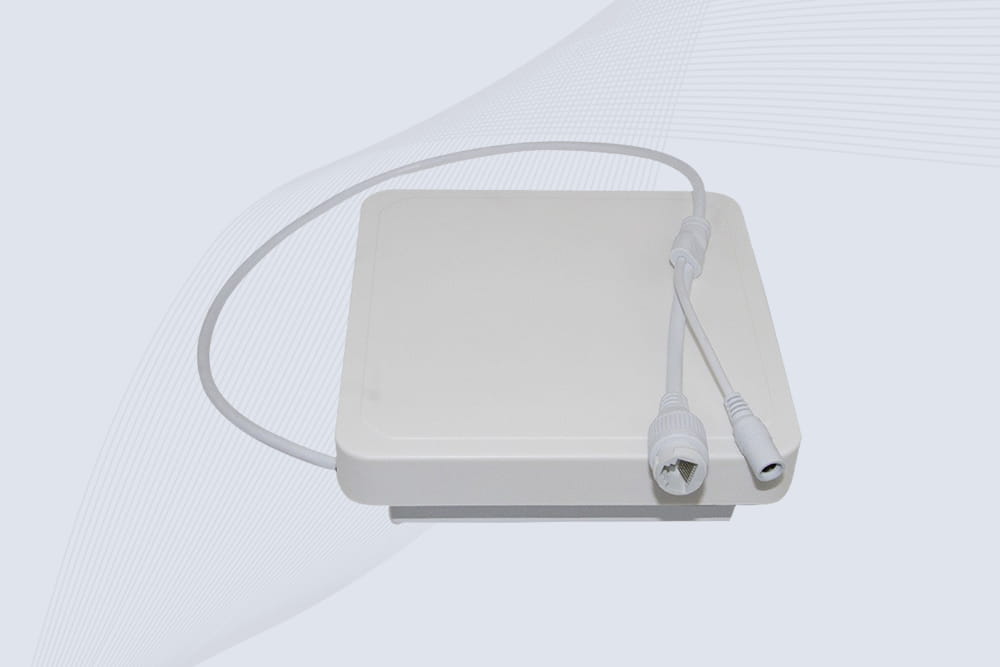
Cykeo’s industrial long range RFID reader delivers 20-meter scanning, 500+ tags/sec speed, and IP67 waterproof design for automated warehouses, logistics, and harsh environment applications.
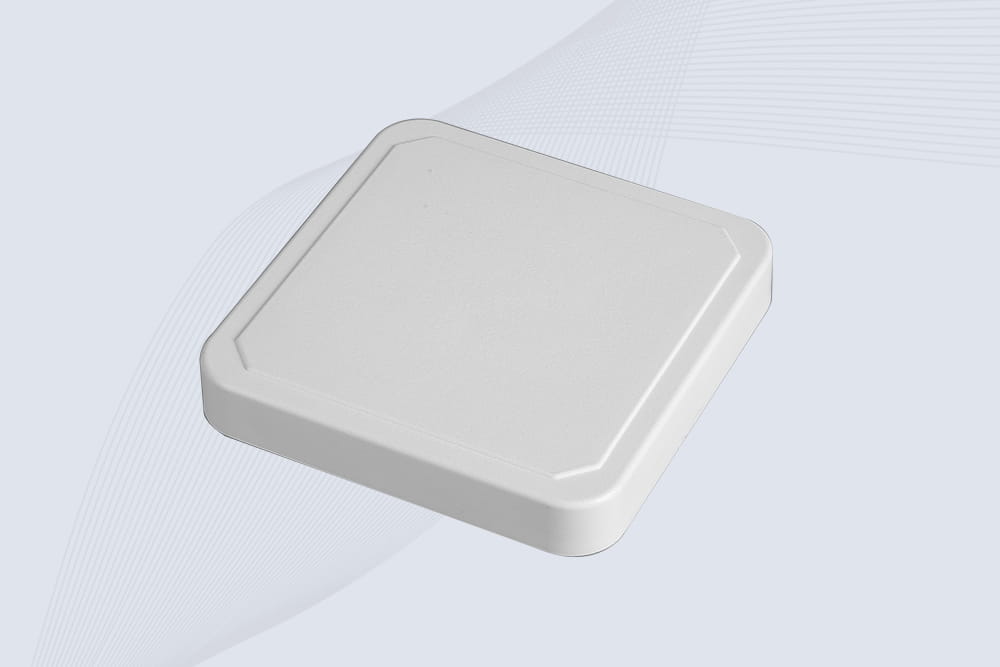
Cykeo’s CYKEO-RA6L industrial RFID long range reader features 20m read distance, 500 tags/sec speed, and IP67 protection. Ideal for warehouse automation, manufacturing WIP tracking, and smart logistics. Supports ISO 18000-6C/6B protocols.
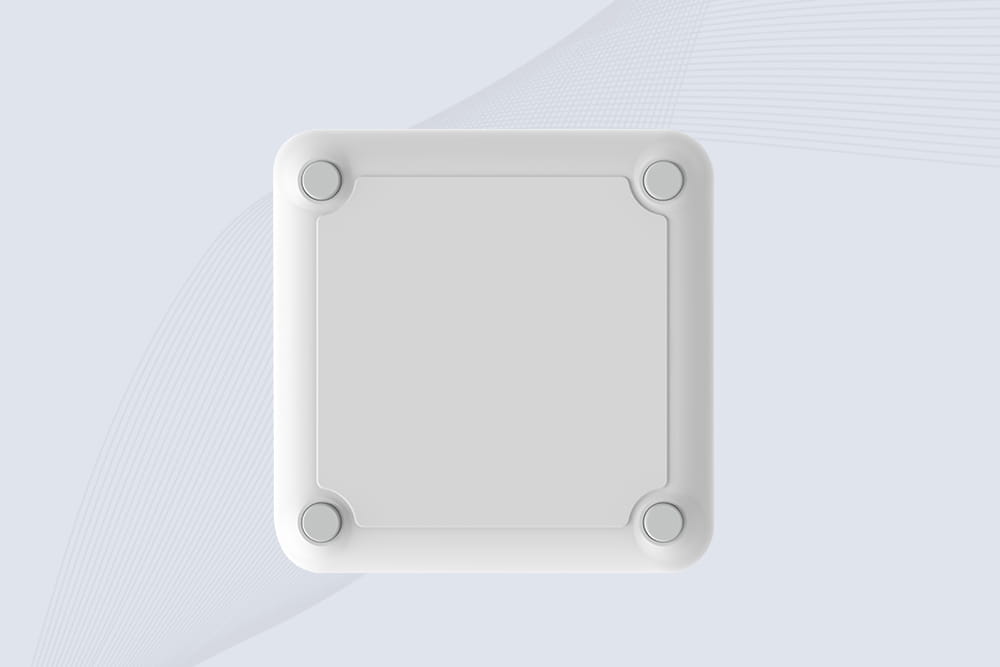
CYKEO Long Range RFID Tag Reader built for outdoor and industrial operations. This Outdoor RFID Reader delivers 20m read distance, fast tag processing, and IP67 durability for wide-area tracking.
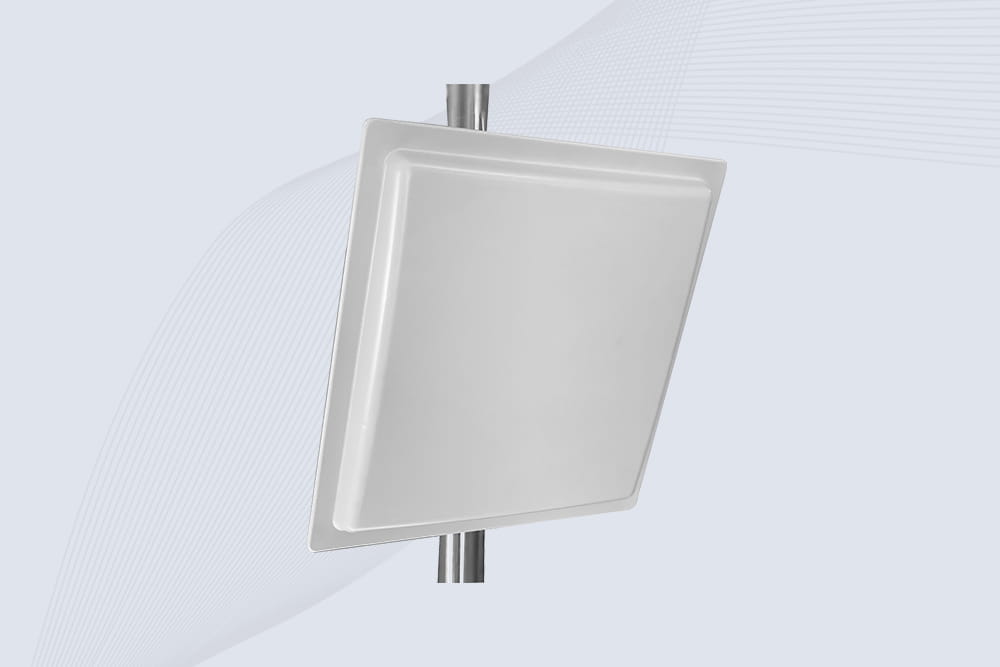
Cykeo CYKEO-RA12L industrial Long Range RFID Reader delivers 20m read range, 200+ tags/sec scanning, and IP67 protection for manufacturing/logistics applications. Supports ISO 18000-6C/GB protocols.
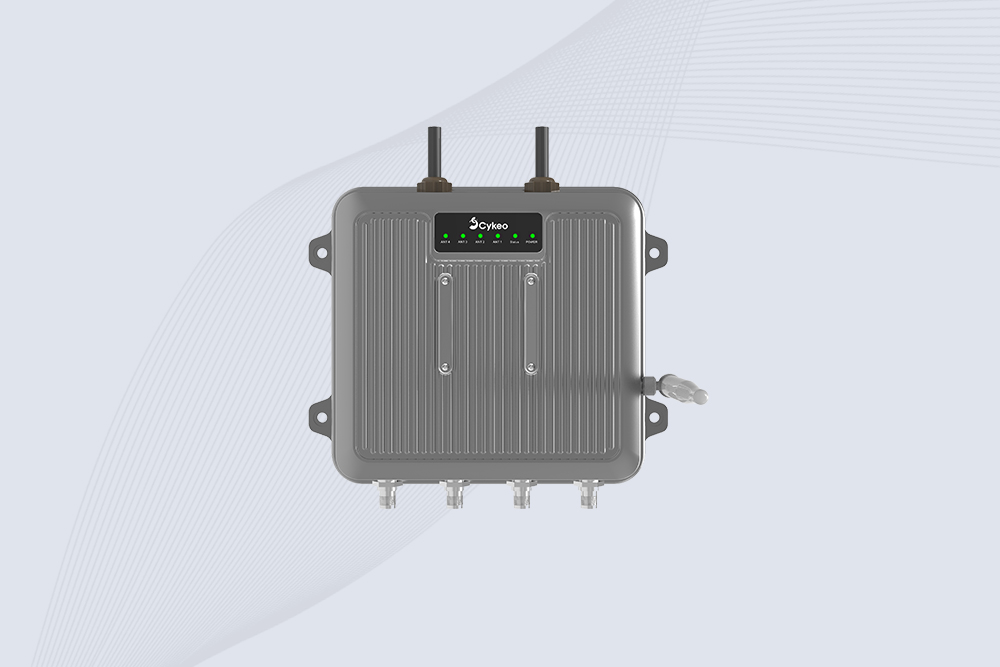
Cykeo CYKEO-C1 industrial Forklift RFID Reader features 20m read range, 600 tags/sec scanning, Impinj R2000 chipset, and IP67 rugged design. Ideal for warehouse logistics and manufacturing. Supports ISO 18000-6C/6B protocols.
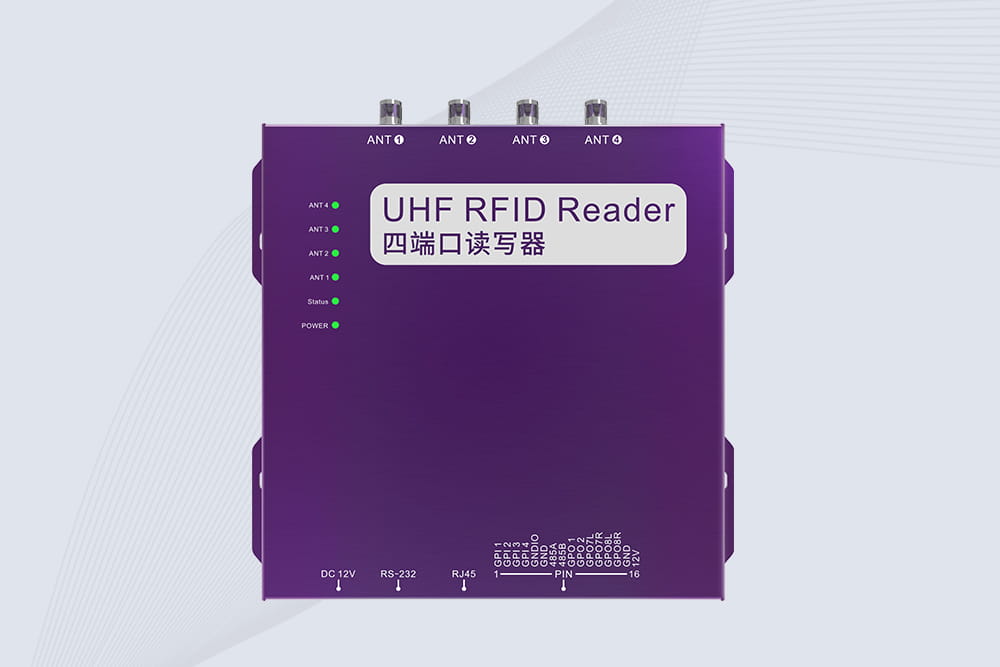
Cykeo CYKEO-R4 industrial UHF RFID Fixed Reader features 4 TNC ports, 400+ tags/sec speed, IP67 housing, and global frequency compliance for vehicle inspection, smart warehouse, and asset management systems.
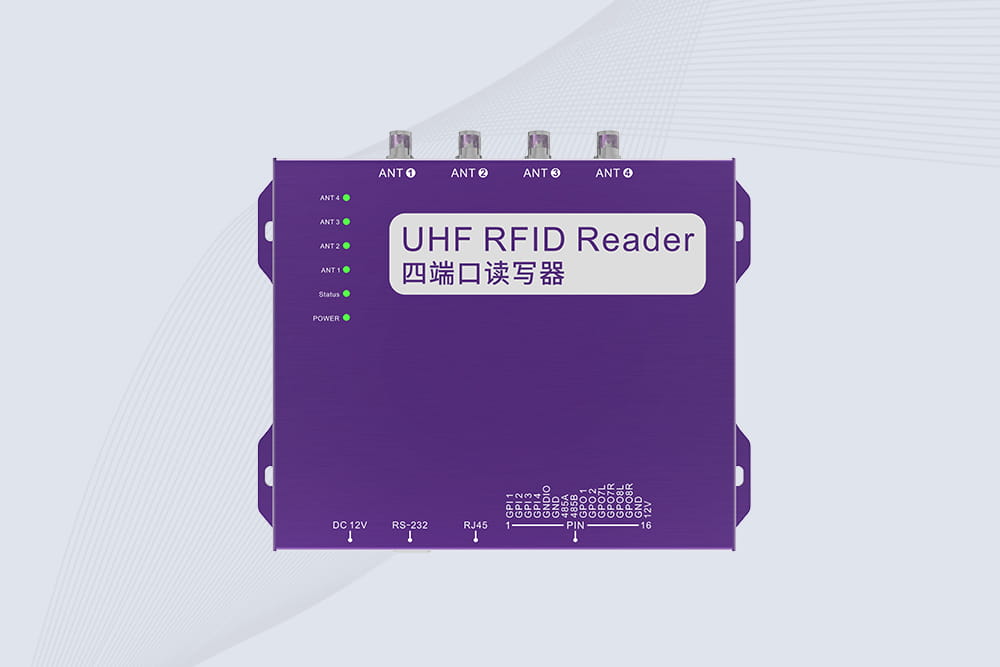
Cykeo’s CYKEO-R4L 4-port Fixed UHF RFID Reader delivers 400 tags/sec scanning, ISO 18000-6C compliance, and IP65 protection. Ideal for warehouse automation, manufacturing WIP tracking, and logistics management.
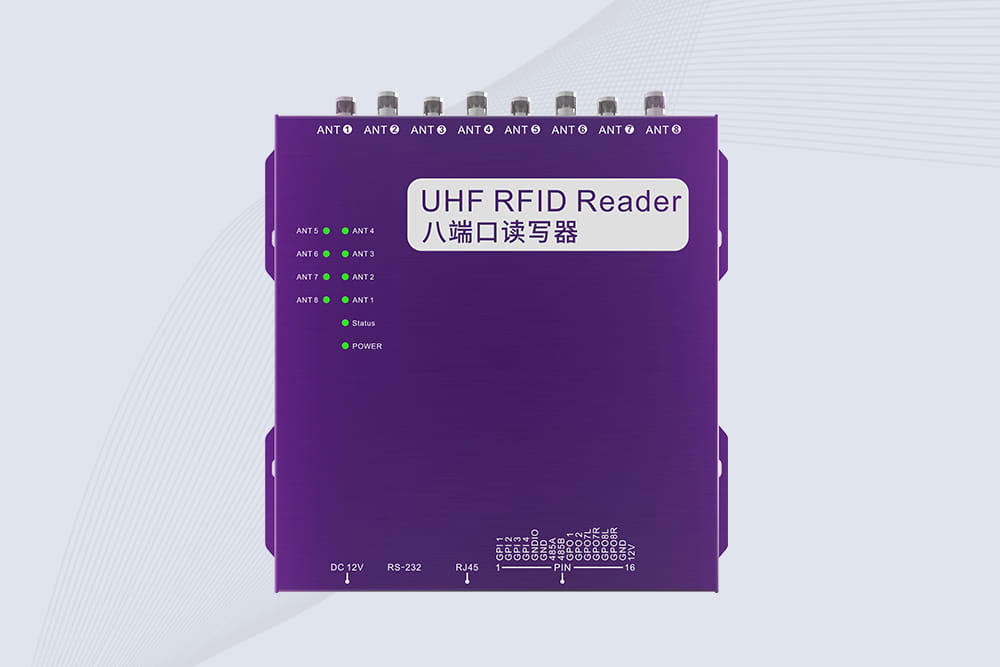
CYKEO CYKEO-R8L Fixed RFID Reader with 8-port UHF design, Impinj-based RF core and up to 20m read range. An industrial Fixed RFID Reader for vehicle inspection, warehouse portals, smart manufacturing lines and secure access checkpoints.
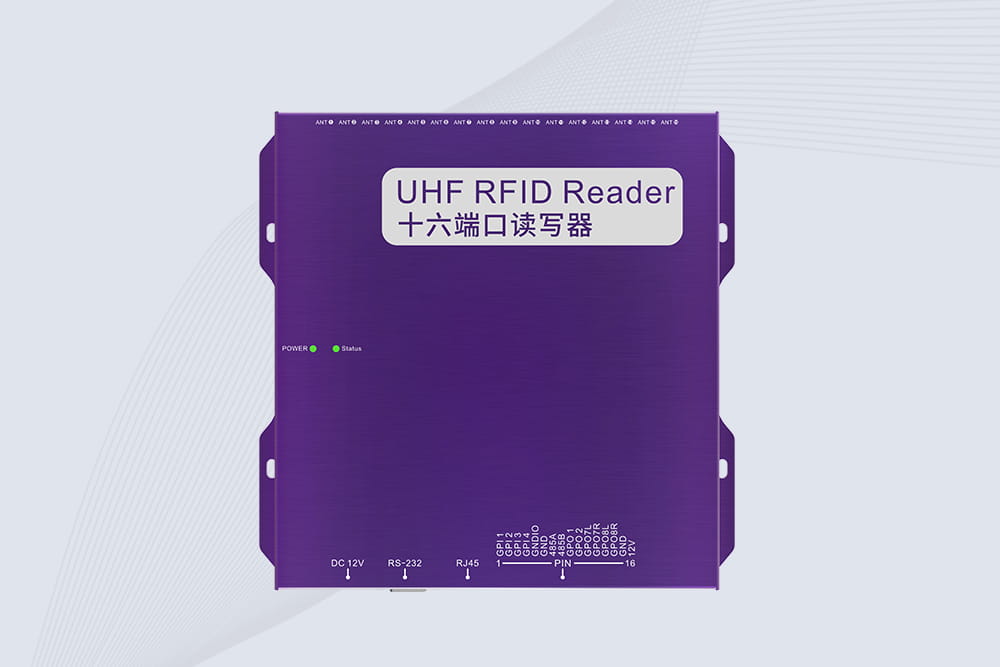
RFID Fixed Reader from CYKEO – the CYKEO-R16L 16-port UHF fixed reader for warehouses, smart cabinets, and production lines. Long-range, multi-tag reading, stable performance for 24/7 industrial use.
RFID Industry Writer | IoT & Asset Tracking Analyst
James writes about RFID technology, asset tracking, and the practical challenges of digital transformation across warehousing, retail, manufacturing, and logistics.
His work focuses on how RFID is applied in real-world operations—improving inventory visibility, automating workflows, and helping businesses manage assets with greater accuracy and efficiency.
He regularly covers topics including UHF RFID, smart cabinets, RFID portals, tool tracking, warehouse automation, and industrial IoT trends..

Discover why when conducting a records inventory a portable RFID reader is transformative. Learn best practices for faster, more accurate audits.
More
RFID vs barcode for inventory management: Discover which tech reduces stocktakes from days to hours. Real speed tests, hidden costs, and when to switch.
More
A UHF RFID reader can rapidly inventory hundreds of tags, but practical capacity depends on tag density, reader throughput, antenna design, RF conditions, an...
More
Learn how to connect RFID reader modules with ERP systems like SAP or Oracle. Explore middleware solutions, API compatibility, and real-time data synchronization.
More