 Cykeo RFID IoT Solution Products R&D Manufacturer

How Fast Can RFID Tags Be Read? This Is the Real Game-Changer.
336How fast can RFID tags be read? Discover why RFID's speed—reading hundreds of tags per second—is a game-changer for inventory and logistics efficiency.
MoreAll RFID Product
long range RFID scanner for warehouse inventory can automatically identify multiple tagged items without requiring workers to scan each barcode one by one. It is especially useful for pallet, carton, container, and asset inventory, but good results depend on tag placement, antenna coverage, reading-zone control, and integration with warehouse software.
Warehouse inventory sounds simple until the warehouse gets busy.
A few hundred products can be counted manually.
A few thousand become tiring.
Once the inventory reaches tens of thousands of cartons, pallets, tools, or containers, manual checking starts taking a lot of time.
And there is another problem.
Inventory is not sitting still.
A pallet arrives in the morning.
Another one leaves after lunch.
Some cartons are moved to a different aisle.
A worker picks several items for an order, but the system may not be updated immediately.
This is where a long range RFID scanner for warehouse inventory can be useful.
Instead of requiring a worker to scan every individual barcode, UHF RFID can identify multiple tagged items within a reading area.
It sounds like a small change.
For a large warehouse, it can change the workflow quite a bit.
Barcode systems are still useful.
They are inexpensive, familiar, and easy to deploy.
The problem starts when workers have to scan large numbers of items individually.
Imagine a receiving dock with 50 pallets.
With traditional barcode scanning, someone may need to locate and scan each label.
With RFID, tagged pallets can potentially be identified as they move through the reading zone.
The worker can focus more on moving goods and dealing with exceptions rather than repeatedly pointing a scanner at labels.
Of course, RFID does not make every warehouse process automatic.
It simply removes some of the repetitive identification work.
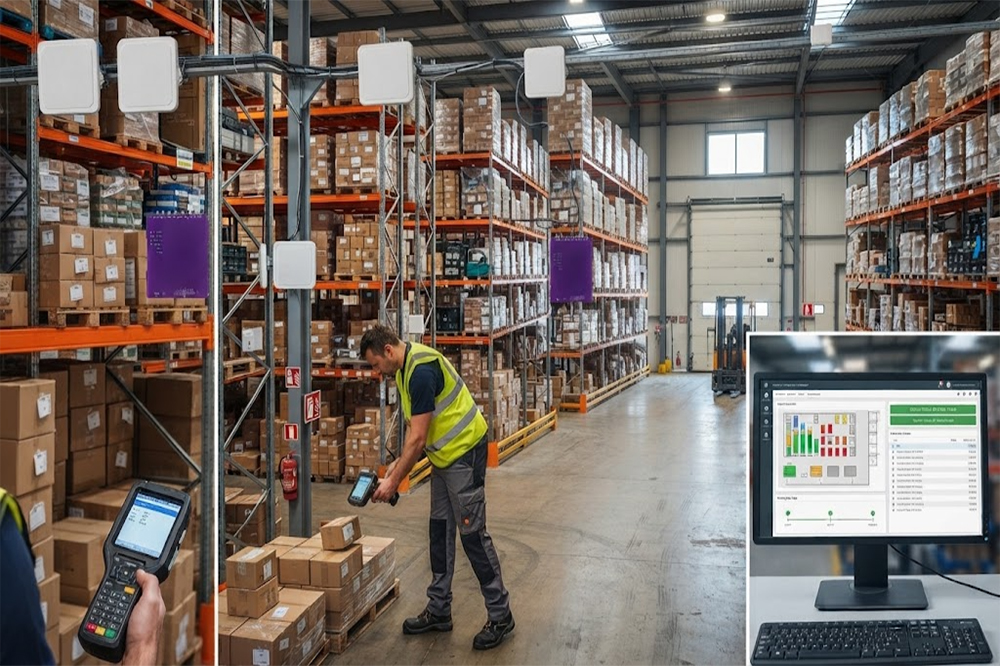
Warehouse RFID systems can be used for many types of inventory.
For example:
The best application is usually one where items move through predictable locations.
A receiving door is a good example.
So is a shipping gate.
An inventory aisle can also be covered, but the antenna design becomes more important because there may be many tagged products nearby.
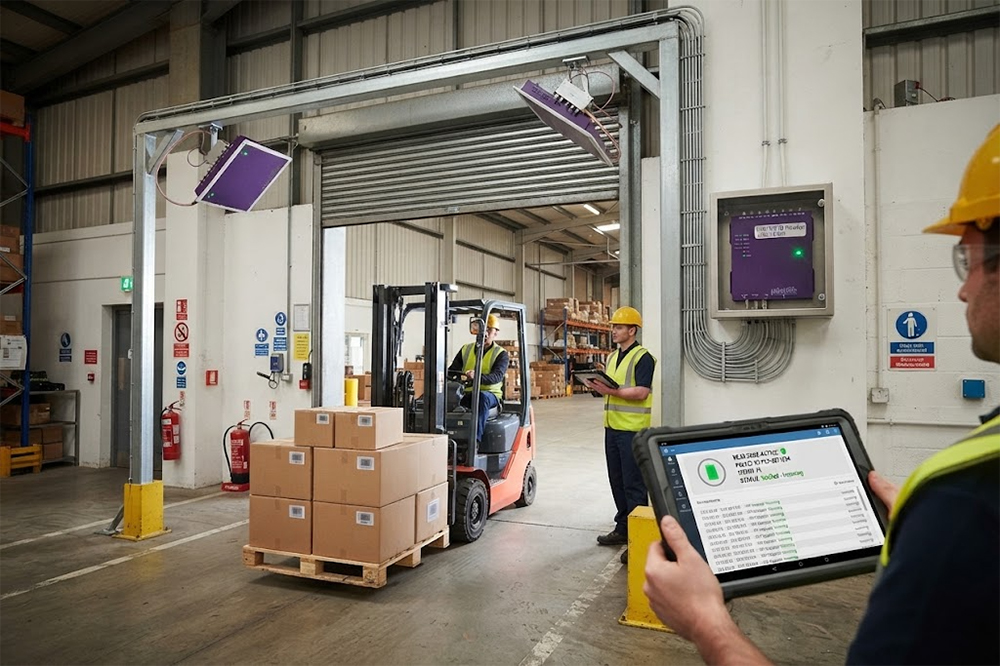
Receiving is one of the first places I would consider RFID.
A truck arrives.
Pallets are unloaded.
Instead of manually scanning every pallet, the forklift moves them through an RFID checkpoint.
The fixed reader detects the tags.
The software receives the tag information.
The warehouse can then compare the detected items with the expected shipment.
This can potentially identify missing or unexpected goods earlier.
The important point is that the RFID reader is not making the business decision itself.
It is collecting identification data.
The warehouse software decides what that data means.
Inventory counting is another interesting use.
A worker carrying a handheld RFID scanner can walk through an aisle and read multiple tagged products without stopping at every item.
This is very different from traditional barcode counting.
Imagine a shelf with 100 cartons.
With a barcode scanner, the worker may need to scan each carton.
With RFID, many tags can be detected as the worker walks past.
The actual reading performance will depend on tag placement, carton material, reader power, antenna design, and the density of products.
Still, this is one of the reasons RFID can be attractive for high-volume warehouses.
This depends on the job.
A fixed long range RFID scanner is useful when inventory passes through a known location.
Typical examples include:
A handheld RFID scanner is more suitable for mobile inventory checks.
For example, a warehouse may use fixed readers at the shipping dock and handheld scanners for periodic inventory audits.
Using both can make more sense than trying to solve every problem with one device.
When purchasing RFID equipment, buyers often ask:
“How many meters can it read?”
That is a reasonable question.
It is not the only one.
Suppose the scanner can read a tag from 15 meters away.
Sounds impressive.
But if the warehouse aisle contains tags on both sides, that long range may create unwanted reads.
A scanner could detect inventory that the worker did not intend to count.
In warehouse applications, controlled reading coverage can be more useful than maximum distance.
This is why antenna direction, gain, installation height, and reader power need to be considered together.
The RFID tag should match the inventory.
For cardboard cartons, standard UHF RFID labels may work well.
Plastic containers are also generally straightforward.
Metal products are different.
A normal RFID label attached directly to a steel component may perform poorly.
For metal shelves, tools, equipment, or containers, an on-metal RFID tag may be required.
Liquid-filled products can also behave differently from dry goods.
For an RFID distributor, this is an important part of the sales conversation.
The customer is not really buying a reader alone.
They are buying a working identification system.
A warehouse is rarely an empty rectangular room.
There may be:
All of these can affect RFID performance.
A test that works perfectly in an office may behave differently in a warehouse aisle.
For this reason, I would recommend testing the reader with the actual products whenever possible.
Even moving an antenna slightly can sometimes change the reading zone.
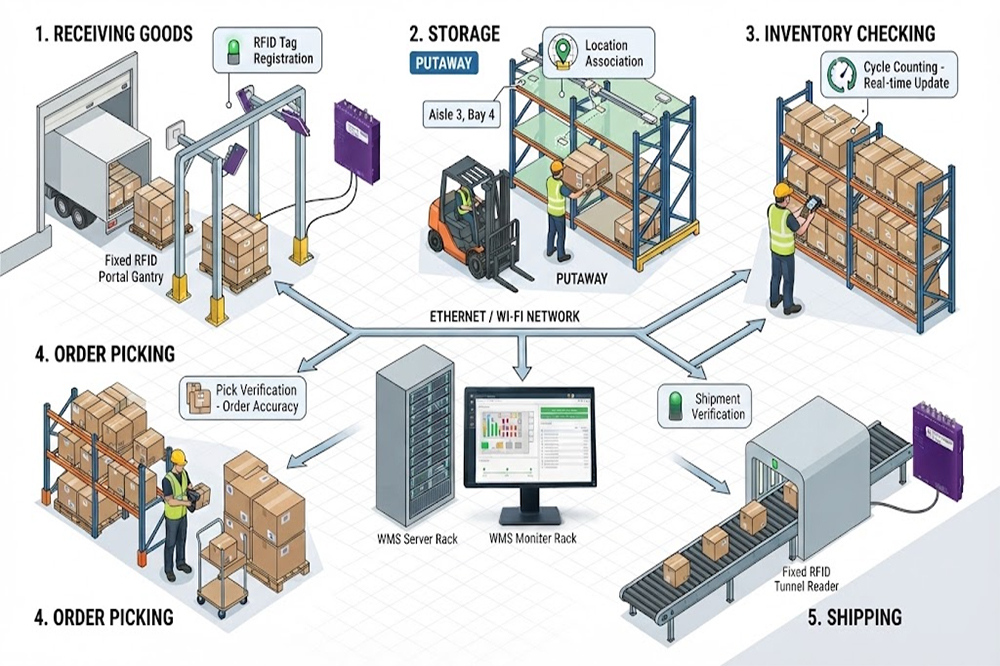
The RFID reader is only one part of the system.
Most warehouses already have software.
It could be:
The RFID reader needs to communicate with that system.
For example:
RFID tag detected → Product identified → Inventory record updated
Or:
Unexpected tag detected → Software creates an exception → Worker checks the pallet
This is where API and SDK support becomes useful.
For system integrators, good documentation can save a lot of development time.
Consider a distributor with 20,000 returnable plastic containers.
Containers move between storage, picking, loading, and customer locations.
Some come back late.
Some are returned to the wrong warehouse.
Some are simply missing.
The company adds RFID tags to the containers and fixed readers at several important points.
Now the company can see when a container was detected at each checkpoint.
It is not perfect real-time location tracking.
But it provides much better movement visibility than relying on manual records alone.
For a large fleet of reusable assets, that difference can be valuable.
High tag density can make the application more difficult.
The reader detects inventory outside the intended area.
The tag is blocked or mounted in an unsuitable location.
A standard tag is attached directly to metal.
The same RFID event is recorded multiple times because the software does not properly filter repeated reads.
That last issue is worth mentioning.
RFID readers may see the same tag repeatedly while it remains inside the reading zone.
The software normally needs filtering logic to turn repeated reads into a meaningful inventory event.
For wholesale RFID projects, I would ask the customer:
What are you tracking?
Pallets, cartons, containers, tools, or individual products?
How many items are involved?
A few hundred tags and 100,000 tags lead to very different system designs.
Where do you want to read them?
At the warehouse entrance, aisle, conveyor, or loading dock?
What is the reading distance?
More distance is not necessarily better.
What software needs to receive the RFID data?
This determines the integration requirements.
These questions help avoid selling hardware based on a single specification.
A small pilot is usually worth the effort.
Test:
Then repeat the test under real operating conditions.
Drive a forklift through the area.
Move several pallets together.
Try different tag positions.
It is these small practical tests that often reveal what needs changing before a larger rollout.
Warehouse RFID is a good example of why a B2B RFID supplier needs more than a product catalog.
A customer may need:
RFID reader + antenna + tag + mounting + software integration + technical support.
Another customer may need OEM hardware or a customized enclosure.
Another may only need readers for a pilot project before expanding to several warehouses.
A flexible supplier can support these different stages without forcing the customer to redesign the entire solution.
If you are sourcing long range RFID scanners, UHF RFID readers, antennas, or RFID inventory hardware for warehouse projects, contact us with your application, tag type, reading distance, warehouse environment, and expected quantity for bulk pricing and solution support.
It can automatically identify RFID-tagged pallets, cartons, containers, tools, and other inventory as they pass through warehouse reading zones.
Several meters is common for UHF RFID, but actual range depends on the reader, antenna, tag, power, installation, and warehouse environment.
Yes. UHF RFID can identify multiple tags within a reading zone, although tag density, product materials, antenna placement, and reader configuration affect performance.
Yes, but suitable on-metal RFID tags may be required. The tag should be tested on the actual pallet and product before deployment.
Yes. RFID readers can typically send tag data to WMS, ERP, or custom systems through APIs, SDKs, network interfaces, or other supported protocols.
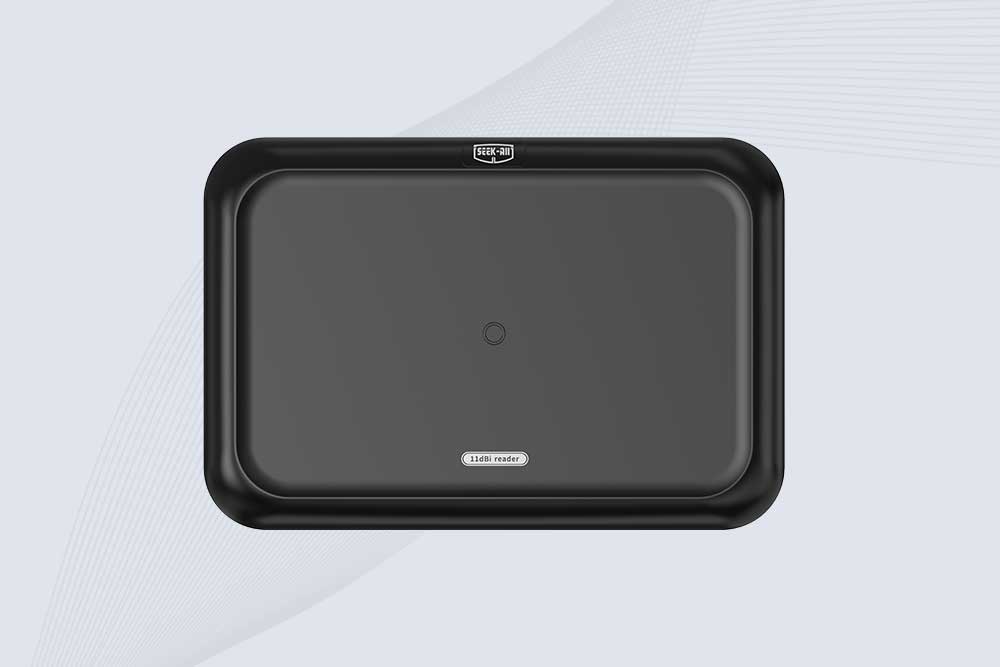
SSD-RA11L is an 11 dBi UHF RFID reader with up to 15m reading distance, 600+ tags/s speed, integrated antenna and flexible connectivity.
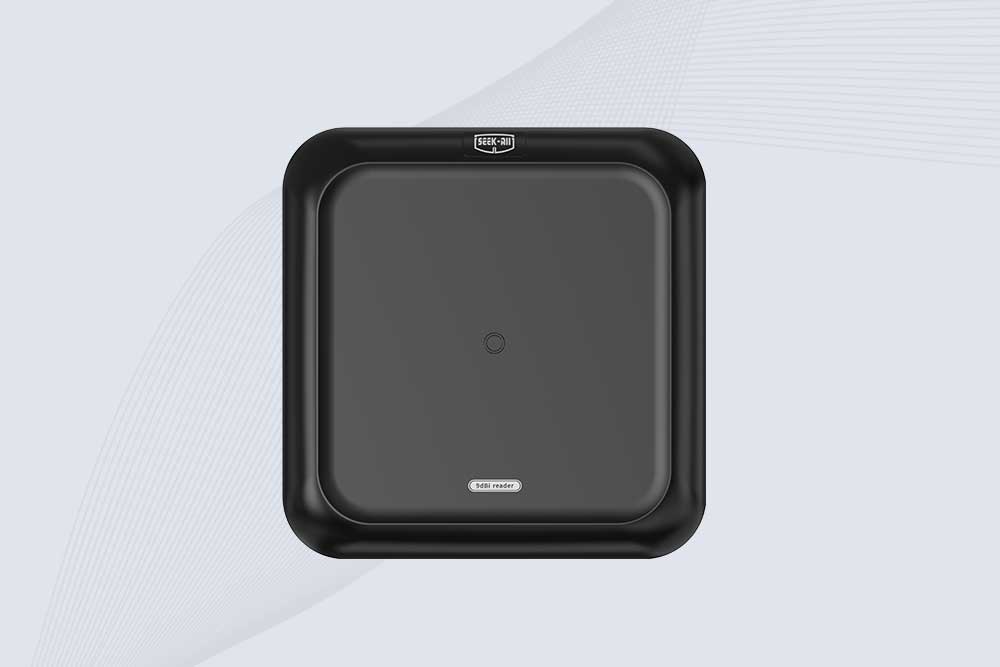
SSD-RA09L is a long range UHF RFID reader with a built-in 9 dBi antenna, 10m reading range, 600+ tags/s speed and flexible interfaces.
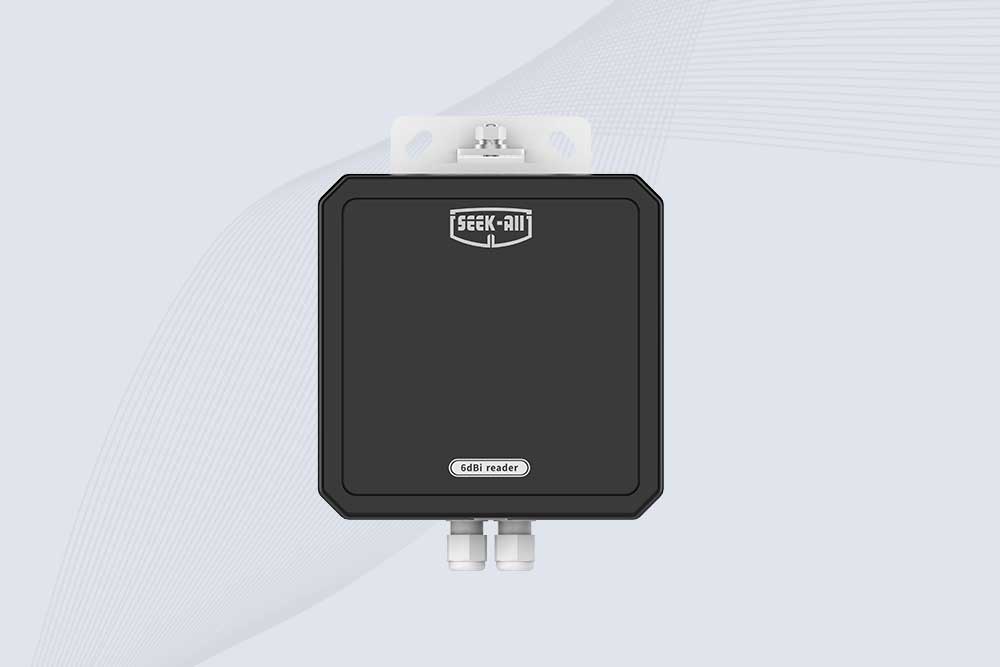
SSD-RA06L is an industrial UHF RFID reader with a built-in 6 dBi antenna, 3 m read range, 600+ tags/s, Ethernet, RS232, and optional Wi-Fi, 4G, and PoE.
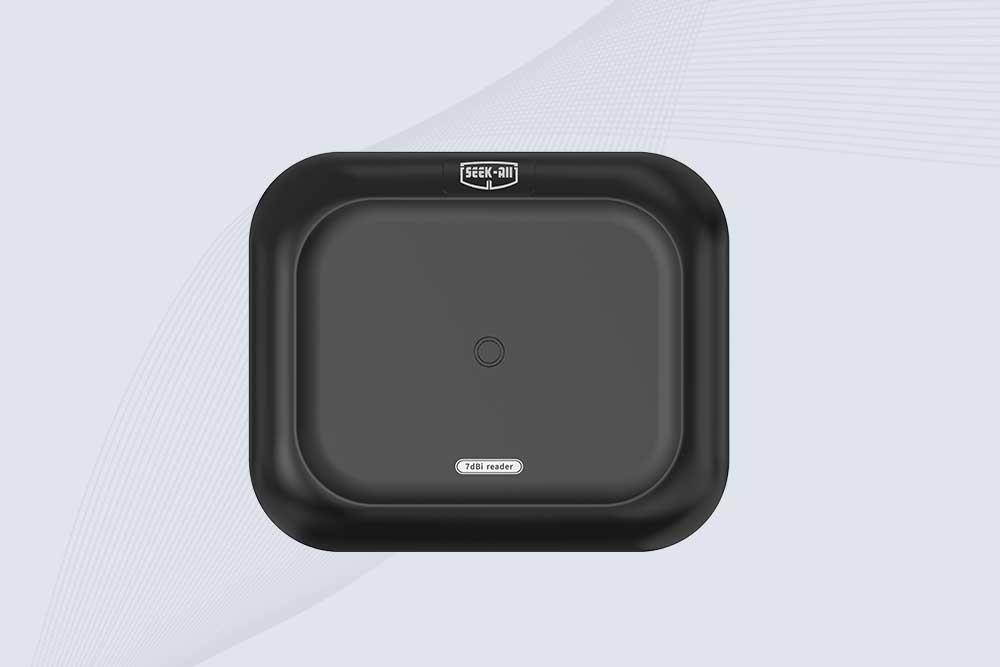
SSD-RA07L industrial UHF RFID reader with integrated 7 dBi antenna, up to 6 m reading distance, over 600 tags/s, Ethernet, RS232, and optional Wi-Fi, 4G, and PoE.
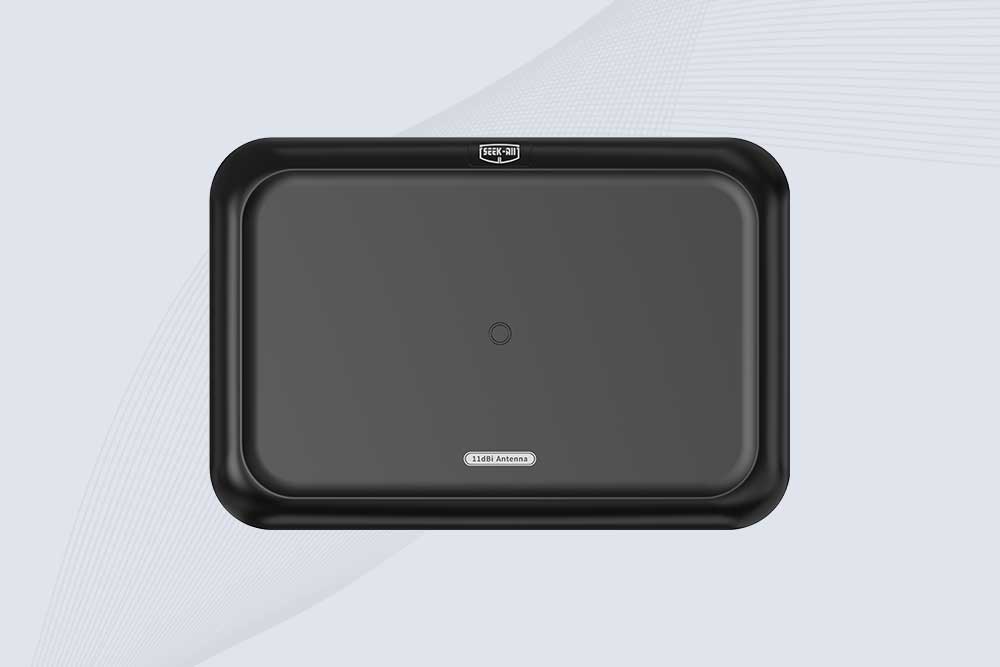
SSD-A11 UHF RFID antenna features 840–960 MHz adjustable frequency, ≥10.5 dBi gain, circular polarization and 50Ω impedance for fixed RFID systems.
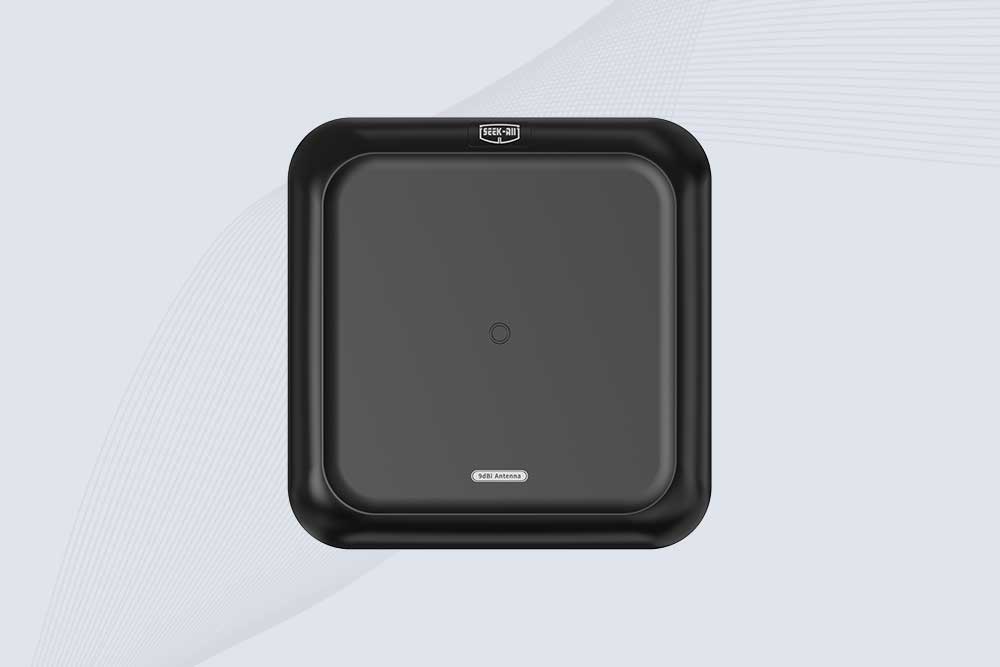
SSD-A09 is a 9 dBi UHF RFID antenna with 840–960 MHz adjustable frequency, circular polarization, 50Ω impedance and directional 60° × 60° coverage.
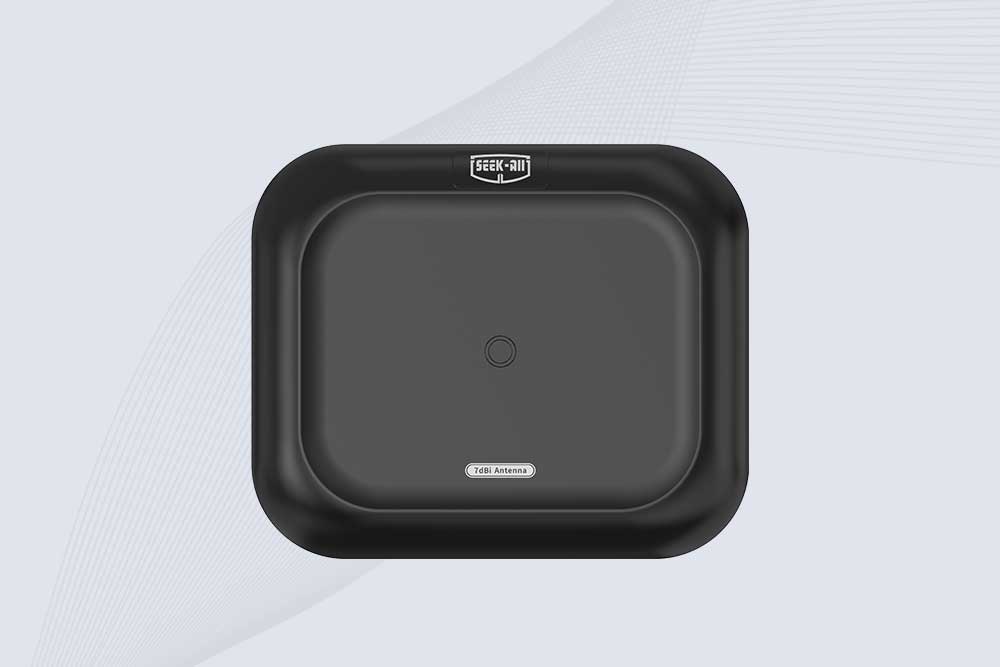
Explore the SSD-A07 UHF RFID antenna with 7 dBi gain, circular polarization, adjustable 840–960 MHz frequency, and 60°/75° beamwidth for stable RFID read/write performance.

SSD-A06 UHF RFID antenna with circular polarization, adjustable 840–960 MHz frequency, ≥4.5 dBi gain, and a compact directional design for RFID systems.
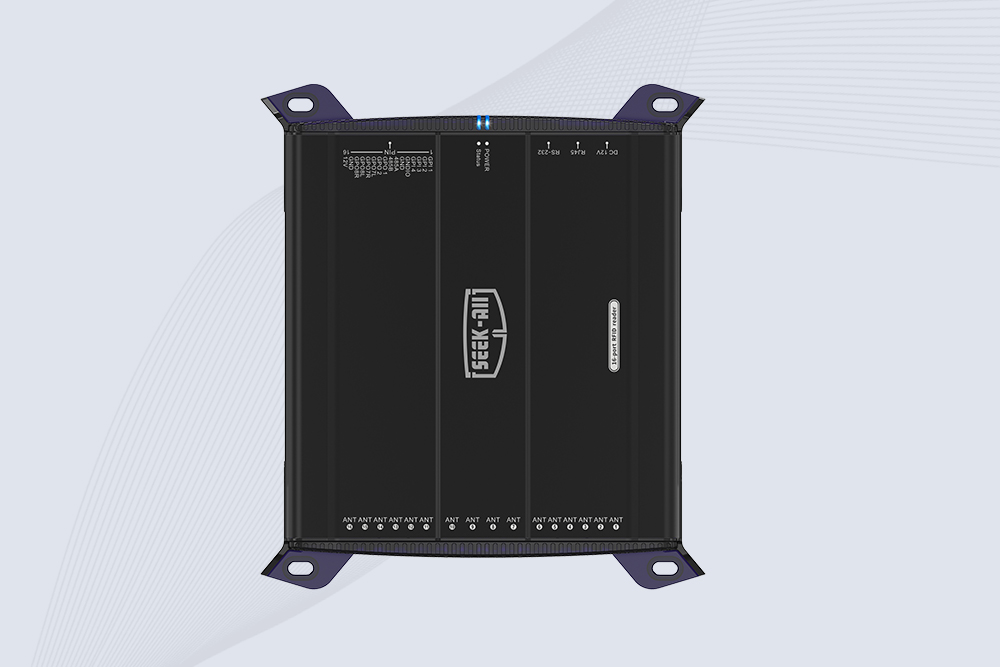
SSD-R16L Multi-Channel RFID Infrastructure for Automated Inventory Management ✔️ 16-Port High-Density RFID Reading Equipped with 16 SMA antenna ports, SSD-R16L supports multi-antenna deployment for warehouses, retail stores, logistics, production lines, and large-area RFID identification. ✔️ High-Speed & Long-Range Performance With up to 33…
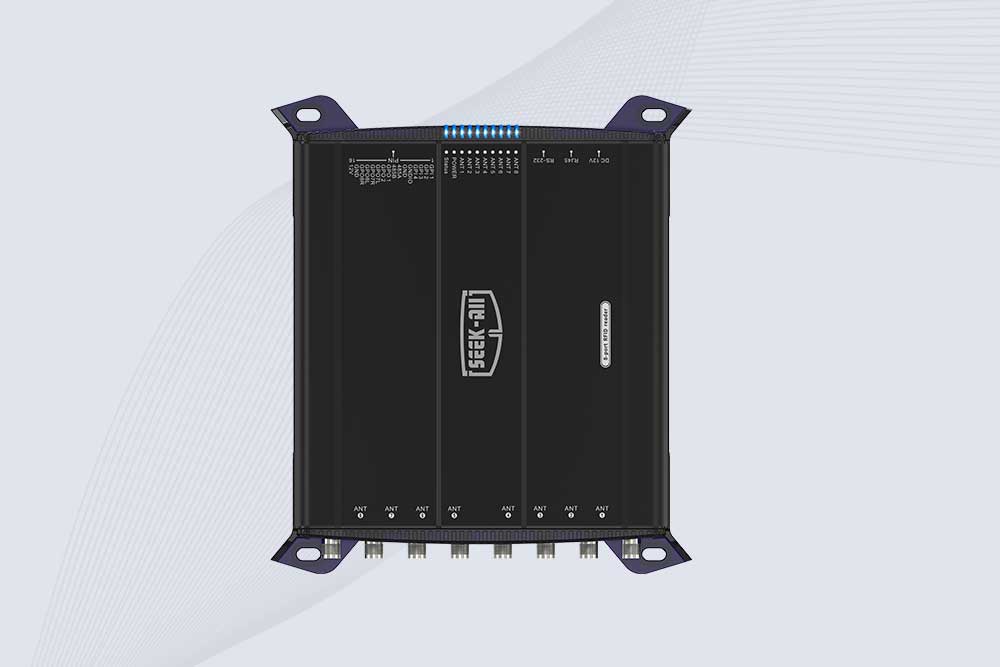
SSD-R8L 8-port UHF RFID reader with 33dBm output, up to 20m reading range and 600+ tags/s recognition. Ideal for warehouse, logistics, retail and asset tracking.
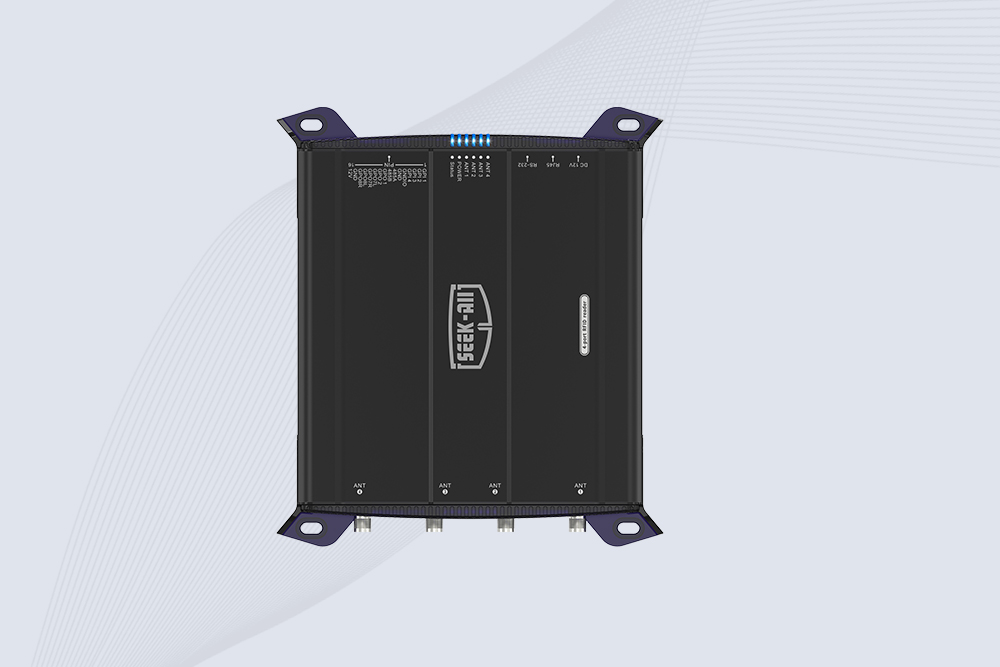
SSD-R4L is a 4-port UHF RFID fixed reader with 33dBm output power, up to 20m reading range, EPC C1G2 support and 600+ tags/s reading speed.
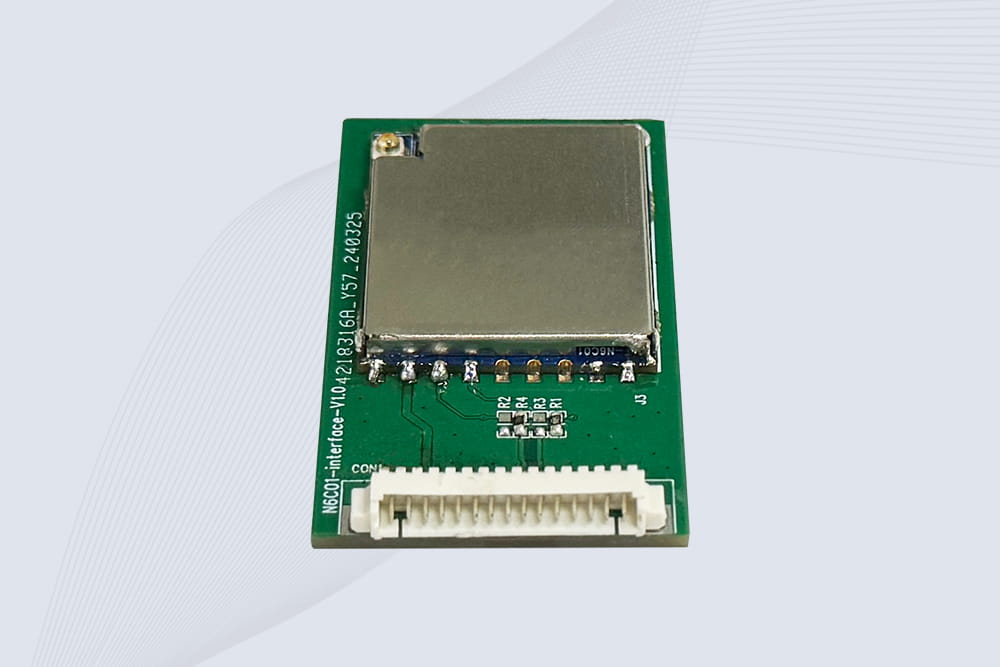
CYKEO Embedded RFID Modules are designed for compact industrial and IoT devices that require stable UHF performance. These UHF RFID Modules support global protocols, flexible power control, and reliable multi-tag reading for smart cabinets, production lines, and asset tracking systems.
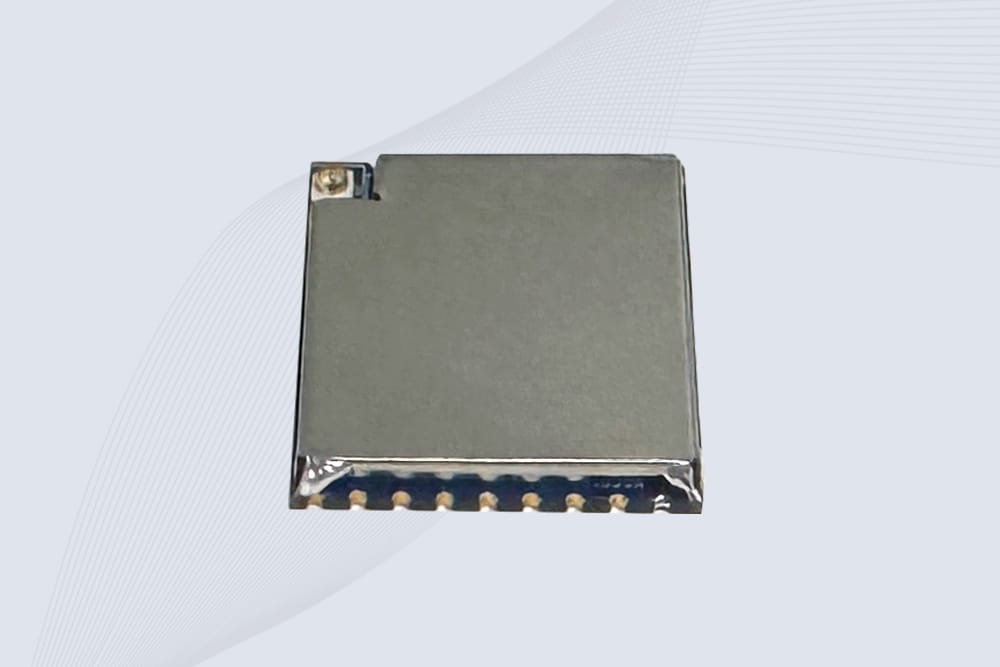
CYKEO Embedded RFID Module is built for compact IoT and industrial devices that need stable UHF performance. This UHF module supports global protocols, low power operation, and reliable multi-tag reading for smart lockers, production lines, and always-on RFID systems.
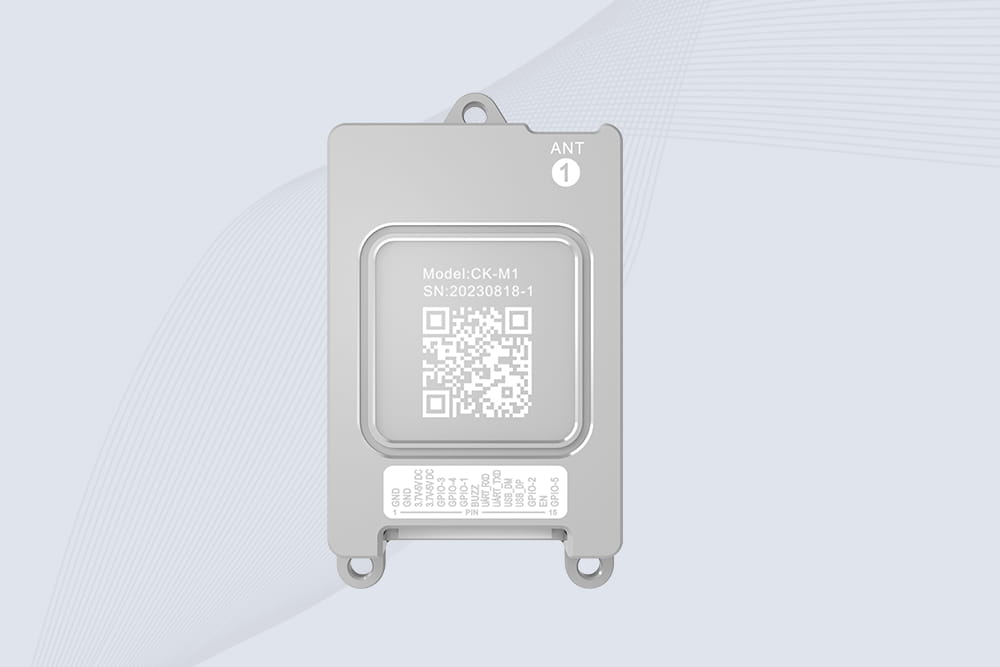
CYKEO CYKEO-M1 drone rfid module is a compact UHF RFID reader module designed for drones and UAV platforms. It supports long-range aerial scanning, fast multi-tag reading, and stable performance in wind, vibration, and outdoor environments.
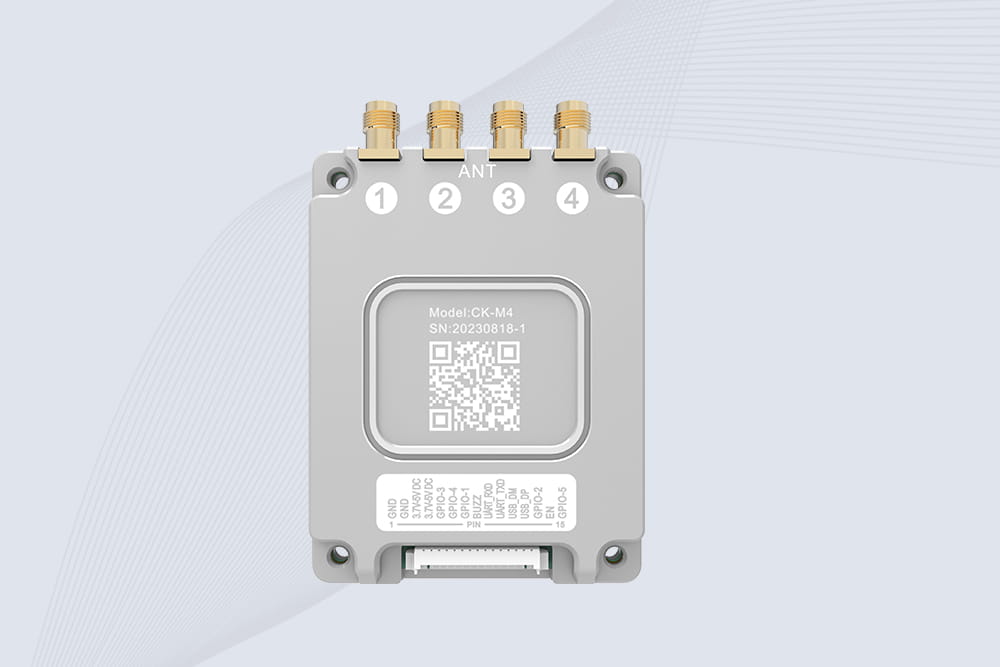
CYKEO CYKEO-M4 RC522 RFID Module is an industrial-grade UHF RFID reader with 4 ports, supporting ISO, EPC, and GB protocols. High-speed, accurate reading for IoT, automation, and warehouse applications.
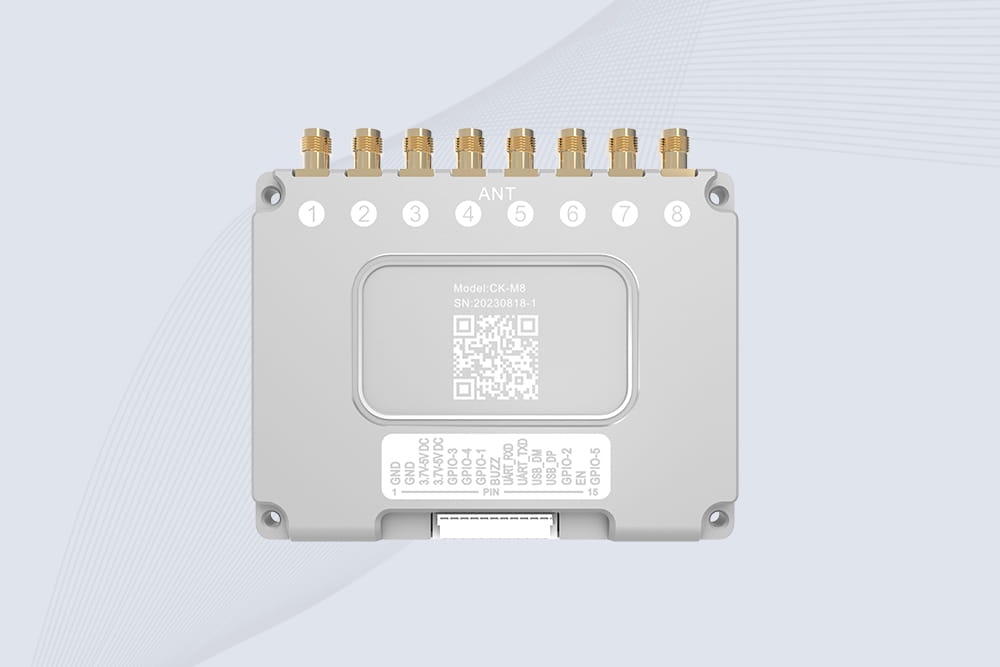
CYKEO CYKEO-M8 Module RFID is an 8-port UHF R2000 RFID Module designed for high-density, multi-tag environments. Stable 33dBm output, ISO & GB protocol support, ideal for warehouses, factories, and automated systems.
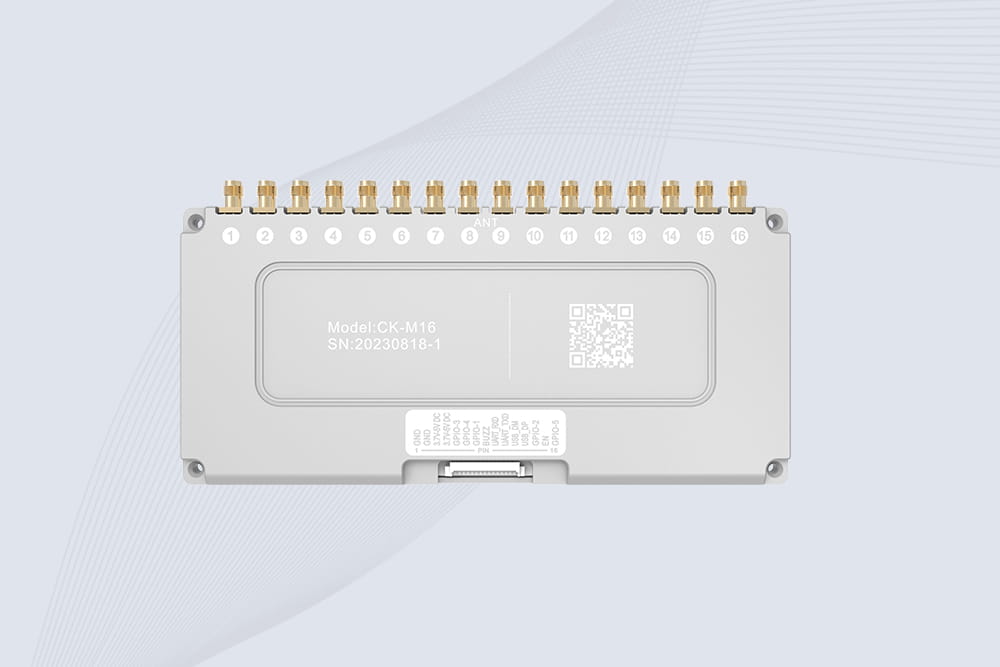
CYKEO CYKEO-M16 RFID Module is a 16-port UHF RFID reader module based on the R2000 chipset. Designed for dense tag environments, it supports ISO and GB standards and delivers stable multi-antenna control for industrial automation.
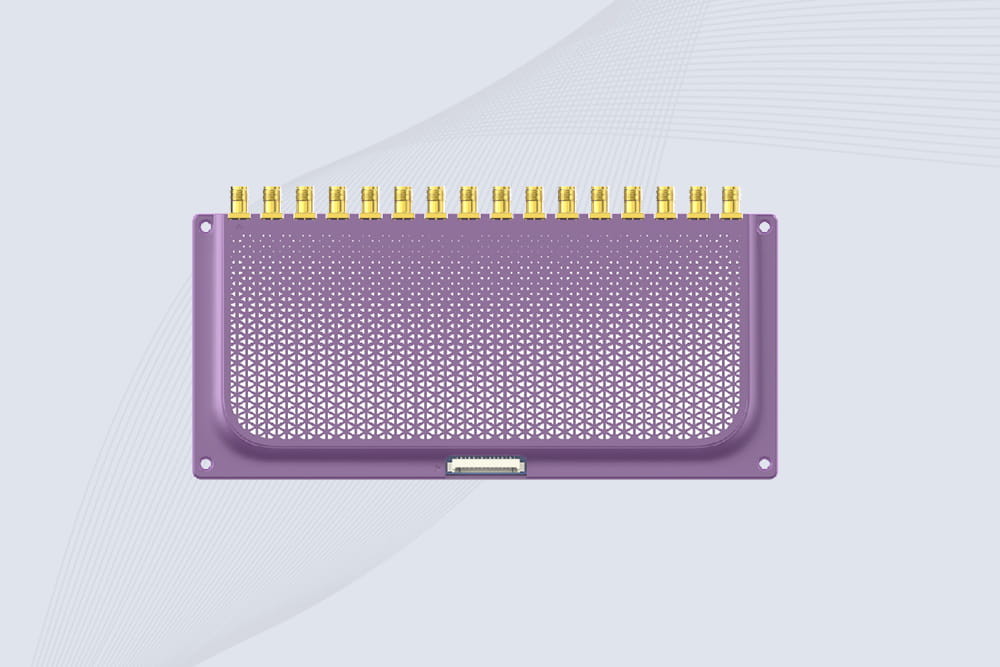
The CYKEO CYKEO-M16L RFID Reader Module is a 16-channel UHF RFID core designed for dense tag environments. With adjustable 33dBm output, multi-protocol support, and stable multi-antenna control, this RFID Tag Reader Module fits industrial automation, warehouse systems, and large-scale IoT deployments.
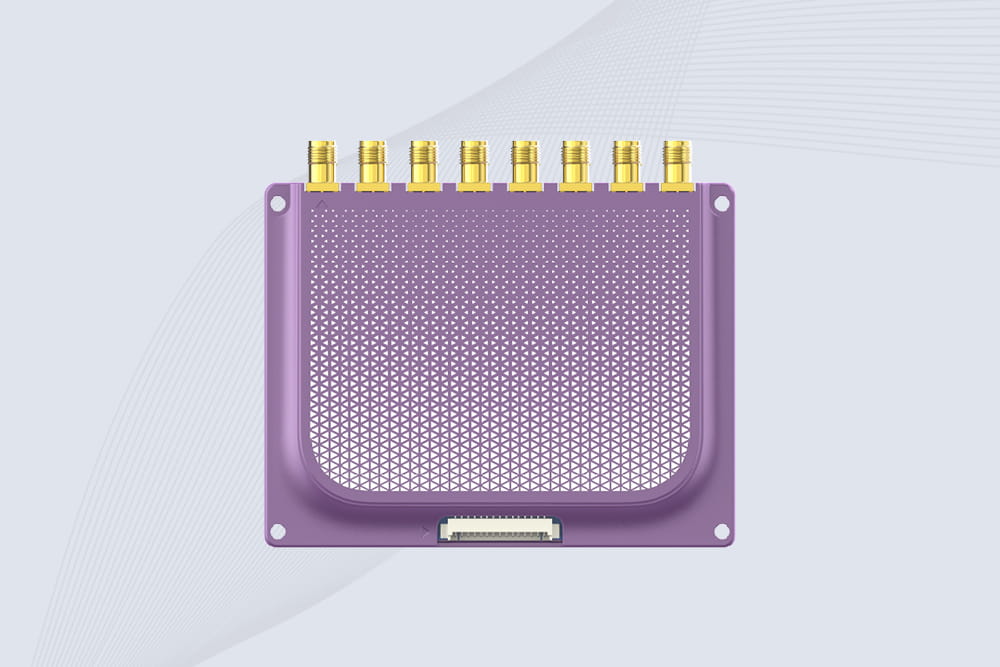
CYKEO CYKEO-M8L module RFID is a compact industrial UHF module built for dense tag and multi-antenna environments. With 8 RF ports, adjustable 33 dBm output, and ISO & GB protocol support, it is widely used in factories, warehouses, and automated tracking systems.
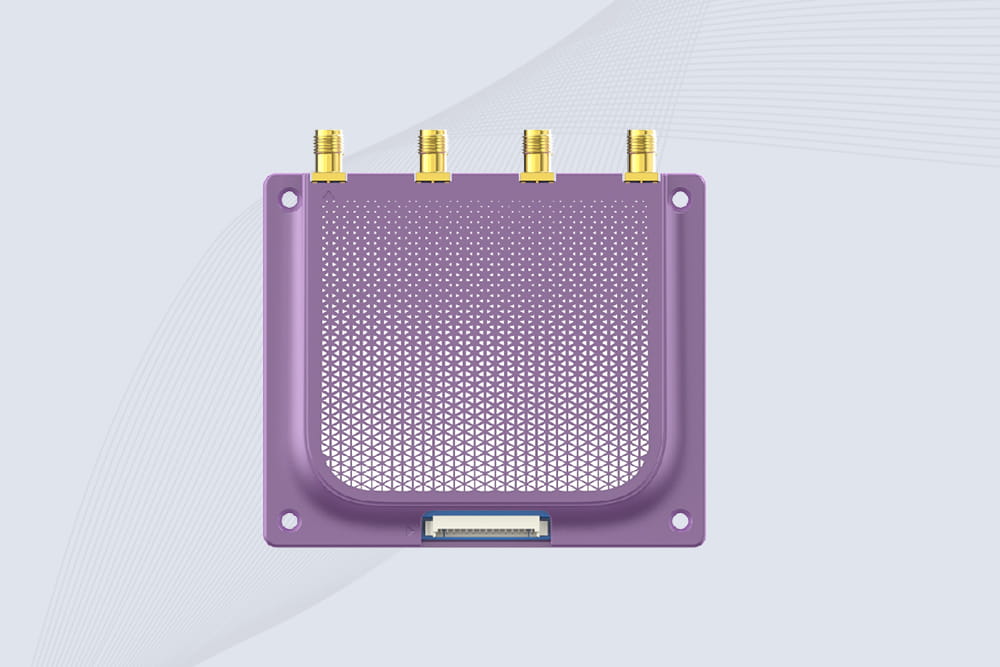
CYKEOCYKEO-M4L UHF RFID Module is a compact 4-channel RFID tag reader module designed for dense tag environments. Supporting ISO and GB protocols, it delivers stable reads up to 10 meters for industrial and IoT systems.

Cykeo CYKEO-A11 UHF RFID reader antenna delivers 11dBi gain, 840-960MHz frequency range, and IP65 ruggedness for retail, logistics, and industrial RFID systems. Features low VSWR and easy installation.

CYKEO Antenna RFID Reader delivers stable long-range UHF performance with a 10.5dBi directional design, built for warehouses, conveyor portals, and industrial RFID systems. This rfid reader antenna provides 20m+ read distance and rugged IP67 protection.

Cykeo CYKEO-PHF3 industrial HF RFID Antenna offers 24-point dynamic tracking, ISO 14443A/15693 protocols, metal-environment stability for archives/libraries/manufacturing.

Cykeo CYKEO-A5B industrial Linear RFID Antenna delivers 5dBi gain, ≤1.5:1 VSWR, and IP65 rugged design for warehouse, production line, and logistics UHF systems.

Cykeo’s CYKEO-B12 Long Range RFID Antenna delivers 15m+ read range with 12dBi gain, IP65 rugged design, and global 840-960MHz UHF support. Ideal for warehouse/logistics asset tracking.

Cykeo CYKEO-B10 Long Distance RFID Antenna offers 10dBi gain, 840-960MHz frequency range, IP65 rating, and 20m+ coverage for logistics/warehousing/ETC systems. Low VSWR ensures stable signal transmission.

Cykeo CYKEO-A6 UHF RFID panel antenna features 6dBi gain, 840-960MHz broadband, IP65 metal-ready housing for logistics/smart retail. 18mm ultra-thin design with tool-free mounting.

Cykeo CK-A3 industrial antenna RFID UHF offers 5m+ tag detection, ≤1.3:1 VSWR, IP65 rugged design, and global UHF spectrum compatibility (840-960MHz) for warehouses, factories, and retail.

Cykeo CYKEO-B5 directional RFID antenna provides 5dBi gain with 60° narrow beamwidth for precise inventory tracking. IP65-rated, global UHF frequency support, and low VSWR.

Create your own high-performance DIY RFID antenna! 5dBi gain, 840-960MHz tunable, step-by-step guides. Compatible with Arduino, Raspberry Pi, and commercial UHF readers.

Cykeo CYKEO-A7 Flexible RFID Antenna features 840-960MHz wideband tuning, 7dBi gain, and IP68 rating for medical/retail/industrial curved surface deployments. 98% read accuracy with peel-and-stick installation.

Cykeo CYKEO-B5A industrial Passive RFID Antenna delivers 5dBi gain, 70° beamwidth, and -40°C~55°C operation for warehouses/smart cabinets. Compatible with Zebra/Impinj readers.

Cykeo’s CYKEO-A9B High Gain RFID Antenna delivers 15m+ read range with 9dBi amplification. Features IP54 rugged design, 840-960MHz bandwidth, and 80° beamwidth for warehouse/manufacturing RFID systems.

Cykeo’s enterprise-grade 8dbi Impinj RFID Antenna 10m+ read range with 840-960MHz tuning. Features IP65 housing, 1.4 VSWR, 35° beamwidth for retail/warehouse RFID systems.

Cykeo CYKEO-A9 industrial UHF RFID antenna delivers 9dBi gain, 840-960MHz frequency range, and IP65 protection for warehouse/logistics/retail RFID systems. Features N-type connector and ≤1.3:1 VSWR.

CYKEO UHF RFID Antenna built for long-distance and industrial applications. This antenna rfid uhf delivers strong gain, outdoor durability, and reliable tag performance in warehouses, yards, and vehicle ID systems.

CYKEO Antenna RFID delivers reliable long-range UHF performance in warehouses, retail shelves, and cold-chain environments. This compact uhf rfid antenna provides stable reads with circular polarization and ultra-wide 840–960 MHz support, ideal for industrial tracking, smart shelves, and asset monitoring.

Cykeo’s CYKEO-C8 UHF RFID antennas delivers 8dBi gain, 840-960MHz full-band coverage, and IP65 ruggedness for manufacturing/warehouse RFID systems. Industrial RFID Antennas Features

Cykeo’s 8dBi UHF RFID antenna and reader kit delivers 10m+ range, 840-960MHz broadband, and IP65 ruggedness for factories, warehouses, and logistics. ISO 18000-6C & EPC Gen2 certified.

Cykeo CYKEO-A9A industrial UHF RFID reader and antenna kit delivers 10m range, 500 tags/sec, IP65 ruggedness for manufacturing/logistics. Supports EPC Gen2, ISO18000-6C.
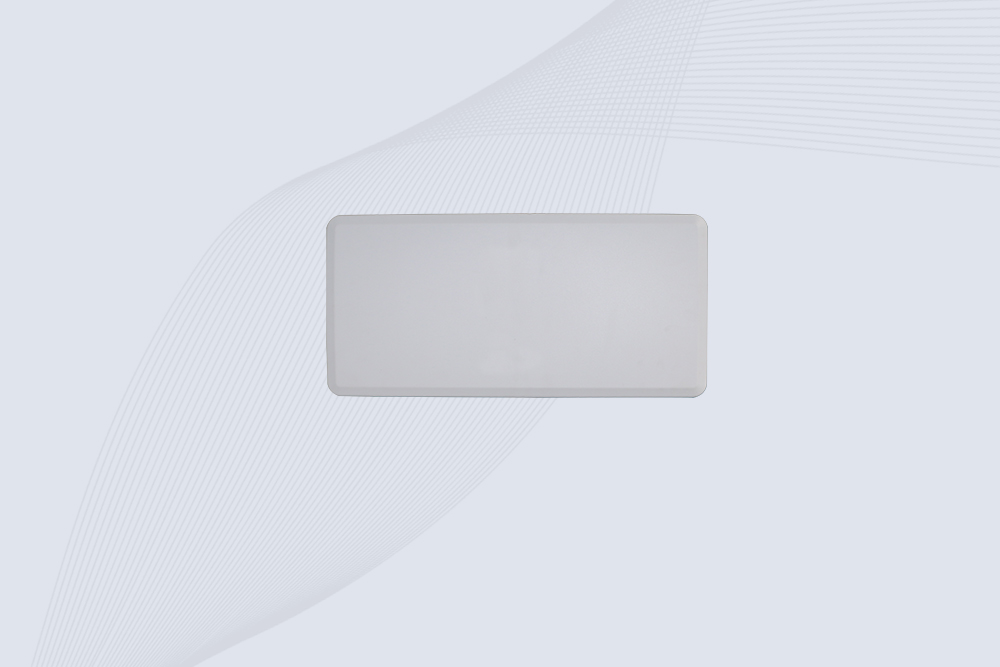
Cykeo’s CYKEO-A12C UHF Large RFID Antenna delivers 12dBi gain, 840-960MHz global frequency, IP65 ruggedness for logistics/warehousing/automotive. 40° beamwidth ensures stable 15m+ tag reads.

CYKEO Near Field RFID Antenna provides precise 5–30 cm reading for shelves, cabinets, and workstations. This compact rfid shelf antenna delivers stable short-range performance around metal and clutter, ideal for pharmacies, libraries, and electronics sorting.
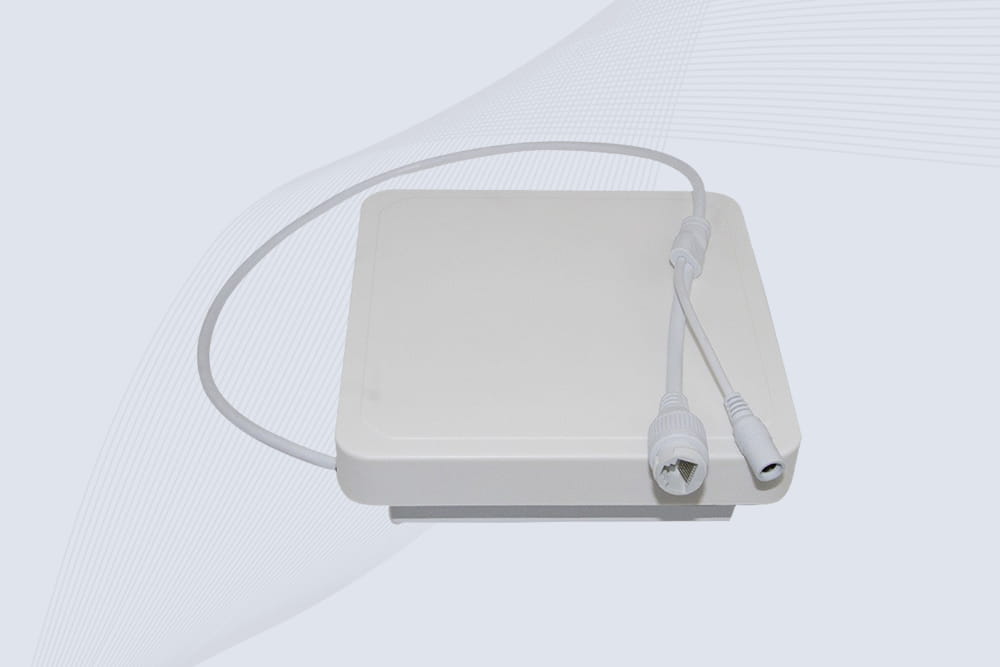
Cykeo’s industrial long range RFID reader delivers 20-meter scanning, 500+ tags/sec speed, and IP67 waterproof design for automated warehouses, logistics, and harsh environment applications.
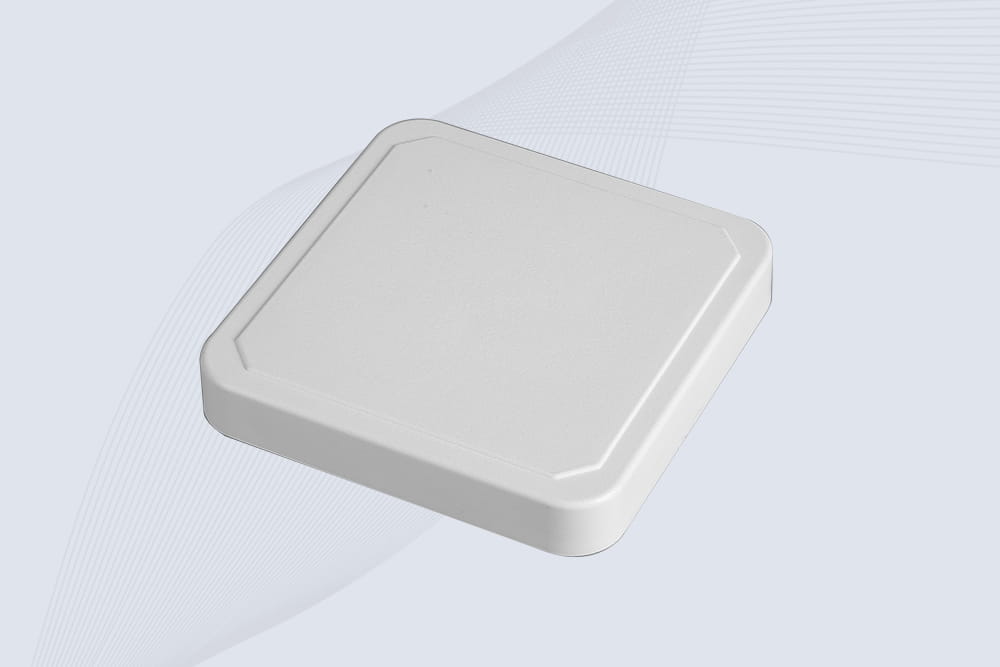
Cykeo’s CYKEO-RA6L industrial RFID long range reader features 20m read distance, 500 tags/sec speed, and IP67 protection. Ideal for warehouse automation, manufacturing WIP tracking, and smart logistics. Supports ISO 18000-6C/6B protocols.
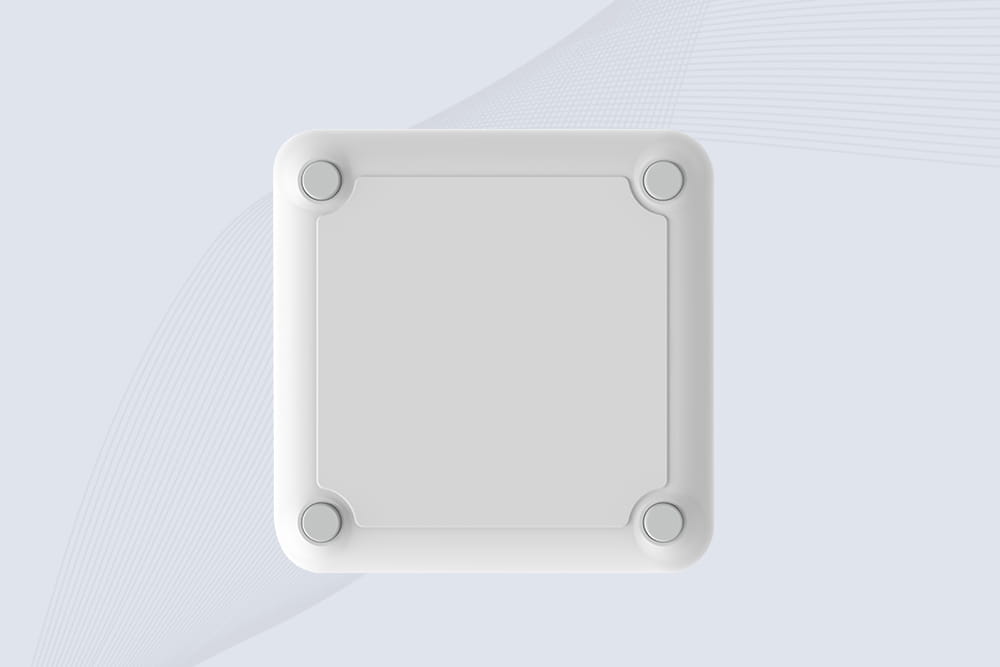
CYKEO Long Range RFID Tag Reader built for outdoor and industrial operations. This Outdoor RFID Reader delivers 20m read distance, fast tag processing, and IP67 durability for wide-area tracking.
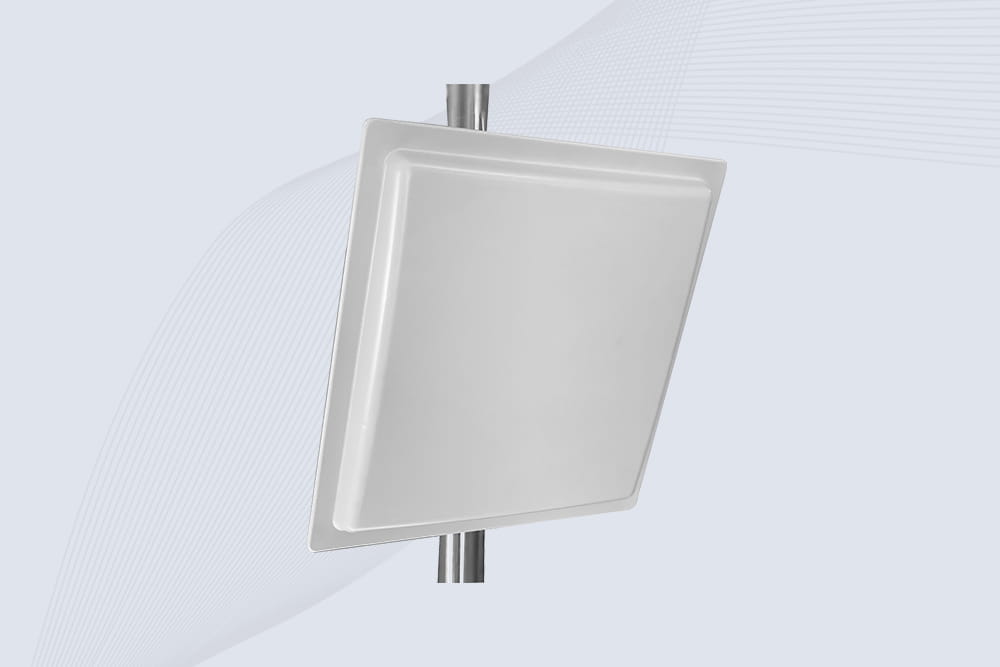
Cykeo CYKEO-RA12L industrial Long Range RFID Reader delivers 20m read range, 200+ tags/sec scanning, and IP67 protection for manufacturing/logistics applications. Supports ISO 18000-6C/GB protocols.
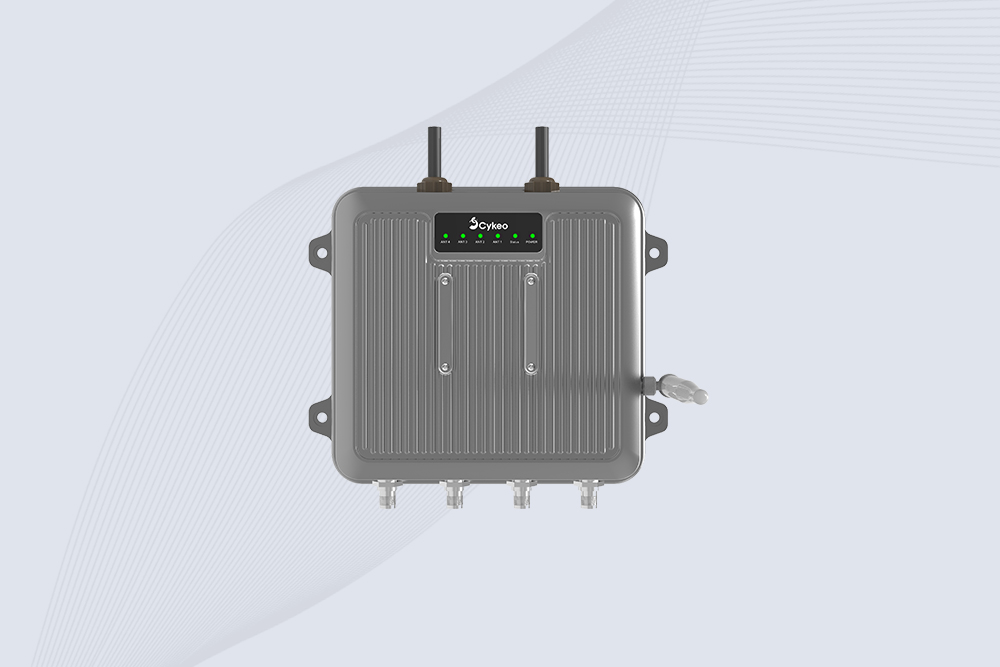
Cykeo CYKEO-C1 industrial Forklift RFID Reader features 20m read range, 600 tags/sec scanning, Impinj R2000 chipset, and IP67 rugged design. Ideal for warehouse logistics and manufacturing. Supports ISO 18000-6C/6B protocols.
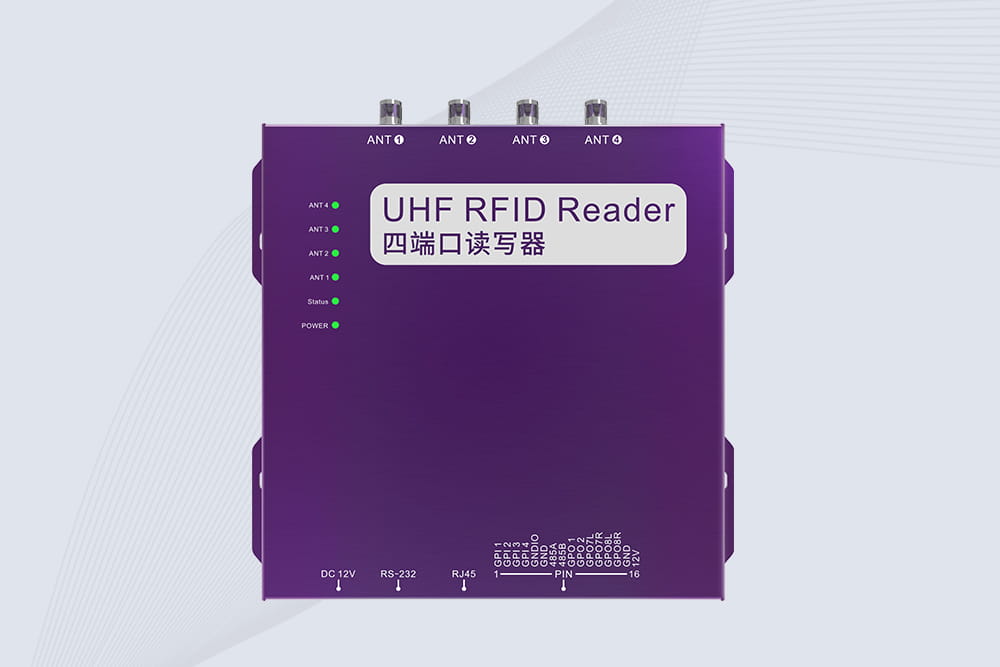
Cykeo CYKEO-R4 industrial UHF RFID Fixed Reader features 4 TNC ports, 400+ tags/sec speed, IP67 housing, and global frequency compliance for vehicle inspection, smart warehouse, and asset management systems.
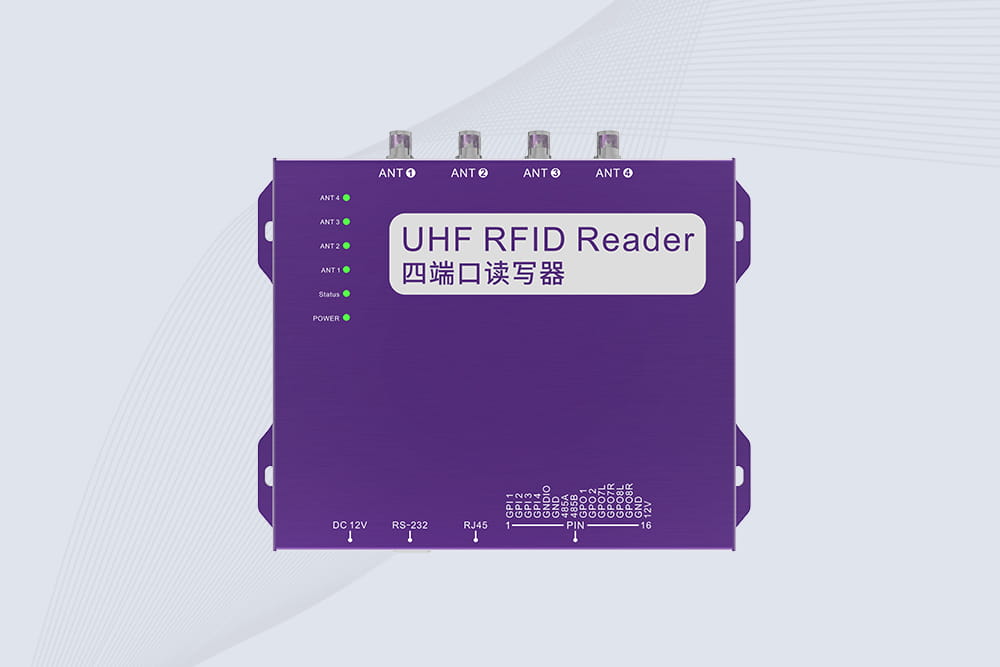
Cykeo’s CYKEO-R4L 4-port Fixed UHF RFID Reader delivers 400 tags/sec scanning, ISO 18000-6C compliance, and IP65 protection. Ideal for warehouse automation, manufacturing WIP tracking, and logistics management.
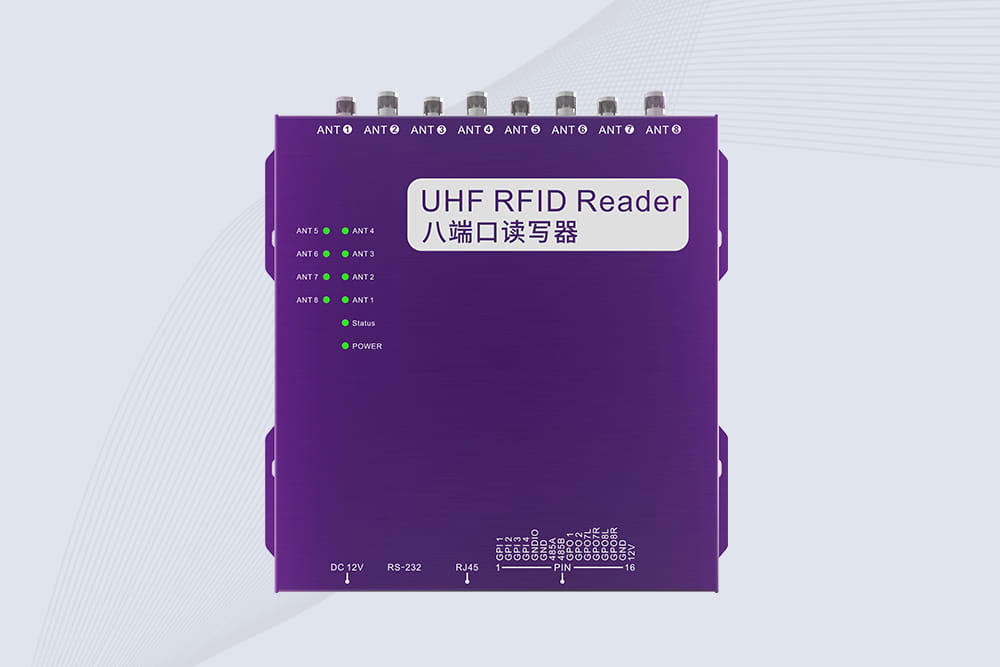
CYKEO CYKEO-R8L Fixed RFID Reader with 8-port UHF design, Impinj-based RF core and up to 20m read range. An industrial Fixed RFID Reader for vehicle inspection, warehouse portals, smart manufacturing lines and secure access checkpoints.
RFID Industry Writer | IoT & Asset Tracking Analyst
James writes about RFID technology, asset tracking, and the practical challenges of digital transformation across warehousing, retail, manufacturing, and logistics.
His work focuses on how RFID is applied in real-world operations—improving inventory visibility, automating workflows, and helping businesses manage assets with greater accuracy and efficiency.
He regularly covers topics including UHF RFID, smart cabinets, RFID portals, tool tracking, warehouse automation, and industrial IoT trends..

How fast can RFID tags be read? Discover why RFID's speed—reading hundreds of tags per second—is a game-changer for inventory and logistics efficiency.
More
Discover how a long range RFID scanner helps mining companies track heavy equipment, tools, vehicles, and materials across large mining sites. Learn practical deployment tips and choose the right industrial RFID solution.
More
Learn how RFID tunnel scanners automate carton scanning in warehouses, improve inventory accuracy, and increase logistics throughput.
More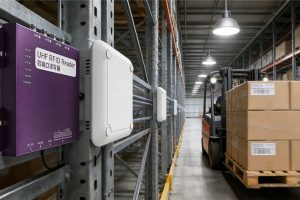
Discover in simple terms what an RFID reader does. Learn how it powers tags, captures data, and enables real-world applications like inventory tracking and access control.
More