One thing surprises many companies when they launch their first RFID project.
They spend weeks comparing readers, software platforms, and tag models, yet the biggest performance issue often has nothing to do with the reader itself.
It’s usually the deployment environment.
A few years ago, a warehouse handling automotive components upgraded from 9dBi antennas to 12dBi models. The goal seemed straightforward: increase read distance and improve portal performance.
On paper, the upgrade looked like the right decision.
In practice, read accuracy actually dropped.
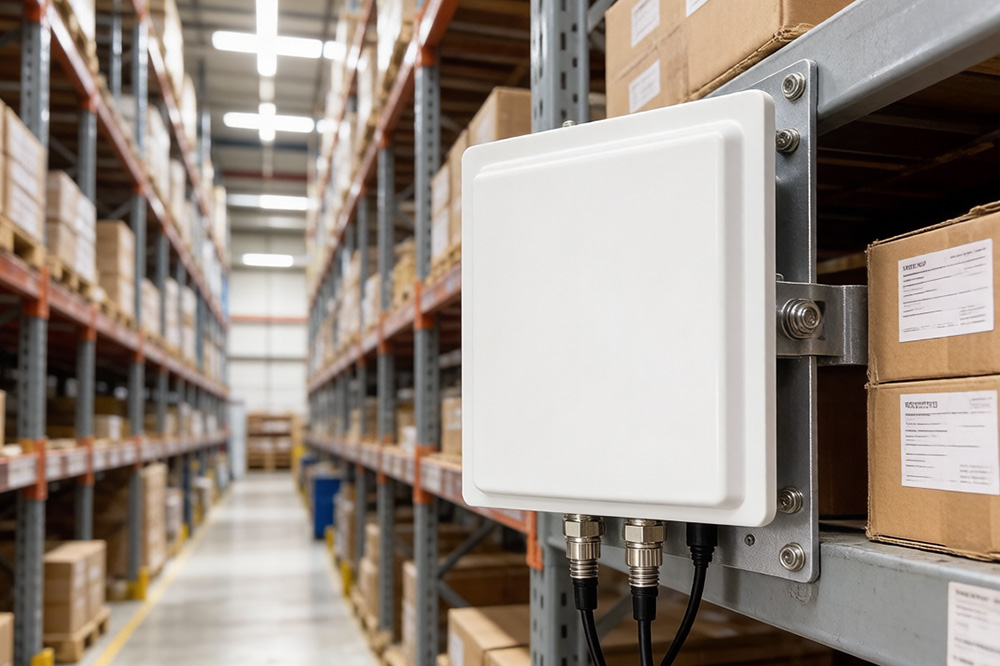
After several rounds of testing, the issue turned out to be heavy RF reflections caused by metal shelving on both sides of the warehouse aisle. The stronger and more focused signal created additional interference patterns, making some tag responses less reliable.
The final solution wasn’t increasing power again.
It was repositioning the antennas and adjusting the read zone.
Experiences like this remind us that RFID performance is often determined by environmental factors rather than specifications listed on a datasheet.
Bigger Gain Doesn’t Automatically Mean Better Performance
Many buyers assume the relationship is simple:
12dBi is better than 9dBi.
15dBi is better than 12dBi.
Reality is a little more complicated.
A useful comparison is a flashlight.
A low-gain antenna spreads energy over a wider area.
A high-gain antenna focuses energy into a narrower beam.
That concentrated beam can significantly improve long-range performance, but it also reduces coverage width.
For vehicle access control, this is usually an advantage.
For a warehouse area that requires wider coverage, an extremely narrow beam may actually leave gaps in the reading zone.
The question shouldn’t be:
“Which antenna has the highest gain?”
The better question is:
“Which antenna creates the coverage pattern my project actually needs?”
9dBi vs 12dBi vs 15dBi RFID Antennas
One of the most common questions during project planning is:
“How much antenna gain do I really need?”
While every environment is different, the table below reflects what many system integrators see in real-world deployments.
Antenna Gain
Typical Read Distance
Common Applications
6dBi
1–3 m (3–10 ft)
Desktop readers, document tracking
9dBi
3–8 m (10–26 ft)
Asset tracking, warehouse shelving
12dBi
8–15 m (26–49 ft)
Warehouse portals, logistics checkpoints
15dBi
15 m+ (49 ft+)
Vehicle identification, yard management
These figures should be viewed as guidelines rather than guarantees.
Actual performance depends on:
Reader output power
RFID tag sensitivity
Antenna positioning
Tag orientation
Nearby metal structures
Environmental interference
A Warehouse Scenario Most Buyers Can Relate To
Imagine a busy distribution center on a Monday morning.
Forklifts are moving pallets every few minutes.
New inventory is arriving at receiving docks.
Outgoing shipments are leaving through multiple loading bays.
Every pallet carries a UHF RFID tag.
In theory, every tag should be captured automatically as it moves through a portal.
In reality, things are rarely perfect.
Some tags are covered by stretch wrap.
Some are mounted near metal packaging.
Others are facing away from the antenna.
This is where a properly deployed 12dBi RFID antenna starts to show its value.
Instead of broadcasting energy over a broad area, the antenna concentrates RF energy into a controlled read zone. This increases the likelihood that tags receive enough power to respond consistently, even in fast-moving logistics environments.
For many warehouses, consistency is more important than achieving the absolute maximum read distance.
Before Buying 12dBi RFID Antenna, Check These Five Things
Price matters.
But experienced RFID engineers usually evaluate several other factors first.
1. Are Your RFID Tags Suitable for the Environment?
Not all RFID tags perform the same.
A standard paper label may work perfectly on cardboard cartons but perform poorly when attached to metal assets.
For tools, machinery, containers, and metal racks, specialized on-metal RFID tags are often necessary.
2. Circular Polarization or Linear Polarization?
If tag orientation remains fixed, linear polarization can often deliver longer read distances.
If tags may appear at different angles, circular polarization generally provides more reliable performance.
This is one reason circularly polarized antennas are widely used in logistics and warehouse environments.
3. Installation Height
Many projects mount antennas higher than necessary.
However, excessive height can reduce signal concentration within the intended read zone.
For portal and gate applications, antenna placement often has a greater impact than increasing reader power.
4. Nearby Metal and RF Interference
Metal shelving, steel beams, vehicles, and industrial equipment can all influence RF propagation.
A site survey before installation can prevent costly troubleshooting later.
5. Future System Expansion
Today’s RFID deployment may be much smaller than tomorrow’s.
Many companies eventually expand into:
RFID tool tracking systems
Smart cabinets
AGV and AMR fleets
Automated inventory management
Industrial IoT monitoring
Choosing scalable RFID infrastructure from the beginning can save significant upgrade costs later.
What Experienced Integrators Usually Look for in a 12dBi Antenna
When designing systems for:
Warehouse automation
Vehicle access control
Logistics tracking
Container management
Industrial asset tracking
Most experienced integrators focus on three priorities:
Read Consistency
Can the antenna reliably detect tags every time they enter the read zone?
Coverage Control
Can the antenna create a predictable reading area without capturing unwanted tags nearby?
Environmental Durability
Can the antenna continue operating in dusty warehouses, outdoor yards, or harsh industrial environments?
These factors often have a greater impact on project success than simply increasing reader transmission power.
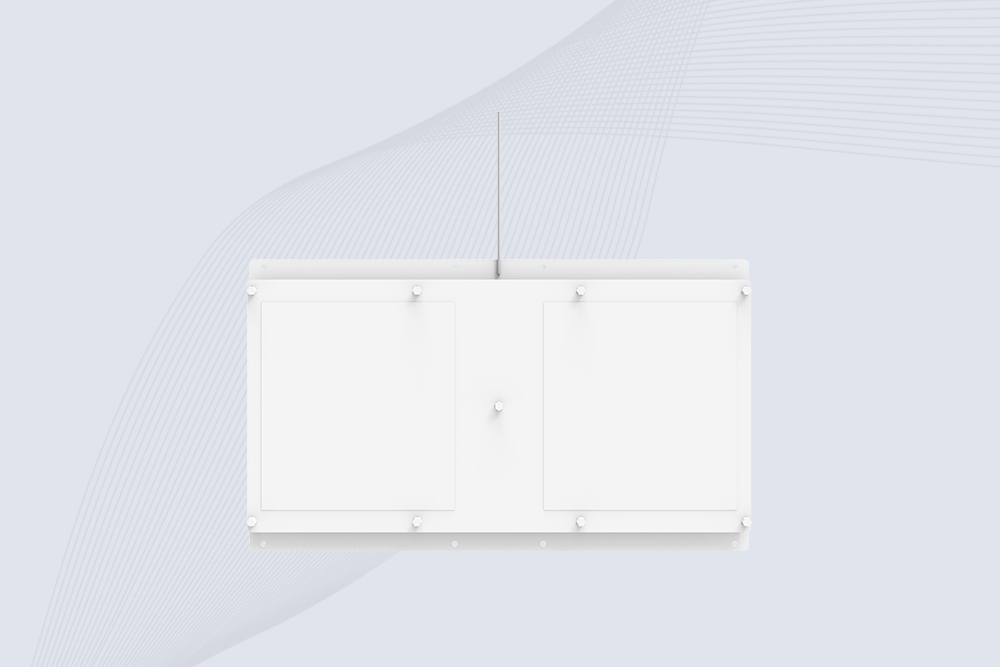
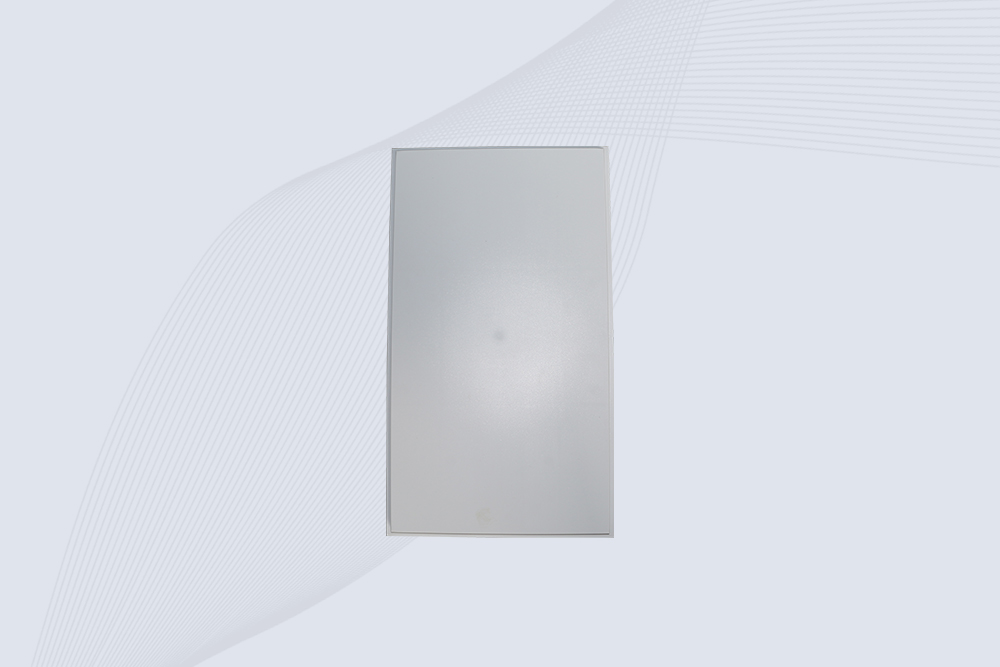
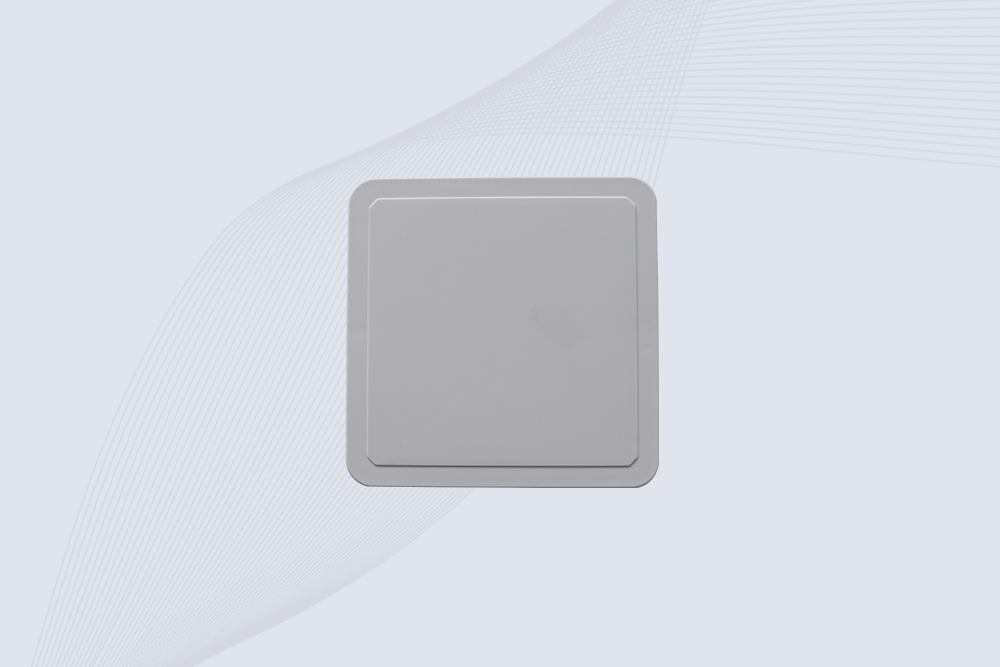
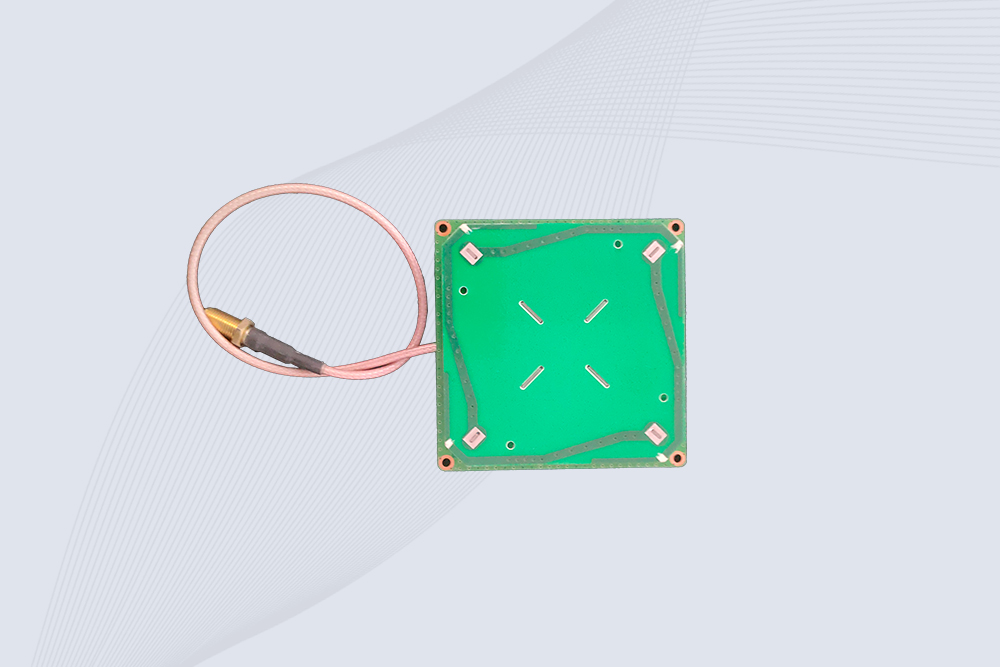
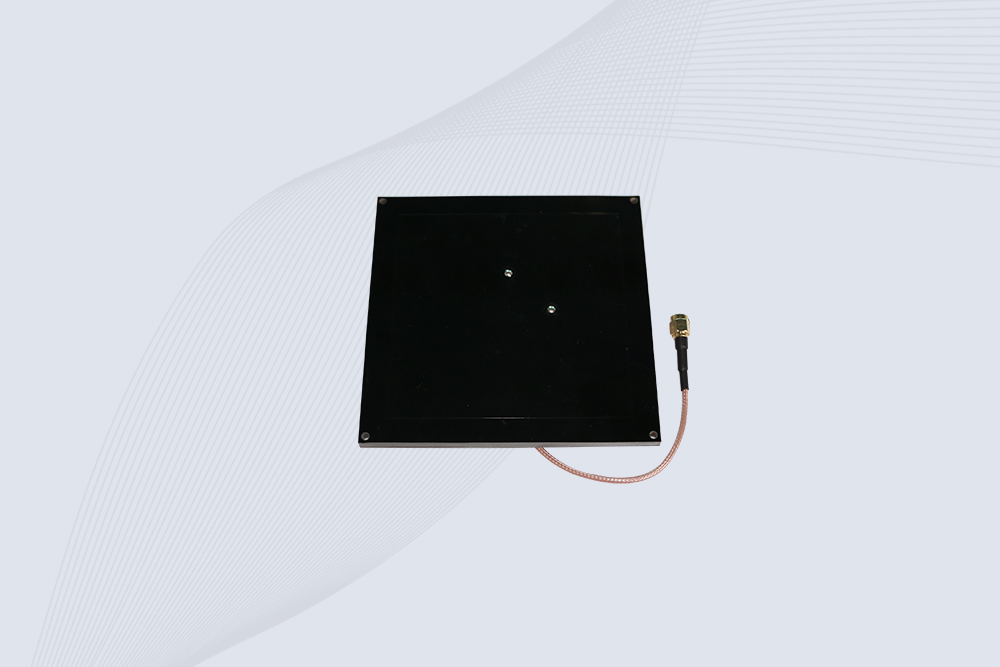
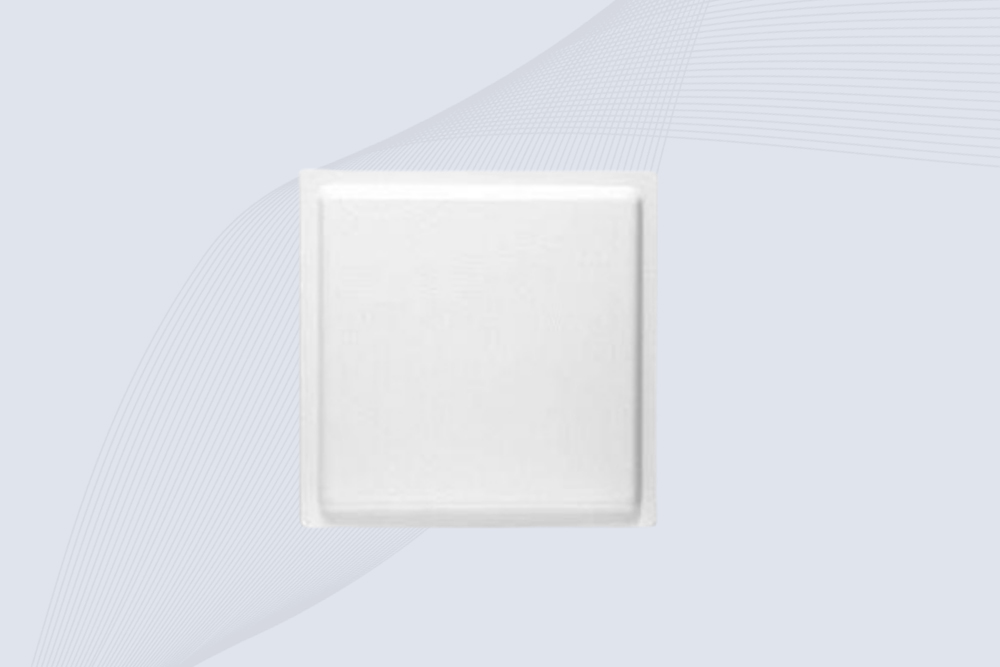
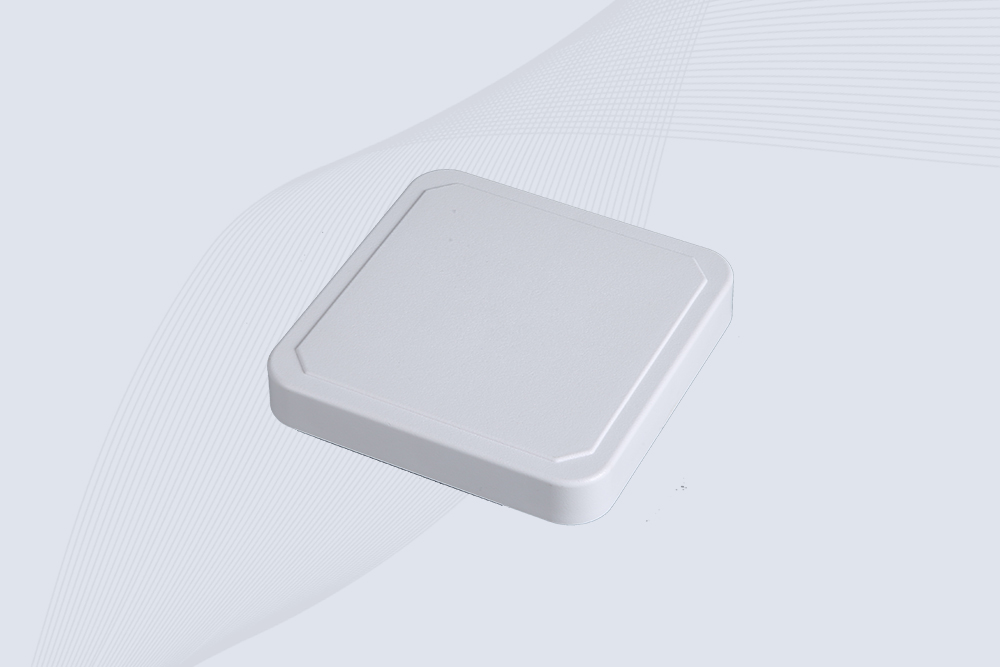
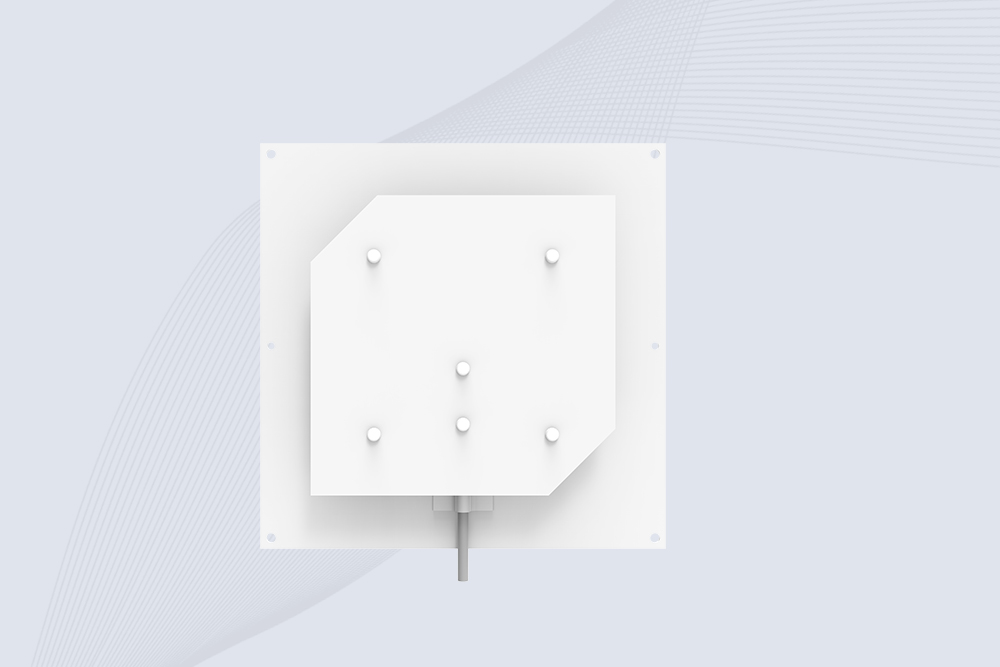
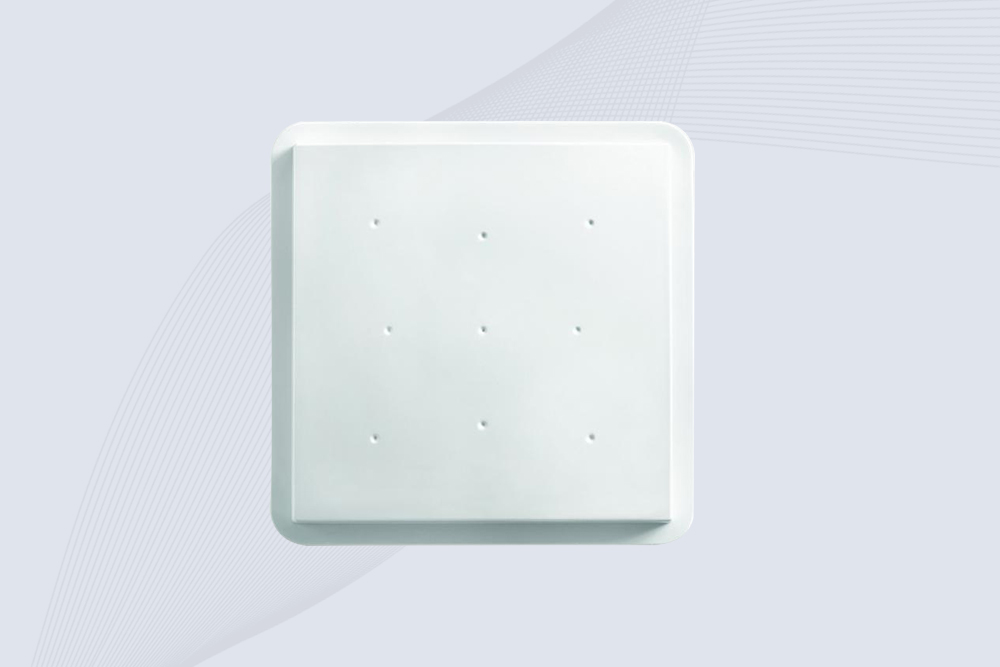
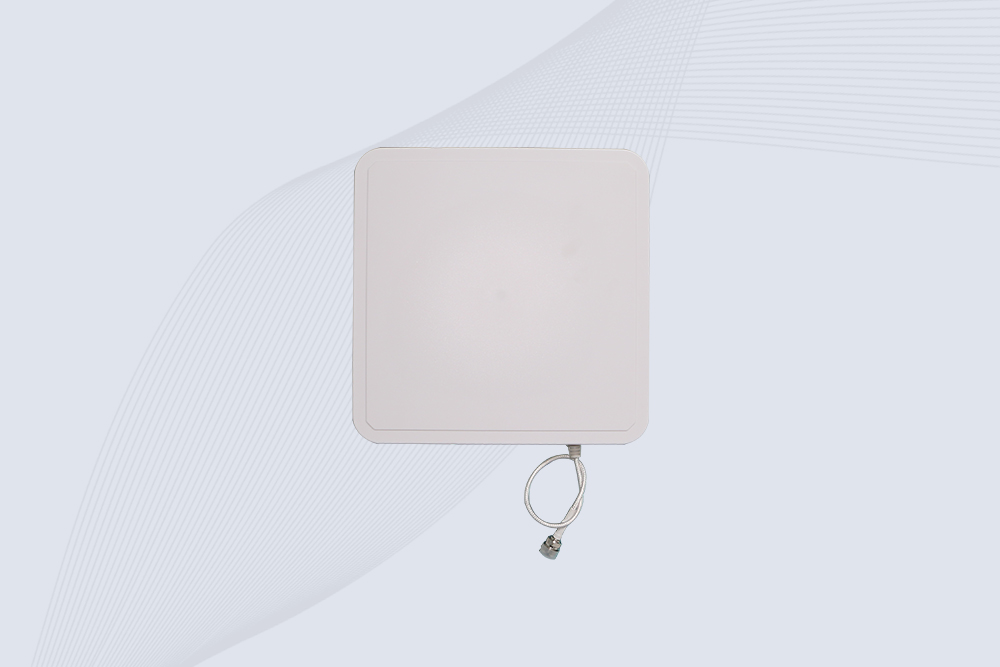
For businesses planning long-range RFID deployments, the UHF RFID 12dBi Antenna available at Cykeo RFID can be explored here:
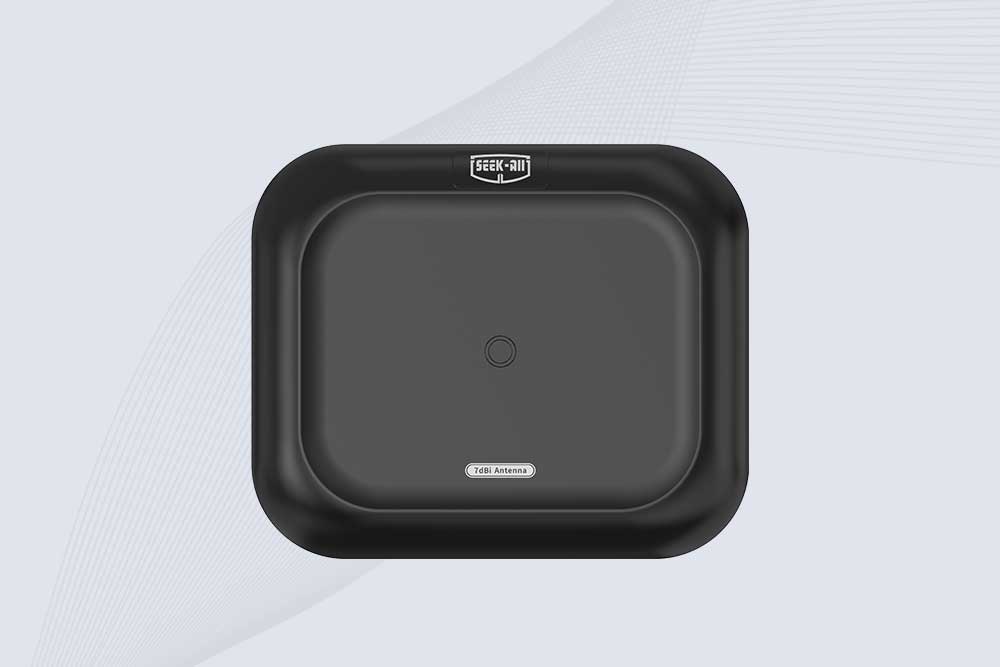
Explore the SSD-A07 UHF RFID antenna with 7 dBi gain, circular polarization, adjustable 840–960 MHz frequency, and 60°/75° beamwidth for stable RFID read/write performance.
SSD-A06 UHF RFID antenna with circular polarization, adjustable 840–960 MHz frequency, ≥4.5 dBi gain, and a compact directional design for RFID systems.
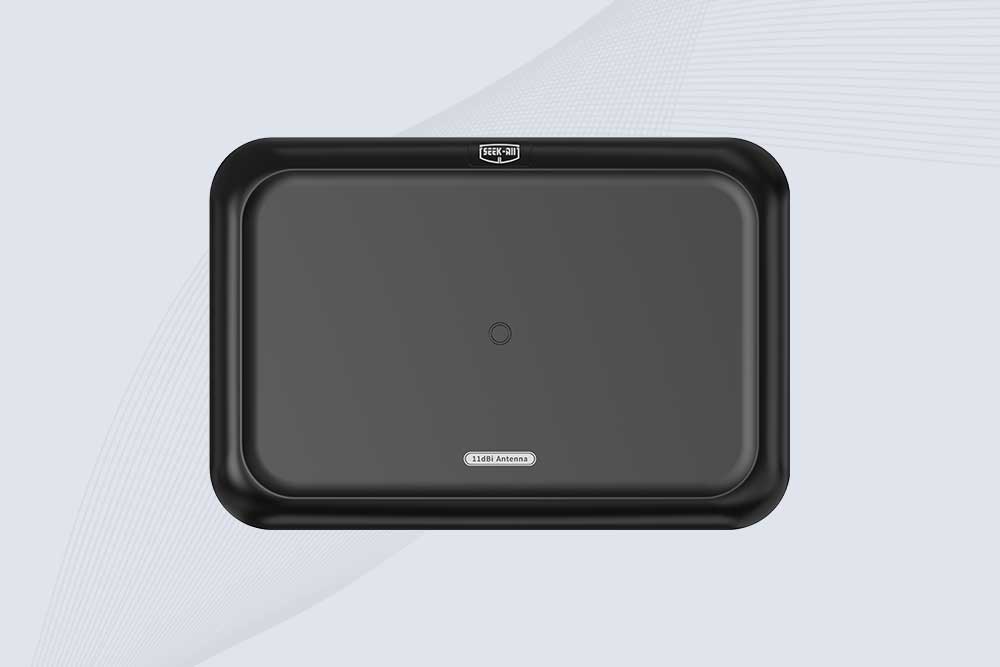
Cykeo CYKEO-A11 UHF RFID reader antenna delivers 11dBi gain, 840-960MHz frequency range, and IP65 ruggedness for retail, logistics, and industrial RFID systems. Features low VSWR and easy installation.
CYKEO Antenna RFID Reader delivers stable long-range UHF performance with a 10.5dBi directional design, built for warehouses, conveyor portals, and industrial RFID systems. This rfid reader antenna provides 20m+ read distance and rugged IP67 protection.
Cykeo CYKEO-A5B industrial Linear RFID Antenna delivers 5dBi gain, ≤1.5:1 VSWR, and IP65 rugged design for warehouse, production line, and logistics UHF systems.
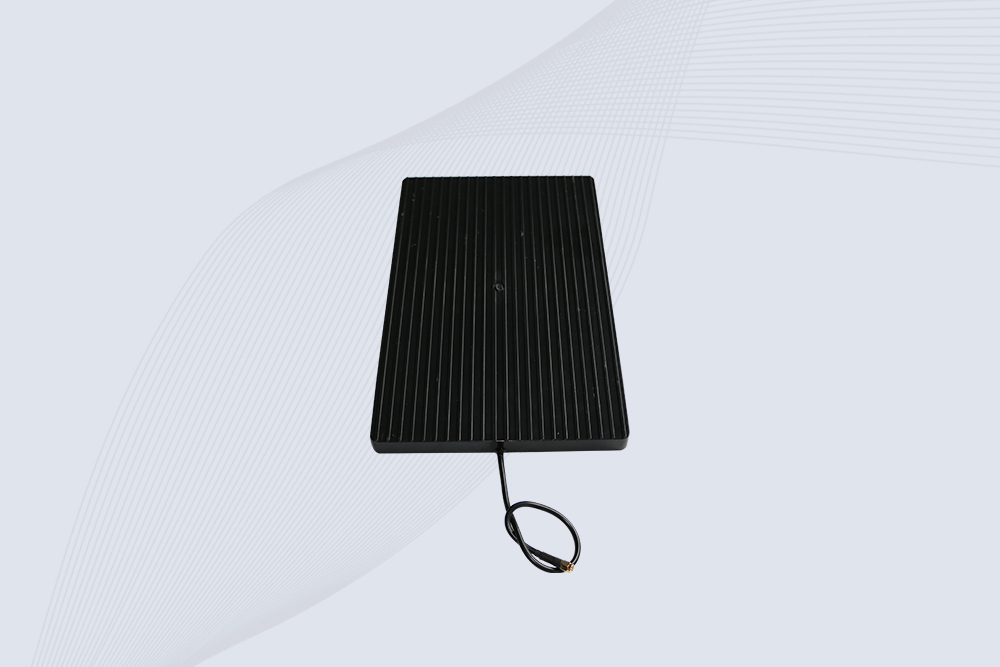
Cykeo’s CYKEO-B12 Long Range RFID Antenna delivers 15m+ read range with 12dBi gain, IP65 rugged design, and global 840-960MHz UHF support. Ideal for warehouse/logistics asset tracking.
Cykeo CYKEO-B10 Long Distance RFID Antenna offers 10dBi gain, 840-960MHz frequency range, IP65 rating, and 20m+ coverage for logistics/warehousing/ETC systems. Low VSWR ensures stable signal transmission.
Cykeo CYKEO-A6 UHF RFID panel antenna features 6dBi gain, 840-960MHz broadband, IP65 metal-ready housing for logistics/smart retail. 18mm ultra-thin design with tool-free mounting.
Cykeo CK-A3 industrial antenna RFID UHF offers 5m+ tag detection, ≤1.3:1 VSWR, IP65 rugged design, and global UHF spectrum compatibility (840-960MHz) for warehouses, factories, and retail.
Cykeo CYKEO-B5 directional RFID antenna provides 5dBi gain with 60° narrow beamwidth for precise inventory tracking. IP65-rated, global UHF frequency support, and low VSWR.
Create your own high-performance DIY RFID antenna! 5dBi gain, 840-960MHz tunable, step-by-step guides. Compatible with Arduino, Raspberry Pi, and commercial UHF readers.
Cykeo CYKEO-A7 Flexible RFID Antenna features 840-960MHz wideband tuning, 7dBi gain, and IP68 rating for medical/retail/industrial curved surface deployments. 98% read accuracy with peel-and-stick installation.
Cykeo CYKEO-B5A industrial Passive RFID Antenna delivers 5dBi gain, 70° beamwidth, and -40°C~55°C operation for warehouses/smart cabinets. Compatible with Zebra/Impinj readers.
Cykeo’s CYKEO-A9B High Gain RFID Antenna delivers 15m+ read range with 9dBi amplification. Features IP54 rugged design, 840-960MHz bandwidth, and 80° beamwidth for warehouse/manufacturing RFID systems.
Cykeo’s enterprise-grade 8dbi Impinj RFID Antenna 10m+ read range with 840-960MHz tuning. Features IP65 housing, 1.4 VSWR, 35° beamwidth for retail/warehouse RFID systems.
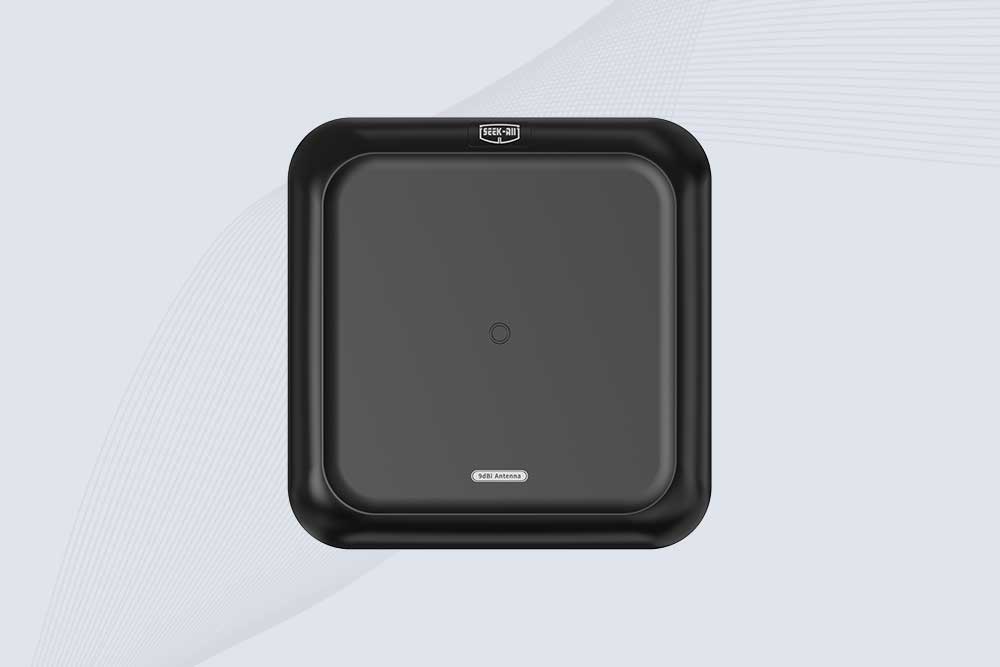
Cykeo CYKEO-A9 industrial UHF RFID antenna delivers 9dBi gain, 840-960MHz frequency range, and IP65 protection for warehouse/logistics/retail RFID systems. Features N-type connector and ≤1.3:1 VSWR.
CYKEO UHF RFID Antenna built for long-distance and industrial applications. This antenna rfid uhf delivers strong gain, outdoor durability, and reliable tag performance in warehouses, yards, and vehicle ID systems.
CYKEO Antenna RFID delivers reliable long-range UHF performance in warehouses, retail shelves, and cold-chain environments. This compact uhf rfid antenna provides stable reads with circular polarization and ultra-wide 840–960 MHz support, ideal for industrial tracking, smart shelves, and asset monitoring.
Cykeo’s CYKEO-C8 UHF RFID antennas delivers 8dBi gain, 840-960MHz full-band coverage, and IP65 ruggedness for manufacturing/warehouse RFID systems. Industrial RFID Antennas Features
Cykeo’s 8dBi UHF RFID antenna and reader kit delivers 10m+ range, 840-960MHz broadband, and IP65 ruggedness for factories, warehouses, and logistics. ISO 18000-6C & EPC Gen2 certified.
Cykeo’s CYKEO-A12C UHF Large RFID Antenna delivers 12dBi gain, 840-960MHz global frequency, IP65 ruggedness for logistics/warehousing/automotive. 40° beamwidth ensures stable 15m+ tag reads.
CYKEO Near Field RFID Antenna provides precise 5–30 cm reading for shelves, cabinets, and workstations. This compact rfid shelf antenna delivers stable short-range performance around metal and clutter, ideal for pharmacies, libraries, and electronics sorting.
RFID Industry Writer | IoT & Asset Tracking Analyst
James writes about RFID technology, asset tracking, and the practical challenges of digital transformation across warehousing, retail, manufacturing, and logistics.
His work focuses on how RFID is applied in real-world operations—improving inventory visibility, automating workflows, and helping businesses manage assets with greater accuracy and efficiency.
He regularly covers topics including UHF RFID, smart cabinets, RFID portals, tool tracking, warehouse automation, and industrial IoT trends..
Learn how long passive RFID tags last, what affects RFID tag lifespan, and how businesses choose durable RFID tags for inventory, logistics, retail, and industrial tracking.
Learn how to set up an RC522 RFID module with Raspberry Pi for DIY projects like access control, inventory tracking, and smart locks. Step-by-step instructions included.
A long range RFID scanner helps cold chain operators track pallets, reusable insulated boxes, refrigerated containers, and shipment assets through cold rooms...
RFID tags have no single universal type count. They are mainly classified by power source, frequency, and physical construction, with passive UHF/RAIN RFID w...
 Cykeo RFID IoT Solution Products R&D Manufacturer