 Cykeo RFID IoT Solution Products R&D Manufacturer

How Does UNIQLO RFID Work?
535Learn how does uniqlo rfid work across apparel tagging, inventory, automated checkout, and store operations, with practical RFID insights for modern fashion retail.
MoreAll RFID Product
Anyone who has worked with RFID long enough has probably experienced this.
A tag reads perfectly on cardboard, plastic, or wood. Then someone sticks the same tag onto a metal toolbox, steel container, server rack, or machine housing—and suddenly the read distance drops dramatically, or the tag disappears completely.
At first glance it feels like a defective tag.
Most of the time, it isn’t.
The real issue is that metal changes the way RFID antennas behave.
And that’s exactly why RFID anti metal tags were developed.
RFID communication relies on radio waves.
When a standard RFID label is attached directly to metal, the metal surface reflects and distorts the electromagnetic field generated by the tag antenna.
In many cases:
A simple way to picture it is this:
Imagine trying to hear a conversation in a room filled with echoes. The original signal is still there, but reflections make it difficult to distinguish.
Metal creates a similar challenge for RFID systems.
This is why ordinary RFID labels often fail on:
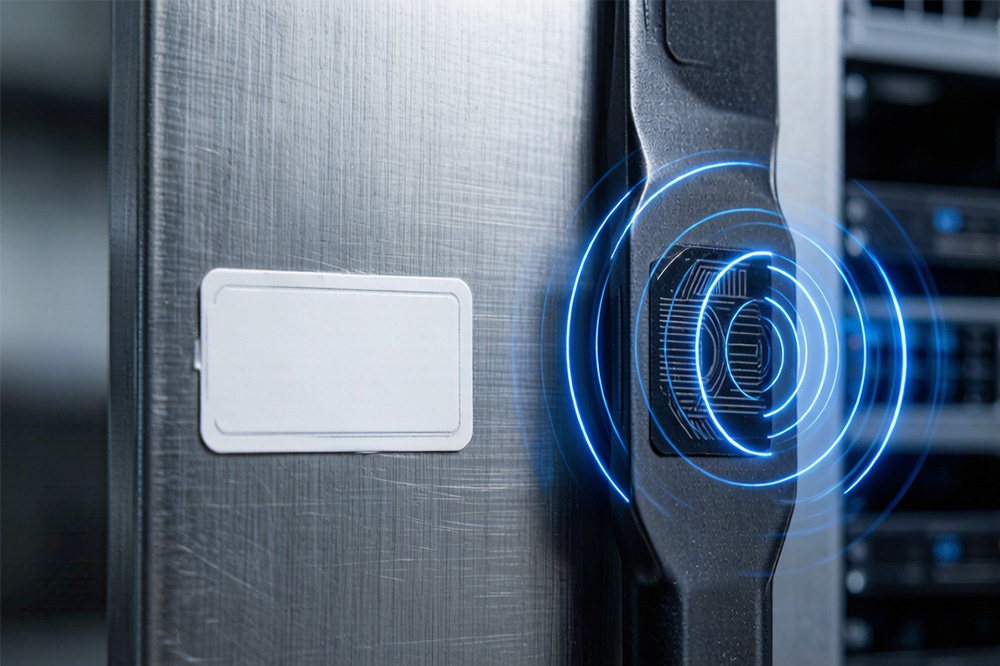
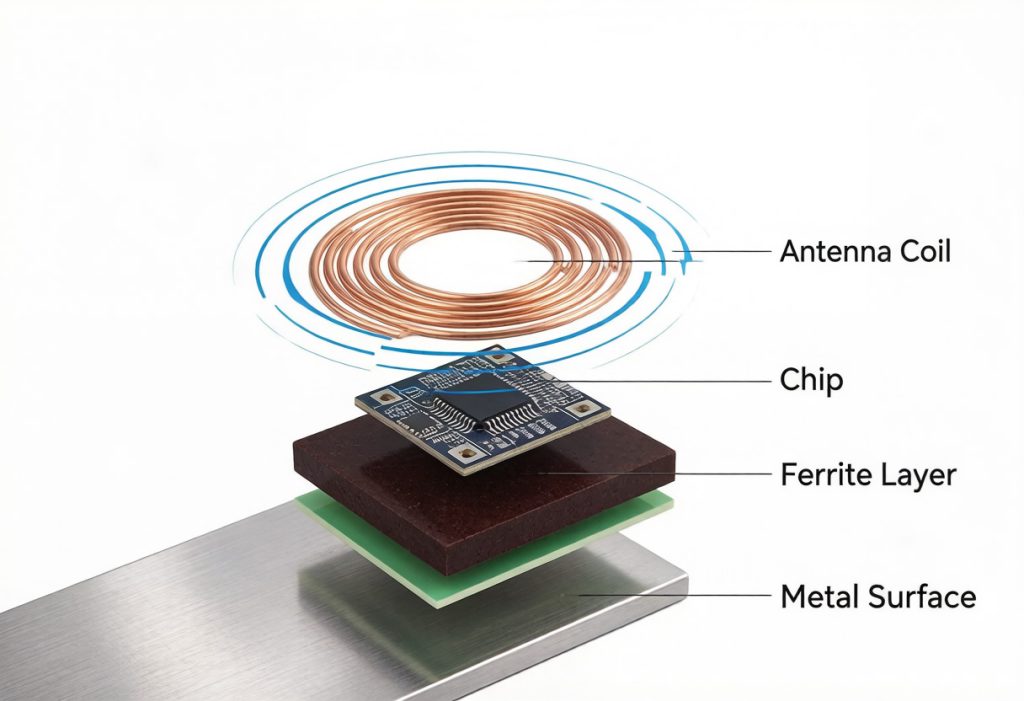
The key difference is the layer between the RFID antenna and the metal surface.
Most anti-metal RFID tags include a special insulating structure, often called:
This layer separates the antenna from the metal.
Instead of allowing the metal to interfere with the antenna, the tag is engineered so the metal becomes part of a controlled RF environment.
In practical deployments, a well-designed anti-metal tag can often achieve read distances similar to those achieved on non-metal surfaces.
One mistake many buyers make is assuming “anti-metal” means every tag performs equally.
In reality, there are several categories.
These look similar to standard RFID stickers.
Advantages:
Common uses:
The tradeoff is durability.
For harsh outdoor environments, they may not last as long as rigid tags.
These are typically enclosed in ABS, PC, nylon, or industrial-grade materials.
They are designed for:
Many can withstand:
If a tag is expected to remain attached for years, hard tags are usually the safer choice.
These use printed circuit board technology.
They are often smaller and thinner while maintaining stable RF performance.
You’ll frequently see them used on:
Because of their compact size, PCB tags are popular in tool tracking applications.
A surprisingly common challenge appears in manufacturing.
Some assets pass through:
Normal RFID tags may fail quickly under these conditions.
High-temperature anti-metal tags are specifically engineered to withstand these environments without losing performance.
One of the most common inquiries from buyers is:
“How far can an RFID anti-metal tag be read?”
The honest answer is:
It depends.
Read range is affected by:
In real-world UHF deployments:
| Tag Type | Typical Read Distance |
|---|---|
| Small anti-metal label | 1-5 meters |
| PCB anti-metal tag | 2-8 meters |
| Industrial hard tag | 5-15 meters |
| Long-range anti-metal tag | 10-20+ meters |
Actual performance should always be validated through field testing.
A warehouse full of steel racks behaves very differently from an open yard.
This is another misunderstanding that appears frequently.
The short answer:
No, RFID signals generally do not pass through solid metal.
Metal acts as a barrier and reflector.
If a tag is hidden behind a metal plate, cabinet door, or steel enclosure, read performance may be severely limited or completely blocked.
The solution is not stronger readers.
The solution is usually better tag placement.
Experienced RFID integrators often spend more time optimizing installation positions than selecting hardware.
Consider a maintenance workshop with hundreds of metal tools.
Traditional inventory methods require technicians to:
With anti-metal RFID tags attached to each tool:
Employees remove tools from a cabinet.
Fixed RFID readers automatically record movement.
At shift end, the system immediately identifies:
What used to take hours can often be completed in minutes.
This is one reason RFID tool management systems have become increasingly common in aviation, railway maintenance, manufacturing plants, and utility companies.

When sourcing RFID anti metal tags in bulk, focusing only on price usually creates problems later.
Several factors deserve attention:
Not all metals behave the same.
Performance can differ on:
Testing on the actual asset is always recommended.
Options include:
The best choice depends on the operating environment.
For outdoor deployment, verify:
Long-range asset tracking requires a different tag design than close-range inventory control.
Selecting a tag purely based on size can become an expensive mistake.
Today, anti-metal RFID tags are widely used in:
In many cases, the return on investment comes less from labor savings and more from preventing lost assets.
A single missing calibrated tool, server, or industrial component can cost far more than the RFID system itself.
Metal has always been one of the biggest challenges in RFID deployment. Yet it’s also where RFID often delivers the highest value.
The difference usually comes down to selecting the right anti-metal tag rather than trying to force a standard RFID label to do a job it wasn’t designed for.
For companies tracking metal tools, equipment, containers, or industrial assets, a properly selected UHF RFID anti-metal tag can transform inventory visibility, reduce manual audits, and create a much more reliable tracking process.
And before placing a large order, it’s worth requesting samples and testing them directly on your actual metal assets. A few days of validation can save months of frustration later.
Related Read:How to Identify an RFID Tag: A Practical Guide for Everyday Use
If you’ve ever held a plastic access card, a warehouse tag, or a library label and wondered “Is this an RFID tag, and what type is it?”, you’re not alone. RFID technology hides in plain sight — inside cards, stickers, and even tools — and it comes in several different types. Knowing how to identify your RFID tag can save hours of trial and error, especially if you’re troubleshooting or planning to integrate it into a new system.
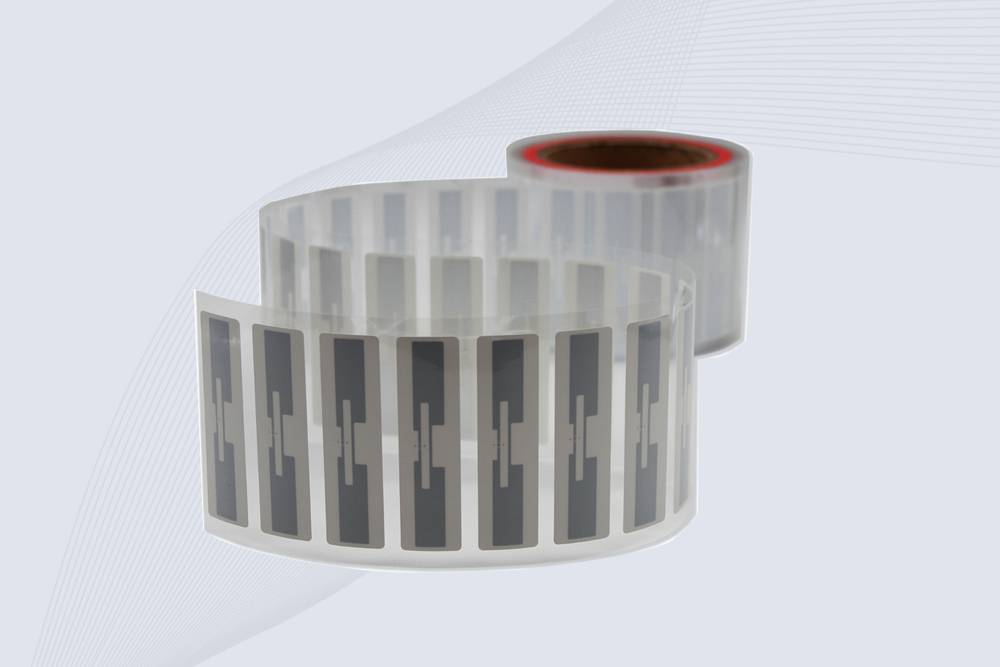
CYKEO Passive RFID Tags are made for wet and high-humidity environments where standard labels do not last. This rfid passive tag is often used around liquids, chemicals and temperature changes, providing stable reading distance and long data life for industrial tracking.
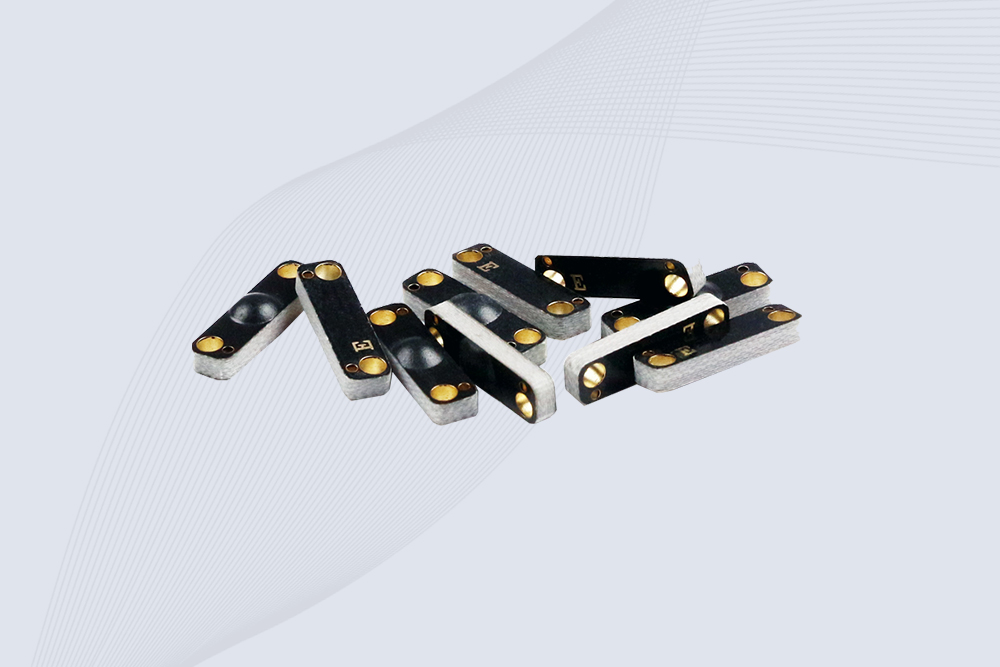
CYKEO CYKEO-PCB1504 Metal RFID Tags is a compact anti-metal UHF RFID solution built for direct mounting on metal surfaces. With stable 8-meter read range, Ucode-8 chip, and long data retention, this rfid metal tag fits tools, containers, automotive parts, and industrial asset tracking.
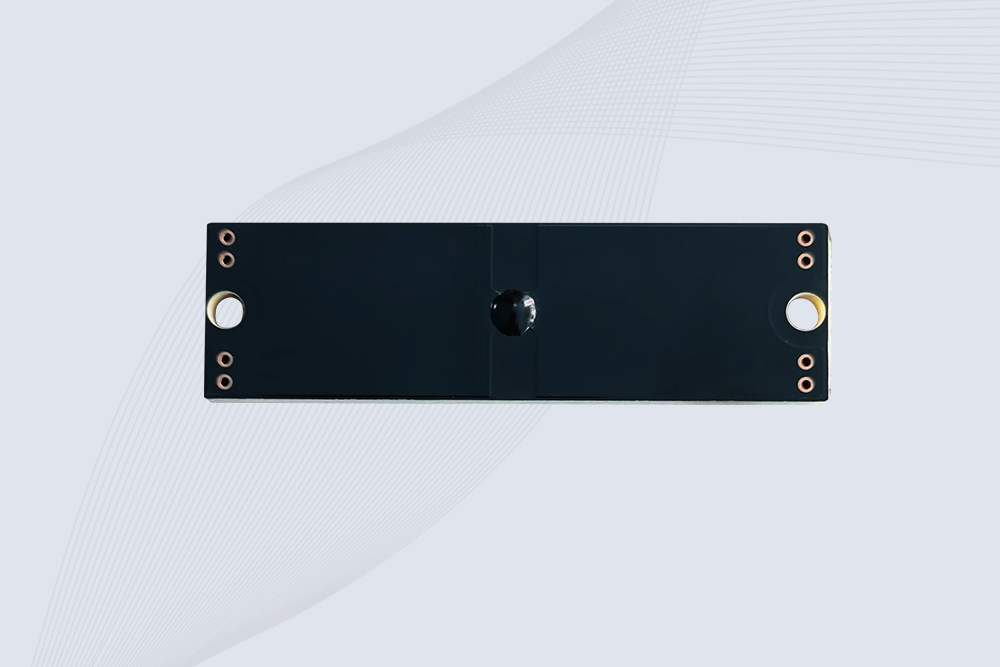
CYKEO CYKEO-PCB7020 On-Metal RFID Tags are designed for reliable tracking on steel and metal surfaces. Built with an FR4 epoxy body and industrial-grade chips, these On-Metal RFID Tags deliver stable performance, long data life, and chemical resistance, making them a dependable RFID anti-metal tag for harsh environments.
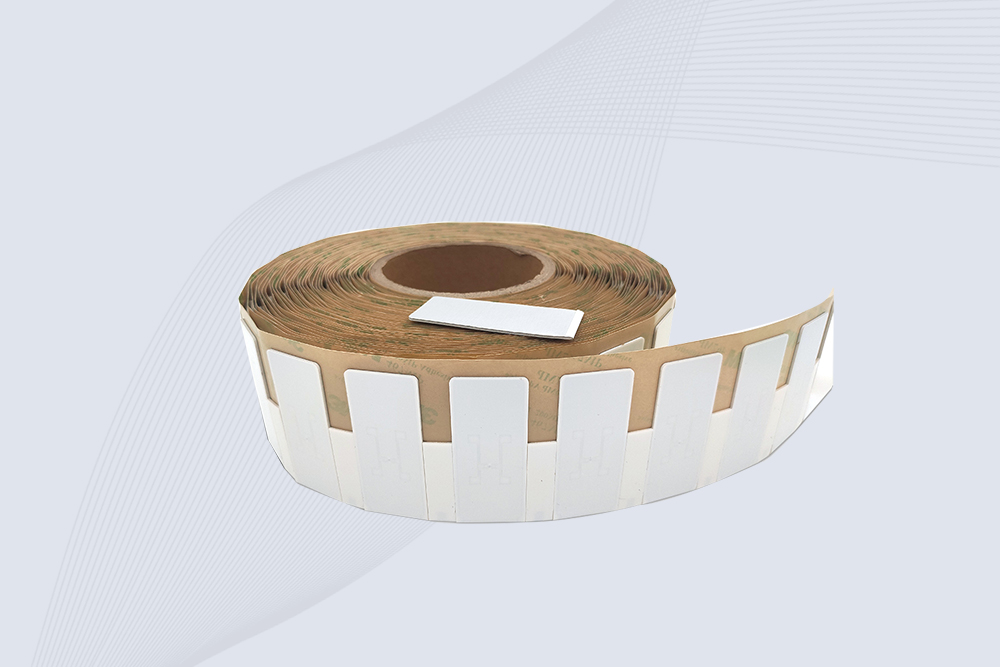
The CYKEO CYKEO-60-25 Anti-Metal RFID Tag is built for metal surfaces where standard tags fail. Designed for long-range performance, harsh environments, and stable data retention, this Anti-Metal RFID Tag is ideal for industrial assets, containers, and equipment tracking using on metal RFID tags.
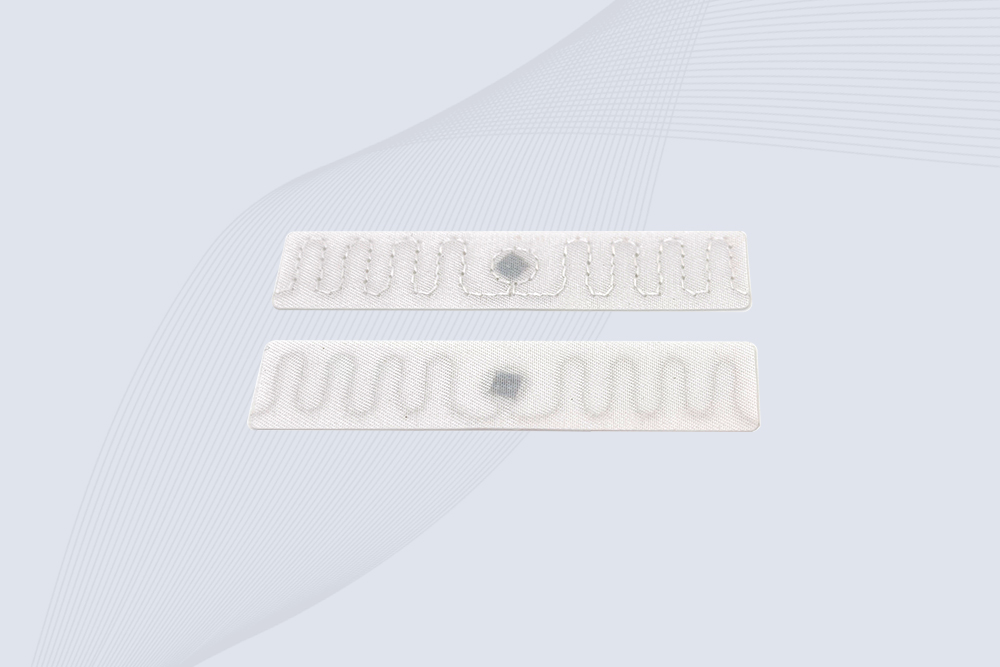
The CYKEO RFID Laundry Tag is designed for long-term textile identification in harsh laundry environments. Built to withstand high heat, chemicals, and repeated washing, this RFID Laundry Tag delivers stable performance for hotels, hospitals, and industrial laundry operations using laundry rfid tags at scale.
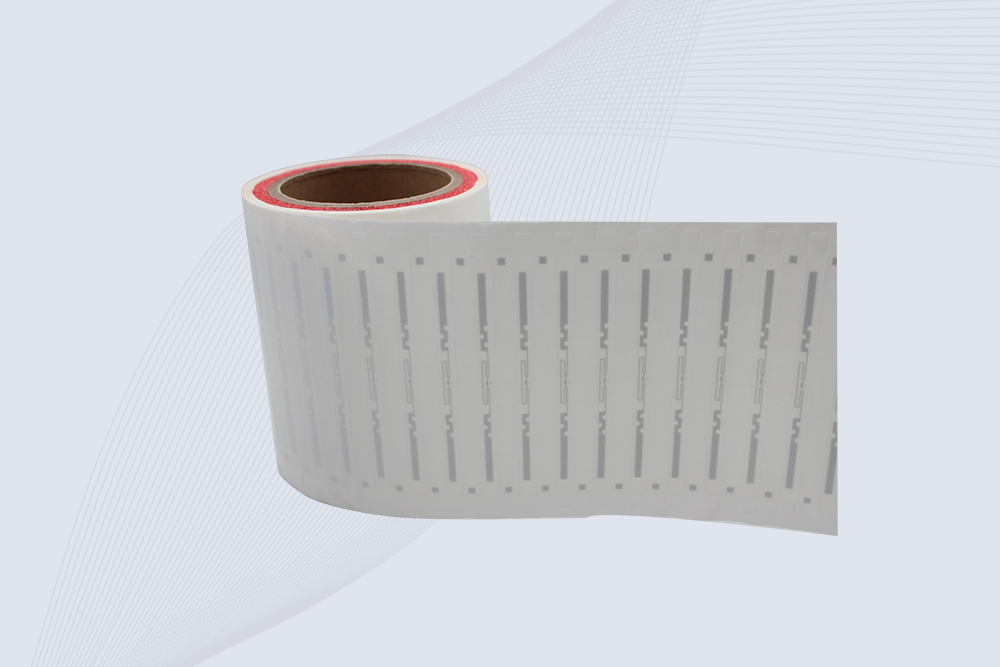
The CYKEO CYKEO-125-7 RFID Book Tag is designed for reliable book and document tracking in libraries and archives. This RFID Book Tag delivers long read range, dense placement support, and stable performance on shelves, making it a practical rfid tag on books for library automation, file management, and archival systems.
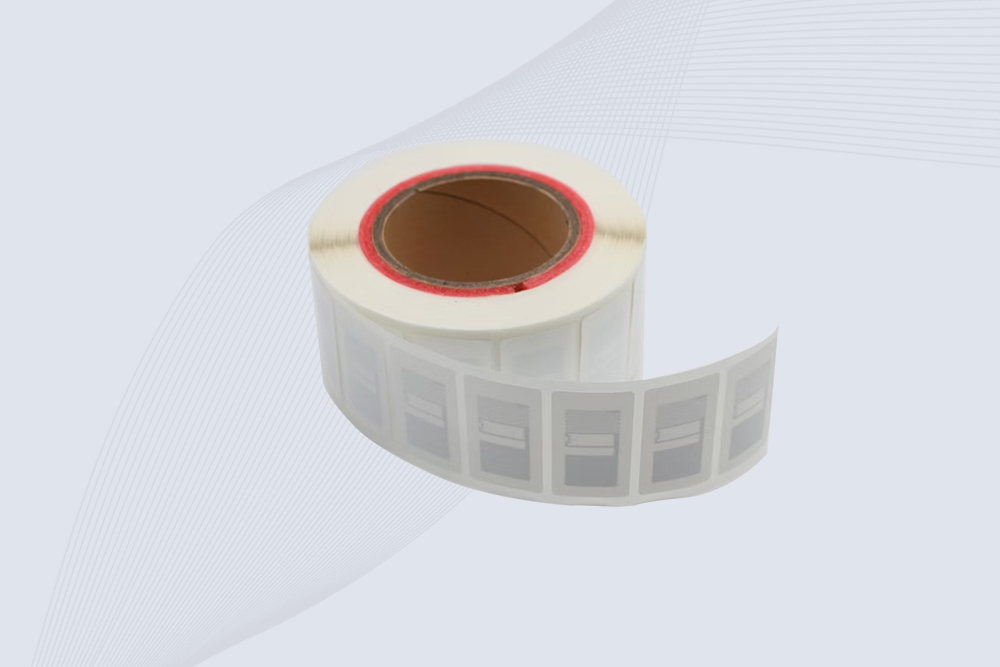
CYKEO RFID tags in hospitals are designed for sterile environments where accuracy matters. These autoclavable RFID tags support long-term tracking of surgical tools, implants, and medications, helping hospitals improve visibility, compliance, and patient safety.

CYKEO RFID Cable Tie Tag is built for reliable identification on metal surfaces. This UHF RFID Cable Tie Tag is widely used in rfid tags for inventory systems, industrial asset management and Hospital RFID Tags, offering stable read performance, long service life and global EPC Gen2 compatibility.
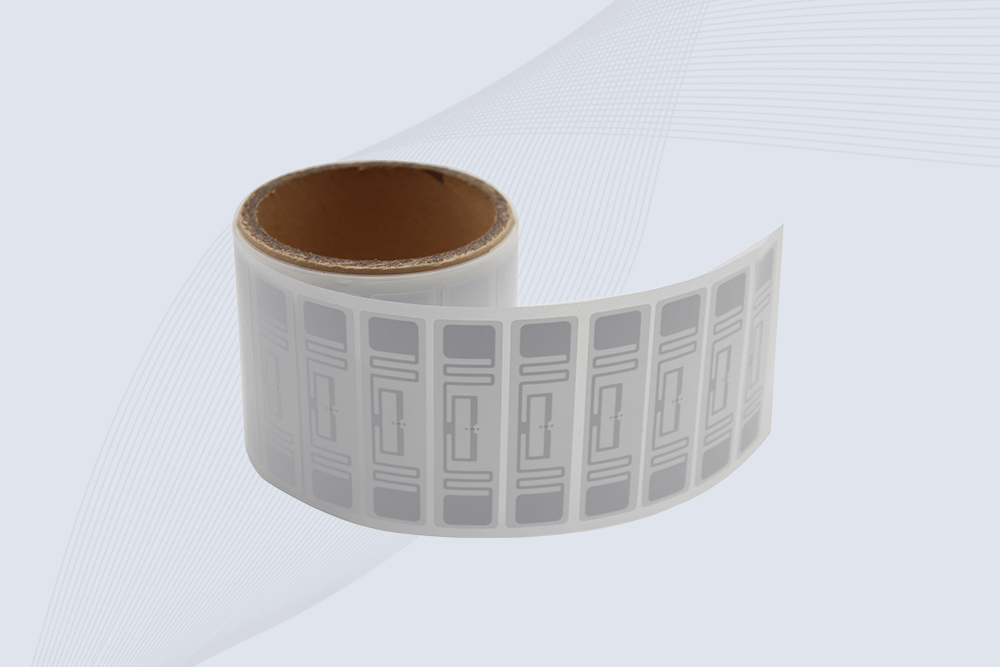
CYKEO RFID Asset Tag is designed for stable identification of metal assets in industrial environments. This UHF RFID Asset Tag is commonly used for rfid tag asset tracking on equipment, tools and containers, providing reliable reads, long service life and ISO/IEC 18000-6C support.

CYKEO UHF RFID Card is designed for fast identification and long-term use in industrial and commercial systems. Supporting ISO 18000-6C, this UHF RFID Card works at 860–960 MHz and is suitable for custom RFID cards used in asset tracking, access control and inventory management.
CYKEO HF RFID Cards are designed for secure and stable access control systems. These 13.56 MHz RFID key cards support ISO 14443-A, reliable rewriting and long service life, making HF RFID Cards suitable for offices, campuses, events and membership management.
CYKEO UHF RFID Tag is designed for reliable tracking of metal jewelry and high-value items. This Jewelry RFID Tag supports long-range reading up to 8 meters, anti-counterfeit protection and stable performance on metal, making it suitable for retail, inventory control and asset management.
RFID Industry Writer | IoT & Asset Tracking Analyst
James writes about RFID technology, asset tracking, and the practical challenges of digital transformation across warehousing, retail, manufacturing, and logistics.
His work focuses on how RFID is applied in real-world operations—improving inventory visibility, automating workflows, and helping businesses manage assets with greater accuracy and efficiency.
He regularly covers topics including UHF RFID, smart cabinets, RFID portals, tool tracking, warehouse automation, and industrial IoT trends..

Learn how does uniqlo rfid work across apparel tagging, inventory, automated checkout, and store operations, with practical RFID insights for modern fashion retail.
More
Learn how RFID tool cabinet reporting tracks tool usage, locations, checkout history, inventory status, users, and exceptions across industrial operations.
More
Learn how do rfid cards work through RFID technology, chip communication, and real applications. Cykeo explains RFID card systems with engineering experience.
More
Passive RFID tags work by harvesting RF energy from a reader, activating their IC, and returning data through modulated backscatter without an internal battery.
More