RFID read range varies from a few centimeters to over 15 meters depending on frequency, tag type, antenna design, and environment.
That’s the straight answer. But in real deployments, I’ve rarely seen “maximum range” match spec sheets. Range is not a fixed number—it’s a negotiation between physics, hardware, and environment.
rfid read range explained in real deployments
From lab testing to warehouse rollout, RFID distance behaves differently across frequency bands.
Typical RFID read ranges
RFID Type
Frequency
Read Range
LF (Low Frequency)
125 kHz
2–10 cm
HF (High Frequency)
13.56 MHz
5–30 cm
UHF Passive
860–960 MHz
3–15 meters
Active RFID
433 MHz / 2.4 GHz
30–100+ meters
According to GS1, UHF RFID systems are widely adopted in logistics because they balance cost and long-range performance.
In one of my warehouse deployments using UHF readers, we consistently achieved 11–13 meters stable reads, but only after careful antenna tuning—not out of the box.
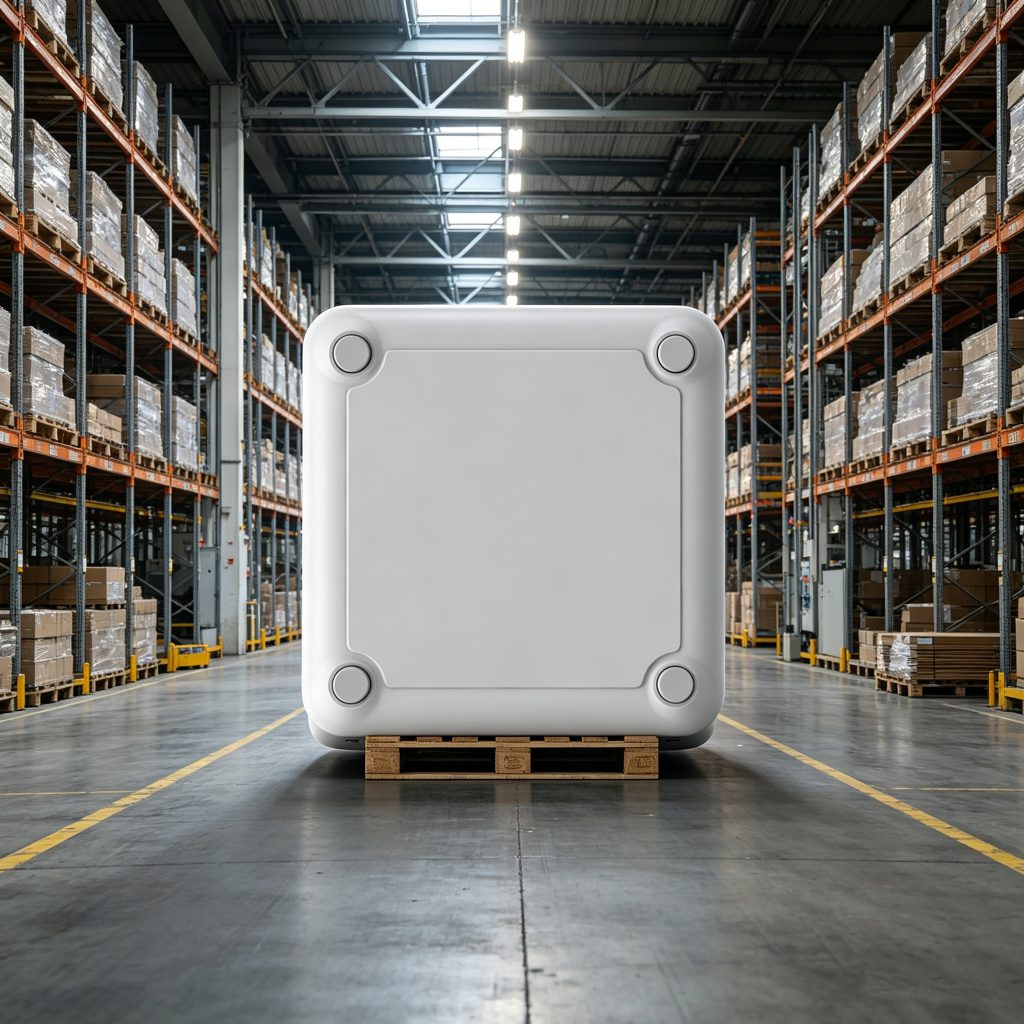
UHF RFID enables multi-meter reading distances in logistics environments
what determines how far rfid can be read
Range isn’t just about power. Several variables interact in subtle ways.
1. Frequency band
Higher frequencies (UHF) support longer distances but are more sensitive to interference.
2. Tag design
Antenna size
Chip sensitivity
Material compatibility
A poorly matched tag can cut range by 50% instantly.
Metal shelves, liquids, and even human bodies absorb or reflect RF signals.
real-world performance vs theoretical range
Manufacturers often quote “maximum range,” but field results tell a different story.
According to research from MIT Auto-ID Lab:
Real-world RFID range is typically 60–80% of theoretical maximum
Signal loss increases sharply near metal or water
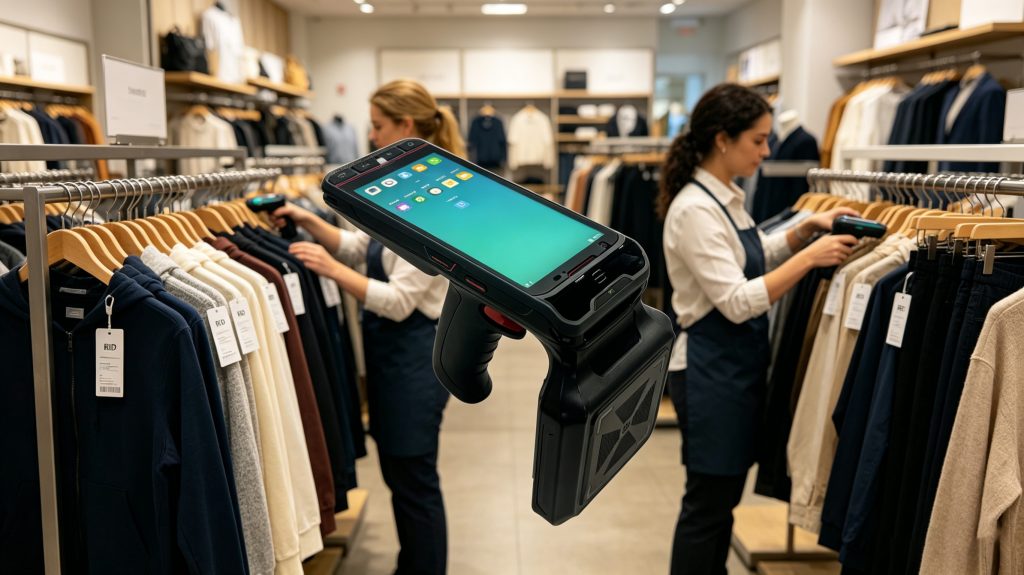
In a retail apparel project I worked on, ceiling-mounted readers claimed 15 meters. Actual usable range? Around 9 meters—but with far better stability and accuracy.
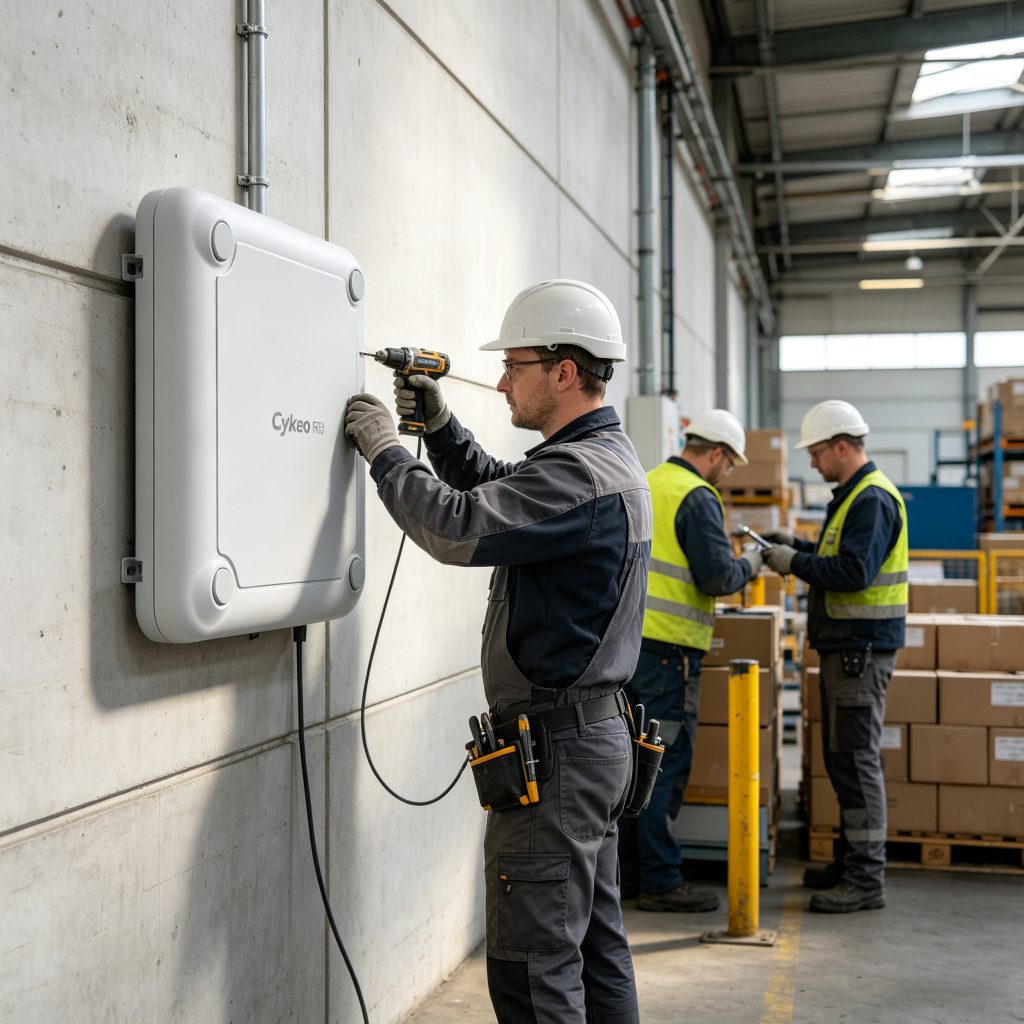
Environmental factors reduce or enhance RFID read range
passive vs active rfid range comparison
Passive RFID
No battery
Range: up to 15 meters
Lower cost, minimal maintenance
Active RFID
Battery-powered
Range: 30–100+ meters
Used for high-value asset tracking
Despite the shorter range, passive RFID dominates supply chains due to scalability.
how to increase rfid reading distance
From field tuning, these adjustments consistently improve performance:
Discover the differences between passive and active RFID modules, their ideal applications, and key factors to consider for your project. Make an informed decision with our guide.
Discover how uhf adhesive rfid label tag technology improves warehouse accuracy, retail inventory visibility, and logistics efficiency using Cykeo UHF RFID solutions.
Learn how an RFID payment system works, its benefits, and real-world use cases. Discover why businesses are switching to fast, contactless RFID payment solutions.
Learn what is rfid card technology, how RFID cards work, and how Cykeo RFID solutions support secure identification, smart access, and card management applications.
 Cykeo RFID IoT Solution Products R&D Manufacturer