When people first see an RFID tag, it looks like a flat sticker with a shiny pattern. But behind that simple appearance are a few essential components of RFID tag that make the whole technology work. And, honestly, once you’ve handled a few in real industrial settings, you realize the differences between “basic labels” and “rugged tags” matter more than the theory diagrams.
The Microchip (IC)
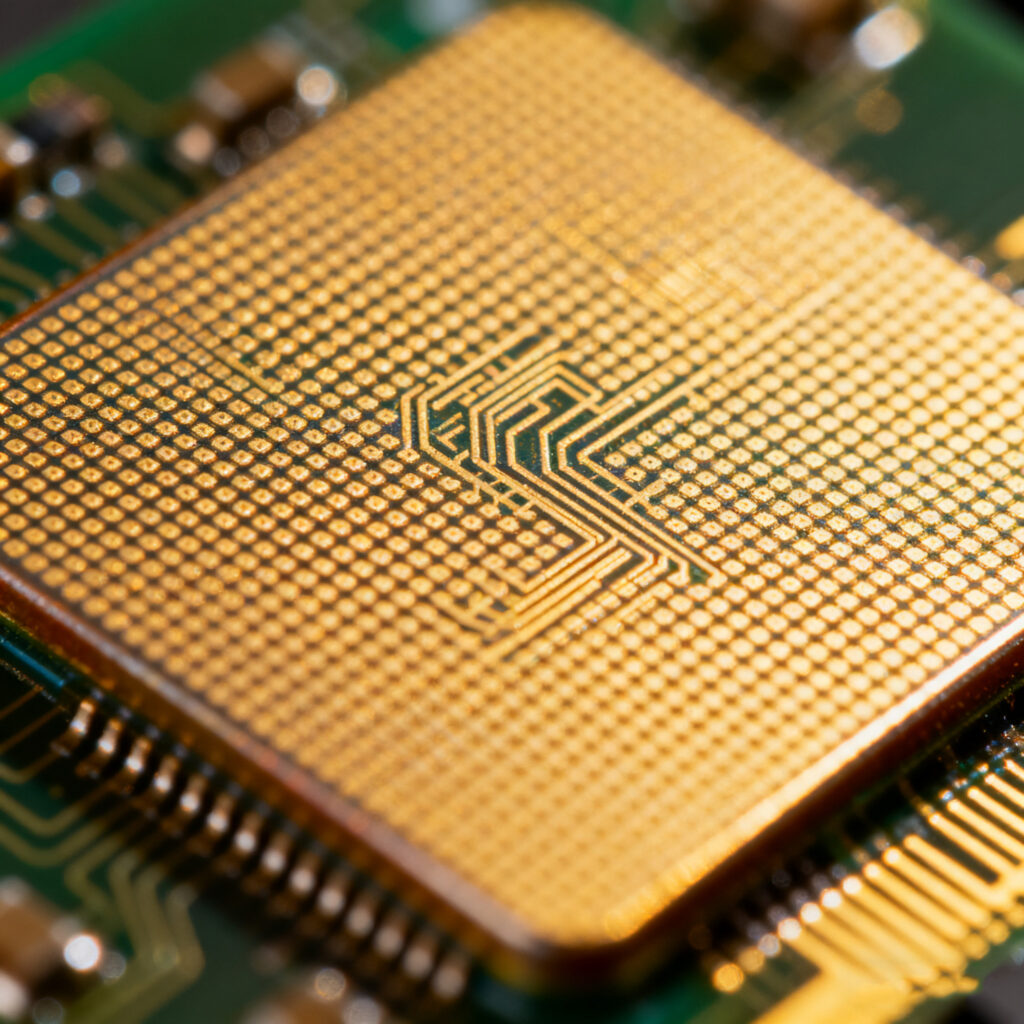
At the heart of every RFID tag sits a tiny integrated circuit. This is where the tag’s memory, unique identifier, and sometimes even little bits of processing happen. For passive tags, the chip doesn’t have its own power source — it relies on energy harvested from the reader’s signal.
What’s funny is that most people think the chip is the “expensive” part. In practice, antennas and encapsulation drive reliability just as much. I’ve seen cheap chips work fine but fail in the field because the antenna design was poor.
The Antenna
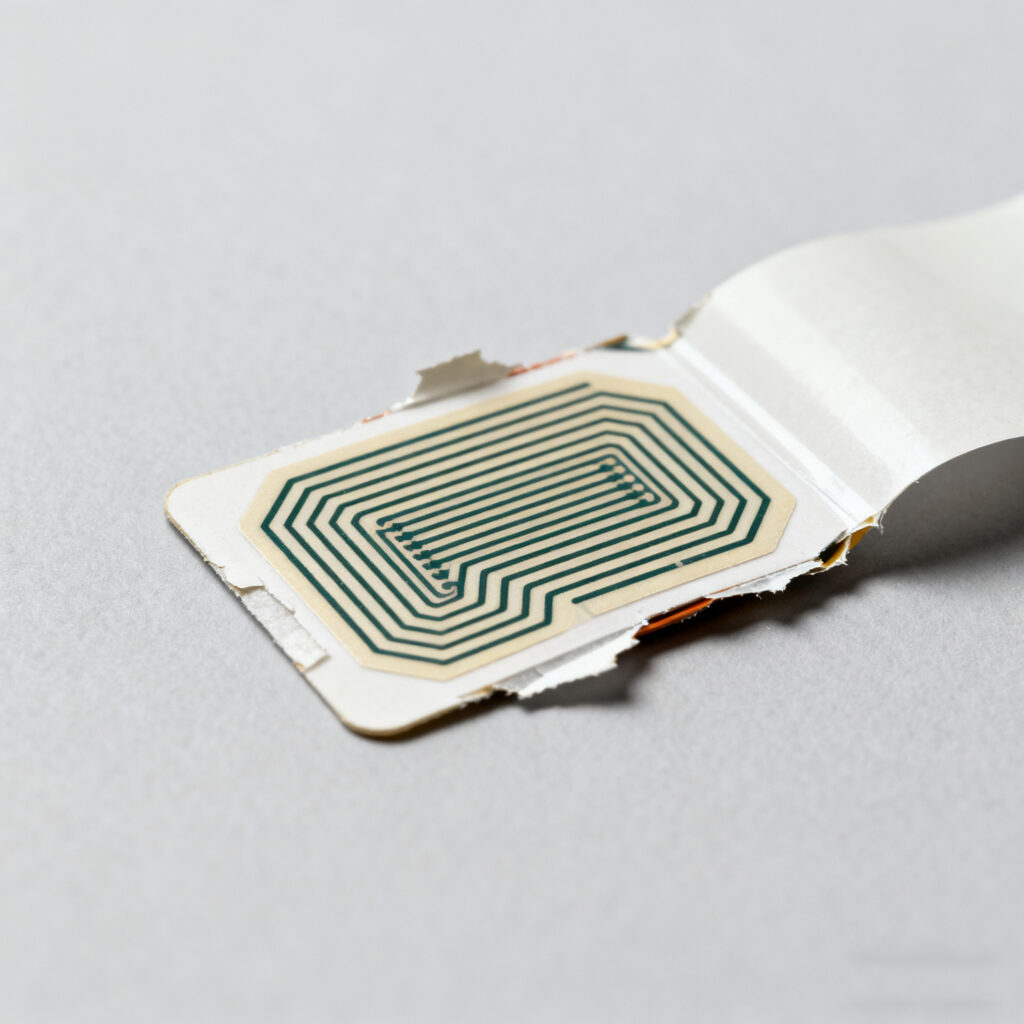
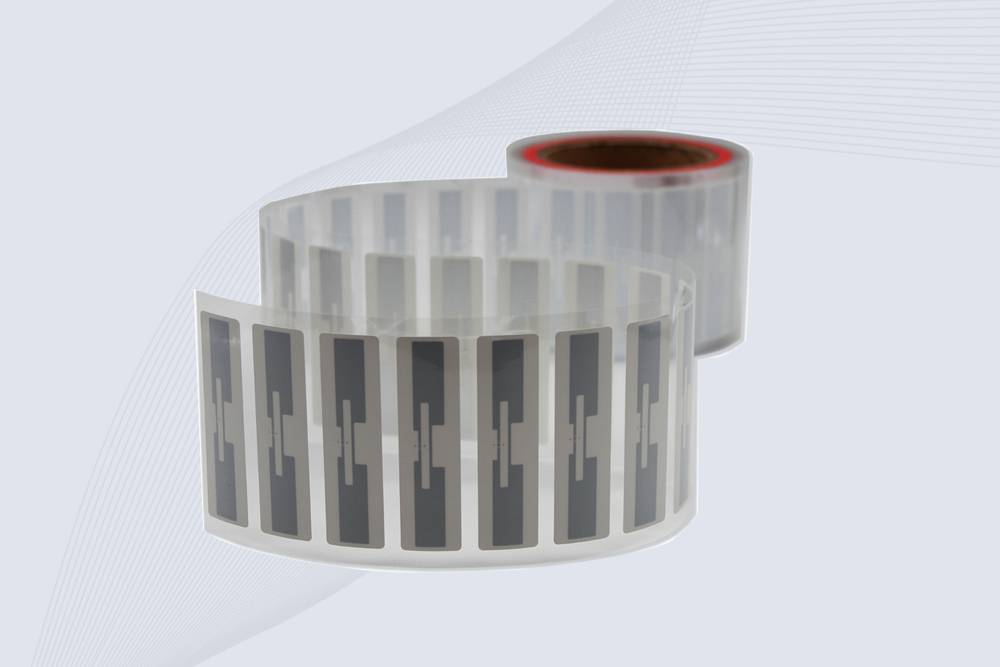
If the chip is the brain, the antenna is the voice and ears. It’s usually a thin metallic structure etched or printed onto a surface. Its job is to capture radio waves from the reader and reflect data back.
Here’s the tricky part: the rfid antenna shape and material vary depending on frequency (LF, HF, UHF). Place it on metal without proper design, and your read range drops to almost nothing. In warehouses, this is where most troubleshooting ends up — not the chip, but the antenna and how it interacts with the environment.
The Substrate (or Base Layer)
The antenna and chip need something to sit on. That’s the substrate. It can be paper, plastic, or something more rugged if the tag is meant for industrial use. Think of it as the foundation of a house: you don’t notice it until it fails.
In my own experience, humidity and heat can mess with poor-quality substrates. If the adhesive or backing peels off, the tag may still technically “work,” but it becomes useless if it doesn’t stay in place.
Encapsulation (Optional but Important)
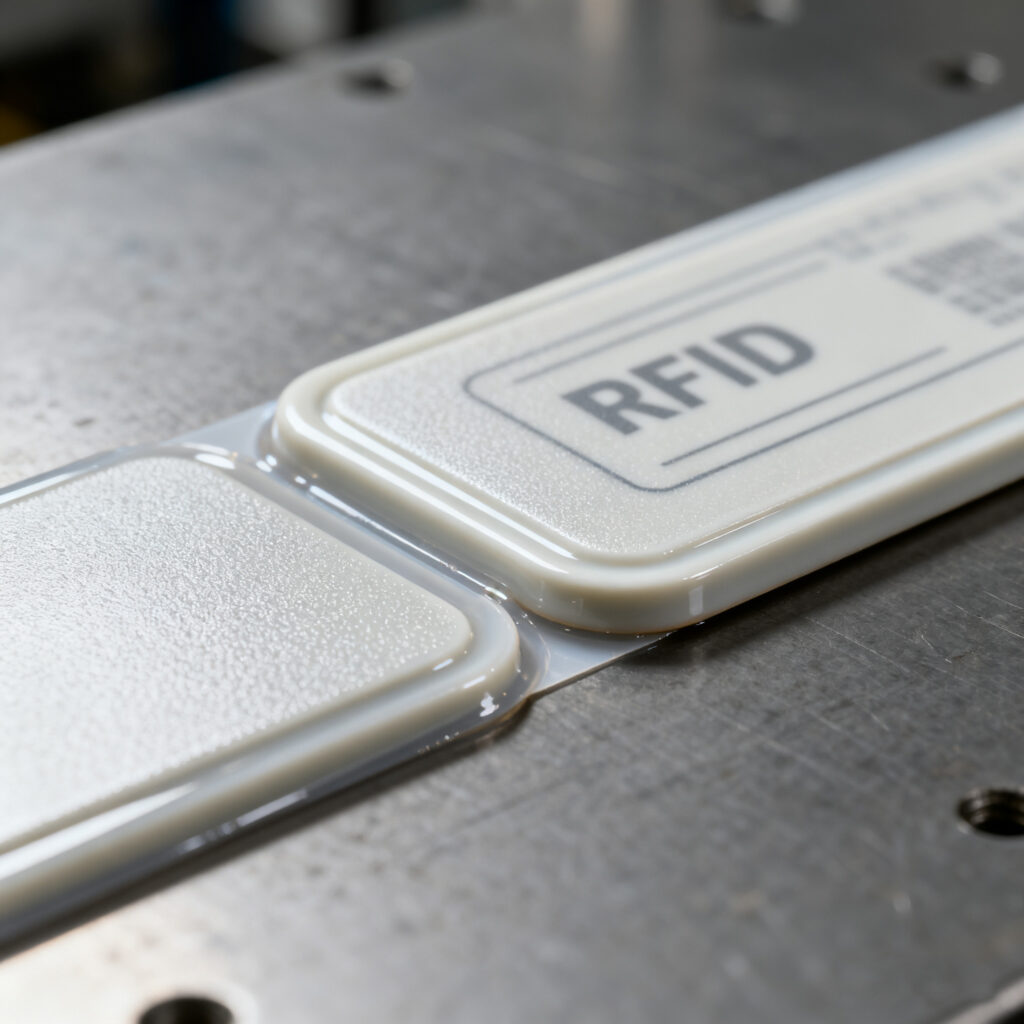
Some tags are bare, just chip + antenna + base layer. Others come sealed in plastic or protective casings to survive chemicals, vibration, or outdoor exposure. This “extra layer” doesn’t always get mentioned in textbooks, but in real-world deployments, it’s the difference between tags lasting weeks versus years.
Wrapping Up
So, the components of RFID tag might sound simple on paper — chip, antenna, substrate, sometimes encapsulation. But in the field, the way these elements are designed and combined makes or breaks a deployment. It’s not about memorizing parts; it’s about understanding how each piece behaves when glued to a shipping box, bolted on a metal rack, or stuck inside a production line.
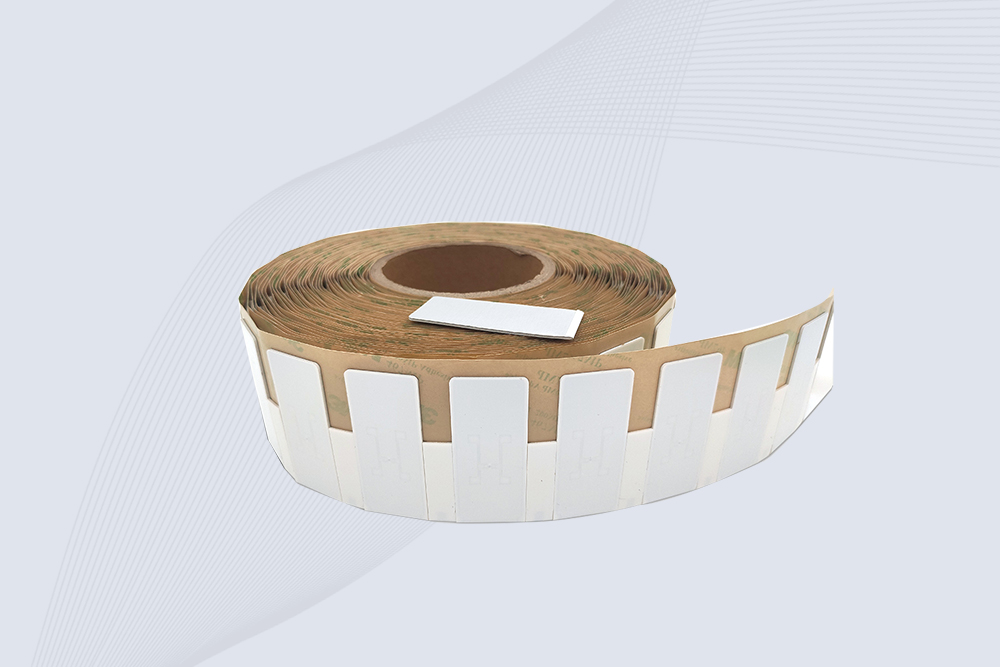
CYKEO Passive RFID Tags are made for wet and high-humidity environments where standard labels do not last. This rfid passive tag is often used around liquids, chemicals and temperature changes, providing stable reading distance and long data life for industrial tracking.
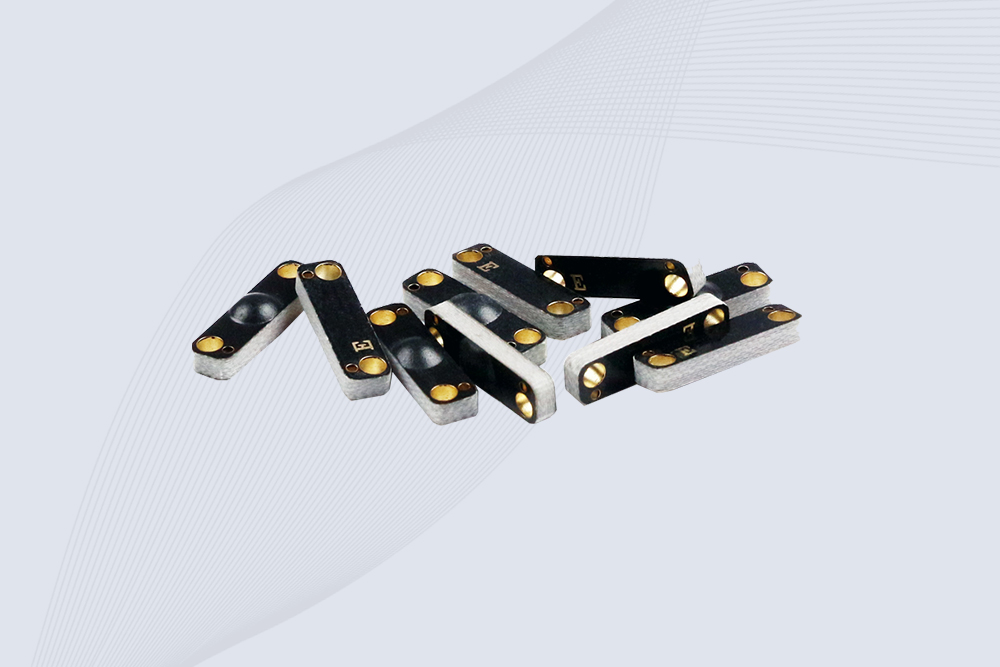
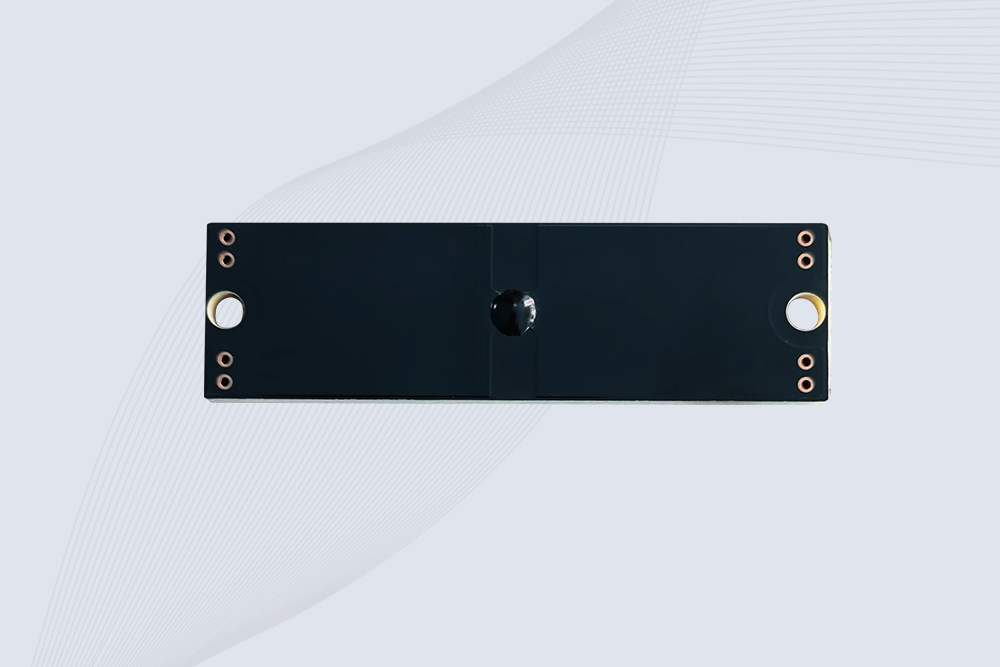
CYKEO CYKEO-PCB1504 Metal RFID Tags is a compact anti-metal UHF RFID solution built for direct mounting on metal surfaces. With stable 8-meter read range, Ucode-8 chip, and long data retention, this rfid metal tag fits tools, containers, automotive parts, and industrial asset tracking.
CYKEO CYKEO-PCB7020 On-Metal RFID Tags are designed for reliable tracking on steel and metal surfaces. Built with an FR4 epoxy body and industrial-grade chips, these On-Metal RFID Tags deliver stable performance, long data life, and chemical resistance, making them a dependable RFID anti-metal tag for harsh environments.
The CYKEO CYKEO-60-25 Anti-Metal RFID Tag is built for metal surfaces where standard tags fail. Designed for long-range performance, harsh environments, and stable data retention, this Anti-Metal RFID Tag is ideal for industrial assets, containers, and equipment tracking using on metal RFID tags.
Struggling with stray RFID reads? A broadband UHF near-field RFID antenna provides precise, short-range scanning. Learn how it solves inventory clutter in labs and manufacturing.
Can rfid tags be tracked? Learn how RFID tags enable asset tracking, inventory visibility, and smart identification with Cykeo RFID solutions for industry.
Discover the top Arduino-compatible RFID reader modules for DIY projects like smart locks, inventory systems, and access control. Compare features and find your match.
Discover how UHF RFID long range readers work, key features, and how to choose the right 20m RFID reader for warehouse, logistics, and industrial applications.
 Cykeo RFID IoT Solution Products R&D Manufacturer