You know that awkward moment in class or at work when someone has to call out names, and half the time it’s wrong, or you lose track of who’s in or out? Well, that’s where RFID attendance monitoring systems step in, quietly fixing all those little headaches.
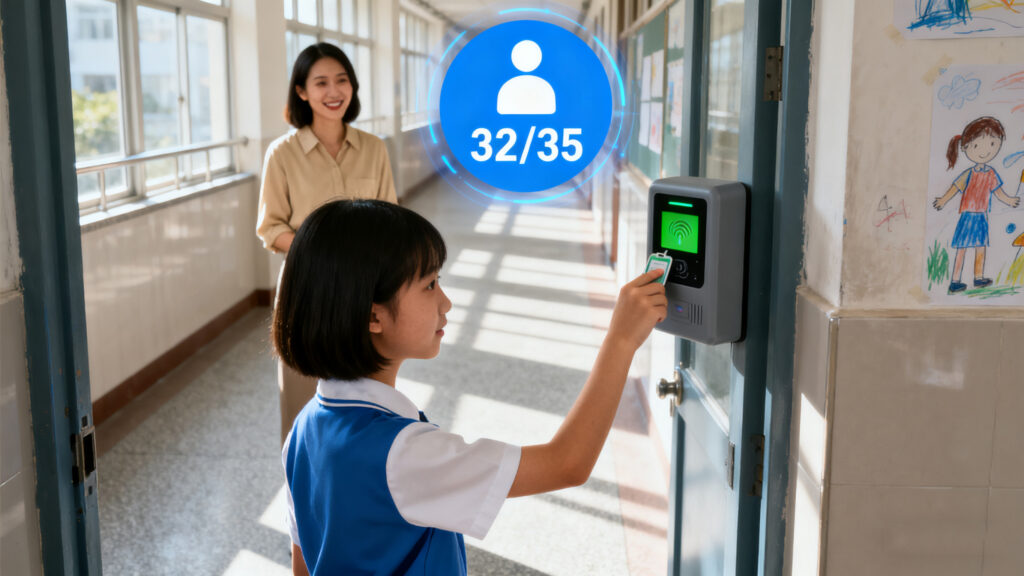
Basically, RFID, or Radio Frequency Identification, is like giving everyone a tiny digital “badge” that talks to a reader. When a student or employee walks by, the system knows they’re there—no roll call, no signing sheets, no guessing. Sounds simple, right? But when you dig into it, it’s kind of magical how much smoother everything gets.
Schools, for example, have been adopting these systems to save precious classroom time. Instead of wasting ten minutes taking attendance, teachers can just glance at the data and move on. And it’s not just about speed—it’s accuracy. These systems track attendance in real-time, which means administrators get a reliable record without chasing down excuses or lost papers. Some setups even give immediate feedback, like a little LED blinking when your tag is scanned, so you instantly know it worked.
On the tech side, it’s pretty fun to see how people tinker with these systems. Some DIY enthusiasts on forums talk about hooking up RFID readers with microcontrollers and little screens to make their own attendance trackers. It’s like blending classroom management with a bit of electronics hobbying—nerdy but useful.
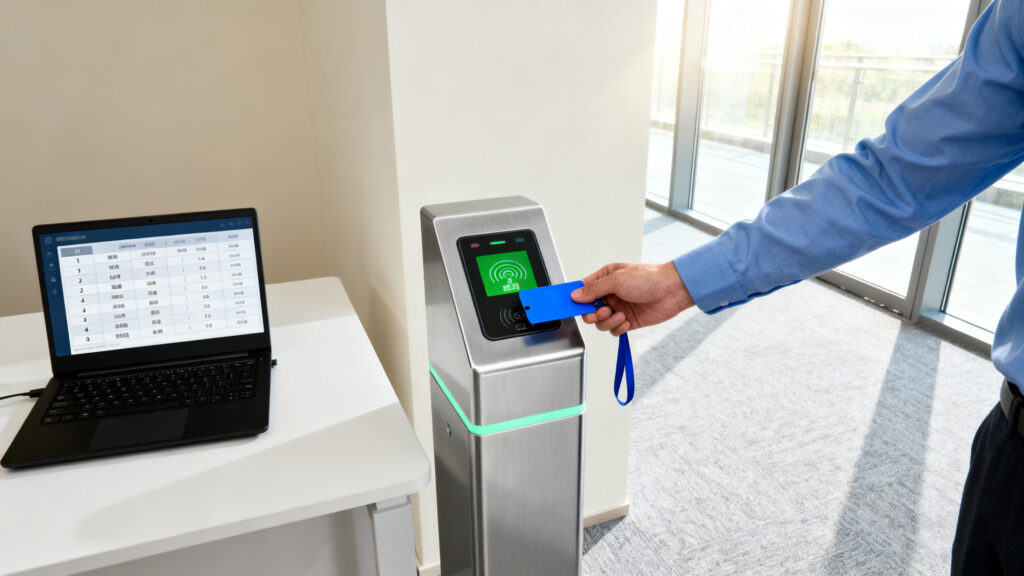
And in the workplace, cloud-based RFID trackers have stepped up the game even more. Attendance logs automatically sync to timesheets, and managers can pull out charts or reports without wrestling with spreadsheets all day. It’s the kind of tech that makes HR people smile because it actually works without constant human babysitting.
The best part? Even though it’s techy, it doesn’t feel cold or distant. The system just quietly does its job while humans focus on what matters—learning, teaching, working—without getting bogged down in the boring stuff. It’s that rare kind of technology that blends into daily life so seamlessly you barely notice it, until you realize life is suddenly a little bit easier.
So yeah, RFID attendance monitoring systems might sound like a fancy phrase, but at the end of the day, it’s just a smarter, friendlier way to keep track of who’s where, when, and without the usual headaches.
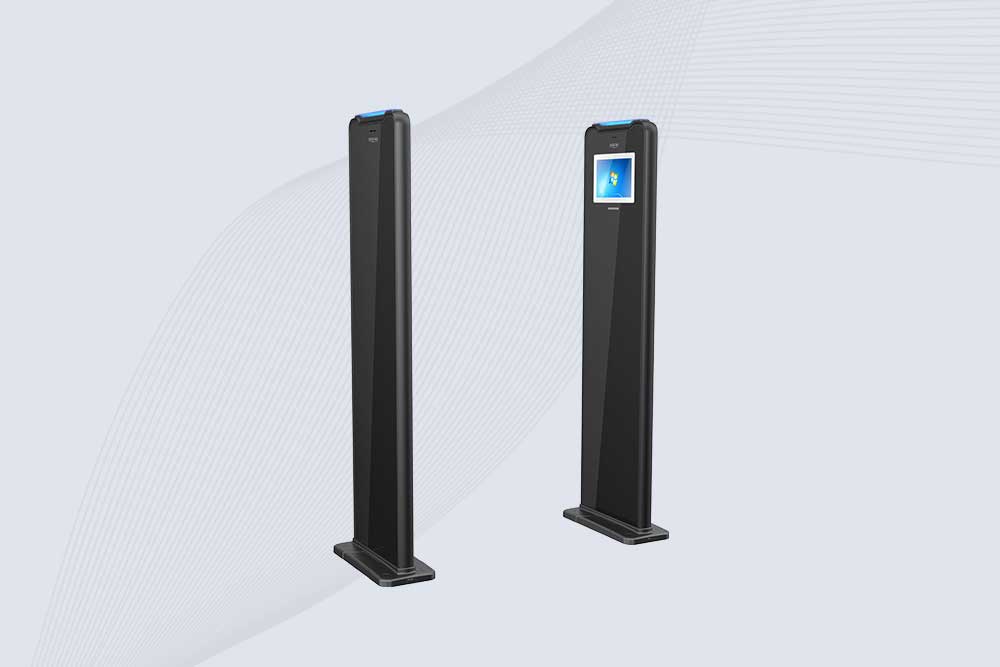
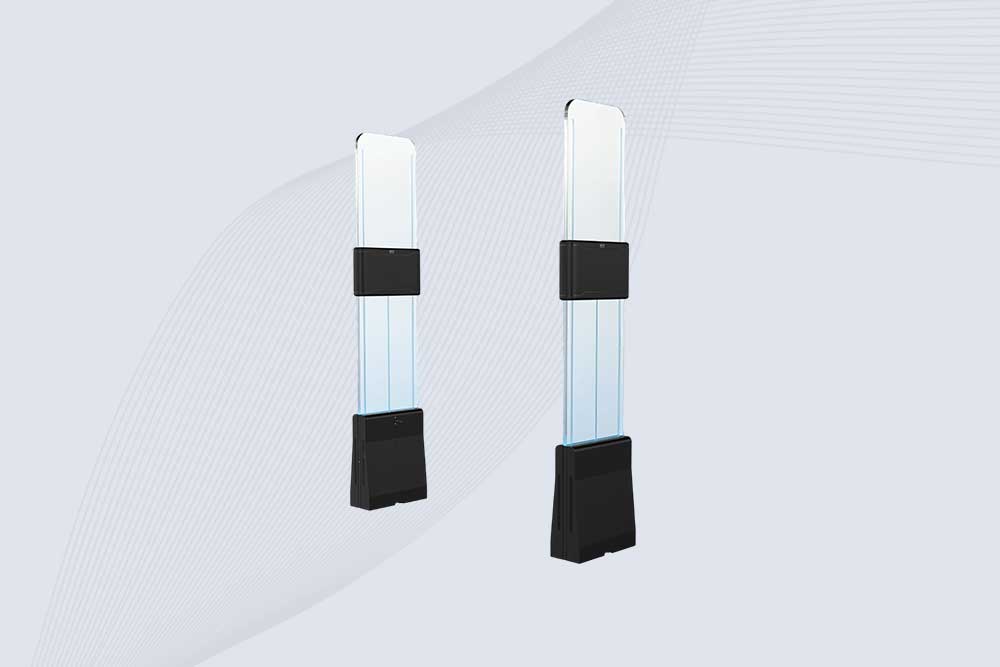
SSD-T4A-P Smart access control with real-time crowd tracking ✔️ AI Tag Filtering for Reduced Misreads SSD-T4A-P supports AI-based tag filtering and up to 6 EPC filtering sets, helping reduce unwanted reads and improve identification accuracy in busy entrances, exits, and retail environments. ✔️ Fast In & Out Detection with Visual & Audio…
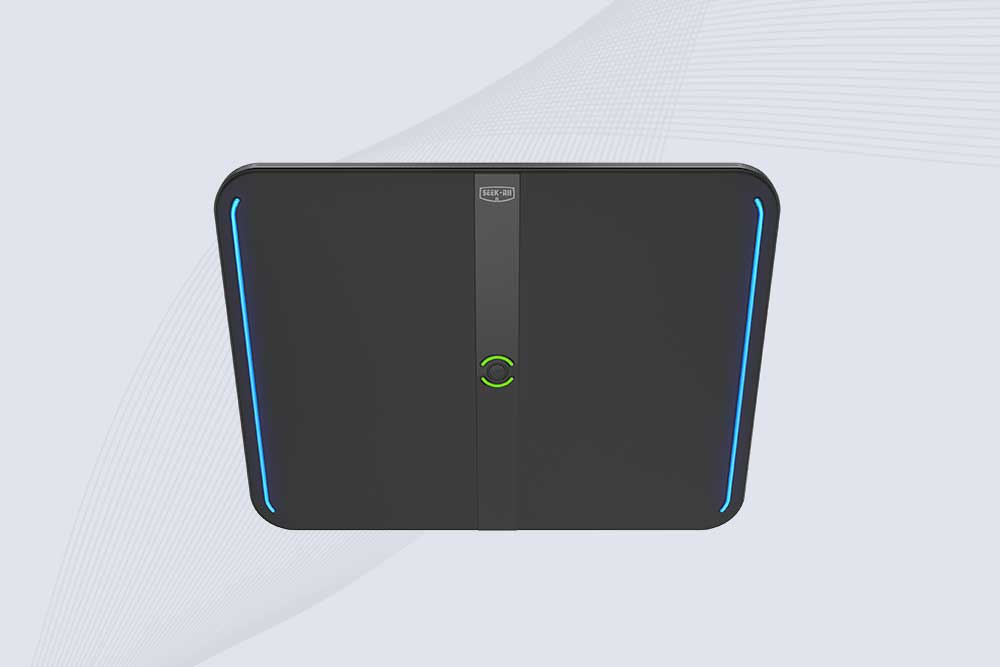
SSD-T4A UHF RFID Gate Reader with 11 dBi antenna, up to 10 m reading distance, AI tag filtering, in/out detection, 300,000 data storage, and TCP/HTTP/MQTT support.
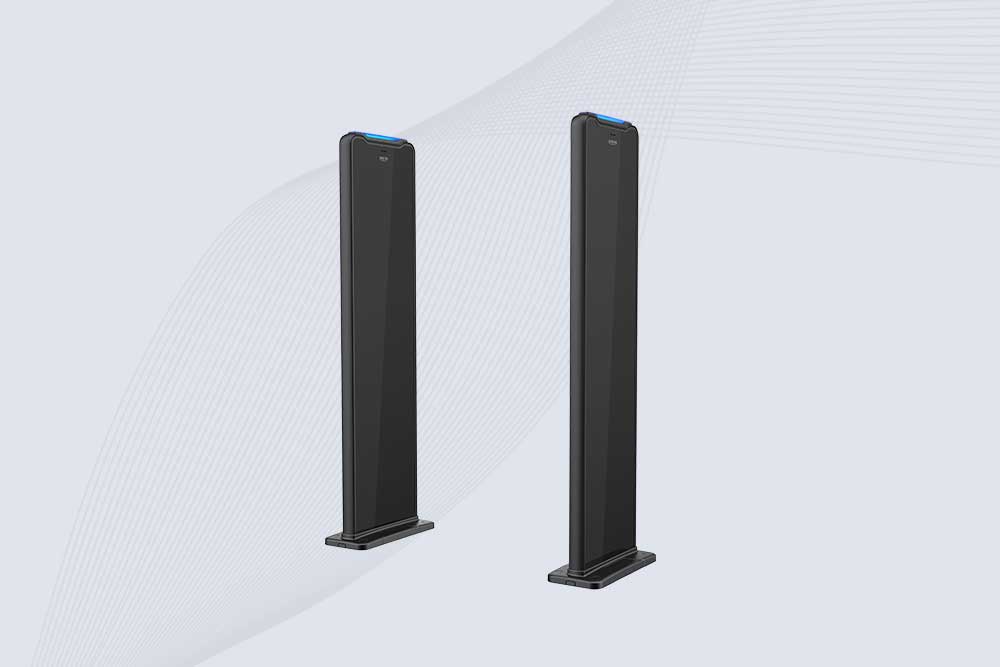
SSD-T2D UHF RFID Gate Reader with 11dBi circular antenna, Impinj E710/X3M1 chipset, up to 10m reading distance, AI tag filtering, in/out detection, and audio-visual alarms.
SSD-T1 ✔️ AI-Powered Tag Filtering SSD-T1 supports AI-based tag filtering with up to 6 EPC filtering sets, helping reduce unwanted tag reads and improve identification accuracy in busy retail and access-control environments. ✔️ Reliable In & Out Detection With a 7dBi antenna and a reading range of up to 2.5 meters, SSD-T1 can detect tagged i…
RFID Smart Recycling Cabinet designed for hotels, hospitals, and factories. Automate item tracking, reduce losses, and integrate with your existing systems. Perfect for wholesalers and software developers seeking bulk solutions.
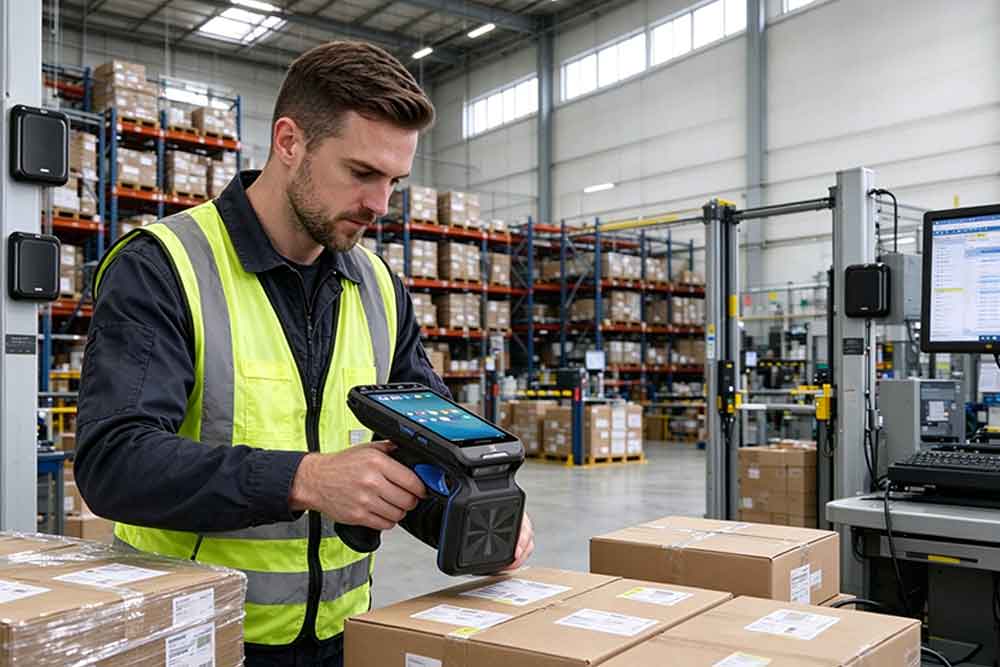
Discover how RFID warehouse solutions slash errors and boost efficiency. Learn setup steps, real-world benefits, and Cykeo’s implementation best practices.
RFID Tool Inventory Management helps companies automatically identify and count tagged tools, reducing manual inventory work and improving visibility over mi...
 Cykeo RFID IoT Solution Products R&D Manufacturer