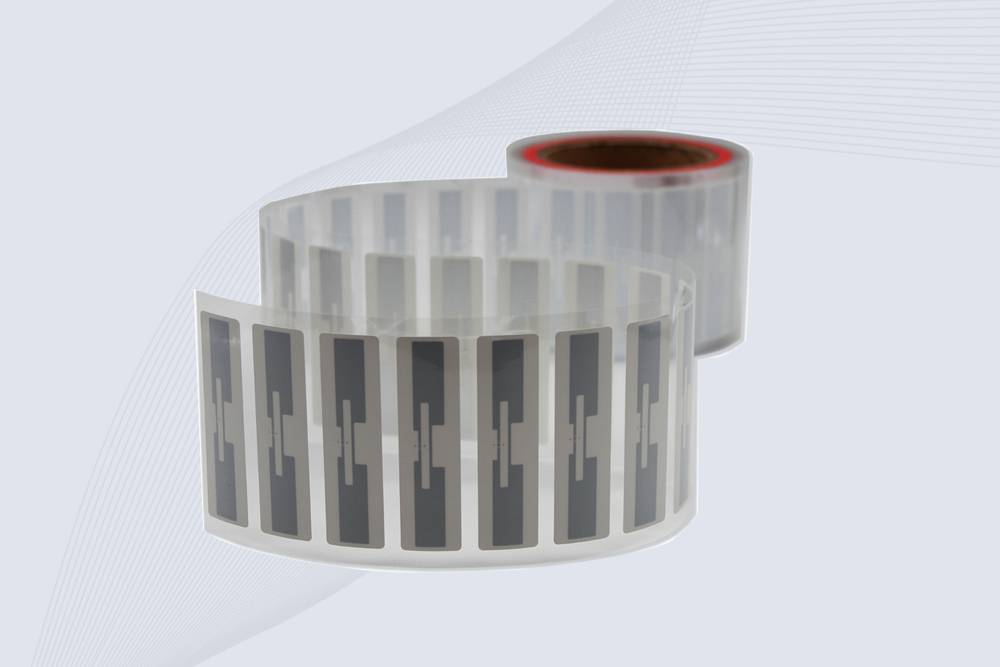
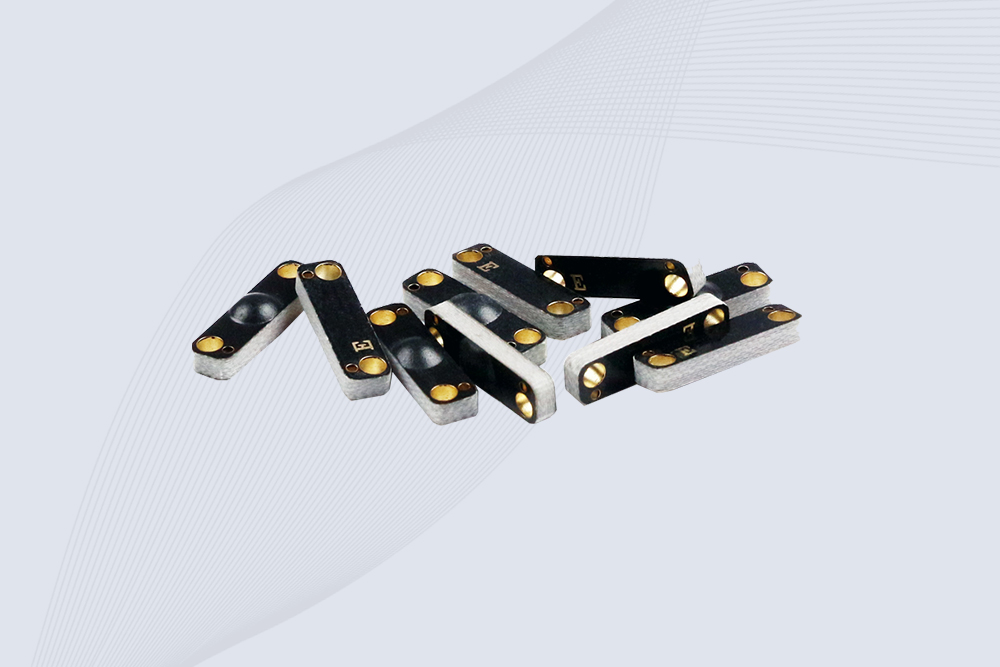
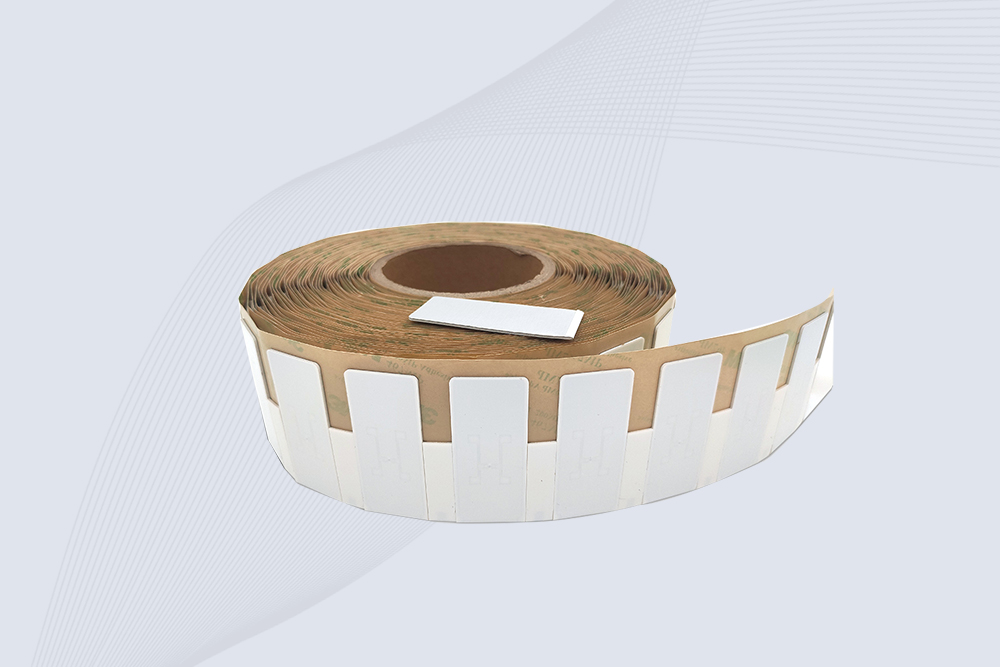
RFID tags in hospitals enable real-time tracking of medical equipment, supplies, and critical assets, reducing search time, improving inventory accuracy, and supporting safer patient care.
In modern healthcare environments, RFID is no longer an experimental technology. Hospitals worldwide use RFID tags to locate infusion pumps, wheelchairs, surgical instruments, mobile diagnostic devices, and even temperature-sensitive medications. The result is simple: less time searching and more time treating patients.
As an RFID solution provider involved in asset visibility and inventory management projects for healthcare-related facilities, we have seen firsthand how RFID tags in hospitals eliminate operational blind spots that traditional barcode systems often fail to address.
Why Are RFID Tags in Hospitals Becoming More Common?
Healthcare facilities manage thousands of movable assets daily. Equipment frequently changes departments, emergency rooms become congested, and inventory shortages can directly affect patient care.
A nurse looking for an available infusion pump may spend valuable minutes walking between wards. Multiply that by dozens of searches per day and the operational cost becomes significant.
The Challenge Hospitals Face
According to research from the U.S. Government Accountability Office (GAO), hospitals often struggle with underutilized assets and equipment visibility issues.
Common problems include:
Lost or misplaced medical equipment
Excessive equipment rental costs
Inventory shortages
Delayed patient treatment
Manual asset audits consuming staff time
RFID technology addresses these challenges by providing automatic identification and location awareness.
How RFID Tags Work in Hospital Environments
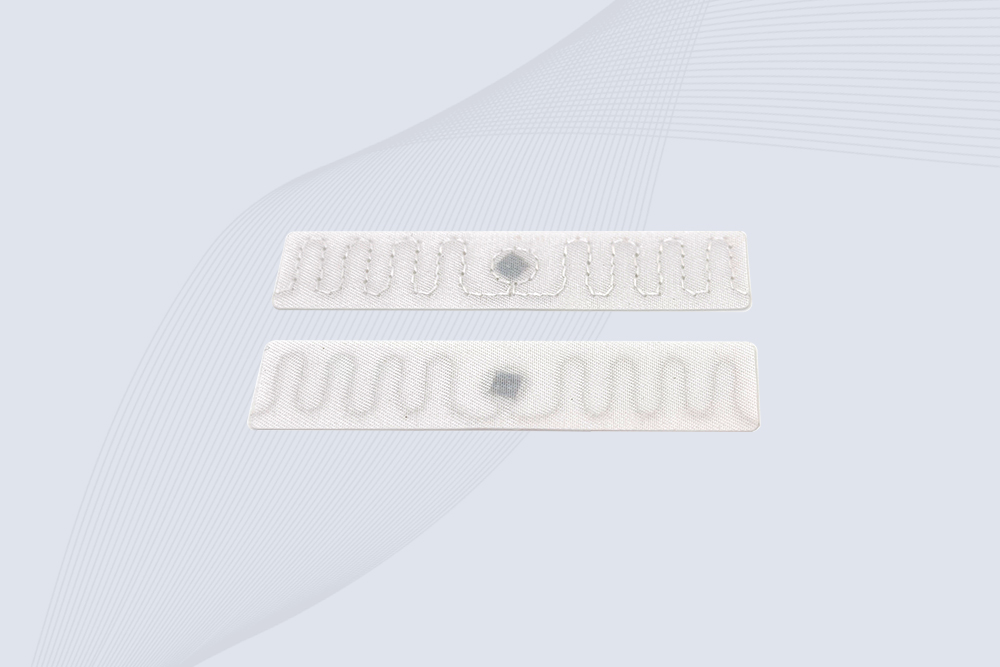
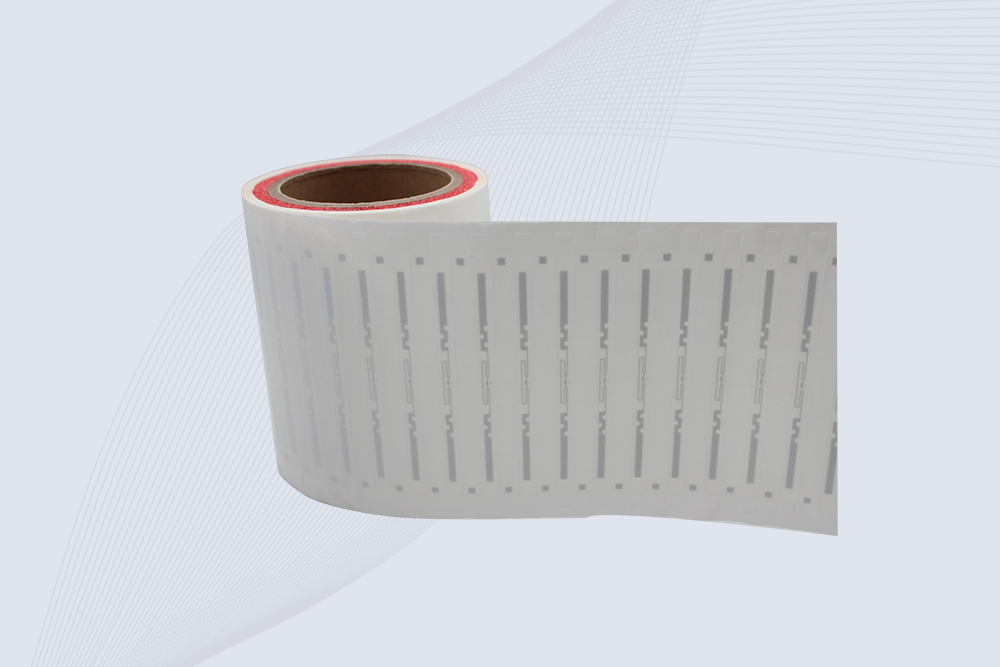
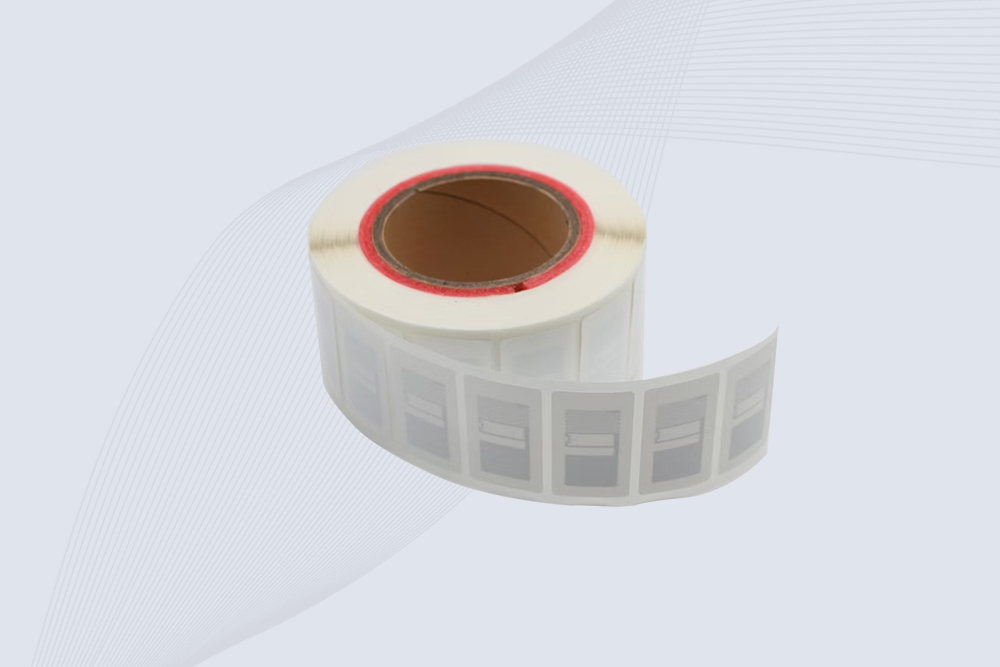
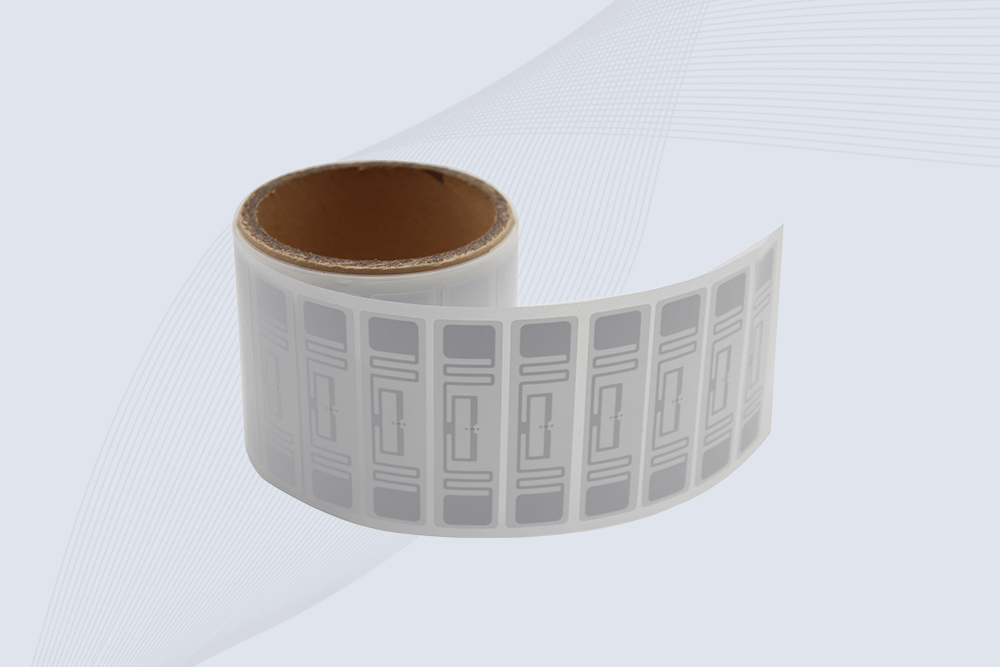
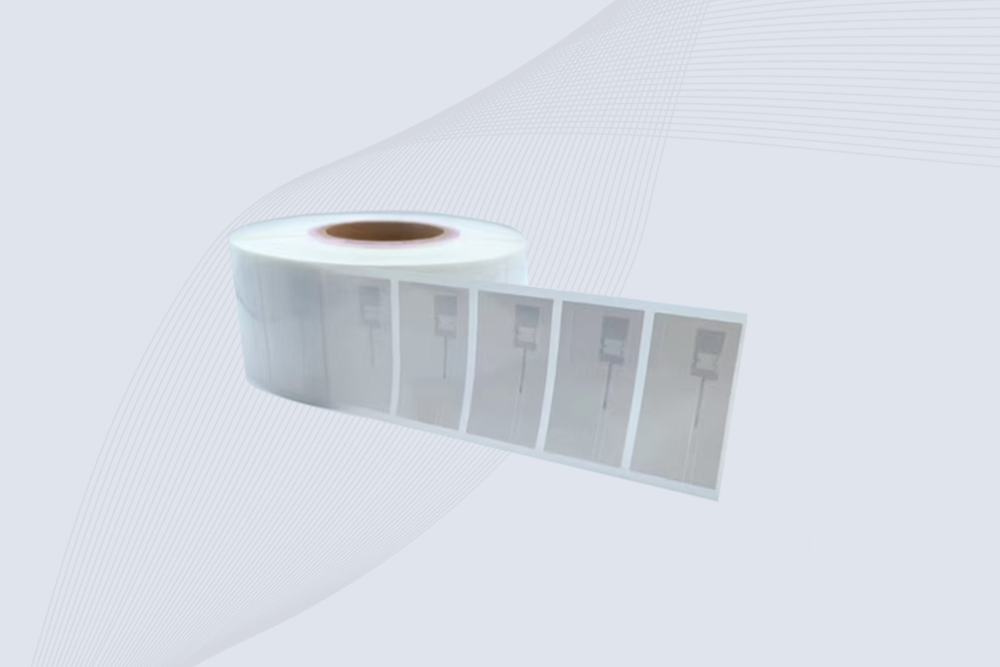
An RFID tag contains a microchip and antenna attached to an asset.
When RFID readers installed throughout a hospital emit radio signals, tagged assets respond with unique identification information.
Unlike barcodes, RFID does not require direct line-of-sight scanning.
Typical RFID Hospital Workflow
Step
Process
Asset Tagging
Equipment receives RFID tag
Data Registration
Asset information stored in software
Automatic Detection
RFID readers capture movement
Location Updates
System records real-time position
Reporting
Staff locate equipment instantly
In large facilities, hundreds of tagged assets can be identified simultaneously.
RFID Medical Equipment Tracking
Medical equipment tracking remains one of the most common applications for RFID tags in hospitals.
Frequently Tracked Assets
Infusion pumps
Ventilators
Wheelchairs
Defibrillators
Portable ultrasound systems
Hospital beds
ECG monitors
Surgical trays
According to the Healthcare Information and Management Systems Society (HIMSS), hospitals implementing real-time asset tracking technologies have reported measurable improvements in equipment utilization and operational efficiency.
Real-World Observation
During one healthcare asset management project review, staff believed additional infusion pumps were needed. After deploying RFID tracking, administrators discovered dozens of units were already available but stored in unexpected locations.
The purchasing budget changed immediately.
That pattern appears surprisingly often.
RFID tags in hospitals provide real-time visibility of critical medical equipment.
RFID Tags in Hospitals for Inventory Management
Beyond equipment tracking, hospitals increasingly use RFID to manage consumable inventory.
Common RFID-Tracked Supplies
Surgical kits
PPE inventory
Blood products
Pharmaceuticals
Laboratory samples
High-value implants
The U.S. Food and Drug Administration (FDA) and healthcare supply chain organizations continue encouraging technologies that improve traceability and inventory control.
RFID provides automated visibility without requiring staff to manually scan every item.
Inventory Accuracy Matters
Research from GS1 Healthcare highlights that inventory inaccuracies can contribute to supply shortages and unnecessary overstocking.
Hospitals often discover expired inventory only during manual audits. RFID changes that dynamic by making inventory status visible continuously rather than periodically.
Patient Safety Benefits
When discussing RFID tags in hospitals, equipment management usually receives most attention.
Patient safety deserves equal consideration.
RFID Can Support
Surgical instrument verification
Medication tracking
Patient identification workflows
Blood product traceability
Cold-chain monitoring
These applications reduce opportunities for human error during complex clinical processes.
Not every hospital deploys RFID in the same way. Emergency departments, operating rooms, pharmacies, and central sterile services departments often prioritize different workflows.
That flexibility is one reason RFID adoption continues to grow.
RFID vs Barcode in Healthcare
Feature
RFID
Barcode
Line-of-Sight Required
No
Yes
Bulk Reading
Yes
No
Automation Level
High
Moderate
Real-Time Tracking
Yes
Limited
Labor Requirement
Lower
Higher
Asset Visibility
Continuous
Event-Based
For healthcare organizations managing thousands of assets, RFID typically provides greater operational visibility.
Hospital inventory and equipment monitored automatically through RFID technology.
Why Hospitals Choose RFID Solutions
From our experience working with RFID deployments, the biggest misconception is that hospitals adopt RFID simply to track assets.
The deeper value is operational certainty.
When equipment availability becomes visible, departments coordinate more effectively. When inventory is accurate, purchasing decisions improve. When staff spend less time searching, patient-facing activities receive more attention.
The technology itself is important.
The workflow improvement is what delivers the return.
FAQ About RFID Tags in Hospitals
What are RFID tags in hospitals used for?
RFID tags in hospitals are used to track medical equipment, supplies, inventory, and critical assets in real time.
Can RFID improve hospital efficiency?
Yes. RFID reduces equipment search time, improves inventory visibility, and supports automated asset management processes.
What equipment is commonly RFID tagged?
Infusion pumps, wheelchairs, ventilators, hospital beds, monitors, surgical instruments, and mobile diagnostic equipment.
Are RFID tags safe for hospital use?
Yes. RFID technology is widely used in healthcare environments and is designed to operate safely alongside hospital workflows.
Do hospitals use RFID for patients?
Some healthcare facilities use RFID-enabled identification systems to support patient tracking, workflow management, and safety initiatives.
Conclusion
RFID tags in hospitals have become a proven tool for improving asset visibility, inventory accuracy, equipment utilization, and patient care workflows. As healthcare facilities continue seeking greater efficiency and operational transparency, RFID tags in hospitals are increasingly becoming a standard component of modern healthcare asset management strategies.
CYKEO Passive RFID Tags are made for wet and high-humidity environments where standard labels do not last. This rfid passive tag is often used around liquids, chemicals and temperature changes, providing stable reading distance and long data life for industrial tracking.
CYKEO CYKEO-PCB1504 Metal RFID Tags is a compact anti-metal UHF RFID solution built for direct mounting on metal surfaces. With stable 8-meter read range, Ucode-8 chip, and long data retention, this rfid metal tag fits tools, containers, automotive parts, and industrial asset tracking.
CYKEO CYKEO-PCB7020 On-Metal RFID Tags are designed for reliable tracking on steel and metal surfaces. Built with an FR4 epoxy body and industrial-grade chips, these On-Metal RFID Tags deliver stable performance, long data life, and chemical resistance, making them a dependable RFID anti-metal tag for harsh environments.
The CYKEO CYKEO-60-25 Anti-Metal RFID Tag is built for metal surfaces where standard tags fail. Designed for long-range performance, harsh environments, and stable data retention, this Anti-Metal RFID Tag is ideal for industrial assets, containers, and equipment tracking using on metal RFID tags.
The CYKEO RFID Laundry Tag is designed for long-term textile identification in harsh laundry environments. Built to withstand high heat, chemicals, and repeated washing, this RFID Laundry Tag delivers stable performance for hotels, hospitals, and industrial laundry operations using laundry rfid tags at scale.
The CYKEO CYKEO-125-7 RFID Book Tag is designed for reliable book and document tracking in libraries and archives. This RFID Book Tag delivers long read range, dense placement support, and stable performance on shelves, making it a practical rfid tag on books for library automation, file management, and archival systems.
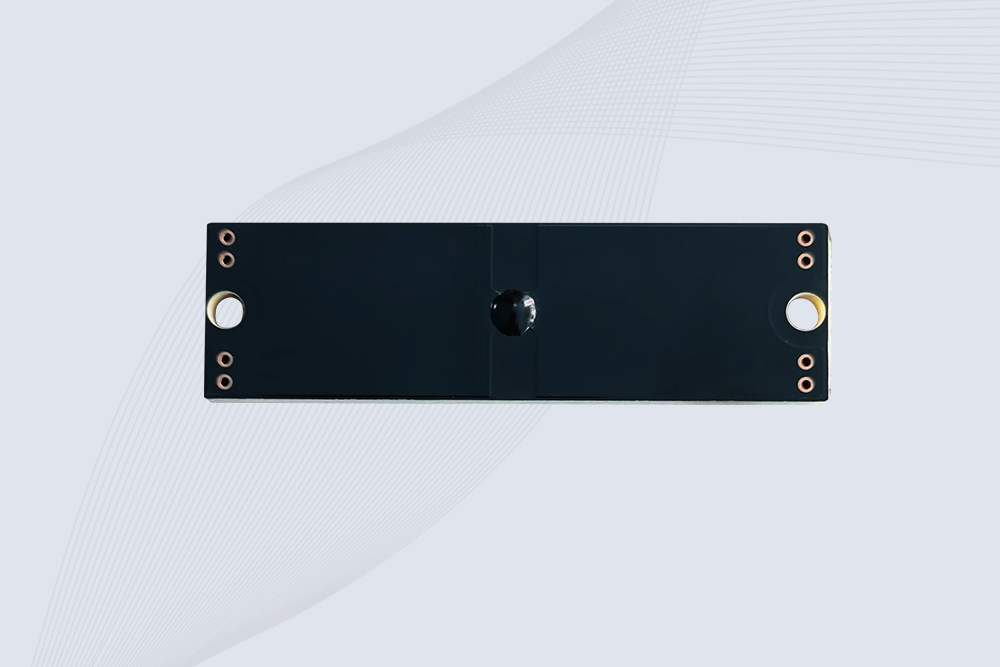
CYKEO RFID tags in hospitals are designed for sterile environments where accuracy matters. These autoclavable RFID tags support long-term tracking of surgical tools, implants, and medications, helping hospitals improve visibility, compliance, and patient safety.
CYKEO RFID Cable Tie Tag is built for reliable identification on metal surfaces. This UHF RFID Cable Tie Tag is widely used in rfid tags for inventory systems, industrial asset management and Hospital RFID Tags, offering stable read performance, long service life and global EPC Gen2 compatibility.
CYKEO RFID Asset Tag is designed for stable identification of metal assets in industrial environments. This UHF RFID Asset Tag is commonly used for rfid tag asset tracking on equipment, tools and containers, providing reliable reads, long service life and ISO/IEC 18000-6C support.
CYKEO UHF RFID Card is designed for fast identification and long-term use in industrial and commercial systems. Supporting ISO 18000-6C, this UHF RFID Card works at 860–960 MHz and is suitable for custom RFID cards used in asset tracking, access control and inventory management.
CYKEO HF RFID Cards are designed for secure and stable access control systems. These 13.56 MHz RFID key cards support ISO 14443-A, reliable rewriting and long service life, making HF RFID Cards suitable for offices, campuses, events and membership management.
CYKEO UHF RFID Tag is designed for reliable tracking of metal jewelry and high-value items. This Jewelry RFID Tag supports long-range reading up to 8 meters, anti-counterfeit protection and stable performance on metal, making it suitable for retail, inventory control and asset management.
Learn how RFID laundry management helps apparel manufacturers track garments, improve inventory visibility, and manage workwear, samples, and textile circulation more efficiently.
Looking for a portable scanner for RFID projects? Learn how RFID solution providers choose portable scanners based on battery life, scanning distance, integration, durability, and application requirements.
This article provides detailed guide on how to use an Android phone to emulate RFID tags, covering prerequisites, HCE principles, development steps, and practical B2B applications such as access control testing and IoT device prototyping.
 Cykeo RFID IoT Solution Products R&D Manufacturer