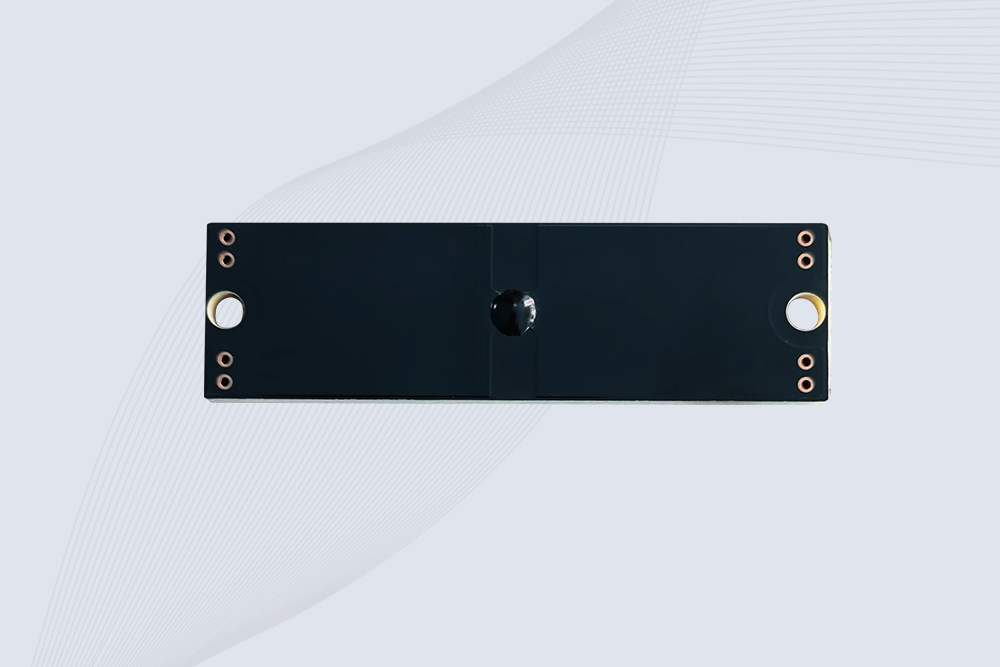
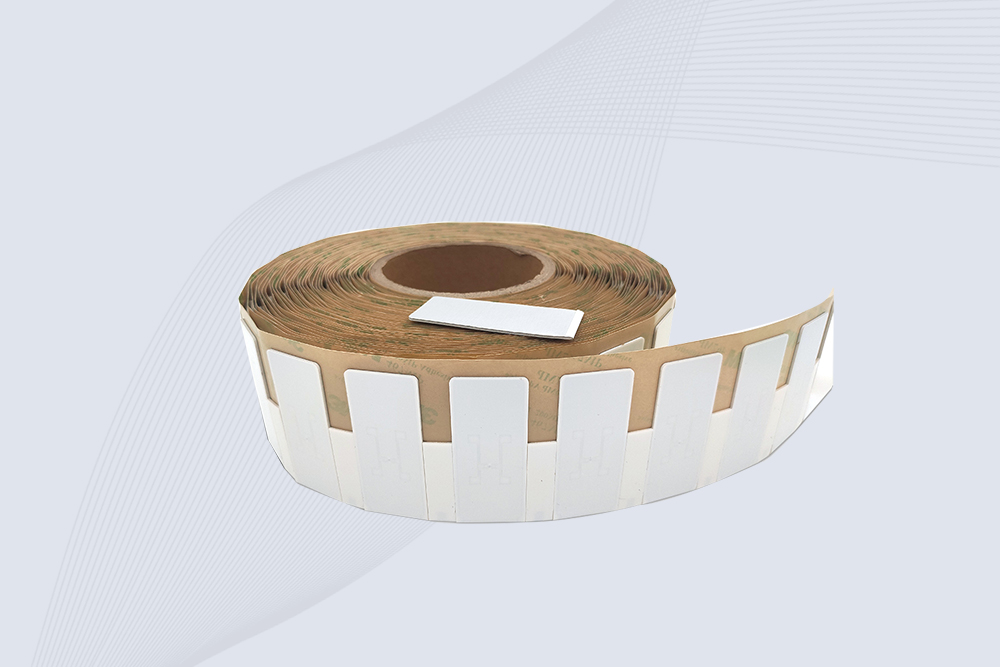
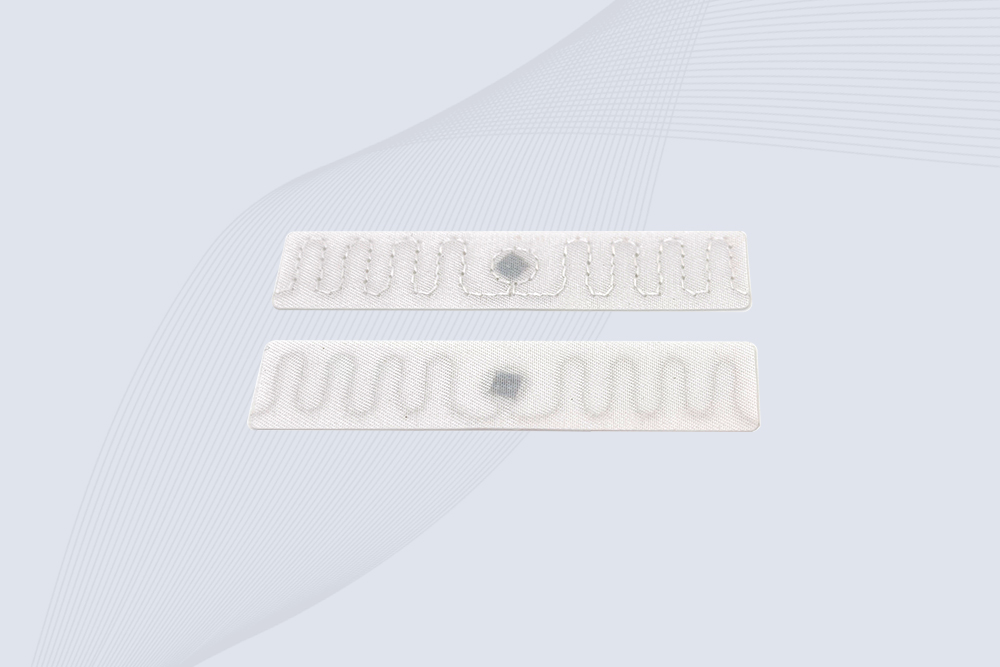
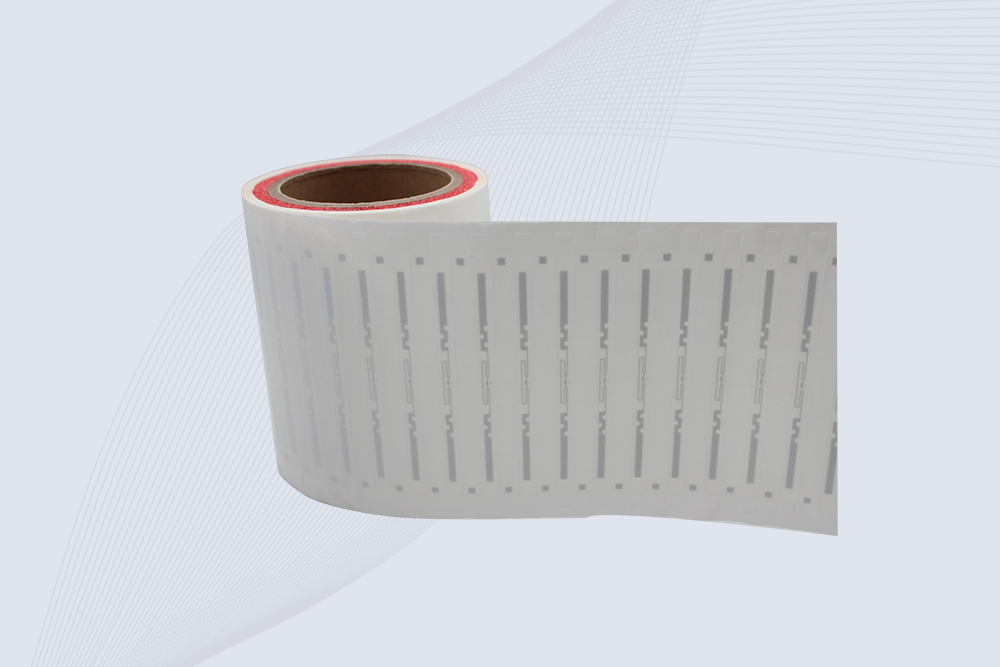
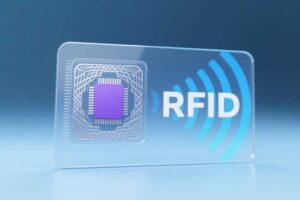
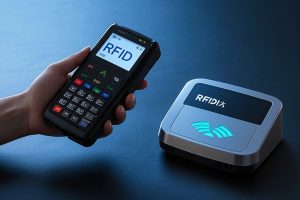
Answer: An rfid tag transponder is an RFID device that stores unique identification data and communicates with RFID readers through radio frequency signals, enabling fast, accurate, and automated tracking of assets, inventory, equipment, and products without direct line-of-sight scanning.
For companies managing thousands of assets, an RFID tag transponder is often the difference between spending hours searching for items and locating them in seconds.
As an RFID solution provider, the Cykeo engineering team has participated in RFID deployments across warehouses, manufacturing facilities, libraries, healthcare environments, and tool management projects. One lesson appears repeatedly: visibility drives efficiency, and visibility starts with reliable RFID transponders.
What Is an RFID Tag Transponder?
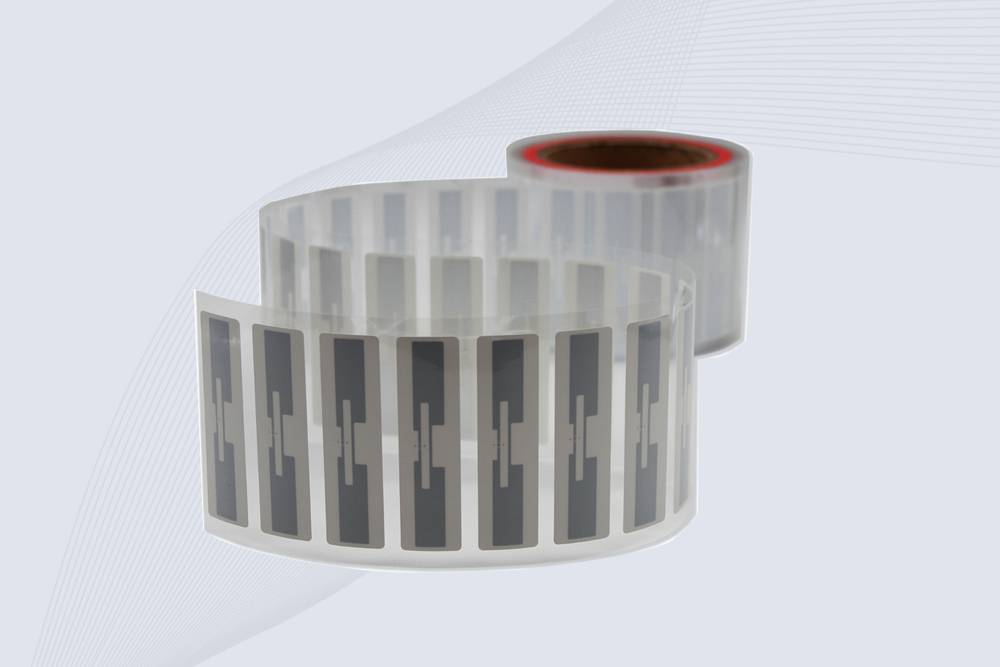
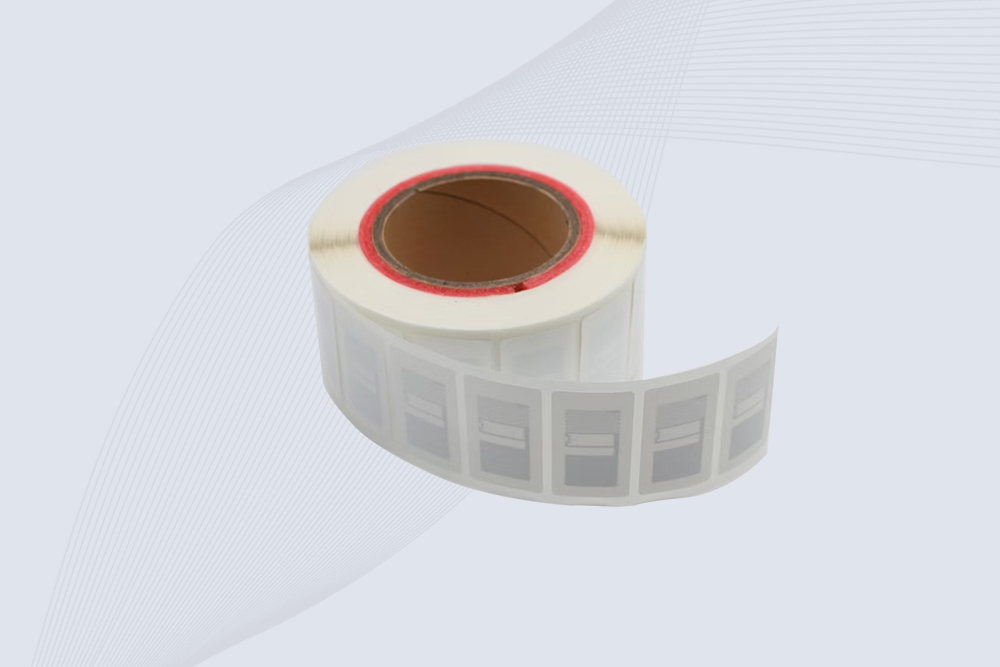
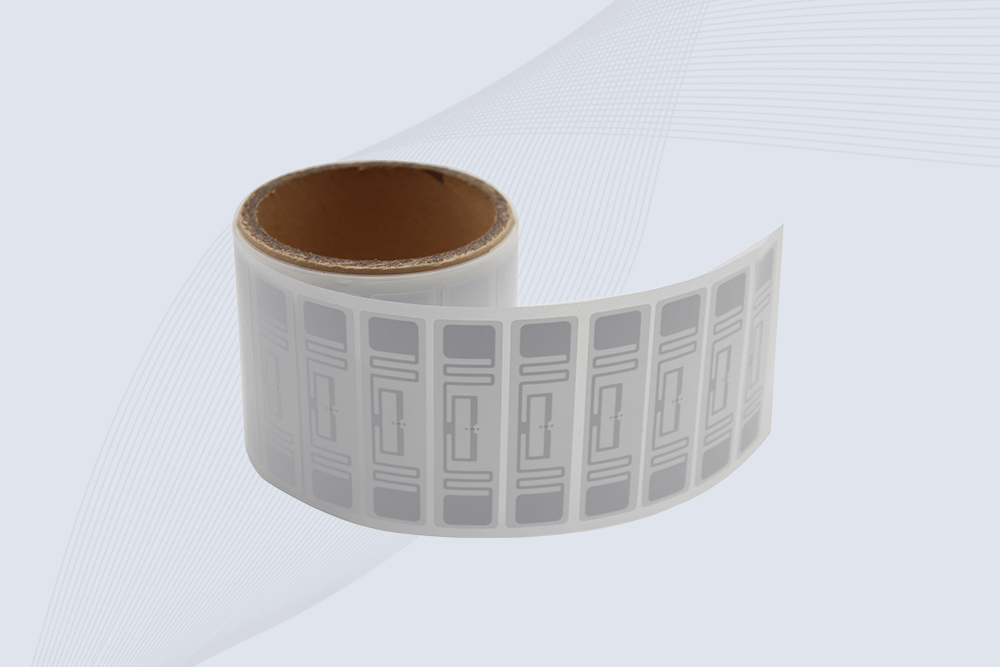
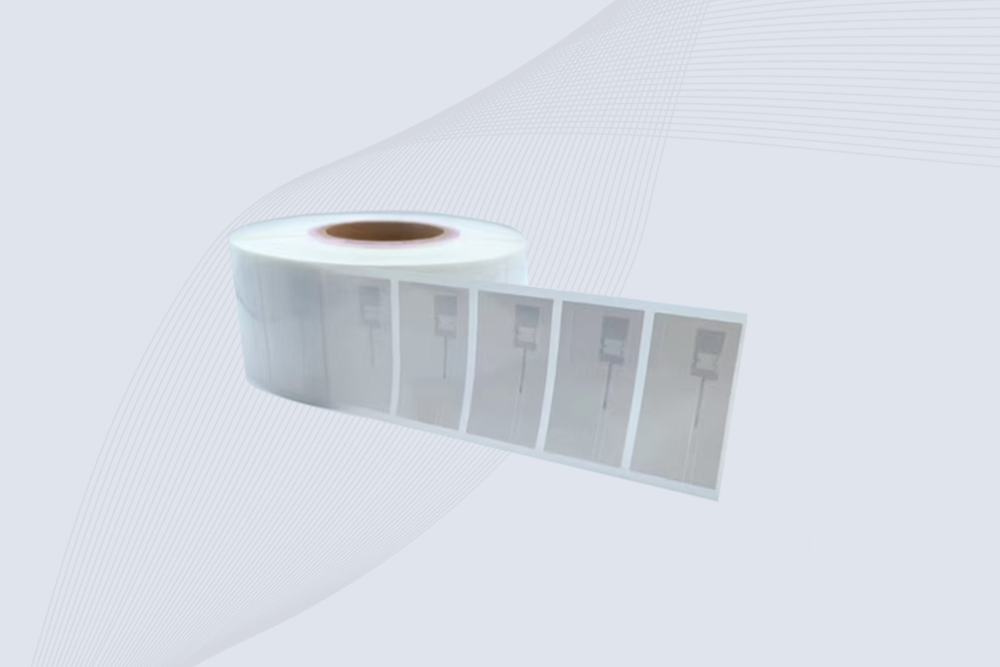
An RFID tag transponder consists of three primary components:
When energized by an RFID reader, passive RFID transponders reflect radio signals containing their unique identification data.
According to the official standards organization GS1 EPCglobal, EPC-based RFID systems provide globally unique identification for individual assets and products, making large-scale traceability possible across supply chains.
How RFID Tag Transponders Work
Signal Reception
The reader emits radio frequency energy.
Tag Activation
The RFID transponder receives energy through its antenna.
Data Transmission
The chip sends stored EPC information back to the reader.
Software Processing
The management system records asset location, movement history, and status in real time.
Unlike barcode labels, RFID transponders do not require direct visibility and can identify multiple tagged items simultaneously.
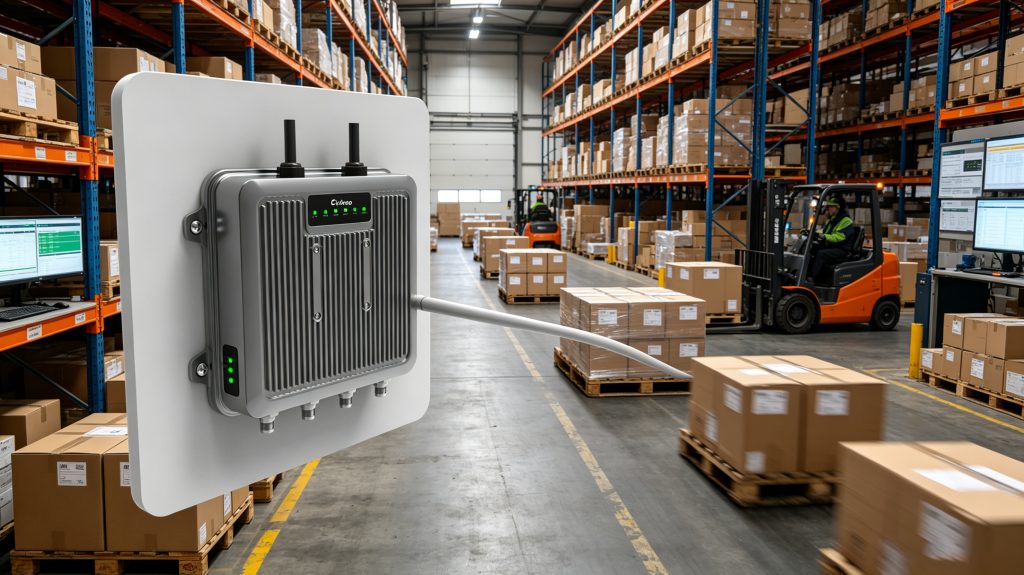
RFID transponders enable fast and accurate warehouse inventory visibility.
Why RFID Tag Transponders Matter in Modern Operations
Many organizations still depend on manual scanning or paper-based inventory systems.
The problem is not data collection.
The problem is data latency.
By the time information reaches the system, it is already outdated.
RFID transponders eliminate this gap.
According to the official website of the RAIN Alliance, billions of RAIN RFID tags are deployed annually across retail, logistics, healthcare, and industrial sectors, enabling item-level visibility and automation.
Common Benefits
Improved Inventory Accuracy
Research published by Auburn University RFID Lab has documented retail inventory accuracy improvements exceeding 95% after RFID implementation.
Faster Audits
Inventory counts that traditionally require hours can often be completed within minutes.
Reduced Asset Loss
Organizations gain visibility into asset movement and usage history.
Better Traceability
Every tagged item carries a unique digital identity.
RFID Tag Transponder Applications
Warehouse and Logistics
RFID transponders automate:
Receiving
Shipping verification
Pallet tracking
Inventory counting
Cross-docking operations
Large logistics operators increasingly rely on RFID to eliminate manual counting errors.
Manufacturing
Manufacturers use RFID transponders to monitor:
Work-in-progress inventory
Production tools
Reusable containers
Finished goods
Real Production Observation
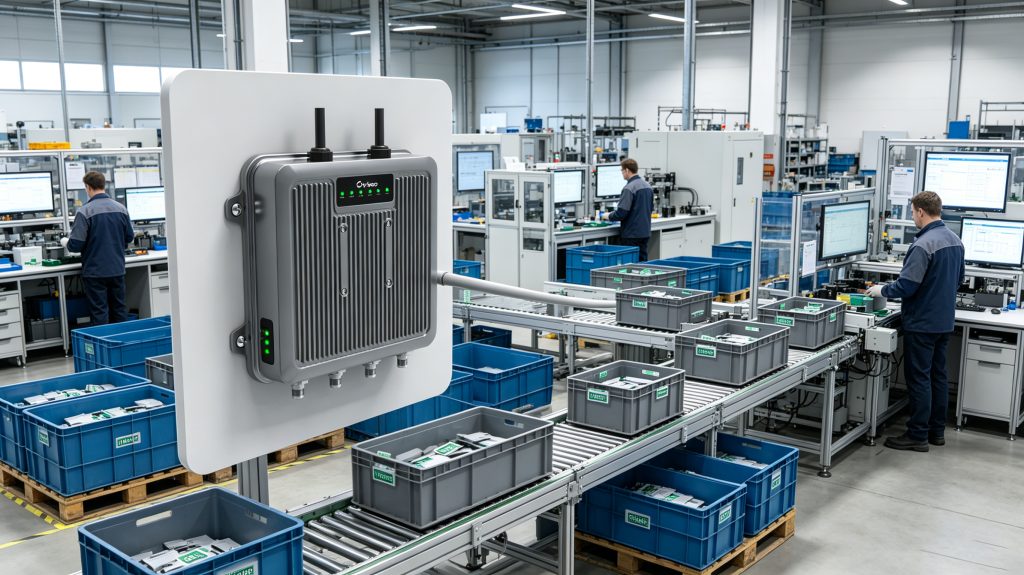
During a recent industrial deployment review, operators identified misplaced production totes within seconds using RFID visibility. Previously, locating the same containers often required physically searching multiple storage areas.
That operational difference accumulates every day.
Healthcare
Hospitals use RFID transponders for:
Medical equipment tracking
Surgical instrument management
Pharmaceutical monitoring
Patient asset management
Libraries and Archives
RFID improves:
Book circulation
Shelf management
Self-service borrowing
Security monitoring
RFID transponders provide real-time visibility throughout manufacturing workflows.
RFID Tag Transponder vs Barcode
Feature
RFID Tag Transponder
Barcode
Line of Sight Required
No
Yes
Multiple Item Reading
Yes
No
Read Speed
High
Moderate
Data Storage
Higher
Limited
Automation Capability
Excellent
Limited
For organizations managing thousands of assets daily, the productivity difference becomes substantial.
Choosing the Right RFID Tag Transponder
Not all transponders perform equally.
Selection should consider:
Environment
Indoor
Outdoor
Metal surfaces
High temperature
Frequency
LF
HF
UHF
Read Distance
Application requirements determine optimal tag design.
Durability
Industrial environments often require ruggedized housings.
At Cykeo, RFID projects are evaluated based on operational workflow first, hardware second. The best-performing transponder is the one that fits the actual environment rather than the one with the highest specification sheet.
FAQ
What is an RFID tag transponder?
An RFID tag transponder is a chip-and-antenna device that stores identification data and communicates wirelessly with RFID readers.
Are RFID transponders reusable?
Yes. Many RFID transponders can be rewritten and reused depending on chip type and application requirements.
What is the difference between RFID tags and transponders?
In most RFID applications, the terms are used interchangeably. The transponder refers specifically to the component that receives and transmits RF signals.
How far can RFID transponders be read?
Read distance varies by frequency, reader power, antenna design, and environment. UHF RFID systems can achieve several meters under suitable conditions.
Are RFID transponders secure?
Yes. Many RFID chips support password protection, memory locking, and encrypted communication features.
Conclusion
RFID tag transponder technology remains one of the most effective tools for real-time identification, traceability, and asset visibility. Whether deployed in logistics, manufacturing, healthcare, or inventory management, RFID transponders reduce manual work, improve accuracy, and provide the reliable operational data organizations need to scale efficiently. Cykeo continues helping businesses deploy RFID tag transponder solutions that deliver measurable results in real-world environments.
CYKEO Passive RFID Tags are made for wet and high-humidity environments where standard labels do not last. This rfid passive tag is often used around liquids, chemicals and temperature changes, providing stable reading distance and long data life for industrial tracking.
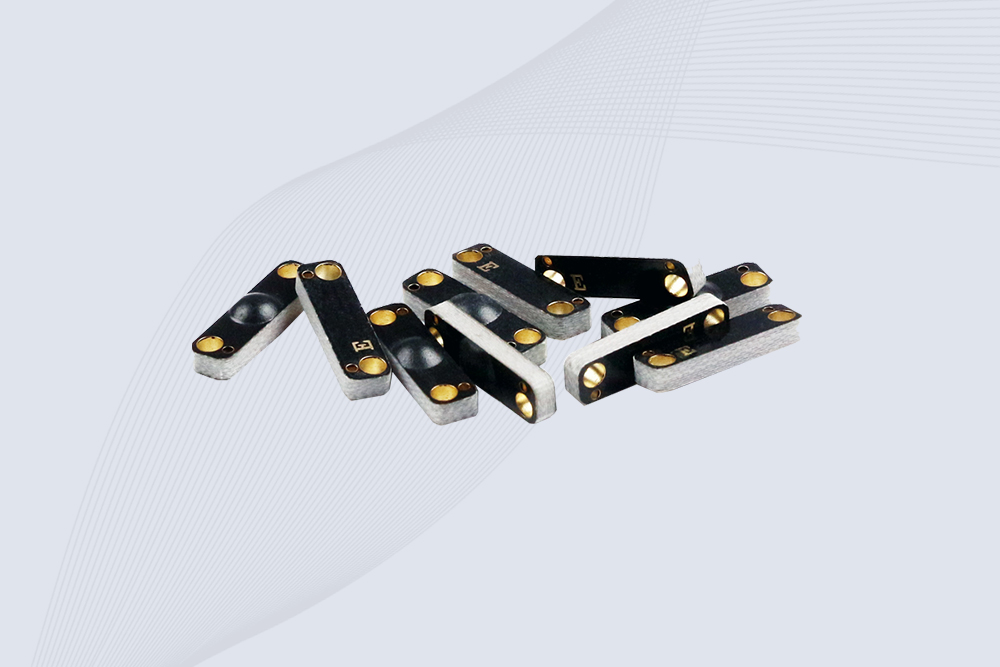
CYKEO CYKEO-PCB1504 Metal RFID Tags is a compact anti-metal UHF RFID solution built for direct mounting on metal surfaces. With stable 8-meter read range, Ucode-8 chip, and long data retention, this rfid metal tag fits tools, containers, automotive parts, and industrial asset tracking.
CYKEO CYKEO-PCB7020 On-Metal RFID Tags are designed for reliable tracking on steel and metal surfaces. Built with an FR4 epoxy body and industrial-grade chips, these On-Metal RFID Tags deliver stable performance, long data life, and chemical resistance, making them a dependable RFID anti-metal tag for harsh environments.
The CYKEO CYKEO-60-25 Anti-Metal RFID Tag is built for metal surfaces where standard tags fail. Designed for long-range performance, harsh environments, and stable data retention, this Anti-Metal RFID Tag is ideal for industrial assets, containers, and equipment tracking using on metal RFID tags.
The CYKEO RFID Laundry Tag is designed for long-term textile identification in harsh laundry environments. Built to withstand high heat, chemicals, and repeated washing, this RFID Laundry Tag delivers stable performance for hotels, hospitals, and industrial laundry operations using laundry rfid tags at scale.
The CYKEO CYKEO-125-7 RFID Book Tag is designed for reliable book and document tracking in libraries and archives. This RFID Book Tag delivers long read range, dense placement support, and stable performance on shelves, making it a practical rfid tag on books for library automation, file management, and archival systems.
CYKEO RFID tags in hospitals are designed for sterile environments where accuracy matters. These autoclavable RFID tags support long-term tracking of surgical tools, implants, and medications, helping hospitals improve visibility, compliance, and patient safety.
CYKEO RFID Cable Tie Tag is built for reliable identification on metal surfaces. This UHF RFID Cable Tie Tag is widely used in rfid tags for inventory systems, industrial asset management and Hospital RFID Tags, offering stable read performance, long service life and global EPC Gen2 compatibility.
CYKEO RFID Asset Tag is designed for stable identification of metal assets in industrial environments. This UHF RFID Asset Tag is commonly used for rfid tag asset tracking on equipment, tools and containers, providing reliable reads, long service life and ISO/IEC 18000-6C support.
CYKEO UHF RFID Card is designed for fast identification and long-term use in industrial and commercial systems. Supporting ISO 18000-6C, this UHF RFID Card works at 860–960 MHz and is suitable for custom RFID cards used in asset tracking, access control and inventory management.
CYKEO HF RFID Cards are designed for secure and stable access control systems. These 13.56 MHz RFID key cards support ISO 14443-A, reliable rewriting and long service life, making HF RFID Cards suitable for offices, campuses, events and membership management.
CYKEO UHF RFID Tag is designed for reliable tracking of metal jewelry and high-value items. This Jewelry RFID Tag supports long-range reading up to 8 meters, anti-counterfeit protection and stable performance on metal, making it suitable for retail, inventory control and asset management.
When selectingRFID Bluetooth Reader, factors like frequency, communication protocols, battery life, reading range, and system compatibility are critical. This guide breaks down each key parameter to help enterprises make informed decisions and boo...
Learn how to maintain and clean handheld RFID scanners to extend lifespan and ensure peak accuracy. Discover Cykeo’s durability-focused design secrets.
Discover how RFID cards work: components, security features, and applications in access control, payments, and identity management. Powered by radio wave technology.
 Cykeo RFID IoT Solution Products R&D Manufacturer