What is the best RFID solution for supply chain management?
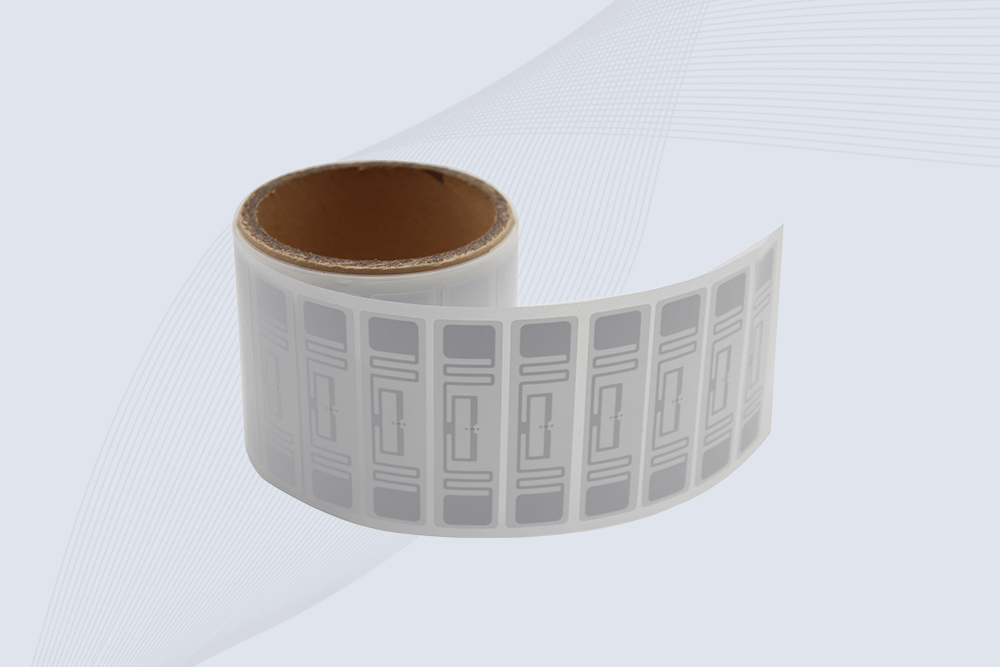
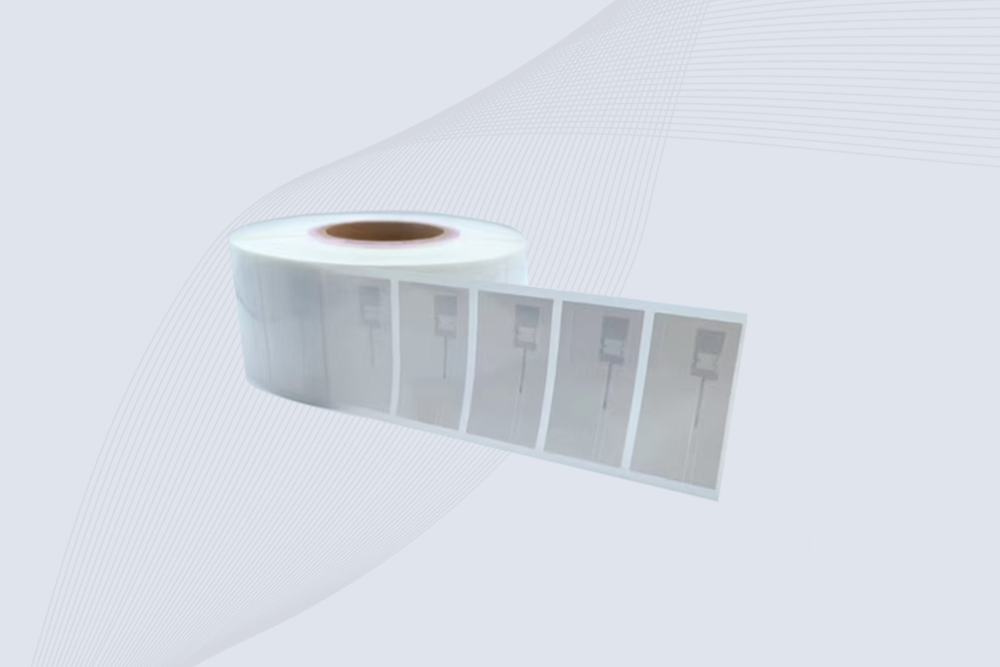
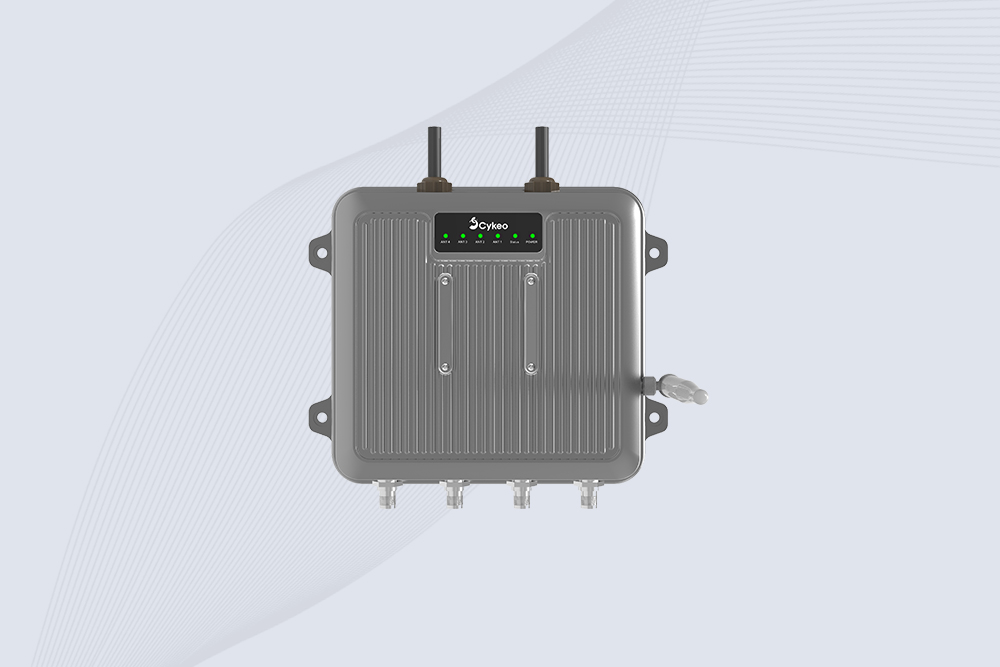
The best RFID solution for supply chain management combines UHF RFID tags, industrial readers, software integration, and real-time data management to track goods accurately from production to delivery. A scalable RFID system improves inventory visibility, reduces manual errors, and supports smarter supply chain decisions.
Real Experience: The Best RFID Solution Is Built Around Operations, Not Hardware
When companies ask what is the best RFID solution for supply chain management, the first answer should not be a product model.
A successful RFID system starts with understanding how goods actually move.
During RFID deployment projects at Cykeo, I have worked with industrial teams testing RFID tags, reader positions, and software connections in warehouses, manufacturing facilities, and logistics environments. The most common mistake I have seen is selecting RFID hardware before analyzing workflow.
A warehouse may have thousands of items moving every day, but only a few critical points where identification really matters:
Receiving docks
Production transfer points
Storage entrances
Shipping gates
Asset return areas
Installing readers everywhere does not automatically create a better supply chain.
The better approach is identifying where reliable data capture creates operational value.
One project involved testing RFID readers near dense warehouse storage racks. The technical specifications looked excellent, but the actual environment contained metal structures and changing inventory layouts. After adjusting antenna positions and tag selection, the system became significantly more stable.
That experience shaped my understanding of RFID implementation.
The best RFID solution is not the one with the highest specifications on paper. It is the one that fits the movement pattern of the supply chain.
According to GS1, RFID supports supply chain visibility by enabling automatic identification and data capture of physical objects, improving traceability across business processes.
How to Choose the Best RFID Supply Chain Tracking Solution
Understanding the complete RFID architecture
A professional supply chain RFID solution normally includes four layers:
A high-quality RFID reader cannot compensate for the wrong tag.
A reliable tag cannot solve poor workflow design.
The complete system must work together.
A professional supply chain RFID solution normally includes four layers:
Layer
Function
RFID Tags
Give products and assets unique digital identities
RFID Readers
Capture movement information automatically
Software Platform
Processes identification data
Business Integration
Connects RFID data with ERP/WMS/MES systems
Each layer affects the final performance.
A high-quality RFID reader cannot compensate for the wrong tag.
A reliable tag cannot solve poor workflow design.
The complete system must work together.
Why UHF RFID is widely used in logistics operations
For large-scale supply chains, UHF RFID is often considered the most practical choice because it provides:
Long reading distance
Fast multi-tag identification
Efficient warehouse coverage
Automated inventory updates
Typical supply chain applications include:
Application
RFID Function
Raw material tracking
Monitor production supplies
Pallet management
Track reusable transport items
Warehouse inventory
Improve stock visibility
Shipment verification
Confirm outgoing goods
Asset management
Monitor valuable equipment
Unlike barcode systems requiring individual scanning, RFID allows multiple tagged items to be identified simultaneously.
This difference becomes important in distribution centers handling thousands of products daily.
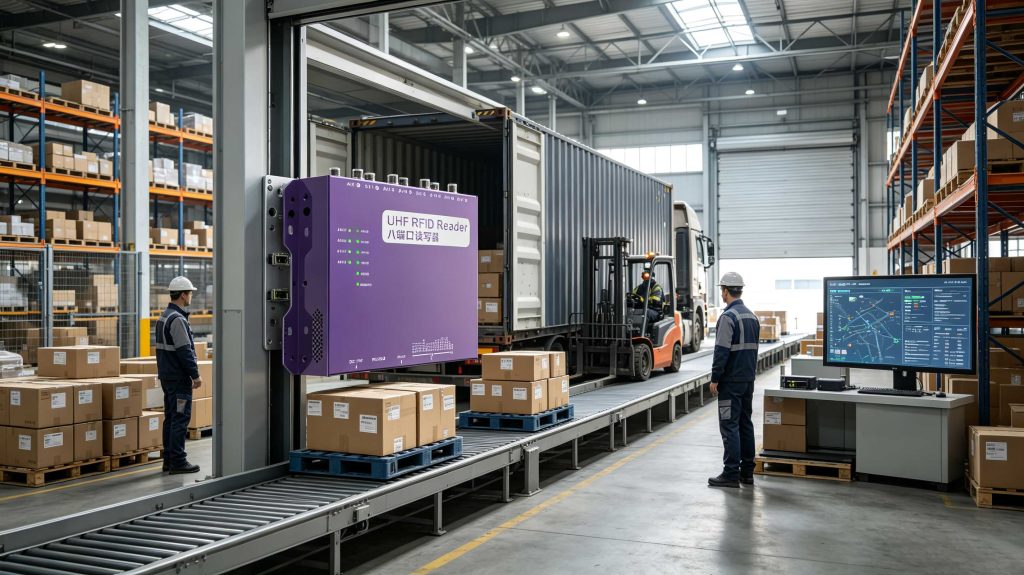
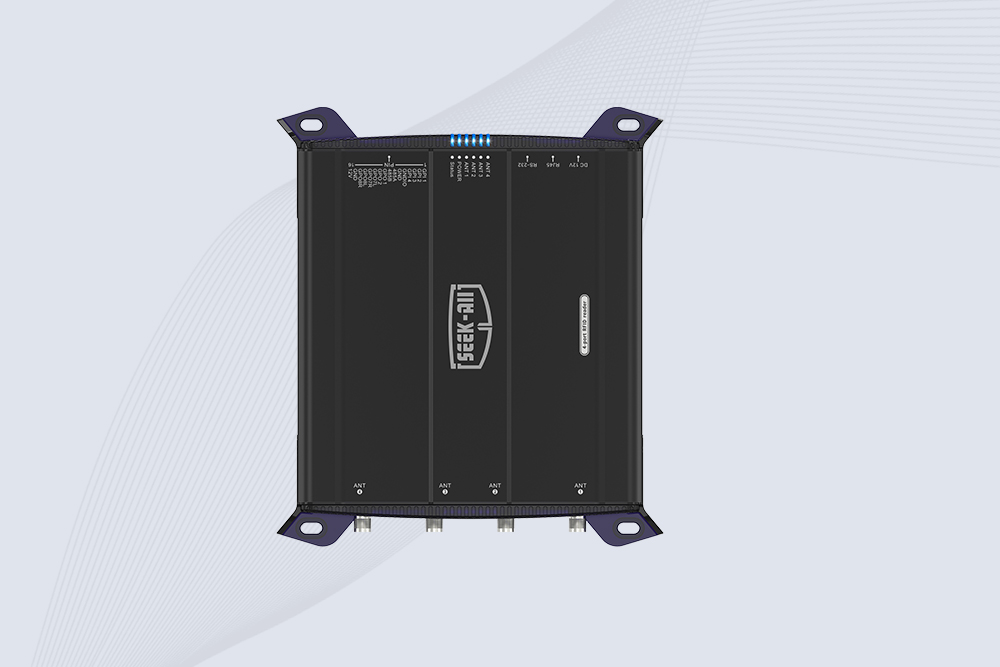
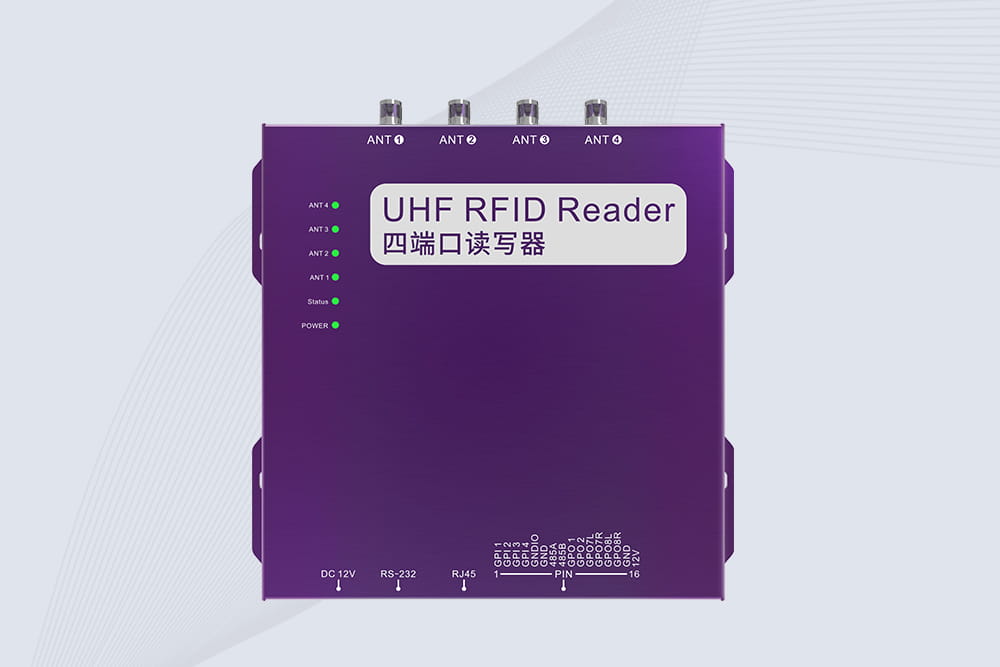
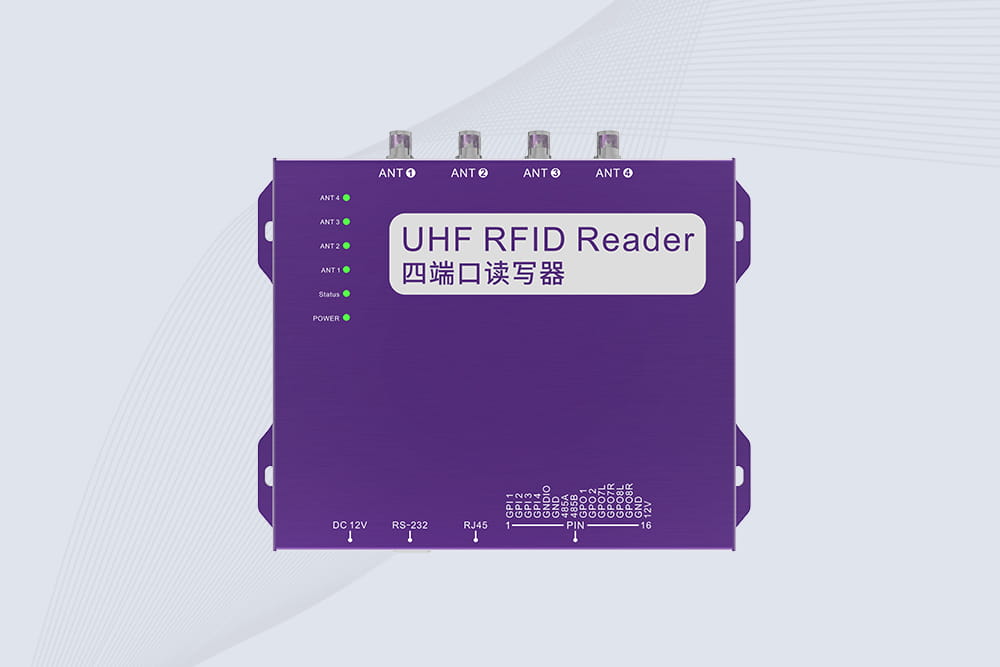
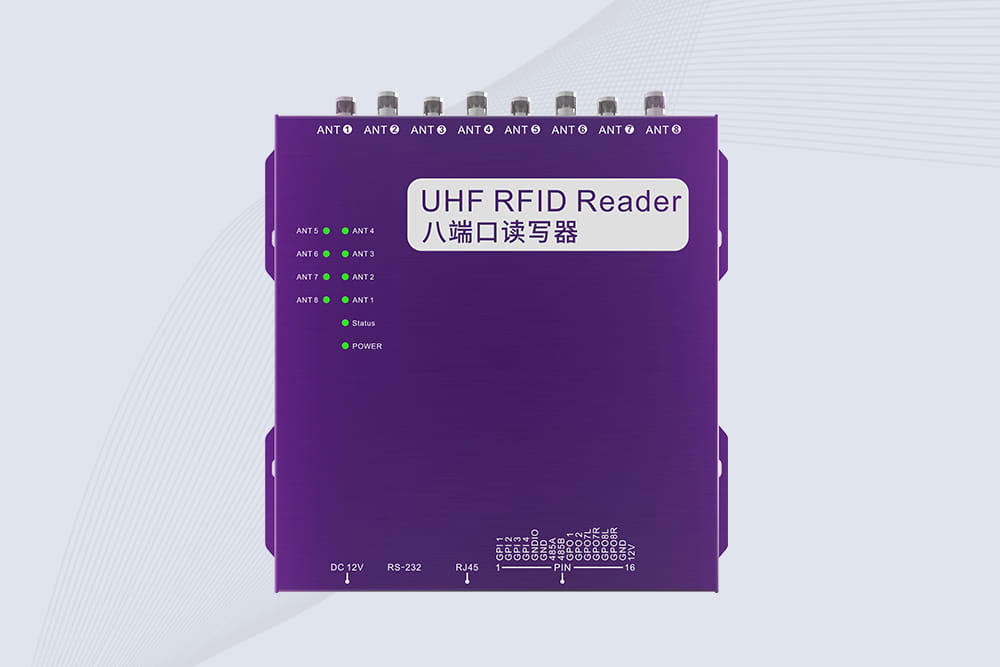
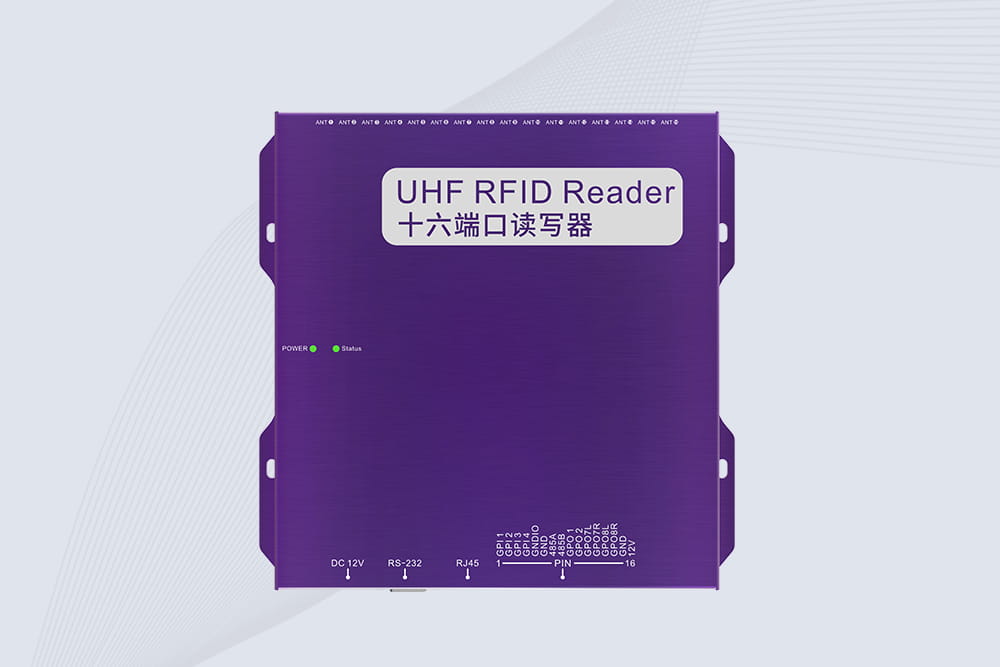
Industrial RFID readers and tags create real-time visibility across warehouse supply chain operations.
RFID Supply Chain Management Improves Visibility and Accuracy
Moving from manual records to automatic data collection
Supply chains often fail because information moves slower than products.
A shipment may already arrive while inventory records are still waiting for manual updates.
RFID solves this gap by creating automatic identification events.
For example:
Receiving
RFID readers identify incoming goods immediately.
Storage
Inventory location changes can be recorded automatically.
Production
Materials can be verified before entering manufacturing.
Shipping
Outbound goods can be confirmed before transportation.
This creates a continuous information flow.
Research from Auburn University RFID Lab has demonstrated that RFID implementation can significantly improve inventory accuracy, with many RFID-enabled supply chain environments achieving accuracy levels above 95%.
In practical deployment, improved accuracy often comes from eliminating small invisible errors:
A pallet placed in the wrong location.
A tool returned without updating records.
A shipment leaving before confirmation.
RFID captures these moments automatically.
Industrial RFID Solution Design for Complex Supply Chains
Matching RFID technology with real environments
Supply chains are rarely simple environments.
They include:
Metal shelving
Moving machinery
Temperature changes
Dense product storage
Electromagnetic interference
The best RFID solution must consider these factors before installation.
Cykeo RFID solutions support applications such as:
Smart warehouses
Manufacturing logistics
Industrial asset tracking
Tool management
Returnable container tracking
Key technical considerations include:
Requirement
RFID Design Factor
Long reading distance
Reader power and antenna design
Industrial durability
Tag material selection
Fast identification
Anti-collision technology
System integration
API and SDK support
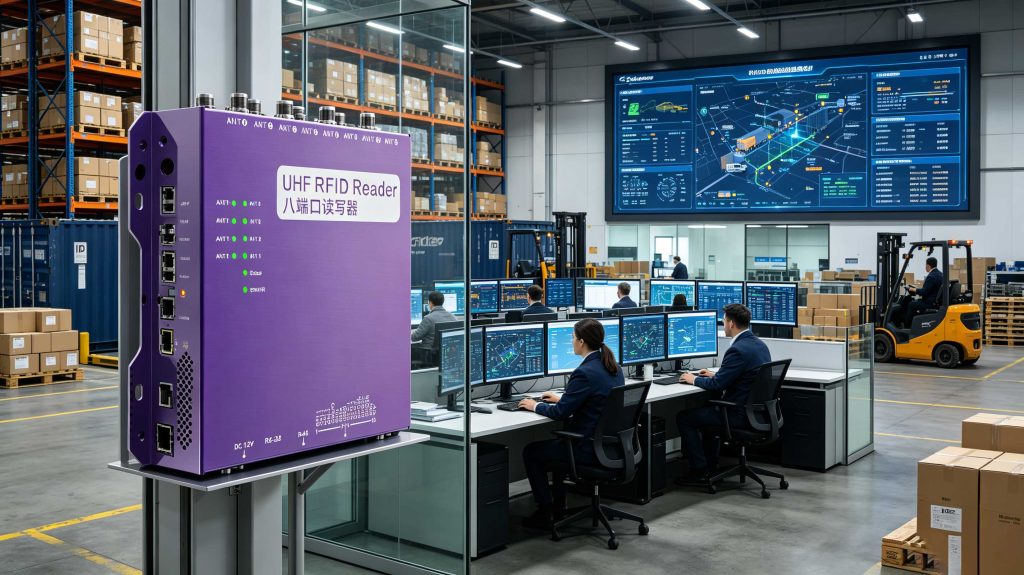
RFID data connects warehouse operations, transportation activities, and supply chain decisions through real-time visibility.
Cykeo RFID Solutions for Modern Supply Chain Transformation
Building scalable RFID systems for enterprise logistics
A supply chain RFID solution should grow with business requirements.
Small warehouses may start with several RFID checkpoints.
Large enterprises may require:
Multiple warehouse locations
Production line tracking
Automated inventory systems
Enterprise software integration
Cykeo provides RFID readers, tags, and system solutions designed for these different levels of deployment.
The goal is not simply attaching RFID tags to products.
The goal is creating a reliable connection between physical goods and digital information.
That connection allows companies to make faster decisions, reduce uncertainty, and build more transparent supply chains.
FAQ: What Is the Best RFID Solution for Supply Chain Management?
FAQ 1: What makes an RFID solution suitable for supply chain management?
The best RFID solution for supply chain management should provide accurate identification, real-time visibility, and easy integration with existing business systems.
A suitable solution normally includes:
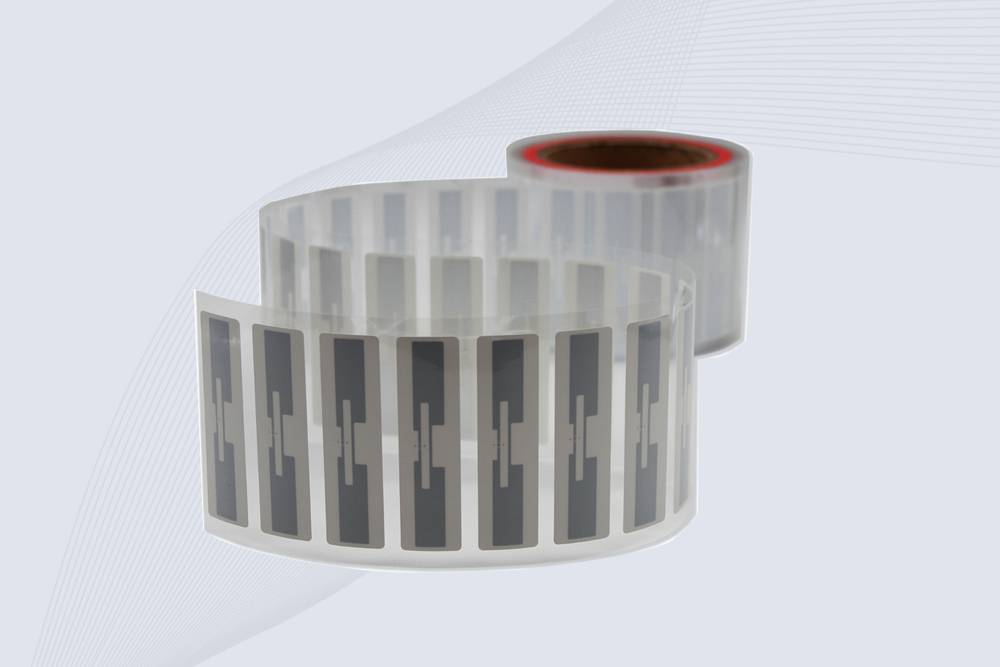
Reliable RFID tags for different product environments
Industrial RFID readers for automatic data collection
Software integration with WMS, ERP, or MES platforms
Scalable architecture for future expansion
The technology should solve actual supply chain problems rather than simply adding more hardware.
FAQ 2: Why is UHF RFID commonly used in supply chain applications?
UHF RFID is widely used in supply chain management because it supports longer reading distances and rapid identification of multiple items.
Typical advantages include:
Feature
Supply Chain Benefit
Long reading range
Covers warehouse gates and storage areas
Multi-tag reading
Processes many products simultaneously
Fast data collection
Reduces manual inventory operations
Automation support
Enables smart warehouse workflows
For logistics environments handling large quantities of products, UHF RFID provides the speed and flexibility required for modern operations.
FAQ 3: Can RFID track products throughout the entire supply chain?
Yes. RFID can support tracking from production to final delivery when the system is properly designed.
A typical RFID-enabled supply chain can monitor:
Raw material arrival
Manufacturing processes
Warehouse storage
Distribution movement
Shipment verification
Asset return cycles
The key advantage is creating continuous visibility instead of isolated inventory records.
FAQ 4: How does RFID reduce supply chain errors?
RFID reduces supply chain errors by replacing many manual identification tasks with automatic data capture.
Common problems RFID helps reduce include:
Incorrect inventory records
Missing shipment confirmations
Misplaced assets
Delayed stock updates
Manual counting mistakes
In traditional operations, a small recording mistake can affect multiple departments.
RFID creates automatic identification events, allowing companies to detect problems earlier.
FAQ 5: What industries benefit most from RFID supply chain solutions?
RFID supply chain solutions are widely used in industries where product movement and inventory accuracy are critical.
Industry
RFID Application
Manufacturing
Material tracking and production management
Retail
Product inventory visibility
Automotive
Component and returnable container tracking
Healthcare
Medical supply monitoring
Logistics
Warehouse and transportation management
Aviation
Tool and maintenance asset tracking
Industries with complex workflows usually gain the greatest value from RFID implementation.
FAQ 6: How much does an RFID supply chain solution cost?
The cost depends on several factors:
Number of RFID tags required
Type and quantity of readers
Installation environment
Software integration requirements
System customization level
A small RFID tracking project may only require several reading points, while enterprise supply chain systems may involve multiple facilities and thousands of tagged assets.
The most effective approach is to design the RFID architecture according to operational needs rather than purchasing equipment based only on specifications.
FAQ 7: How does Cykeo support supply chain RFID implementation?
Cykeo provides RFID solutions designed for industrial supply chain applications, including:
Cykeo focuses on practical deployment requirements, including reading performance, installation conditions, and workflow optimization.
A successful RFID project is built by combining suitable hardware with real operational experience.
Choosing the Right RFID Solution for Supply Chain Management
What is the best rfid solution for supply chain management depends on the specific requirements of each supply chain environment.
There is no universal RFID system that fits every company. A warehouse handling apparel products, an automotive factory tracking components, and an aviation company managing maintenance tools will require different RFID designs.
The most effective RFID solutions combine:
Correct RFID frequency selection
Suitable tag materials
Reliable reader performance
Accurate data processing
Seamless system integration
Cykeo develops RFID technologies that help enterprises improve supply chain visibility, automate identification processes, and build more efficient logistics operations.
The real value of RFID is not only knowing where products are located.
It is understanding how products move, when changes happen, and how supply chain decisions can be improved with reliable data.
A smarter supply chain begins with accurate identification.
SSD-R16L Multi-Channel RFID Infrastructure for Automated Inventory Management ✔️ 16-Port High-Density RFID Reading Equipped with 16 SMA antenna ports, SSD-R16L supports multi-antenna deployment for warehouses, retail stores, logistics, production lines, and large-area RFID identification. ✔️ High-Speed & Long-Range Performance With up to 33…
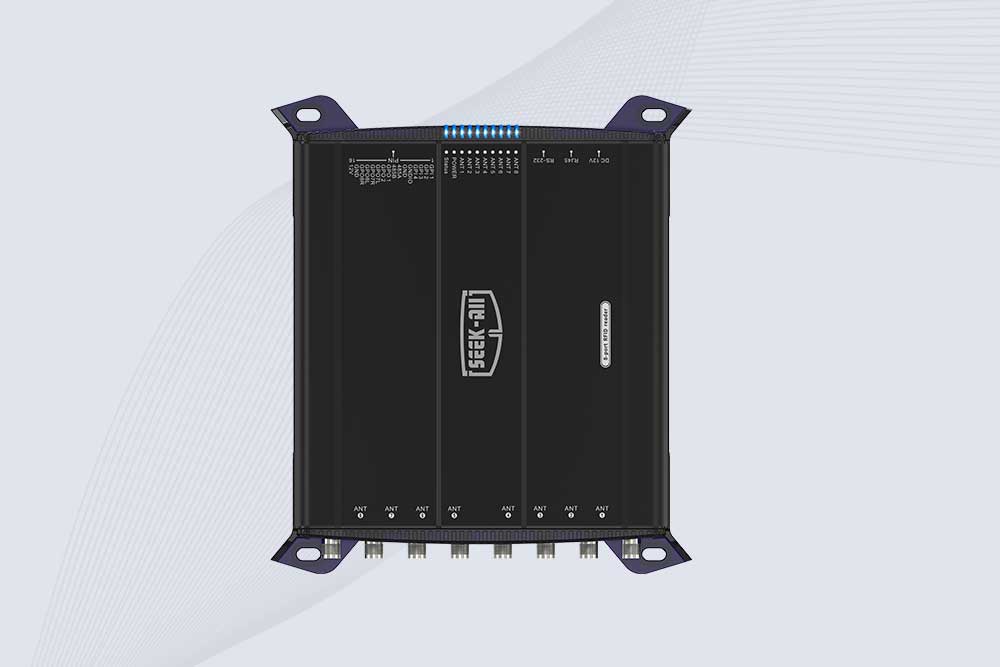
SSD-R8L 8-port UHF RFID reader with 33dBm output, up to 20m reading range and 600+ tags/s recognition. Ideal for warehouse, logistics, retail and asset tracking.
CYKEO Passive RFID Tags are made for wet and high-humidity environments where standard labels do not last. This rfid passive tag is often used around liquids, chemicals and temperature changes, providing stable reading distance and long data life for industrial tracking.
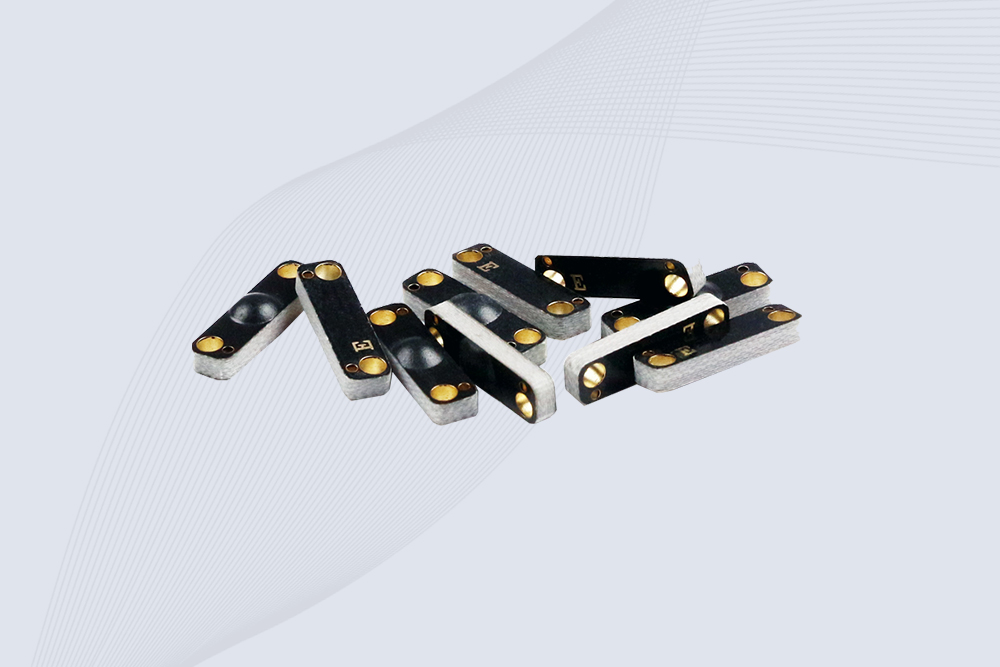
CYKEO CYKEO-PCB1504 Metal RFID Tags is a compact anti-metal UHF RFID solution built for direct mounting on metal surfaces. With stable 8-meter read range, Ucode-8 chip, and long data retention, this rfid metal tag fits tools, containers, automotive parts, and industrial asset tracking.
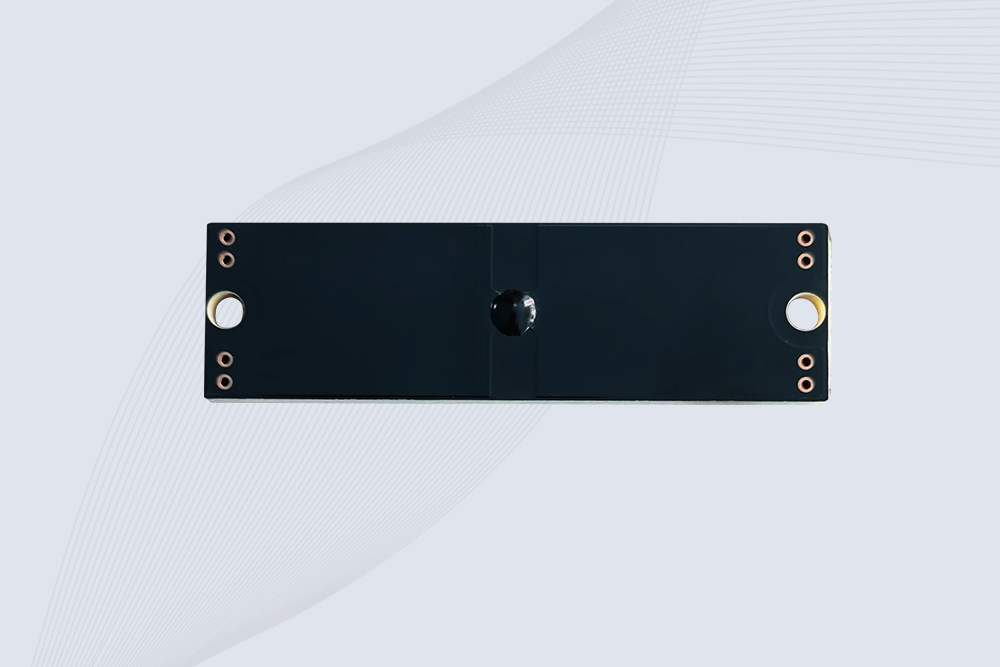
CYKEO CYKEO-PCB7020 On-Metal RFID Tags are designed for reliable tracking on steel and metal surfaces. Built with an FR4 epoxy body and industrial-grade chips, these On-Metal RFID Tags deliver stable performance, long data life, and chemical resistance, making them a dependable RFID anti-metal tag for harsh environments.
The CYKEO CYKEO-60-25 Anti-Metal RFID Tag is built for metal surfaces where standard tags fail. Designed for long-range performance, harsh environments, and stable data retention, this Anti-Metal RFID Tag is ideal for industrial assets, containers, and equipment tracking using on metal RFID tags.
The CYKEO RFID Laundry Tag is designed for long-term textile identification in harsh laundry environments. Built to withstand high heat, chemicals, and repeated washing, this RFID Laundry Tag delivers stable performance for hotels, hospitals, and industrial laundry operations using laundry rfid tags at scale.
The CYKEO CYKEO-125-7 RFID Book Tag is designed for reliable book and document tracking in libraries and archives. This RFID Book Tag delivers long read range, dense placement support, and stable performance on shelves, making it a practical rfid tag on books for library automation, file management, and archival systems.
CYKEO RFID tags in hospitals are designed for sterile environments where accuracy matters. These autoclavable RFID tags support long-term tracking of surgical tools, implants, and medications, helping hospitals improve visibility, compliance, and patient safety.
CYKEO RFID Cable Tie Tag is built for reliable identification on metal surfaces. This UHF RFID Cable Tie Tag is widely used in rfid tags for inventory systems, industrial asset management and Hospital RFID Tags, offering stable read performance, long service life and global EPC Gen2 compatibility.
CYKEO RFID Asset Tag is designed for stable identification of metal assets in industrial environments. This UHF RFID Asset Tag is commonly used for rfid tag asset tracking on equipment, tools and containers, providing reliable reads, long service life and ISO/IEC 18000-6C support.
CYKEO UHF RFID Card is designed for fast identification and long-term use in industrial and commercial systems. Supporting ISO 18000-6C, this UHF RFID Card works at 860–960 MHz and is suitable for custom RFID cards used in asset tracking, access control and inventory management.
CYKEO HF RFID Cards are designed for secure and stable access control systems. These 13.56 MHz RFID key cards support ISO 14443-A, reliable rewriting and long service life, making HF RFID Cards suitable for offices, campuses, events and membership management.
CYKEO UHF RFID Tag is designed for reliable tracking of metal jewelry and high-value items. This Jewelry RFID Tag supports long-range reading up to 8 meters, anti-counterfeit protection and stable performance on metal, making it suitable for retail, inventory control and asset management.
Cykeo CYKEO-C1 industrial Forklift RFID Reader features 20m read range, 600 tags/sec scanning, Impinj R2000 chipset, and IP67 rugged design. Ideal for warehouse logistics and manufacturing. Supports ISO 18000-6C/6B protocols.
Cykeo CYKEO-R4 industrial UHF RFID Fixed Reader features 4 TNC ports, 400+ tags/sec speed, IP67 housing, and global frequency compliance for vehicle inspection, smart warehouse, and asset management systems.
CYKEO CYKEO-R8L Fixed RFID Reader with 8-port UHF design, Impinj-based RF core and up to 20m read range. An industrial Fixed RFID Reader for vehicle inspection, warehouse portals, smart manufacturing lines and secure access checkpoints.
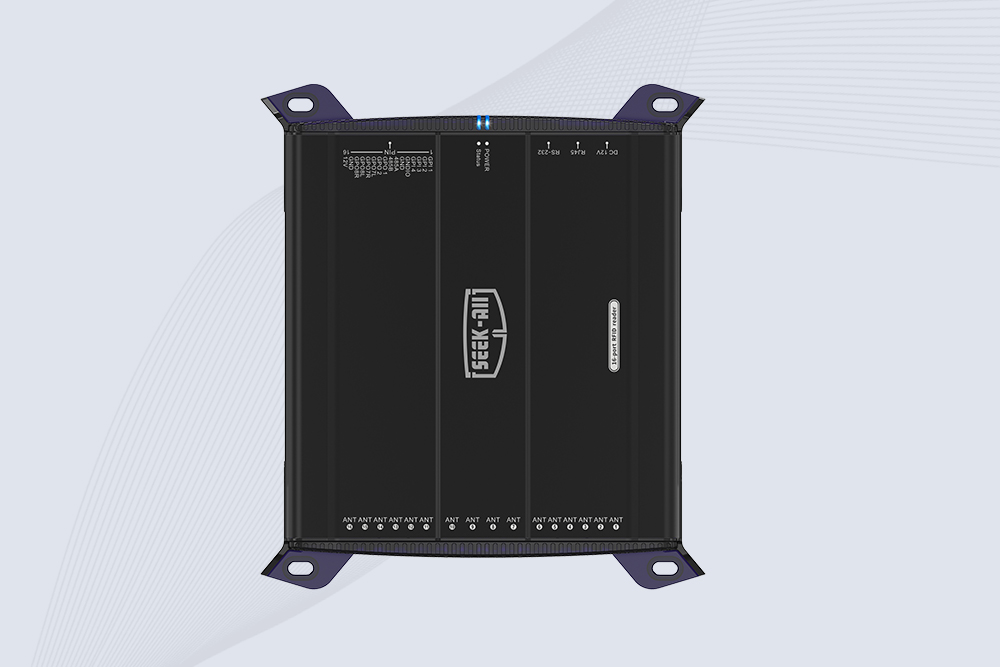
RFID Fixed Reader from CYKEO – the CYKEO-R16L 16-port UHF fixed reader for warehouses, smart cabinets, and production lines. Long-range, multi-tag reading, stable performance for 24/7 industrial use.
Learn how RFID reader antennas work, the different antenna types available, and how they affect RFID system performance in warehouses, logistics, inventory tracking, and access control applications.
Discover how medical equipment tags improve hospital asset visibility, inventory accuracy, and compliance. RFID-enabled tracking for smarter healthcare operations.
Many ask: can an RFID antenna activate devices? We explain the limitations and possibilities of UHF antenna power transfer for sensors and simple circuits.
 Cykeo RFID IoT Solution Products R&D Manufacturer