Imagine your smart farming sensor dies mid-season because its RFID module drained the battery. Or your medical IoT tracker fails during a critical shipment because it couldn’t handle harsh conditions. Low-power RFID modules solve these headaches, blending long-term reliability with minimal energy use. Here’s why they’re non-negotiable for IoT—and how to pick the perfect one.
1. Why IoT Devices Demand Low-Power RFID
a. Battery Life: Years, Not Months Most IoT devices run on batteries in hard-to-reach places (e.g., soil sensors, utility meters). A standard RFID module can drain a coin cell in weeks, but low-power variants stretch this to 5–10 years.
b. Environmental Challenges IoT devices face extreme conditions:
Temperature Swings: From -40°C in cold storage to 85°C in industrial zones.
Moisture & Dust: Outdoor trackers in farms or construction sites. Low-power modules often include rugged designs to survive these stresses.
c. Cost Efficiency Frequent battery replacements spike labor and hardware costs. Low-power RFID slashes these expenses while reducing e-waste.
Real-World Impact: Cykeo’s low-power RFID tags helped a vineyard cut battery replacements from yearly to once a decade, saving $15k annually.
2. Key Features of a Reliable Low-Power RFID Module
a. Ultra-Low Sleep Mode Current Look for modules that draw <1µA in standby. This lets them “nap” between scans, preserving energy.
b. Adaptive Power Modes
Active Mode: Full power during scans.
Idle Mode: Reduced power when idle but ready to wake.
Deep Sleep: Minimal draw during long inactivity.
c. Protocol Compatibility Ensure support for IoT-friendly protocols like LoRaWAN, Zigbee, or BLE to sync with existing networks.
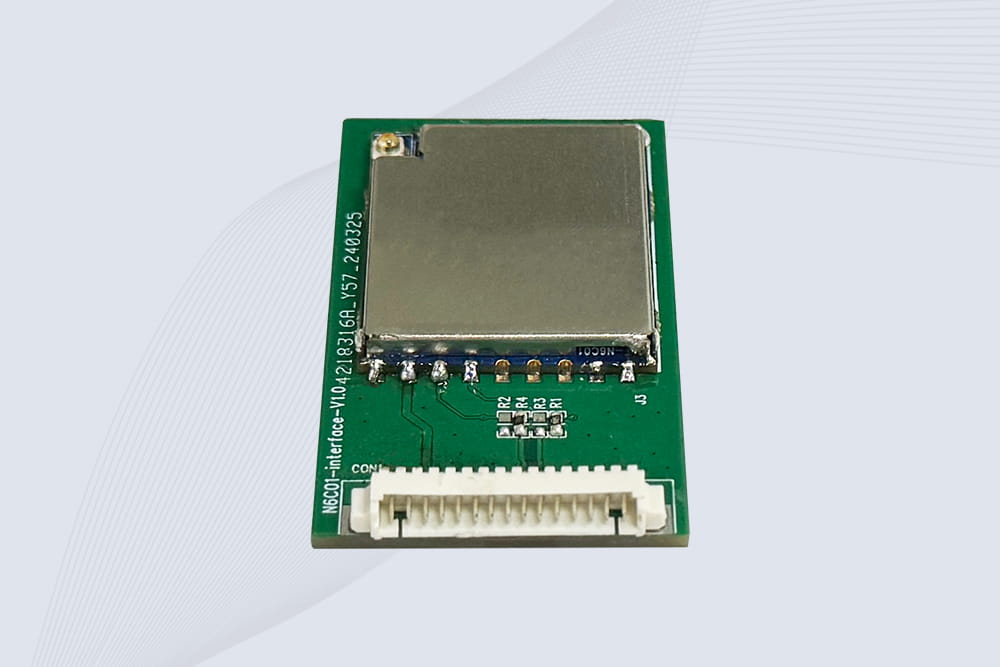
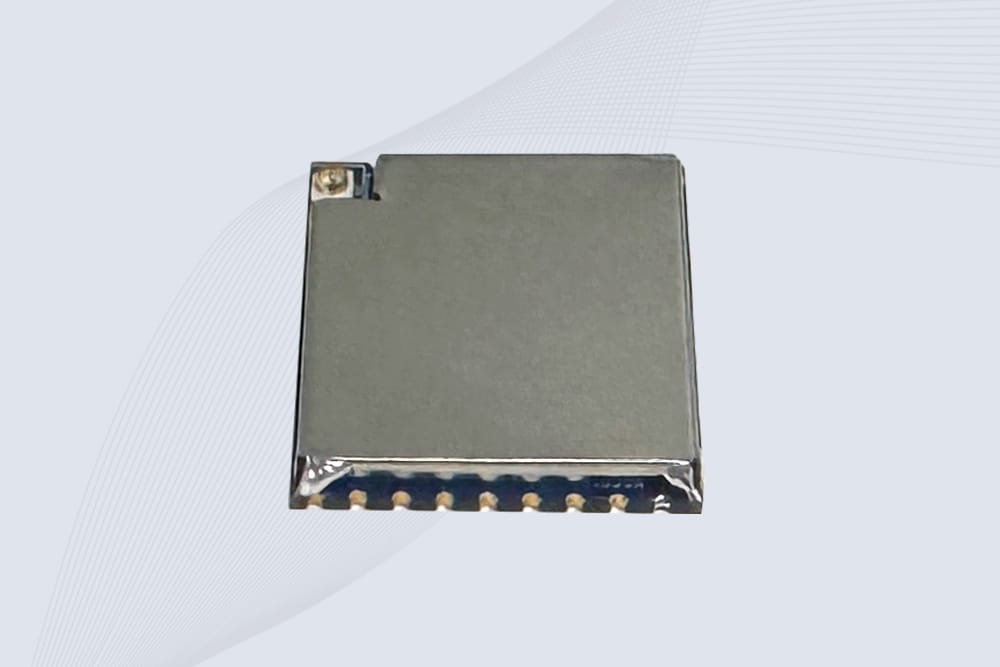
d. Compact Size Space is precious in IoT devices. Modules smaller than a postage stamp (e.g., 15mm x 15mm) fit wearables or embedded systems.
3. How to Choose the Right Module for Your IoT Project
Step 1: Define Your Use Case
Range: Need inches (wearables) or meters (supply chain)?
Scan Frequency: Continuous monitoring vs. periodic checks.
Environment: Indoors, outdoors, or extreme conditions?
Step 2: Prioritize Energy Efficiency
Check datasheets for average current consumption (e.g., 5mA during scans, 0.5µA in sleep).
Verify energy harvesting support (solar, thermal) for self-sustaining setups.
Step 3: Test Real-World Performance
Run trials in your harshest environment (e.g., freezer, humid warehouse).
Measure battery drain over weeks, not just days.
Step 4: Ensure Easy Integration
Pre-certified modules (FCC, CE) speed up compliance.
Open-source SDKs or Arduino libraries simplify coding.
4. Common Pitfalls to Avoid
a. Overestimating Range Needs Longer range = higher power draw. Opt for the shortest range your application allows.
b. Ignoring Firmware Updates Manufacturers like Cykeo release optimizations that cut power use by 10–20%. Update regularly.
c. Cheap vs. Cost-Effective A 10moduleneeding6batteryswapsyearlycostsmorethana50 module lasting a decade.
5. Future-Proofing Your IoT Deployment
AI Integration: Smart modules that scan only when anomalies are detected.
Dual-Power Modes: Combine battery and energy harvesting (e.g., solar + lithium).
Scalable Networks: Choose modules that support mesh networking for large IoT clusters.
Takeaway: Low-power RFID modules aren’t a luxury—they’re the backbone of sustainable, reliable IoT systems. Whether you’re tracking perishables in cold storage or monitoring infrastructure in remote areas, the right module balances energy efficiency with real-world durability. Focus on sleep mode performance, environmental resilience, and seamless integration to avoid costly redesigns. And remember: a well-chosen module today could save thousands in batteries and headaches tomorrow.
Learn how GPIO (General Purpose Input/Output) devices work in RFID systems. Discover how RFID readers connect with doors, sensors, alarms, and automation equipment using GPIO.
Looking to buy a UHF RFID four-port fixed reader? Learn how to choose the right model, understand key specs, and build a reliable RFID solution for logistics, automation, or access control.
 Cykeo RFID IoT Solution Products R&D Manufacturer