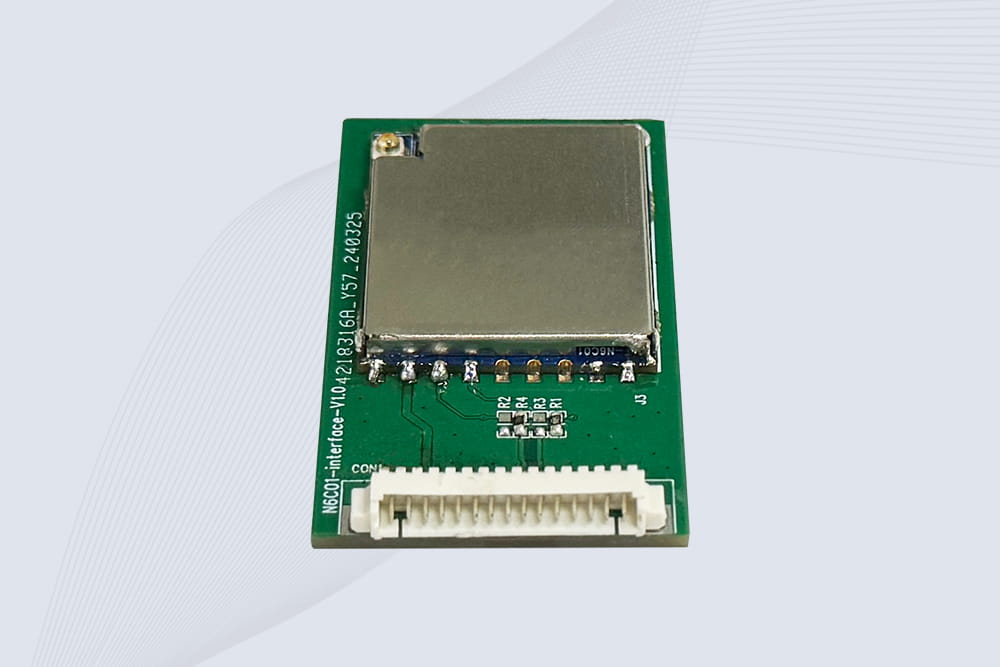
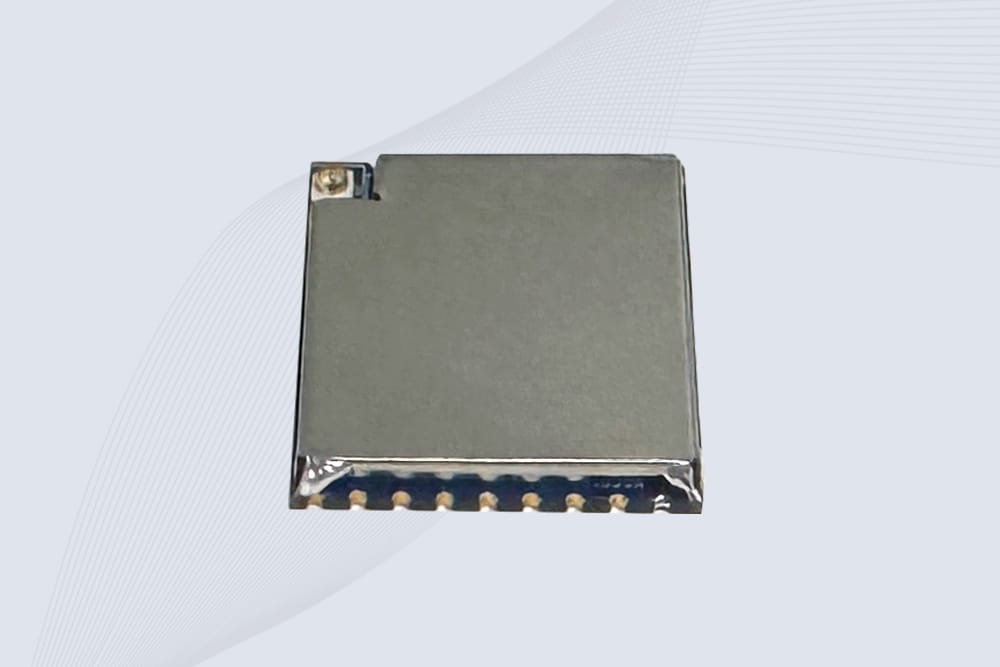
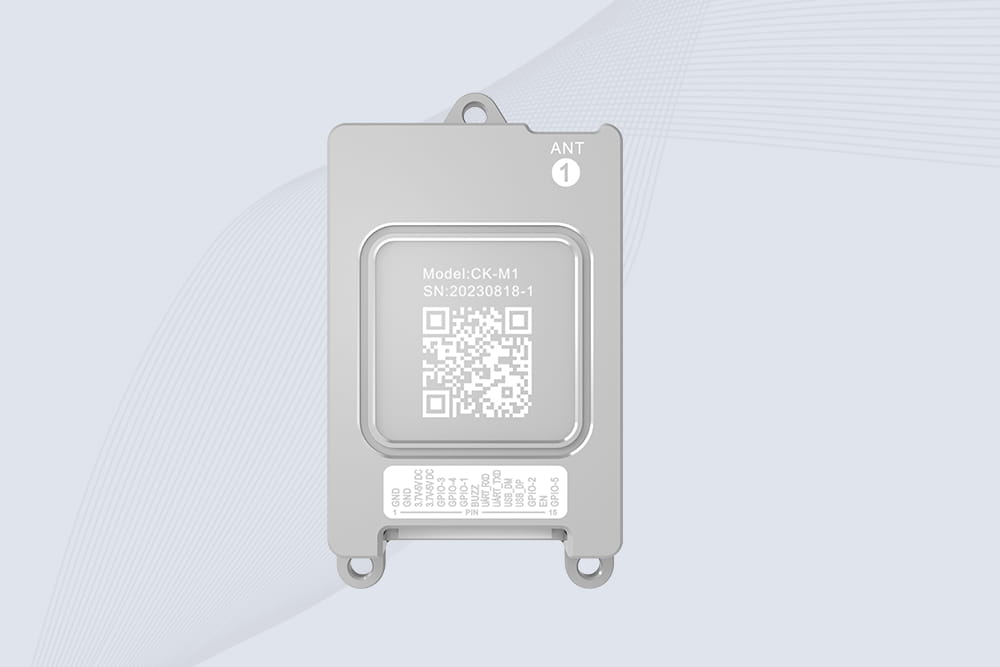
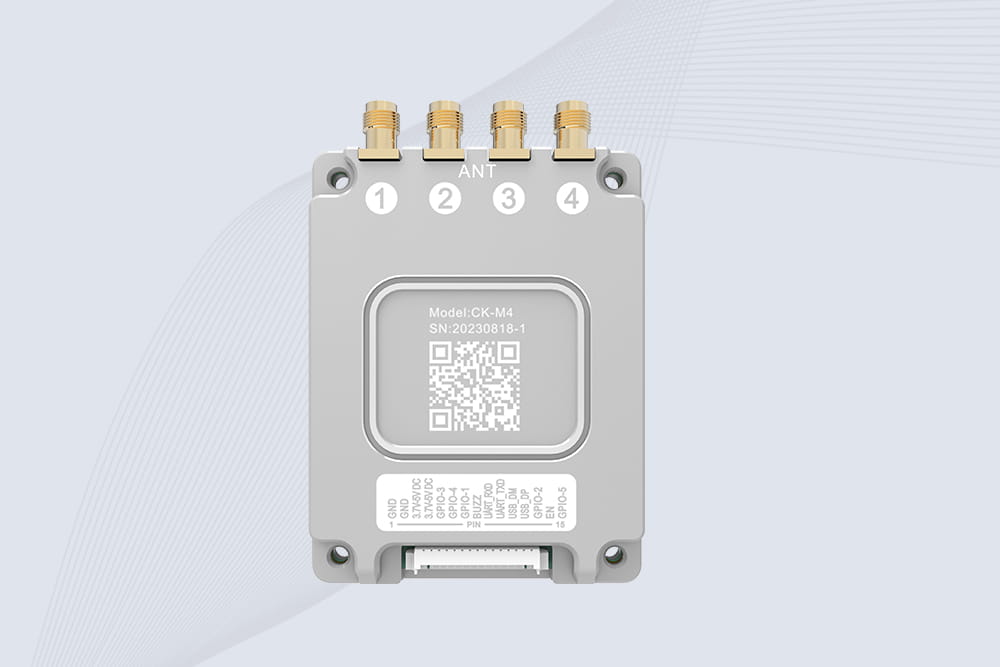
Choosing between passive and active RFID modules can feel like picking between a bicycle and a motorcycle. Both move you forward, but their performance, cost, and use cases differ wildly. Whether you’re tracking tools in a workshop or monitoring cargo across continents, understanding these two technologies is critical. Let’s break down their strengths, weaknesses, and ideal applications to help you decide.
Some systems combine passive and active technologies:
Example: Use passive tags for item-level tracking in a warehouse and active tags for vehicle monitoring.
Benefit: Balances cost and performance.
Takeaway: Passive RFID modules are the go-to for cost-sensitive, high-volume tasks. Active modules shine in large, complex environments where real-time data is worth the premium. For most, starting with passive and scaling to active (or hybrid) as needs grow is a smart strategy. Brands like Cykeo offer solutions for both, but always test modules in your environment before committing.
Discover how Impinj RFID reader solutions improve healthcare asset tracking, medical equipment management, and hospital inventory visibility with RFID automation.
Learn how handheld RFID readers integrate with smartphones and tablets via Bluetooth, USB, or apps. Discover use cases for retail, logistics, and field service.
RFID technology offering significant improvements in safety, asset visibility, and cost control—while strengthening hospitals' competitiveness in the healthcare market.
 Cykeo RFID IoT Solution Products R&D Manufacturer