Running a small business often feels like juggling flaming torches—keeping inventory accurate, orders timely, and costs low. Enter RFID: a tech once reserved for big corporations is now accessible for SMBs. But with so many options, how do you pick a system that’s both effective and budget-friendly? Let’s cut through the noise.
Why RFID Beats Spreadsheets (and Barcodes)
Manual counts and barcodes have their place, but RFID offers:
Speed: Scan 100+ items in seconds vs. one-by-one barcode checks.
Accuracy: Reduce human errors (no more “miscounted widgets”).
24/7 Visibility: Track stock in real-time, even after hours.
Cost Comparison: A basic RFID setup costs ≈500–2,000—similar to hiring a temp for seasonal counts.
Key Features of Budget-Friendly RFID Modules
1. Plug-and-Play Setup Look for:
Pre-configured Kits: Includes reader, tags, and software.
Mobile Compatibility: Pair with smartphones/tablets via Bluetooth.
Cloud Software: Avoid upfront server costs.
Example: Cykeo’s starter kit syncs with Shopify, making it a hit for e-commerce microbusinesses.
2. Tag Affordability
Passive UHF Tags: As low as $0.10 each in bulk.
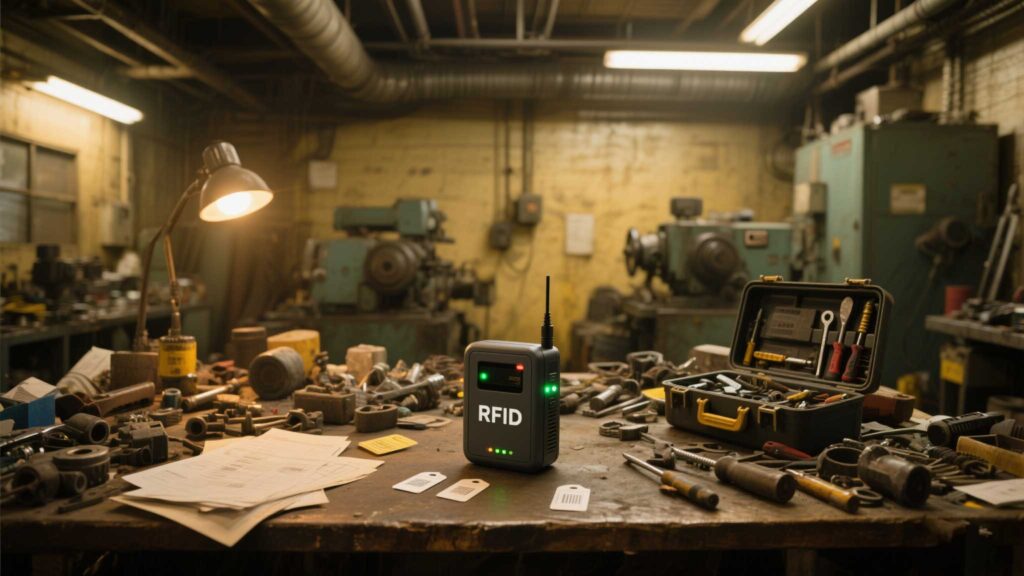
Reusable Tags: Metal or silicone tags for tools/pallets (≈$2 each).
Tip: Start with tagging high-value or frequently misplaced items.
3. Scalability
Choose systems that let you:
Add Readers Later: Expand from one checkout counter to warehouse zones.
Integrate with Accounting Tools: QuickBooks, Xero, etc.
4. Low Maintenance
Battery-Free Tags: Passive RFID needs no battery swaps.
Durable Readers: Water-resistant designs survive spills or dusty storerooms.
5. Hidden Costs to Watch
Software Subscriptions: Some charge 20–100/month.
Training: Factor in 2–4 hours of staff onboarding.
Tag Attachment: Adhesive tags vs. sewing/embedding costs.
Implementation: Start Small, Scale Smart
Pilot Phase: Tag 50–100 items. Track ROI in time saved.
Train Key Staff: Focus on scanning and software basics.
Case Study: A Brooklyn bakery cut inventory time by 70% using a $700 RFID setup, tagging mixers and baking supplies.
Common Pitfalls (and How to Dodge Them)
Cheap Hardware: A 99readerthatfailsin3monthscostsmorethana300 reliable model.
Over-Tagging: Tagging every 1item?Notworthit.Prioritizestockworth>20.
Ignoring Interference: Metal shelves? Use on-metal tags to avoid read fails.
Future-Proofing Your Investment
Choose Open APIs: Lets you connect to new tools as you grow.
Battery-Powered Options: Some Cykeo readers last 12+ hours for pop-up events.
Used Market: Refurbished enterprise gear can be 50% cheaper.
Takeaway: RFID isn’t just for Amazon-sized warehouses. With modules starting under $500, small businesses can slash inventory headaches, reduce shrinkage, and focus on growth. Prioritize ease of use, scalable software, and reusable tags to maximize ROI. And remember: even a modest setup can deliver outsized results.
Compare RFID medical cabinets with traditional hospital inventory methods. See how real-time tracking, reduced errors, and automation help hospitals improve inventory control and efficiency.
Discover how RFID tags are transforming surgical instrument management — improving tracking accuracy, sterilization traceability, and operating room efficiency while reducing human errors and costs. Learn the key requirements, challenges, and real...
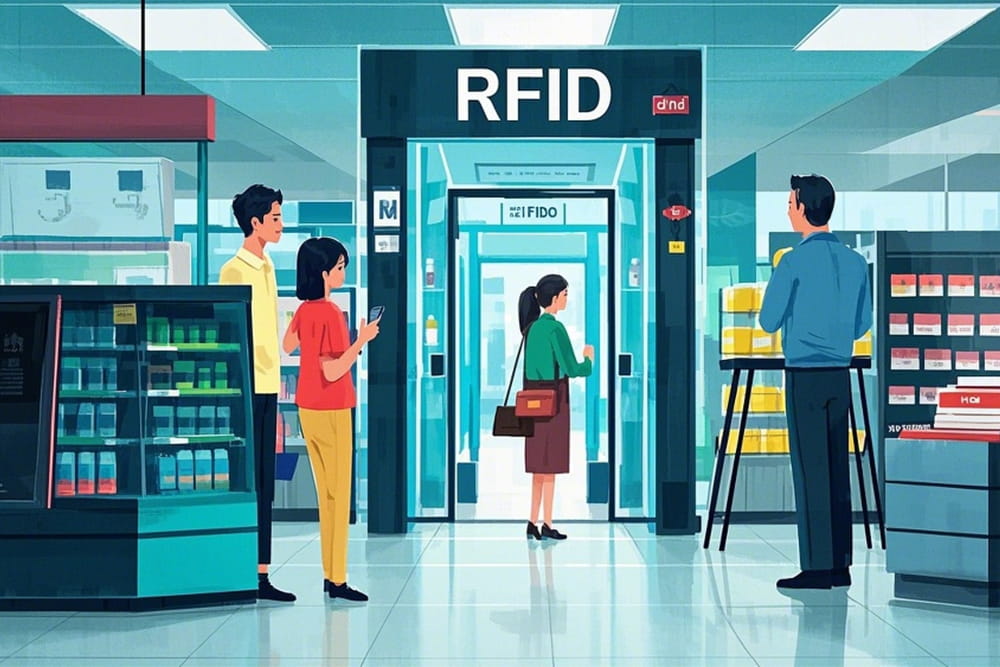
How is RFID used in retail? Discover how RFID improves inventory accuracy, smart checkout, product tracking, and retail automation with Cykeo technology.
Explore the real-world classification of RFID tags — from passive to active, and LF to UHF. Learn how different tag types perform in warehouses, logistics, and industrial environments, and how to choose the right one for your project.
 Cykeo RFID IoT Solution Products R&D Manufacturer