 Cykeo RFID IoT Solution Products R&D Manufacturer

RFID Proximity Alarm: The Precision Guardian for Smart Security
847explore the working principle, application scenarios, core advantages, and key purchasing considerations of RFID proximity alarm systems
MoreAll RFID Product
Walk into almost any busy container port around 9 a.m., and you’ll notice something interesting. The cranes rarely stop moving. Trucks continue arriving. Containers are lifted, transferred, inspected, and loaded almost continuously.
Yet if you watch carefully, the biggest delays often don’t happen during lifting. They happen while people are trying to confirm information.
Someone checks a container number.
Someone confirms a truck.
Someone updates the system.
Someone waits for approval.
Individually these tasks only take seconds. Across hundreds or even thousands of movements every day, those seconds quietly grow into hours.
This is probably one reason why more ports are adopting long range RFID scanners. The goal isn’t simply replacing people with technology. It’s making identification happen automatically so operators can spend more time managing cargo instead of verifying it.
Over the last decade, cranes have become smarter, yard equipment has become more automated, and terminal operating systems can process huge amounts of information.
Identification, surprisingly, hasn’t always kept pace.
Many terminals still rely on combinations of OCR cameras, barcode labels, paper documentation, and manual confirmation.
Those methods still work, of course. But ports are becoming busier every year, and small delays now have a much bigger impact than they did ten years ago.
One port engineer once described it quite simply:
“Our cranes aren’t waiting for containers. They’re waiting for information.”
That comment stayed with me because it reflects what RFID is actually solving.
Unlike barcode systems, RFID doesn’t require operators to stop and scan every object manually.
Instead, RFID tags are attached to assets such as:
Long range RFID readers are then installed at important checkpoints throughout the port.
Typical installation locations include:
Whenever a tagged asset moves through one of these locations, the RFID reader captures its identity automatically and sends the information directly to the Terminal Operating System (TOS), Warehouse Management System (WMS), or ERP platform.
From the operator’s perspective, nothing special happens.
The truck keeps moving.
The container continues toward its destination.
The system simply knows where everything is.
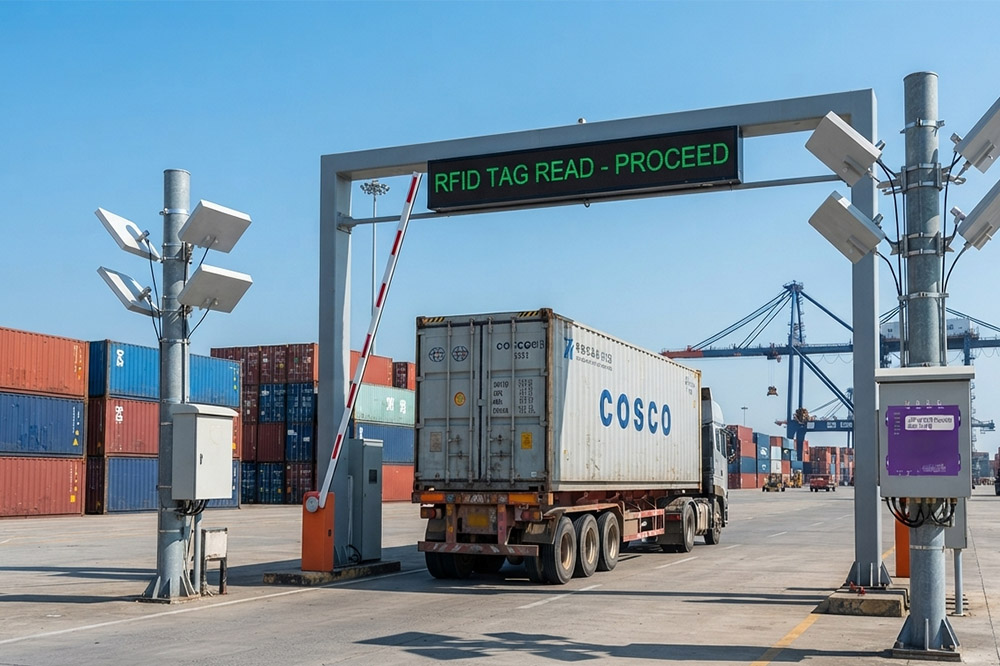
RFID Gate System at a Modern Port
Truck passing through a long range RFID gate scanner at a busy container terminal
Container truck driving through an automated RFID gate at a seaport, industrial UHF RFID antennas on both sides of the lane, security barriers open automatically, shipping containers in the background, realistic logistics photography, professional lighting, high detail.
If you’ve ever stood near a container gate during peak hours, you’ll know how quickly queues build up.
Drivers stop.
Security verifies documents.
Operators confirm container IDs.
Then another truck repeats exactly the same process.
With a long range RFID scanner, identification happens while the truck is still moving.
The gate software immediately knows:
That doesn’t eliminate every checkpoint, but it usually removes one of the slowest parts of the process.
Some ports begin with a single RFID lane as a pilot project. After several weeks, once operators compare waiting times and traffic flow with traditional lanes, expanding the deployment often becomes much easier to justify.
Many people still associate RFID only with container identification.
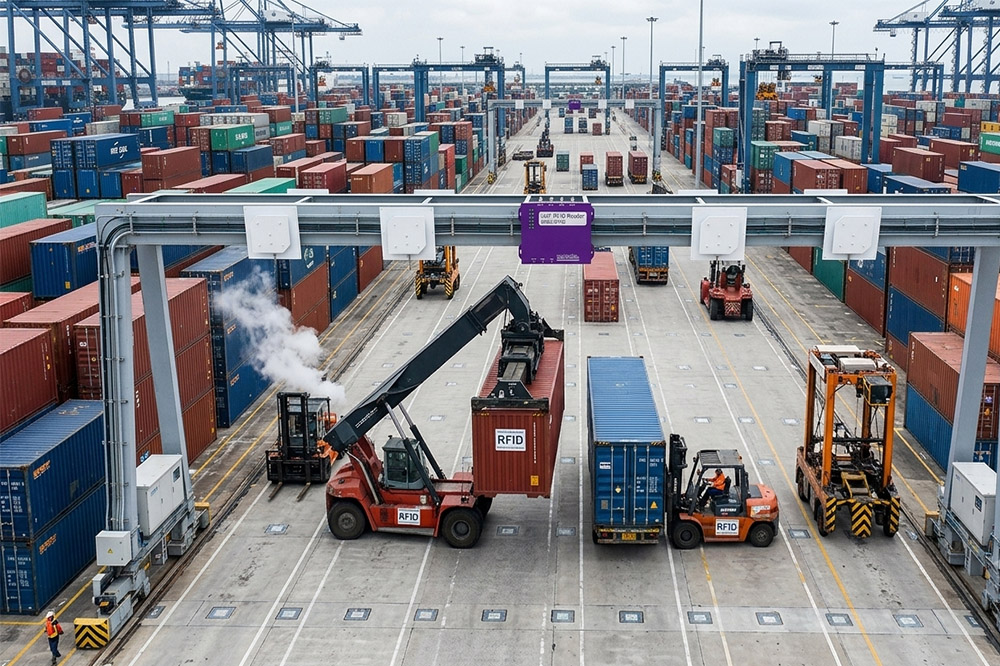
In reality, ports are using RFID to manage almost everything that moves.
For example:
Terminal tractors, forklifts, fuel trucks, maintenance vehicles, and contractor vehicles can all be identified automatically when entering restricted operating zones.
RTG, RMG, and STS cranes can confirm that the correct container has arrived before lifting.
It sounds like a small improvement, but preventing even one loading mistake can save significant time later.
Generators, mobile power units, maintenance tools, and spare equipment often move between different parts of a large port.
RFID creates a digital movement history without requiring workers to perform manual inventory checks.
Drivers, contractors, visitors, and employees can carry RFID credentials that automatically record access to secure areas.
This creates a much more complete operational record than traditional sign-in sheets.
Ports aren’t easy places for wireless technology.
There are steel containers everywhere.
Large cranes move constantly.
Heavy rain, salt air, and dust are part of daily operations.
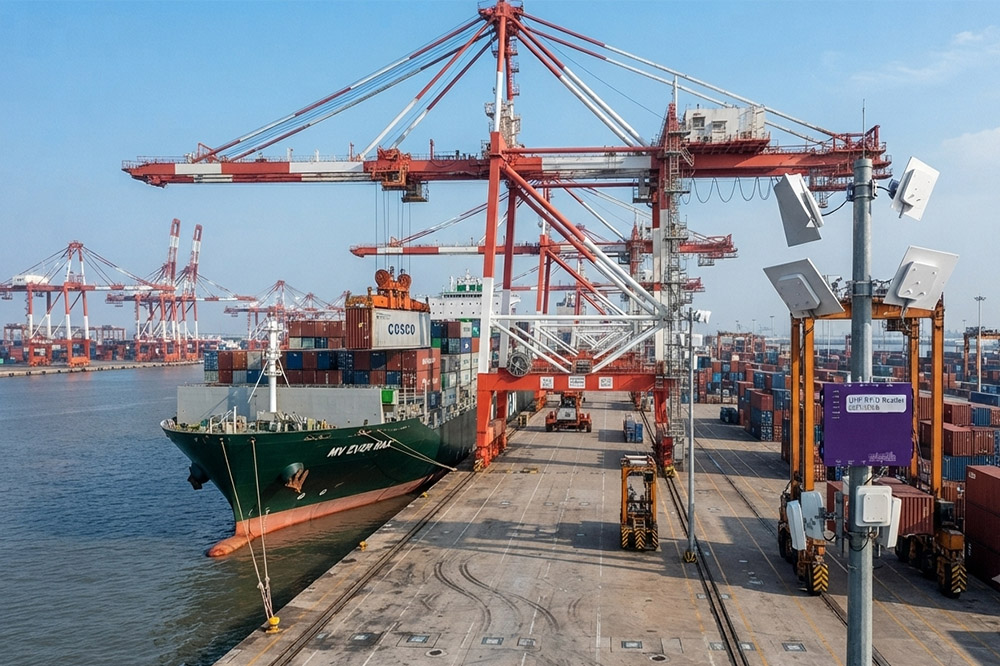
This is why industrial-grade long range RFID equipment matters.
When selecting readers, experienced integrators usually pay attention to factors like:
One mistake I occasionally see is choosing the reader with the longest advertised reading range.
That sounds logical at first.
But inside a busy terminal, reading too far can actually become a problem. Nearby containers from another lane may also be detected.
A properly designed antenna layout usually delivers better results than simply increasing transmission power.
| Feature | Long Range RFID | Barcode |
|---|---|---|
| Reading Distance | Up to 15 meters | Less than 2 meters |
| Line of Sight | Not required | Required |
| Multiple Tags | Yes | No |
| Rain and Dust Performance | Excellent | Often affected |
| Automation | High | Medium |
| Manual Operation | Minimal | Frequent |
Interestingly, many successful ports don’t completely replace barcode or OCR systems.
Instead, they combine technologies.
RFID provides automatic identification.
OCR offers visual confirmation.
Together they produce a much more reliable workflow.
One thing I’ve noticed from RFID deployments is that very few ports automate everything at once.
Most begin with one practical problem.
Perhaps truck congestion at Gate 3.
Perhaps container verification near the export yard.
Or maybe equipment tracking that’s consuming too many labor hours.
Once that first application proves its value, the RFID infrastructure is already in place. Expanding into asset management, warehouse operations, customs checkpoints, or personnel tracking becomes much less complicated.
That’s probably the biggest advantage of long range RFID scanners. They’re rarely solving only today’s bottleneck. They’re quietly building the data foundation for future smart port operations.
If your organization is planning a new port automation project or upgrading an existing terminal, choosing industrial-grade long range RFID readers, antennas, and integration-ready solutions from the beginning can make future expansion considerably easier while reducing deployment costs over time.
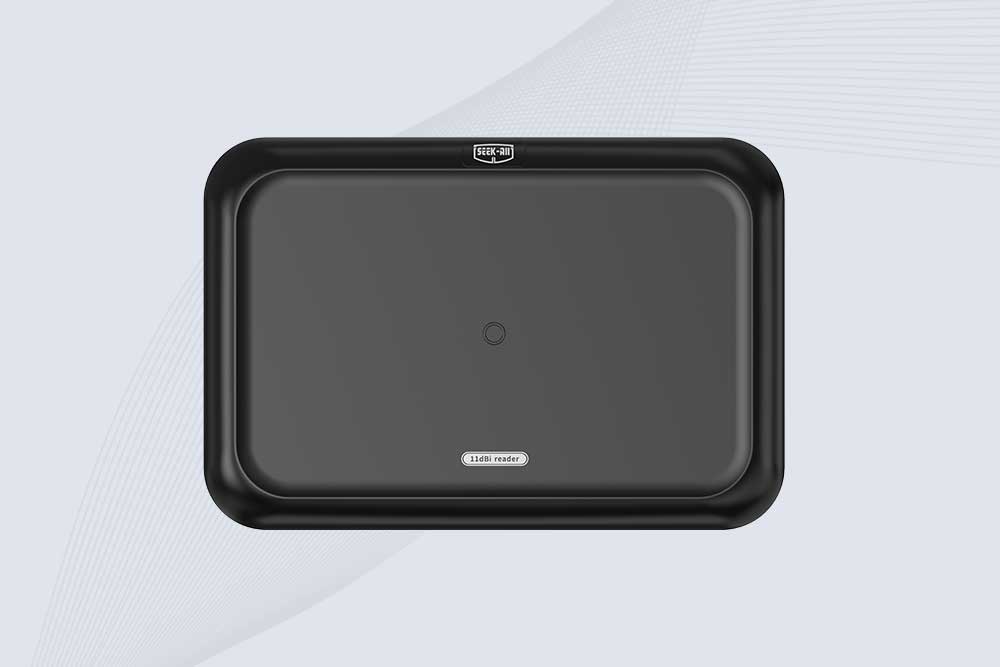
SSD-RA11L is an 11 dBi UHF RFID reader with up to 15m reading distance, 600+ tags/s speed, integrated antenna and flexible connectivity.
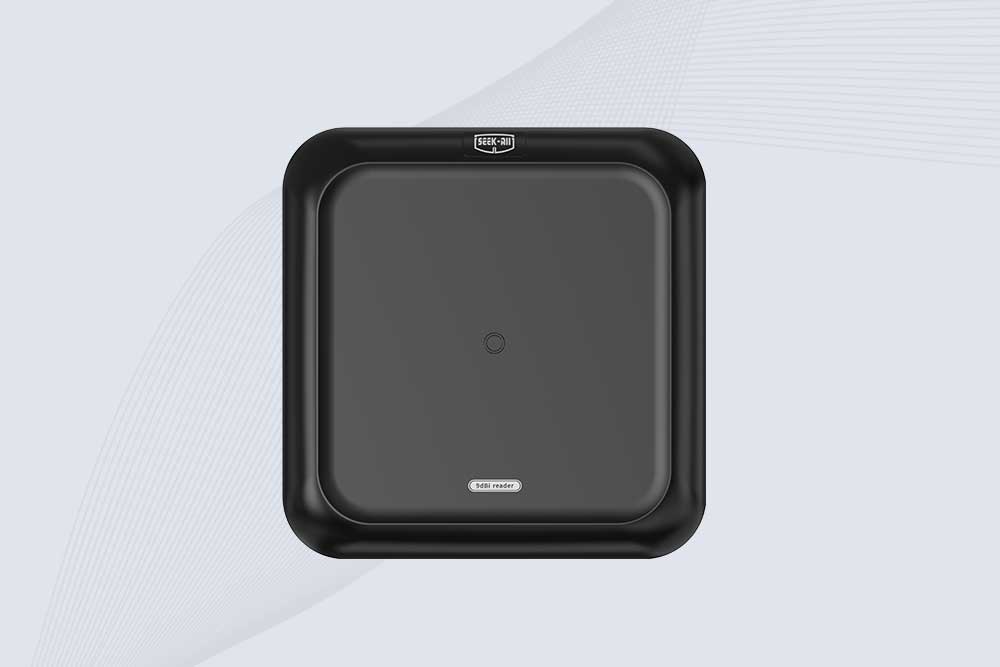
SSD-RA09L is a long range UHF RFID reader with a built-in 9 dBi antenna, 10m reading range, 600+ tags/s speed and flexible interfaces.
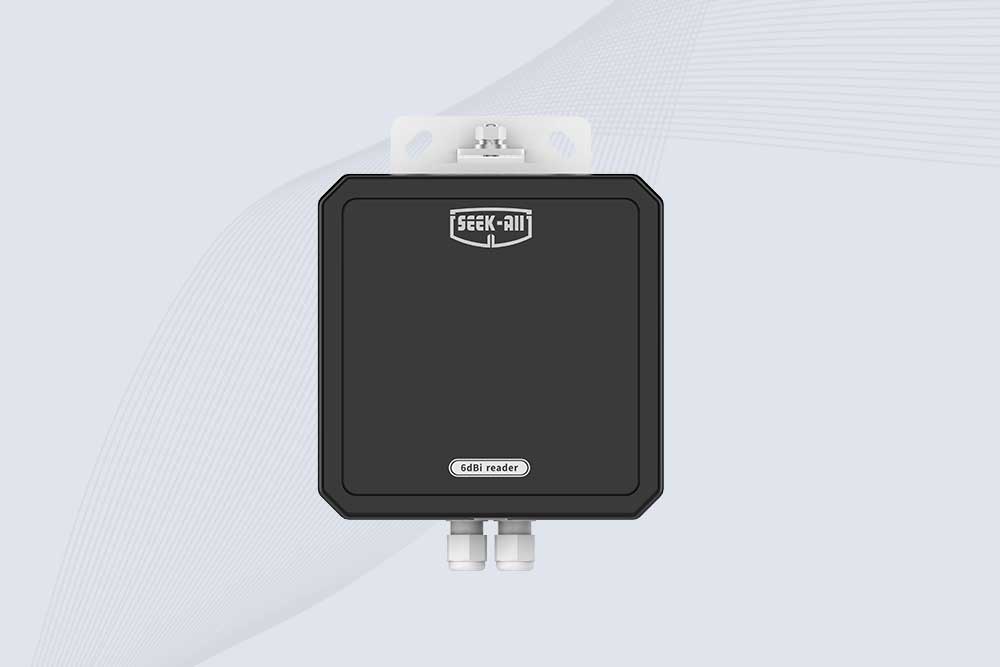
SSD-RA06L is an industrial UHF RFID reader with a built-in 6 dBi antenna, 3 m read range, 600+ tags/s, Ethernet, RS232, and optional Wi-Fi, 4G, and PoE.
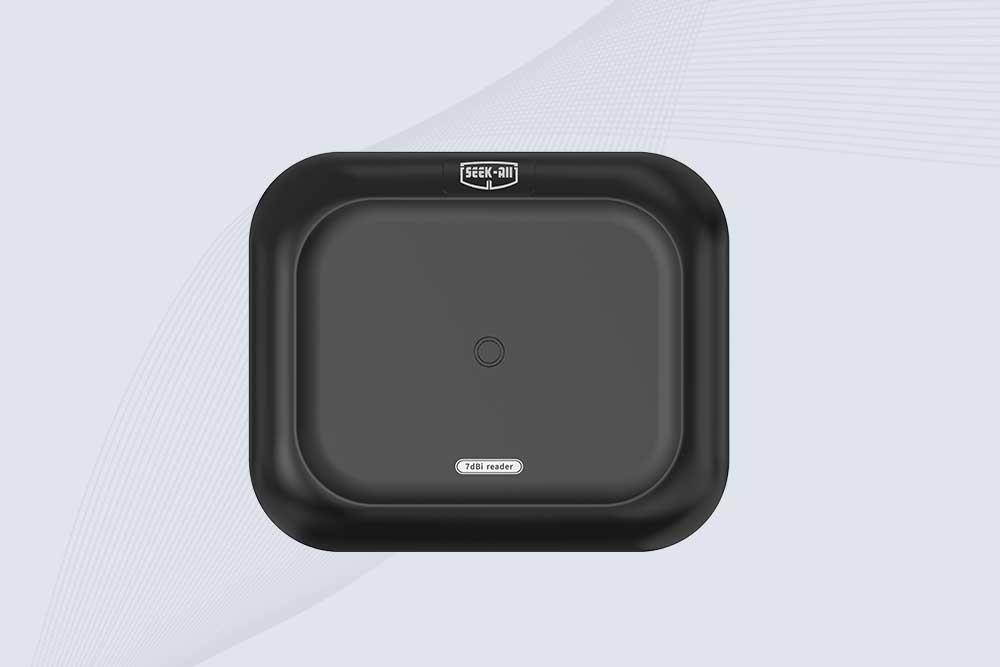
SSD-RA07L industrial UHF RFID reader with integrated 7 dBi antenna, up to 6 m reading distance, over 600 tags/s, Ethernet, RS232, and optional Wi-Fi, 4G, and PoE.
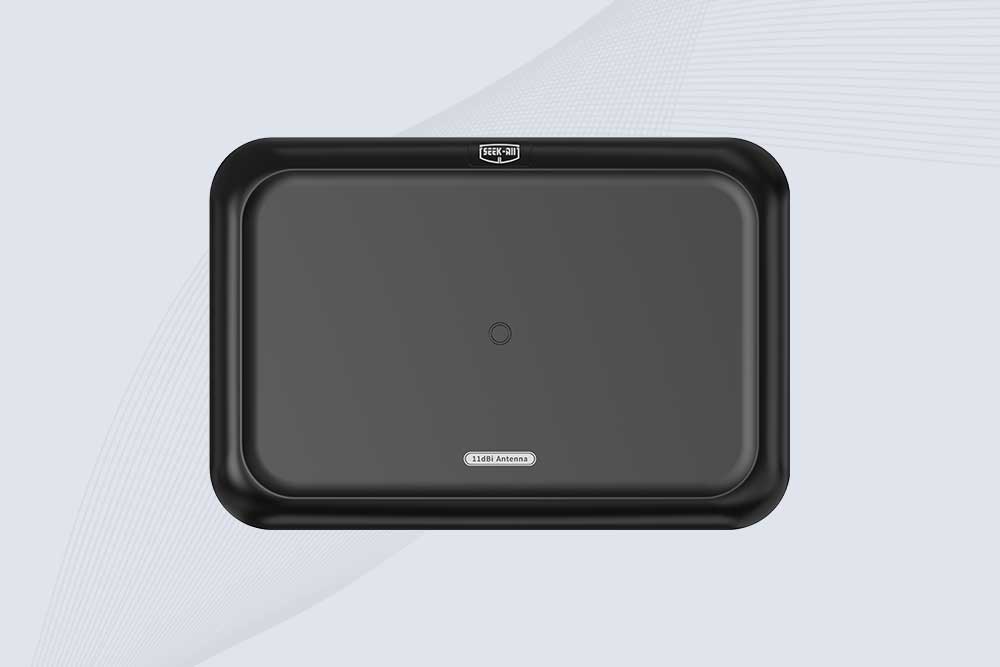
SSD-A11 UHF RFID antenna features 840–960 MHz adjustable frequency, ≥10.5 dBi gain, circular polarization and 50Ω impedance for fixed RFID systems.
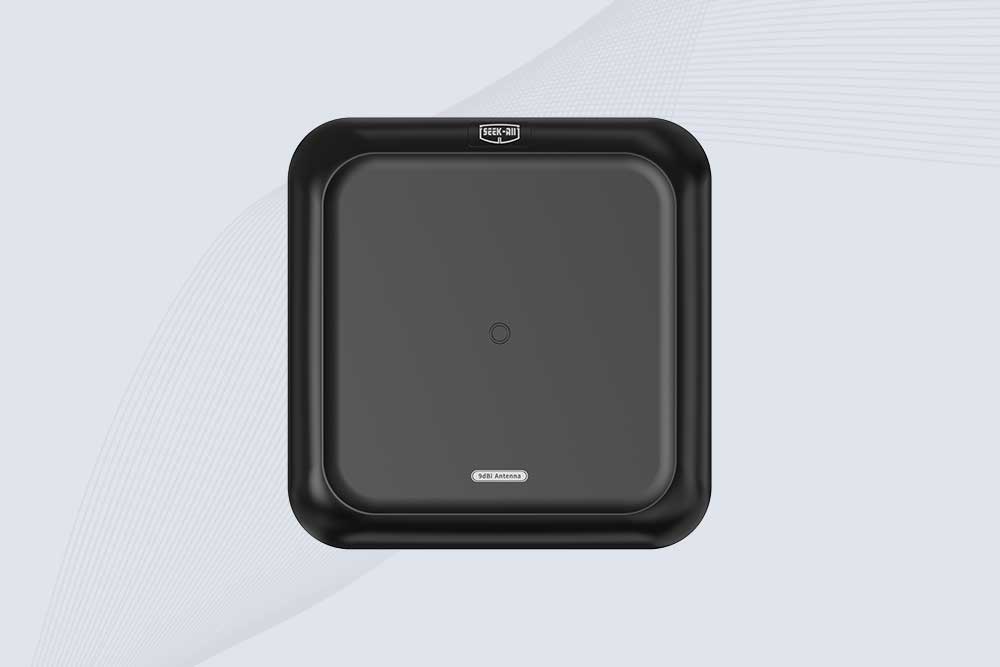
SSD-A09 is a 9 dBi UHF RFID antenna with 840–960 MHz adjustable frequency, circular polarization, 50Ω impedance and directional 60° × 60° coverage.
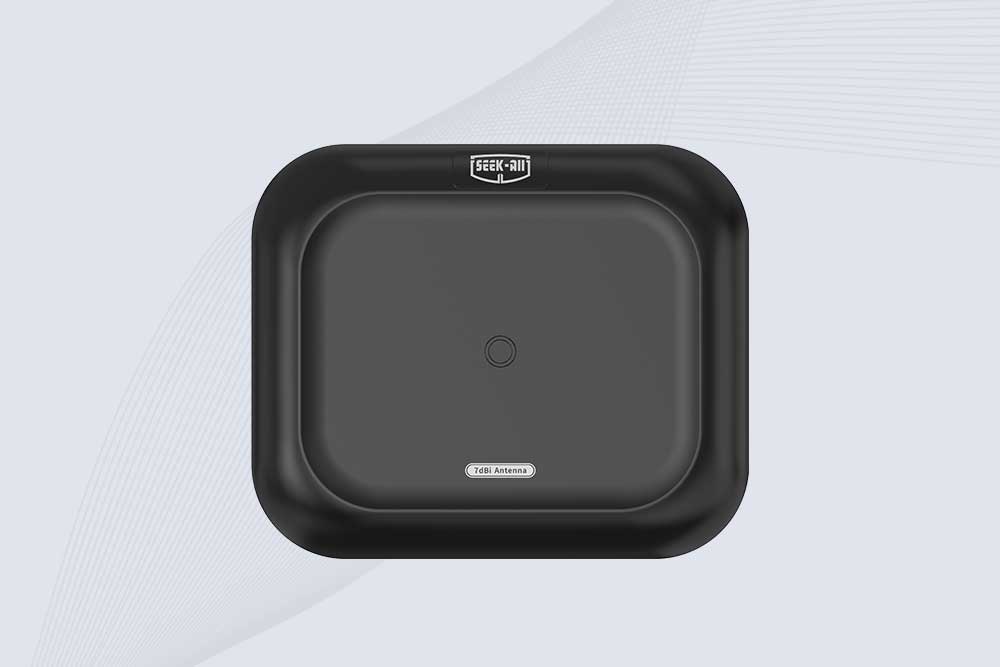
Explore the SSD-A07 UHF RFID antenna with 7 dBi gain, circular polarization, adjustable 840–960 MHz frequency, and 60°/75° beamwidth for stable RFID read/write performance.

SSD-A06 UHF RFID antenna with circular polarization, adjustable 840–960 MHz frequency, ≥4.5 dBi gain, and a compact directional design for RFID systems.
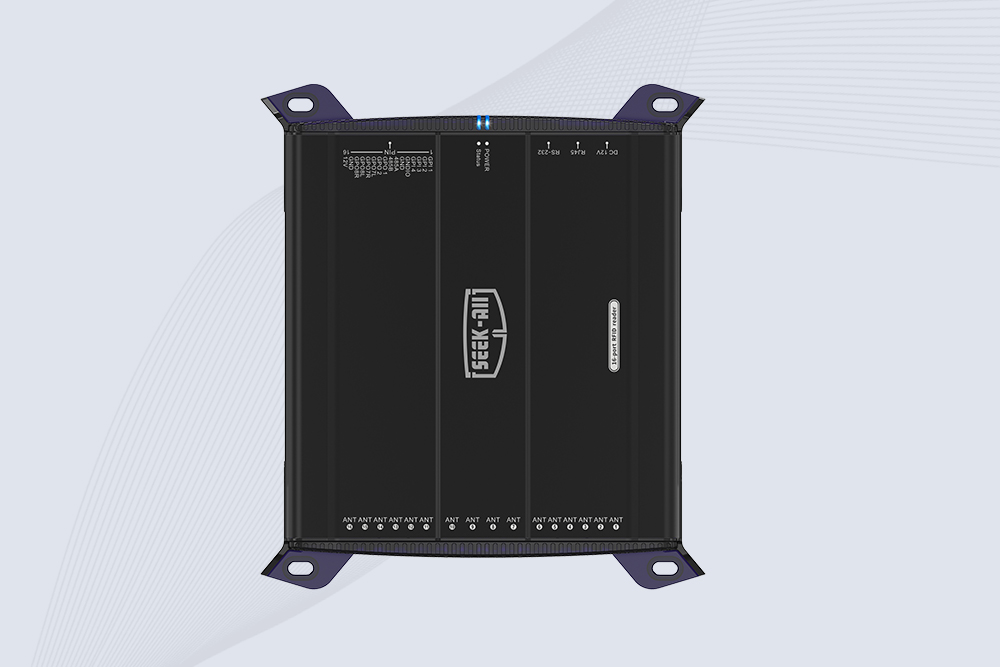
SSD-R16L Multi-Channel RFID Infrastructure for Automated Inventory Management ✔️ 16-Port High-Density RFID Reading Equipped with 16 SMA antenna ports, SSD-R16L supports multi-antenna deployment for warehouses, retail stores, logistics, production lines, and large-area RFID identification. ✔️ High-Speed & Long-Range Performance With up to 33…
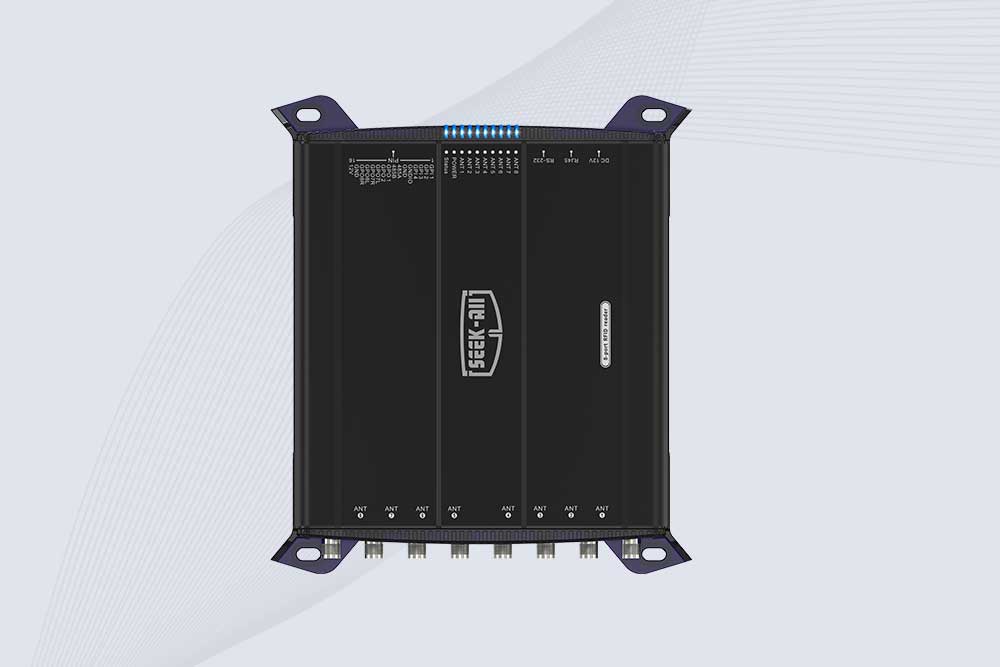
SSD-R8L 8-port UHF RFID reader with 33dBm output, up to 20m reading range and 600+ tags/s recognition. Ideal for warehouse, logistics, retail and asset tracking.
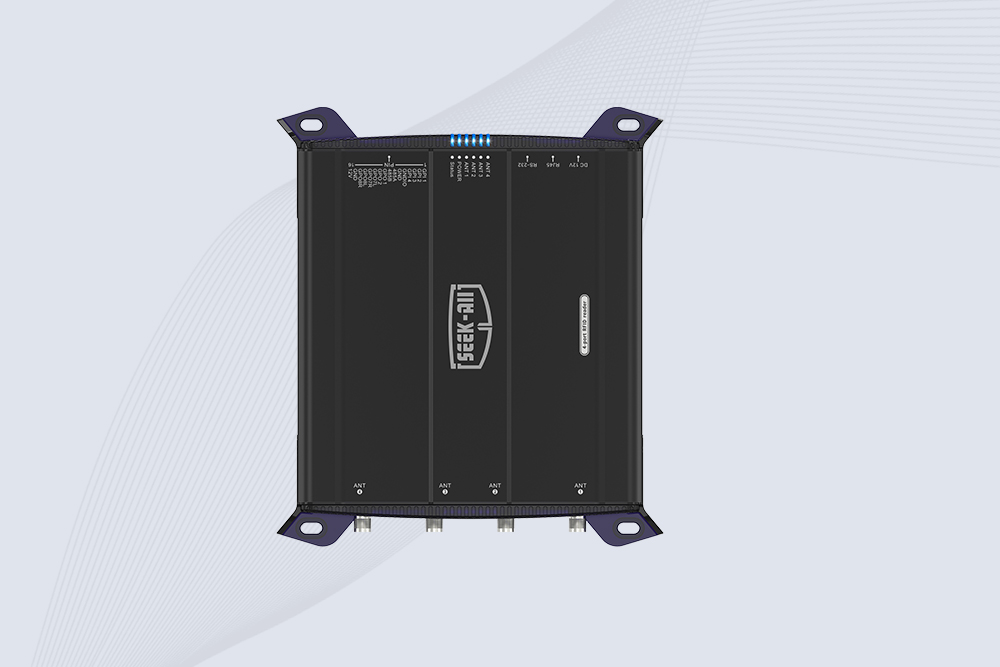
SSD-R4L is a 4-port UHF RFID fixed reader with 33dBm output power, up to 20m reading range, EPC C1G2 support and 600+ tags/s reading speed.
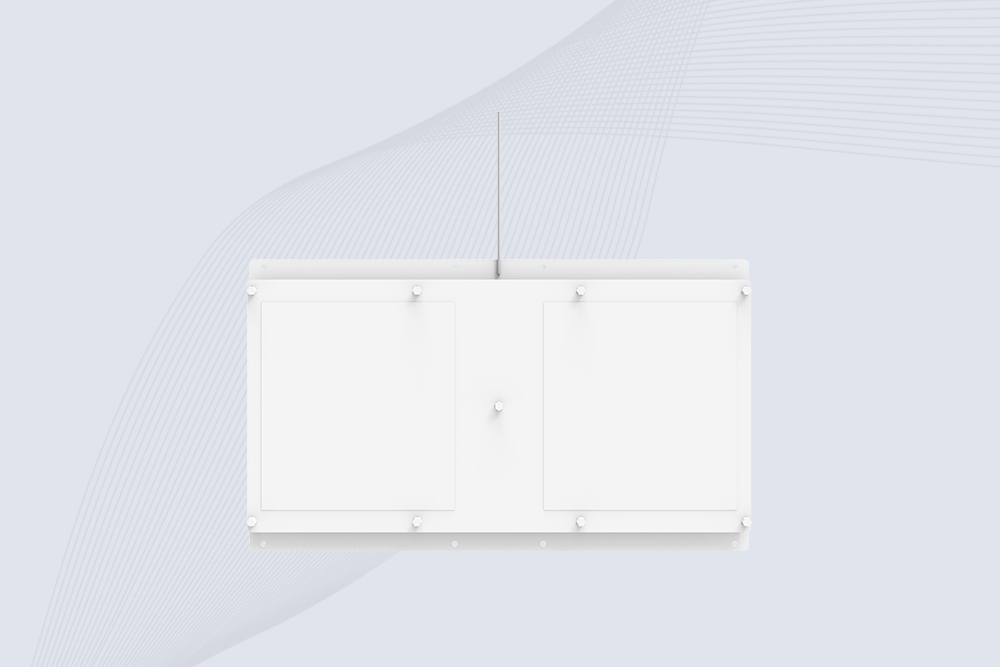
Cykeo CYKEO-A11 UHF RFID reader antenna delivers 11dBi gain, 840-960MHz frequency range, and IP65 ruggedness for retail, logistics, and industrial RFID systems. Features low VSWR and easy installation.

CYKEO Antenna RFID Reader delivers stable long-range UHF performance with a 10.5dBi directional design, built for warehouses, conveyor portals, and industrial RFID systems. This rfid reader antenna provides 20m+ read distance and rugged IP67 protection.

Cykeo CYKEO-PHF3 industrial HF RFID Antenna offers 24-point dynamic tracking, ISO 14443A/15693 protocols, metal-environment stability for archives/libraries/manufacturing.

Cykeo CYKEO-A5B industrial Linear RFID Antenna delivers 5dBi gain, ≤1.5:1 VSWR, and IP65 rugged design for warehouse, production line, and logistics UHF systems.

Cykeo’s CYKEO-B12 Long Range RFID Antenna delivers 15m+ read range with 12dBi gain, IP65 rugged design, and global 840-960MHz UHF support. Ideal for warehouse/logistics asset tracking.
Cykeo CYKEO-B10 Long Distance RFID Antenna offers 10dBi gain, 840-960MHz frequency range, IP65 rating, and 20m+ coverage for logistics/warehousing/ETC systems. Low VSWR ensures stable signal transmission.
Cykeo CYKEO-A6 UHF RFID panel antenna features 6dBi gain, 840-960MHz broadband, IP65 metal-ready housing for logistics/smart retail. 18mm ultra-thin design with tool-free mounting.

Cykeo CK-A3 industrial antenna RFID UHF offers 5m+ tag detection, ≤1.3:1 VSWR, IP65 rugged design, and global UHF spectrum compatibility (840-960MHz) for warehouses, factories, and retail.
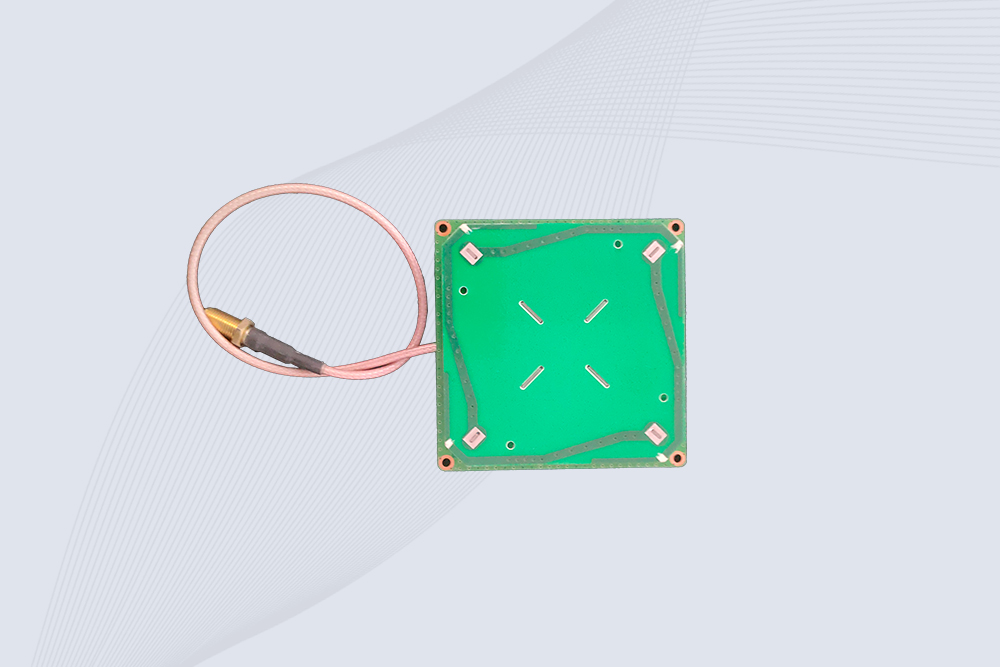
Cykeo CYKEO-B5 directional RFID antenna provides 5dBi gain with 60° narrow beamwidth for precise inventory tracking. IP65-rated, global UHF frequency support, and low VSWR.
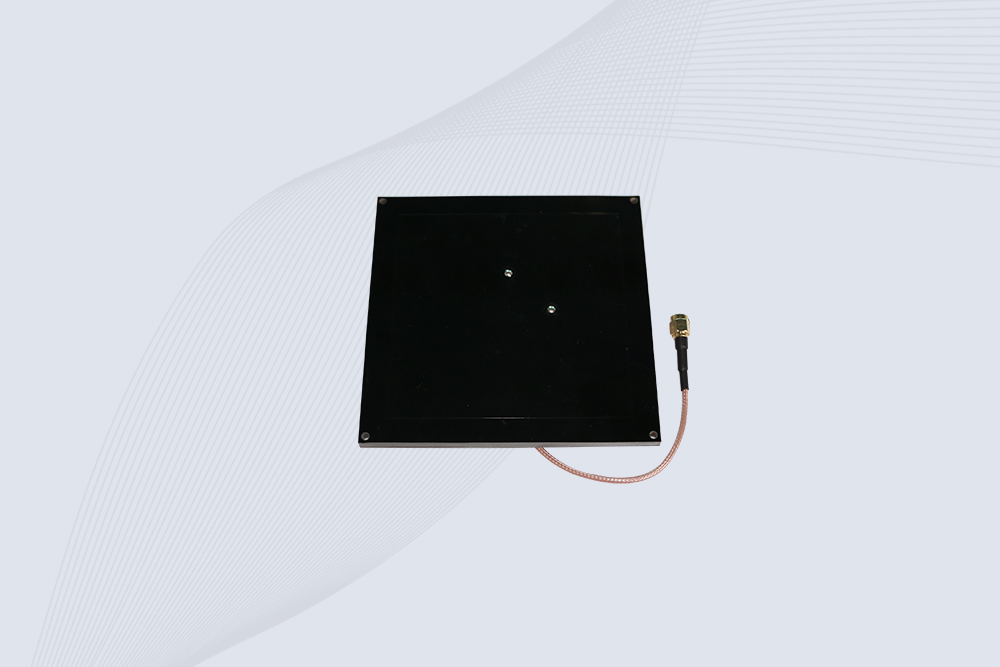
Create your own high-performance DIY RFID antenna! 5dBi gain, 840-960MHz tunable, step-by-step guides. Compatible with Arduino, Raspberry Pi, and commercial UHF readers.
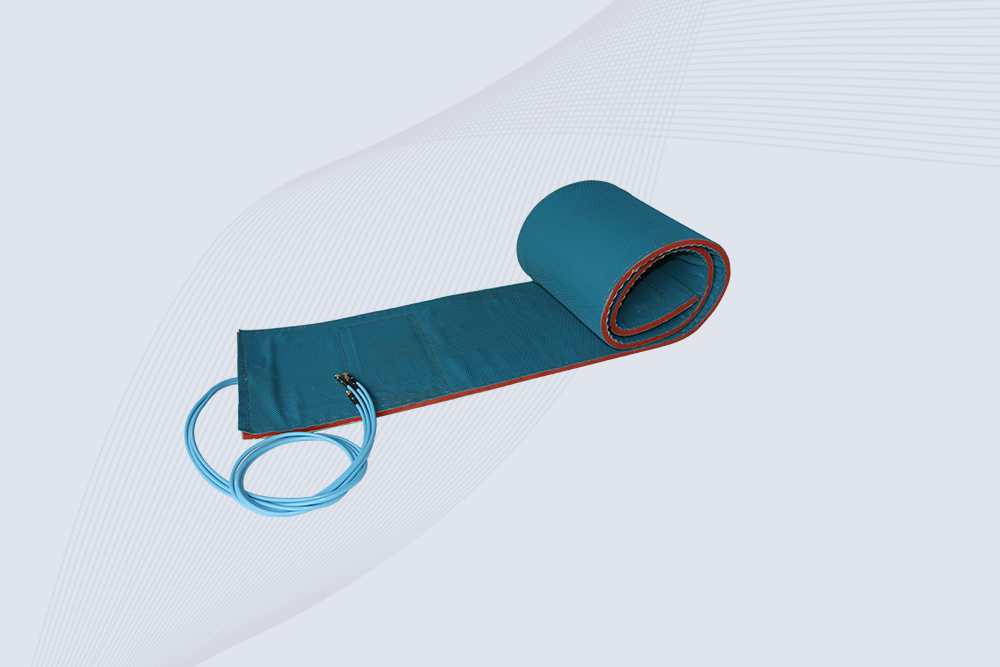
Cykeo CYKEO-A7 Flexible RFID Antenna features 840-960MHz wideband tuning, 7dBi gain, and IP68 rating for medical/retail/industrial curved surface deployments. 98% read accuracy with peel-and-stick installation.

Cykeo CYKEO-B5A industrial Passive RFID Antenna delivers 5dBi gain, 70° beamwidth, and -40°C~55°C operation for warehouses/smart cabinets. Compatible with Zebra/Impinj readers.
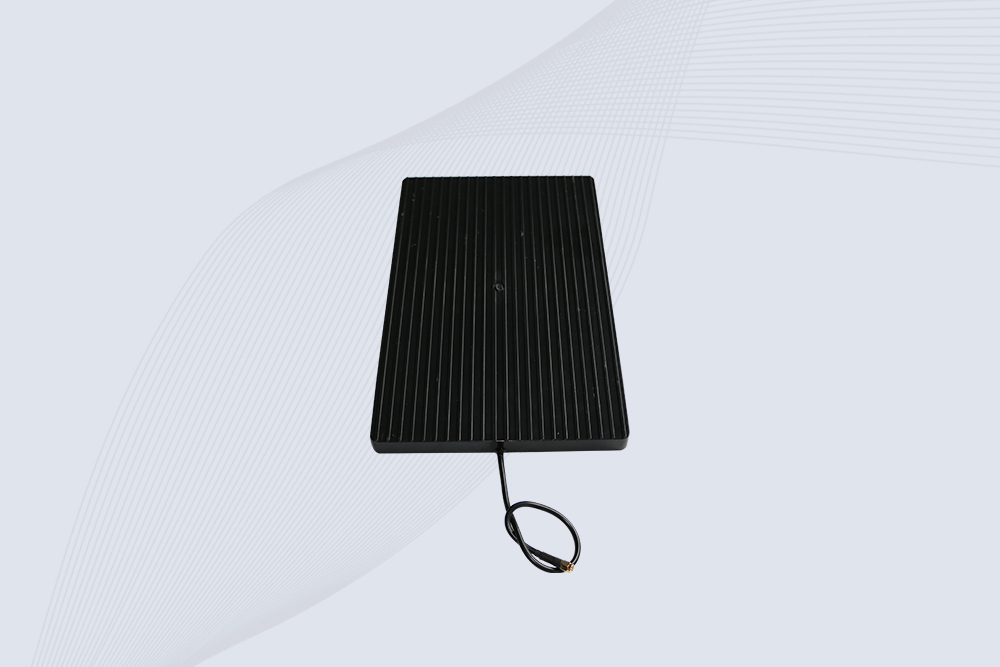
Cykeo’s CYKEO-A9B High Gain RFID Antenna delivers 15m+ read range with 9dBi amplification. Features IP54 rugged design, 840-960MHz bandwidth, and 80° beamwidth for warehouse/manufacturing RFID systems.

Cykeo’s enterprise-grade 8dbi Impinj RFID Antenna 10m+ read range with 840-960MHz tuning. Features IP65 housing, 1.4 VSWR, 35° beamwidth for retail/warehouse RFID systems.
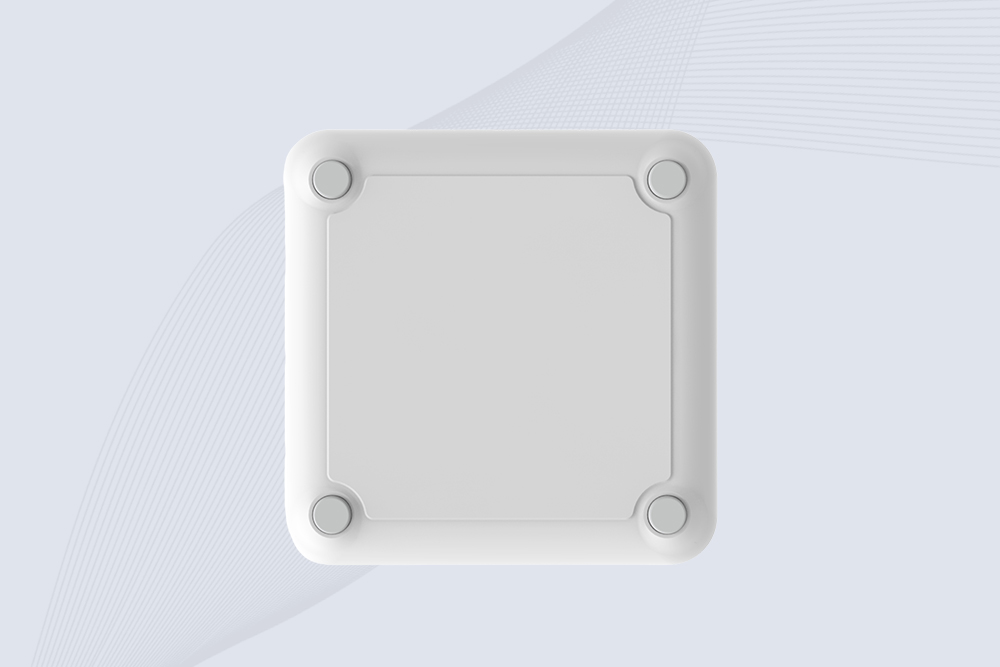
Cykeo CYKEO-A9 industrial UHF RFID antenna delivers 9dBi gain, 840-960MHz frequency range, and IP65 protection for warehouse/logistics/retail RFID systems. Features N-type connector and ≤1.3:1 VSWR.
CYKEO UHF RFID Antenna built for long-distance and industrial applications. This antenna rfid uhf delivers strong gain, outdoor durability, and reliable tag performance in warehouses, yards, and vehicle ID systems.
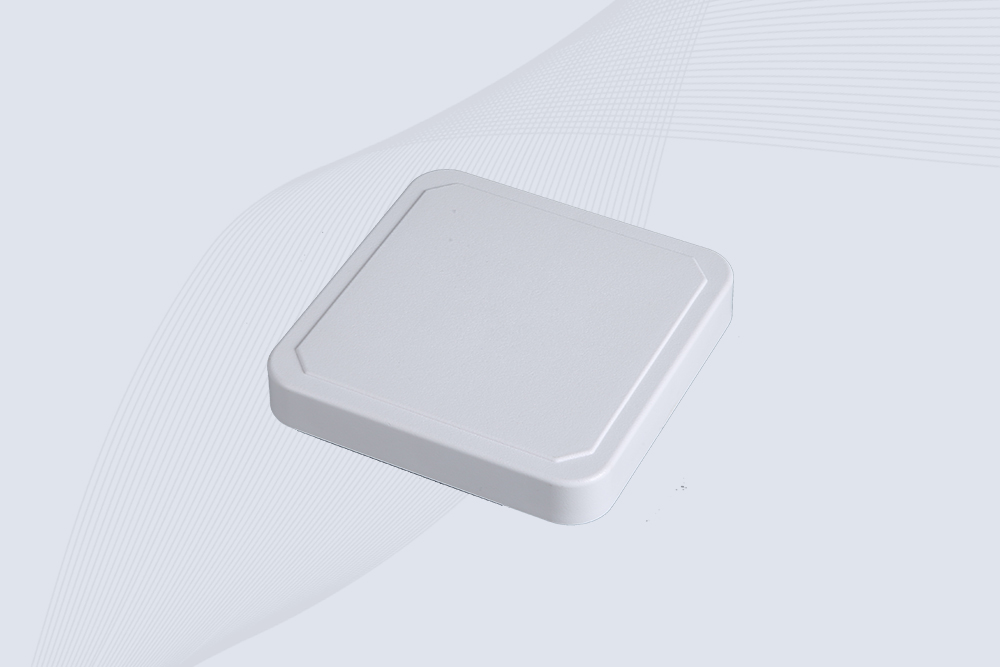
CYKEO Antenna RFID delivers reliable long-range UHF performance in warehouses, retail shelves, and cold-chain environments. This compact uhf rfid antenna provides stable reads with circular polarization and ultra-wide 840–960 MHz support, ideal for industrial tracking, smart shelves, and asset monitoring.
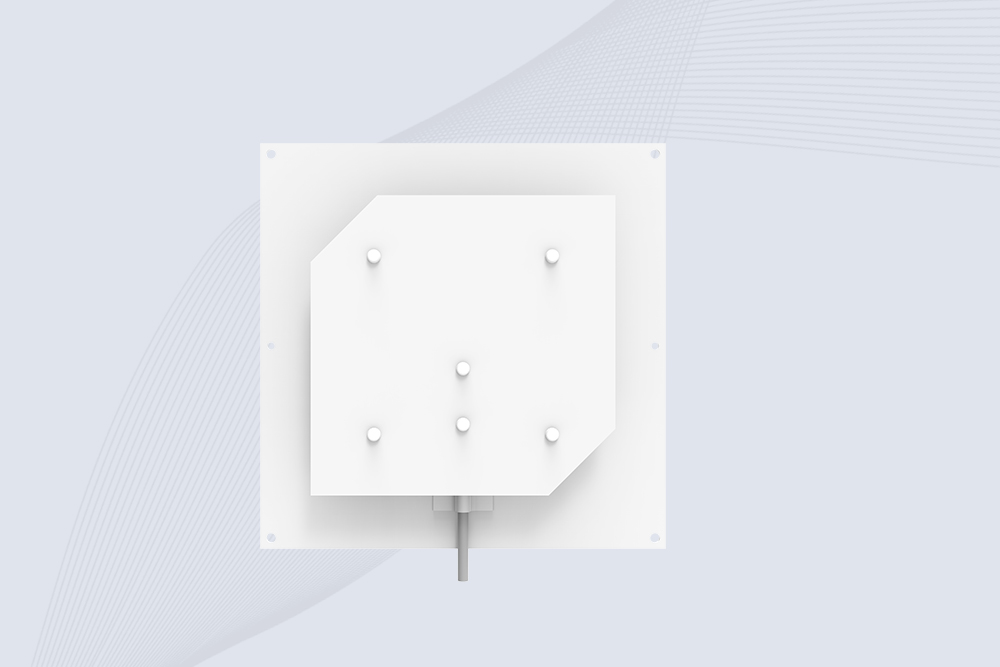
Cykeo’s CYKEO-C8 UHF RFID antennas delivers 8dBi gain, 840-960MHz full-band coverage, and IP65 ruggedness for manufacturing/warehouse RFID systems. Industrial RFID Antennas Features
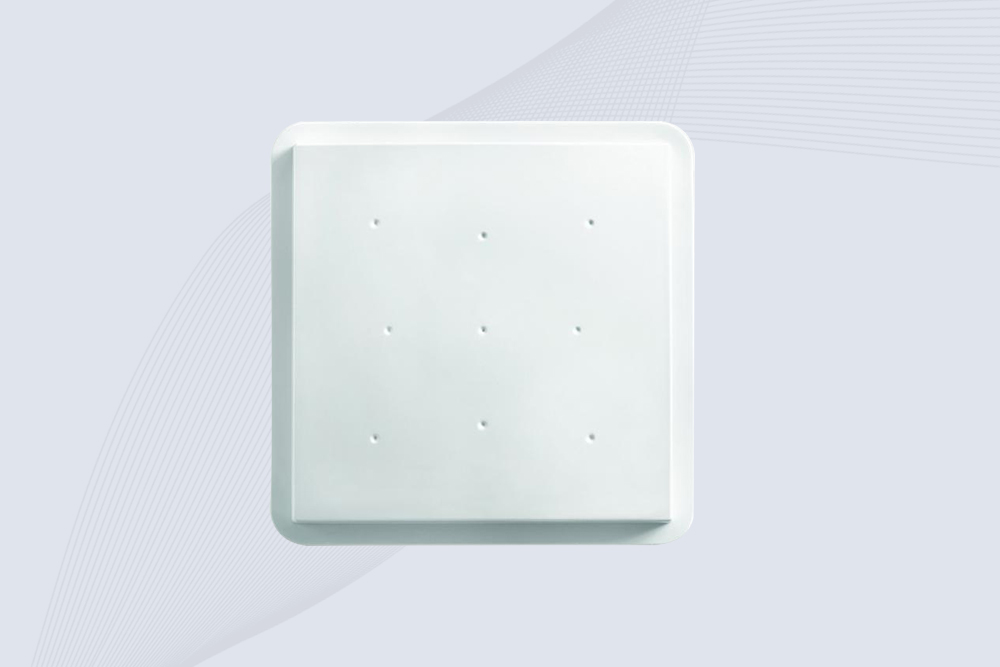
Cykeo’s 8dBi UHF RFID antenna and reader kit delivers 10m+ range, 840-960MHz broadband, and IP65 ruggedness for factories, warehouses, and logistics. ISO 18000-6C & EPC Gen2 certified.
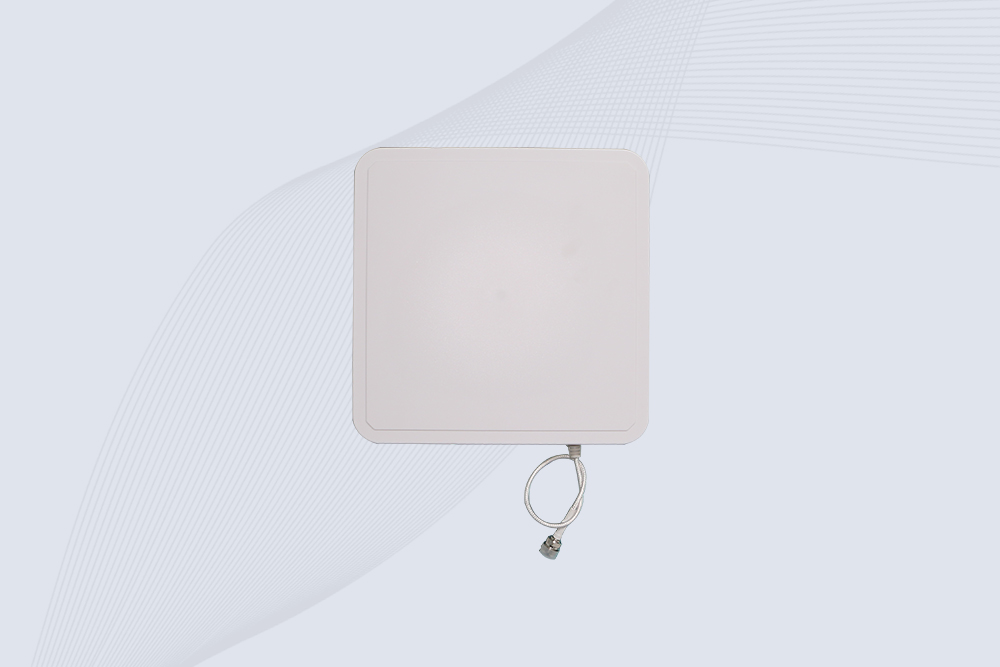
Cykeo CYKEO-A9A industrial UHF RFID reader and antenna kit delivers 10m range, 500 tags/sec, IP65 ruggedness for manufacturing/logistics. Supports EPC Gen2, ISO18000-6C.
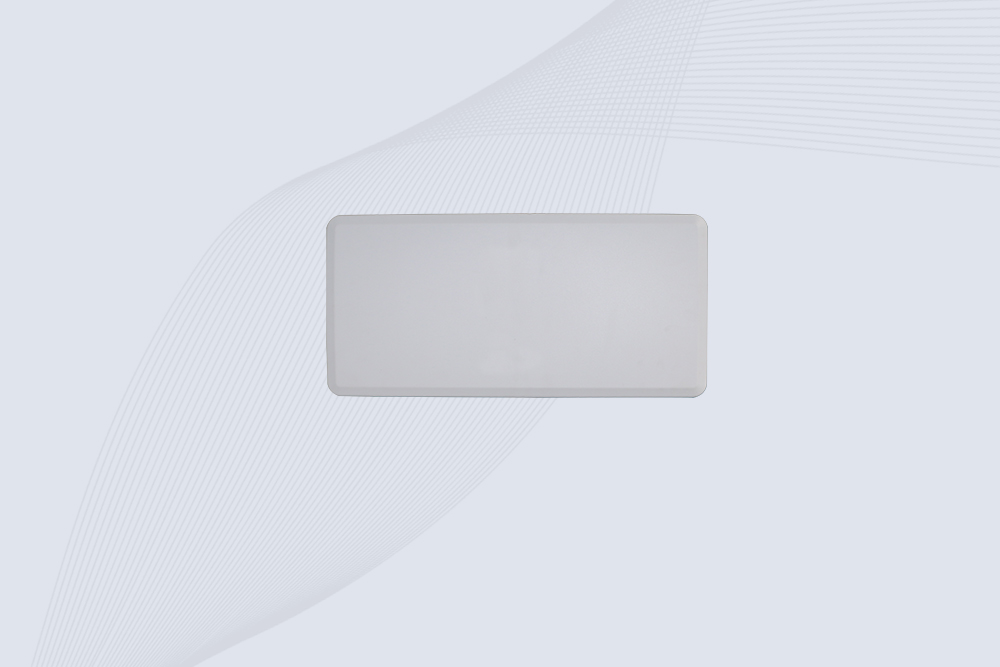
Cykeo’s CYKEO-A12C UHF Large RFID Antenna delivers 12dBi gain, 840-960MHz global frequency, IP65 ruggedness for logistics/warehousing/automotive. 40° beamwidth ensures stable 15m+ tag reads.

CYKEO Near Field RFID Antenna provides precise 5–30 cm reading for shelves, cabinets, and workstations. This compact rfid shelf antenna delivers stable short-range performance around metal and clutter, ideal for pharmacies, libraries, and electronics sorting.
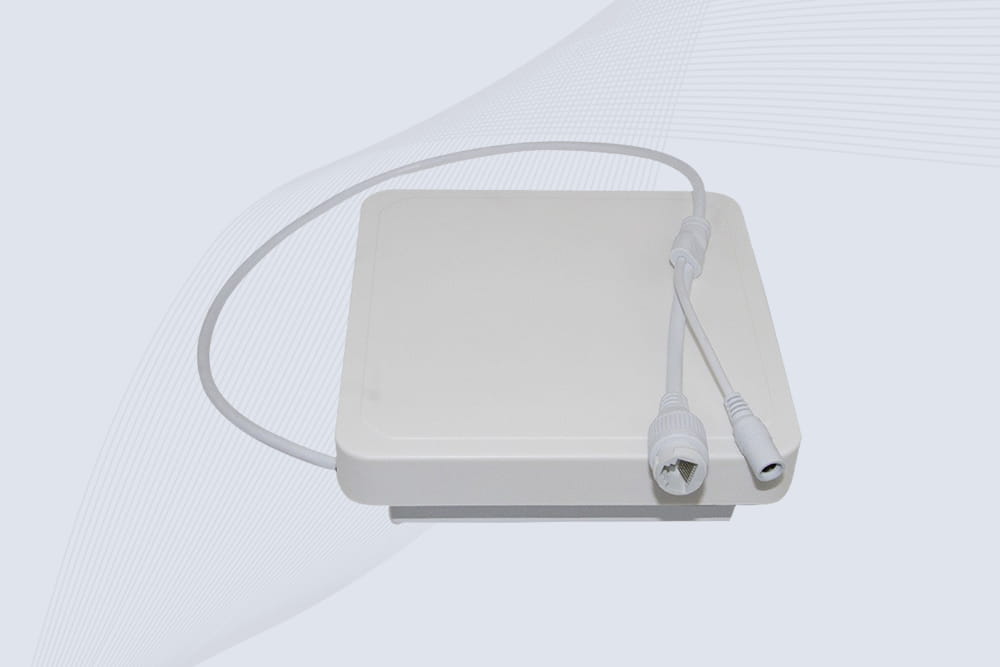
Cykeo’s industrial long range RFID reader delivers 20-meter scanning, 500+ tags/sec speed, and IP67 waterproof design for automated warehouses, logistics, and harsh environment applications.
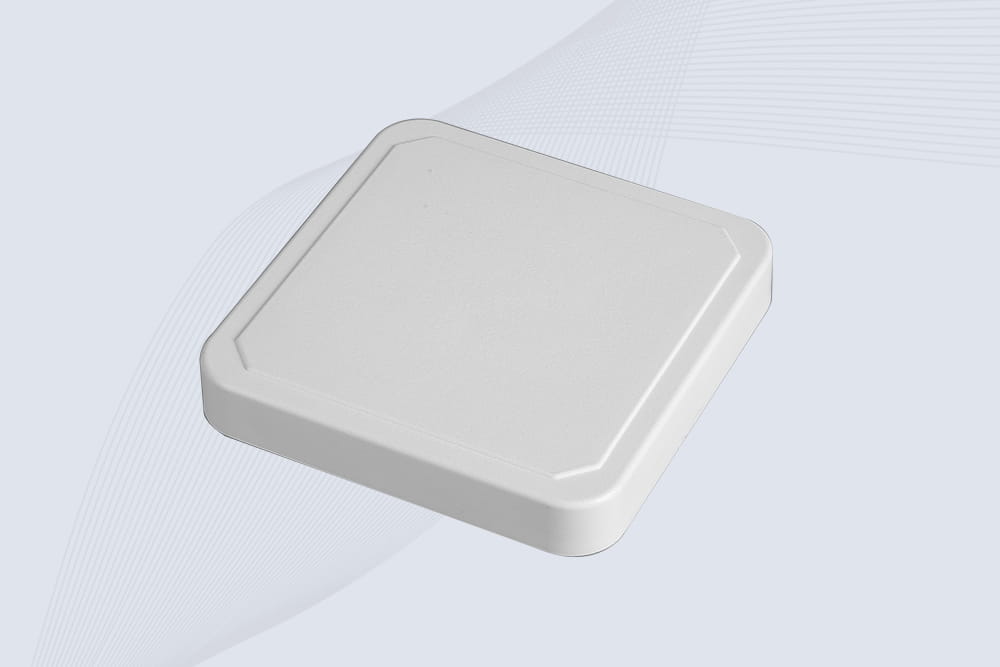
Cykeo’s CYKEO-RA6L industrial RFID long range reader features 20m read distance, 500 tags/sec speed, and IP67 protection. Ideal for warehouse automation, manufacturing WIP tracking, and smart logistics. Supports ISO 18000-6C/6B protocols.
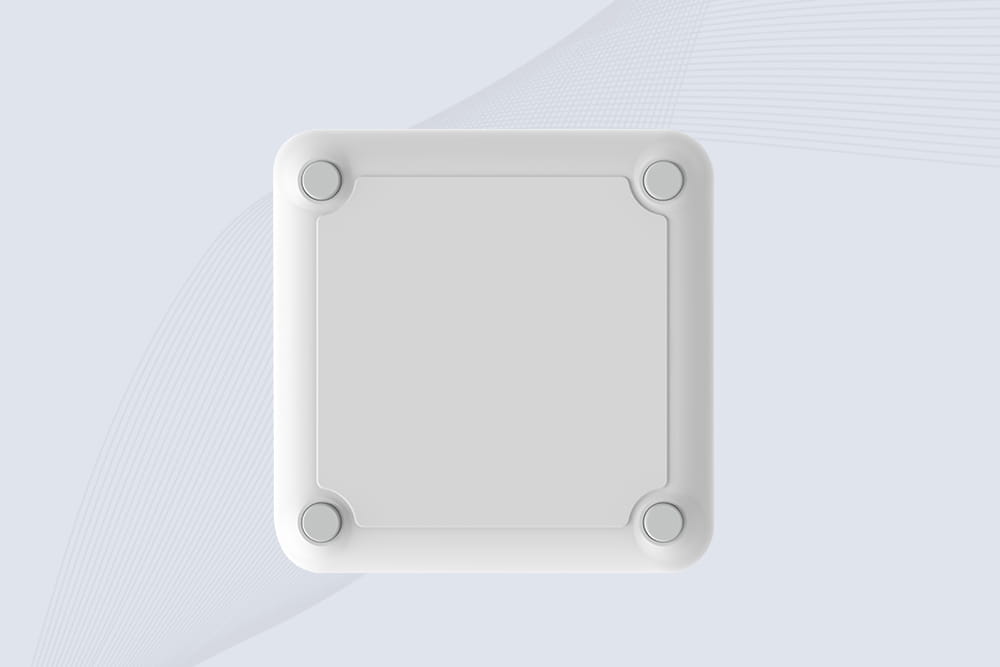
CYKEO Long Range RFID Tag Reader built for outdoor and industrial operations. This Outdoor RFID Reader delivers 20m read distance, fast tag processing, and IP67 durability for wide-area tracking.
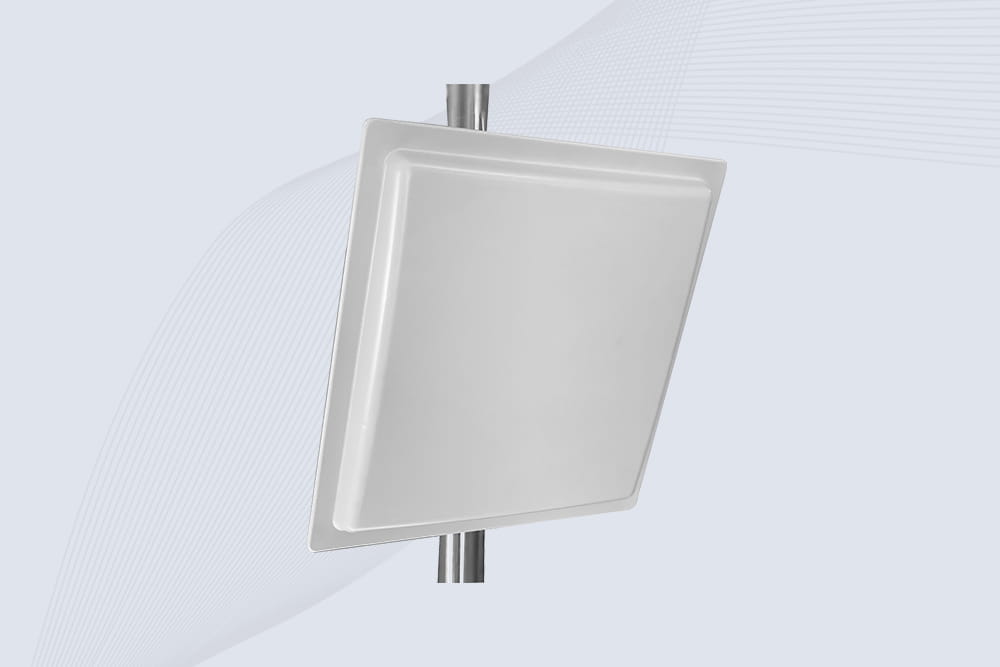
Cykeo CYKEO-RA12L industrial Long Range RFID Reader delivers 20m read range, 200+ tags/sec scanning, and IP67 protection for manufacturing/logistics applications. Supports ISO 18000-6C/GB protocols.
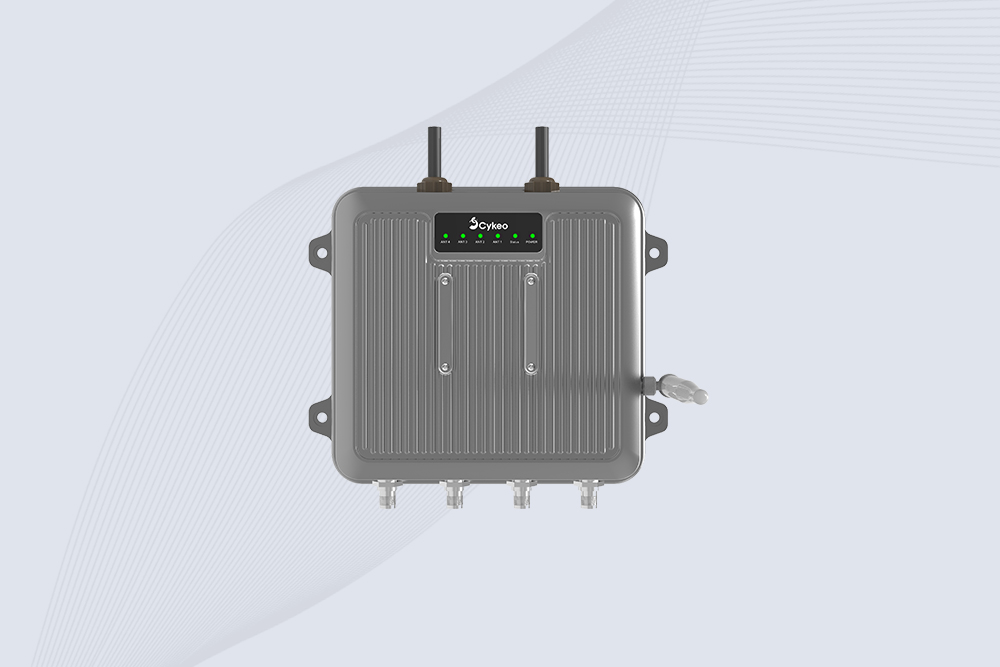
Cykeo CYKEO-C1 industrial Forklift RFID Reader features 20m read range, 600 tags/sec scanning, Impinj R2000 chipset, and IP67 rugged design. Ideal for warehouse logistics and manufacturing. Supports ISO 18000-6C/6B protocols.
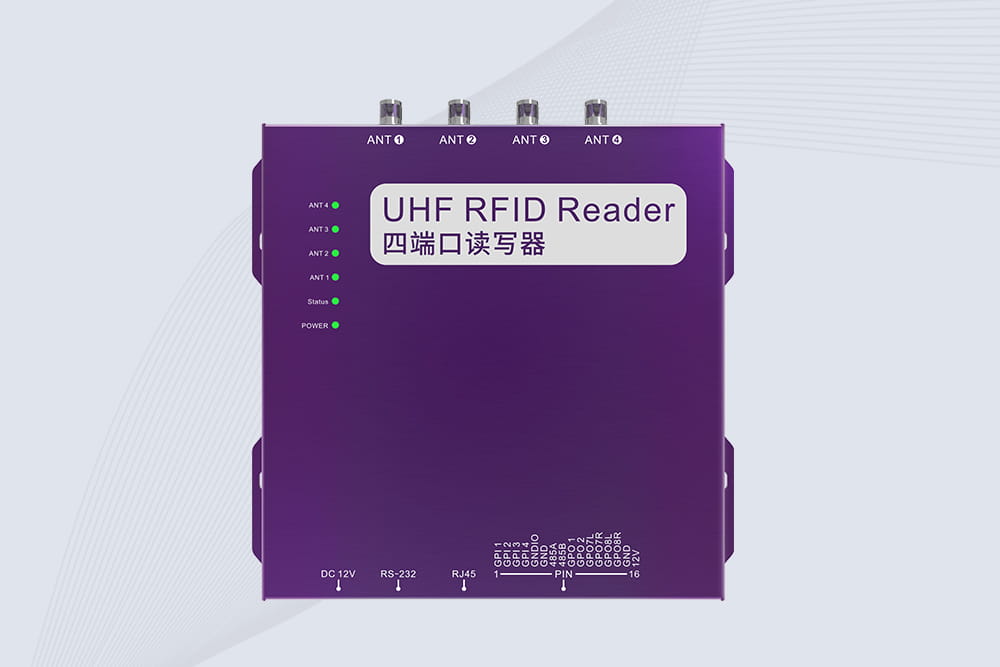
Cykeo CYKEO-R4 industrial UHF RFID Fixed Reader features 4 TNC ports, 400+ tags/sec speed, IP67 housing, and global frequency compliance for vehicle inspection, smart warehouse, and asset management systems.
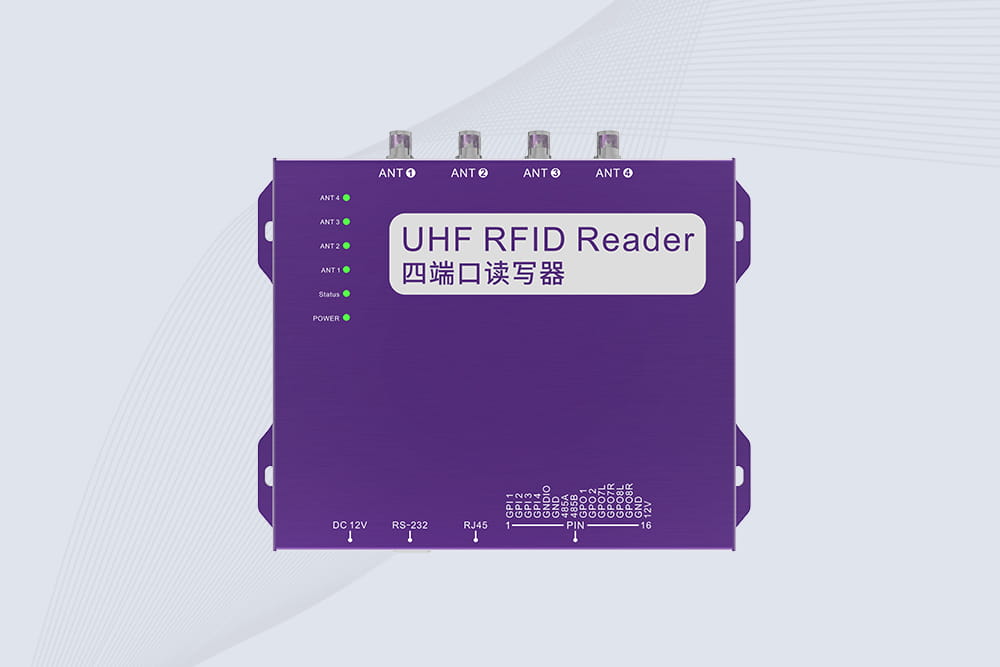
Cykeo’s CYKEO-R4L 4-port Fixed UHF RFID Reader delivers 400 tags/sec scanning, ISO 18000-6C compliance, and IP65 protection. Ideal for warehouse automation, manufacturing WIP tracking, and logistics management.
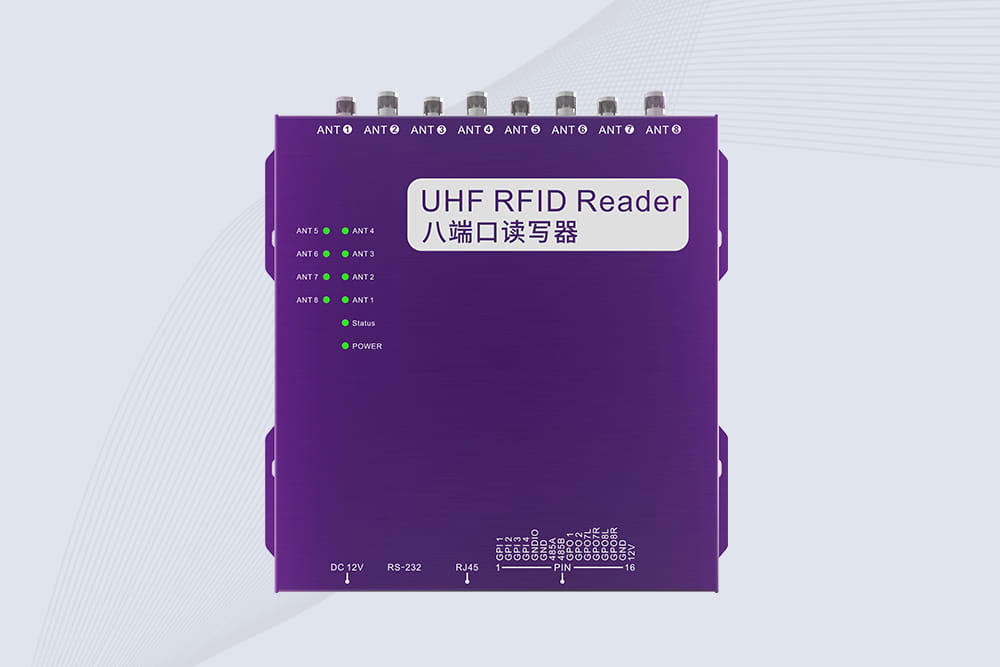
CYKEO CYKEO-R8L Fixed RFID Reader with 8-port UHF design, Impinj-based RF core and up to 20m read range. An industrial Fixed RFID Reader for vehicle inspection, warehouse portals, smart manufacturing lines and secure access checkpoints.
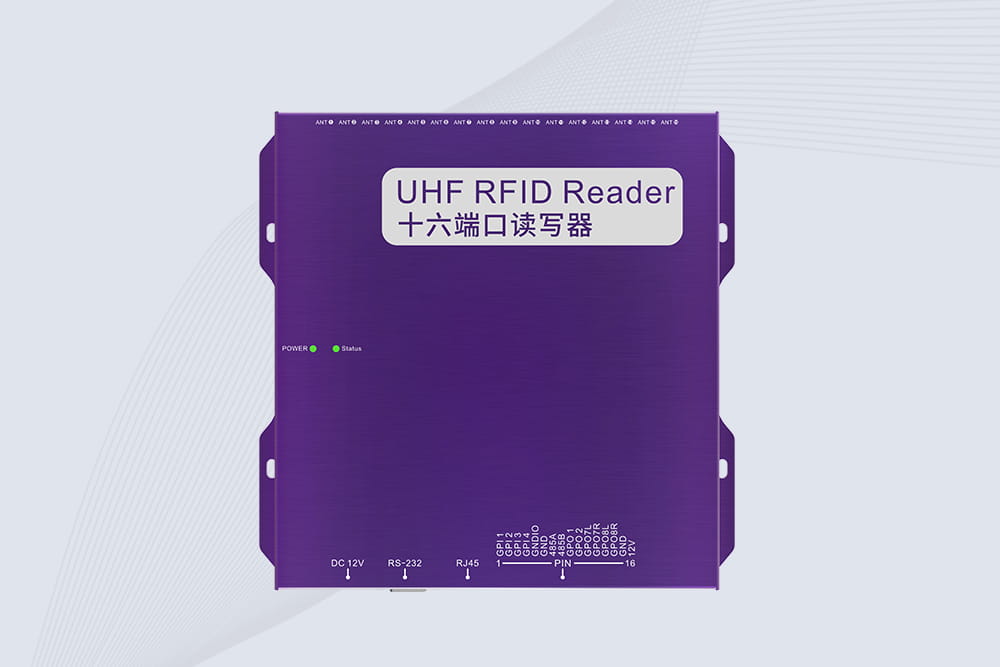
RFID Fixed Reader from CYKEO – the CYKEO-R16L 16-port UHF fixed reader for warehouses, smart cabinets, and production lines. Long-range, multi-tag reading, stable performance for 24/7 industrial use.
RFID Industry Writer | IoT & Asset Tracking Analyst
James writes about RFID technology, asset tracking, and the practical challenges of digital transformation across warehousing, retail, manufacturing, and logistics.
His work focuses on how RFID is applied in real-world operations—improving inventory visibility, automating workflows, and helping businesses manage assets with greater accuracy and efficiency.
He regularly covers topics including UHF RFID, smart cabinets, RFID portals, tool tracking, warehouse automation, and industrial IoT trends..
explore the working principle, application scenarios, core advantages, and key purchasing considerations of RFID proximity alarm systems
More
Exploring a fractal-based circularly polarized UHF RFID reader antenna: its design advantages for robust read performance in challenging RF environments.
More
Wondering if your decal contains an RFID tag? Learn how to identify RFID decals, test embedded chips, understand applications, and choose custom RFID decal solutions from suppliers.
More
RFID access control system offers businesses an efficient and secure way to manage entry and exit. This guide explains how to set up an RFID system from scratch, covering hardware components, wiring, card programming, and controller configuration....
More