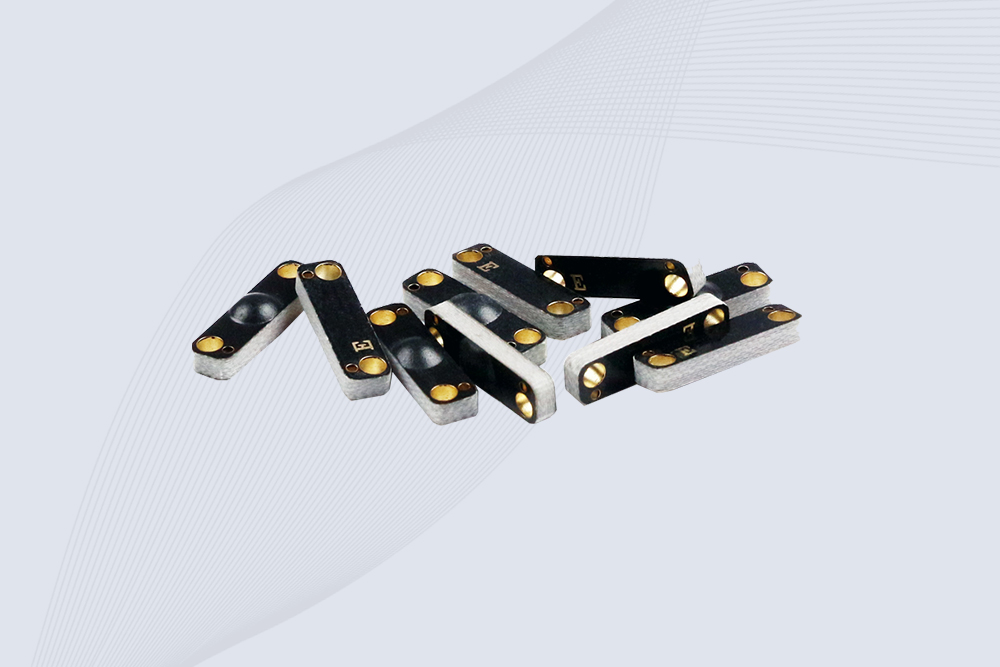
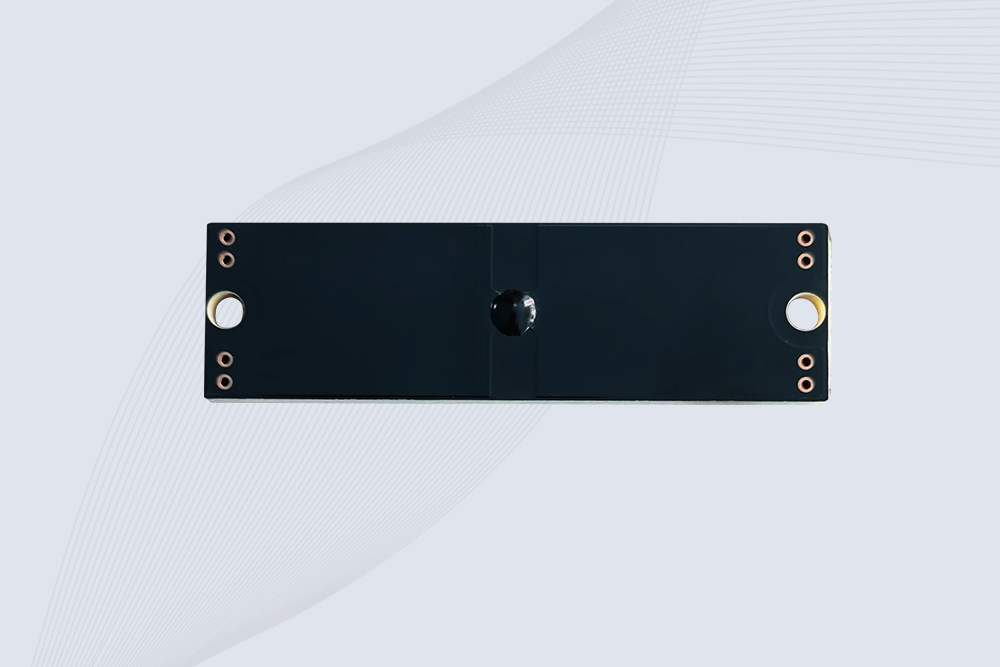
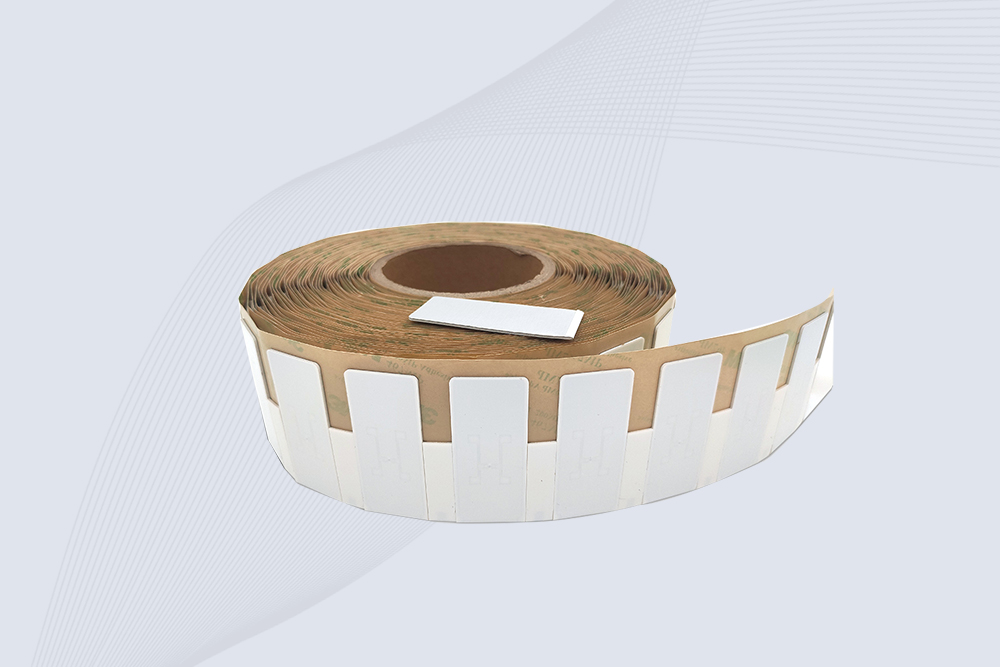
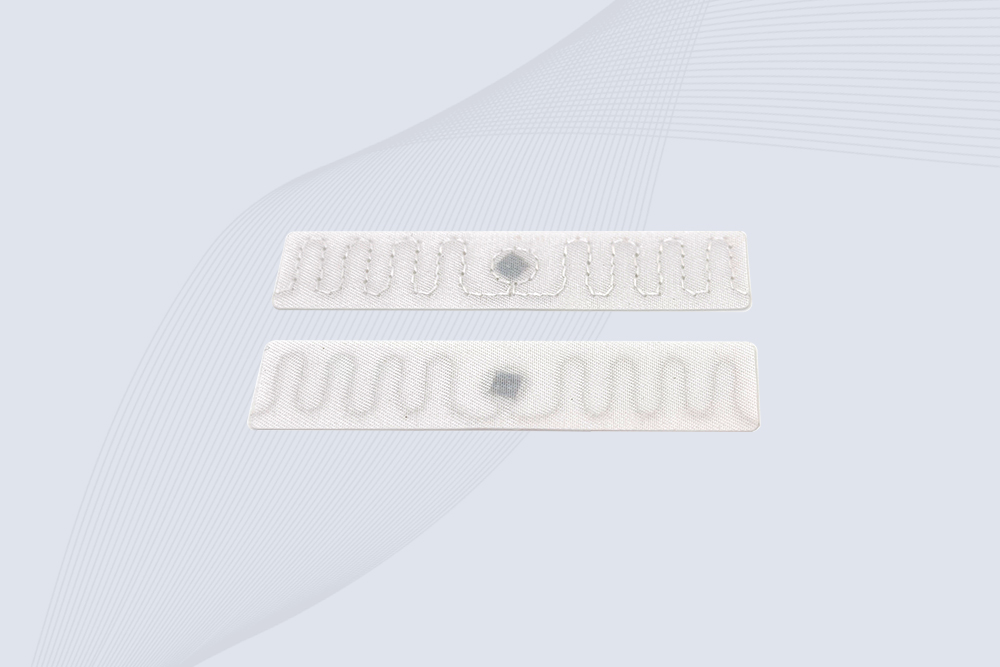
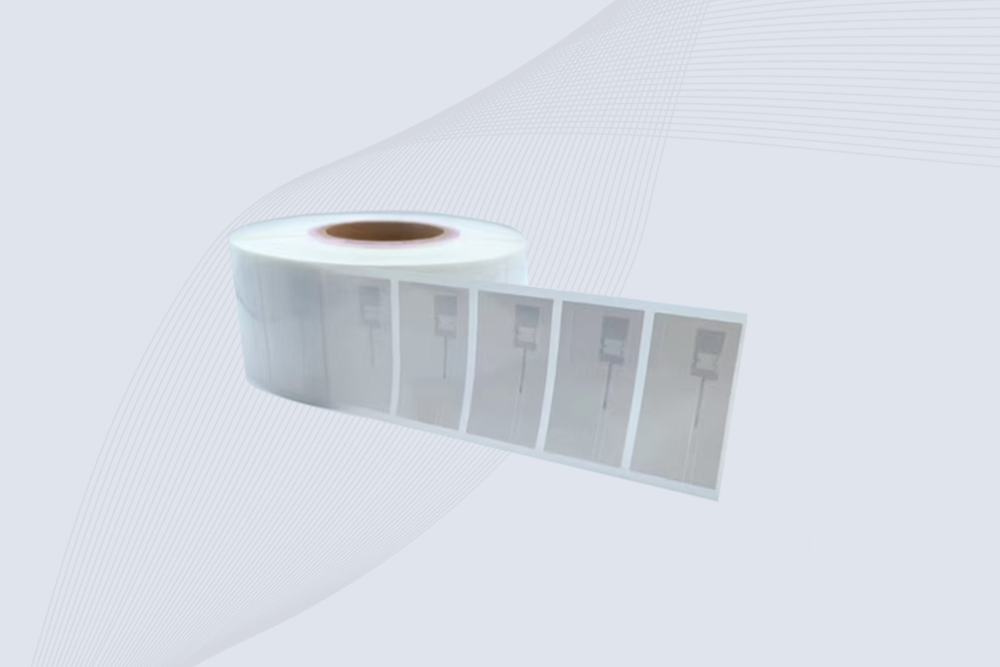
A decal can look like a normal sticker, but sometimes there is more hidden inside.
Many companies use RFID decals for product tracking, asset management, anti-counterfeiting, logistics, and inventory control. From the outside, an RFID decal may look almost identical to a regular printed label. This is where many buyers, installers, and even end users get confused.
A customer may receive a batch of branded decals and ask: “Does this sticker actually have an RFID chip inside, or is it only a printed label?”
The answer is not always obvious.
In this guide, we will look at practical ways to identify an RFID decal, what signs to check, and what businesses should consider when sourcing RFID decals in bulk.
What Makes RFID Decal Different From a Normal Decal?
A normal decal is mainly made of printed material, adhesive, and protective layers.
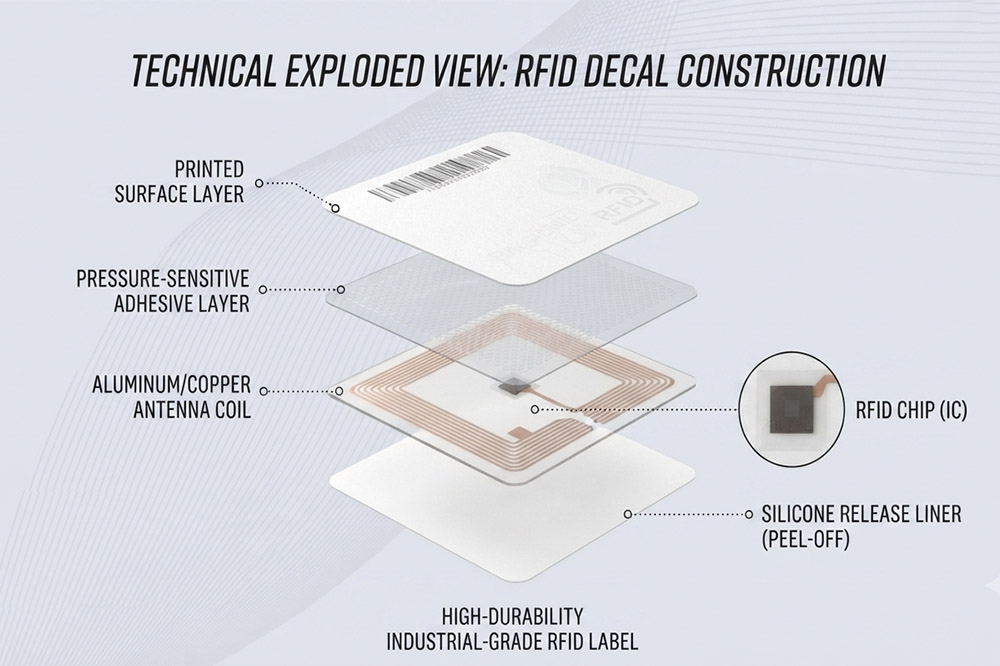
An RFID decal adds extra components:
RFID chip
Antenna structure
Inlay layer
Protective coating or surface printing
The RFID chip stores information and communicates with Fixed RFID Reader through radio frequency signals. The antenna is usually the largest part inside the sticker because it helps the tag receive and transmit signals.
However, manufacturers often hide these components under custom designs, logos, or packaging graphics. This is why simply looking at the surface is not enough.
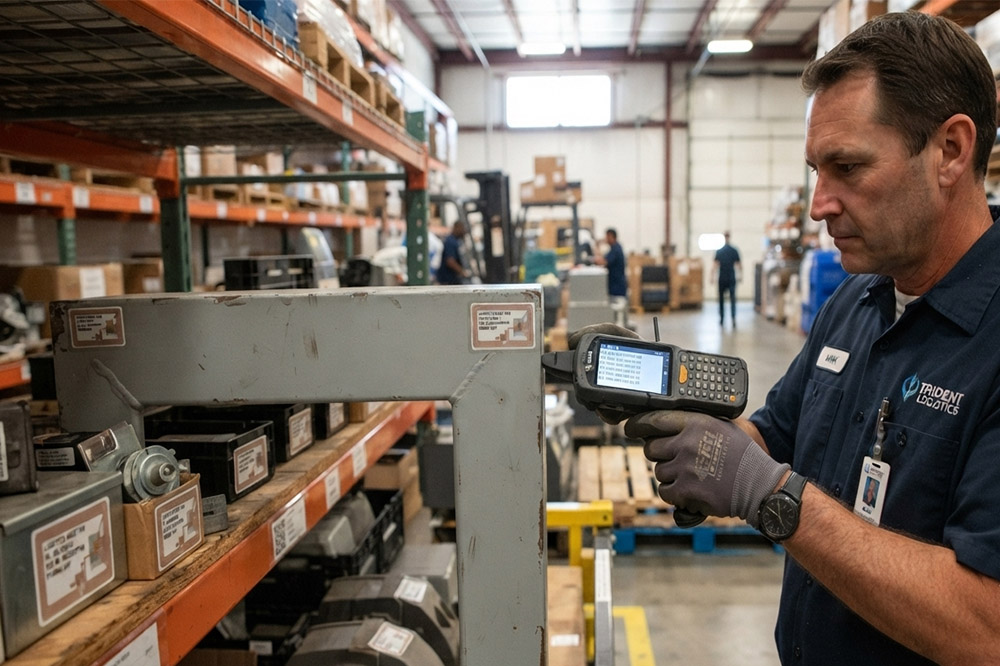
For example, a warehouse customer ordering 50,000 asset labels may receive decals that look exactly like ordinary stickers. Without testing, the team may not know which ones contain RFID technology.
Check the Packaging or Product Information First
The easiest method is also the one people often skip.
If the decals were purchased from an RFID supplier, check:
Product specification sheet
Packing label
Order details
Model number
Frequency information
RFID decals usually include information such as:
HF 13.56MHz
UHF 860-960MHz
NFC compatible
EPC Gen2
ISO14443 or ISO15693
A normal decorative decal usually will not mention these technologies.
For companies buying RFID labels wholesale, keeping the original specifications is important because two decals may look identical but use completely different chips.
Use RFID Reader to Test the Decal
The most reliable way to know if your decal has RFID is testing it with a compatible reader.
Different RFID frequencies require different readers.
For example:
NFC phone apps can test many 13.56MHz NFC decals
HF RFID readers work with HF tags
UHF RFID scanners are needed for long-distance UHF labels
Simply place the reader close to the decal and check whether it detects a tag response.
One thing to remember: no response does not always mean there is no RFID inside.
Sometimes the issue is:
Wrong frequency reader
Damaged RFID chip
Metal surface interference
Poor reading angle
Short reading distance design
We have seen cases where customers tested UHF RFID labels with an NFC mobile phone and assumed the labels were defective. The problem was simply using the wrong testing method.
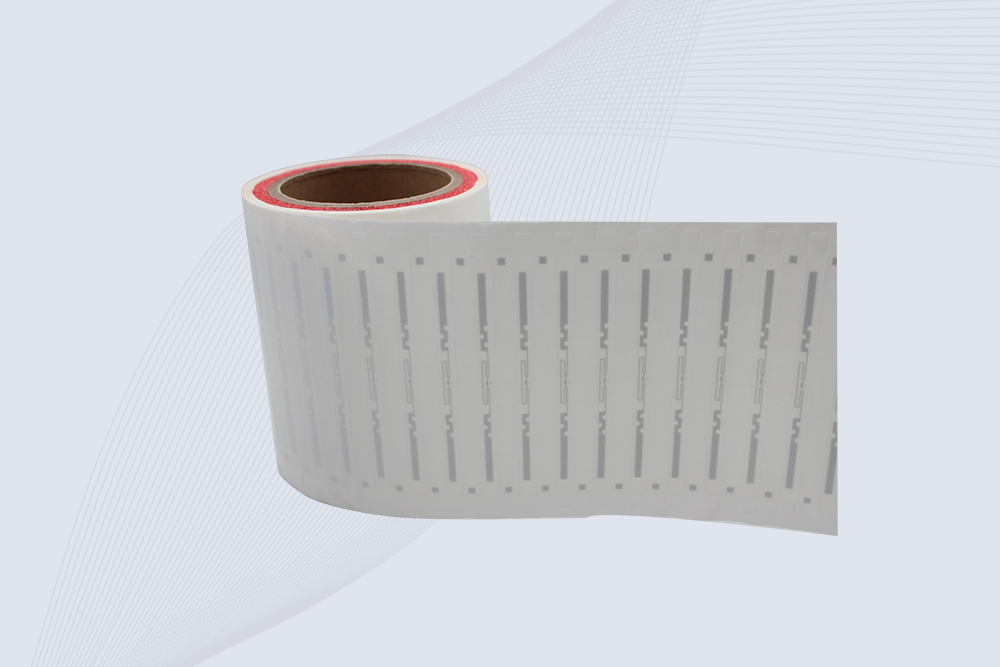
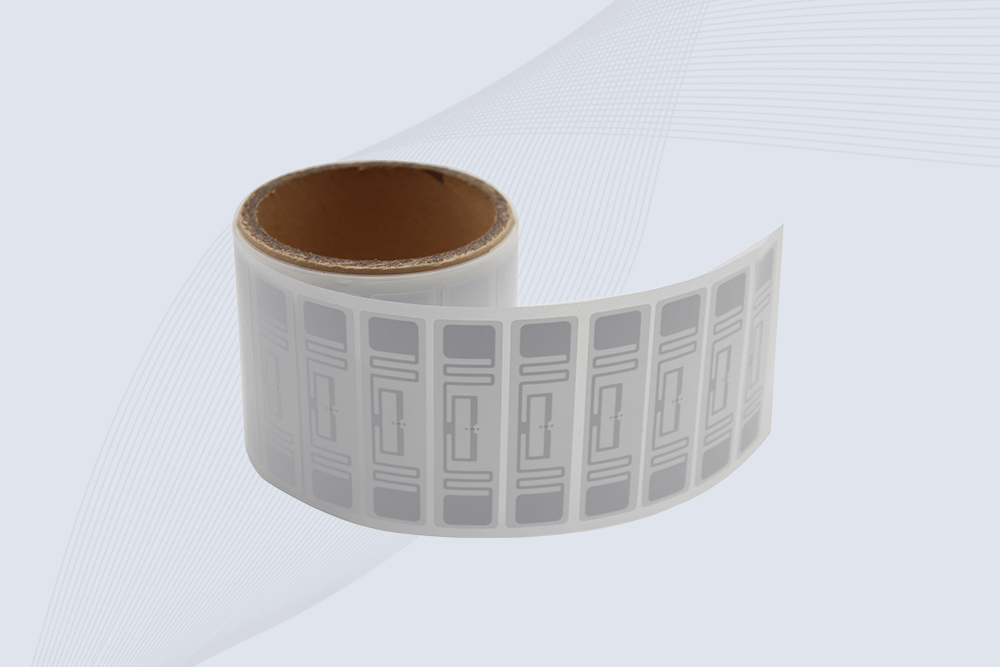
Look for Hidden Antenna Patterns
Some RFID decals have visible signs.
Under strong light, you may notice:
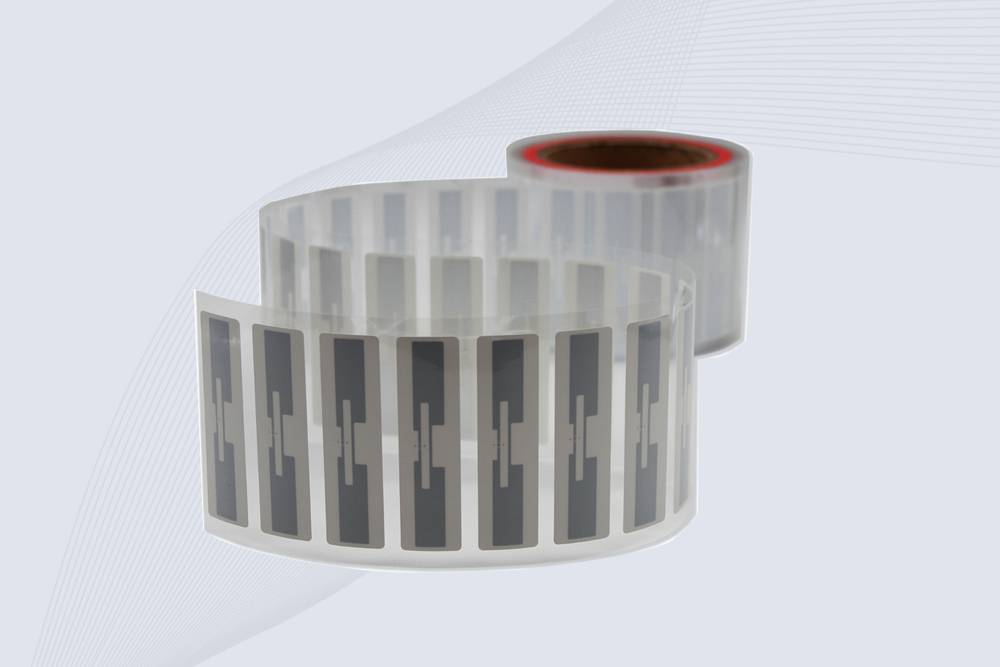
Thin copper lines
Loop patterns
Metallic traces
Slightly different sticker thickness
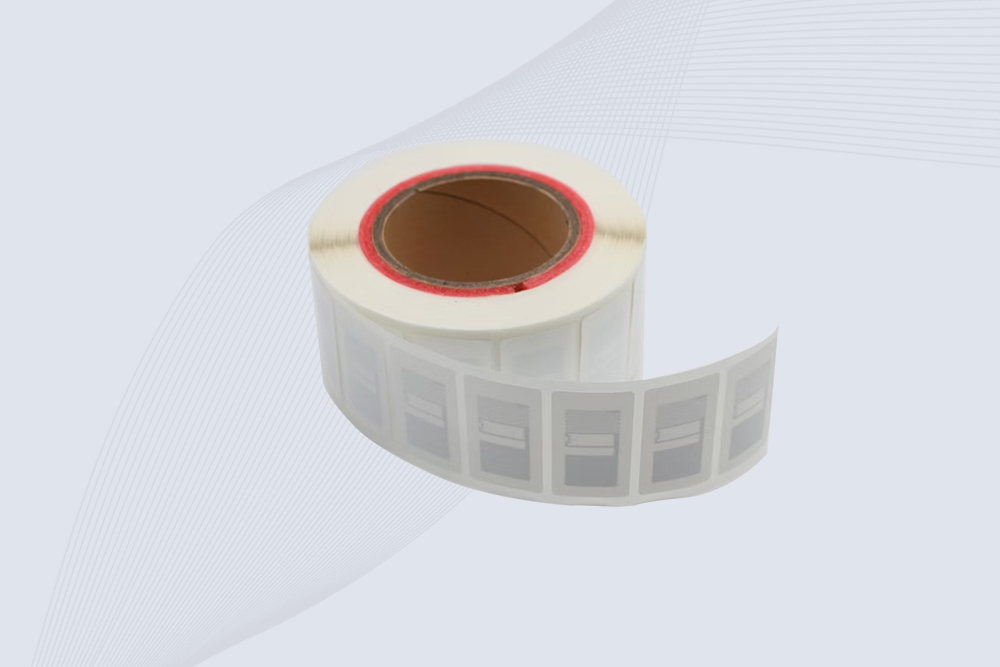
UHF RFID decals often use larger antenna designs, while NFC and HF tags usually have smaller coil antennas.
However, many professional RFID decal manufacturers cover the antenna completely to keep the product appearance clean.
For branded products, medical devices, electronics, and luxury packaging, the RFID structure is often intentionally invisible.
Can You Detect RFID Without Opening the Sticker?
Usually, yes.
Opening the decal is not recommended because cutting through the antenna may destroy the RFID function.
A better approach is:
Confirm the RFID frequency
Use the correct RFID reader
Test multiple positions
Compare with a known RFID tag
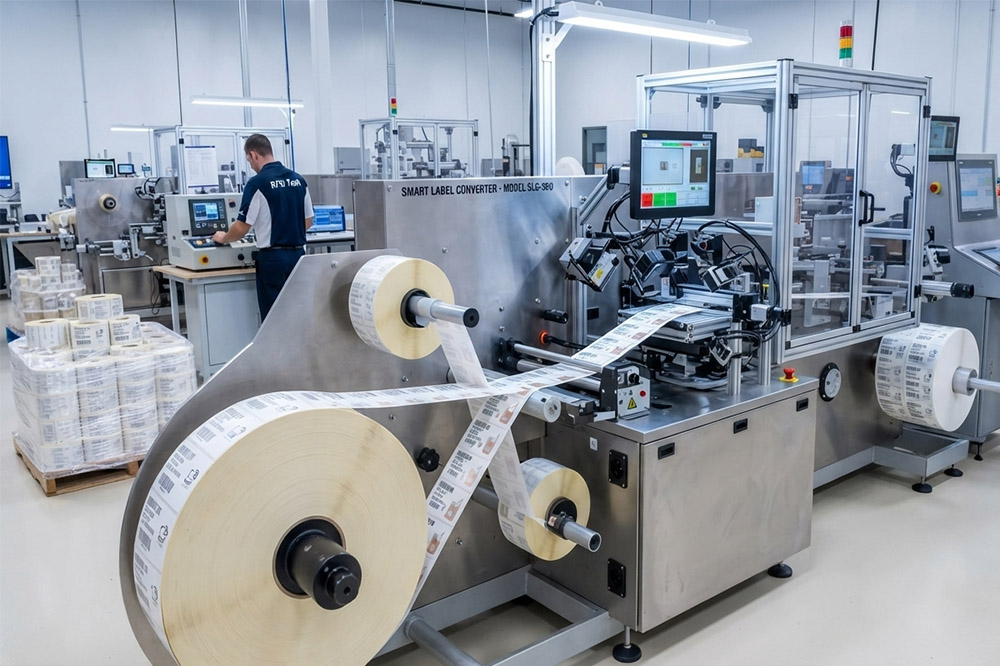
For businesses managing thousands of labels, manual inspection is inefficient. A handheld RFID scanner or automated RFID testing system is normally used during production.
Why Businesses Use RFID Decals Instead of Traditional Labels
From a supplier perspective, RFID decals are becoming more common because companies need more than simple identification.
A printed barcode tells you what an item is.
An RFID decal can help you know:
Where the item is
When it was scanned
Whether it moved through a checkpoint
Which batch it belongs to
Common applications include:
Inventory Management
Warehouses use RFID decals on products, boxes, and pallets to improve stock accuracy.
Asset Tracking
Companies attach RFID decals to tools, equipment, and machines to reduce loss.
Retail and Anti-Counterfeiting
Brands use customized RFID stickers to verify product authenticity.
Electronics and Industrial Products
RFID decals can be integrated into product packaging for lifecycle tracking.
Choosing RFID Decal Suppliers: What Buyers Should Ask
If you are sourcing RFID decals in bulk, the sticker appearance is only one part of the decision.
Before placing an order, ask the supplier:
Which RFID chip is used?
What is the reading distance?
Does it work on metal surfaces?
Can the artwork be customized?
What adhesive options are available?
Are samples available before mass production?
For industrial applications, choosing the wrong RFID decal can create problems later. A label that works well on cardboard may fail completely when attached to metal equipment.
This is why many companies test samples before ordering thousands of pieces.
Related Reading: How to Identify an RFID Tag More Easily
If you want a broader understanding of RFID identification methods, including different RFID tag shapes, frequencies, and common applications, you can also read our previous guide:
That article explains the differences between RFID tags, NFC tags, RFID stickers, and other common forms, which can help you better understand what type of RFID product you may have.
Final Thoughts
Finding out whether a decal contains RFID is usually not complicated, but the method matters.
A visual inspection may give you some clues, but an RFID reader test is the most practical solution.
For businesses purchasing RFID decals in large quantities, the bigger question is not only “Does it have RFID?” but also “Is this RFID decal suitable for my application?”
The chip type, antenna design, adhesive material, and working environment all affect performance.
If you are looking for custom RFID decals, RFID stickers, or bulk RFID label solutions, working with an experienced RFID manufacturer can help avoid costly mistakes during mass deployment.
Need Custom RFID Decals for Your Products?
Whether you need RFID stickers for inventory tracking, asset management, retail products, or industrial applications, choosing the right RFID decal design is critical.
Contact our RFID team for sample testing, chip selection, and bulk production support.
CYKEO Passive RFID Tags are made for wet and high-humidity environments where standard labels do not last. This rfid passive tag is often used around liquids, chemicals and temperature changes, providing stable reading distance and long data life for industrial tracking.
CYKEO CYKEO-PCB1504 Metal RFID Tags is a compact anti-metal UHF RFID solution built for direct mounting on metal surfaces. With stable 8-meter read range, Ucode-8 chip, and long data retention, this rfid metal tag fits tools, containers, automotive parts, and industrial asset tracking.
CYKEO CYKEO-PCB7020 On-Metal RFID Tags are designed for reliable tracking on steel and metal surfaces. Built with an FR4 epoxy body and industrial-grade chips, these On-Metal RFID Tags deliver stable performance, long data life, and chemical resistance, making them a dependable RFID anti-metal tag for harsh environments.
The CYKEO CYKEO-60-25 Anti-Metal RFID Tag is built for metal surfaces where standard tags fail. Designed for long-range performance, harsh environments, and stable data retention, this Anti-Metal RFID Tag is ideal for industrial assets, containers, and equipment tracking using on metal RFID tags.
The CYKEO RFID Laundry Tag is designed for long-term textile identification in harsh laundry environments. Built to withstand high heat, chemicals, and repeated washing, this RFID Laundry Tag delivers stable performance for hotels, hospitals, and industrial laundry operations using laundry rfid tags at scale.
The CYKEO CYKEO-125-7 RFID Book Tag is designed for reliable book and document tracking in libraries and archives. This RFID Book Tag delivers long read range, dense placement support, and stable performance on shelves, making it a practical rfid tag on books for library automation, file management, and archival systems.
CYKEO RFID tags in hospitals are designed for sterile environments where accuracy matters. These autoclavable RFID tags support long-term tracking of surgical tools, implants, and medications, helping hospitals improve visibility, compliance, and patient safety.
CYKEO RFID Cable Tie Tag is built for reliable identification on metal surfaces. This UHF RFID Cable Tie Tag is widely used in rfid tags for inventory systems, industrial asset management and Hospital RFID Tags, offering stable read performance, long service life and global EPC Gen2 compatibility.
CYKEO RFID Asset Tag is designed for stable identification of metal assets in industrial environments. This UHF RFID Asset Tag is commonly used for rfid tag asset tracking on equipment, tools and containers, providing reliable reads, long service life and ISO/IEC 18000-6C support.
CYKEO UHF RFID Card is designed for fast identification and long-term use in industrial and commercial systems. Supporting ISO 18000-6C, this UHF RFID Card works at 860–960 MHz and is suitable for custom RFID cards used in asset tracking, access control and inventory management.
CYKEO HF RFID Cards are designed for secure and stable access control systems. These 13.56 MHz RFID key cards support ISO 14443-A, reliable rewriting and long service life, making HF RFID Cards suitable for offices, campuses, events and membership management.
CYKEO UHF RFID Tag is designed for reliable tracking of metal jewelry and high-value items. This Jewelry RFID Tag supports long-range reading up to 8 meters, anti-counterfeit protection and stable performance on metal, making it suitable for retail, inventory control and asset management.
RFID Industry Writer | IoT & Asset Tracking Analyst
James writes about RFID technology, asset tracking, and the practical challenges of digital transformation across warehousing, retail, manufacturing, and logistics.
His work focuses on how RFID is applied in real-world operations—improving inventory visibility, automating workflows, and helping businesses manage assets with greater accuracy and efficiency.
He regularly covers topics including UHF RFID, smart cabinets, RFID portals, tool tracking, warehouse automation, and industrial IoT trends..
Learn the difference between FHSS and fixed frequency in RFID systems. Understand how frequency hopping improves reliability and why fixed frequency can still work in simple environments.
Learn how does rfid work in a warehouse to automate receiving, inventory counts, picking, shipping, and asset tracking with faster, more accurate data.
Learn why RFID laundry tags are becoming essential for modern textile rental management. Improve garment tracking, reduce inventory loss, and automate commercial laundry operations.
 Cykeo RFID IoT Solution Products R&D Manufacturer