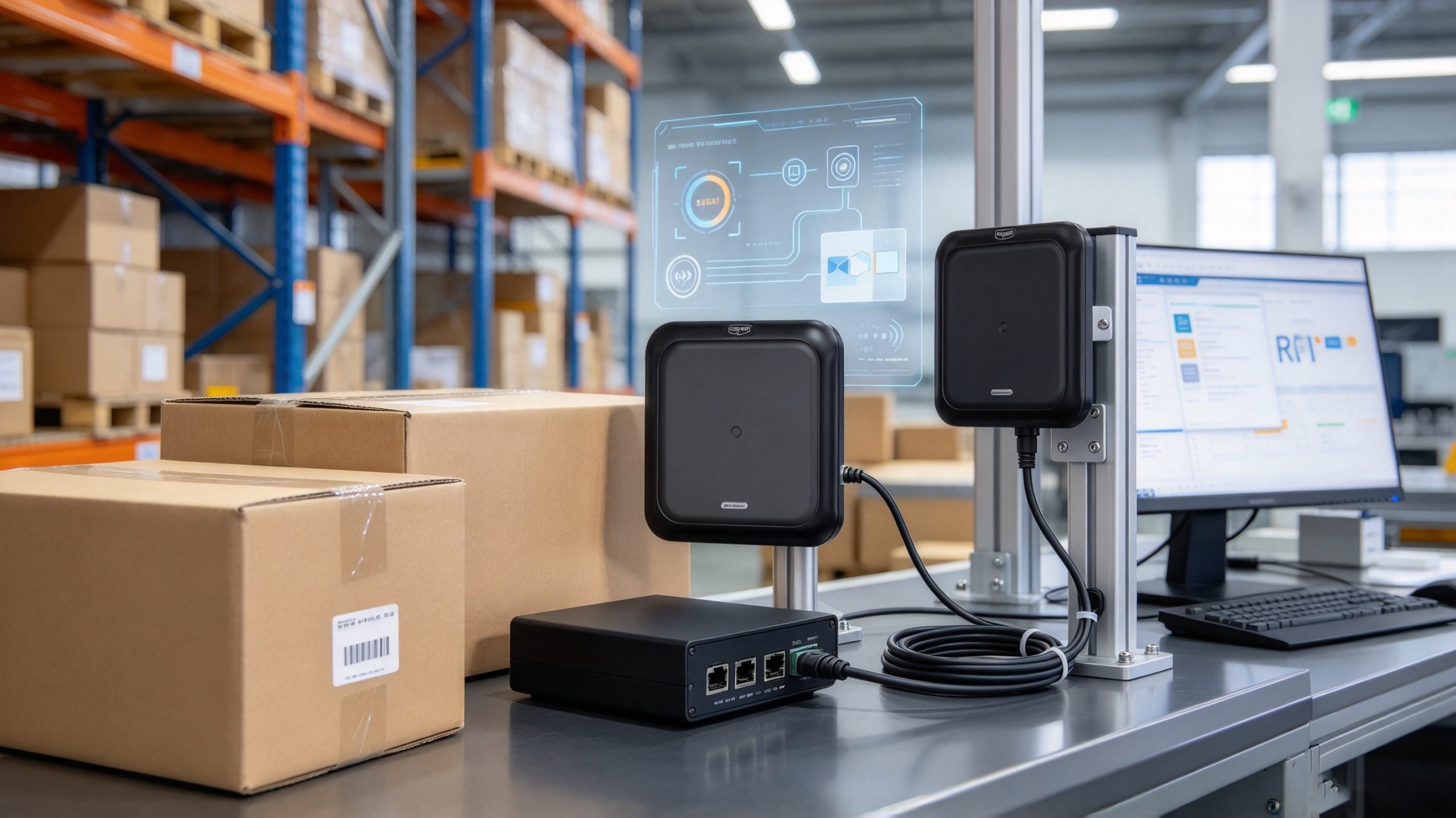
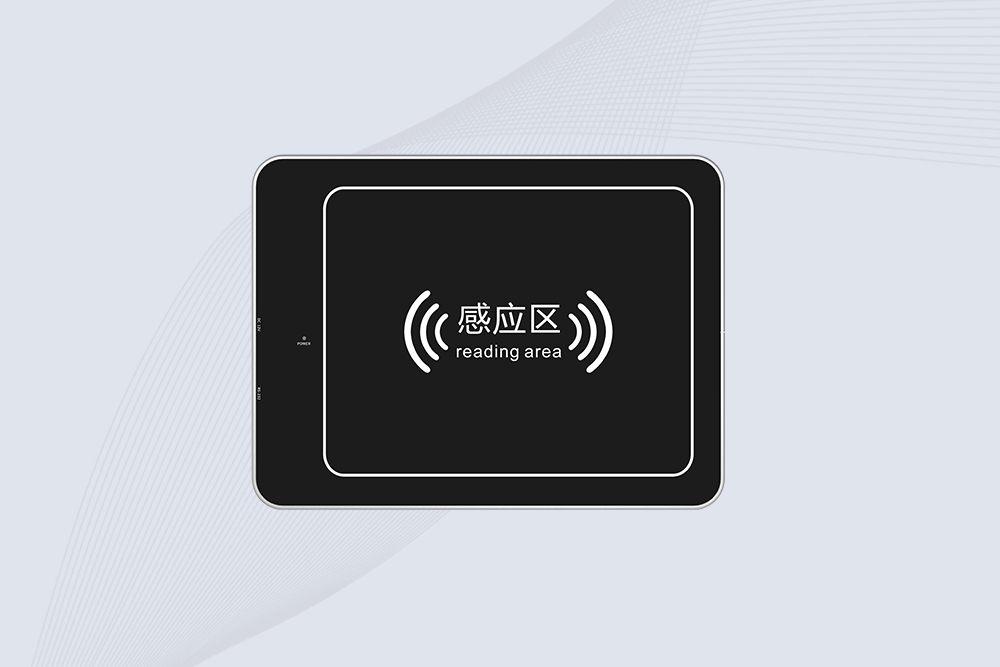
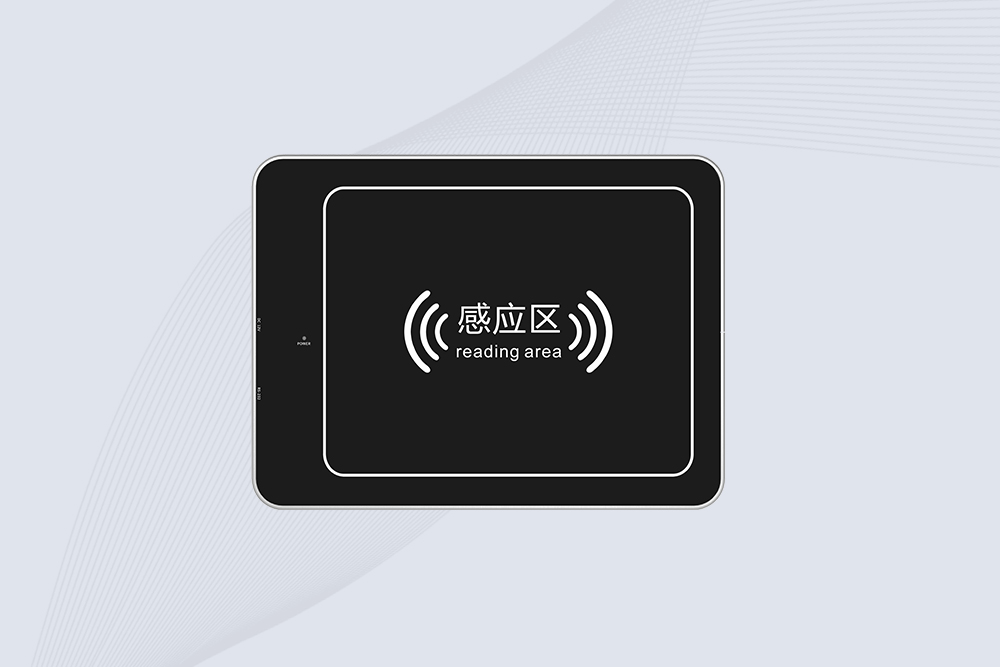
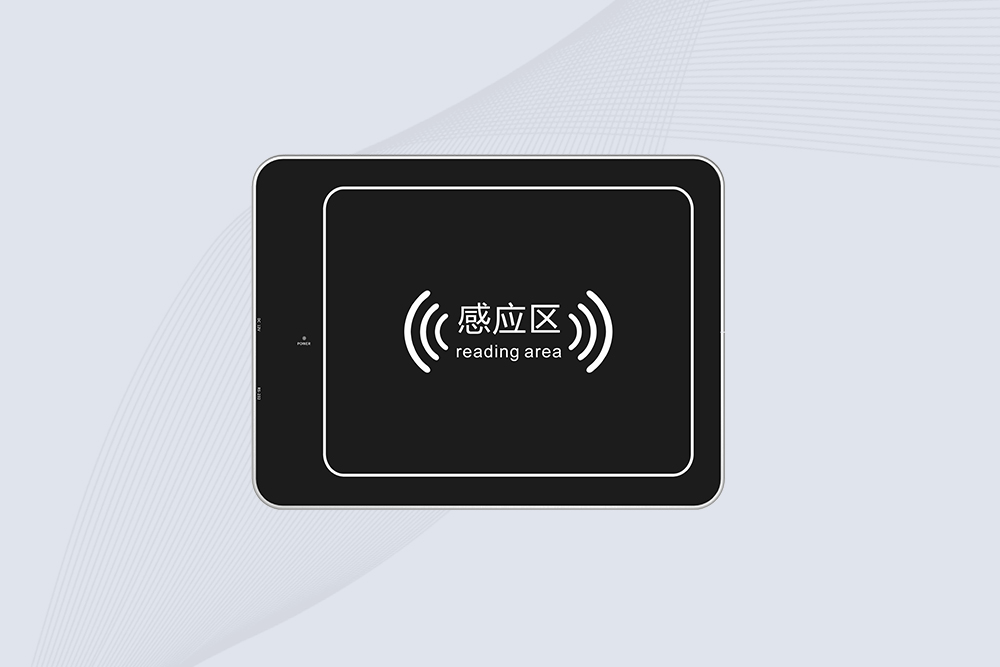
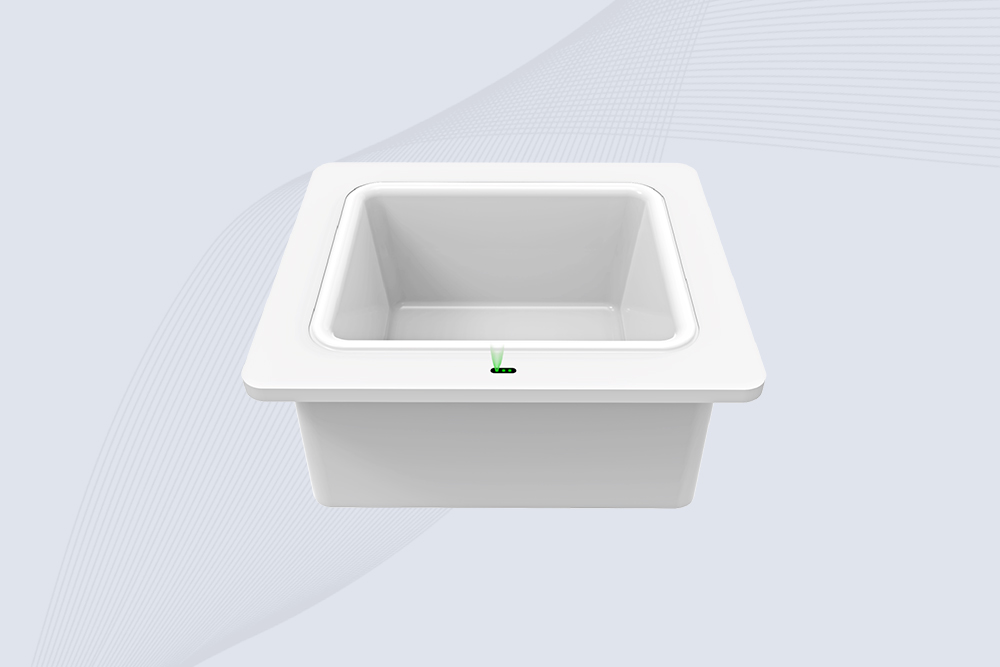
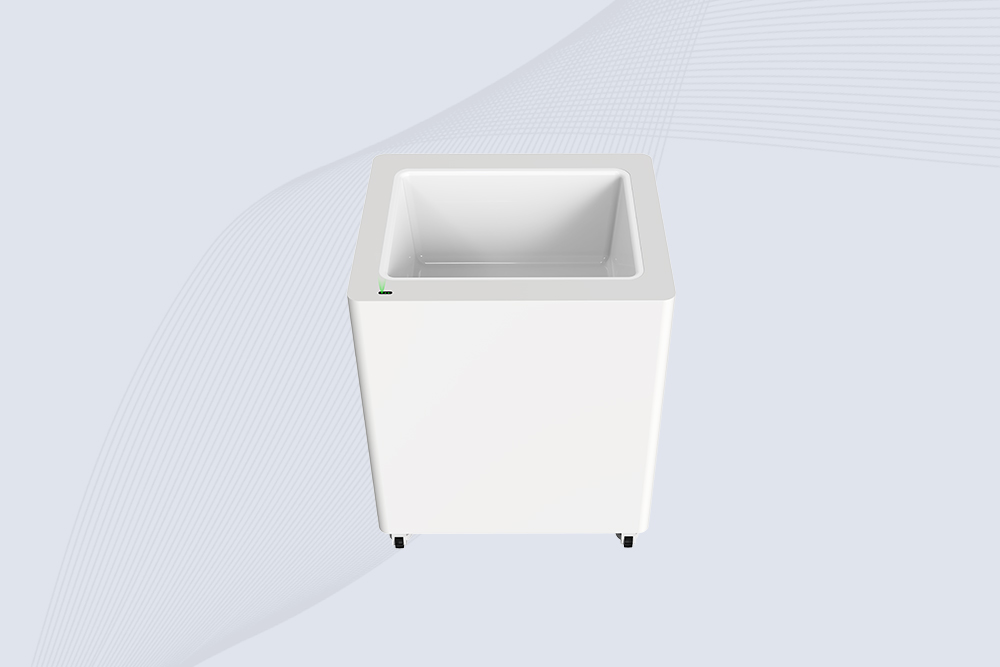
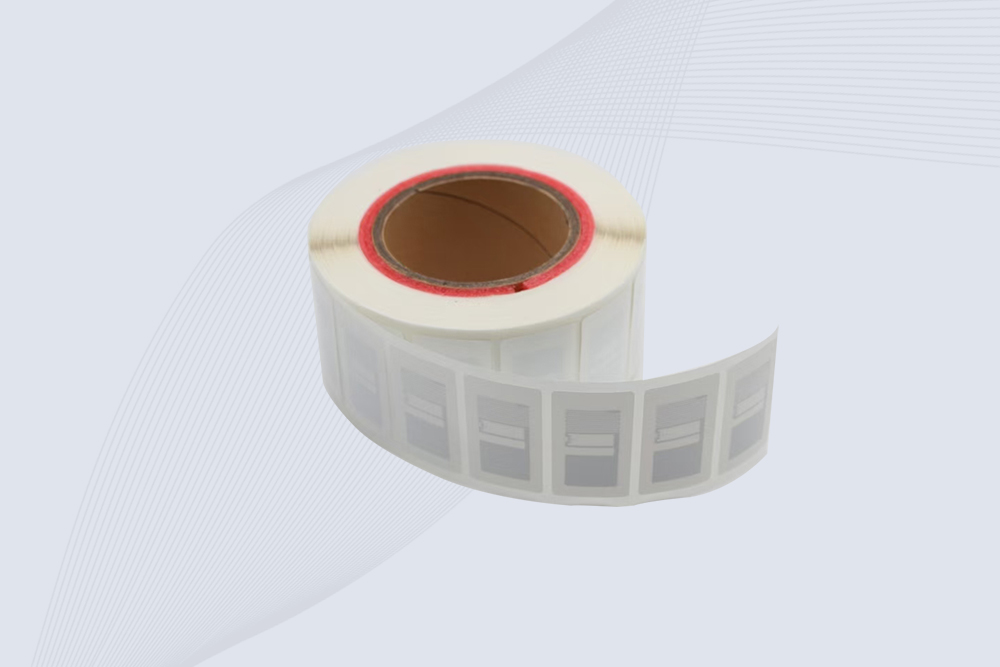
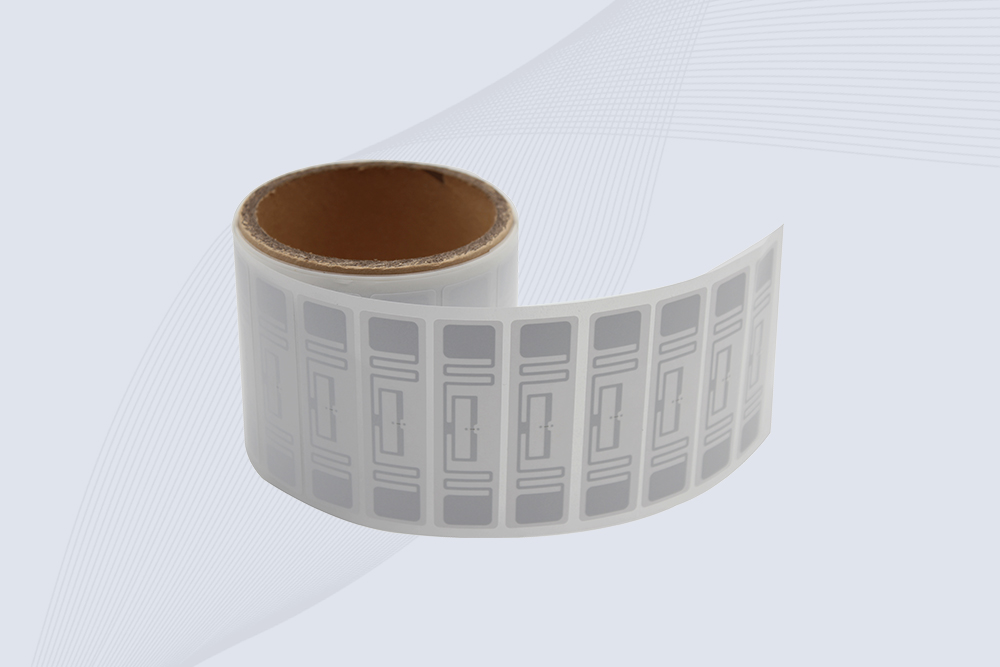
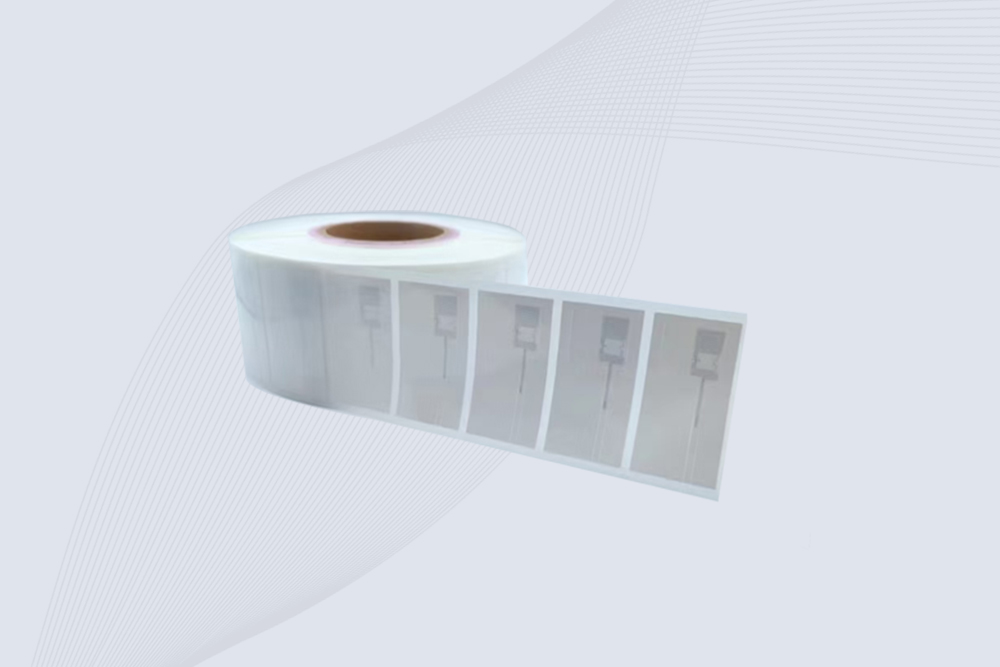
RFID works by using radio waves to exchange identification data between a tag and a reader. The reader sends a signal, the tag responds according to its type, and software processes the returned data. This allows compatible systems to identify and track tagged items without scanning each printed label individually.
What Is RFID and How Does It Work?
RFID stands for radio-frequency identification. It is a technology for identifying objects through radio communication rather than relying on a visible barcode. A typical system includes an RFID tag, a reader, one or more antennas, and a computer or application that processes the information. The exact arrangement depends on the task, from checking a single tagged item at a desk to identifying cartons moving through a warehouse.
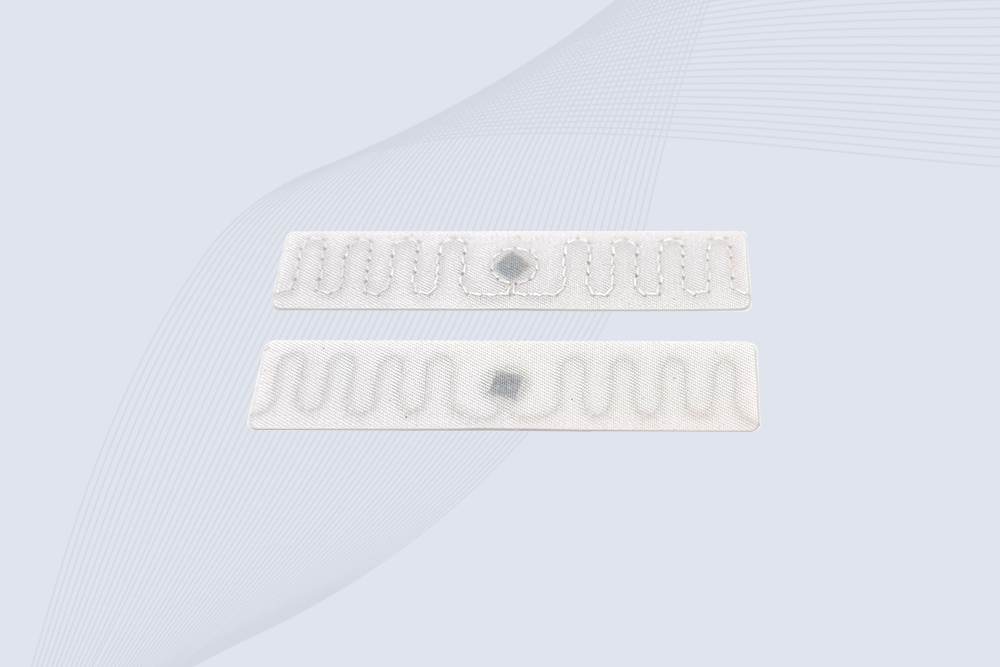
According to GS1, an RFID tag commonly combines a microchip with an antenna. The chip stores an identifier and, depending on the tag, may hold additional information. The reader sends a radio signal and receives the tag’s response, then converts it into digital data for use by a connected system.
The detail that matters in practice is that a radio read is not the same as a completed business transaction. A reader may detect a tag, but inventory software still needs to determine whether that read represents a delivery, a return, a movement between zones, or simply a tag passing nearby. Good RFID deployments pay as much attention to this distinction as they do to the hardware.
How RFID Works: The Four Main Components
RFID tags respond to reader signals, and the reader passes decoded identification data to software for processing.
1. RFID Tags: Where Identification Data Begins
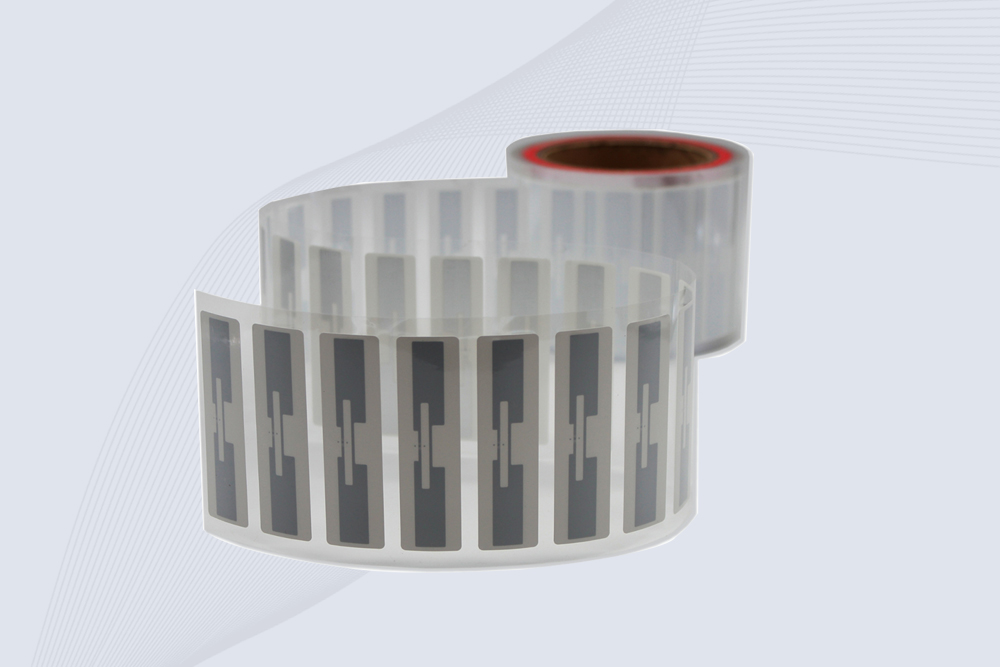
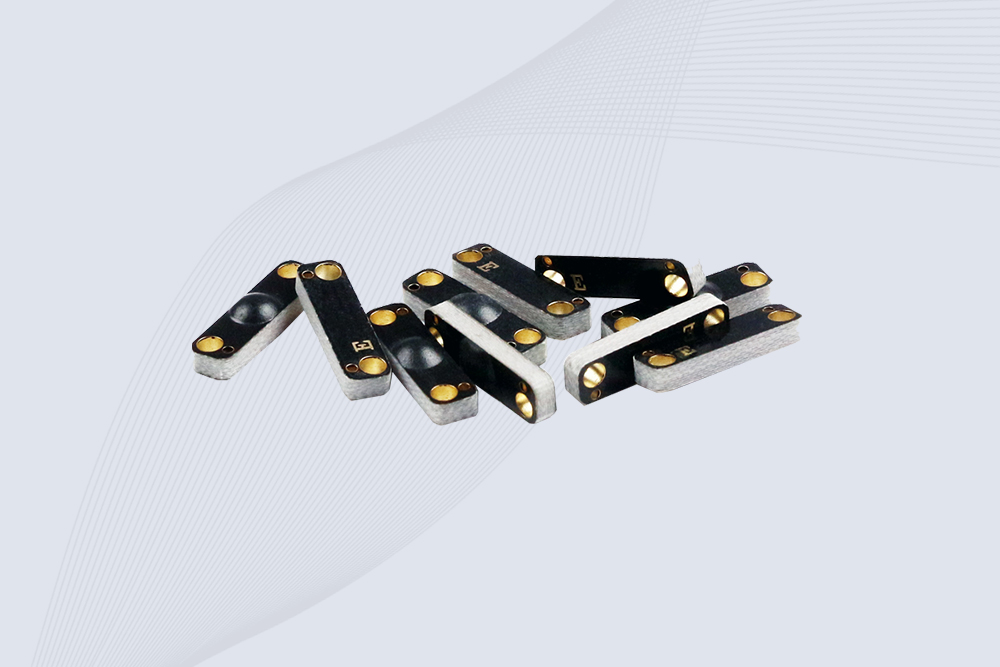
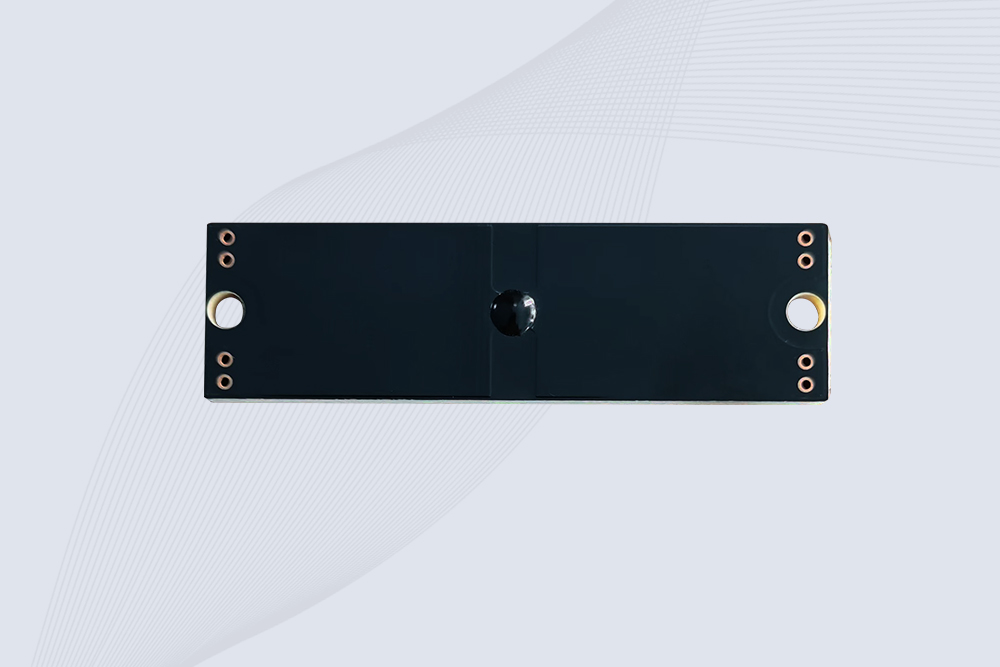
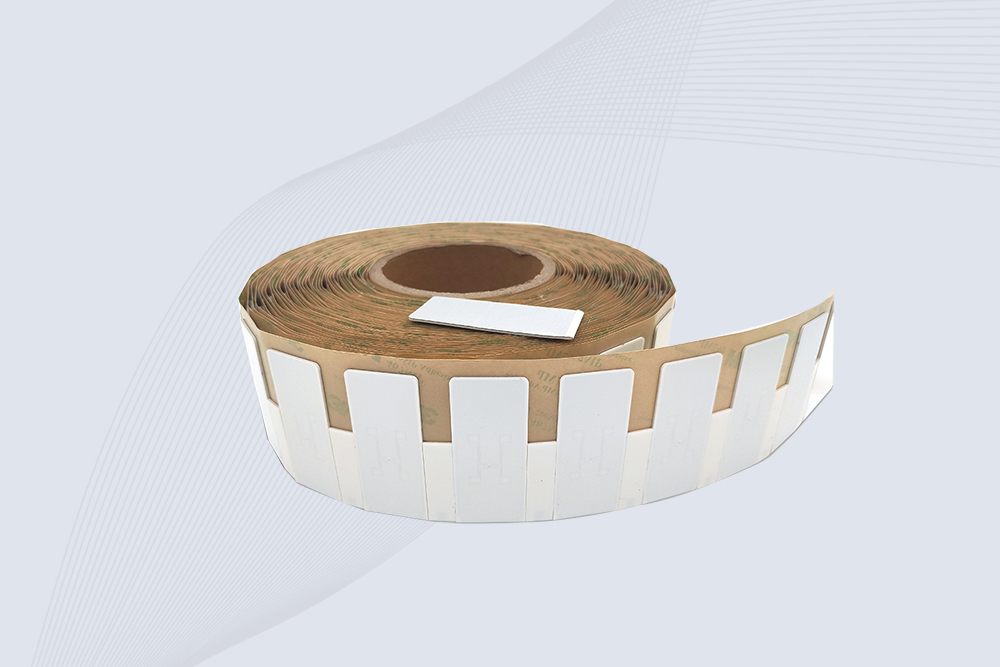
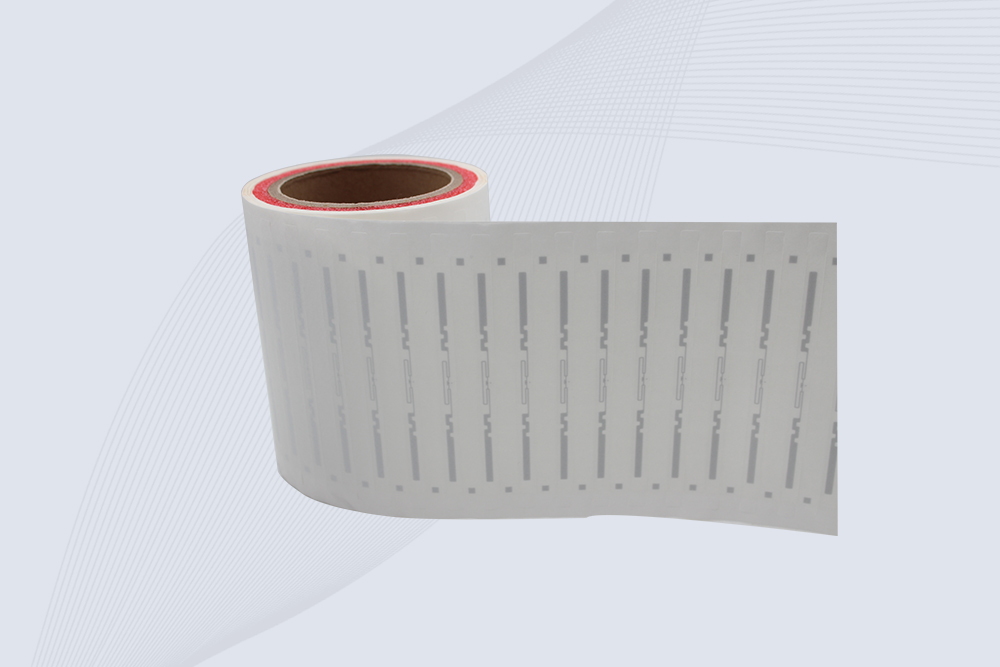
An RFID tag is attached to the item, package, container, or asset that needs to be identified. In a common passive UHF tag, a tiny chip is connected to an antenna printed or mounted on a thin substrate. The tag may look like a paper label, a plastic card, a hard industrial tag, or an embedded component.
Depending on the tag design and application, it may store a unique identifier, other item-related data, or writable information. In many inventory systems, the tag’s identifier is linked to a fuller product record in a database rather than storing the entire record on the tag itself.
2. RFID Reader and Antenna: Sending and Receiving Signals
The reader communicates with tags using radio-frequency signals. An antenna transmits the signal and receives responses from tags within the effective reading area. Some systems use a handheld reader carried by an employee; others use fixed readers installed at doorways, conveyors, cabinets, or workstations.
The reader’s job is not simply to detect that a tag exists. It must also interpret the response according to the supported RFID protocol and deliver usable data to the host system.
3. Communication Protocol: Making Reader and Tag Compatible
The reader and tag must support compatible radio frequencies and communication protocols. For many passive UHF supply-chain applications, systems use the GS1 EPC UHF Gen2 air-interface standard, also standardized as ISO/IEC 18000-63. The GS1 Gen2 specification defines communication between interrogators (readers) and tags in the 860–930 MHz range. Actual operating frequencies must comply with local regulations.
A tag and reader that use incompatible protocols or frequency bands will not communicate as expected, even if both devices are described as RFID products.
4. Software: Turning a Read into Useful Information
The reader sends captured data to a host computer, middleware, warehouse management system (WMS), enterprise resource planning (ERP) platform, or another application. Software can match tag identifiers to product records, filter repeated reads, compare expected and detected items, and trigger an appropriate workflow.
For example, detecting a tagged carton at a receiving portal might prompt the system to compare its identifier with an expected delivery. The application—not the radio signal alone—determines whether that carton should be recorded as received.
How Does Passive RFID Work?
Passive RFID is widely used for item-level identification because the tags do not need their own battery to communicate. Instead, they obtain operating energy from the radio-frequency field generated by a compatible reader. GS1 describes this process as backscatter communication: the tag changes how its antenna reflects the reader’s signal, allowing the reader to recover the information encoded in the response.
The process generally follows this sequence:
The reader transmits a signal. Its antenna creates a radio-frequency field within the reading zone.
The tag receives energy. A passive tag’s antenna captures enough energy from the field to activate its chip.
The tag responds. The chip controls the tag’s response, which carries identification data back through the radio signal.
The reader decodes the response. The reader converts the received signal into digital information.
The application processes the data. Software matches the identifier to a record and decides what action, if any, is required.
The exchange happens quickly, but reliable performance depends on the physical environment. A tag folded against a metal surface, for instance, may behave differently from the same tag attached to a cardboard carton. In a warehouse pilot, both should be tested in their actual mounting positions rather than judged from a loose sample held in the air.
How Does Active RFID Work?
Active RFID uses tags with their own power source, usually a battery. Unlike passive tags, active tags can transmit their own radio signals. Depending on the system, readers receive those transmissions and software uses the data to monitor tagged assets or estimate their locations.
Active RFID and passive RFID serve different needs. Active systems can be suitable for tracking high-value assets over longer distances, while passive RFID is often selected for identifying large numbers of comparatively low-cost items. The correct choice depends on required range, tag cost, battery maintenance, environment, and the level of location information the application needs.
Feature
Passive RFID
Active RFID
Power source
Energy harvested from the reader’s field
Usually an onboard battery
Tag communication
Typically responds by backscatter
Has its own radio transmitter
Typical application focus
Item identification and inventory
Asset tracking and longer-range monitoring
Tag maintenance
No tag battery to replace in conventional passive tags
Battery life and replacement may matter
System design
Depends on reader coverage and tag response
Depends on tag transmissions, receiver coverage, and location logic
How RFID Frequency Affects the Way It Works
RFID systems operate at different frequency bands. Frequency affects the communication method, antenna design, potential read distance, and suitability for particular environments.
Usually short read distances and relatively close-range interaction
HF (high frequency)
Contactless cards, NFC-related applications, library and document systems
Often used for close-range identification and defined presentation points
UHF (ultra-high frequency)
Warehouse inventory, retail item tracking, logistics, and industrial portals
Can support rapid multi-tag identification, but performance is sensitive to tag design and the surrounding environment
For passive UHF applications, the GS1 EPC Gen2 specification covers the 860–930 MHz range. That is the protocol’s specified operating range, not a promise that every device will operate on every frequency within it. Actual regional frequency allocations and equipment configurations must be checked before deployment.
A longer theoretical reading distance is not always the right design target. If a workstation should read only the items on a small table, excessive range may cause tags on nearby shelves to be detected as well. In that situation, a controlled reading area can be more useful than maximum output power.
What Happens When an RFID Reader Detects Multiple Tags?
A compatible RFID reader can identify multiple tags during one reading session. This is one of the key differences between passive UHF RFID and workflows that require a worker to scan each barcode individually.
However, “multiple tags at once” does not mean that every tag in a warehouse is guaranteed to be read instantaneously. Readers use protocol procedures to manage tag responses, while system performance depends on factors such as tag population, radio conditions, antenna placement, tag orientation, and the speed at which items move.
Consider a receiving dock where 30 tagged cartons are placed on a pallet. The reader may detect many of their identifiers as the pallet passes through the reading zone. The application must then compare the detected identifiers against the expected shipment. If a carton was missed, the workflow needs a way to flag the discrepancy; if a tag from a neighboring pallet is detected, the software must avoid assigning it to the wrong delivery.
This is why a successful RFID deployment needs both a radio design and a business-process design. A high read rate is useful, but correctly interpreting the reads is what makes the system operationally valuable.
How RFID Works in Real-World Applications
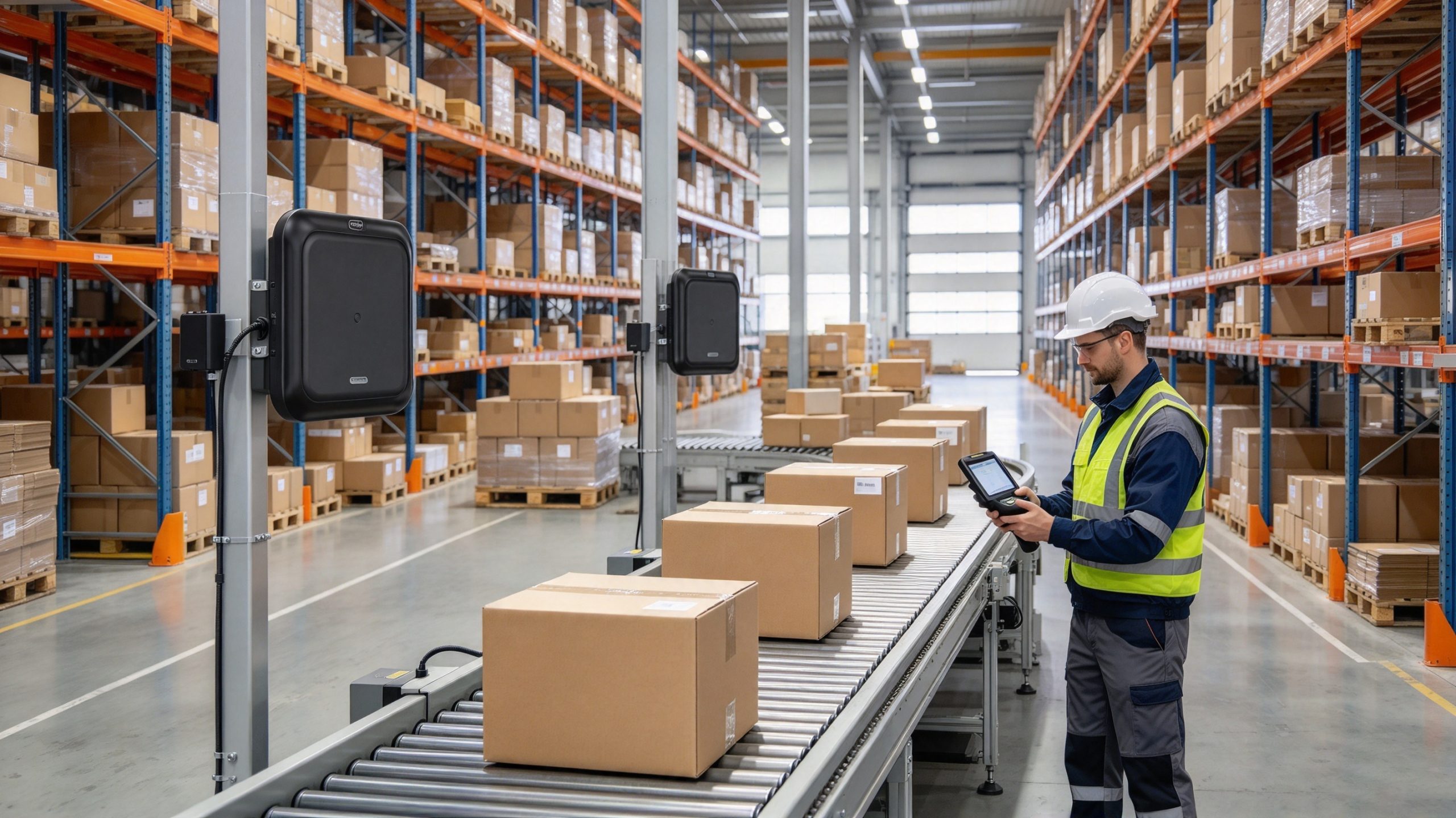
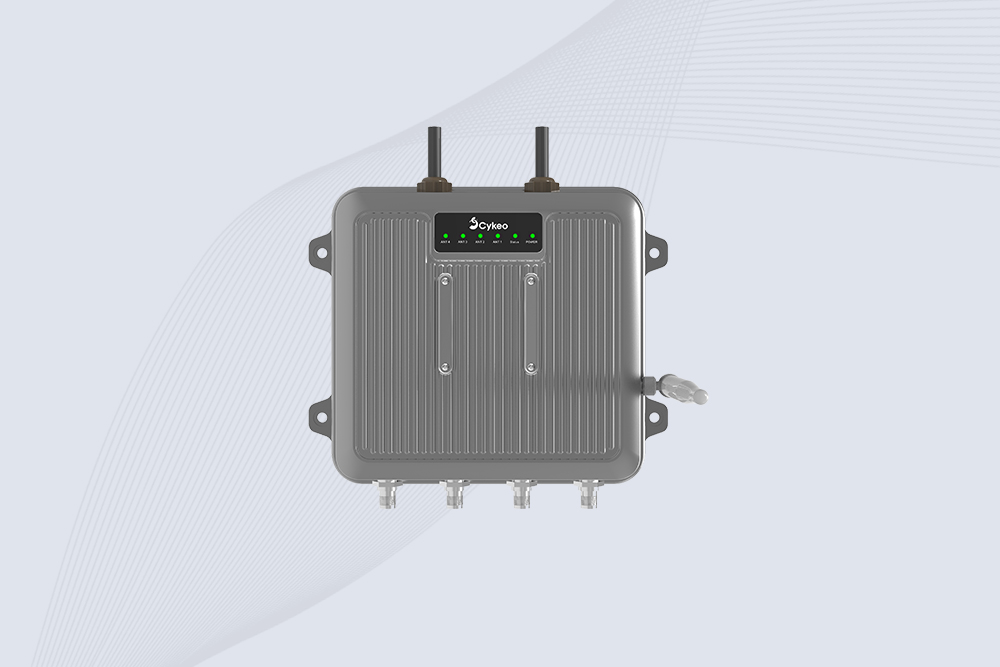
Fixed RFID readers can capture tag identifiers as goods pass through a configured warehouse reading zone.
Retail Inventory Management
Retailers can attach passive RFID tags to products and use handheld or fixed readers to perform inventory checks. Instead of locating and scanning every printed barcode individually, staff can read compatible tags in batches and compare the results with inventory records.
Research published in Production and Operations Management by Hardgrave, Aloysius, and Goyal examined RFID-enabled inventory visibility in retail stores. In one field experiment, daily counts of one product category across 13 stores over 23 weeks showed an approximately 26% reduction in inventory record inaccuracy. In a second study covering 62 stores and five product categories, results varied by category, ranging from no statistically significant improvement to 81%. These findings show the potential of RFID in the studied retail settings, not a universal performance guarantee.
Warehouse Receiving and Shipping
Fixed RFID readers can be installed at receiving points, dispatch doors, or conveyor stations. As tagged goods enter a reading zone, the system can capture identifiers and compare them with expected shipment records.
This can reduce dependence on individual manual scans, but the reader must be configured for the actual movement path. Antenna position, tag orientation, carton contents, adjacent inventory, and the physical layout can all affect results. A pilot should measure missed reads and unwanted reads as well as processing speed.
Manufacturing and Work-in-Process Tracking
In manufacturing, RFID can identify tagged components, containers, or work-in-process items as they pass designated stations. The production system may associate those reads with a work order, process stage, or material movement.
For example, a tagged reusable container could be identified at a workstation without requiring an operator to find and scan a visible label. But the tag’s presence does not prove that a particular manufacturing operation has been completed. The application should validate the required process event and apply the appropriate business rules.
What Affects RFID Reading Distance and Accuracy?
RFID reading distance is not a fixed number that applies to every tag and reader. It depends on the frequency band, tag antenna, reader output, reader antenna gain, tag orientation, mounting surface, surrounding materials, and local radio regulations.
A passive UHF tag may be readable from several metres away under suitable conditions, while a small tag attached to a difficult surface may have a much shorter reliable range. The maximum distance quoted for a reader should therefore be treated as a specification under stated conditions, not a guarantee for every installation.
Five Factors That Matter in Real Deployments
1. Tag design and orientation
The tag antenna must couple effectively with the reader’s radio field. If a tag rotates, folds, or is mounted in a position that reduces coupling, its response may become weaker. A tag that reads reliably face-on may perform differently when attached to the side of a carton or placed between tightly packed products.
2. Metal and liquid
Metal can detune or shield an ordinary UHF tag antenna, while water-rich materials can absorb or alter radio-frequency energy. Specialized on-metal tags and suitable mounting methods can help, but they still need testing on the actual asset. Liquid-filled products should also be tested in their final packaging.
3. Reader output and antenna placement
Increasing reader power may improve detection in some situations, but it can also expand the reading area and pick up tags that should not be included. Antenna placement, polarization, angle, and the geometry of the reading zone can matter as much as raw power.
4. Tag density and movement speed
A dense group of tags can place greater demands on the reader’s anti-collision process. Fast-moving cartons also give the system less time to capture and confirm each tag. Tests should reproduce expected throughput and tag density.
5. Radio environment and regional requirements
Nearby RFID systems and other radio-frequency sources may affect performance. Readers must also be configured for permitted regional frequency bands and power limits. A configuration suitable for one market may not be lawful or optimal in another.
A useful site test records more than the furthest successful read. Measure the percentage of expected tags detected, unwanted reads from outside the target group, repeated reads, and performance at the actual operating speed.
How to Troubleshoot Common RFID Problems
When an RFID installation behaves inconsistently, increasing the reader power should not be the automatic first step. Begin by identifying the failure pattern.
Observed problem
Possible cause
Practical check
Some tags are missed
Poor tag orientation, shielding, insufficient energy, or unsuitable tag design
Test representative tags in their final mounting positions
Tags from nearby shelves are detected
Reading zone is too broad or antenna placement is unsuitable
Adjust antenna direction, power, and zone design
Duplicate reads appear in the application
A tag is detected repeatedly while it remains in range
Apply appropriate filtering and event logic in software
Reads fail on metal assets
Standard tag antenna is unsuitable for the mounting surface
Evaluate a compatible on-metal tag and mounting method
Reader detects tags but inventory does not update
Data mapping, network, application, or workflow issue
Trace the identifier from the reader through the software to the inventory record
Performance drops as goods move faster
Insufficient reading time or a difficult radio environment
Test at real conveyor speeds and expected tag density
Why Software Matters as Much as the Reader
An RFID reader reports tag observations. The application must determine what those observations mean.
For example, a tag may be read several times while a carton is moving through a portal. The system should not create several separate goods-received transactions merely because the reader reported the same identifier repeatedly. Instead, middleware or application logic should consolidate observations and associate them with the correct event, such as one shipment entering a receiving zone.
This distinction is especially important when RFID is integrated with a warehouse management system, ERP platform, or manufacturing execution system. Reliable hardware cannot compensate for incorrect product mappings, missing shipment records, or poorly defined transaction rules.
RFID vs. Barcode Scanning: What Is the Difference?
RFID and barcode scanning both identify items, but they capture data in different ways. RFID uses radio communication with an electronic tag; barcode scanning uses an optical scanner to read a printed symbol.
Comparison
RFID
Barcode scanning
Reading method
Radio-frequency communication
Optical scanning
Line of sight
Usually not required for compatible RFID systems
Usually required
Multiple-item capture
Can identify multiple compatible tags within a reading zone
Usually scans one code at a time
Label condition
Tag performance depends on radio conditions and mounting
Printed code must remain optically readable
Equipment
Tags, readers, antennas, and software
Printed codes and compatible scanners
Common advantage
Automated bulk identification
Simple, low-cost individual identification
Key challenge
Controlling read zones and processing tag events
Ensuring each code is visible and scanned
For a business that processes thousands of tagged items through defined checkpoints, RFID may reduce manual scanning effort. For a small operation that checks individual items at a counter, barcodes may remain the more economical choice. A combined system can make sense when both workflows are important.
How to Choose an RFID System for Your Application
Before selecting RFID hardware, define what the system must identify and what action should follow each read. A reader chosen only for its maximum read distance or advertised tag-reading speed may not perform well in the intended environment.
Use this checklist during evaluation:
Identify the objects: Determine whether you are tagging individual products, cartons, reusable containers, tools, or high-value assets.
Select the tag type: Consider passive or active RFID, operating frequency, tag size, memory requirements, and the mounting surface.
Define the reading area: Decide whether you need a close-range workstation, handheld scanning, or a fixed portal at a doorway or conveyor.
Set measurable targets: Specify expected throughput, acceptable missed-read rates, unwanted-read limits, and required processing time.
Check integration: Confirm how reader data will reach the inventory, warehouse, or asset management application.
Run a realistic pilot: Test representative items, packaging, movement speeds, and environmental conditions before scaling up.
For industrial UHF applications, a fixed reader may be appropriate at a receiving portal or production station, while a handheld reader can support stocktaking and exception handling. An embedded RFID module may suit equipment manufacturers that are building identification functionality into their own products. The best configuration depends on the workflow, not simply the reader category.
How to Evaluate Business Results
Set a baseline before the pilot begins. Record current labor time, stock discrepancies, processing speed, and the number of manual corrections. Then repeat the same measurements with RFID enabled.
The Auburn University research discussed earlier is a useful example of why measurement matters: one retail field study found an approximately 26% decrease in inventory record inaccuracy, while a broader study found that results differed substantially by product category. Those findings support evaluating RFID against a defined operational problem rather than assuming that every installation will produce the same outcome.
For Cykeo customers, the practical question is whether the proposed tag, reader, antenna layout, and software can meet the requirements of the real application. A controlled proof of concept is a more dependable basis for a purchasing decision than a maximum-range figure alone.
Frequently Asked Questions
1. How it works RFID in simple terms?
RFID works by allowing a reader to exchange radio signals with an electronic tag. The tag returns identification data, the reader decodes it, and connected software uses the data to identify an item or update a workflow. Passive tags obtain operating energy from the reader’s field; active tags have their own power source.
2. Does RFID need a battery?
Passive RFID tags generally do not need a battery because they obtain energy from the reader’s radio-frequency field. Active RFID tags usually contain a battery to power their circuitry and transmit their own signal. The appropriate type depends on the required range, cost, maintenance, and application.
3. How far away can an RFID reader read a tag?
There is no single distance for all RFID systems. Reading distance depends on the frequency band, tag design, reader power, antenna, tag orientation, surrounding materials, and regional regulations. Some passive UHF systems can read tags several metres away under suitable conditions, but actual performance must be tested with the intended items.
4. Can RFID read multiple tags at the same time?
Yes. Compatible RFID readers can identify multiple tags during one reading session using protocol procedures designed to manage tag responses. The number of tags captured reliably depends on the reader, tags, radio environment, tag density, and movement speed. Software should also filter repeated observations and validate the detected items.
5. Is RFID better than a barcode?
Neither technology is always better. RFID can automate multi-item identification and reduce dependence on direct visual scanning. Barcodes are often simpler and less expensive for individual-item checks. The right choice depends on the number of items processed, the reading environment, labor requirements, and total system cost.
6. Can RFID track an item’s location in real time?
RFID can provide location-related information when readers are installed at defined checkpoints or when an appropriate active RFID location system is deployed. A basic passive RFID read does not automatically provide GPS coordinates or continuous real-time positioning. Software interprets reader observations according to the system’s coverage and location logic.
7. What information does an RFID tag store?
An RFID tag commonly stores an identifier and may support additional data, depending on its chip and memory configuration. In many inventory systems, the identifier links to a record in a database containing product details, ownership, or stock information. The amount of writable memory and supported operations vary by tag type.
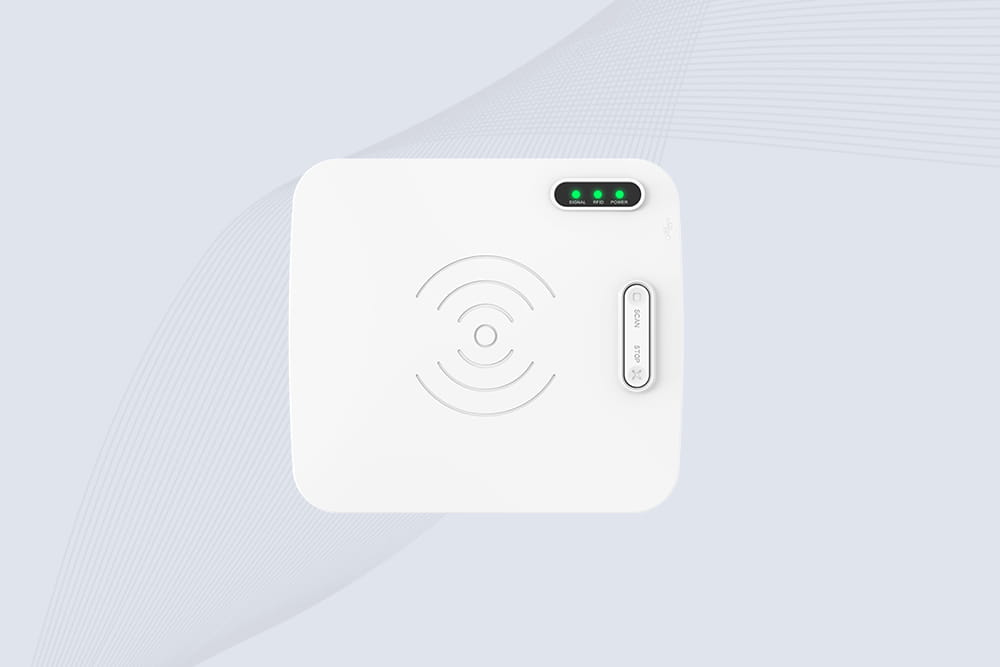
SSD-D3AL is a USB-HID UHF RFID reader with 0–30 cm reading, 0–15 cm writing, over 600 tags/s recognition, USB plug-and-play operation and OEM Logo customization.
SSD-D1AL is a compact USB UHF RFID reader with Impinj E710/X3M1 chipset, USB-HID, 600+ tags/s recognition, 4/8/16 antenna support and plug-and-play USB power.
SSD-R16L Multi-Channel RFID Infrastructure for Automated Inventory Management ✔️ 16-Port High-Density RFID Reading Equipped with 16 SMA antenna ports, SSD-R16L supports multi-antenna deployment for warehouses, retail stores, logistics, production lines, and large-area RFID identification. ✔️ High-Speed & Long-Range Performance With up to 33…
SSD-R8L 8-port UHF RFID reader with 33dBm output, up to 20m reading range and 600+ tags/s recognition. Ideal for warehouse, logistics, retail and asset tracking.
CYKEO CYKEO-D1LA USB RFID Reader is a compact desktop solution with near-field control for precise tag reading and encoding. Powered by USB, supporting ISO 18000-6C, and built for stable batch writing, this usb rfid tag reader fits retail, libraries, offices, and controlled RFID encoding tasks.
CYKEO CYKEO-D1L RFID scanner USB is a compact desktop UHF RFID scanner designed for short-range tag writing and verification. This usb rfid scanner supports batch encoding, stable 0–26 dBm output, and works across Windows, Linux, and Android systems.
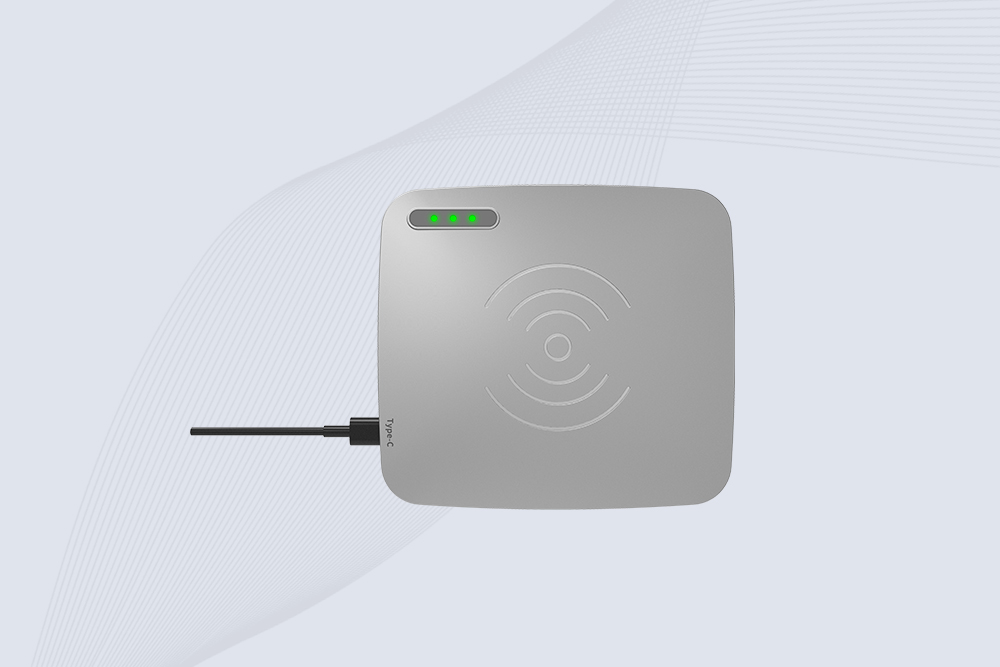
CYKEO CYKEO-D1C USB RFID Card Reader is a near-field UHF desktop writer designed for secure, short-range tag encoding. With USB-C connectivity and stable 26 dBm output, this rfid reader usb c is ideal for badge issuance, label encoding, and controlled desktop RFID workflows.
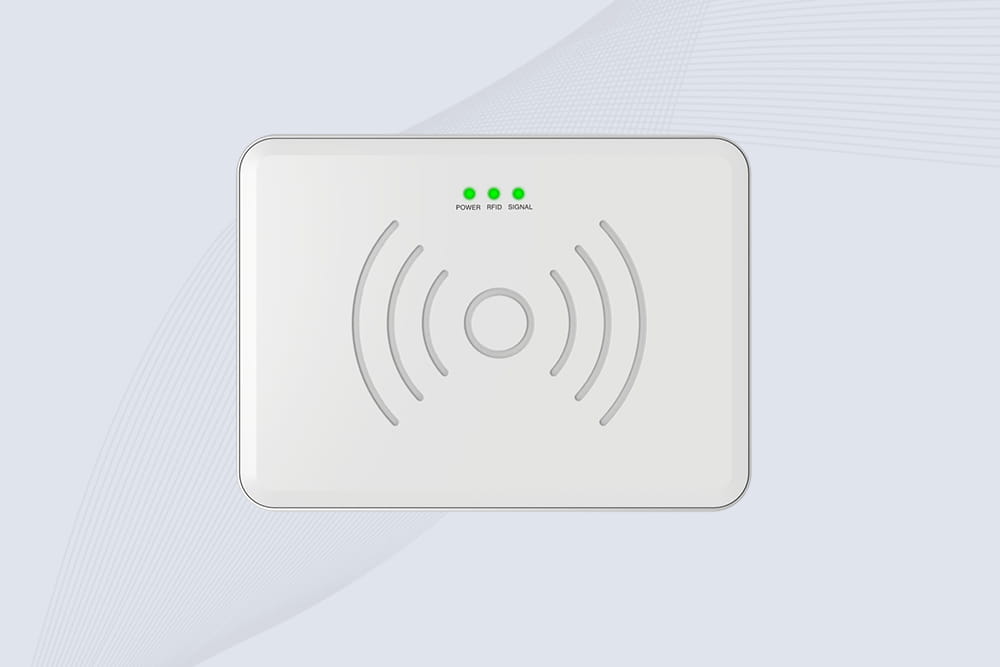
CYKEO CYKEO-D2L RFID Reader USB is a compact desktop encoder built on the Impinj R500 chip. With near-field control and stable USB power, this usb rfid card reader delivers precise tag writing for offices, retail counters, and small-scale logistics encoding tasks.
CYKEO CYKEO-D3L USB RFID Tag Reader delivers stable UHF tag reading and writing for daily desktop and light industrial tasks. Designed for controlled short-range operation, this USB RFID Tag Reader works reliably with rfid tag and reader systems in libraries, tool tracking, and inventory registration.
The CYKEO CYKEO-D4L UHF RFID Tag Reader is a stable Desktop RFID Reader designed for accurate tag registration, borrowing, and return workflows. Built with the Impinj R2000 chip, this UHF RFID Tag Reader delivers controlled short-range reads for libraries, asset tracking, and inventory management environments.
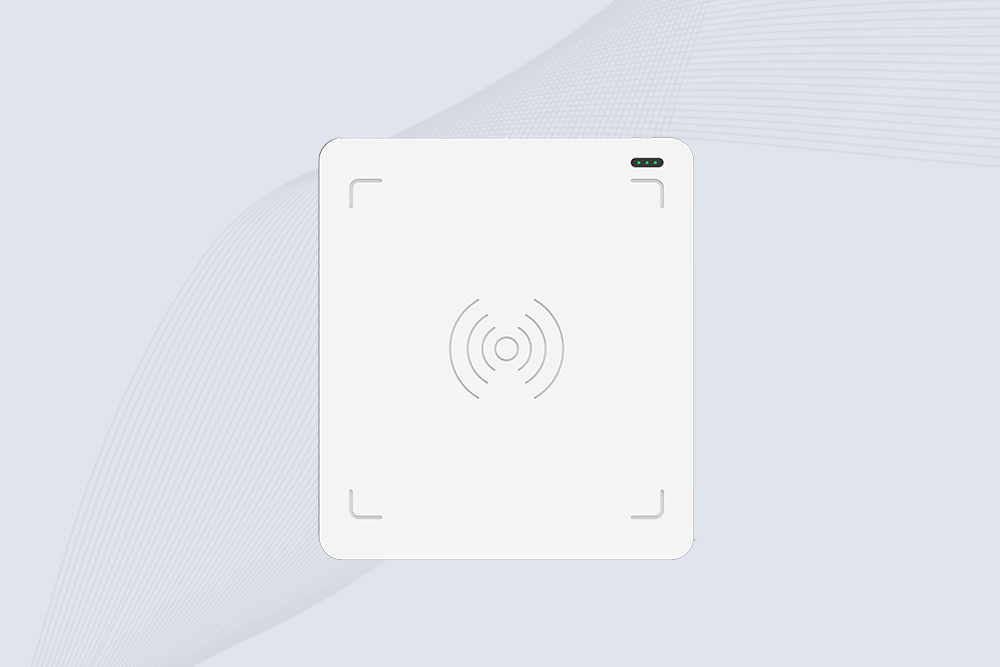
The CYKEO CYKEO-D5L Desktop RFID Card Reader is a stable UHF RFID Card Reader designed for controlled short-range reading and writing. Built for libraries, tool rooms, and asset desks, this UHF RFID Card Reader supports dense tag handling, secure data processing, and easy USB integration.
The CYKEO CYKEO-D6L RFID Reader Writer is a heavy-duty Desktop RFID Reader designed for short-range, high-accuracy tag programming. Built for libraries, labs, and asset desks, this RFID Reader Writer supports batch processing, stable 33dBm output, and seamless integration with existing management systems.
Cykeo CYKEO-D8A embedded RFID badge reader offers 30+ tags/sec scanning, 20cm anti-crosstalk precision, and DC 12V power for unmanned stores, warehouses, and smart inventory systems.
Cykeo’s CYKEO-D8C UHF RFID gate reader achieves 200-tag/batch scanning with adjustable power control, ideal for retail inventory and smart warehouse management.
CYKEO Passive RFID Tags are made for wet and high-humidity environments where standard labels do not last. This rfid passive tag is often used around liquids, chemicals and temperature changes, providing stable reading distance and long data life for industrial tracking.
CYKEO CYKEO-PCB1504 Metal RFID Tags is a compact anti-metal UHF RFID solution built for direct mounting on metal surfaces. With stable 8-meter read range, Ucode-8 chip, and long data retention, this rfid metal tag fits tools, containers, automotive parts, and industrial asset tracking.
CYKEO CYKEO-PCB7020 On-Metal RFID Tags are designed for reliable tracking on steel and metal surfaces. Built with an FR4 epoxy body and industrial-grade chips, these On-Metal RFID Tags deliver stable performance, long data life, and chemical resistance, making them a dependable RFID anti-metal tag for harsh environments.
The CYKEO CYKEO-60-25 Anti-Metal RFID Tag is built for metal surfaces where standard tags fail. Designed for long-range performance, harsh environments, and stable data retention, this Anti-Metal RFID Tag is ideal for industrial assets, containers, and equipment tracking using on metal RFID tags.
The CYKEO RFID Laundry Tag is designed for long-term textile identification in harsh laundry environments. Built to withstand high heat, chemicals, and repeated washing, this RFID Laundry Tag delivers stable performance for hotels, hospitals, and industrial laundry operations using laundry rfid tags at scale.
The CYKEO CYKEO-125-7 RFID Book Tag is designed for reliable book and document tracking in libraries and archives. This RFID Book Tag delivers long read range, dense placement support, and stable performance on shelves, making it a practical rfid tag on books for library automation, file management, and archival systems.
CYKEO RFID tags in hospitals are designed for sterile environments where accuracy matters. These autoclavable RFID tags support long-term tracking of surgical tools, implants, and medications, helping hospitals improve visibility, compliance, and patient safety.
CYKEO RFID Cable Tie Tag is built for reliable identification on metal surfaces. This UHF RFID Cable Tie Tag is widely used in rfid tags for inventory systems, industrial asset management and Hospital RFID Tags, offering stable read performance, long service life and global EPC Gen2 compatibility.
CYKEO RFID Asset Tag is designed for stable identification of metal assets in industrial environments. This UHF RFID Asset Tag is commonly used for rfid tag asset tracking on equipment, tools and containers, providing reliable reads, long service life and ISO/IEC 18000-6C support.
CYKEO UHF RFID Card is designed for fast identification and long-term use in industrial and commercial systems. Supporting ISO 18000-6C, this UHF RFID Card works at 860–960 MHz and is suitable for custom RFID cards used in asset tracking, access control and inventory management.
CYKEO HF RFID Cards are designed for secure and stable access control systems. These 13.56 MHz RFID key cards support ISO 14443-A, reliable rewriting and long service life, making HF RFID Cards suitable for offices, campuses, events and membership management.
CYKEO UHF RFID Tag is designed for reliable tracking of metal jewelry and high-value items. This Jewelry RFID Tag supports long-range reading up to 8 meters, anti-counterfeit protection and stable performance on metal, making it suitable for retail, inventory control and asset management.
Cykeo CYKEO-C1 industrial Forklift RFID Reader features 20m read range, 600 tags/sec scanning, Impinj R2000 chipset, and IP67 rugged design. Ideal for warehouse logistics and manufacturing. Supports ISO 18000-6C/6B protocols.
Cykeo CYKEO-R4 industrial UHF RFID Fixed Reader features 4 TNC ports, 400+ tags/sec speed, IP67 housing, and global frequency compliance for vehicle inspection, smart warehouse, and asset management systems.
CYKEO CYKEO-R8L Fixed RFID Reader with 8-port UHF design, Impinj-based RF core and up to 20m read range. An industrial Fixed RFID Reader for vehicle inspection, warehouse portals, smart manufacturing lines and secure access checkpoints.
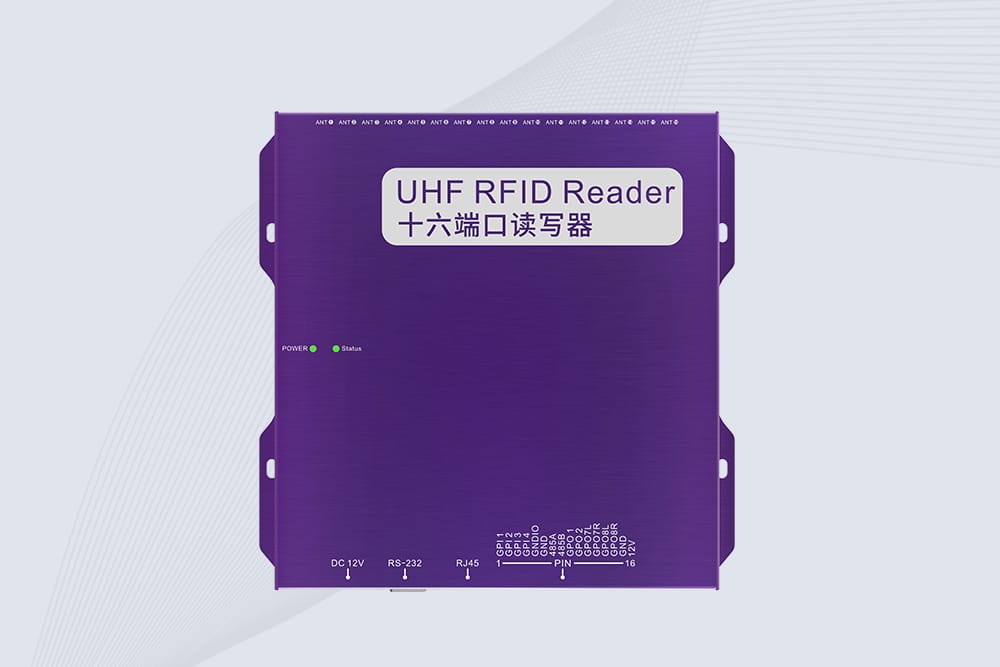
RFID Fixed Reader from CYKEO – the CYKEO-R16L 16-port UHF fixed reader for warehouses, smart cabinets, and production lines. Long-range, multi-tag reading, stable performance for 24/7 industrial use.
In the digital age, data has become a crucial asset for businesses and individuals alike. Whether it’s personal photos, work documents, or corporate secrets, the security and reliability of hard drives as storage media are more important than ever...
Learn step-by-step installation of fixed RFID readers for warehouse inventory tracking. Optimize placement, avoid interference, and ensure seamless integration with WMS.
A field-based look at UHF RFID reader performance in real warehouse environments. Covers installation surprises, signal behavior, integration issues, and what wholesale buyers often realize only after deployment begins.
New to RFID? Our practical guide on how to use an RFID reader covers setup, scanning, configuration, and integrating tag data into your workflows with CYKEO systems.
 Cykeo RFID IoT Solution Products R&D Manufacturer