When planning an RFID installation, choosing a fixed-mount reader is not just about reading distance or processing speed. The number of antenna ports also affects how the entire system is designed.
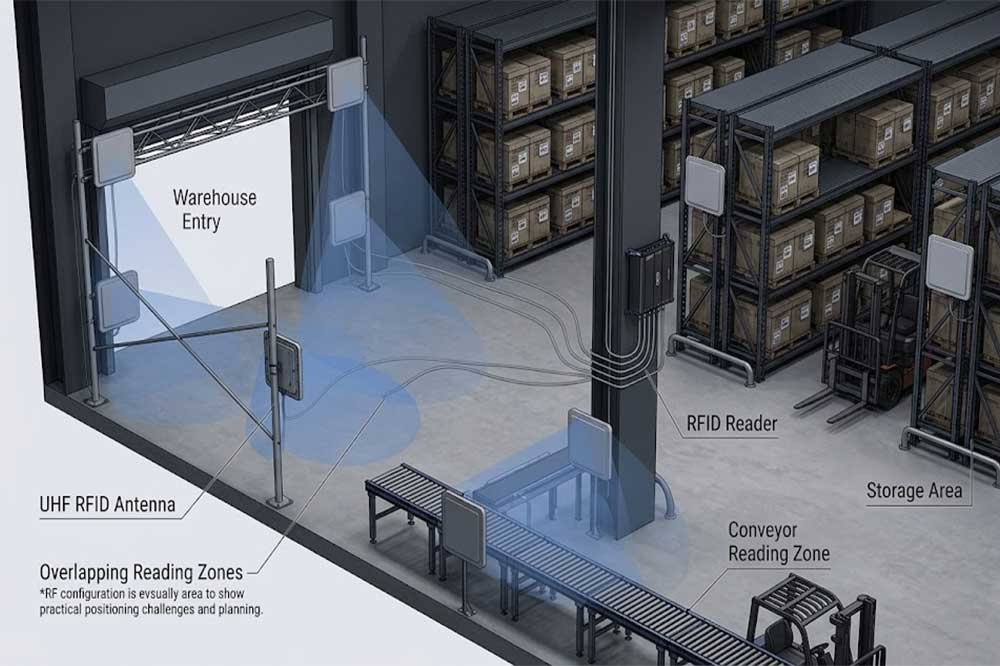
A small workstation may only need a few antennas to identify tagged items. A warehouse entrance, on the other hand, may require antennas on both sides of a passage, above the loading area, and near the conveyor. In a larger facility, several reading zones may need to operate under one reader.
This is where multi-port fixed-mount readers become useful.
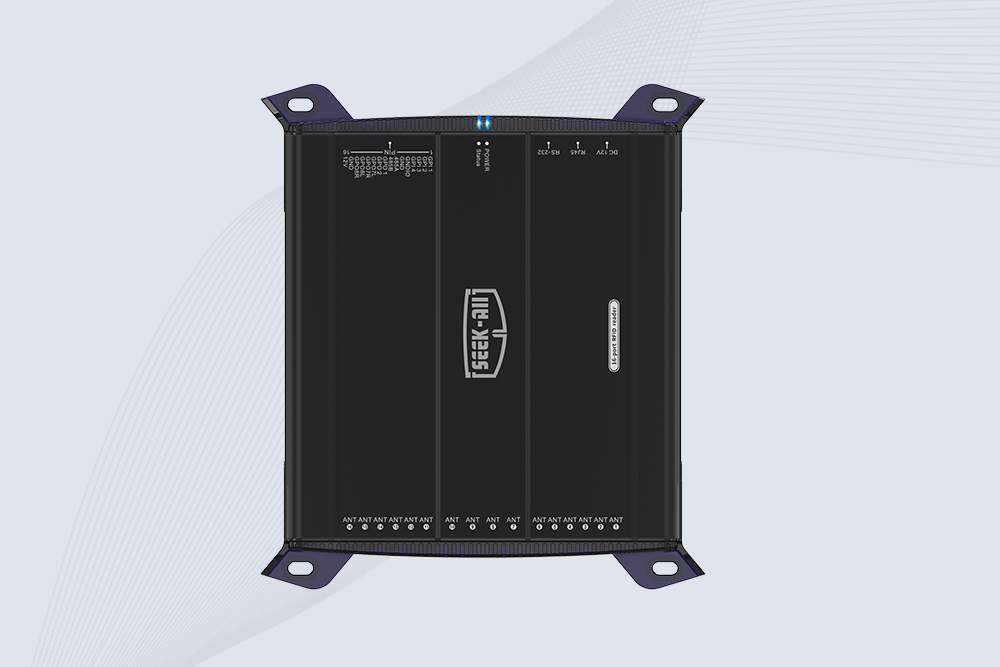
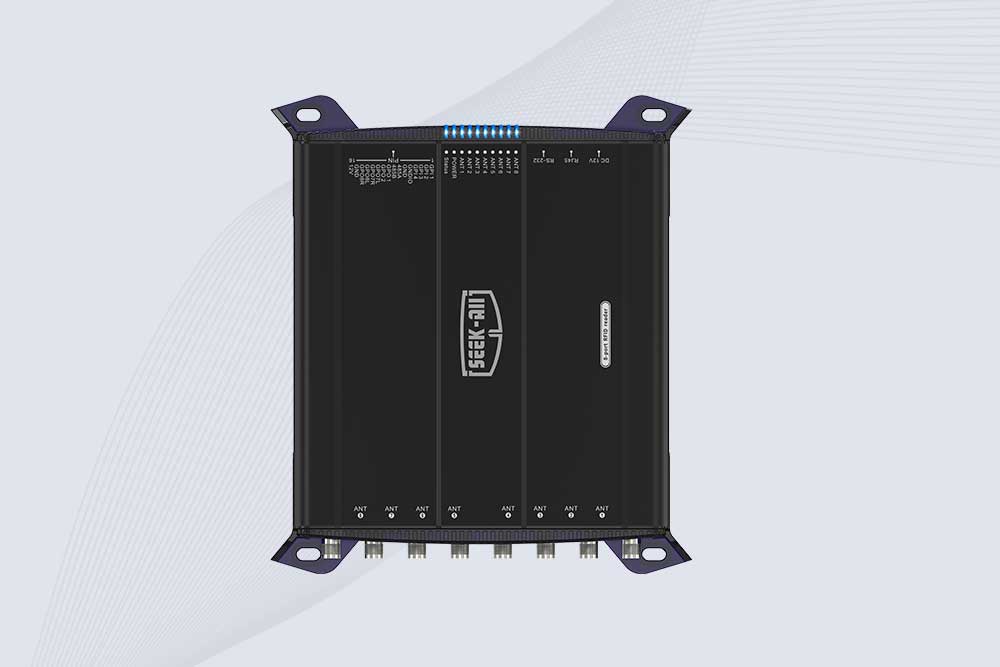
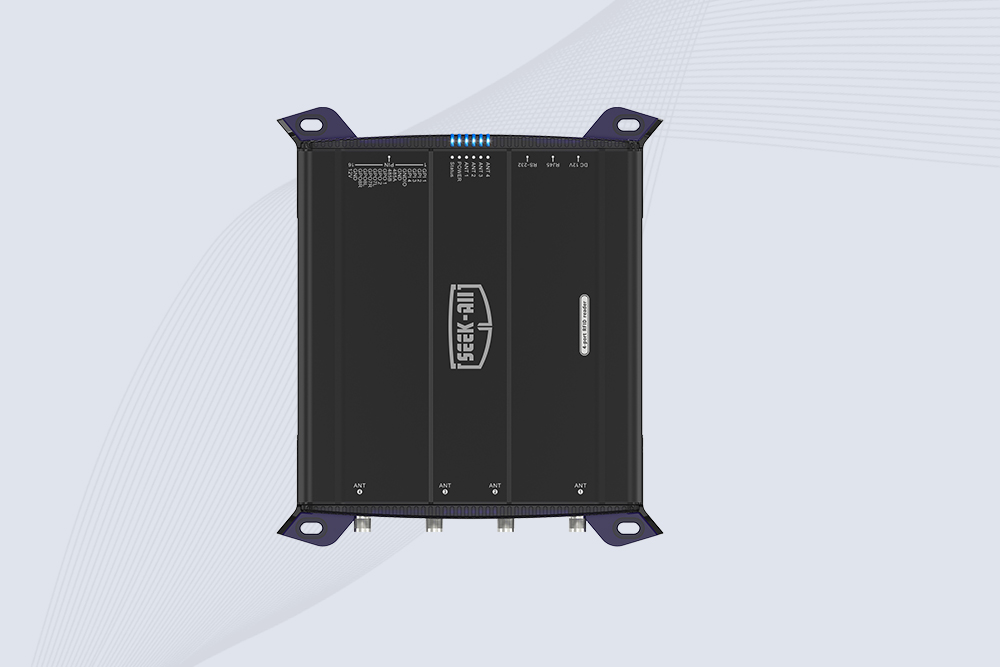
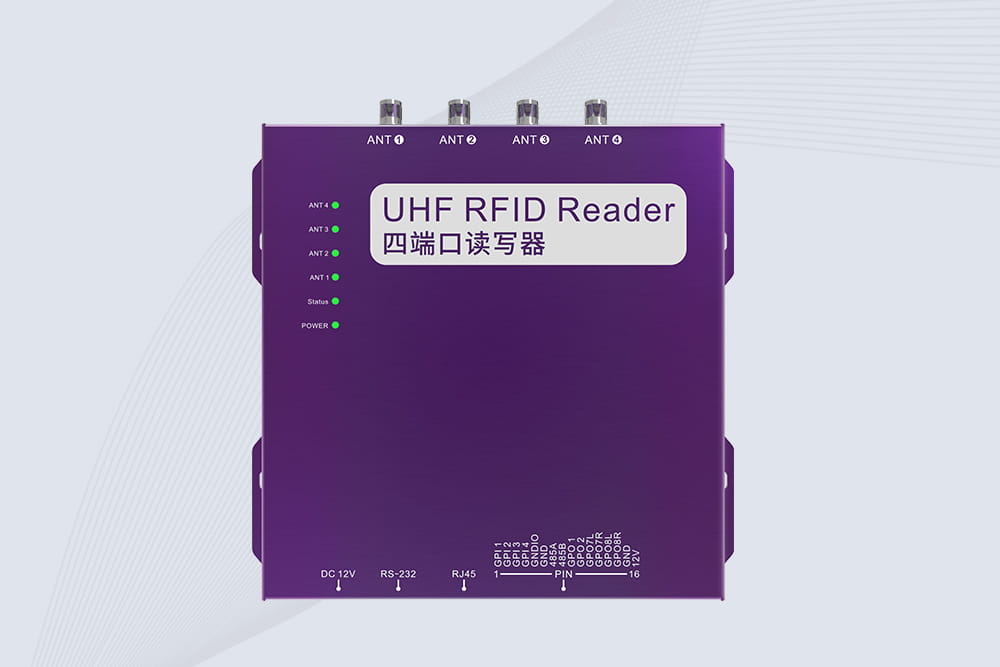
Four-port, eight-port, and sixteen-port readers are common options for industrial UHF RFID projects. Each configuration supports a different level of antenna deployment. However, more ports do not automatically mean better reading performance. The right choice depends on the number of reading zones, installation layout, tag movement, and future expansion plans.
Explore CYKEO’s range of industrial fixed RFID readers, including 4-port, 8-port, and 16-port models designed for different antenna configurations and RFID integration projects.
What Does the Number of Ports Mean in a Fixed-Mount Reader?
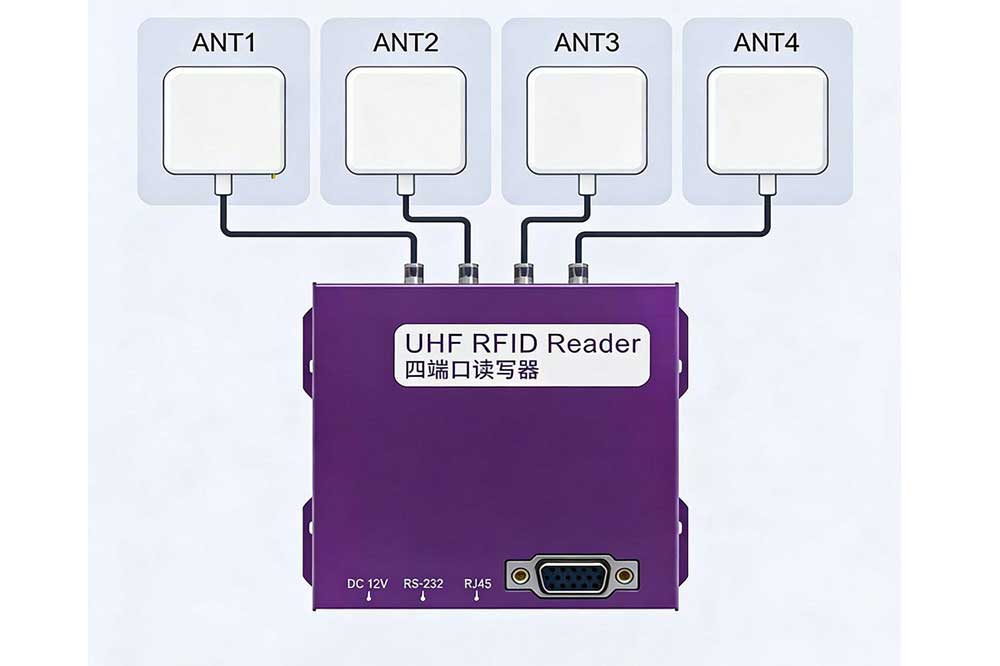
An antenna port is a physical connection on an RFID reader used to connect an external RFID antenna.
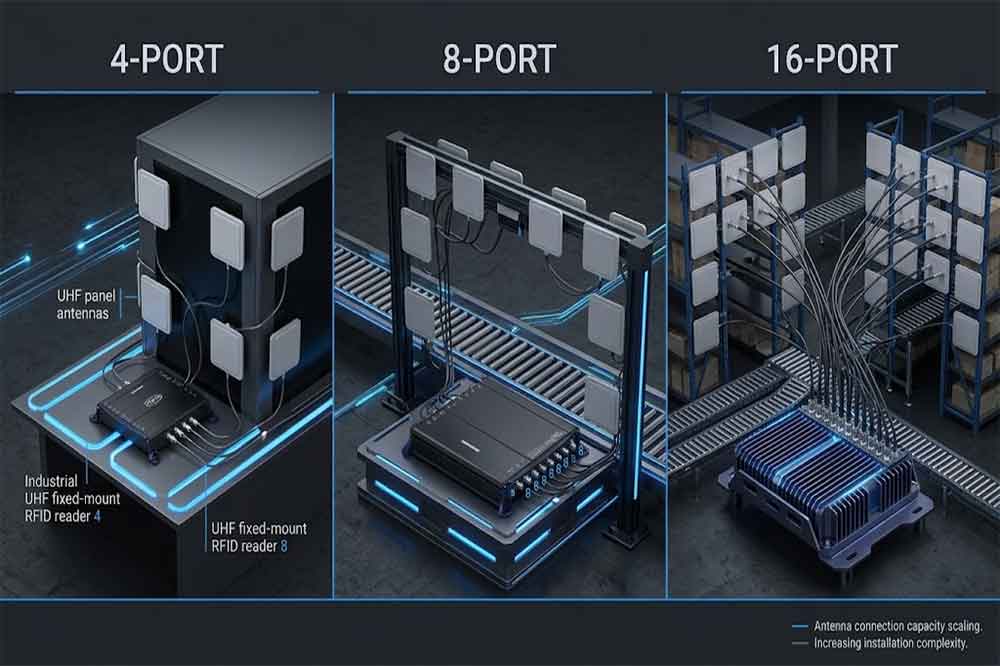
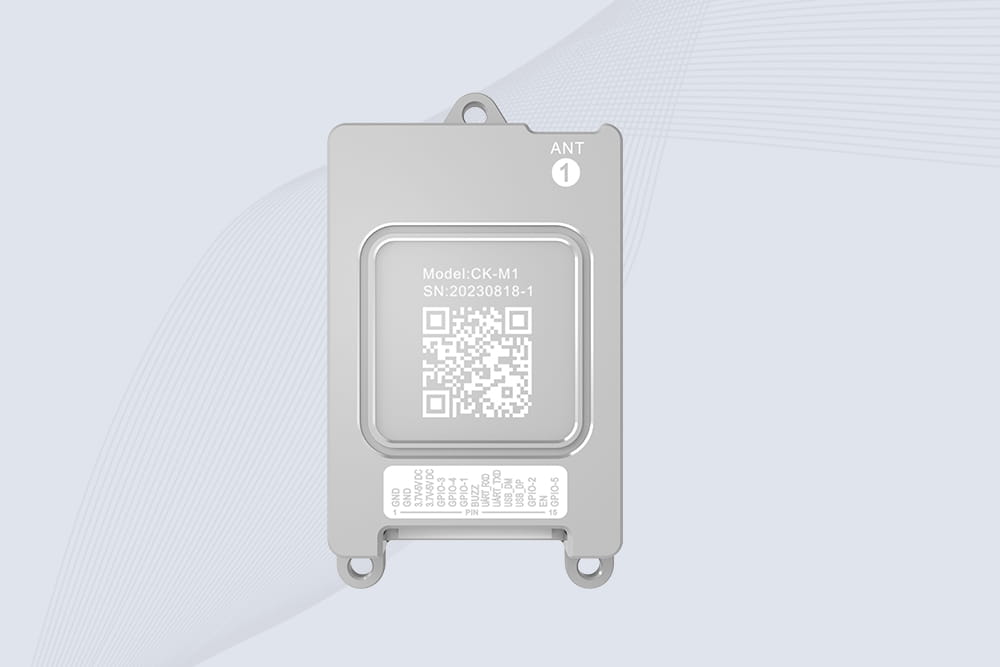
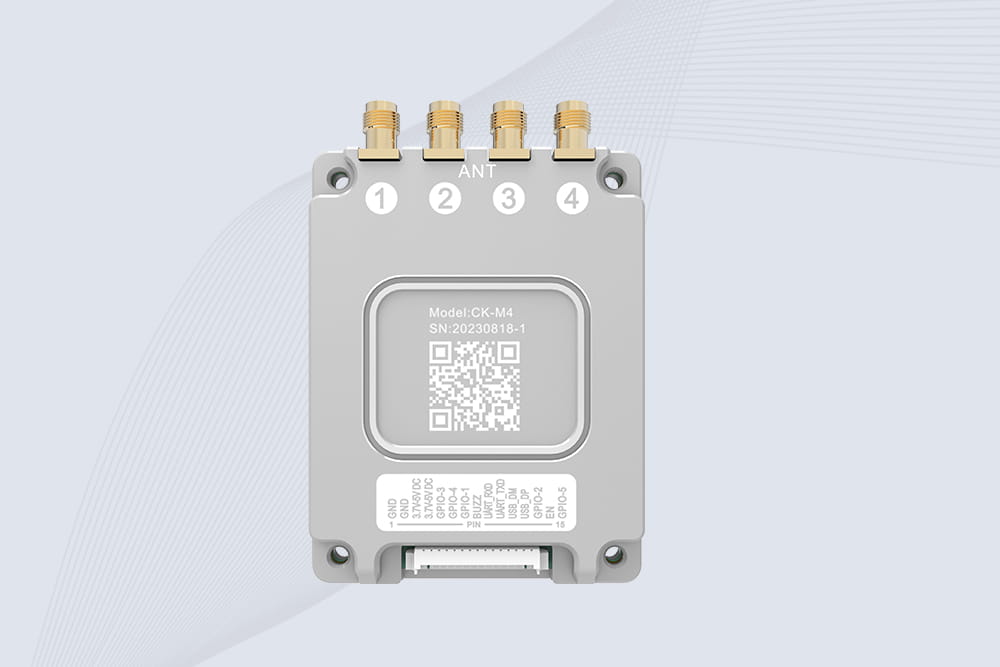
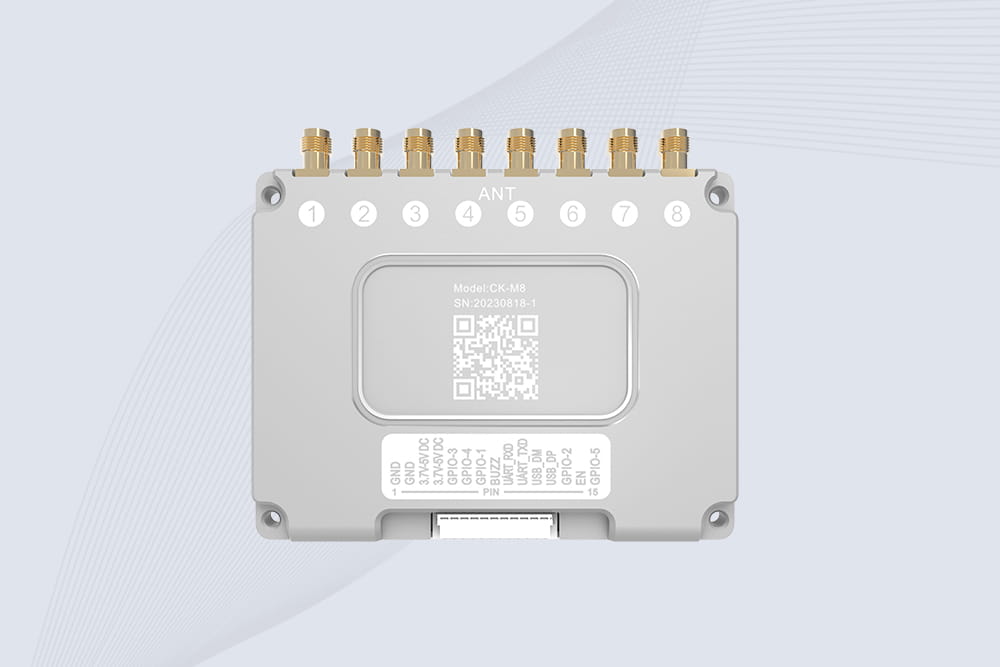
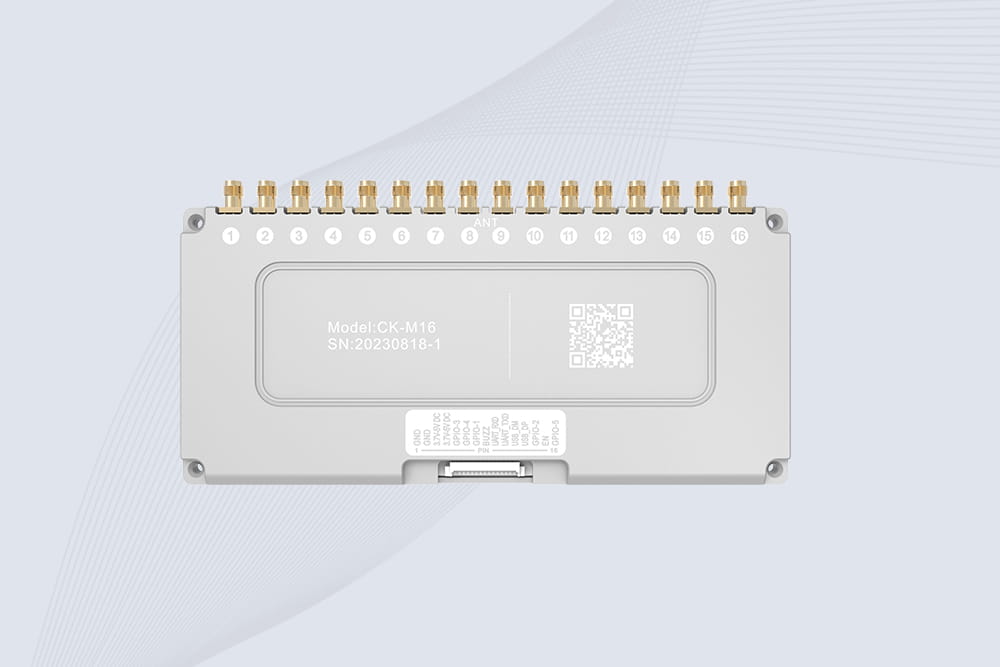
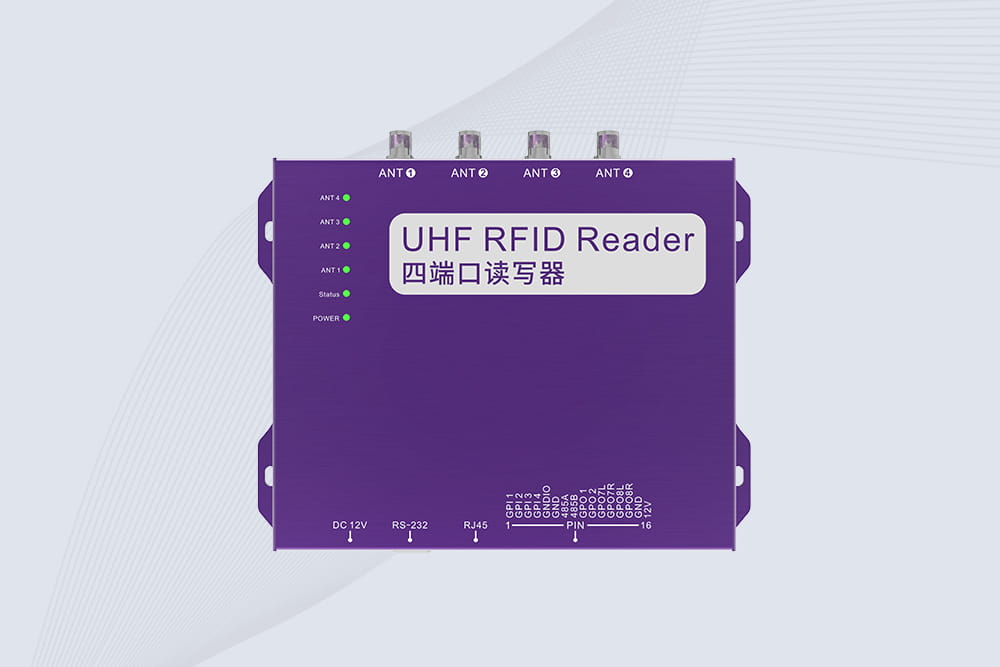
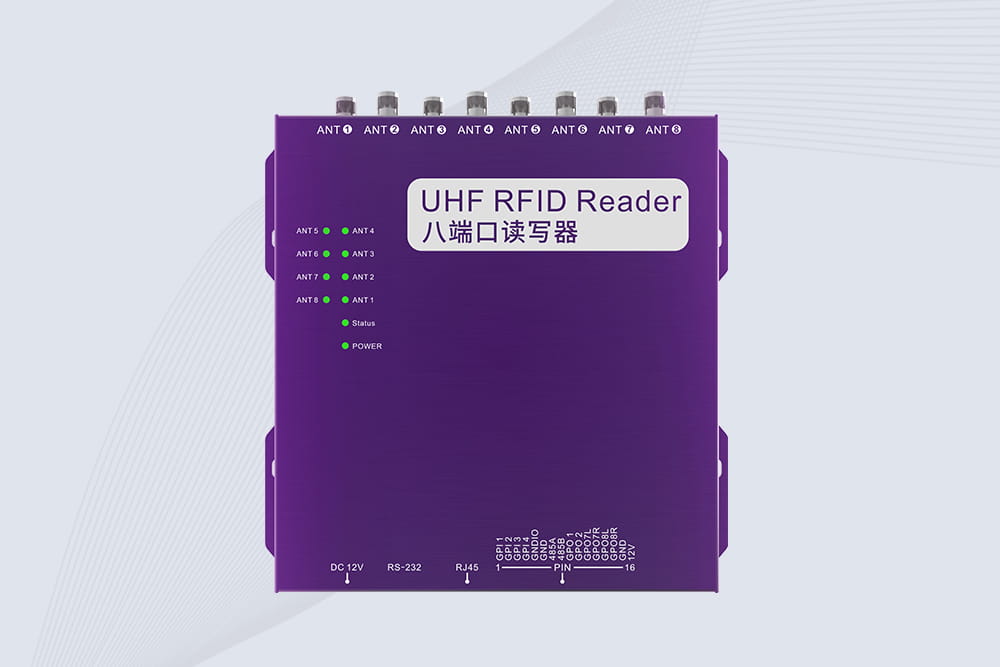
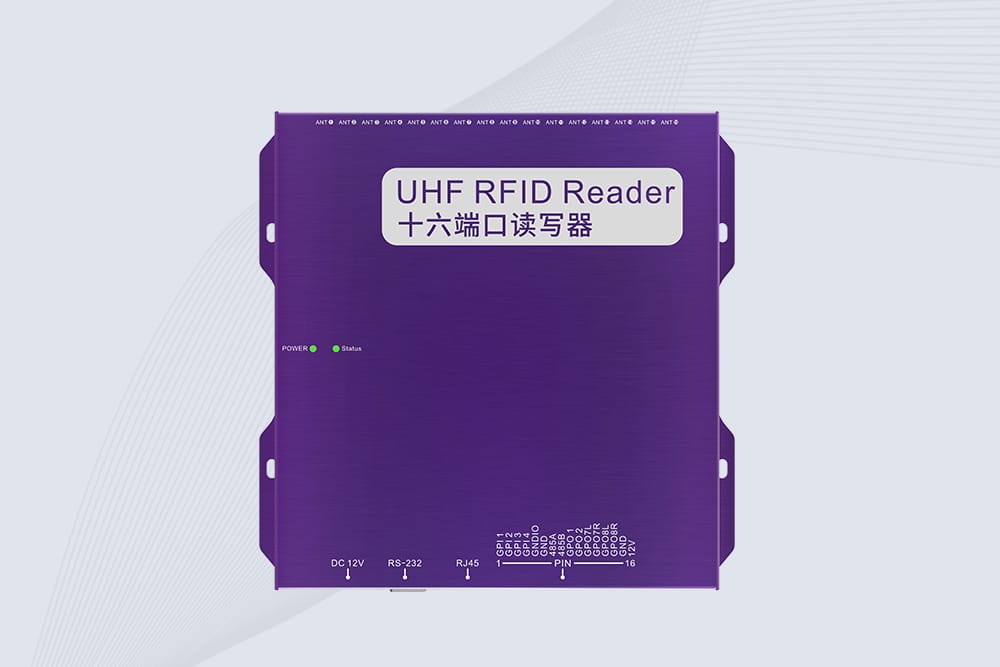
A 4-port reader can connect up to four antennas directly. An 8-port model supports up to eight, while a 16-port model can support up to sixteen compatible antennas, subject to the device specifications.
These antennas can be installed at different positions to cover specific reading areas.
For example, a warehouse entrance may use antennas on both sides of a passage to detect tagged pallets as forklifts move through. A production line may use separate antennas at different workstations to identify materials during manufacturing.
The reader controls communication with the connected antennas according to its supported antenna switching and configuration functions.
It is important to distinguish between antenna ports and independent reading channels. A reader with sixteen antenna connectors does not necessarily read sixteen zones simultaneously. Antennas may be activated sequentially, and the actual operating method depends on the reader’s RF architecture and firmware.
Therefore, buyers should check not only the port count but also antenna switching speed, supported operating modes, and multi-tag processing capability.
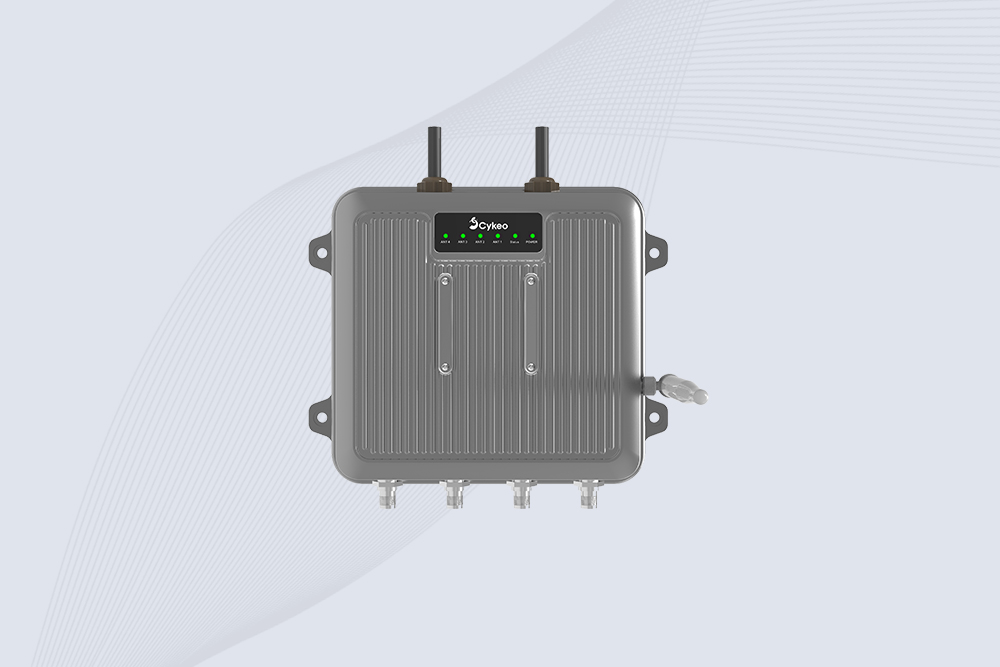
4-Port Fixed-Mount Readers: For Compact RFID Installations
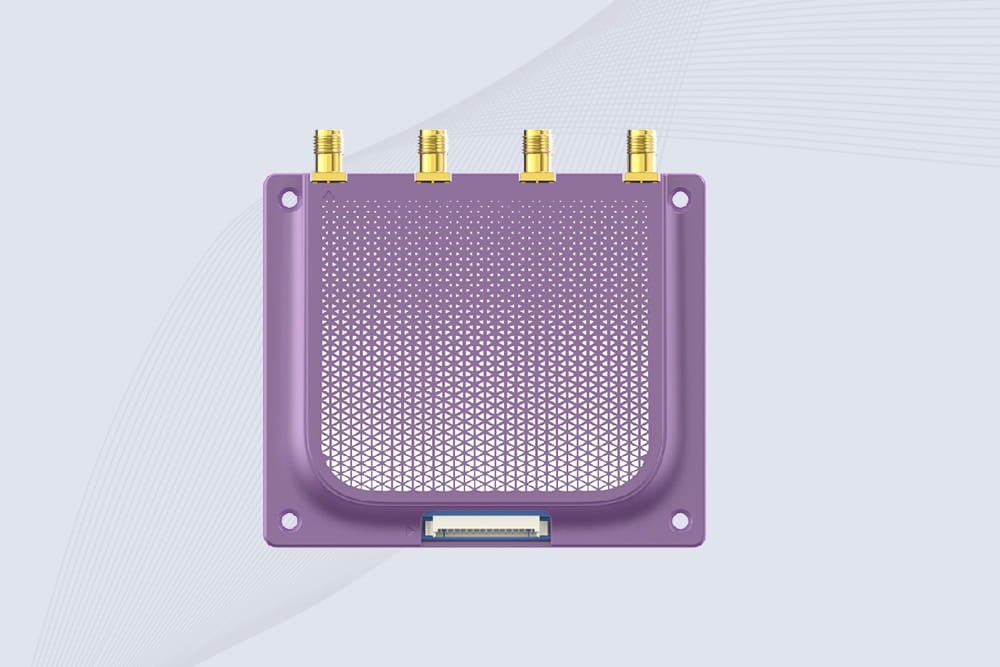
A 4-port fixed-mount reader is often a practical starting point for projects with a limited number of reading positions.
With four antenna connections, system integrators can create a relatively compact reading setup without installing several separate readers.
Typical applications include:
Small warehouse entry and exit points
Smart cabinets and tool management systems
Production workstation identification
Retail inventory monitoring
Small RFID access control installations
Consider a smart tool cabinet. Antennas can be positioned in different sections to identify tagged tools as they are stored or removed. Four antenna connections may be sufficient, depending on the cabinet’s internal structure and the required reading accuracy.
The main advantage is a relatively simple installation. There are fewer antenna cables, fewer positions to configure, and less equipment to manage.
However, four ports can become restrictive when the project expands. If additional shelves, doors, conveyor sections, or reading positions are introduced, the original reader may no longer provide enough direct antenna connections.
A 4-port configuration is generally suitable when the application has a clearly defined reading area and limited expansion requirements.
8-Port Fixed-Mount Readers: A Flexible Option for Multi-Zone Systems
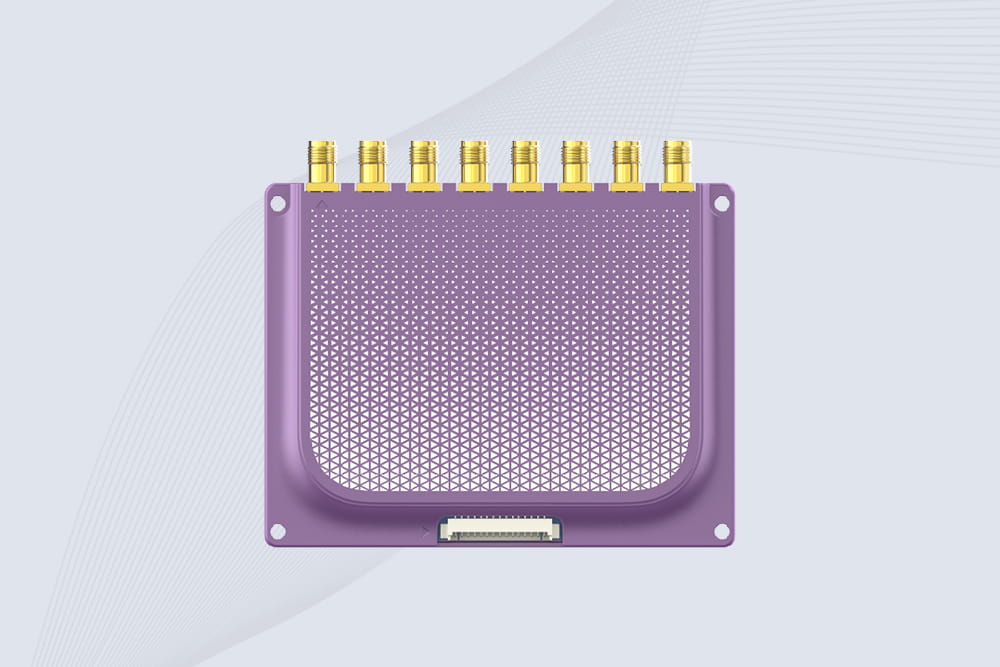
An 8-port fixed-mount reader provides more antenna connections without moving into a high-density installation architecture.
For many warehouse and industrial projects, eight ports offer a useful balance between deployment flexibility and equipment requirements.
Common applications include:
Warehouse shelf and pallet tracking
RFID gate and channel systems
Multiple conveyor identification points
Manufacturing material tracking
Logistics loading and unloading areas
Multi-position asset management
For example, a warehouse portal may require antennas at different heights and angles to detect tags on pallets. Some antennas can be positioned near the floor, while others cover the upper sections of the passage.
An eight-port reader provides more flexibility when designing this type of arrangement.
The CYKEO-R8L is an example of an 8-port UHF fixed reader designed for industrial RFID applications. Its product specifications include eight antenna ports, adjustable RF output, and support for high-volume tag identification.
For system integrators, the additional connections can also make it easier to organize multiple reading positions within a single installation.
However, antenna placement still requires careful planning. Two antennas positioned too close together may create unwanted overlapping coverage or interference. A larger port count does not eliminate the need for RF testing.
An 8-port model is worth considering when a project requires several reading positions, but a sixteen-port configuration would be more than the current installation needs.
16-Port Fixed-Mount Readers: For Larger RFID Deployments
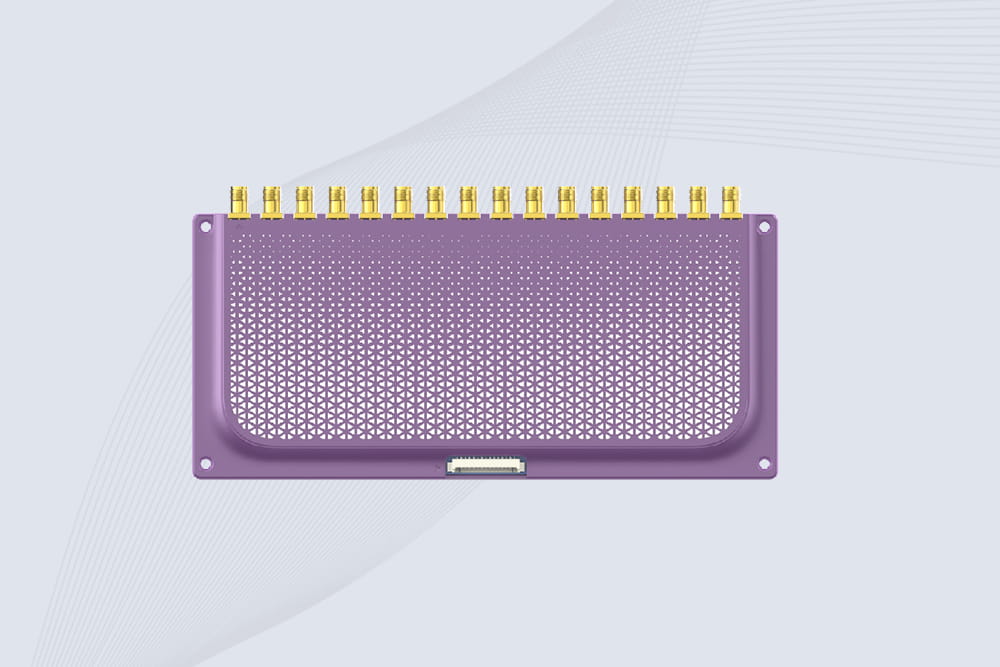
A 16-port fixed-mount reader is designed for applications that require a larger number of antenna connections.
It can simplify hardware planning when multiple reading positions are distributed across a warehouse, production facility, or automated inventory system.
Potential applications include:
Large warehouse inventory infrastructure
Multiple storage rack monitoring
Automated production and material tracking
Large RFID sorting systems
Multi-section smart storage equipment
Complex logistics checkpoints
Imagine a warehouse with several storage sections and multiple identification points. Each section may need antennas positioned to detect tagged goods entering, leaving, or remaining in a designated area.
A sixteen-port reader provides more direct antenna connections for this type of layout.
CYKEO’s SSD-R16L is a 16-port fixed UHF RFID reader featuring sixteen SMA antenna ports. It is listed for warehouse, retail, logistics, and production-line applications.
One potential advantage is a more centralized hardware arrangement. Depending on the installation, fewer reader units may be needed compared with using several lower-port readers.
There are trade-offs, however.
A larger antenna network requires more cabling, more configuration work, and a clearer plan for controlling read zones. If antennas are not properly positioned, the system may collect unwanted reads from nearby areas.
It is also necessary to consider whether a single reader can meet the required throughput and timing for all connected antennas.
A 16-port configuration makes sense when the project genuinely needs a high number of antenna connections, rather than simply because the larger model appears more powerful.
4-Port vs. 8-Port vs. 16-Port: Key Differences
The following comparison provides a starting point for equipment selection.
Comparison
4-Port
8-Port
16-Port
Direct antenna connections
Up to 4
Up to 8
Up to 16
Installation scale
Small
Medium
Medium to large
Typical layout
Compact reading zone
Multiple reading positions
High-density antenna layout
Cabling requirements
Relatively low
Moderate
Higher
Configuration complexity
Lower
Moderate
Higher
Expansion flexibility
Limited
Good
Greater
Typical applications
Cabinets, workstations, small gates
Warehouse portals, conveyors, shelf tracking
Large warehouses, production systems, complex storage
These are general deployment guidelines, not fixed performance ratings. The actual installation capacity depends on the reader’s specifications, antenna design, RF environment, and operating configuration.
For example, a well-designed four-antenna system may provide more reliable identification than a poorly planned sixteen-antenna installation.
How to Choose the Right Number of Antenna Ports
Before selecting a reader, map the actual reading positions in the project.
1. Count the required reading positions
Start with the number of antennas needed to cover the target area. Consider entry points, exit points, shelves, conveyors, and workstations separately.
Do not simply count the number of doors or shelves. One reading position may need multiple antennas to achieve the required coverage.
2. Consider the movement of tagged items
A stationary asset tracking system has different requirements from a conveyor or forklift identification system.
Moving pallets may pass through a reading area at different speeds and orientations. Multiple antennas can help improve tag visibility, but the reader’s switching behavior and processing capability must also match the application.
3. Check the physical installation environment
Metal shelving, machinery, liquids, and nearby RF equipment can affect UHF RFID performance.
The number of antenna ports cannot compensate for an unsuitable antenna or poor placement. Antenna polarization, mounting angle, cable length, and output power should all be evaluated.
4. Leave room for future expansion
A project may start with four reading positions and later expand to another warehouse section.
If expansion is likely, an eight-port or sixteen-port model may reduce the need for immediate hardware replacement. However, buying unused capacity too early can also increase project costs.
5. Evaluate the complete system cost
The reader is only one part of an RFID installation. Antennas, cables, mounting brackets, network equipment, software development, and commissioning all contribute to the total cost.
In some cases, two smaller readers offer better zone control than one larger reader. In other situations, a single multi-port reader provides a simpler installation.
Other Factors That Affect RFID Reading Performance
Port count is only one specification to consider when comparing multi-port fixed-mount readers.
RF output power: Adjustable power helps integrators tune the reading area and reduce unwanted reads outside the target zone.
Tag processing speed: High tag throughput matters in applications where many tagged items pass through a reading area within a short period.
Antenna compatibility: Check connector type, frequency range, antenna gain, polarization, and cable requirements.
Communication interfaces: Ethernet, serial interfaces, GPIO, and other available connections should match the project’s control architecture.
Software integration: SDKs and APIs can help connect RFID hardware with WMS, MES, ERP, and custom software platforms.
Environmental protection: For factory floors, loading docks, or outdoor installations, check the enclosure rating and operating temperature range.
These factors should be evaluated alongside antenna port count, rather than treated as secondary details.
Common Mistakes When Selecting Multi-Port Fixed-Mount Readers
One common mistake is choosing a reader based only on the maximum number of ports. A sixteen-port device may look like a safer long-term investment, but unused antenna connections do not automatically provide additional value.
Another mistake is assuming that every antenna covers a completely separate area. In practice, reading zones can overlap, and nearby antennas may need carefully adjusted power levels and switching settings.
Some buyers also overlook the reader’s antenna switching capabilities. The number of physical ports does not tell the whole story about how quickly the device can scan different positions.
Finally, testing only in an open laboratory environment can produce misleading results. Actual warehouse installations contain metal structures, moving equipment, different tag orientations, and RF reflections.
A pilot installation under real operating conditions is a useful way to verify the design before ordering equipment for an entire facility.
Choosing a Fixed-Mount Reader for Your RFID Project
There is no universal winner between 4-port, 8-port, and 16-port fixed-mount readers.
A four-port reader is often sufficient for compact installations with a small number of antenna positions. An eight-port reader offers greater flexibility for warehouse and industrial multi-zone systems. A sixteen-port reader is more suitable when a project requires a larger antenna network and centralized reader hardware.
For system integrators and OEM buyers, the selection process should begin with the application layout rather than the product model.
CYKEO provides 4-port, 8-port, and 16-port fixed UHF RFID reader options for different industrial identification requirements. With SDK, API, and technical integration support, these devices can be considered for warehouse automation, asset tracking, production management, and custom RFID systems.
Before finalizing a configuration, prepare the antenna layout, target reading distance, tag type, operating environment, and expected tag volume. These details make it easier to select the appropriate reader and avoid unnecessary changes during installation.
Frequently Asked Questions
1. What is the difference between a 4-port and an 8-port RFID reader?
The main difference is the number of direct antenna connections. A four-port reader supports up to four antennas, while an eight-port reader supports up to eight. The additional ports provide more flexibility for multi-zone installations.
2. Is a 16-port fixed RFID reader better than an 8-port model?
Not necessarily. A 16-port model supports more antenna connections, but actual reading performance depends on RF design, antenna placement, switching speed, and tag conditions. Choose according to the project’s requirements.
3. Can one multi-port RFID reader monitor multiple warehouse zones?
Yes. A multi-port reader can connect antennas installed in different areas. However, the supported antenna switching and configuration functions determine how those zones are monitored.
4. Does using more antennas increase RFID reading distance?
Not automatically. Additional antennas can improve coverage from different directions or positions, but they do not necessarily increase the maximum reading distance. Antenna gain, RF power, tag characteristics, and environmental conditions remain important.
5. How do I choose the right multi-port fixed-mount reader for an OEM project?
Start with the antenna layout, tag type, required reading speed, communication interfaces, and installation environment. Then compare the reader’s port count and integration capabilities with the project requirements.
Related Fixed-Mount RFID Reader Guides
Choosing the right reader starts with understanding its working principle and installation requirements. These guides provide additional information for RFID project planning:
Choosing a reader type is only the first step. For industrial projects, factors such as antenna coverage, communication interfaces, environmental conditions, and software integration also matter. Read our guide on [how to choose fixed-mount readers for industrial applications] for a more detailed selection process.
Choosing a reader with enough antenna ports is only part of the installation process. You also need to determine how antennas should be positioned and connected to achieve reliable coverage. Read our guide to fixed-mount reader antenna configuration]for practical antenna layout considerations.
Besides reading performance and antenna configuration, communication compatibility is another important factor when selecting industrial RFID equipment. See our guide to fixed-mount reader connectivity and interfaces for an overview of Ethernet, serial communication, GPIO and software integration.
Power requirements should be evaluated early when selecting a fixed-mount RFID reader for industrial applications. Depending on the installation environment, PoE or an external DC power supply may be more suitable. Read our guide to PoE vs. DC Power for Fixed-Mount Readers to understand the differences and choose an appropriate power configuration.
SSD-D3AL is a USB-HID UHF RFID reader with 0–30 cm reading, 0–15 cm writing, over 600 tags/s recognition, USB plug-and-play operation and OEM Logo customization.
SSD-D1AL is a compact USB UHF RFID reader with Impinj E710/X3M1 chipset, USB-HID, 600+ tags/s recognition, 4/8/16 antenna support and plug-and-play USB power.
SSD-R16L Multi-Channel RFID Infrastructure for Automated Inventory Management ✔️ 16-Port High-Density RFID Reading Equipped with 16 SMA antenna ports, SSD-R16L supports multi-antenna deployment for warehouses, retail stores, logistics, production lines, and large-area RFID identification. ✔️ High-Speed & Long-Range Performance With up to 33…
SSD-R8L 8-port UHF RFID reader with 33dBm output, up to 20m reading range and 600+ tags/s recognition. Ideal for warehouse, logistics, retail and asset tracking.
CYKEO CYKEO-D1LA USB RFID Reader is a compact desktop solution with near-field control for precise tag reading and encoding. Powered by USB, supporting ISO 18000-6C, and built for stable batch writing, this usb rfid tag reader fits retail, libraries, offices, and controlled RFID encoding tasks.
CYKEO CYKEO-D1L RFID scanner USB is a compact desktop UHF RFID scanner designed for short-range tag writing and verification. This usb rfid scanner supports batch encoding, stable 0–26 dBm output, and works across Windows, Linux, and Android systems.
CYKEO CYKEO-D1C USB RFID Card Reader is a near-field UHF desktop writer designed for secure, short-range tag encoding. With USB-C connectivity and stable 26 dBm output, this rfid reader usb c is ideal for badge issuance, label encoding, and controlled desktop RFID workflows.
CYKEO CYKEO-D2L RFID Reader USB is a compact desktop encoder built on the Impinj R500 chip. With near-field control and stable USB power, this usb rfid card reader delivers precise tag writing for offices, retail counters, and small-scale logistics encoding tasks.
CYKEO CYKEO-D3L USB RFID Tag Reader delivers stable UHF tag reading and writing for daily desktop and light industrial tasks. Designed for controlled short-range operation, this USB RFID Tag Reader works reliably with rfid tag and reader systems in libraries, tool tracking, and inventory registration.
The CYKEO CYKEO-D4L UHF RFID Tag Reader is a stable Desktop RFID Reader designed for accurate tag registration, borrowing, and return workflows. Built with the Impinj R2000 chip, this UHF RFID Tag Reader delivers controlled short-range reads for libraries, asset tracking, and inventory management environments.
The CYKEO CYKEO-D5L Desktop RFID Card Reader is a stable UHF RFID Card Reader designed for controlled short-range reading and writing. Built for libraries, tool rooms, and asset desks, this UHF RFID Card Reader supports dense tag handling, secure data processing, and easy USB integration.
The CYKEO CYKEO-D6L RFID Reader Writer is a heavy-duty Desktop RFID Reader designed for short-range, high-accuracy tag programming. Built for libraries, labs, and asset desks, this RFID Reader Writer supports batch processing, stable 33dBm output, and seamless integration with existing management systems.
Cykeo CYKEO-D8A embedded RFID badge reader offers 30+ tags/sec scanning, 20cm anti-crosstalk precision, and DC 12V power for unmanned stores, warehouses, and smart inventory systems.
Cykeo’s CYKEO-D8C UHF RFID gate reader achieves 200-tag/batch scanning with adjustable power control, ideal for retail inventory and smart warehouse management.
CYKEO Embedded RFID Modules are designed for compact industrial and IoT devices that require stable UHF performance. These UHF RFID Modules support global protocols, flexible power control, and reliable multi-tag reading for smart cabinets, production lines, and asset tracking systems.
CYKEO Embedded RFID Module is built for compact IoT and industrial devices that need stable UHF performance. This UHF module supports global protocols, low power operation, and reliable multi-tag reading for smart lockers, production lines, and always-on RFID systems.
CYKEO CYKEO-M1 drone rfid module is a compact UHF RFID reader module designed for drones and UAV platforms. It supports long-range aerial scanning, fast multi-tag reading, and stable performance in wind, vibration, and outdoor environments.
CYKEO CYKEO-M4 RC522 RFID Module is an industrial-grade UHF RFID reader with 4 ports, supporting ISO, EPC, and GB protocols. High-speed, accurate reading for IoT, automation, and warehouse applications.
CYKEO CYKEO-M8 Module RFID is an 8-port UHF R2000 RFID Module designed for high-density, multi-tag environments. Stable 33dBm output, ISO & GB protocol support, ideal for warehouses, factories, and automated systems.
CYKEO CYKEO-M16 RFID Module is a 16-port UHF RFID reader module based on the R2000 chipset. Designed for dense tag environments, it supports ISO and GB standards and delivers stable multi-antenna control for industrial automation.
The CYKEO CYKEO-M16L RFID Reader Module is a 16-channel UHF RFID core designed for dense tag environments. With adjustable 33dBm output, multi-protocol support, and stable multi-antenna control, this RFID Tag Reader Module fits industrial automation, warehouse systems, and large-scale IoT deployments.
CYKEO CYKEO-M8L module RFID is a compact industrial UHF module built for dense tag and multi-antenna environments. With 8 RF ports, adjustable 33 dBm output, and ISO & GB protocol support, it is widely used in factories, warehouses, and automated tracking systems.
CYKEOCYKEO-M4L UHF RFID Module is a compact 4-channel RFID tag reader module designed for dense tag environments. Supporting ISO and GB protocols, it delivers stable reads up to 10 meters for industrial and IoT systems.
Cykeo CYKEO-C1 industrial Forklift RFID Reader features 20m read range, 600 tags/sec scanning, Impinj R2000 chipset, and IP67 rugged design. Ideal for warehouse logistics and manufacturing. Supports ISO 18000-6C/6B protocols.
Cykeo CYKEO-R4 industrial UHF RFID Fixed Reader features 4 TNC ports, 400+ tags/sec speed, IP67 housing, and global frequency compliance for vehicle inspection, smart warehouse, and asset management systems.
CYKEO CYKEO-R8L Fixed RFID Reader with 8-port UHF design, Impinj-based RF core and up to 20m read range. An industrial Fixed RFID Reader for vehicle inspection, warehouse portals, smart manufacturing lines and secure access checkpoints.
RFID Fixed Reader from CYKEO – the CYKEO-R16L 16-port UHF fixed reader for warehouses, smart cabinets, and production lines. Long-range, multi-tag reading, stable performance for 24/7 industrial use.
RFID Industry Writer | IoT & Asset Tracking Analyst
James writes about RFID technology, asset tracking, and the practical challenges of digital transformation across warehousing, retail, manufacturing, and logistics.
His work focuses on how RFID is applied in real-world operations—improving inventory visibility, automating workflows, and helping businesses manage assets with greater accuracy and efficiency.
He regularly covers topics including UHF RFID, smart cabinets, RFID portals, tool tracking, warehouse automation, and industrial IoT trends..
RFID tool cabinet can help industrial companies implement and document tool management procedures through tool identification, user permissions, transaction ...
Learn how RFID reader modules are used in medical asset tracking, smart hospital cabinets, surgical instrument management, and healthcare inventory systems.
 Cykeo RFID IoT Solution Products R&D Manufacturer