 Cykeo RFID IoT Solution Products R&D Manufacturer


RFID Basics: What Is an RFID Tag?
258Learn what an RFID tag is, how it works, and the different types used in inventory tracking, logistics, and industrial asset management.
MoreAll RFID Product
Fixed-mount readers are widely used in RFID systems where products, materials, vehicles, or equipment need to be identified automatically. Instead of asking an employee to scan every item, these devices remain installed at a designated location and collect RFID data as tagged objects enter their reading area.
You can find them above warehouse doors, beside conveyor belts, on production lines, inside equipment cabinets, and even on forklifts. Their physical locations vary, but the purpose is similar: identify tagged objects without interrupting the normal workflow.
For companies developing RFID solutions, understanding how fixed-mount readers work involves more than knowing how radio signals communicate with tags. Antenna placement, reading zones, communication interfaces, and software integration all affect the final result.
This article explains their basic structure, working process, common applications, and the practical considerations involved in deploying them.
A fixed-mount reader is an RFID reading device designed to be installed at a specific location rather than carried by an operator. Once connected to its antennas, power supply, and control system, it can identify RFID tags within a configured reading area.
Unlike handheld RFID readers, which require someone to move around and trigger a scan, fixed readers can operate automatically. They are commonly used in applications where tagged items pass through predictable locations.
For example, imagine a distribution center receiving several pallets every hour. With a fixed reader installed at the receiving entrance, the system can identify tagged pallets as forklifts move them through the designated area. Employees do not need to stop and scan each pallet individually.
Most industrial fixed-mount readers used in these applications are UHF RFID devices. They typically work with external antennas, allowing system designers to adjust coverage according to the installation environment.
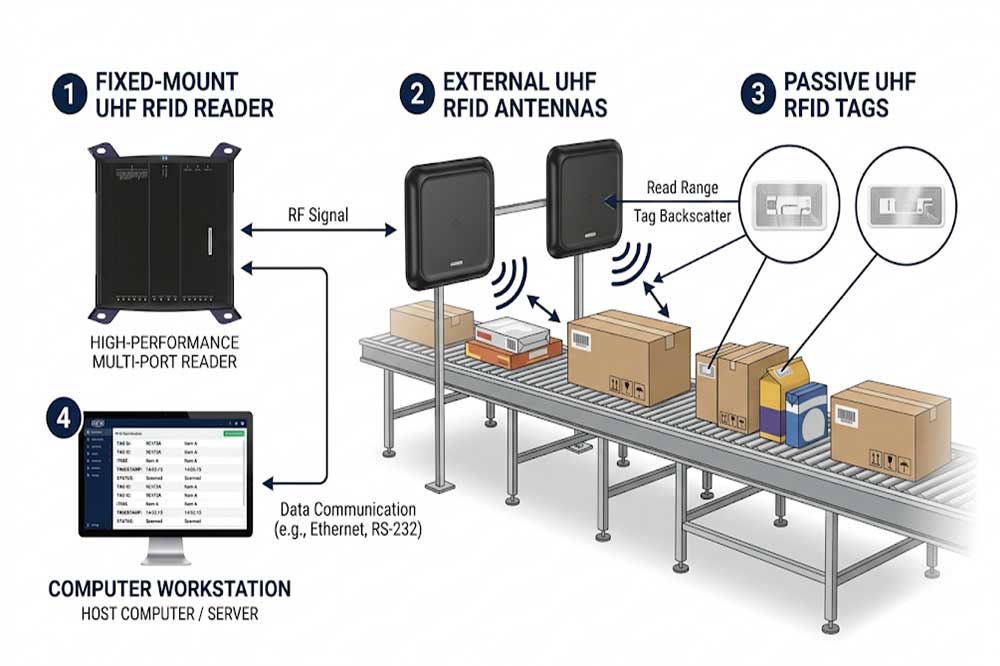
A typical fixed-mount RFID installation includes four main components:
1. RFID Reader
The reader generates radio frequency signals, controls communication with RFID tags, and processes the information received from them.
2. RFID Antennas
Antennas transmit signals from the reader into the reading area and receive responses from tags. Depending on the reader model, one device may support multiple external antennas.
3. RFID Tags
Tags are attached to products, pallets, tools, vehicles, or other objects. Each tag contains identification information that can be read by a compatible reader.
4. Software and Control System
The software receives tag data and connects it with business information. This may include inventory records, warehouse locations, production orders, or asset information.
These components work together. A powerful reader alone cannot guarantee good identification results if the antennas are poorly positioned or the tags are unsuitable for the application.
The working process is relatively straightforward, but several operations happen very quickly during an RFID reading cycle.
In a typical passive UHF RFID system, the reader communicates with tags through radio waves. The tags do not need their own batteries because they obtain operating energy from the reader’s transmitted RF field.
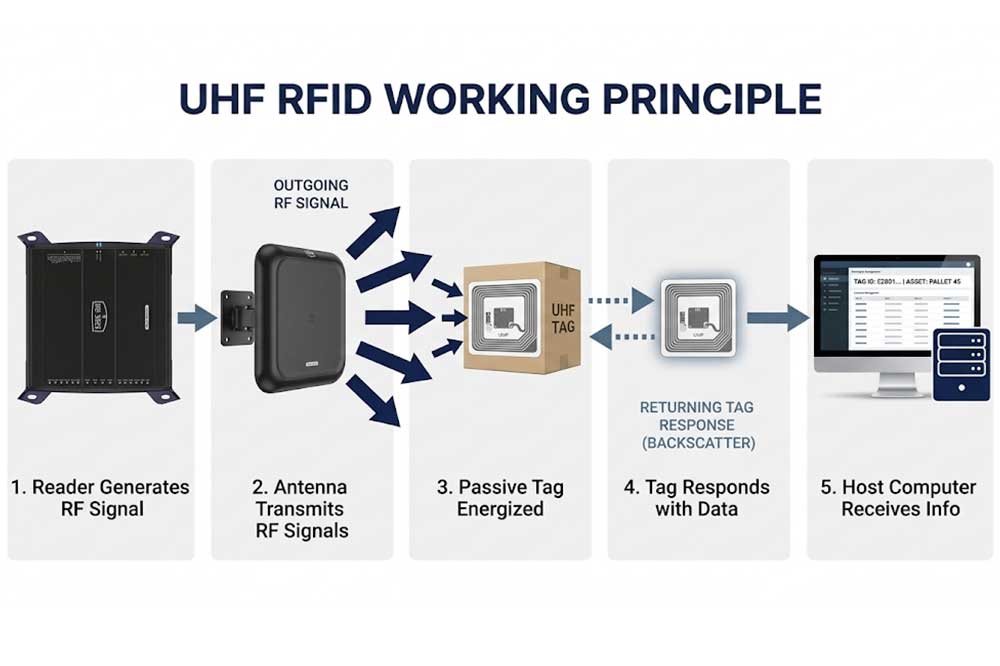
The fixed reader generates an RF signal and sends it through one or more connected antennas.
The antennas create a reading zone around a designated area. This could be a warehouse entrance, conveyor section, production workstation, or vehicle checkpoint.
The coverage area depends on several factors, including transmission power, antenna gain, antenna direction, tag characteristics, and surrounding materials.
When a compatible passive RFID tag enters the antenna’s effective reading field, it receives energy from the RF signal.
Once the tag has sufficient energy, it can respond to the reader’s communication commands.
The reader and tag must use compatible RFID frequency bands and communication protocols. For example, many industrial UHF RFID systems use EPC Class 1 Gen 2 or ISO/IEC 18000-63 standards.
In passive UHF RFID communication, the tag typically responds through a process called backscatter.
Rather than generating an independent radio transmission like an active radio device, the tag changes how it reflects the incoming RF signal. The reader detects these changes and decodes the information.
Depending on the tag and system configuration, the reader may obtain an EPC identifier or other supported memory information.
One important advantage is that multiple tags can be identified within the same reading session. The reader uses anti-collision communication procedures to manage responses from multiple tags.
After receiving tag responses, the reader processes the identification data and sends it to the connected software platform.
Communication methods vary by model and system design. Ethernet, serial communication, and other supported interfaces may be used to connect the reader to a computer, industrial controller, or network.
The software can then compare the received tag information with existing records.
For example, when a pallet enters a warehouse, the system can associate its tag ID with a receiving order and update the inventory status automatically.
Reading a tag is only the beginning of the process.
In an automated RFID project, the software may use the received data to trigger another operation, such as:
The actual action depends on the application software and integration logic, not simply on the RFID reader itself.
Fixed-mount RFID readers are particularly useful when objects move through known locations and identification needs to happen without manual scanning.
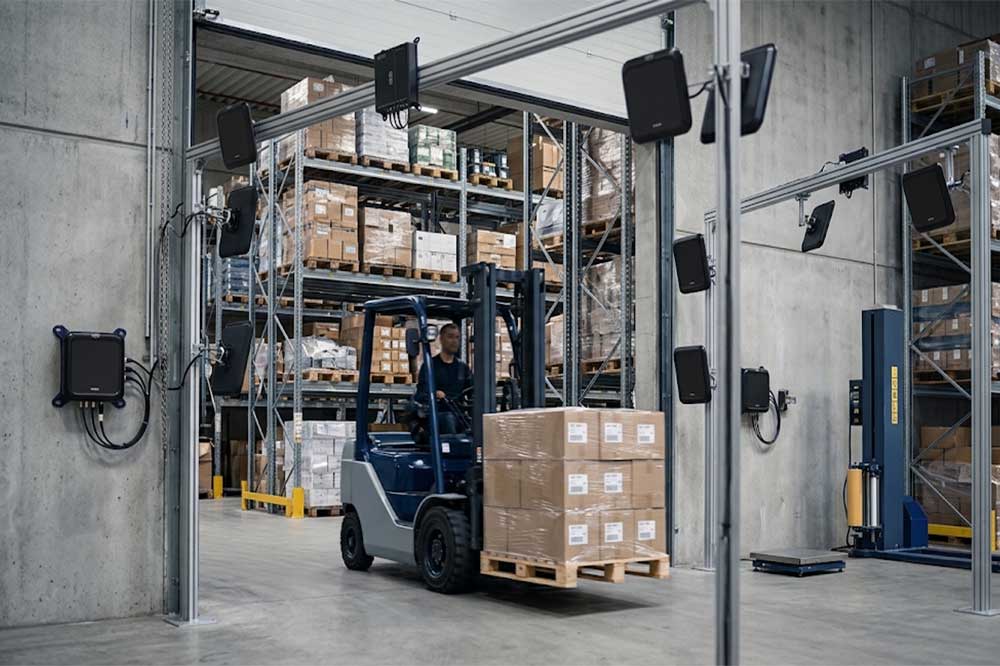
Warehouse operators install fixed readers at receiving doors, shipping areas, and inventory checkpoints.
When tagged pallets or cartons pass through these locations, the system can collect their identification information and record the movement.
This reduces dependence on manual scanning and helps improve inventory visibility.
On manufacturing lines, fixed RFID readers can identify workpieces, production carriers, and material containers as they move between processing stations.
The production system can use these readings to associate each item with its manufacturing stage or work order.
This is particularly useful when factories need to track materials across multiple production processes.
Some RFID systems install readers directly on forklifts or industrial vehicles.
The reader communicates with nearby RFID tags placed on pallets, storage locations, or floor markers. The collected information can support vehicle identification and warehouse movement tracking.
The mounting arrangement and antenna position need to account for vibration, metal structures, and changing tag orientation.
Factories, hospitals, laboratories, and construction sites often need to monitor valuable equipment.
Fixed readers can be installed at storage entrances or designated monitoring points to identify tagged assets automatically.
This makes it easier to record equipment movement and check whether particular items are present in a monitored area.
Multiple antennas connected to a fixed reader can create an RFID reading corridor.
When tagged products, vehicles, or authorized credentials enter this area, the system can identify them and communicate the results to the access control platform.
The system’s final decision still depends on the software rules and access permissions.
Both devices identify RFID tags, but they are designed for different operating conditions.
| Comparison | Fixed-Mount Reader | Handheld RFID Reader |
|---|---|---|
| Installation | Permanently mounted | Portable |
| Operation | Automatic | Operator-controlled |
| Reading area | Configured zone | Wherever the operator moves |
| Antenna | Usually external | Often integrated |
| Main purpose | Continuous tracking | Inventory checks and spot scanning |
| Integration | Industrial systems and automation | Mobile applications and inventory software |
Consider a warehouse with thousands of tagged cartons.
A handheld reader is useful when an employee needs to check a particular shelf or search for a missing item. A fixed reader is more appropriate at a shipping gate where cartons pass continuously throughout the day.
Many RFID projects use both types rather than relying on one device for every operation.
Installing a reader and connecting an antenna does not automatically produce reliable results. The actual reading performance depends on the complete RFID environment.
Antenna position and direction: Antennas should be positioned according to the movement of tagged objects. Poor angles can create missed reads, especially when tags are mounted in different orientations.
Reading power: Higher RF power does not always mean better performance. Excessive power can cause tags outside the intended area to be detected, creating unwanted reads.
Metal and liquid interference: Metal surfaces can reflect RF signals, while liquids can absorb or affect them. Special tag designs and antenna arrangements may be needed in these environments.
Tag placement: A tag mounted too close to metal or hidden behind other materials may not respond consistently.
Multiple reading zones: Large installations may need several antennas connected to one reader or multiple readers distributed across different locations.
For this reason, antenna matching and installation testing should be included in the system design stage rather than left until the equipment has been installed.
For system integrators and solution developers, hardware communication is only one part of the project.
A practical integration process usually starts by defining what information needs to be collected and where the reading points should be installed.
The reader is then connected to suitable antennas, configured for the required frequency and reading parameters, and linked to the host computer or industrial network.
Next, developers use the available SDK, API, or communication protocol to receive tag data and connect it with their application.
For example, a warehouse management platform may receive EPC information from a reader, compare it with a database, and update the corresponding inventory record.
Before full deployment, the system should be tested with actual tagged products, real movement speeds, and the materials found at the installation site. This is where antenna placement, reading power, and data filtering often need adjustment.
For projects involving several reading zones, the software should also distinguish between valid item movements and repeated reads from tags that remain within the antenna field.
The appropriate reader depends on the size and complexity of the RFID installation.
A small identification station may only need one or two antennas. A warehouse portal or production line may require four, eight, or more antenna connections to cover different directions.
Other considerations include supported RFID protocols, output power, reading speed, communication interfaces, operating environment, and software integration requirements.
For OEM projects, developers may also need to consider the reader’s mechanical dimensions, mounting arrangement, antenna compatibility, and communication requirements.
Cykeo provides fixed UHF RFID readers in different configurations, including 4-port, 8-port, and 16-port models, as well as industrial forklift RFID readers. SDKs, APIs, and demo software are available to support integration into customer applications.
You can explore the available models and configurations on the Cykeo Fixed RFID Reader Product Category.
Fixed-mount readers provide an automated way to identify RFID-tagged objects at designated locations. By combining an RFID reader, external antennas, compatible tags, and software, businesses can collect identification data without requiring employees to scan every item manually.
Their value becomes particularly clear in warehouses, manufacturing facilities, logistics centers, and industrial automation projects where goods and equipment move continuously.
However, reliable operation depends on more than the reader’s specifications. Antenna placement, tag selection, RF settings, and software integration all need to work together.
For RFID solution providers and system integrators, understanding these factors is an important first step toward building a stable fixed-reader system.
Fixed-mount RFID readers are used for automatic identification and tracking at designated locations, including warehouse entrances, conveyor systems, production lines, vehicle checkpoints, and asset monitoring stations.
They transmit radio signals through connected antennas. Compatible RFID tags respond to the signals, and the reader receives and processes their identification data.
Yes. Compatible UHF fixed readers use anti-collision protocols to identify multiple tags within the reading area during the same reading session. Actual performance depends on the reader, tags, and environment.
Many industrial fixed readers use external antennas, especially multi-port models. However, the antenna configuration depends on the reader design and application requirements.
Yes. Depending on the model, readers can communicate with computers and software platforms through Ethernet, serial interfaces, SDKs, APIs, or supported protocols. Integration allows RFID data to be used in WMS, ERP, and other applications.
How Different Types of RFID Readers Work
Fixed-mount readers are not suitable for every RFID application. For projects that require mobile scanning, manual inventory checks, or flexible asset identification, compare their capabilities with handheld devices in our guide to fixed-mount readers vs. handheld RFID readers.
different types of fixed-mount readers
fixed-mount readers vs handheld RFID readers
Fixed-Mount UHF RFID Readers Explained: Technology and Applications
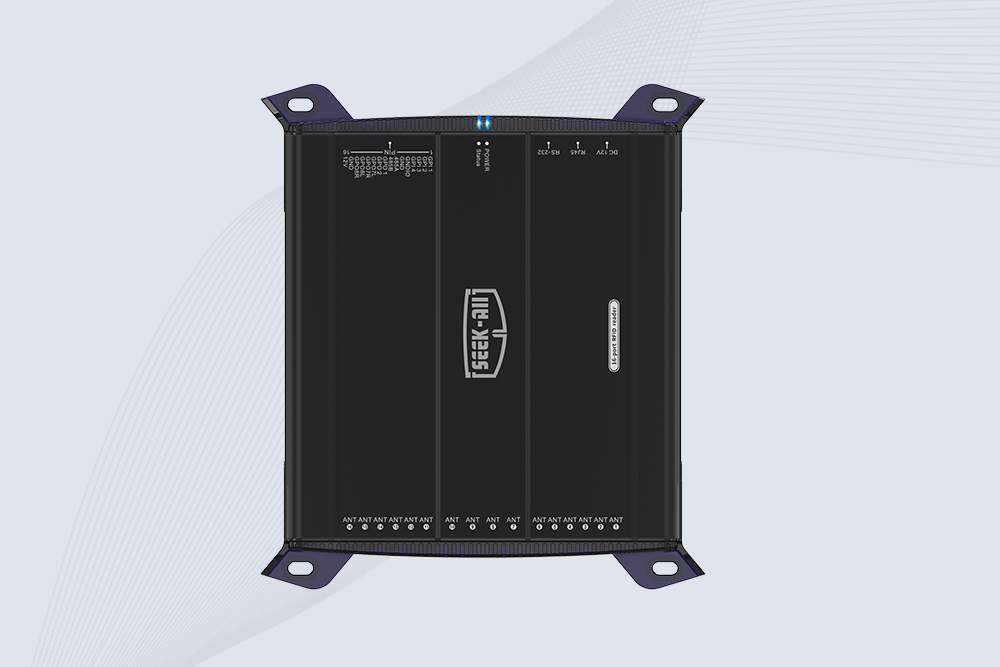
SSD-R16L Multi-Channel RFID Infrastructure for Automated Inventory Management ✔️ 16-Port High-Density RFID Reading Equipped with 16 SMA antenna ports, SSD-R16L supports multi-antenna deployment for warehouses, retail stores, logistics, production lines, and large-area RFID identification. ✔️ High-Speed & Long-Range Performance With up to 33…
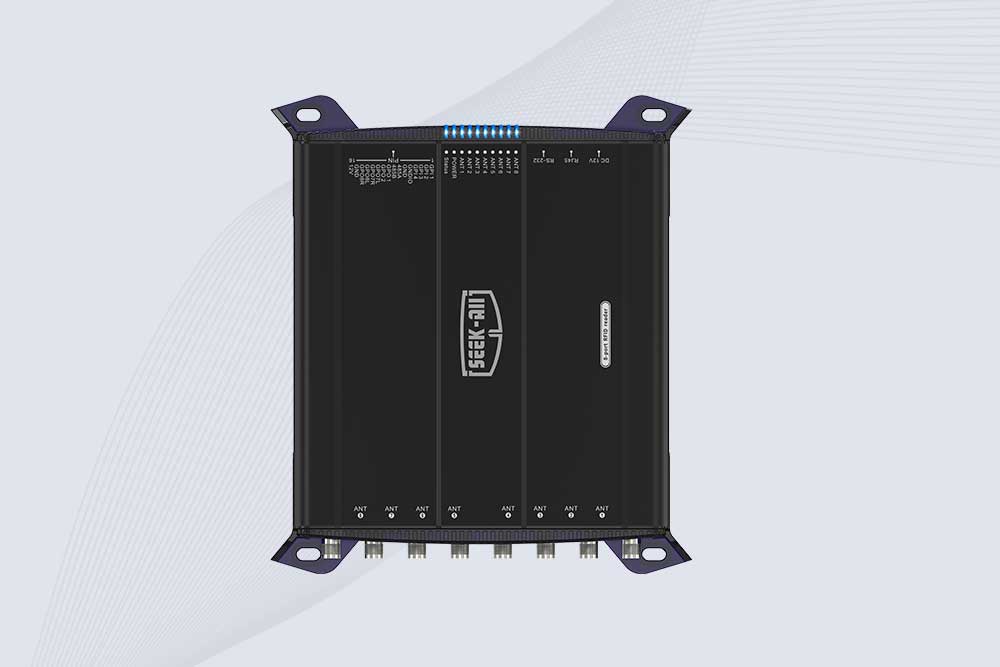
SSD-R8L 8-port UHF RFID reader with 33dBm output, up to 20m reading range and 600+ tags/s recognition. Ideal for warehouse, logistics, retail and asset tracking.
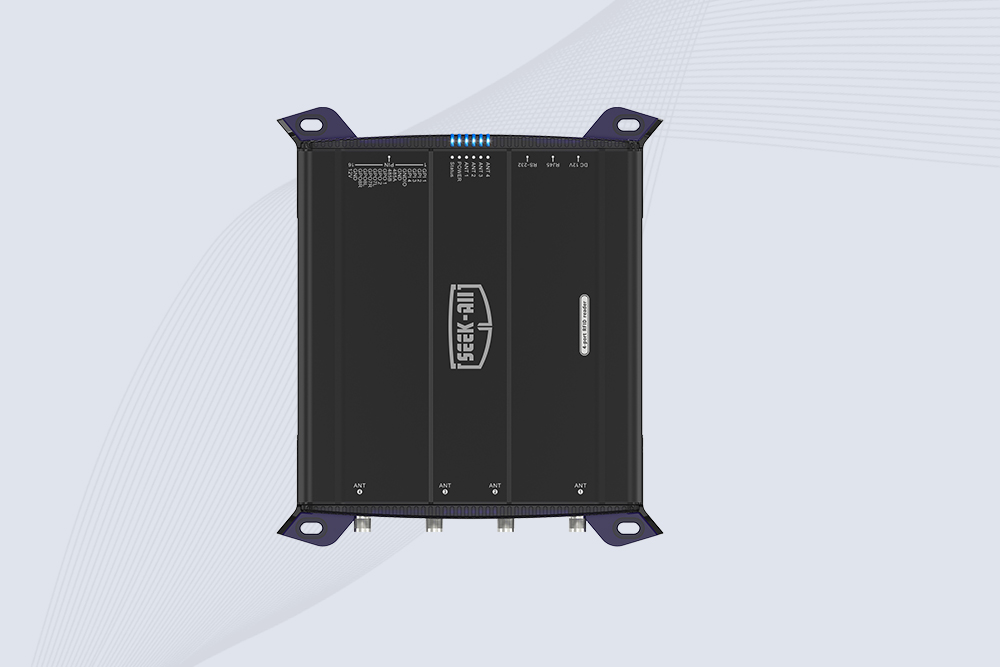
SSD-R4L is a 4-port UHF RFID fixed reader with 33dBm output power, up to 20m reading range, EPC C1G2 support and 600+ tags/s reading speed.
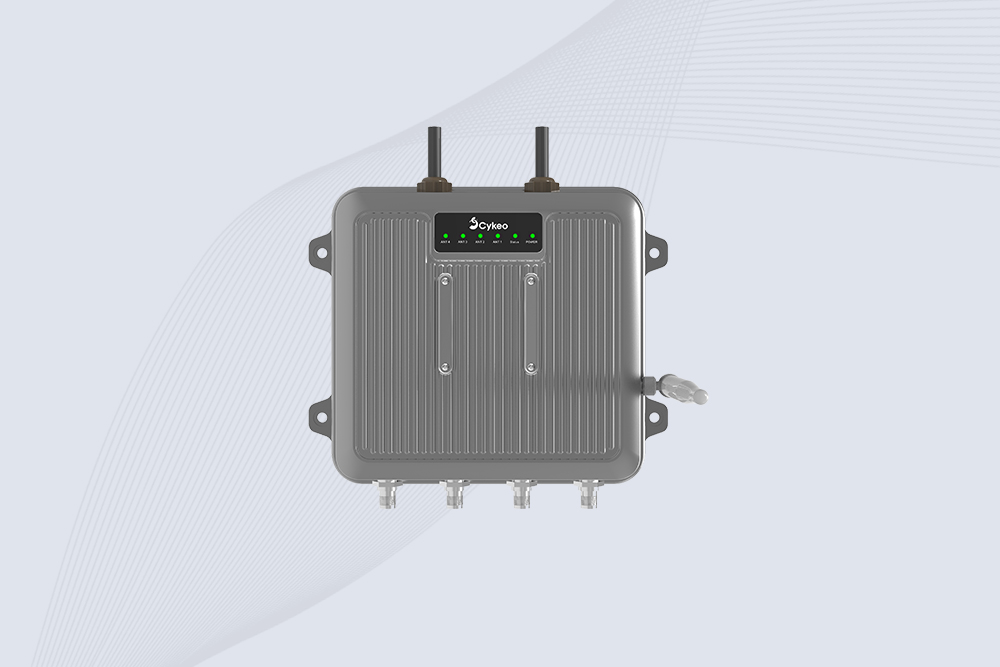
Cykeo CYKEO-C1 industrial Forklift RFID Reader features 20m read range, 600 tags/sec scanning, Impinj R2000 chipset, and IP67 rugged design. Ideal for warehouse logistics and manufacturing. Supports ISO 18000-6C/6B protocols.
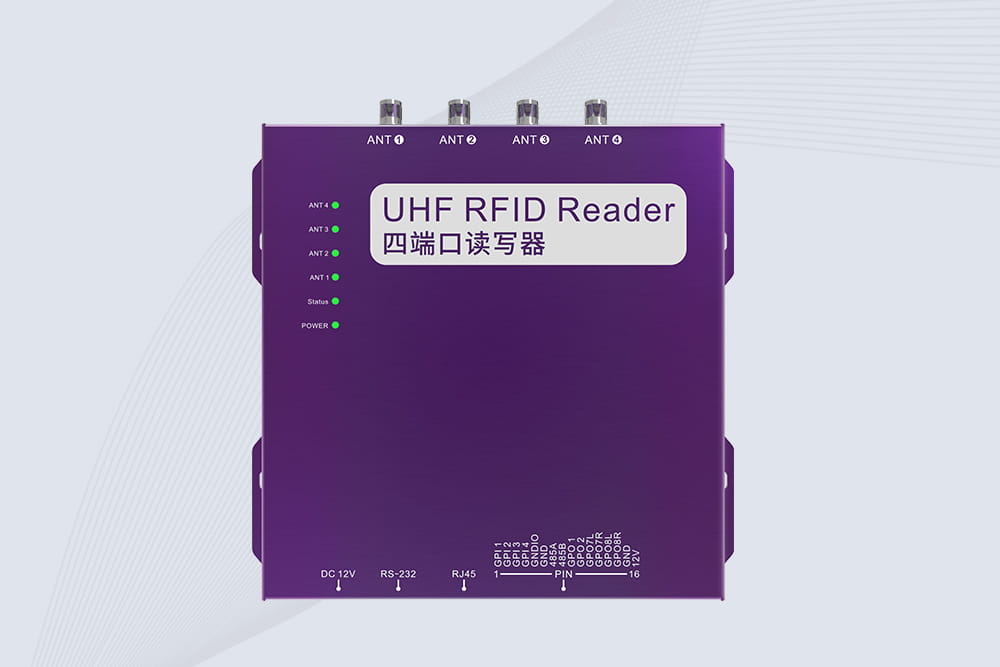
Cykeo CYKEO-R4 industrial UHF RFID Fixed Reader features 4 TNC ports, 400+ tags/sec speed, IP67 housing, and global frequency compliance for vehicle inspection, smart warehouse, and asset management systems.
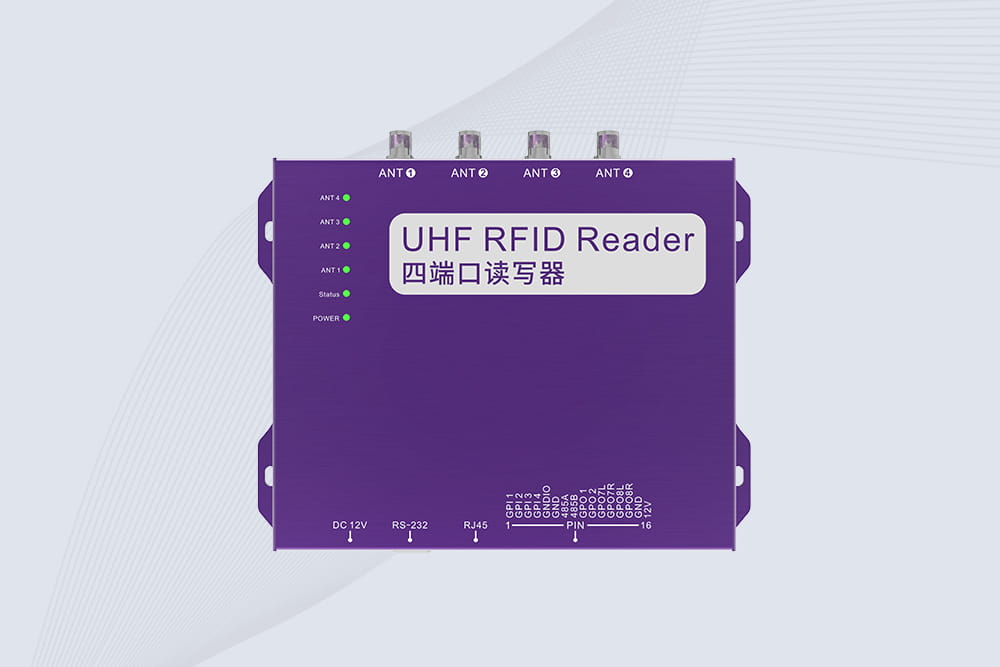
Cykeo’s CYKEO-R4L 4-port Fixed UHF RFID Reader delivers 400 tags/sec scanning, ISO 18000-6C compliance, and IP65 protection. Ideal for warehouse automation, manufacturing WIP tracking, and logistics management.
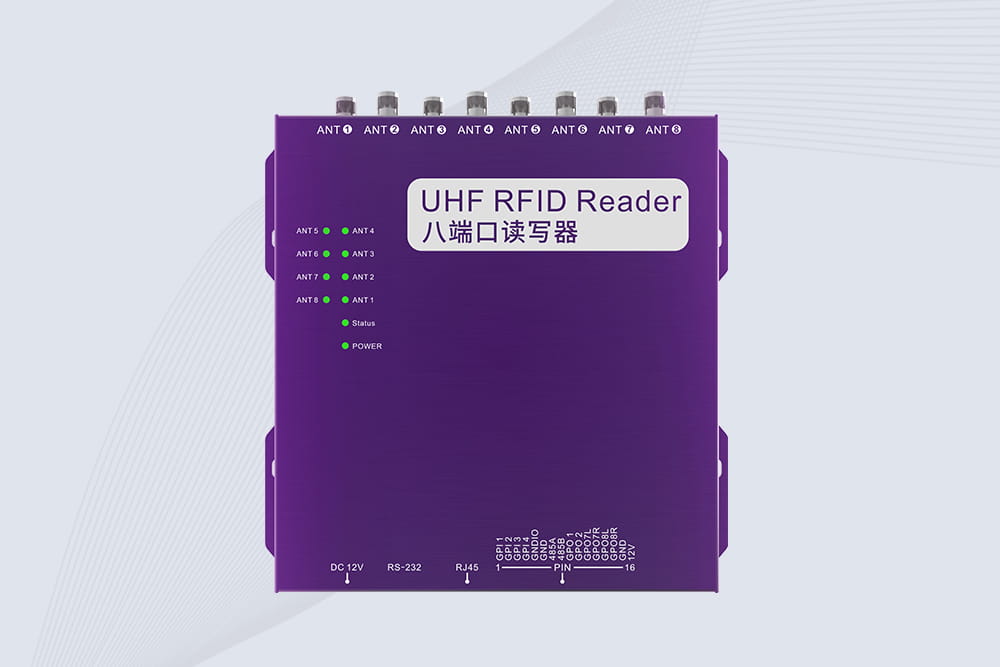
CYKEO CYKEO-R8L Fixed RFID Reader with 8-port UHF design, Impinj-based RF core and up to 20m read range. An industrial Fixed RFID Reader for vehicle inspection, warehouse portals, smart manufacturing lines and secure access checkpoints.
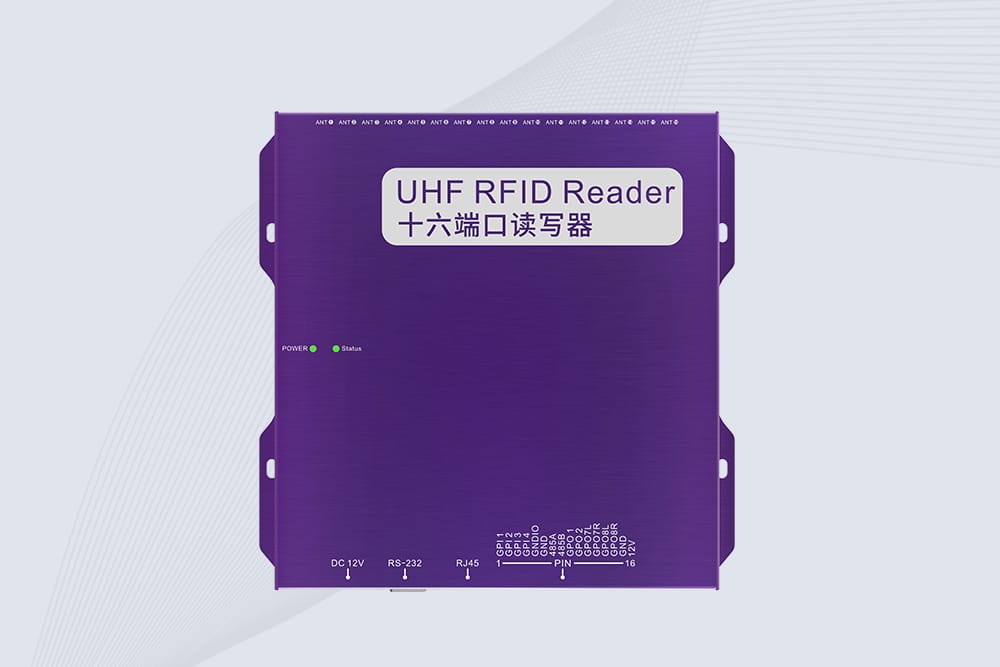
RFID Fixed Reader from CYKEO – the CYKEO-R16L 16-port UHF fixed reader for warehouses, smart cabinets, and production lines. Long-range, multi-tag reading, stable performance for 24/7 industrial use.
RFID Industry Writer | IoT & Asset Tracking Analyst
James writes about RFID technology, asset tracking, and the practical challenges of digital transformation across warehousing, retail, manufacturing, and logistics.
His work focuses on how RFID is applied in real-world operations—improving inventory visibility, automating workflows, and helping businesses manage assets with greater accuracy and efficiency.
He regularly covers topics including UHF RFID, smart cabinets, RFID portals, tool tracking, warehouse automation, and industrial IoT trends..
Learn what an RFID tag is, how it works, and the different types used in inventory tracking, logistics, and industrial asset management.
More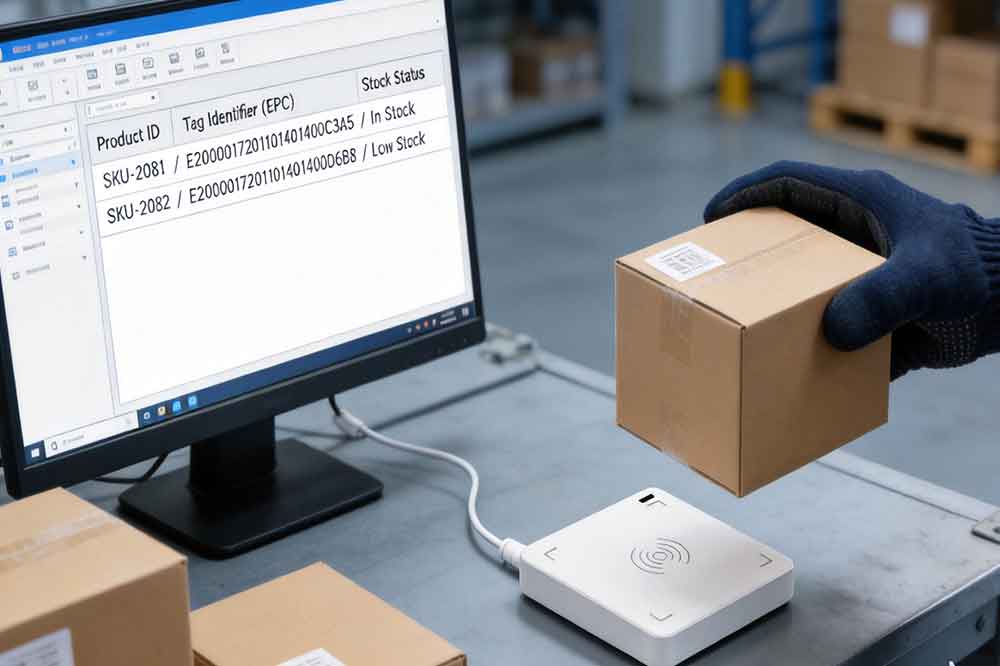
USB RFID reader can help warehouse teams identify tagged products, check inventory records, and manage stock information from a desktop workstation. This gui...
More
Practical guide to industrial RFID readers for automation, logistics, and manufacturing. Covers real-world applications, system integration advantages, and long-range RFID reader options for solution providers.
More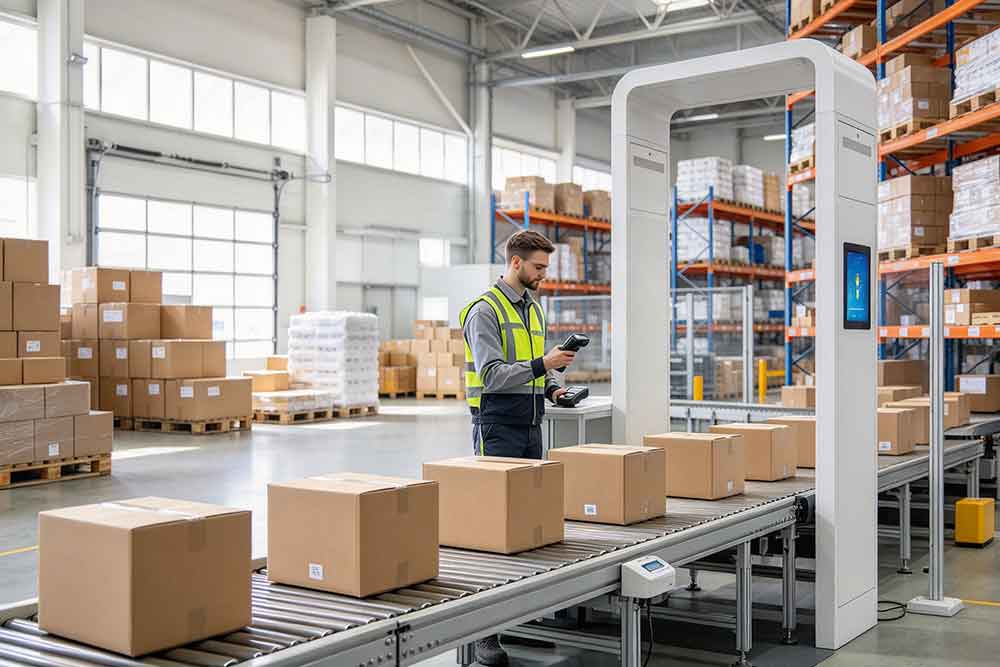
RFID (radio frequency identification) uses radio waves to identify tagged objects without conventional optical scanning. A compatible reader captures tag dat...
More