RFID, or radio frequency identification, uses radio waves to identify tagged objects without requiring a conventional optical scan. To understand what is rfid how it works, start with three essentials: an RFID tag, a compatible reader, and software that turns captured tag data into useful information.
What Is RFID Technology?
RFID is a wireless identification technology used to recognize and manage objects such as cartons, tools, products, library books, and access cards. RFID tag contains a chip and an antenna, while a reader communicates with the tag using radio-frequency signals.
The reader does not automatically know a product’s name, price, or storage location. It captures information encoded in or associated with the tag. Business software then matches that identifier to a database record and applies the rules of the application.
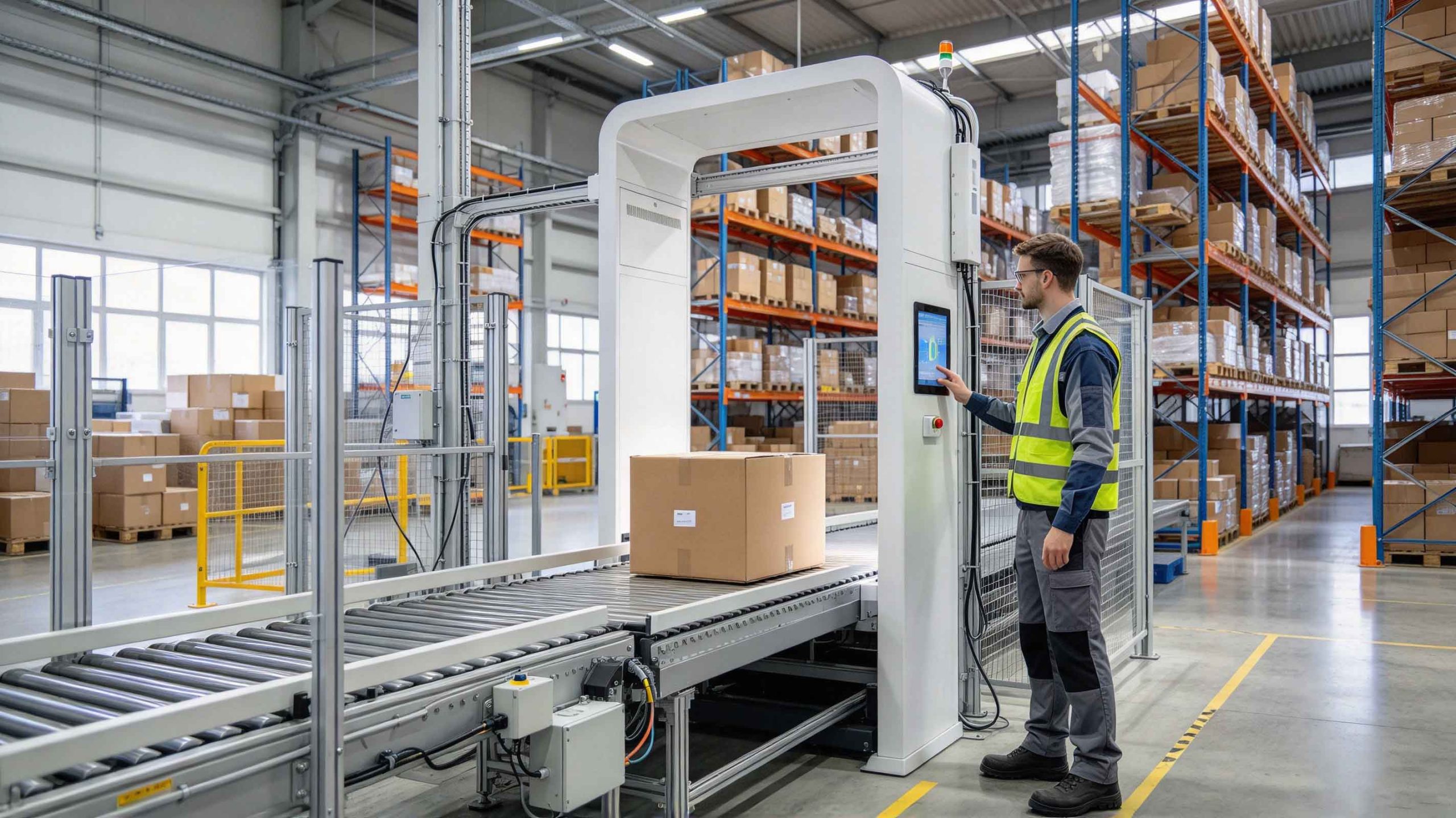
For example, a warehouse may assign an RFID tag to each carton. When cartons pass a fixed reader at a dispatch doorway, the system captures their identifiers and compares them with the shipping list. A missing or unexpected identifier can prompt a check before the shipment leaves.
That distinction matters in practical deployments: RFID captures identification events; the software determines what those events mean.
How Does RFID Work Step by Step?
1. The RFID Reader Sends a Radio Signal
The reader generates a radio-frequency field through its antenna. In a passive RFID system, this field supplies the energy needed by a compatible tag to respond. The reader’s frequency, output power, antenna arrangement, and regional settings determine how the system operates.
2. The RFID Tag Responds
A passive tag uses energy from the reader’s field to power its chip and communicate information back. Many UHF systems use backscatter, in which the tag changes how it reflects the reader’s signal.
Active RFID tags work differently: they use an onboard power source to support their radio communication. Battery-assisted passive designs are another option, depending on the application.
3. The Reader Captures Tag Data
The reader receives responses from tags within its effective reading zone. Compatible systems can identify multiple tags during a reading session, but performance depends on tag orientation, distance, surrounding materials, interference, and the number of tags present.
4. Software Processes the Information
The reader transfers captured data to a host computer, middleware platform, or business application. The software can filter repeated reads, associate identifiers with product records, and record events such as receiving, inventory checks, or dispatch.
A successful read is only the beginning. The system must still interpret that read correctly.
What Are the Main Components of an RFID System?
An RFID system is more than a tag and a reader. Each component has a specific job, and compatibility between them determines whether the installation works reliably.
Component
Function
RFID tag
Stores an identifier and, depending on the tag, additional information
Transmits and receives RF signals; may be integrated into the reader
Middleware or software
Filters reads and processes identification events
Database or business system
Connects tag IDs to products, assets, and operational records
The GS1 explanation of RFID systems describes how readers communicate with tags and convert their responses into digital data. In passive UHF RFID, the tag can return information through backscatter rather than generating its own radio transmission
RFID readers capture tag identifiers so warehouse software can connect physical goods with digital inventory records.
How RFID Frequency Affects the Working Principle
RFID systems operate at different frequencies, and the frequency affects how the tag and reader communicate. Choosing the right band is a practical design decision, not simply a specification comparison.
Frequency band
Common applications
Typical characteristics
LF — 125 or 134.2 kHz
Animal identification and specialized access applications
Short-range communication
HF — 13.56 MHz
Smart cards, libraries, and NFC-related applications
Often suited to controlled, close-range reading
UHF — roughly 860–960 MHz, depending on regional allocation
Warehouse inventory, logistics, and bulk item identification
Often supports multi-tag reading over several metres
These are general application patterns, not universal rules. Actual read range depends on the tag design, reader power, antenna characteristics, surrounding materials, and local radio regulations. GS1 notes that passive UHF RFID commonly works over several metres, with longer ranges possible under particular conditions.
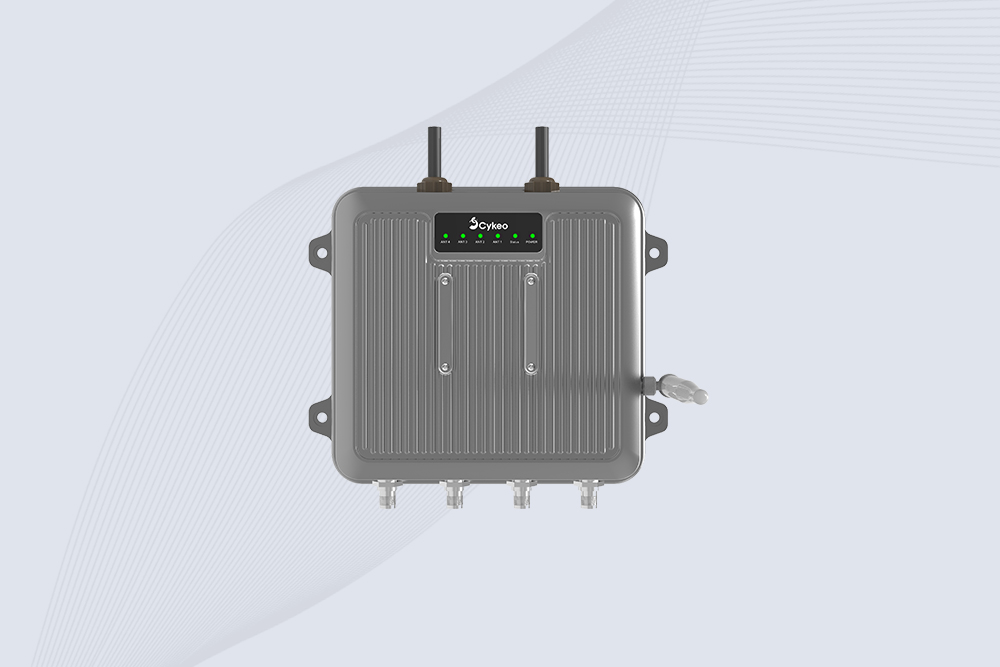
Fixed RFID readers can capture tag information as goods move through a configured reading zone.
Practical Considerations When Setting Up RFID
In a real deployment, a reader may work perfectly on a test bench and still miss tags once installed beside a conveyor or metal rack. The reason is often the reading environment rather than a defective reader.
Before selecting equipment, check:
Whether the tag supports the reader’s frequency and protocol.
Whether metal, liquid, or dense product packing affects the signal.
Whether the antenna covers the intended reading zone without capturing unwanted tags.
Whether the software correctly handles repeated reads and unexpected items.
Whether the reader’s communication interface is compatible with the host system.
For UHF deployments, the goal is not always to maximize reading distance. A controlled reading zone can be more valuable than a powerful reader that also detects inventory on a neighboring shelf.
Evidence That RFID Can Improve Inventory Management
A field study by Auburn University researchers, published in Production and Operations Management, examined RFID-enabled inventory visibility across 13 retail stores over 23 weeks. The researchers reported an approximately 26% reduction in inventory record inaccuracy in the first experiment. A second experiment covered 62 stores and five product categories, with results varying by category
The finding illustrates an important point: RFID creates value when captured reads feed a useful business process. Installing readers alone does not guarantee more accurate inventory records.
What Are the Main Applications of RFID?
Understanding what is RFID how it works becomes easier when the technology is connected to a real operational task. RFID is used across industries, but the best system depends on the object being identified, the reading environment, and the business event that needs to be recorded.
1. Inventory and Warehouse Management
Retailers and distribution centers use RFID to identify products, cartons, and pallets during receiving, stocktaking, picking, and shipping. Fixed readers can capture tag IDs as goods pass through a doorway, while handheld readers support targeted inventory checks.
For example, a warehouse can compare the tags detected at a dispatch portal with the expected shipment list. An unexpected tag may indicate that an item was loaded into the wrong shipment. The system still needs accurate product records and correctly configured reading zones to make that comparison useful.
2. Asset Tracking and Equipment Management
RFID tags can identify tools, reusable containers, IT equipment, and other assets. Readers installed at selected locations help record when tagged objects pass through those points.
RFID does not inherently provide continuous GPS coordinates. Instead, location information is usually inferred from which reader detected the tag, when the event occurred, and how the software interprets that event.
3. Access Control and Personnel Identification
RFID credentials are used in employee badges, access cards, and key fobs. A reader captures the credential data, and the access-control system checks whether the credential is authorized.
The security of the arrangement depends on the credential technology, authentication method, encryption, and system configuration—not simply on the presence of RFID.
4. Manufacturing and Healthcare
Manufacturers can use RFID to identify components, work-in-progress items, and returnable containers. Healthcare facilities can use it to identify equipment, manage selected supplies, and record asset movements between departments.
These applications require appropriate tag selection and process validation. Metal equipment, liquid-filled products, and densely packed supplies can affect read performance, so testing representative items before deployment is essential.
Passive RFID vs. Active RFID: How Do They Work Differently?
The main distinction is how the tag obtains power and communicates with the reader.
Often suitable for tagging large numbers of items economically
Tag and infrastructure costs depend on the application
Battery-assisted passive tags are another category. They use a battery to support the tag’s circuitry but communicate differently from fully active tags, so they should not automatically be treated as equivalent to active RFID.
How to Troubleshoot an RFID System
An RFID system that misses tags or produces unexpected reads does not necessarily need a more powerful reader. Start by checking the reading conditions and the path from the tag to the application.
Problem: Some tags are not detected
Check tag orientation, tag compatibility, antenna alignment, and the material immediately surrounding each tag. Test a sample tag in the same position as the real product rather than relying on an open-air test.
Problem: The reader detects tags outside the intended area
Review reader power, antenna direction, antenna placement, and the surrounding RF environment. Reduce unintended coverage through system configuration and physical read-zone design.
Problem: The reader sees tags, but the software does not update
Check the reader’s communication settings, network connection, data format, middleware, and database mapping. A successful radio read does not guarantee a successful business transaction.
A Practical Note on Reader Selection
For a fixed UHF RFID installation, evaluate protocol support, antenna configuration, regional frequency settings, host connectivity, and software integration together. Cykeo’s UHF reader and module solutions can be evaluated against these requirements, but the final configuration should be validated with the actual tags and products used in the deployment.
Frequently Asked Questions
1. What is RFID and how does it work in simple terms?
RFID stands for radio frequency identification. A reader sends radio signals to communicate with compatible tags, receives their responses, and passes the captured information to software. The software matches tag identifiers with product or asset records and can use them to record inventory or movement events.
2. Does an RFID tag need a battery to work?
No. Passive RFID tags obtain the energy needed to respond from the reader’s radio-frequency field. Active RFID tags use an onboard battery, while battery-assisted passive tags use a battery for certain functions but communicate using a passive-style response.
3. Can an RFID reader read multiple tags at once?
Yes. Many RFID systems support anti-collision protocols that allow multiple compatible tags to be identified during a reading session. The number successfully read depends on the reader, tag population, protocol settings, antenna arrangement, interference, and the time available for reading.
4. What is the difference between RFID and NFC?
NFC operates at 13.56 MHz and is based on HF RFID-related technology standards. It is commonly used for close-range interactions such as contactless payments, device pairing, and compatible access credentials. RFID is a broader family of technologies that also includes LF and UHF systems used for other identification tasks.
5. How far can an RFID reader read a tag?
There is no single read distance for all RFID systems. Some HF applications operate over very short distances, while passive UHF systems can often read tags over several metres under suitable conditions. Tag design, reader power, antennas, product materials, and local regulations affect the achievable range.
6. Why does an RFID system sometimes miss tags?
Missed reads can result from poor tag orientation, unsuitable tags, metal or liquid interference, incorrect antenna placement, excessive tag density, or inappropriate reader settings. Test tags on the actual products and adjust the installation before assuming the reader itself is faulty.
7. What software is needed for an RFID system?
The software depends on the application. A basic system may use reader configuration tools and a simple application to display tag IDs. A larger deployment may require middleware, inventory databases, warehouse management software, or enterprise system integration to turn tag reads into reliable operational records.
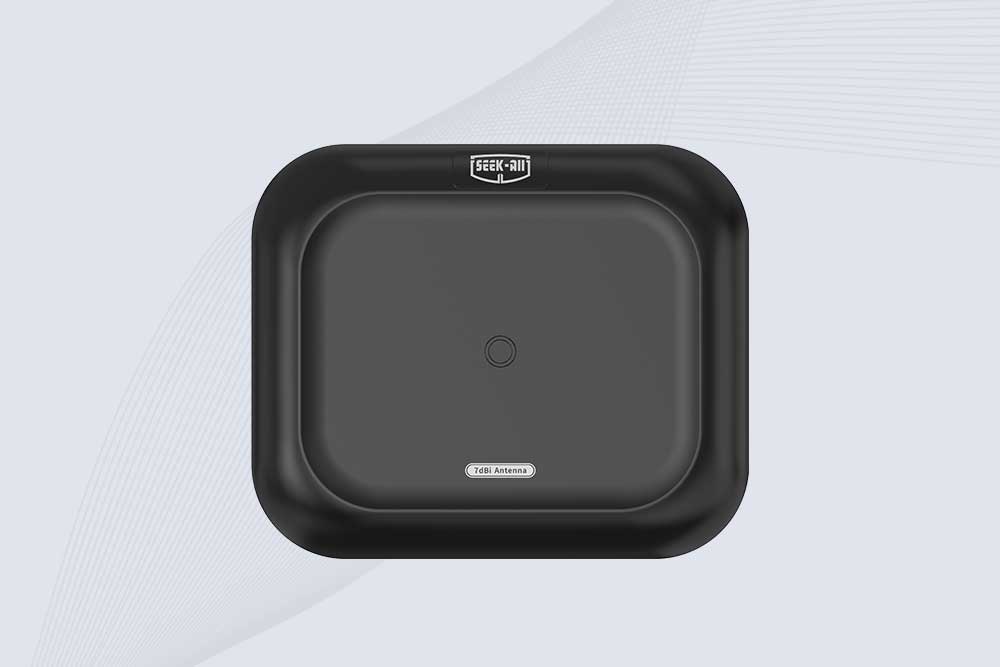
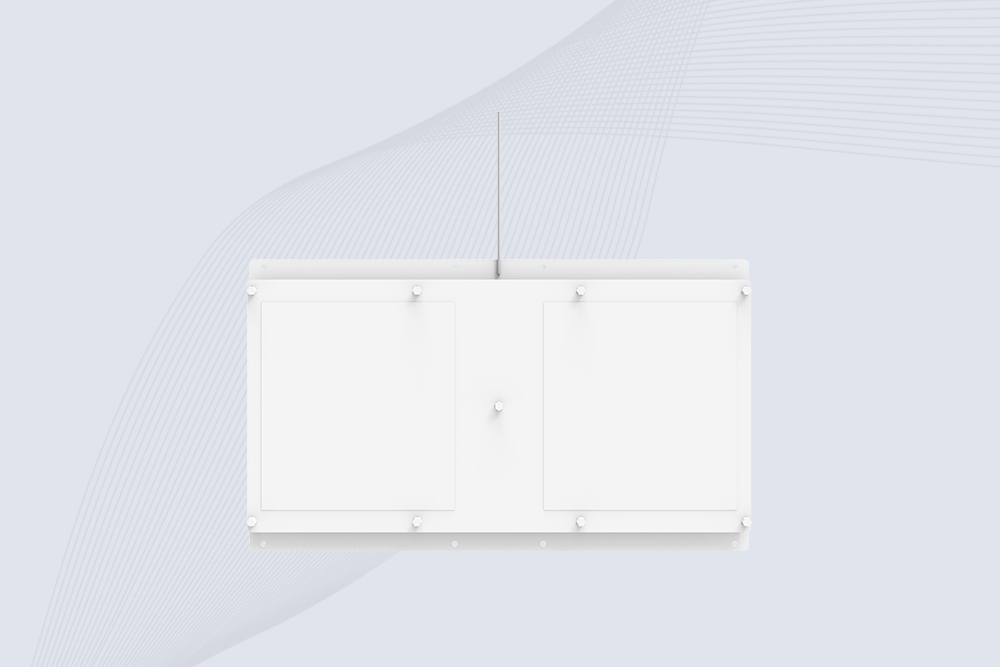
Explore the SSD-A07 UHF RFID antenna with 7 dBi gain, circular polarization, adjustable 840–960 MHz frequency, and 60°/75° beamwidth for stable RFID read/write performance.
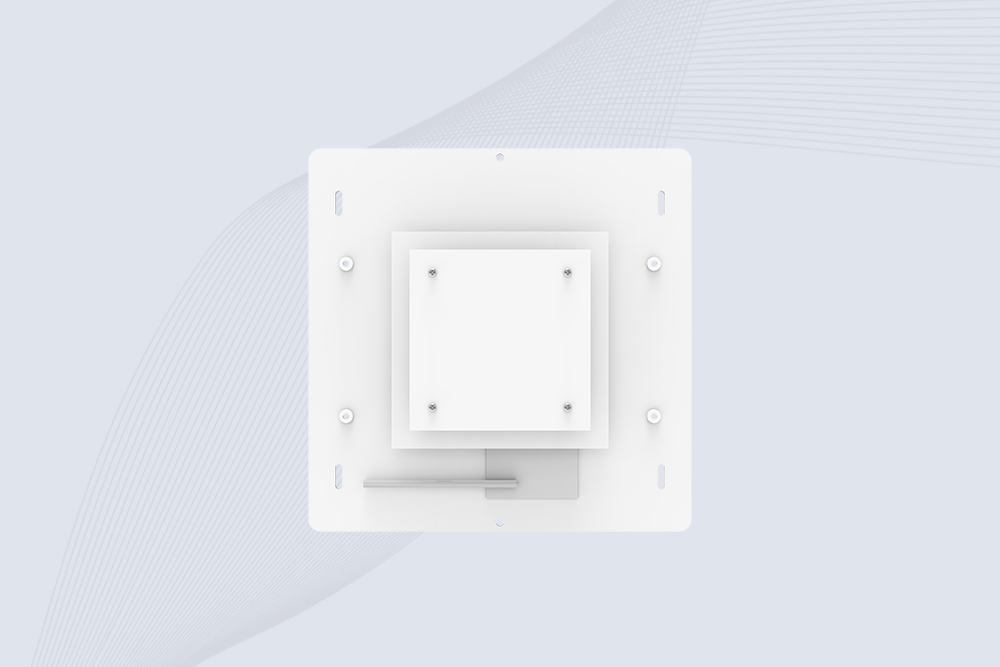
SSD-A06 UHF RFID antenna with circular polarization, adjustable 840–960 MHz frequency, ≥4.5 dBi gain, and a compact directional design for RFID systems.
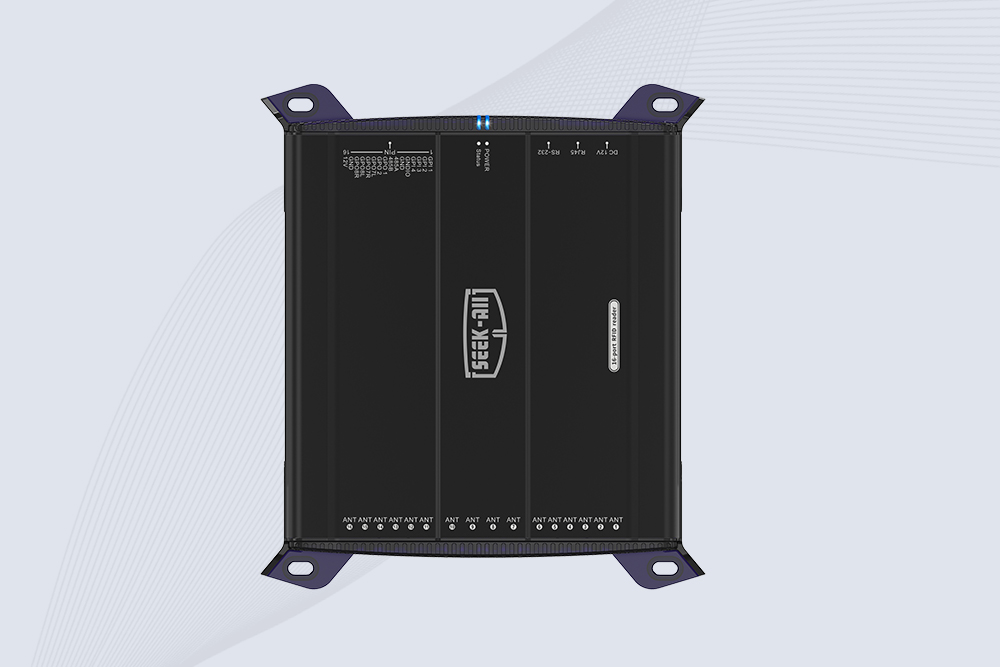
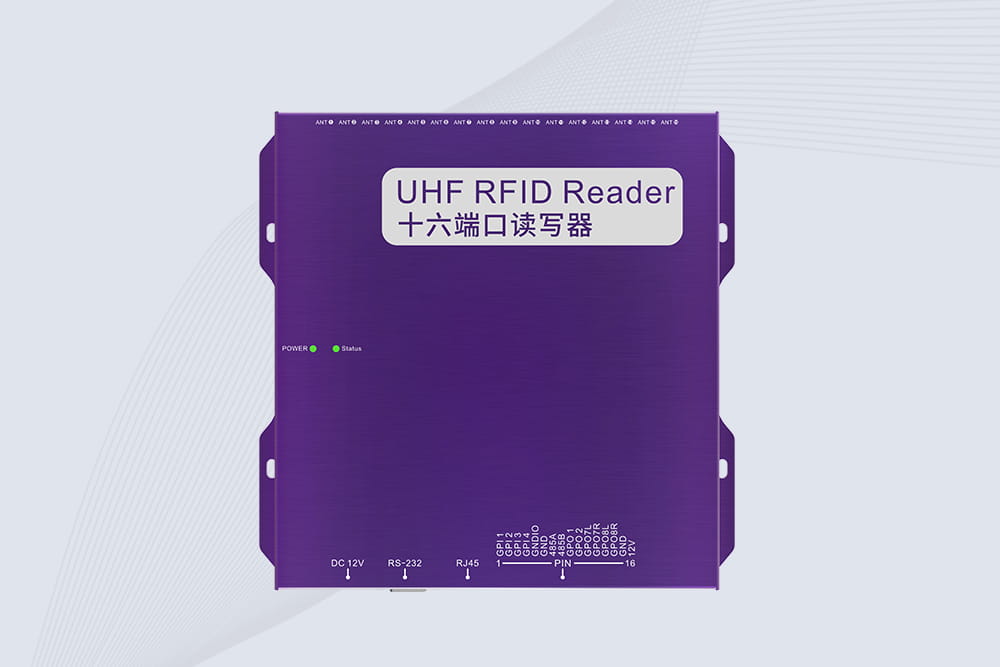
SSD-R16L Multi-Channel RFID Infrastructure for Automated Inventory Management ✔️ 16-Port High-Density RFID Reading Equipped with 16 SMA antenna ports, SSD-R16L supports multi-antenna deployment for warehouses, retail stores, logistics, production lines, and large-area RFID identification. ✔️ High-Speed & Long-Range Performance With up to 33…
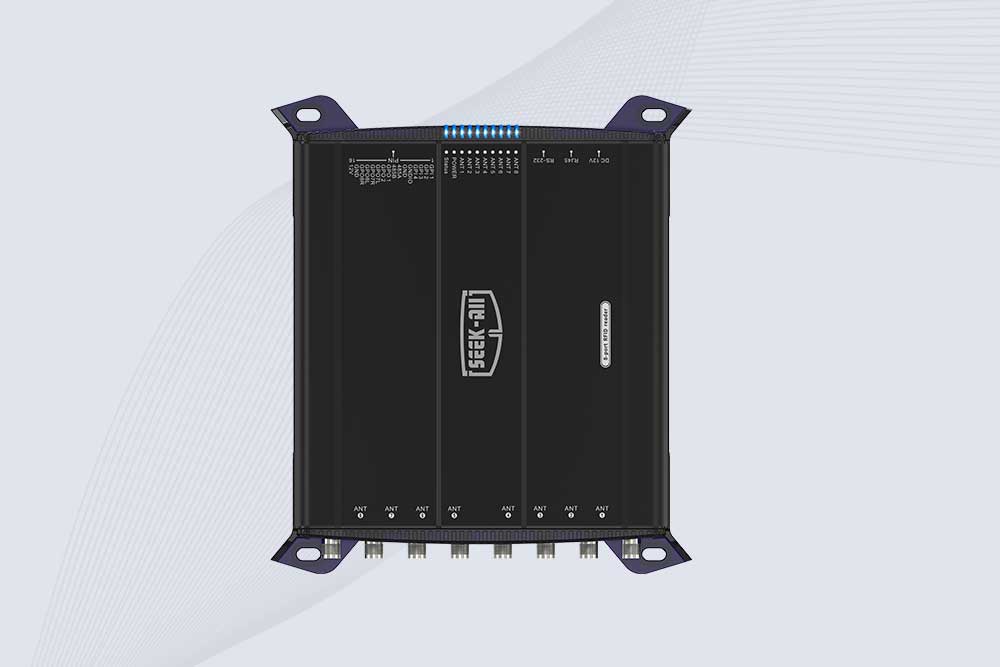
SSD-R8L 8-port UHF RFID reader with 33dBm output, up to 20m reading range and 600+ tags/s recognition. Ideal for warehouse, logistics, retail and asset tracking.
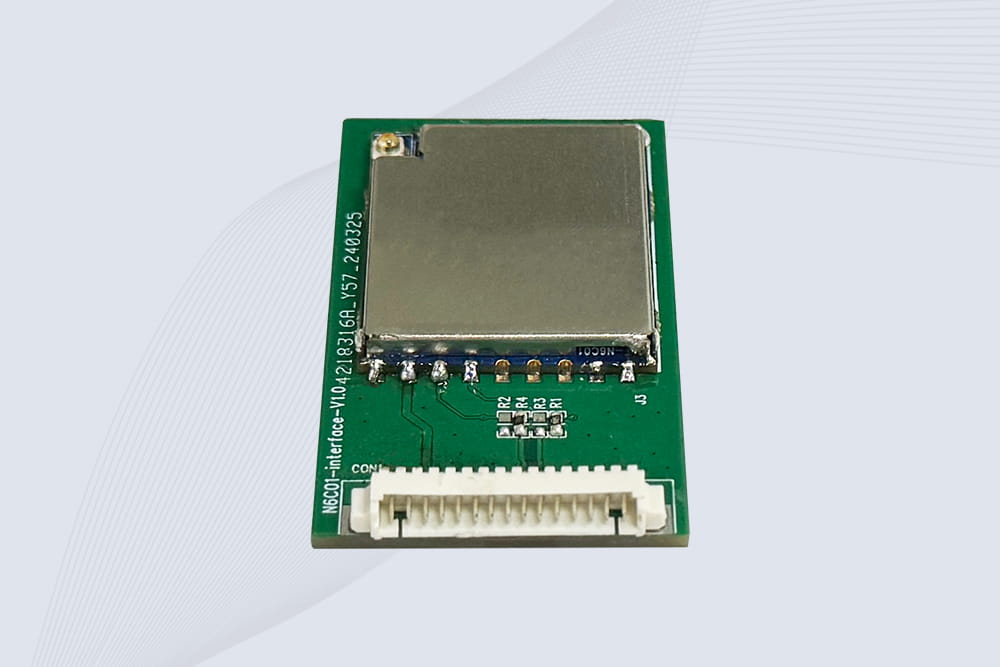
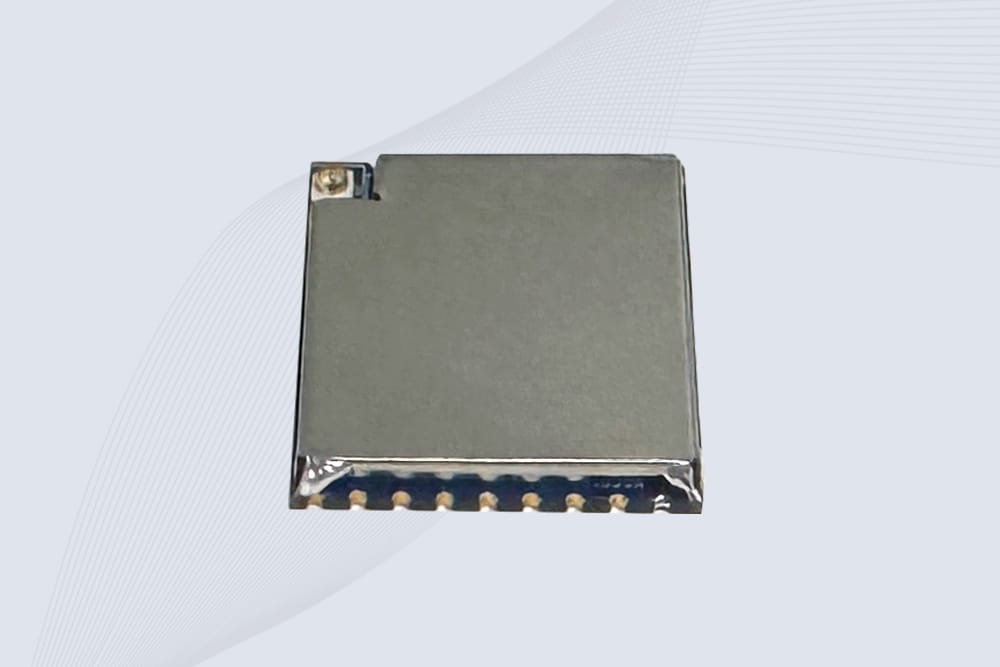
CYKEO Embedded RFID Modules are designed for compact industrial and IoT devices that require stable UHF performance. These UHF RFID Modules support global protocols, flexible power control, and reliable multi-tag reading for smart cabinets, production lines, and asset tracking systems.
CYKEO Embedded RFID Module is built for compact IoT and industrial devices that need stable UHF performance. This UHF module supports global protocols, low power operation, and reliable multi-tag reading for smart lockers, production lines, and always-on RFID systems.
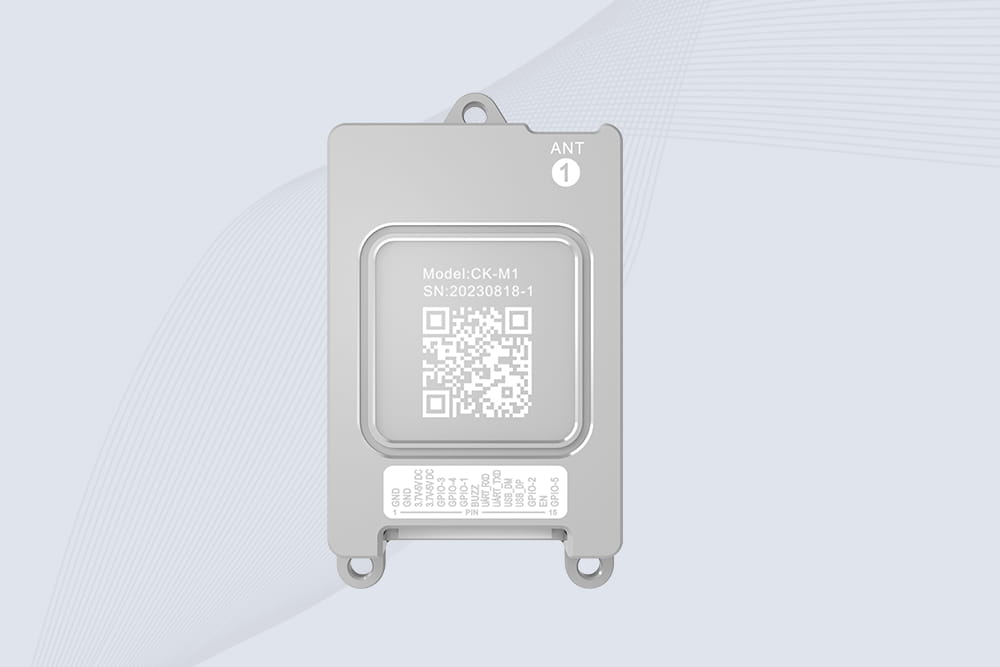
CYKEO CYKEO-M1 drone rfid module is a compact UHF RFID reader module designed for drones and UAV platforms. It supports long-range aerial scanning, fast multi-tag reading, and stable performance in wind, vibration, and outdoor environments.
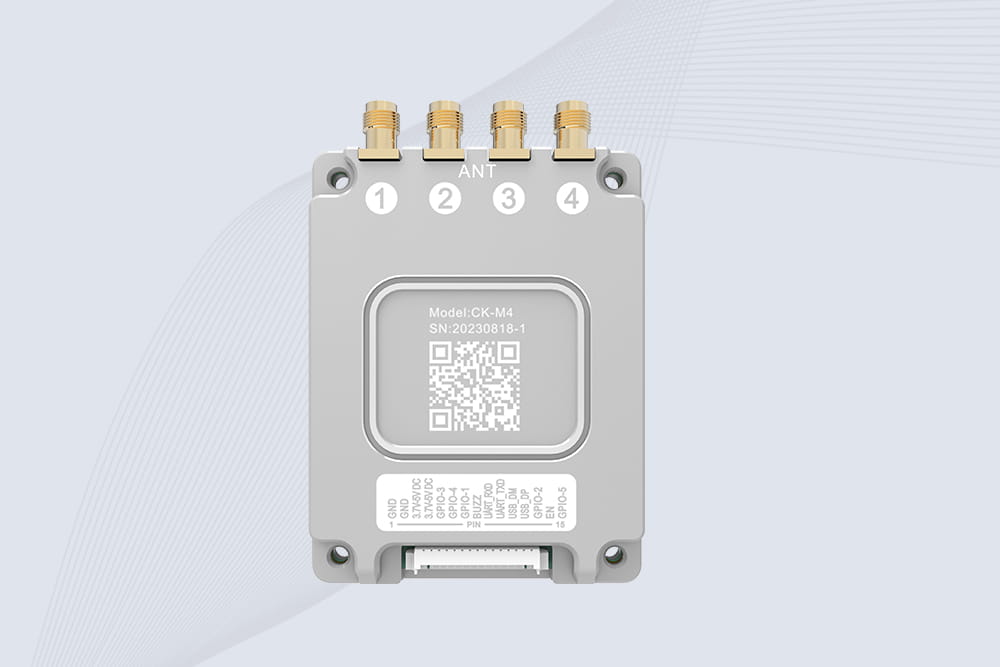
CYKEO CYKEO-M4 RC522 RFID Module is an industrial-grade UHF RFID reader with 4 ports, supporting ISO, EPC, and GB protocols. High-speed, accurate reading for IoT, automation, and warehouse applications.
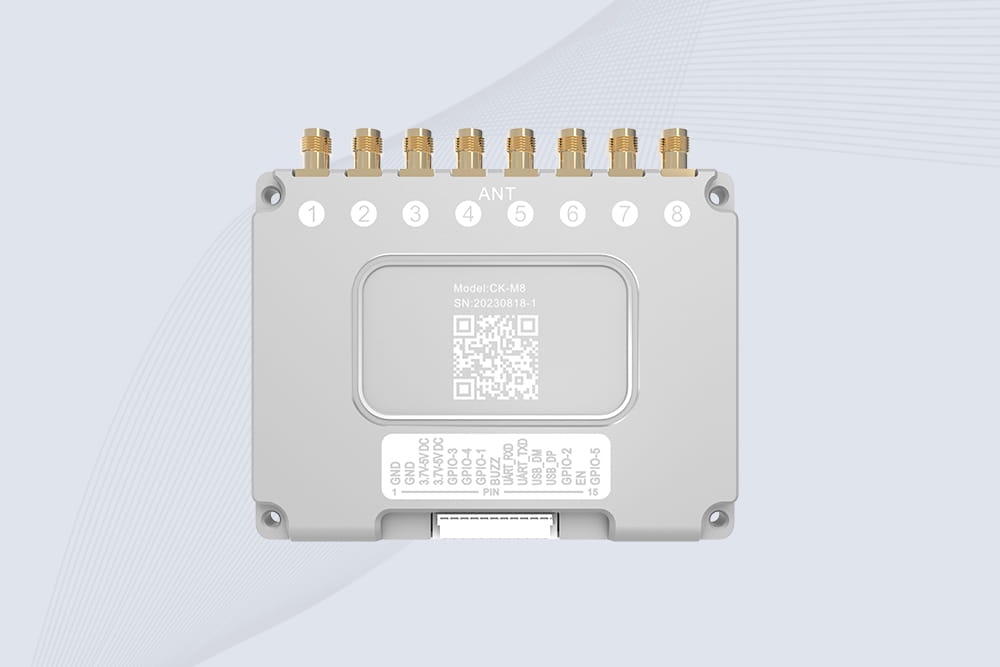
CYKEO CYKEO-M8 Module RFID is an 8-port UHF R2000 RFID Module designed for high-density, multi-tag environments. Stable 33dBm output, ISO & GB protocol support, ideal for warehouses, factories, and automated systems.
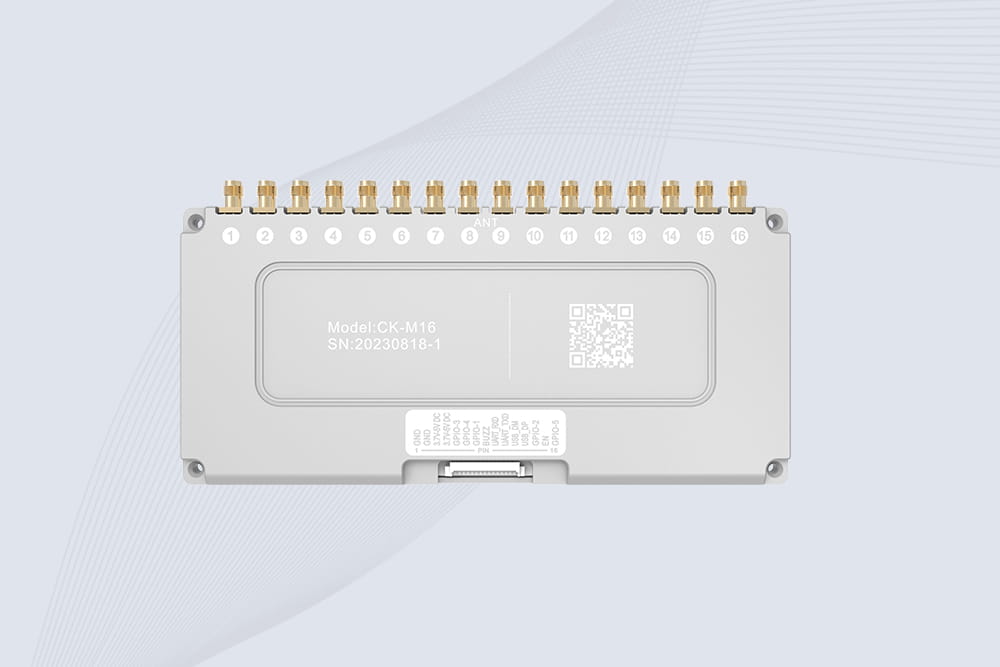
CYKEO CYKEO-M16 RFID Module is a 16-port UHF RFID reader module based on the R2000 chipset. Designed for dense tag environments, it supports ISO and GB standards and delivers stable multi-antenna control for industrial automation.
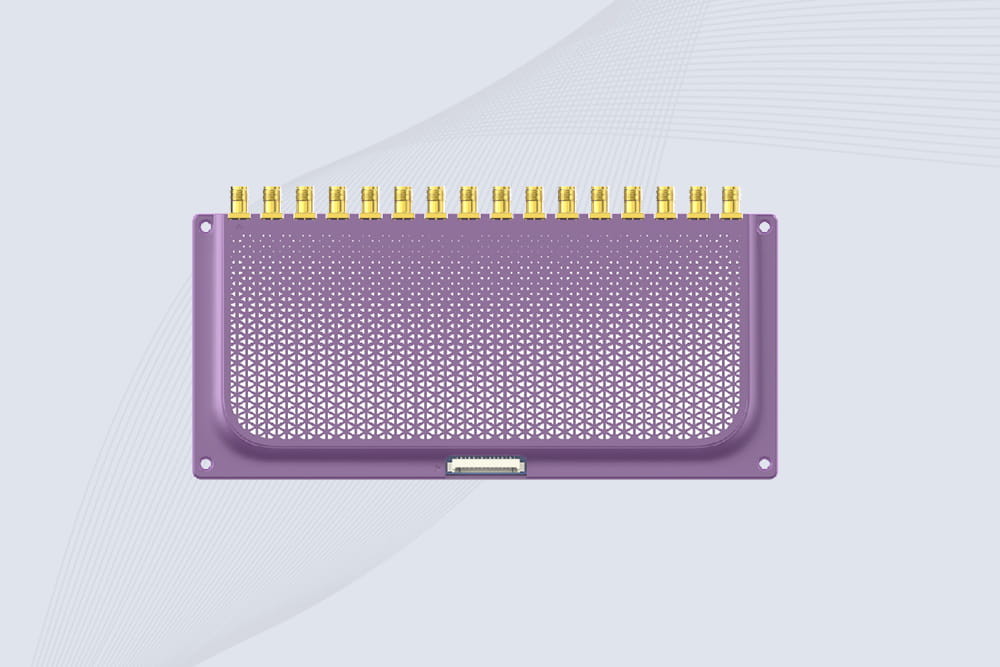
The CYKEO CYKEO-M16L RFID Reader Module is a 16-channel UHF RFID core designed for dense tag environments. With adjustable 33dBm output, multi-protocol support, and stable multi-antenna control, this RFID Tag Reader Module fits industrial automation, warehouse systems, and large-scale IoT deployments.
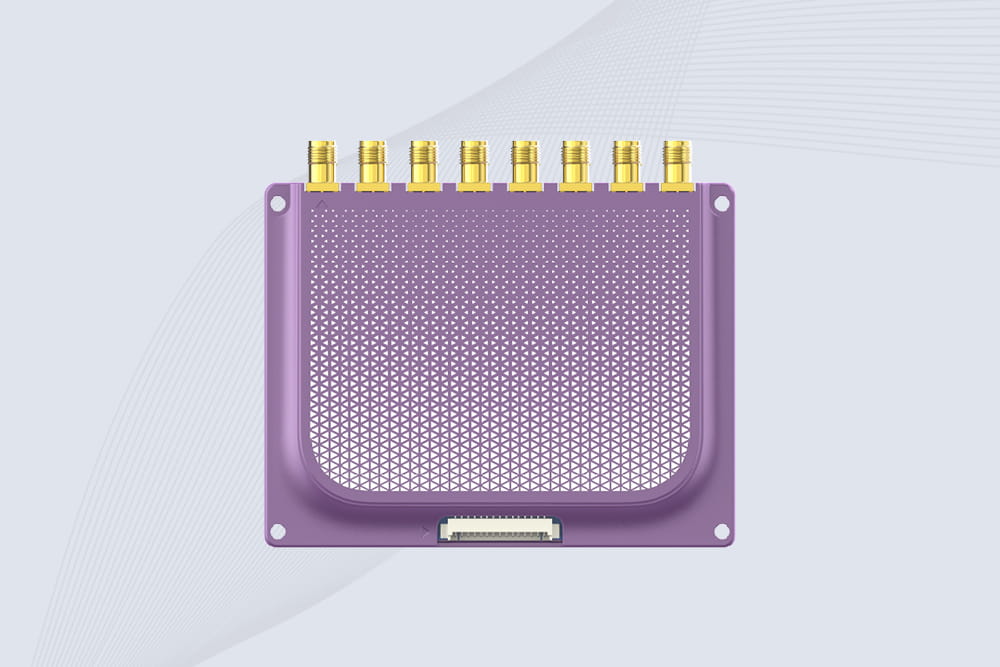
CYKEO CYKEO-M8L module RFID is a compact industrial UHF module built for dense tag and multi-antenna environments. With 8 RF ports, adjustable 33 dBm output, and ISO & GB protocol support, it is widely used in factories, warehouses, and automated tracking systems.
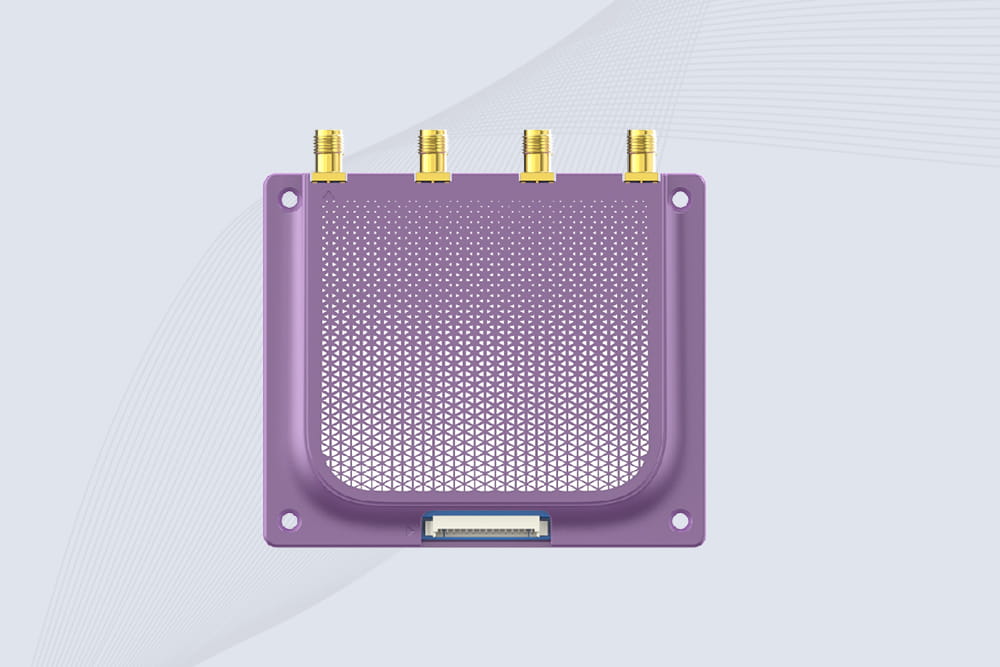
CYKEOCYKEO-M4L UHF RFID Module is a compact 4-channel RFID tag reader module designed for dense tag environments. Supporting ISO and GB protocols, it delivers stable reads up to 10 meters for industrial and IoT systems.
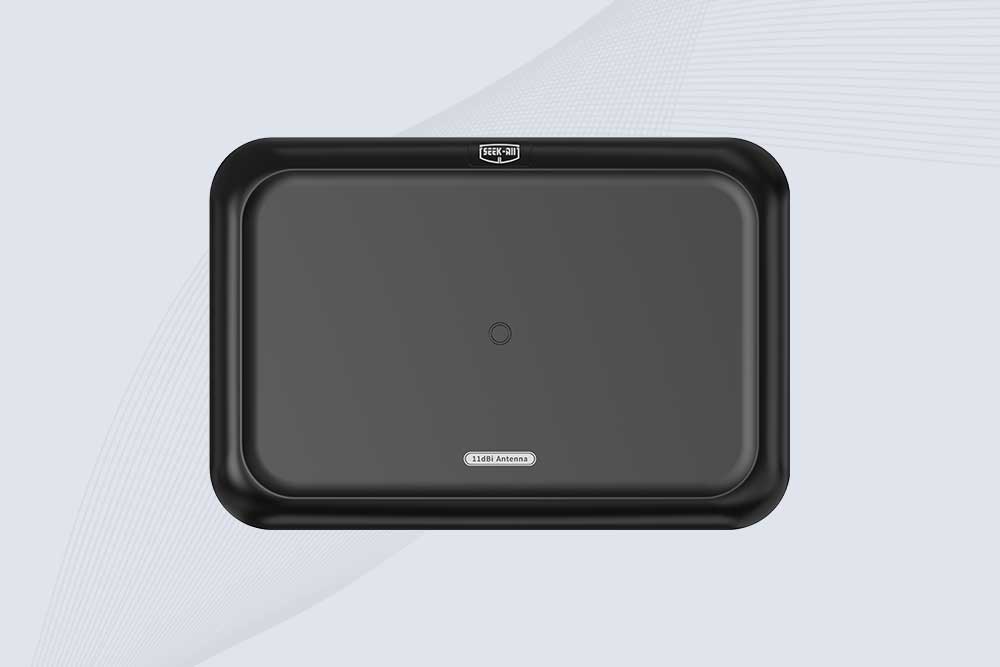
Cykeo CYKEO-A11 UHF RFID reader antenna delivers 11dBi gain, 840-960MHz frequency range, and IP65 ruggedness for retail, logistics, and industrial RFID systems. Features low VSWR and easy installation.
CYKEO Antenna RFID Reader delivers stable long-range UHF performance with a 10.5dBi directional design, built for warehouses, conveyor portals, and industrial RFID systems. This rfid reader antenna provides 20m+ read distance and rugged IP67 protection.
Cykeo CYKEO-A5B industrial Linear RFID Antenna delivers 5dBi gain, ≤1.5:1 VSWR, and IP65 rugged design for warehouse, production line, and logistics UHF systems.
Cykeo’s CYKEO-B12 Long Range RFID Antenna delivers 15m+ read range with 12dBi gain, IP65 rugged design, and global 840-960MHz UHF support. Ideal for warehouse/logistics asset tracking.
Cykeo CYKEO-B10 Long Distance RFID Antenna offers 10dBi gain, 840-960MHz frequency range, IP65 rating, and 20m+ coverage for logistics/warehousing/ETC systems. Low VSWR ensures stable signal transmission.
Cykeo CYKEO-A6 UHF RFID panel antenna features 6dBi gain, 840-960MHz broadband, IP65 metal-ready housing for logistics/smart retail. 18mm ultra-thin design with tool-free mounting.
Cykeo CK-A3 industrial antenna RFID UHF offers 5m+ tag detection, ≤1.3:1 VSWR, IP65 rugged design, and global UHF spectrum compatibility (840-960MHz) for warehouses, factories, and retail.
Cykeo CYKEO-B5 directional RFID antenna provides 5dBi gain with 60° narrow beamwidth for precise inventory tracking. IP65-rated, global UHF frequency support, and low VSWR.
Create your own high-performance DIY RFID antenna! 5dBi gain, 840-960MHz tunable, step-by-step guides. Compatible with Arduino, Raspberry Pi, and commercial UHF readers.
Cykeo CYKEO-A7 Flexible RFID Antenna features 840-960MHz wideband tuning, 7dBi gain, and IP68 rating for medical/retail/industrial curved surface deployments. 98% read accuracy with peel-and-stick installation.
Cykeo CYKEO-B5A industrial Passive RFID Antenna delivers 5dBi gain, 70° beamwidth, and -40°C~55°C operation for warehouses/smart cabinets. Compatible with Zebra/Impinj readers.
Cykeo’s CYKEO-A9B High Gain RFID Antenna delivers 15m+ read range with 9dBi amplification. Features IP54 rugged design, 840-960MHz bandwidth, and 80° beamwidth for warehouse/manufacturing RFID systems.
Cykeo’s enterprise-grade 8dbi Impinj RFID Antenna 10m+ read range with 840-960MHz tuning. Features IP65 housing, 1.4 VSWR, 35° beamwidth for retail/warehouse RFID systems.
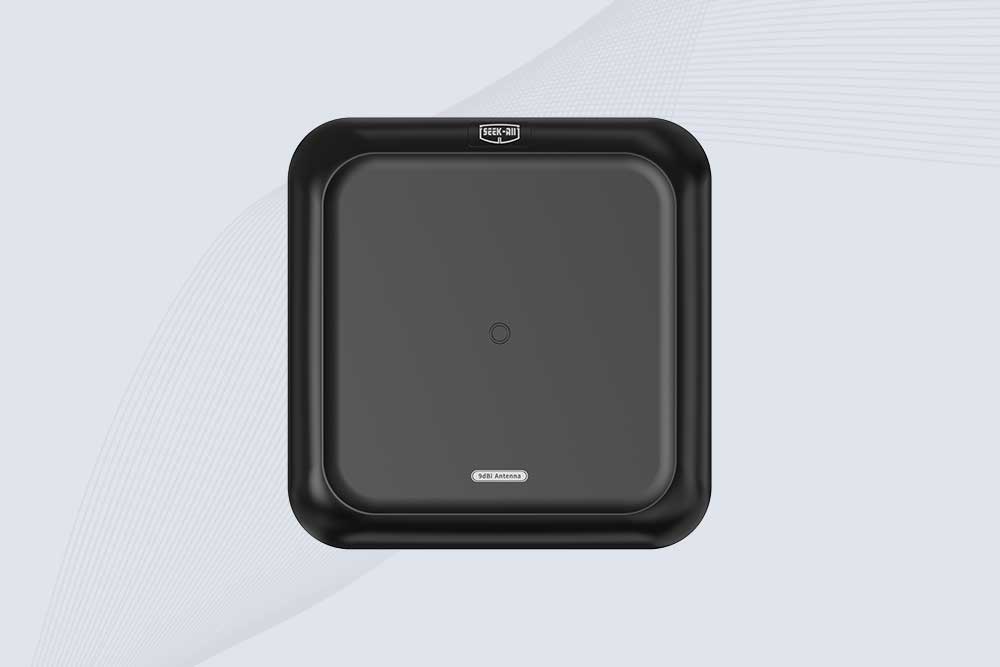
Cykeo CYKEO-A9 industrial UHF RFID antenna delivers 9dBi gain, 840-960MHz frequency range, and IP65 protection for warehouse/logistics/retail RFID systems. Features N-type connector and ≤1.3:1 VSWR.
CYKEO UHF RFID Antenna built for long-distance and industrial applications. This antenna rfid uhf delivers strong gain, outdoor durability, and reliable tag performance in warehouses, yards, and vehicle ID systems.
CYKEO Antenna RFID delivers reliable long-range UHF performance in warehouses, retail shelves, and cold-chain environments. This compact uhf rfid antenna provides stable reads with circular polarization and ultra-wide 840–960 MHz support, ideal for industrial tracking, smart shelves, and asset monitoring.
Cykeo’s CYKEO-C8 UHF RFID antennas delivers 8dBi gain, 840-960MHz full-band coverage, and IP65 ruggedness for manufacturing/warehouse RFID systems. Industrial RFID Antennas Features
Cykeo’s 8dBi UHF RFID antenna and reader kit delivers 10m+ range, 840-960MHz broadband, and IP65 ruggedness for factories, warehouses, and logistics. ISO 18000-6C & EPC Gen2 certified.
Cykeo’s CYKEO-A12C UHF Large RFID Antenna delivers 12dBi gain, 840-960MHz global frequency, IP65 ruggedness for logistics/warehousing/automotive. 40° beamwidth ensures stable 15m+ tag reads.
CYKEO Near Field RFID Antenna provides precise 5–30 cm reading for shelves, cabinets, and workstations. This compact rfid shelf antenna delivers stable short-range performance around metal and clutter, ideal for pharmacies, libraries, and electronics sorting.
Cykeo CYKEO-C1 industrial Forklift RFID Reader features 20m read range, 600 tags/sec scanning, Impinj R2000 chipset, and IP67 rugged design. Ideal for warehouse logistics and manufacturing. Supports ISO 18000-6C/6B protocols.
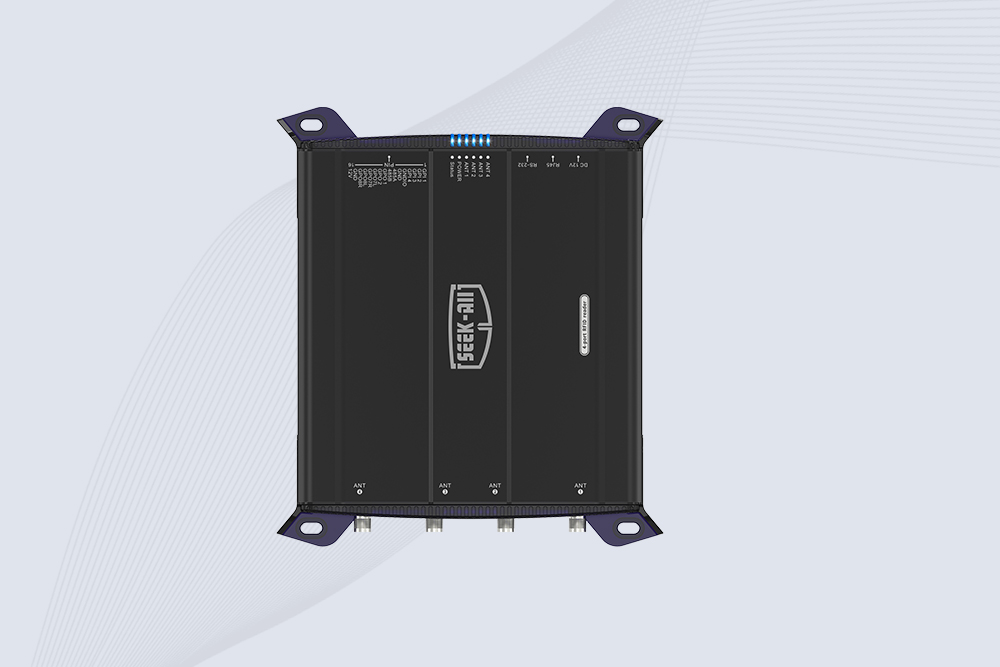
Cykeo CYKEO-R4 industrial UHF RFID Fixed Reader features 4 TNC ports, 400+ tags/sec speed, IP67 housing, and global frequency compliance for vehicle inspection, smart warehouse, and asset management systems.
CYKEO CYKEO-R8L Fixed RFID Reader with 8-port UHF design, Impinj-based RF core and up to 20m read range. An industrial Fixed RFID Reader for vehicle inspection, warehouse portals, smart manufacturing lines and secure access checkpoints.
RFID Fixed Reader from CYKEO – the CYKEO-R16L 16-port UHF fixed reader for warehouses, smart cabinets, and production lines. Long-range, multi-tag reading, stable performance for 24/7 industrial use.
Industry Overview With the rapid advancement of the information age, file management methods have undergone profound transformations. While traditional file cabinets meet basic storage and management needs, their efficiency and accuracy are increa...
Looking for a long range RFID scanner for warehouse operations? Discover how fixed RFID systems improve inventory accuracy, automate pallet tracking, reduce labor costs, and support large-scale warehouse management.
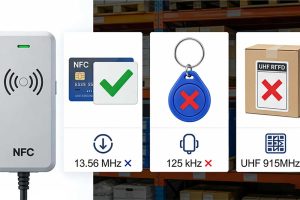
Trying to figure out if your NFC reader is enough? We explain exactly which RFID tags an NFC reader can and cannot read, and why it's not a warehouse solution.
Learn about UHF RFID technology—how it works, key advantages over LF/HF, real-world applications in warehousing and retail, and how to choose the right UHF RFID reader. Expert guidance from CYKEO engineers.
 Cykeo RFID IoT Solution Products R&D Manufacturer